Loading…
Loading video…

36,660 views
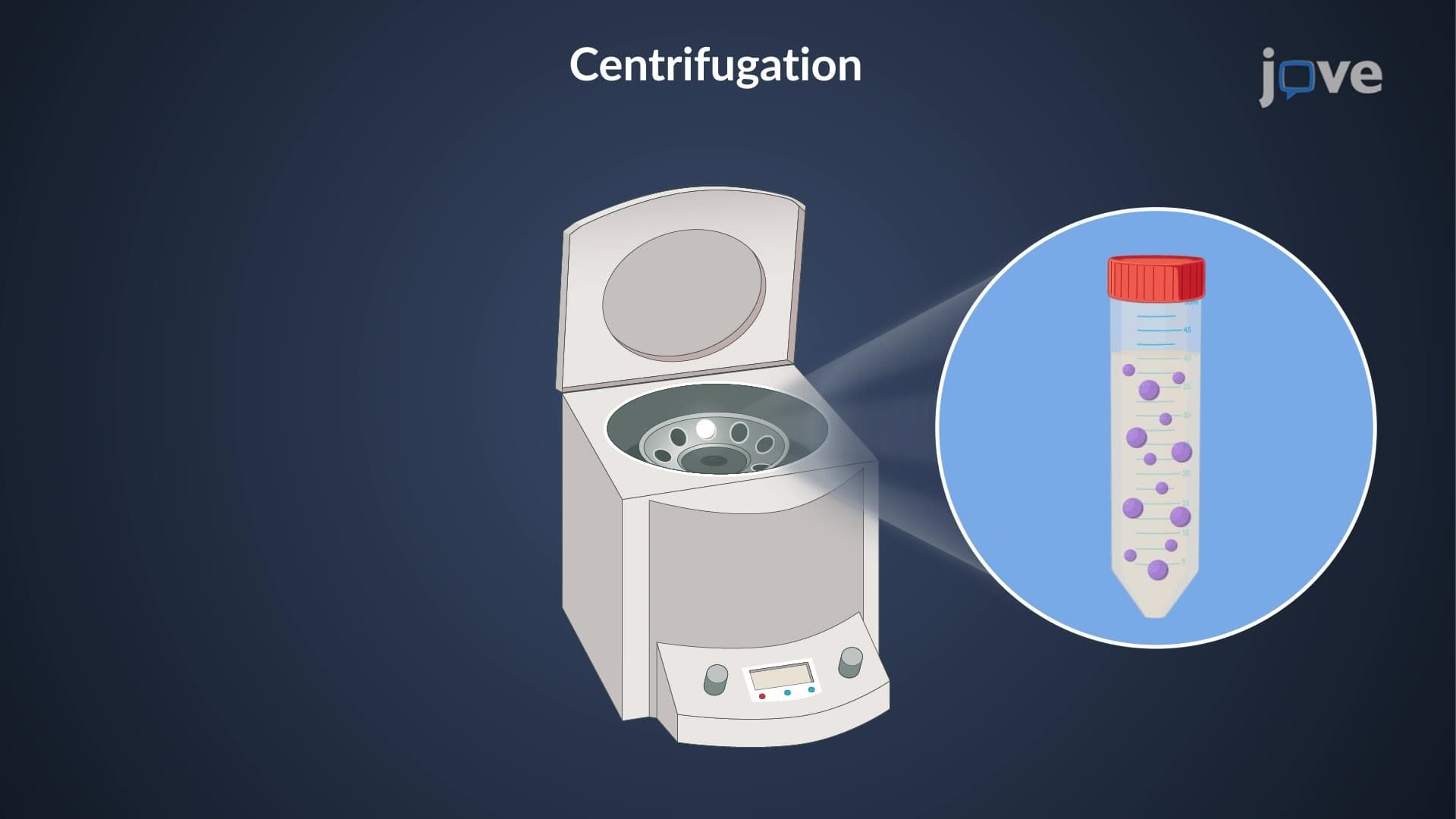
Ever wonder how blood banks separate plasma from red blood cells in just minutes? The centrifugation technique explained involves spinning samples at thousands of revolutions per minute to harness centrifugal force for rapid particle separation. At the American Red Cross, this centrifuge separation method processes millions of blood donations annually, isolating components based on their density differences. What is centrifugation becomes clear when you see how this powerful sedimentation process transforms mixed solutions into distinct, separated layers through controlled spinning motion. Watch the full video on JoVE Coach to master this concept with expert-led visuals and step-by-step explanations.
Centrifugation technique explained begins with Newton's laws of motion applied to rotating systems. When samples spin in a centrifuge, particles experience centrifugal force—an apparent outward force that increases with rotational speed and distance from the center. This force, measured as relative centrifugal force (RCF), determines how quickly particles move through the surrounding medium.
The fundamental principle relies on density differences. Denser particles experience greater gravitational-like force during spinning, causing them to sediment faster than lighter components. This creates the characteristic layered separation pattern seen in blood tests, where red blood cells settle below the lighter plasma layer.
In differential centrifugation, scientists start with low speeds to remove the heaviest particles first. The centrifuge separation method involves gradually increasing speed—typically from 1,000 to 100,000+ RCF—to isolate progressively smaller particles.
For example, when isolating mitochondria from liver cells at Johns Hopkins University, researchers first spin at 600g for 10 minutes to remove cell debris, then increase to 10,000g for 20 minutes to pellet mitochondria. This stepwise approach prevents contamination and ensures pure sample fractions.
How centrifugation separates mixtures becomes more sophisticated with density gradient methods. Scientists create solutions with varying densities—often using cesium chloride or sucrose—where density increases toward the tube bottom. During sedimentation centrifugation, each particle migrates until it reaches a layer matching its own density, creating distinct bands.
This technique proved crucial in the famous Meselson-Stahl DNA replication experiment at Caltech, where different nitrogen isotopes created density differences allowing researchers to track DNA synthesis.
Centrifugation in analytical chemistry extends beyond simple separation. Clinical laboratories use specialized centrifuges for cholesterol testing, where lipoproteins separate based on density differences. The CDC recommends specific centrifugation speed RCF protocols for infectious disease testing, ensuring consistent results across laboratories.
Students preparing for AP Chemistry or college biochemistry courses should understand that centrifugation appears frequently in experimental design questions, particularly regarding protein purification and cellular component isolation. The MCAT regularly tests centrifugation concepts in biological sciences passages.
Frequently Asked Questions
Centrifugation is a separation technique that uses rapid spinning motion to create centrifugal force, causing particles to separate based on their density and size differences. The process works by spinning samples at high speeds, typically 1,000-100,000 revolutions per minute, forcing denser particles to move outward and settle at the tube bottom. This creates distinct layers that can be collected separately for analysis or further processing.
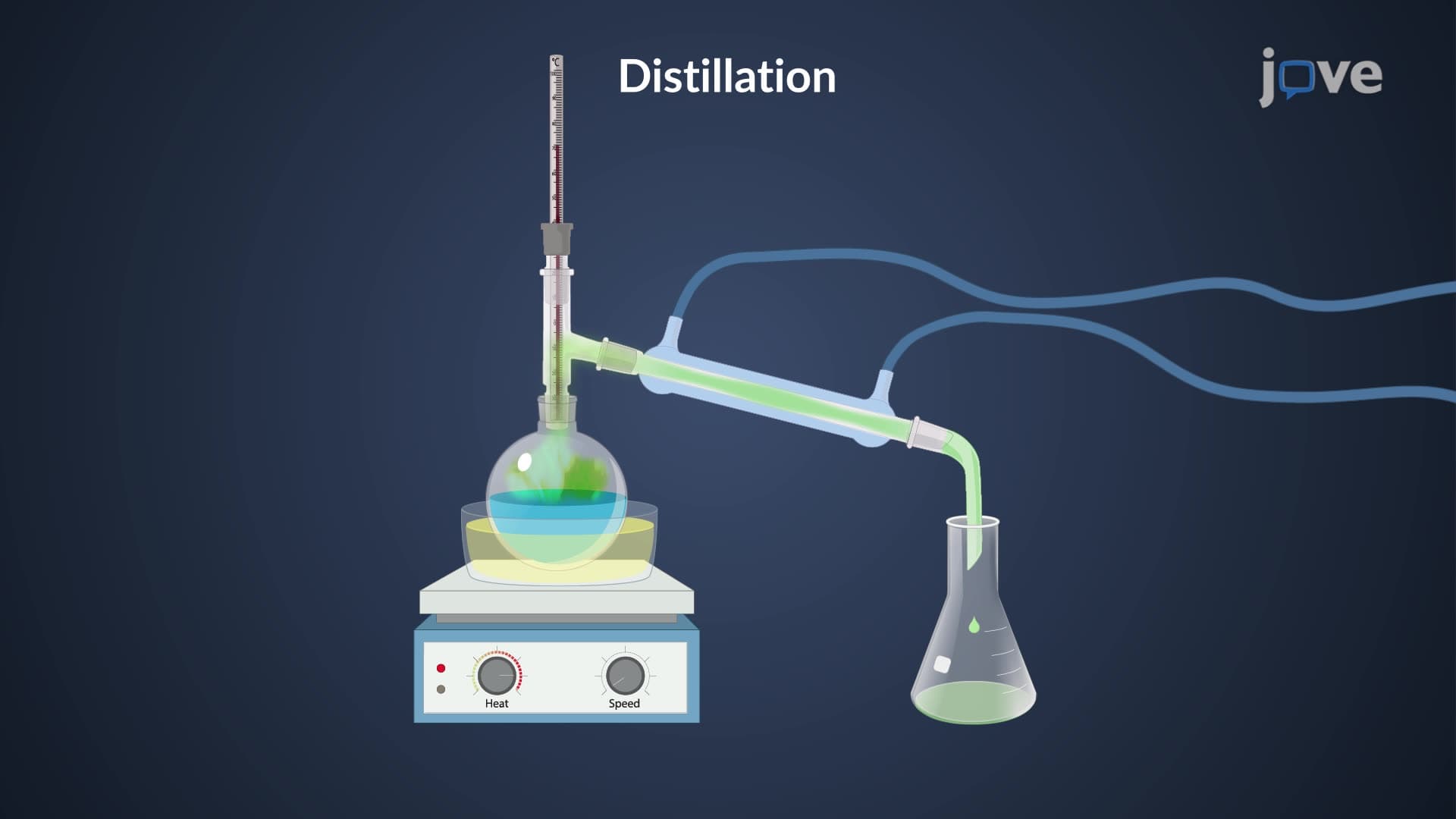
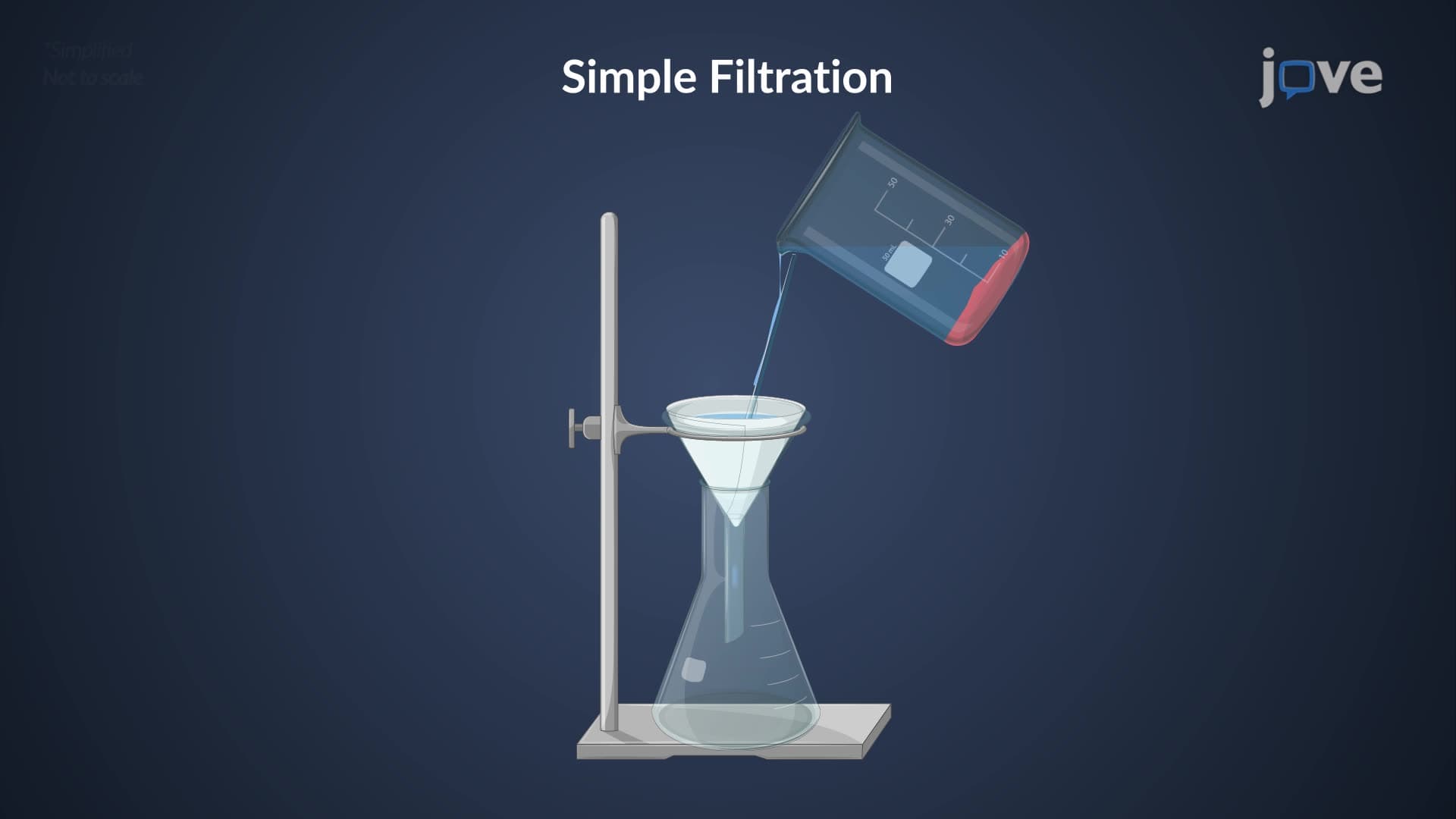
Centrifugation separates mixtures by exploiting density differences under artificial gravitational force, which is much faster than natural sedimentation. Unlike filtration that separates by size alone, or distillation that relies on boiling points, centrifugation can separate particles of similar size but different densities. The technique also allows for gentle separation of delicate biological materials without the harsh conditions required by other methods.
The MCAT commonly tests understanding of relative centrifugal force calculations, density gradient separation principles, and applications in protein purification. AP Chemistry exams focus on the relationship between centrifugal force and particle sedimentation rates, along with experimental design questions involving separation techniques. Students should practice calculating RCF values and interpreting centrifugation results from laboratory data.
Medical laboratories rely on centrifugation for routine blood tests, separating plasma from cellular components for cholesterol, glucose, and protein analysis. The technique enables rapid processing of thousands of samples daily at facilities like Quest Diagnostics and LabCorp. Specialized centrifugation protocols also support more complex tests like lipoprotein profiling and viral load measurements for HIV monitoring.
You only need basic algebra and an understanding of proportional relationships to master centrifugation calculations. The key formula relates relative centrifugal force (RCF) to rotation speed and radius using simple multiplication and squaring operations. Most high school students with completed Algebra II can handle these calculations, and many laboratory instruments display RCF values automatically.
Focus on understanding the relationship between particle properties and separation efficiency rather than memorizing specific protocols. Practice drawing diagrams showing particle movement during centrifugation and work through sample calculations involving RCF. Create comparison charts between differential and density gradient methods, and review real laboratory applications to reinforce theoretical concepts with practical examples.
After understanding centrifugation fundamentals, explore advanced separation techniques like ultracentrifugation for protein analysis and preparative centrifugation for large-scale purifications. Consider studying complementary methods such as chromatography and electrophoresis, which often work in combination with centrifugation. These techniques frequently appear together in biochemistry courses and research laboratory settings.
Related Micro-courses
Related Subjects
 Chemistry 21 micro-courses›
 Organic Chemistry 21 micro-courses›