Loading…
Loading video…

36,660 views
Ever wondered how forensic scientists analyze unknown substances in criminal cases? Volatilization chemistry basics involve separating target compounds by converting them into gas form through heating or chemical reactions. The FBI crime labs routinely use volatilization separation method to identify trace evidence like accelerants in arson investigations. This analytical technique measures weight differences before and after converting substances to vapor, allowing precise quantification of specific compounds in complex mixtures. Watch the full video on JoVE Coach to master this concept with expert-led visuals and step-by-step explanations.
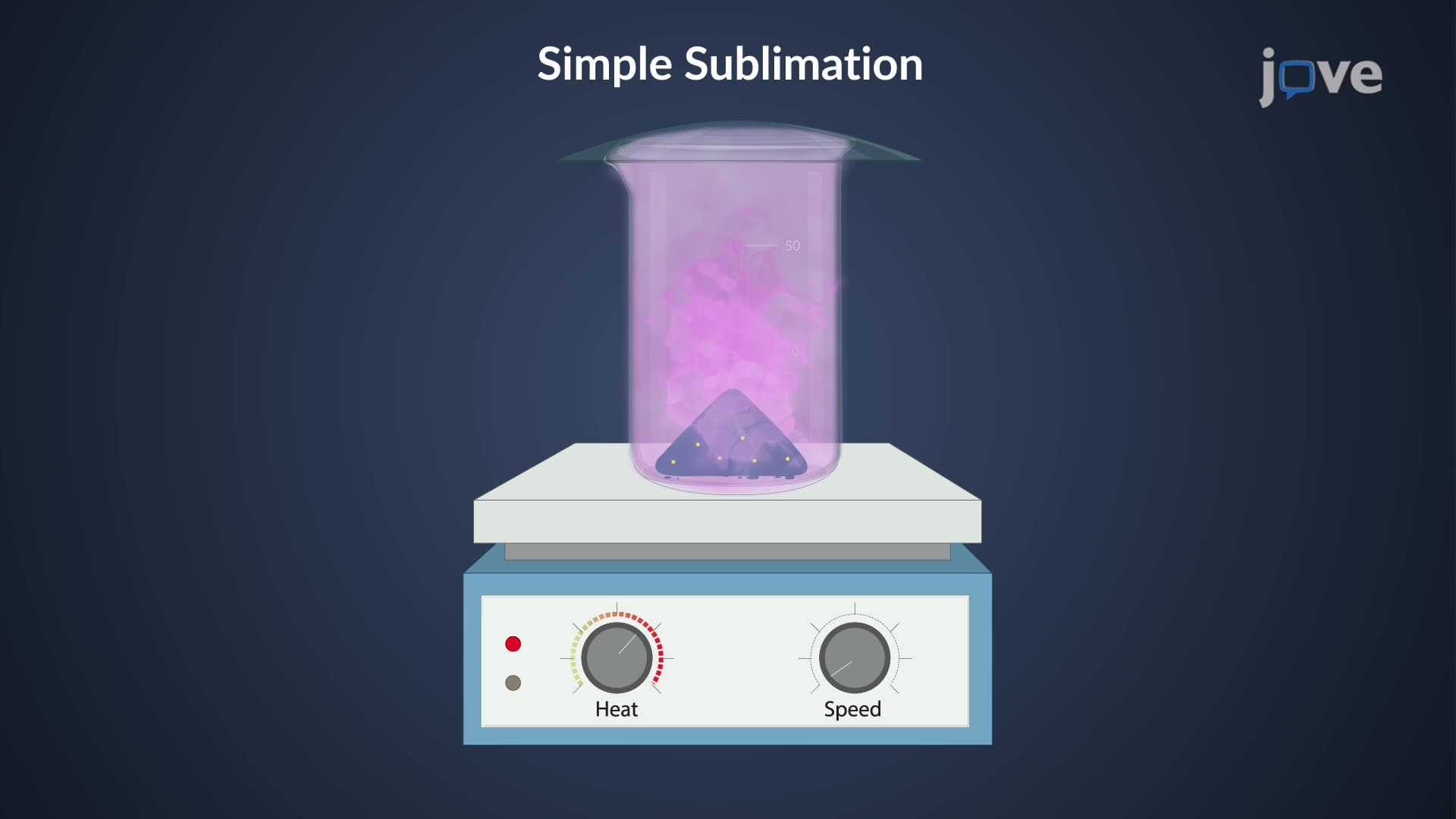
Volatilization represents a powerful analytical separation technique that exploits differences in vapor pressure between compounds. Unlike simple evaporation, this method involves controlled conversion of specific analytes into volatile forms while leaving other sample components unchanged. The process relies on precise temperature control and chemical selectivity to achieve accurate quantitative results.
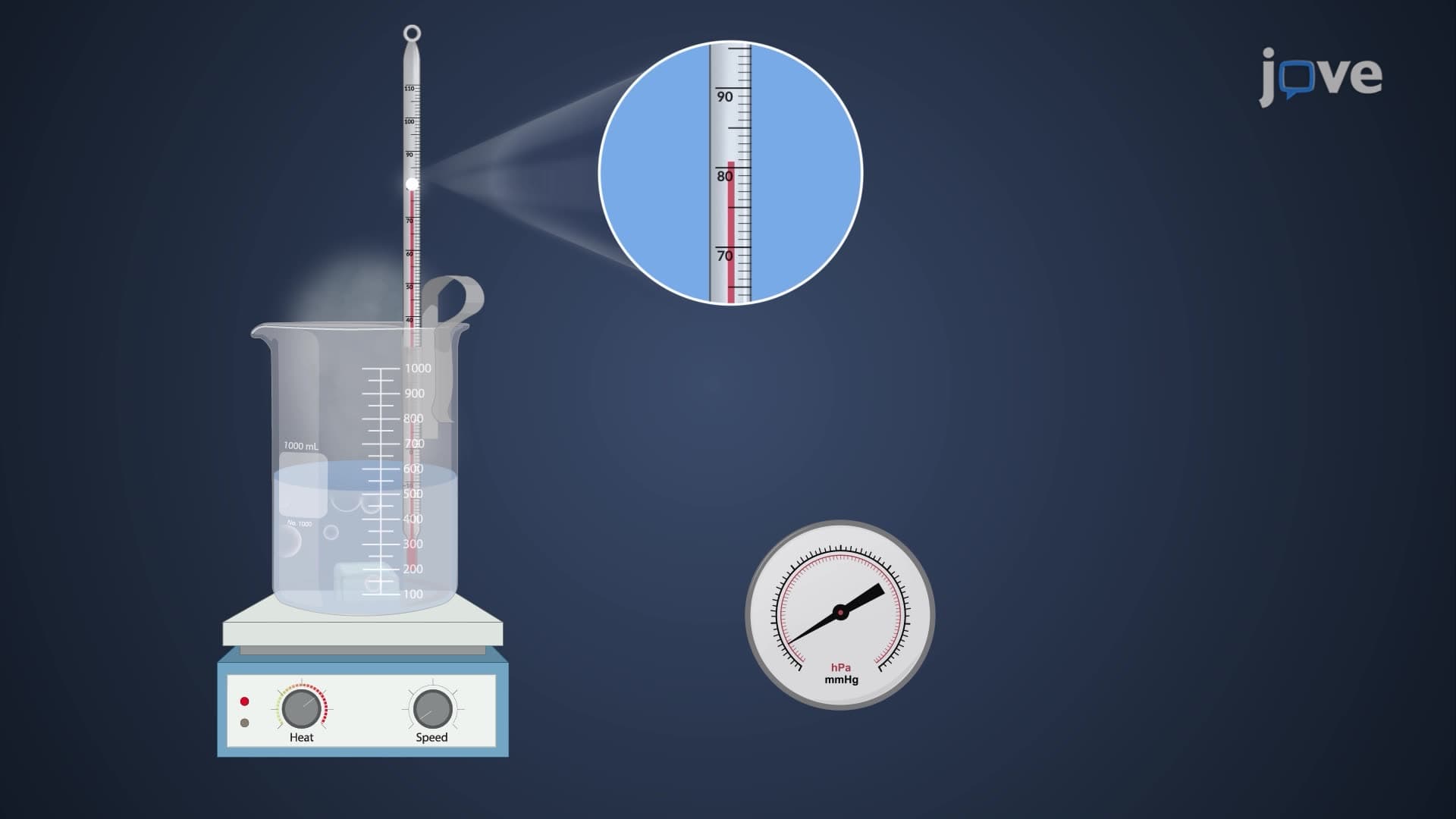
Thermal volatilization operates by applying controlled heat to samples, causing target compounds to vaporize at their characteristic temperatures. Environmental testing laboratories across the US employ this technique to measure mercury contamination in soil samples. The Environmental Protection Agency (EPA) Method 7473 uses thermal decomposition followed by atomic absorption to quantify mercury levels in environmental samples, demonstrating practical volatilization separation method applications.
Students preparing for AP Chemistry exams should understand that successful thermal volatilization requires careful temperature programming. Too rapid heating can cause sample decomposition, while insufficient temperatures lead to incomplete volatilization and analytical errors.
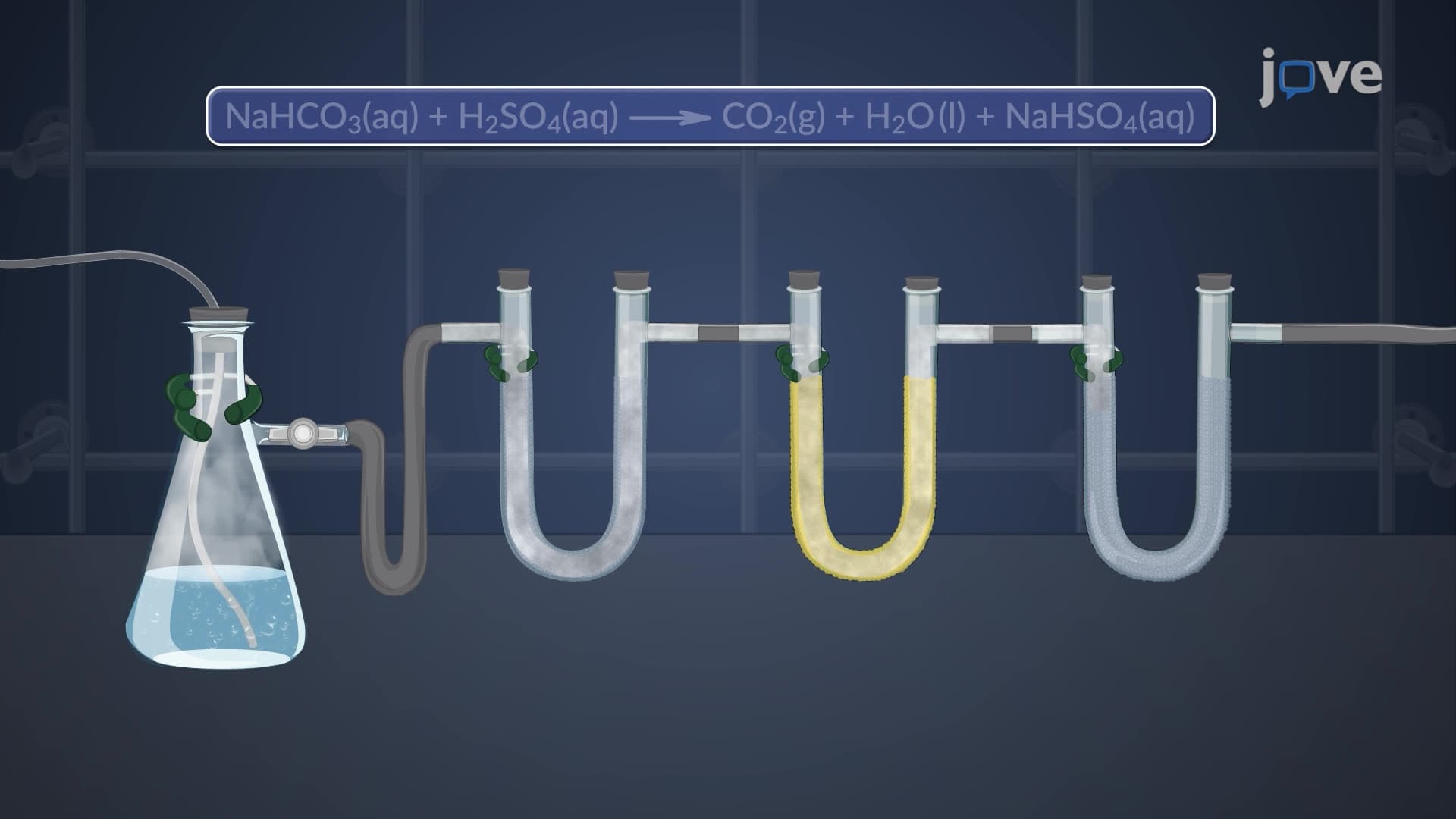
Advanced analyte volatilization technique strategies involve treating samples with specific chemical reagents to convert non-volatile compounds into volatile derivatives. Pharmaceutical quality control laboratories use this approach when analyzing drug formulations. For instance, determining nitrogen content in medications involves converting organic nitrogen compounds to ammonia gas, which then gets captured in standardized acid solutions for quantification.
Volatilization gravimetry calculations follow straightforward stoichiometric principles that appear frequently on college analytical chemistry exams. The key relationship involves:
Initial Sample Mass - Final Sample Mass = Volatilized Analyte Mass
Students must account for molecular weight ratios when the volatilized species differs chemically from the original analyte. MCAT preparation often includes volatilization problems requiring stoichiometric conversions between different chemical forms.
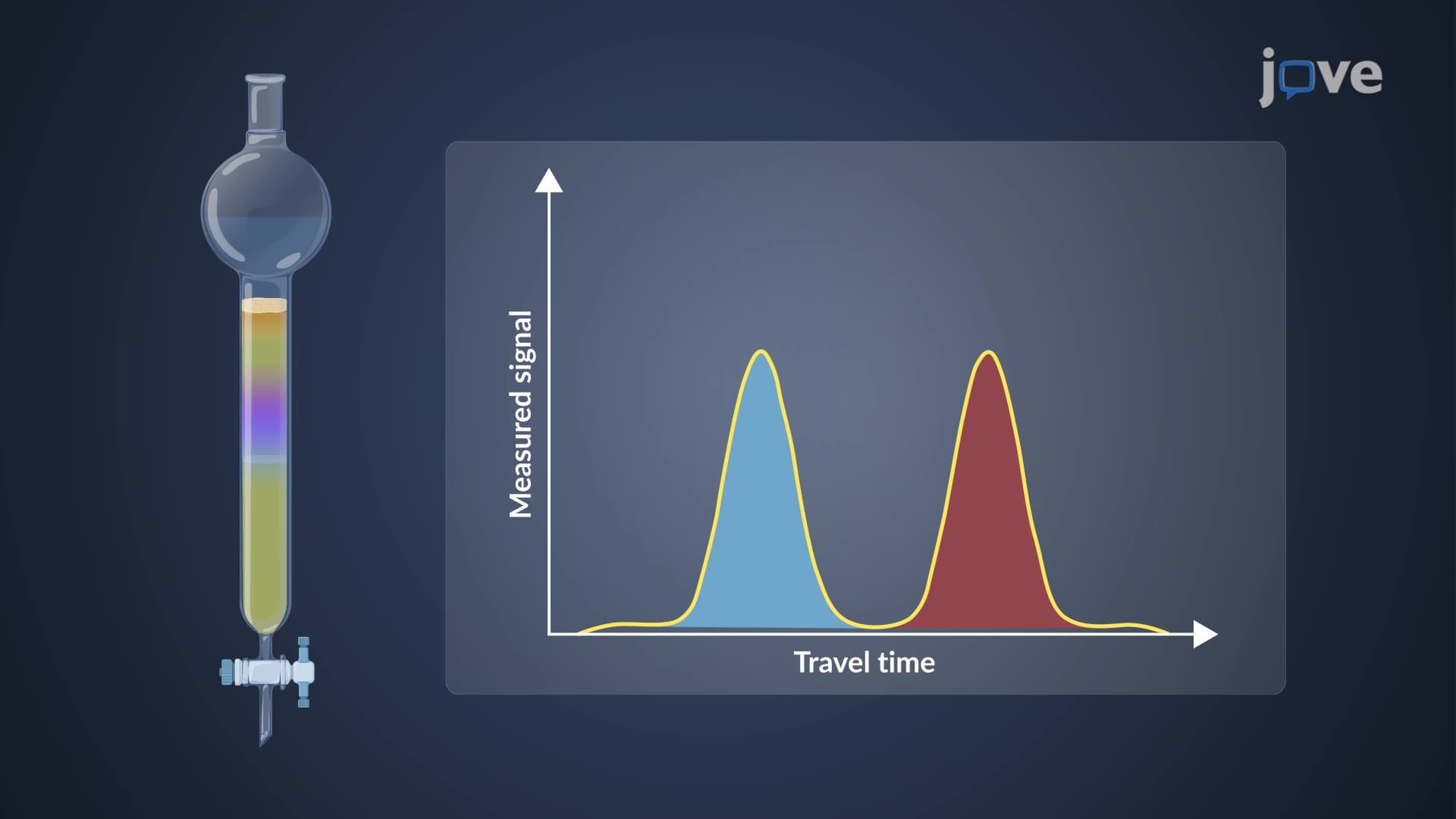
Modern analytical laboratories integrate volatilization with advanced detection methods. Headspace volatilization combined with gas chromatography enables detection of trace organic compounds in complex matrices. Food safety laboratories use this combination to identify pesticide residues in agricultural products, supporting US Department of Agriculture monitoring programs.
Frequently Asked Questions
Volatilization is an analytical separation technique that converts specific compounds into vapor form through controlled heating or chemical reactions, allowing their removal and quantification from complex samples. The process works by exploiting vapor pressure differences between compounds, enabling selective separation based on volatility characteristics. This method proves especially valuable for analyzing trace components in environmental, pharmaceutical, and forensic samples.
Yes, AP Chemistry exams regularly include volatilization problems, particularly in gravimetric analysis and stoichiometry sections. These questions typically involve calculating analyte concentrations from mass loss data or determining molecular formulas using volatilization results. Focus on practicing stoichiometric conversions and understanding the relationship between volatilized products and original sample composition.
MCAT volatilization questions emphasize conceptual understanding rather than complex calculations, focusing on process interpretation and experimental design principles. College analytical chemistry courses involve more detailed mathematical treatment and laboratory applications. Both require solid stoichiometry skills, but MCAT questions test your ability to analyze experimental scenarios and predict outcomes.
Environmental consultants analyzing soil contamination for EPA compliance, pharmaceutical quality control scientists ensuring drug purity, forensic chemists processing crime scene evidence, and food safety inspectors detecting pesticide residues all rely heavily on volatilization methods. These positions typically require chemistry degrees and offer competitive salaries ranging from $55,000 to $95,000 annually depending on experience and location.
No, volatilization concepts require only basic algebra and stoichiometry skills typically covered in high school chemistry courses. The mathematical calculations involve straightforward mass differences, percentage compositions, and molar ratio conversions. Students comfortable with dimensional analysis and chemical equation balancing possess sufficient mathematical background for most volatilization applications.
Practice identifying volatilizable compounds based on molecular structure and intermolecular forces, memorize key temperature ranges for common volatile substances, and work through sample calculations involving mass loss and stoichiometric relationships. Create concept maps connecting volatilization to related topics like vapor pressure, phase changes, and separation techniques for comprehensive understanding.
Explore headspace analysis techniques, gas chromatography coupling methods, and automated volatilization systems used in modern analytical laboratories. Advanced coursework in instrumental analysis covers sophisticated detection methods and quality control procedures that build upon fundamental volatilization principles.
No, volatilization works best for compounds with significant vapor pressures at reasonable temperatures, limiting its effectiveness for high-molecular-weight polymers, ionic salts, and thermally unstable materials. Alternative separation techniques like liquid chromatography or electrophoresis prove more suitable for non-volatile analytes. Understanding these limitations helps in selecting appropriate analytical methods for specific applications.
Related Micro-courses
Related Subjects
 Chemistry 21 micro-courses›
 Organic Chemistry 21 micro-courses›