Loading…
Loading video…

36,660 views

Did you know that pharmaceutical companies use recrystallization solid solution principles to purify over 90% of their drug compounds? Recrystallization solid solution equilibria governs how dissolved substances redistribute between liquid and solid phases as temperature changes, making it essential for purifying contaminated materials. Companies like Pfizer rely on this process to ensure aspirin tablets meet FDA purity standards by removing manufacturing impurities. Watch the full video on JoVE Coach to master this concept with expert-led visuals and step-by-step explanations.
Recrystallization solid solution equilibria describes the dynamic balance between dissolved molecules in solution and those incorporated into crystal structures. This equilibrium shifts dramatically with temperature changes, forming the foundation for one of chemistry's most powerful purification techniques. When a saturated solution cools, the equilibrium favors solid formation, driving impure compounds to separate based on their different solubility behaviors.
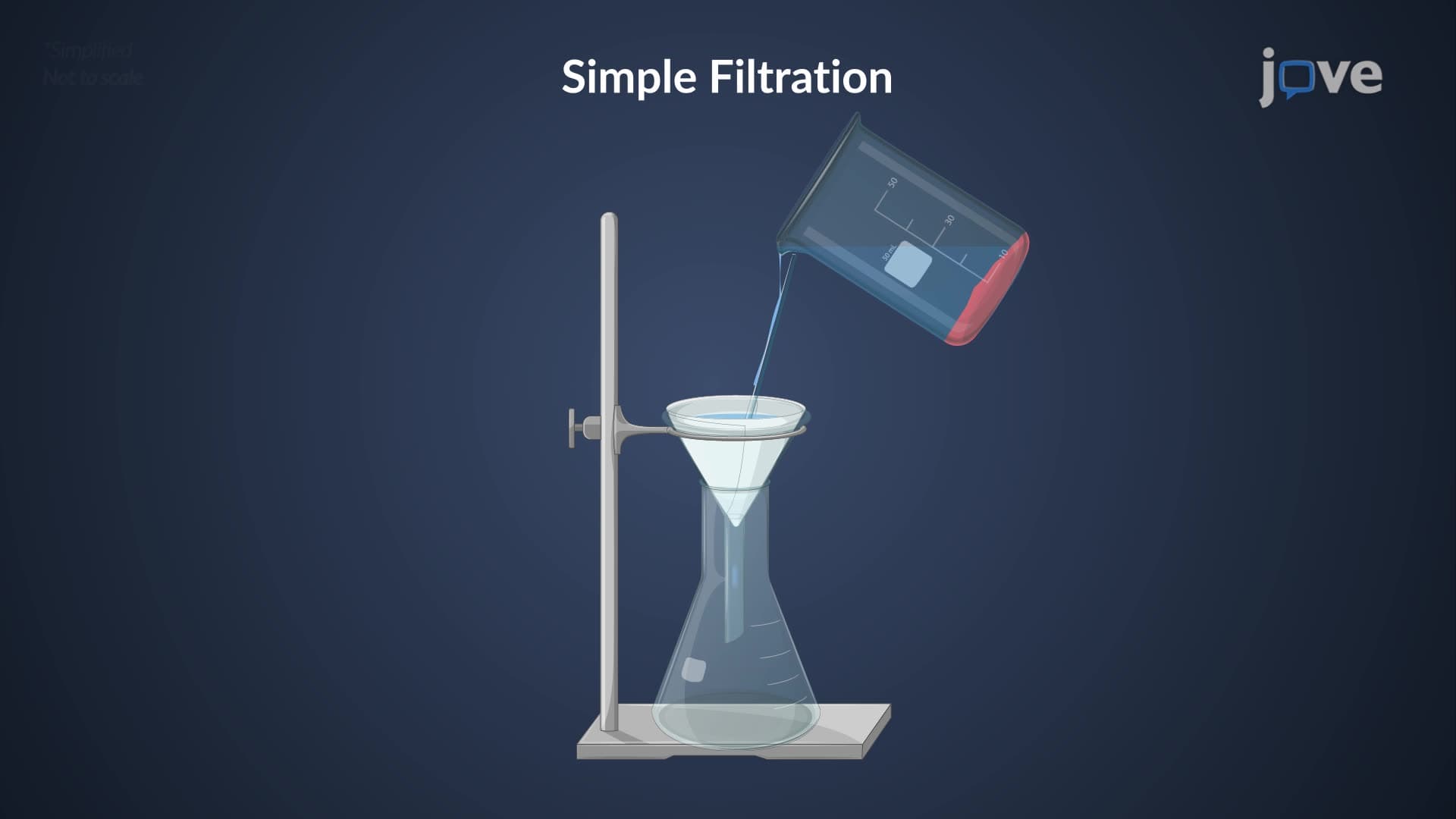
The driving force behind recrystallization purification chemistry lies in how different compounds respond to temperature changes. Most organic compounds show decreasing solubility as temperature drops, but impurities often have different solubility curves than the desired product. For example, when purifying acetanilide contaminated with charcoal particles, the acetanilide readily dissolves in hot water while charcoal remains insoluble, allowing easy separation through filtration.
This temperature dependence explains why pharmaceutical companies like Johnson & Johnson can purify active ingredients to 99.9% purity. During cooling, the target compound crystallizes first because it reaches supersaturation before impurities do, effectively leaving contaminants dissolved in the mother liquor.
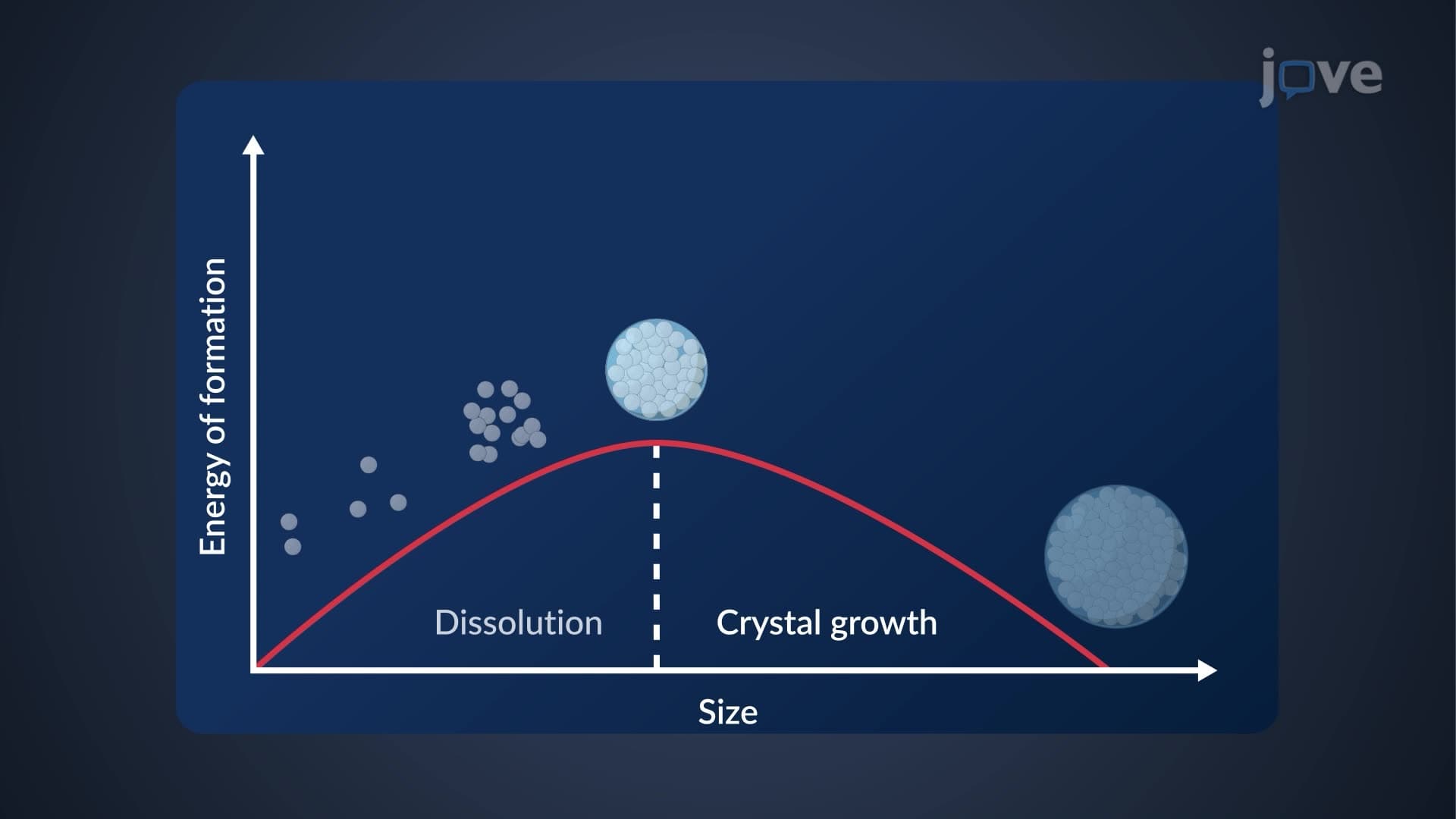
How recrystallization uses solid solution equilibria becomes crucial when controlling crystal formation. Nucleation—the initial formation of crystal seeds—determines final crystal characteristics. Rapid cooling creates numerous nucleation sites simultaneously, producing many small crystals with potentially trapped impurities. Conversely, slow cooling allows fewer, larger crystals to form with better internal organization and higher purity.
Students preparing for AP Chemistry or college organic chemistry courses should understand that crystal size affects both purity and recovery yield. Large crystals are easier to filter and typically purer, while small crystals may trap solvent molecules or impurities within their structure.
Major chemical manufacturers rely on solid solution phase equilibria principles for quality control. Intel uses ultrapure silicon crystals grown through controlled recrystallization for semiconductor manufacturing. Similarly, food companies like Domino Sugar employ recrystallization to remove color compounds and achieve the white appearance consumers expect.
Successful recrystallization solvent selection requires matching solvent polarity to the target compound while ensuring impurities remain either completely soluble or completely insoluble at all temperatures. This principle appears frequently on MCAT practice tests and college chemistry exams, where students must predict optimal purification conditions.
Frequently Asked Questions
Recrystallization solid solution equilibria refers to the temperature-dependent distribution of dissolved substances between liquid solution and solid crystal phases. This equilibrium enables chemists to purify compounds by exploiting different solubility behaviors of target products versus impurities. It's fundamental to pharmaceutical manufacturing, research chemistry, and industrial purification processes.
These exams frequently test your ability to predict purification outcomes based on solubility data and temperature changes. You might analyze cooling curves, select appropriate solvents, or explain why certain compounds crystallize before others. Practice problems often involve calculating percent recovery or identifying optimal recrystallization conditions.
MCAT passages link recrystallization to intermolecular forces, solubility rules, and thermodynamics. You'll see connections to enthalpy of dissolution, entropy changes during crystallization, and how molecular structure affects solubility patterns. These principles also appear in organic chemistry sections covering purification techniques.
Companies like Merck and Bristol Myers Squibb use controlled recrystallization to achieve FDA-required purity standards above 98% for most medications. They carefully control temperature, stirring rates, and solvent composition to ensure consistent crystal size and purity. This process removes manufacturing byproducts and ensures drug safety.
Not at all! If you understand basic solubility concepts from general chemistry, you already have the foundation needed. The key is recognizing that hot solutions hold more dissolved material than cold solutions. Most students master this concept after seeing 2-3 concrete examples with different compounds.
Focus on practicing solubility curve interpretation and predicting which compounds will crystallize first during cooling. Create comparison charts showing how different variables (temperature, cooling rate, solvent choice) affect final crystal purity and size. Work through problems involving percent recovery calculations and impurity separation.
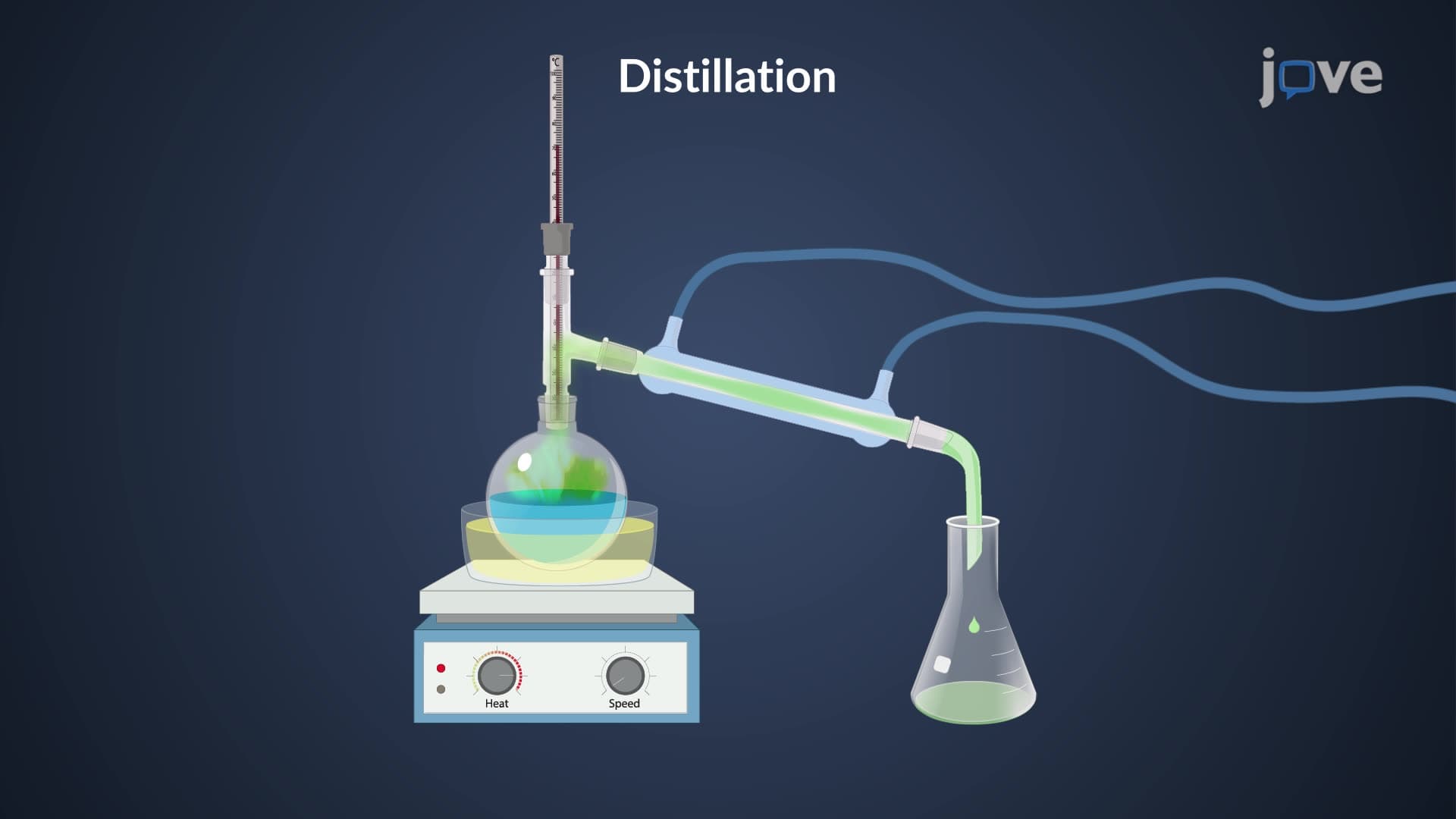
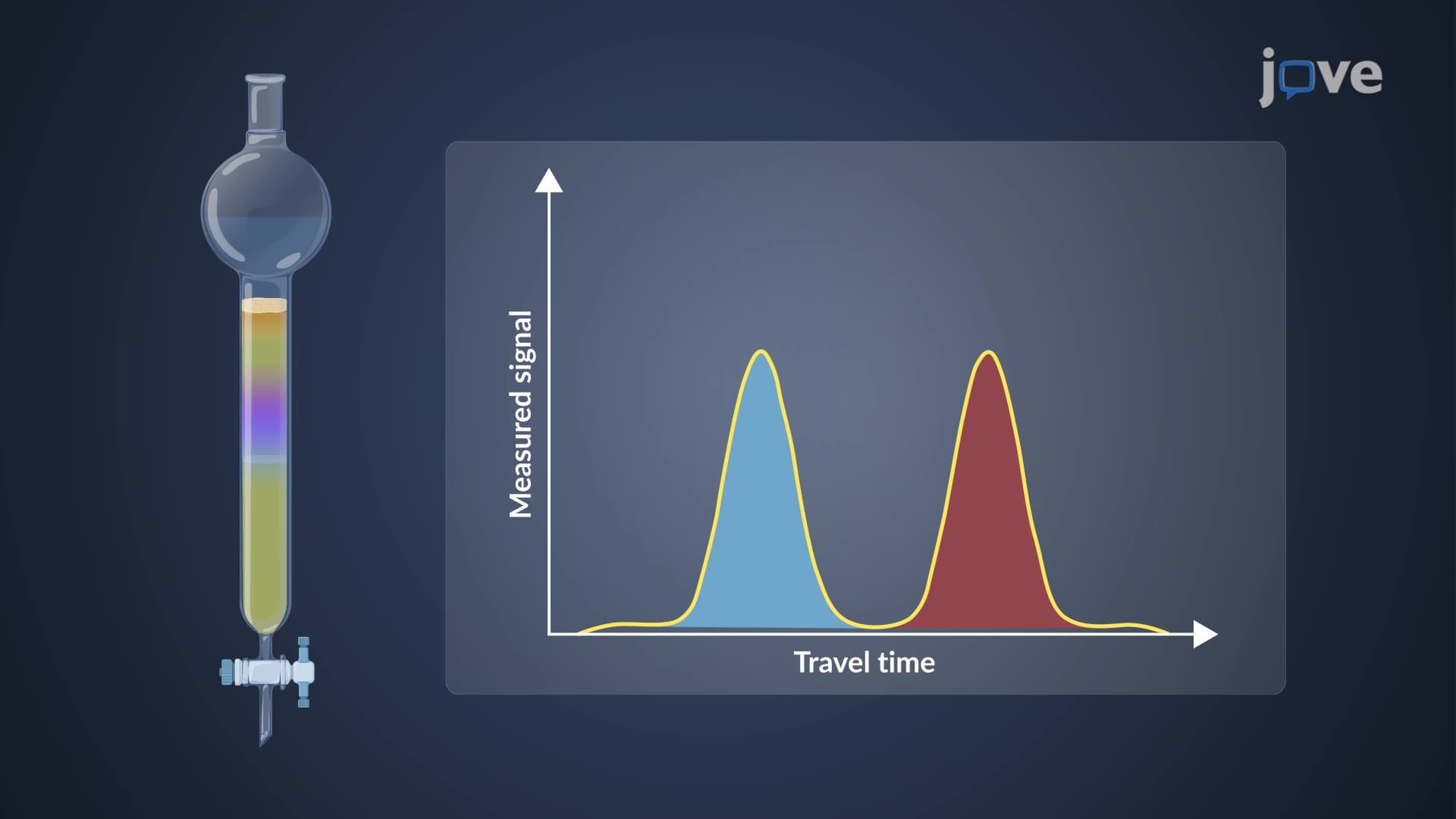
Recrystallization works best for solid compounds with temperature-dependent solubility, while distillation separates liquids by boiling point differences. Chromatography uses differential movement through stationary phases, and extraction relies on solubility differences between immiscible solvents. Each technique exploits different physical properties for separation.
Physical chemistry courses explore crystallization kinetics and thermodynamics in greater detail. Materials science examines how crystal defects affect properties, while analytical chemistry covers advanced purification methods. Biochemistry applies these principles to protein crystallization for X-ray structure determination.
Related Micro-courses
Related Subjects
 Chemistry 21 micro-courses›
 Organic Chemistry 21 micro-courses›