Loading subject page…

- Analytical Chemistry
- Introduction to Separation Methods
- Precipitation and Co-precipitation
Micro-course: Introduction to Separation Methods
36,664 views
Learn key concepts and earn your certificate.


Precipitation and Co-precipitation

00:00
01:17
Video Summary: What Is Precipitation and Co Precipitation
Did you know that the same chemistry used to remove arsenic from drinking water can help you separate copper from iron in a lab? Precipitation coprecipitation chemistry involves forming insoluble precipitate formation to separate mixtures, while coprecipitation occurs when unwanted substances contaminate your desired precipitate. The EPA uses coprecipitation techniques to purify contaminated groundwater across the United States. Understanding what is precipitation and co precipitation is essential for mastering analytical chemistry separations. Watch the full video on JoVE Coach to master this concept with expert-led visuals and step-by-step explanations.
- Understand what is precipitation and co precipitation and distinguish between these two fundamental separation processes in analytical chemistry
- Identify the conditions required for selective precipitation based on solubility product differences and pH control
- Analyze how coprecipitation contamination occurs when soluble species become trapped within precipitate structures
- Compare the solubility products of different compounds to predict separation feasibility using analytical precipitation methods
- Evaluate precipitate purity coprecipitation effects and their impact on quantitative analysis results
- Apply selective precipitation chemistry principles to real-world separation problems in environmental and industrial settings
- Recognize coprecipitation mechanisms including adsorption, occlusion, and mixed crystal formation
- Explore practical applications of these techniques in water treatment, metal recovery, and analytical sample preparation
Understanding What is Precipitation And Co Precipitation in Analytical Chemistry
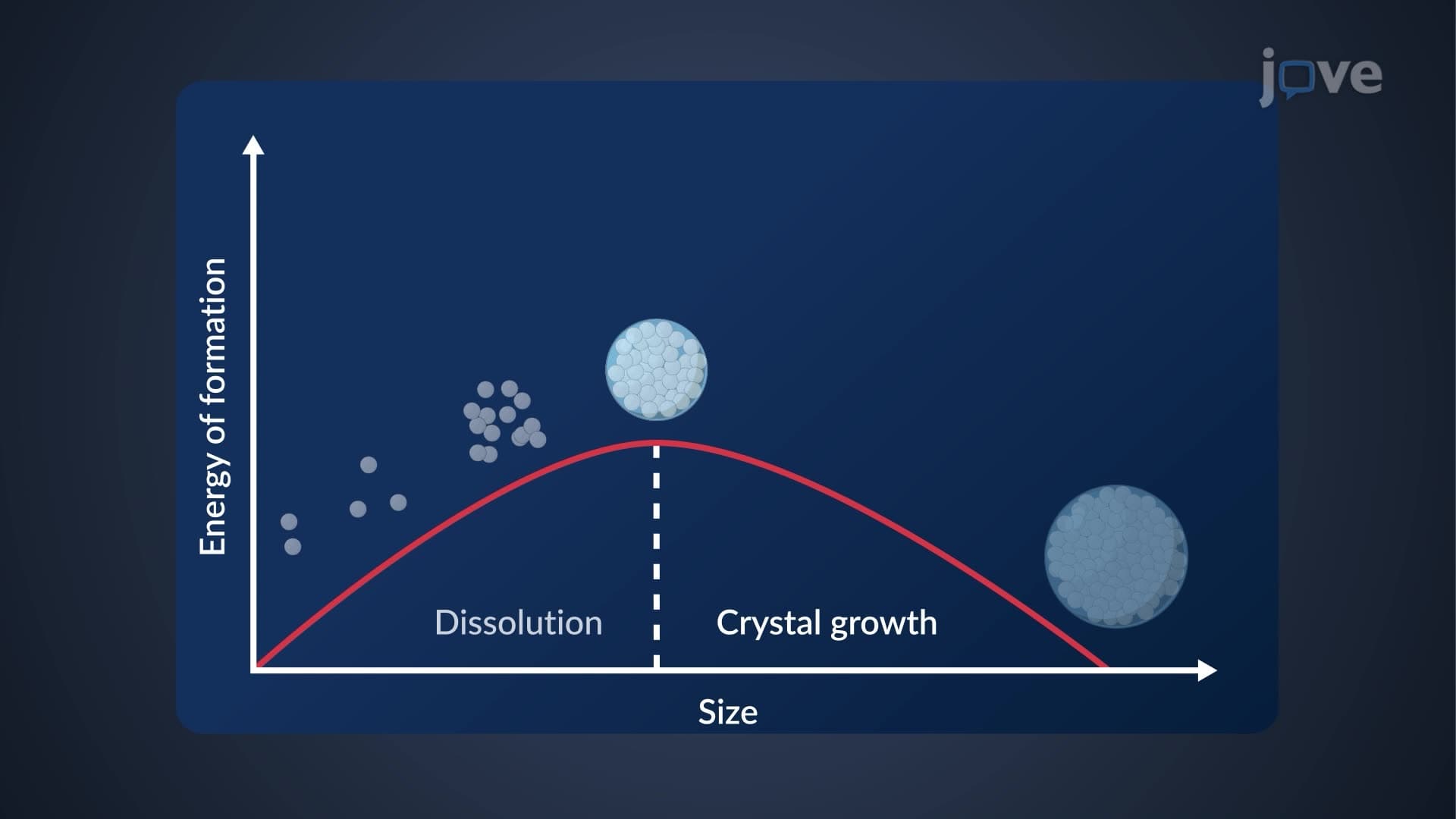
Precipitation coprecipitation chemistry forms the backbone of countless analytical separations used in everything from water treatment plants to pharmaceutical manufacturing. Precipitation occurs when the concentration of ions exceeds their compound's solubility limit, forcing the formation of a solid phase. This process relies on the fundamental principle that different compounds have vastly different solubilities under specific conditions.
Selective Precipitation: Exploiting Solubility Differences
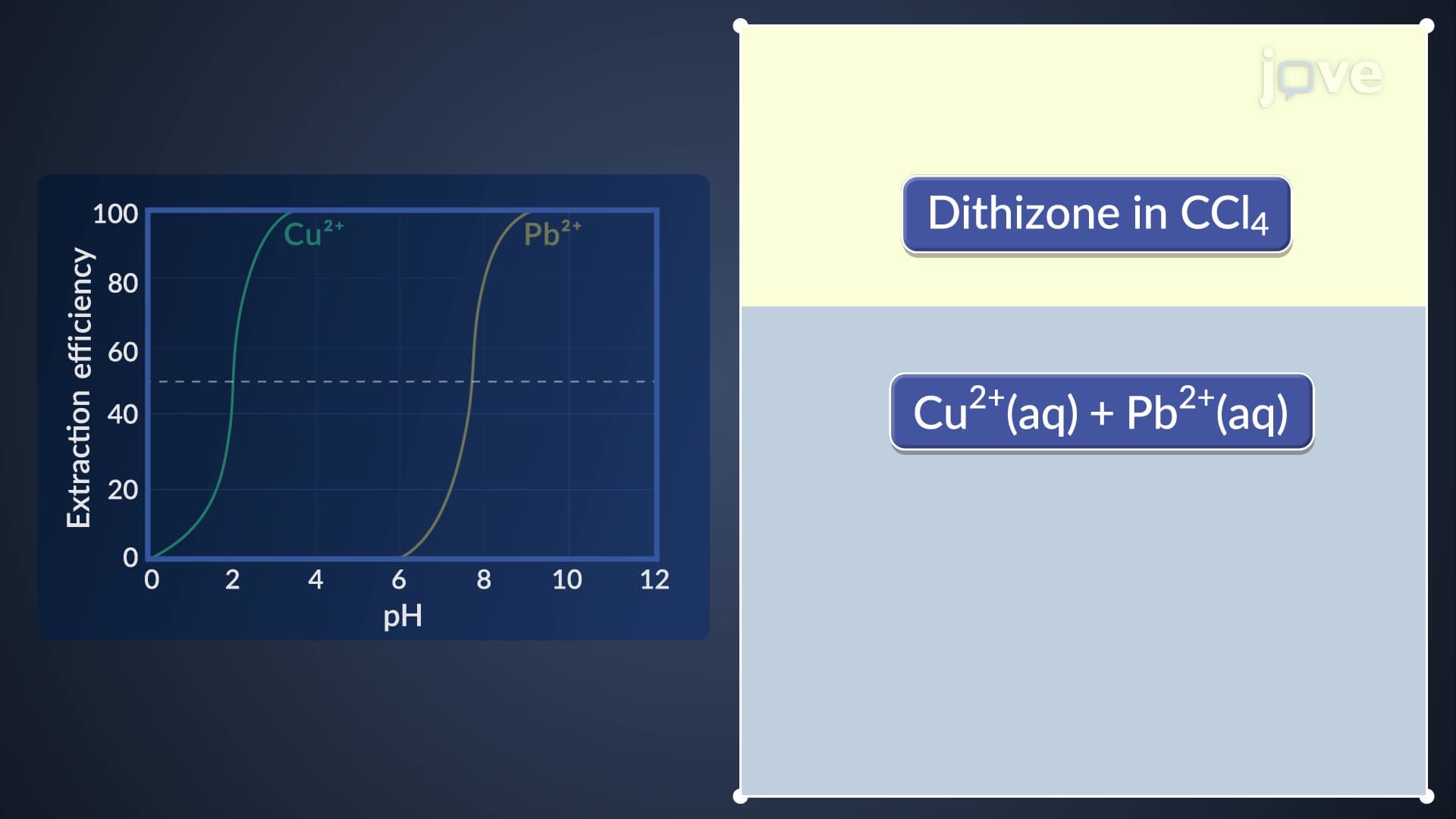
The power of selective precipitation chemistry lies in manipulating solution conditions to precipitate target compounds while leaving others dissolved. Consider the classic copper-iron separation: in highly acidic conditions (pH < 1), hydrogen sulfide selectively precipitates copper sulfide (Ksp = 8.5 × 10^-45) while iron remains soluble. By gradually reducing acidity, you can later precipitate iron sulfide (Ksp = 3.7 × 10^-19), achieving clean separation.
This technique proves invaluable in AP Chemistry labs and college analytical chemistry courses, where students learn to predict precipitation sequences using Ksp values. The MCAT frequently tests this concept through buffer system problems and solubility equilibrium calculations.
Coprecipitation: When Separation Goes Wrong
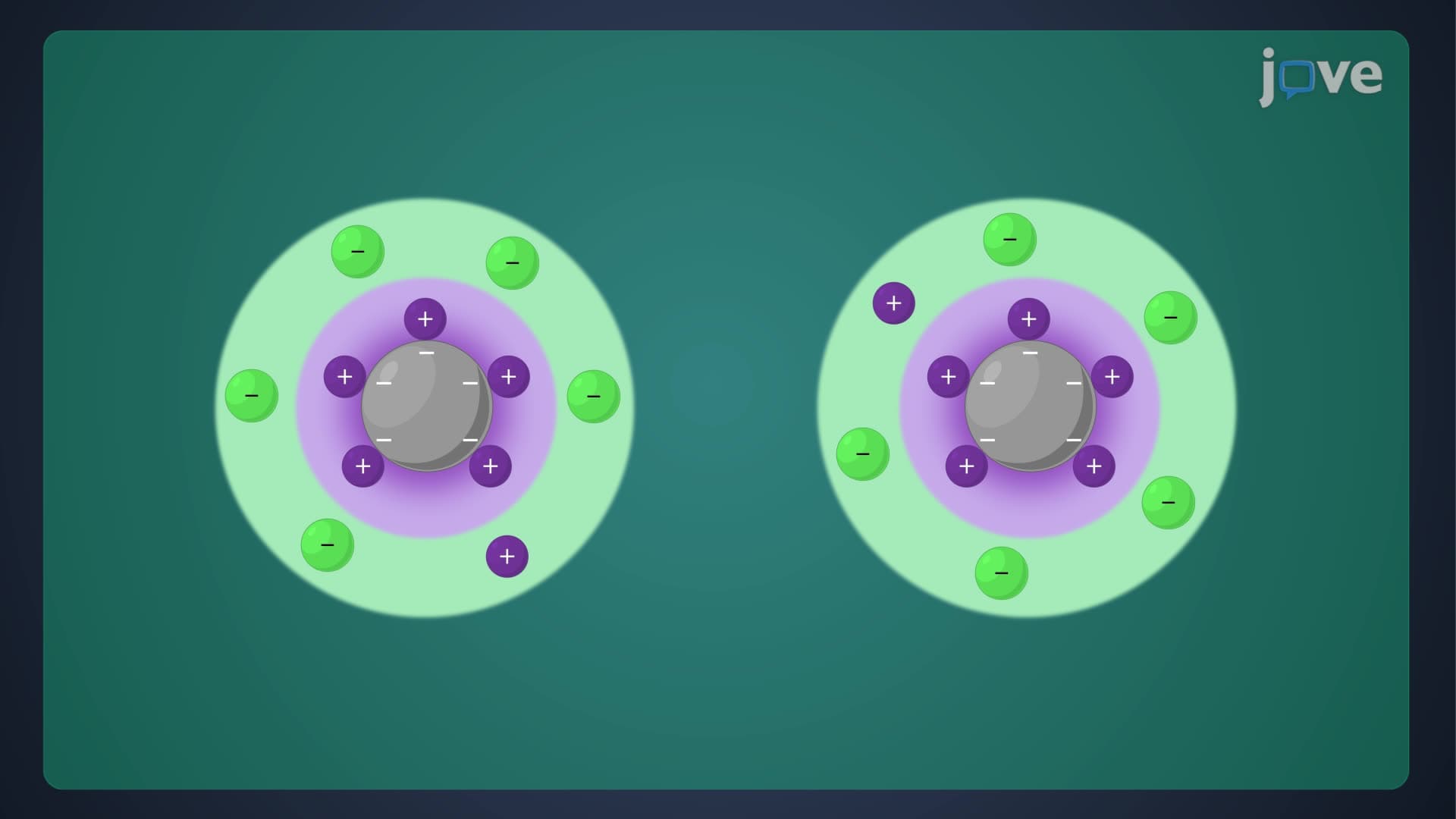
Coprecipitation contamination represents one of analytical chemistry's greatest challenges. Unlike precipitation, coprecipitation involves the simultaneous removal of normally soluble species alongside the desired precipitate. This occurs through three primary mechanisms: surface adsorption (ions stick to precipitate surfaces), occlusion (foreign ions become trapped during crystal growth), and mixed crystal formation (foreign ions substitute into the crystal lattice).
Real-World Applications in Environmental Chemistry
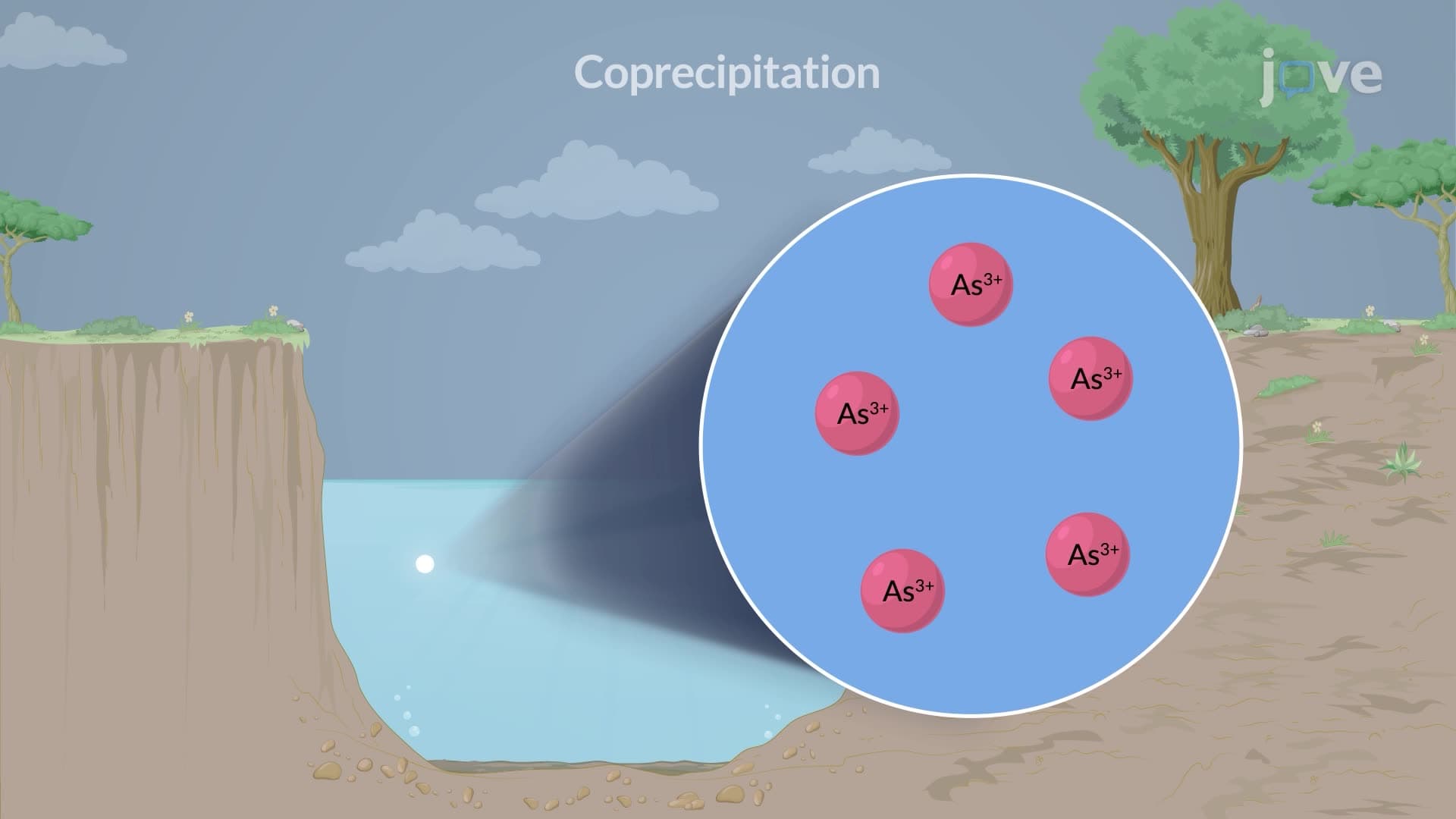
The EPA extensively uses coprecipitation techniques for heavy metal remediation. At Superfund sites across the United States, iron-based coprecipitation removes arsenic, lead, and chromium from contaminated groundwater. The process involves adding ferric chloride to contaminated water, forming ferric hydroxide precipitates that trap toxic metals through adsorption and occlusion mechanisms.
Similarly, municipal water treatment facilities employ aluminum sulfate (alum) to create aluminum hydroxide flocs that coprecipitate organic contaminants, bacteria, and suspended particles. This analytical precipitation method produces the clean drinking water that serves millions of Americans daily.
Students preparing for the MCAT, DAT, or advanced placement exams should focus on predicting which separations will work based on Ksp differences and understanding how pH, temperature, and ionic strength affect precipitate formation and purity.
Frequently Asked Questions
Precipitation is forming a solid from dissolved ions when their concentration exceeds solubility limits, like salt crystals forming from seawater. Coprecipitation occurs when unwanted dissolved substances get trapped within or stick to your desired precipitate, contaminating your final product. Think of it like trying to filter sand from water, but some mud particles stick to the sand grains.
The MCAT tests these concepts through solubility equilibrium problems, asking you to calculate Ksp values and predict precipitation sequences. You'll encounter passages about kidney stone formation, drug purification, or environmental remediation. Practice identifying when coprecipitation might interfere with quantitative analysis and how to minimize contamination effects.
AP Chemistry focuses on precipitation as an equilibrium process governed by Ksp calculations and common ion effects. Coprecipitation appears less frequently but may show up in lab analysis questions where you must explain unexpected results or impure precipitates. Focus on predicting precipitation using solubility rules and calculating Ksp from experimental data.
Municipal water treatment facilities use aluminum or iron salts to create precipitates that trap bacteria, viruses, and organic pollutants through coprecipitation. The Flint, Michigan water crisis highlighted how improper treatment chemistry can fail to remove lead through normal coprecipitation processes. These facilities process billions of gallons daily using these same analytical chemistry principles.
Basic algebra and logarithms are sufficient for most precipitation calculations. You'll work with Ksp expressions, pH calculations, and concentration conversions. If you're comfortable with equilibrium expressions from general chemistry, precipitation problems follow the same mathematical patterns. Most textbooks provide step-by-step calculation guides.
Create a solubility rules chart and practice predicting precipitate formation from mixed solutions. Work through Ksp calculation problems daily, focusing on common ion effects and pH influence. Use flashcards for memorizing Ksp values of important compounds. Practice explaining why certain separations work while others fail due to similar solubilities.
Coprecipitation typically leads to positive errors in gravimetric analysis because your precipitate weighs more than expected due to trapped impurities. This contamination can cause significant analytical errors in pharmaceutical quality control or environmental monitoring. Understanding these effects helps explain why analytical chemists use multiple purification steps and washing procedures.
Mastering precipitation leads naturally to studying chromatography, where similar selectivity principles apply to column separations. Complex ion chemistry extends precipitation concepts to include ligand effects on solubility. Electrochemistry combines precipitation with electron transfer reactions. These topics frequently appear in advanced analytical chemistry and biochemistry courses.
Related Micro-courses


14 Concepts
13 Concepts