Loading…
Loading video…

36,660 views
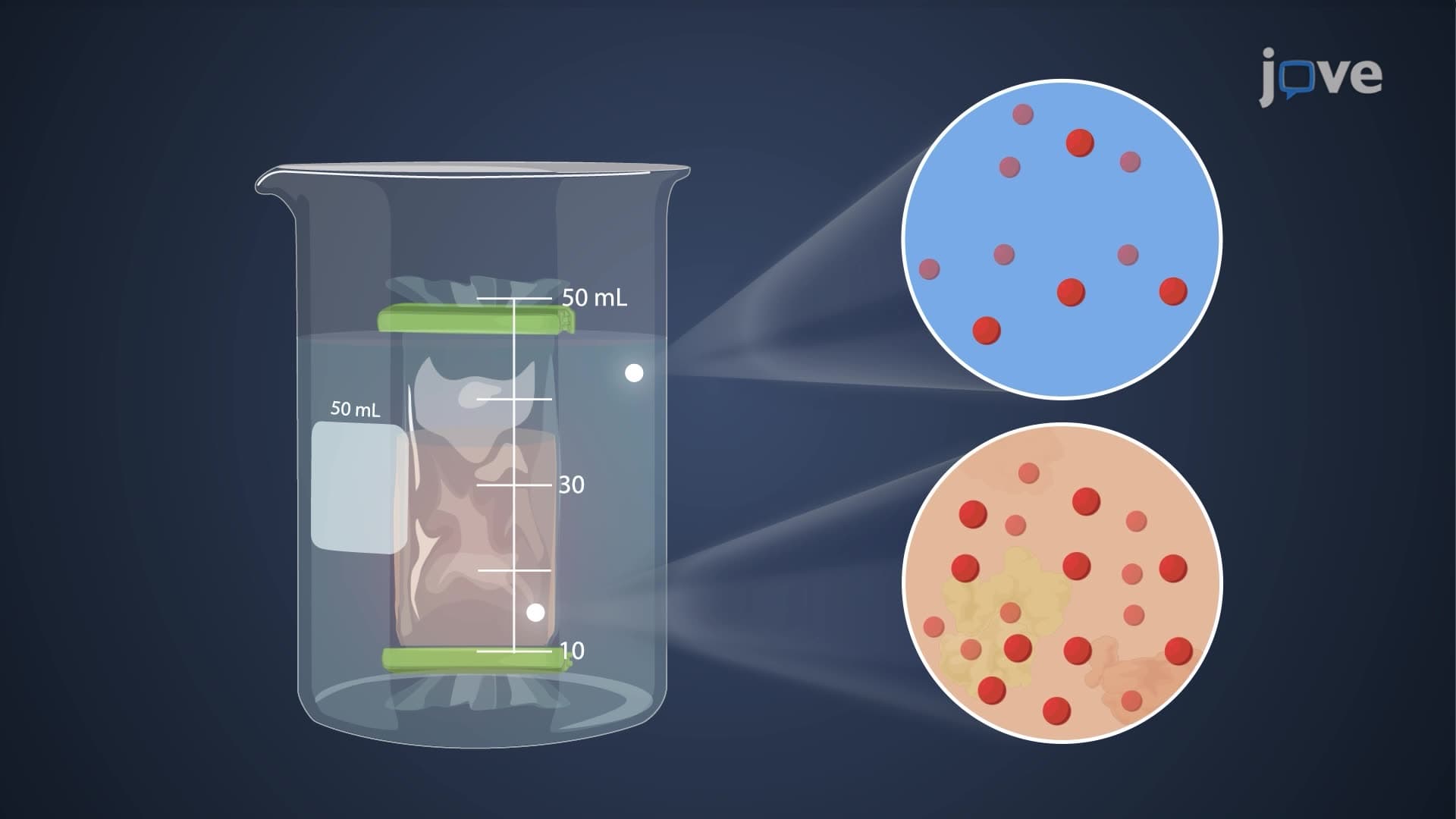
Ever wondered how kidney dialysis machines remove toxins from blood while keeping essential proteins intact? Dialysis chemistry explained reveals this life-saving separation technique that uses concentration gradients and semipermeable membranes to selectively remove unwanted molecules. From treating kidney failure patients at the Mayo Clinic to purifying pharmaceutical compounds, what is dialysis demonstrates how molecular size determines what passes through specialized membranes. Watch the full video on JoVE Coach to master this concept with expert-led visuals and step-by-step explanations.
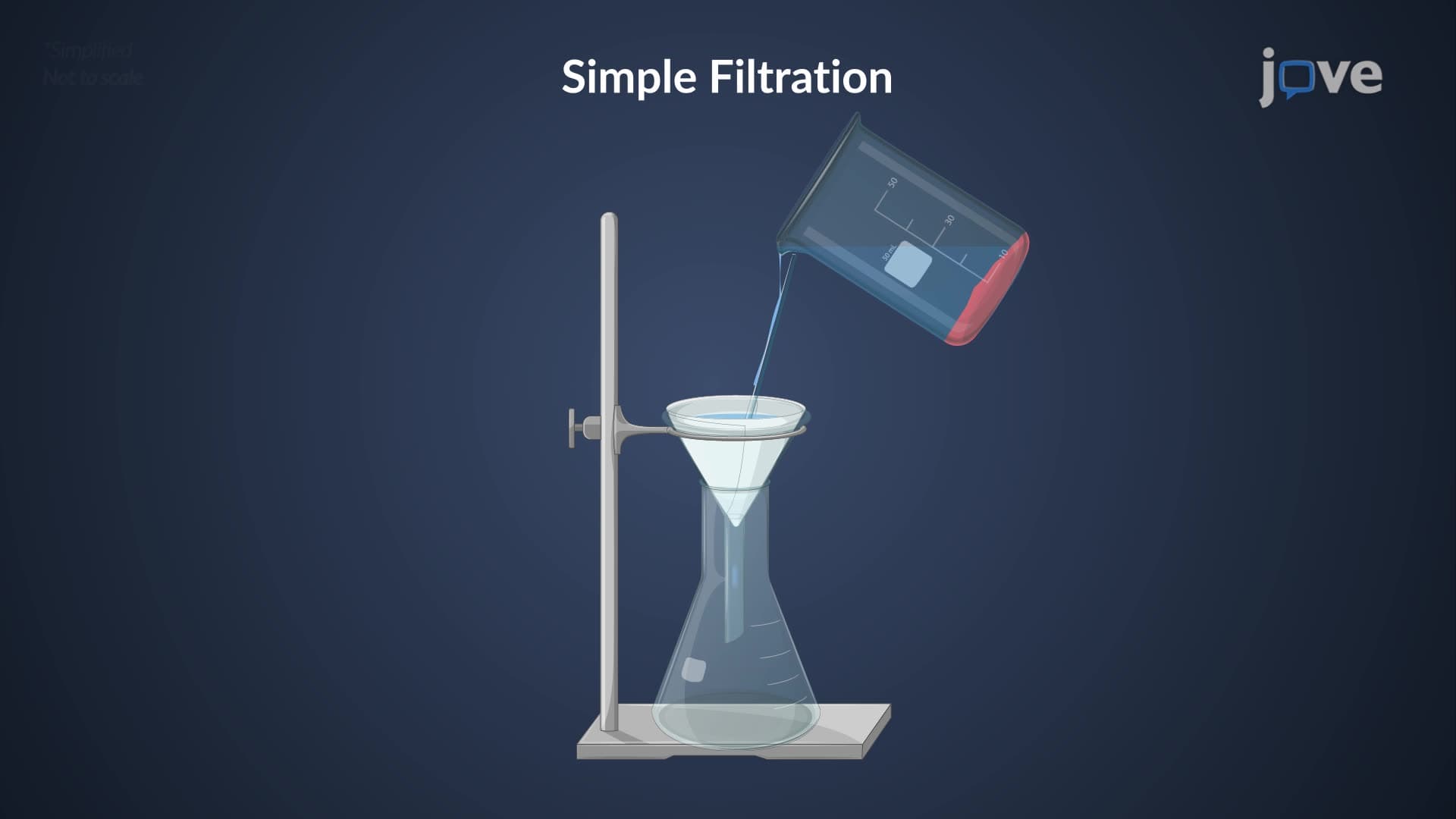
Dialysis separation technique represents one of the most elegant molecular separation methods in analytical chemistry. At its core, this process exploits the fundamental principle that molecules of different sizes behave differently when encountering barriers with specific pore dimensions. Unlike filtration, which relies on pressure, dialysis harnesses the natural tendency of molecules to move from areas of high concentration to low concentration—a process that continues until equilibrium is established.
The magic of how dialysis works in analytical chemistry lies in the semipermeable membrane's selective permeability. These membranes, typically constructed from cellulose acetate or cellulose nitrate, feature precisely controlled pore sizes ranging from 1 to 5 nanometers. This size selectivity means that small interferents like sodium ions (diameter ~0.2 nm) pass through easily, while larger protein molecules (diameter >10 nm) remain trapped on their original side.
When preparing for the MCAT or AP Chemistry exams, students should understand that the diffusion dialysis process follows Fick's laws of diffusion. The rate depends on the concentration gradient, membrane surface area, and molecular properties. US pharmaceutical companies like Pfizer routinely use this principle in drug purification, where unwanted salt impurities are removed from valuable drug compounds.
The dialysis purification method extends far beyond laboratory benches. In US hospitals, hemodialysis machines treat over 750,000 Americans with kidney failure, using synthetic membranes to remove urea and excess electrolytes while preserving essential proteins like albumin. This clinical application perfectly demonstrates the size-selective nature of dialysis membranes.
For college biochemistry students, understanding equilibrium dialysis technique becomes crucial when studying protein-drug interactions. Researchers use this method to determine binding constants between medications and blood proteins—data essential for determining proper dosing in clinical trials conducted by the FDA.
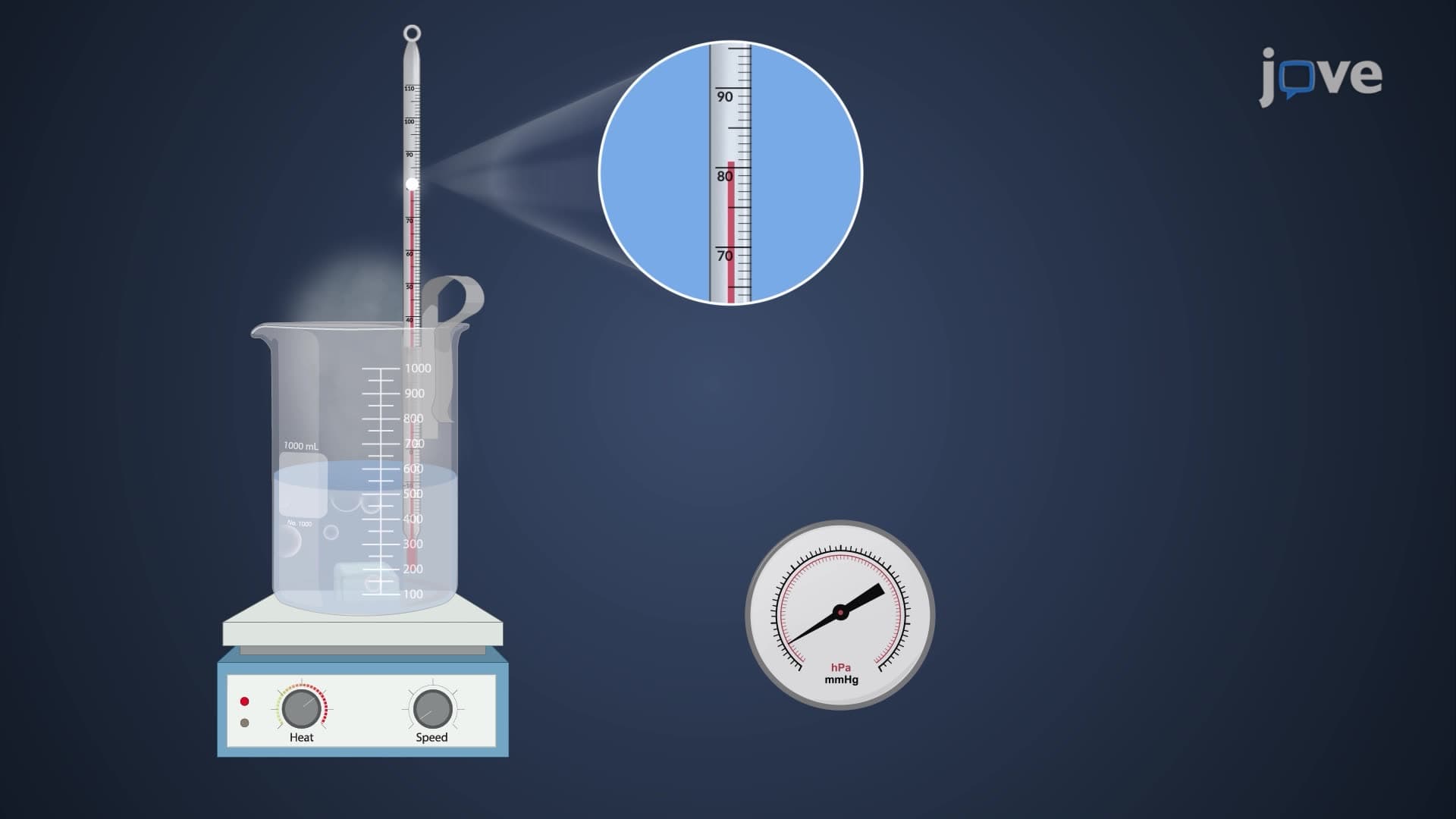
Advanced students preparing for graduate studies should appreciate how environmental factors influence dialysis performance. Heating the dialysate solution increases molecular kinetic energy, accelerating diffusion rates. Similarly, reducing membrane thickness decreases the diffusion path length, improving separation efficiency. These principles guide the design of modern dialysis equipment used in biotechnology companies throughout California's Silicon Valley and Boston's biotech corridor.
Frequently Asked Questions
Dialysis is a size-selective separation technique that uses semipermeable membranes and concentration gradients to separate molecules without external pressure or energy input. Unlike filtration or chromatography, dialysis relies purely on natural diffusion processes and molecular size discrimination. This makes it ideal for gentle separation of biomolecules that might be damaged by harsh conditions. The technique is particularly valuable in pharmaceutical and clinical applications where preserving molecular integrity is essential.
Yes, dialysis concepts frequently appear on both MCAT and AP Chemistry exams, particularly in the context of solutions, membranes, and biological systems. The MCAT often includes dialysis in passages about kidney function or drug purification, while AP Chemistry may test your understanding of concentration gradients and selective permeability. Students should focus on membrane selectivity principles and equilibrium calculations. Practice problems typically involve calculating concentration changes over time or predicting which molecules will pass through specific membrane pore sizes.
Hemodialysis is a life-saving treatment used in over 7,000 US dialysis centers to treat patients with kidney failure. During treatment, blood is pumped through an artificial kidney containing thousands of hollow fiber membranes that remove waste products like urea and excess water while retaining essential proteins and blood cells. Major medical systems like Cleveland Clinic and Johns Hopkins use advanced dialysis machines that can precisely control filtration rates. The treatment typically requires 3-4 sessions per week, each lasting 3-4 hours, highlighting the clinical importance of understanding membrane science.
While both dialysis and osmosis involve semipermeable membranes, they operate on different principles and selectivity mechanisms. Dialysis separates molecules based on size using concentration gradients of specific solutes, allowing smaller molecules to equilibrate across the membrane while retaining larger ones. Osmosis specifically involves water movement driven by differences in total solute concentration across membranes impermeable to those solutes. In dialysis, multiple different molecules can move simultaneously based on their individual concentration gradients and size compatibility with membrane pores.
No, dialysis concepts build on fundamental chemistry principles taught in high school general chemistry courses. You need to understand concentration, diffusion, and basic membrane concepts—topics covered in typical Chemistry I classes. The mathematical calculations involve simple ratios and equilibrium expressions similar to those used in acid-base chemistry. Students with a solid foundation in molarity, solution preparation, and kinetic molecular theory will find dialysis concepts very accessible and logical.
Focus on practicing problems that combine membrane selectivity with concentration calculations, as these represent the most common exam question types. Work through scenarios involving different molecular sizes and membrane specifications, and practice predicting equilibrium concentrations. Create concept maps linking dialysis to related topics like osmotic pressure, solution chemistry, and biological membranes. Use practice problems from AP Chemistry released exams and MCAT prep books, particularly those involving kidney function or pharmaceutical purification scenarios.
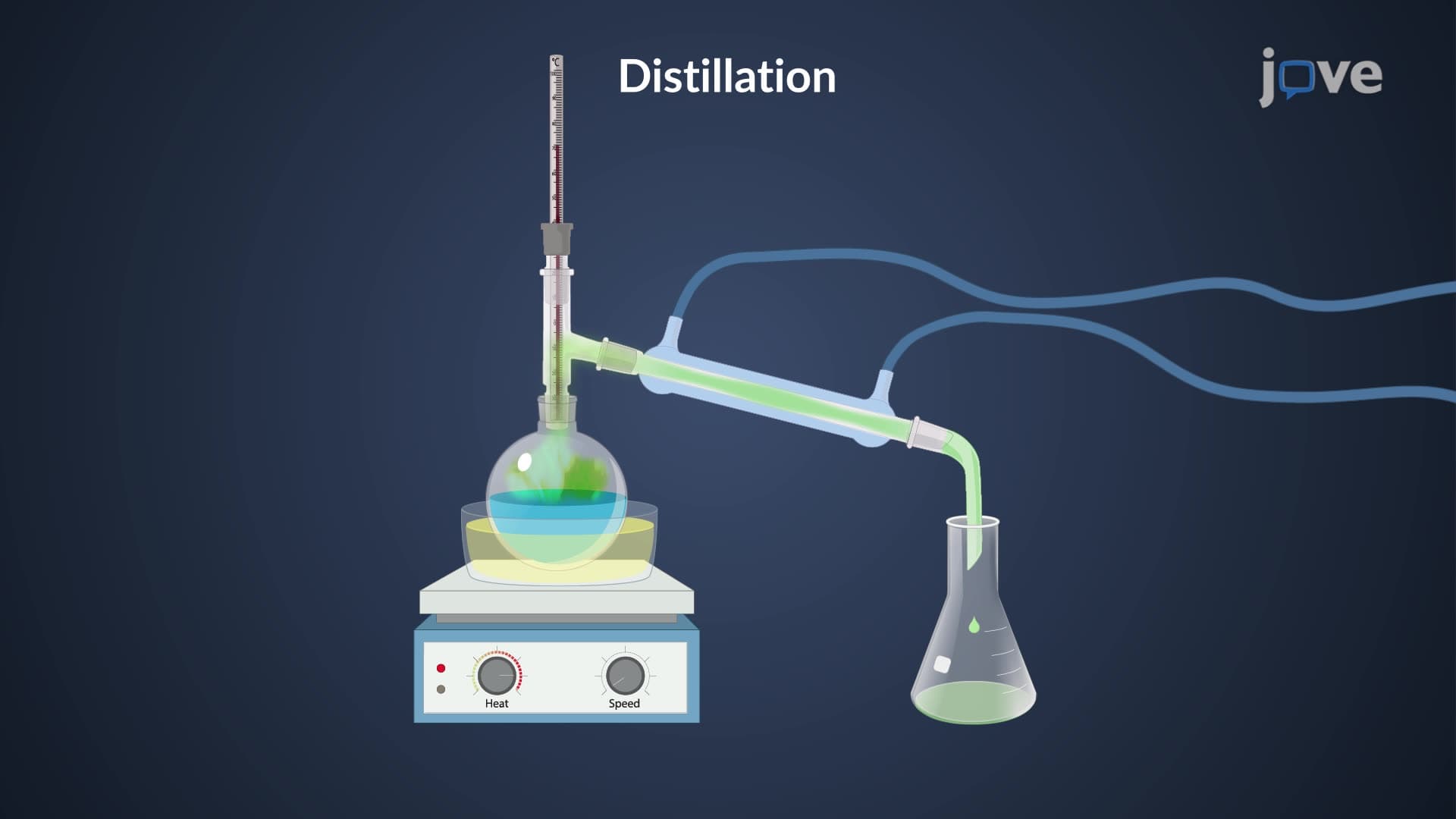
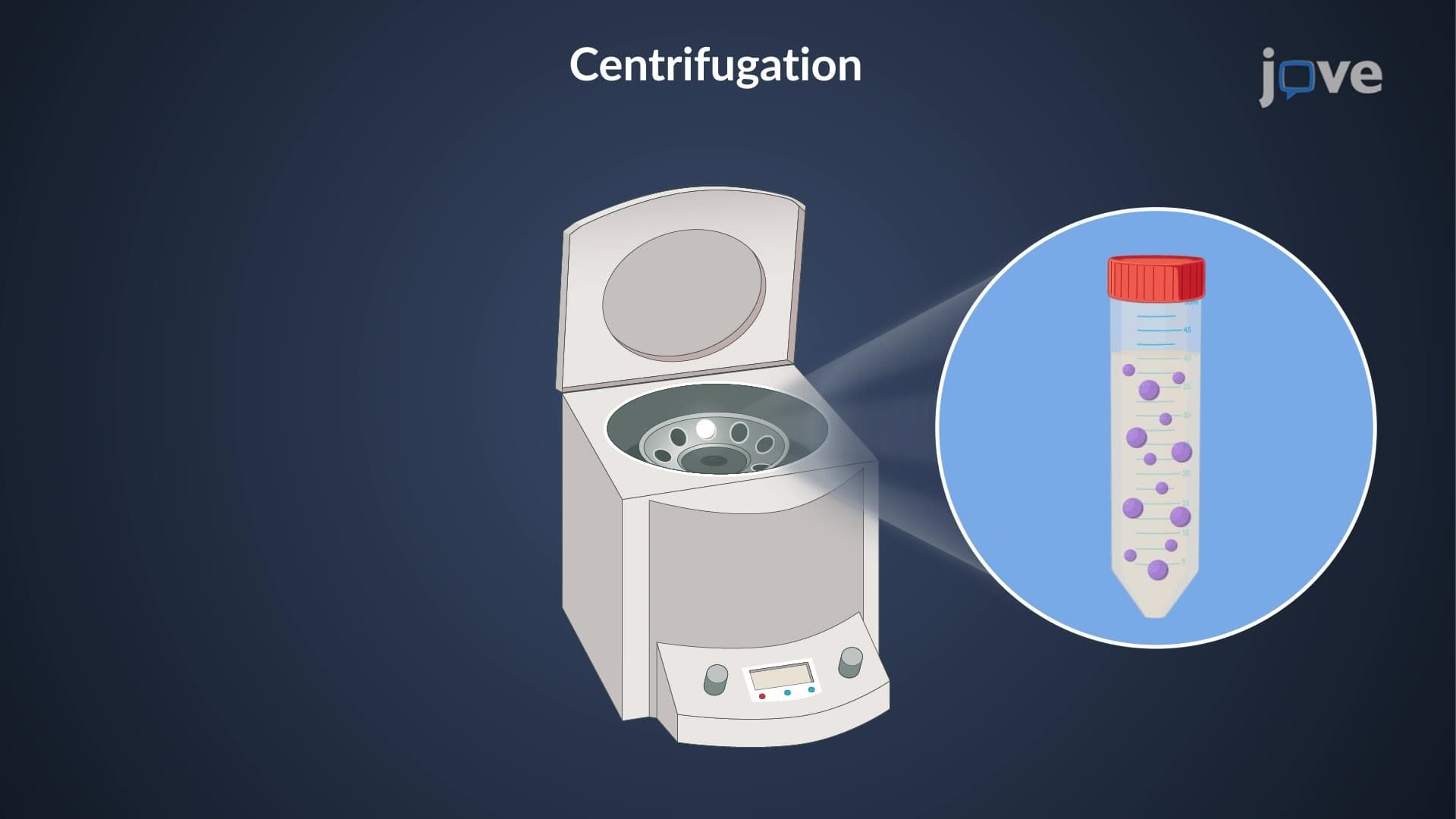
After understanding dialysis, explore electrodialysis and reverse osmosis to see how electrical and pressure gradients can enhance separation processes. Study chromatography techniques, particularly gel filtration, which uses similar size-exclusion principles. Advanced students should investigate membrane science, including polymer chemistry and surface modification techniques used in modern separation technologies. These topics prepare you for specialized courses in analytical chemistry, biochemical engineering, or materials science.
US pharmaceutical giants like Johnson & Johnson and Merck use dialysis extensively in drug purification and formulation processes. During drug synthesis, dialysis removes salt impurities and unreacted reagents from valuable drug compounds without damaging the active pharmaceutical ingredient. In formulation development, scientists use equilibrium dialysis to study how drugs bind to plasma proteins, which determines dosing requirements and potential drug interactions. This data is crucial for FDA approval submissions and ensures patient safety in clinical trials conducted across American medical centers.
Related Micro-courses
Related Subjects
 Chemistry 21 micro-courses›
 Organic Chemistry 21 micro-courses›