Loading…
Loading video…

11,665 views
Did you know that pharmaceutical companies like Pfizer must test only a tiny fraction of their drug batches to ensure millions of pills meet safety standards? This precision comes from well-designed sampling plans analytical chemistry, which are systematic strategies for selecting representative portions from larger populations. For instance, when the FDA inspects food manufacturing facilities, they use stratified sampling to test products from different production lines. What are sampling plans becomes crucial for accurate data collection and reliable conclusions. Watch the full video on JoVE Coach to master this concept with expert-led visuals and step-by-step explanations.
Sampling plans analytical chemistry serve as the foundation for reliable scientific research and quality control processes. These systematic approaches ensure that small, manageable portions accurately represent larger populations, whether analyzing water quality in the Great Lakes or testing medication purity at Johnson & Johnson facilities. A well-designed sampling plan minimizes bias, reduces costs, and provides statistically valid results that regulatory agencies like the EPA and FDA can trust.
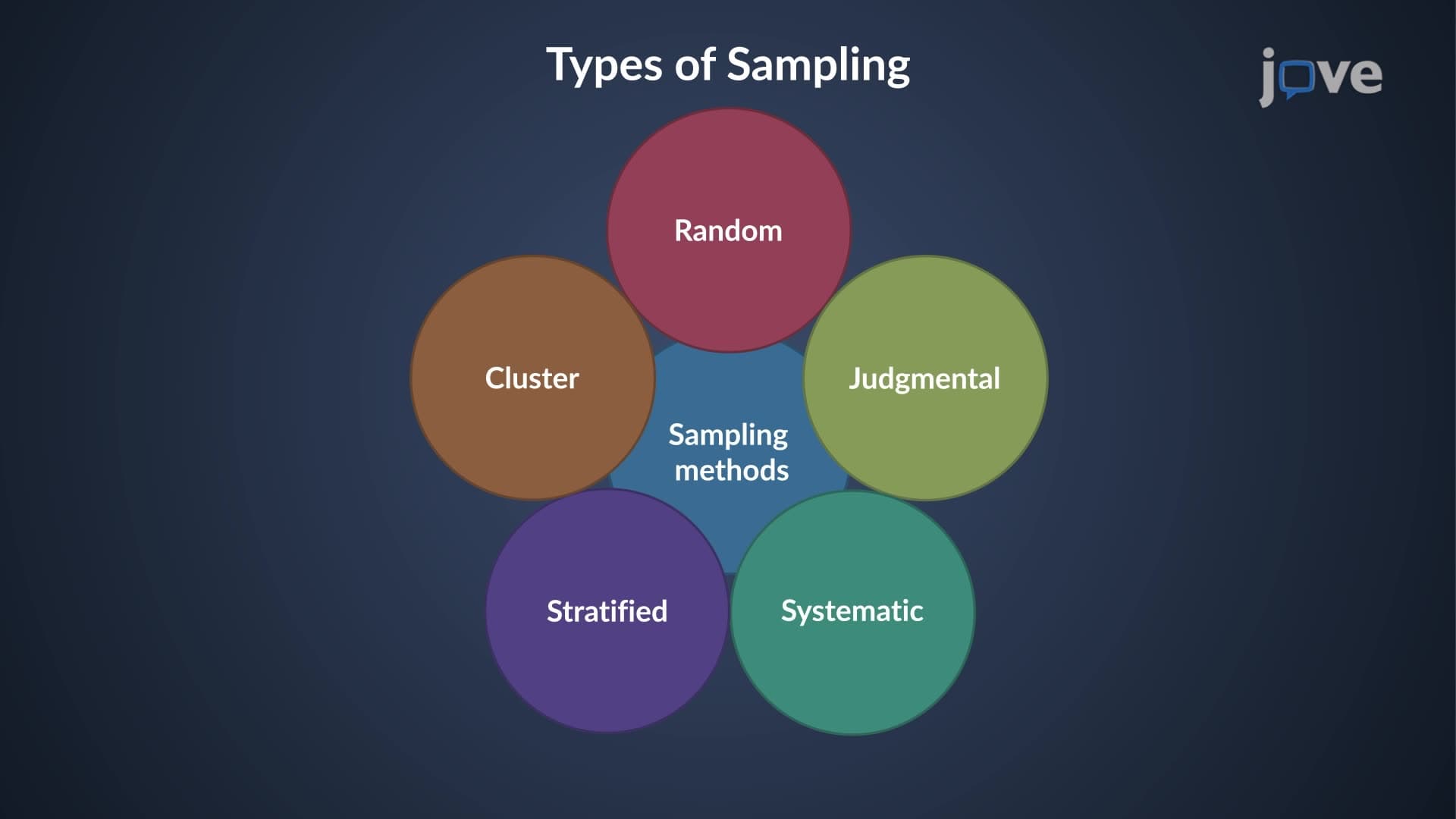
Random sampling forms the cornerstone of probability-based methods, where every unit has an equal chance of selection. Laboratory technicians at companies like Abbott Laboratories use random number generators to select vials for quality testing, ensuring unbiased results. This approach excels in AP Chemistry courses and college analytical chemistry labs because it eliminates human bias and allows for statistical inference.
Conversely, judgmental sampling relies on expert knowledge rather than chance. When environmental scientists investigate pollution sources near industrial sites, they might purposefully select sampling locations based on wind patterns, proximity to discharge points, and historical data. While this non-probability method lacks the statistical rigor required for MCAT preparation, it proves valuable when resources are limited or when targeting specific conditions.
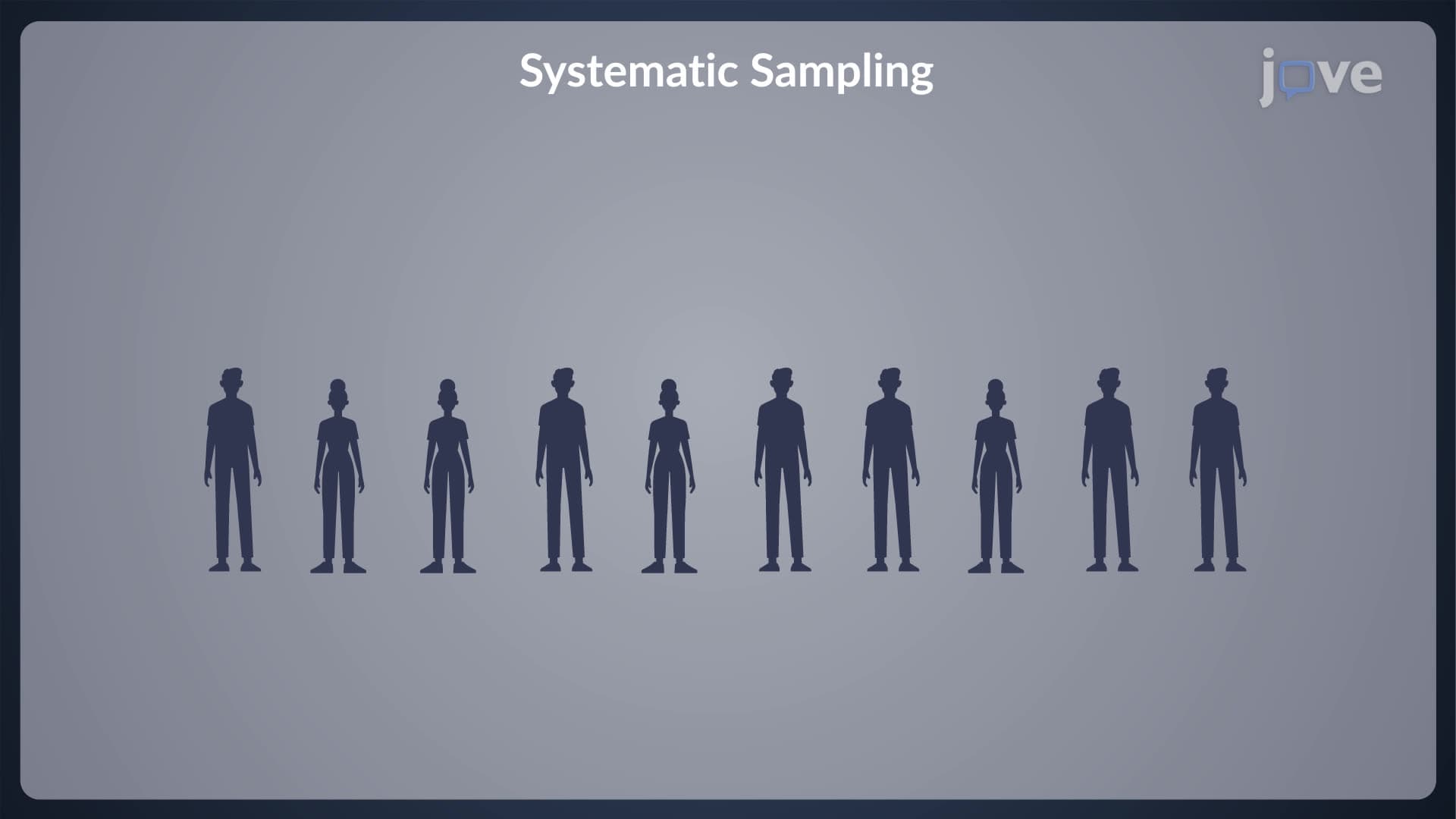
Systematic sampling plan implementation involves selecting every nth unit from a population after randomly choosing a starting point. For example, pharmaceutical quality control might test every 50th tablet from a production line of 10,000 units. This method, frequently covered in college statistics courses, combines randomness with operational efficiency. However, periodic patterns in manufacturing processes can introduce bias, making this consideration crucial for AP Statistics students.
Stratified sampling design addresses population heterogeneity by dividing subjects into homogeneous subgroups before sampling. Clinical research organizations conducting FDA-regulated trials often stratify participants by age, gender, and medical history to ensure representative results. This technique, essential for USMLE Step 1 preparation, typically provides more precise estimates than simple random sampling when strata differ significantly in the measured characteristic.
Cluster sampling proves particularly valuable when complete population lists are unavailable or when geographic dispersion creates logistical challenges. The CDC might select random counties for disease surveillance studies, then examine all cases within chosen areas. This sampling frequency plan reduces travel costs and administrative burden while maintaining statistical validity, concepts frequently tested in public health graduate programs and epidemiology coursework.
Frequently Asked Questions
Sampling plans are systematic strategies for selecting representative portions from larger populations to ensure accurate analysis and reliable conclusions. They're essential because testing entire populations is usually impossible, expensive, or destructive, yet decisions must be based on scientifically valid data. Proper sampling plans minimize bias and sampling error while maximizing the reliability of analytical results.
The MCAT tests sampling concepts within research design and statistical analysis sections, often asking students to identify appropriate sampling methods for given scenarios. AP Chemistry exams may include sampling questions in experimental design contexts, particularly regarding laboratory procedures and data collection methods. Students should understand when each sampling type is most appropriate and potential sources of bias.
Choose random sampling for unbiased population estimates, systematic sampling for operational efficiency with large datasets, stratified sampling when subgroups differ significantly, and cluster sampling for geographically dispersed populations. Consider your research objectives, available resources, and population characteristics. Your academic advisor can help determine the most appropriate statistical sampling plan for your specific research question.
Companies like Merck divide production batches into strata based on factors like manufacturing time, equipment used, or raw material lots. They then randomly sample from each stratum proportionally to ensure comprehensive quality assessment. This approach detects problems that might be missed by simple random sampling and provides more precise estimates of overall product quality across different manufacturing conditions.
Not at all! Sampling concepts build on basic probability and statistics covered in Algebra II and Pre-Calculus. Start with simple random sampling, then progress to more complex methods as your statistical foundation strengthens. Many concepts connect to everyday experiences like polling and market research, making them relatable and easier to grasp.
Practice identifying sampling methods from scenario descriptions and understand each method's strengths and limitations. Create flashcards for key terminology and work through sample problems involving systematic sampling calculations. Focus on real-world applications since exams often present practical situations requiring appropriate sampling method selection.
The EPA uses various sampling plans to monitor air and water quality across the nation. For instance, they employ systematic sampling to collect air quality data at regular intervals, stratified sampling to ensure representation across different geographic regions and demographic areas, and cluster sampling to efficiently monitor large watersheds. These methods ensure regulatory decisions are based on scientifically sound data.
Explore sampling error reduction techniques, power analysis for sample size determination, and multi-stage sampling designs. Advanced courses cover topics like adaptive sampling, bootstrap methods, and Bayesian approaches to sampling. These concepts become particularly relevant in graduate-level statistics, biostatistics, and research methodology courses.
Related Micro-courses



Related Subjects
 Chemistry 21 micro-courses›
 Organic Chemistry 21 micro-courses›