Loading…
Loading video…

11,665 views
Ever wonder how scientists at the CDC can detect trace amounts of contamination in drinking water or how forensic labs identify microscopic evidence? The answer lies in sample preparation analysis – the crucial first step that transforms raw samples into forms suitable for accurate testing. For instance, when testing soil from a Superfund site in New Jersey for heavy metals, scientists must first extract, purify, and concentrate the contaminants before analysis can begin. Watch the full video on JoVE Coach to master this concept with expert-led visuals and step-by-step explanations.
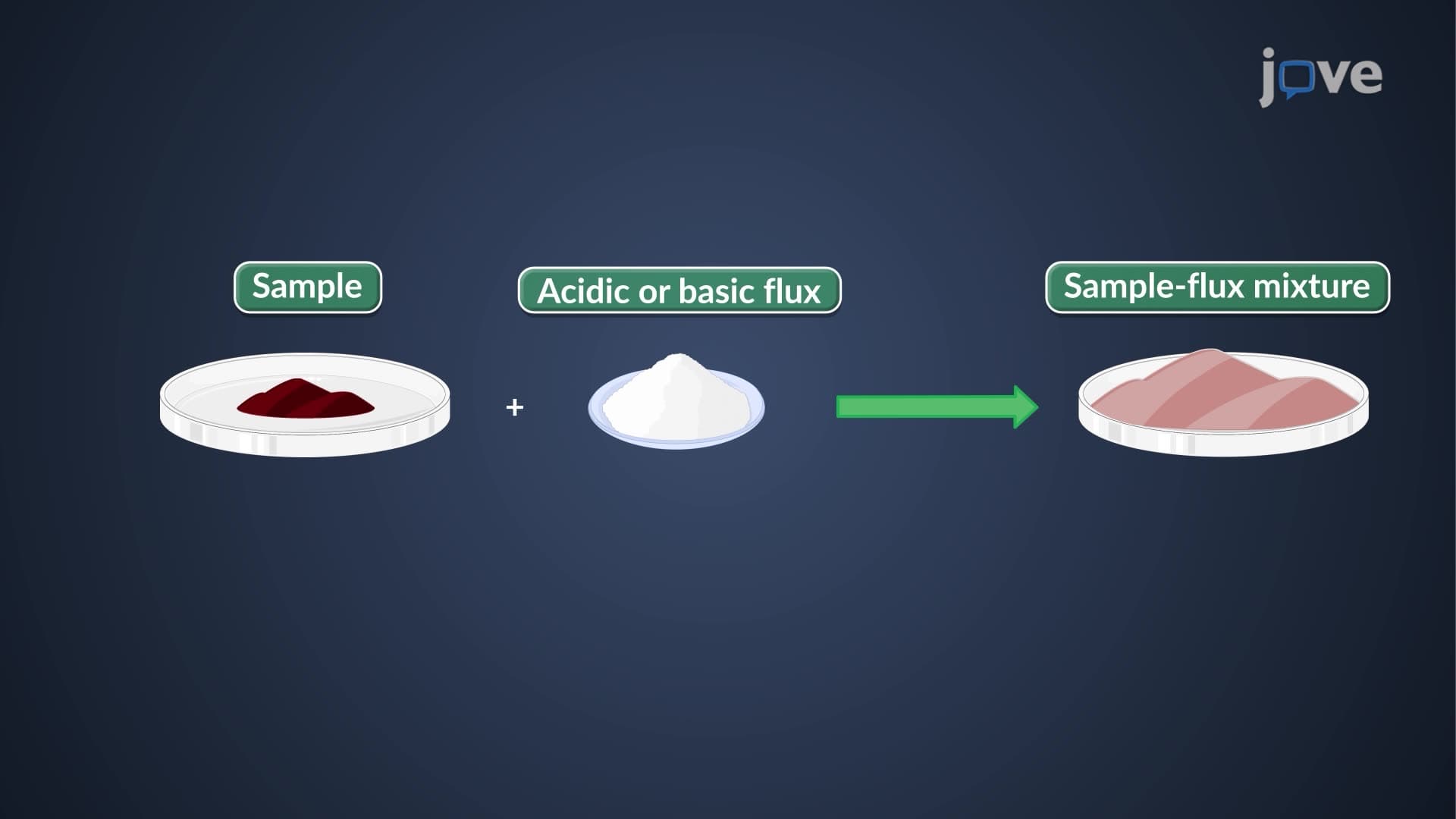
Sample preparation analysis serves as the foundation of reliable analytical chemistry, transforming raw samples into forms suitable for instrumental analysis. This critical process addresses three fundamental challenges that analysts face: extracting the target analyte from its original matrix, removing interfering substances, and concentrating dilute samples to detectable levels.
The importance of proper sample preparation cannot be overstated – studies show that 80% of analytical errors stem from inadequate sample preparation rather than instrumental limitations. This makes mastering these techniques essential for success in AP Chemistry, college analytical chemistry courses, and professional laboratory work.
The extraction phase focuses on separating the analyte of interest from its original sample matrix. Consider how environmental chemists analyze pesticide residues in agricultural produce from California's Central Valley. The pesticides must first be extracted from the complex plant tissue matrix using appropriate solvents before gas chromatography analysis can occur.
Sample extraction preparation varies significantly based on the analyte's chemical properties and the sample matrix. Polar compounds require polar solvents like methanol or water, while nonpolar compounds need organic solvents such as hexane or dichloromethane. This concept frequently appears on MCAT chemistry sections and college organic chemistry exams.
Once extracted, samples often contain interfering substances that can compromise analytical results. Matrix removal preparation and sample cleanup chemistry eliminate these interferences through various techniques. For example, when pharmaceutical companies test drug purity at facilities in Research Triangle Park, North Carolina, they must remove manufacturing byproducts and excipients that could interfere with HPLC analysis.
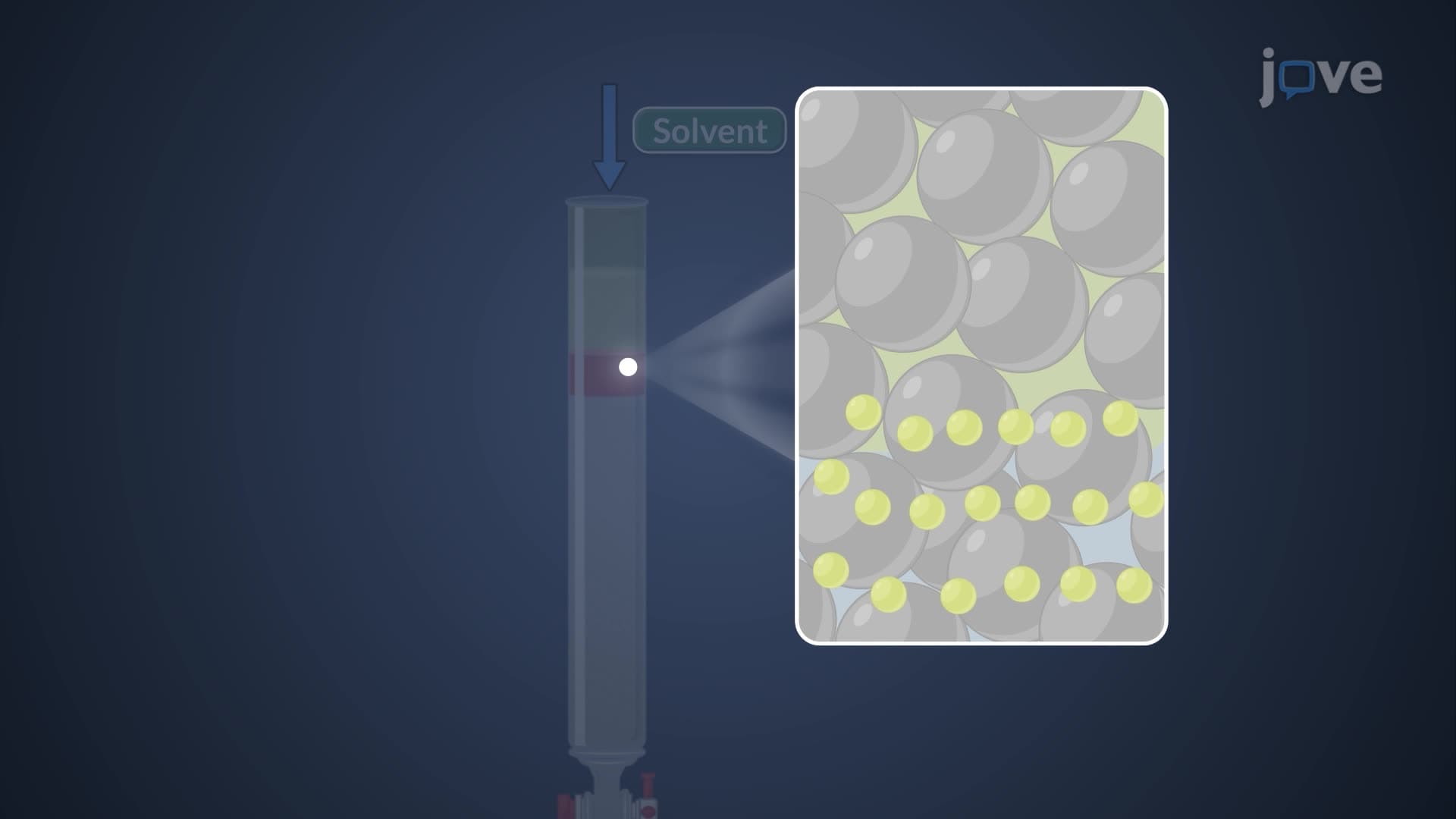
Common purification methods include solid-phase extraction (SPE), where samples pass through specialized cartridges that selectively retain either the analyte or interferents. This technique is particularly important in clinical chemistry, where blood and urine samples contain numerous potential interferents.
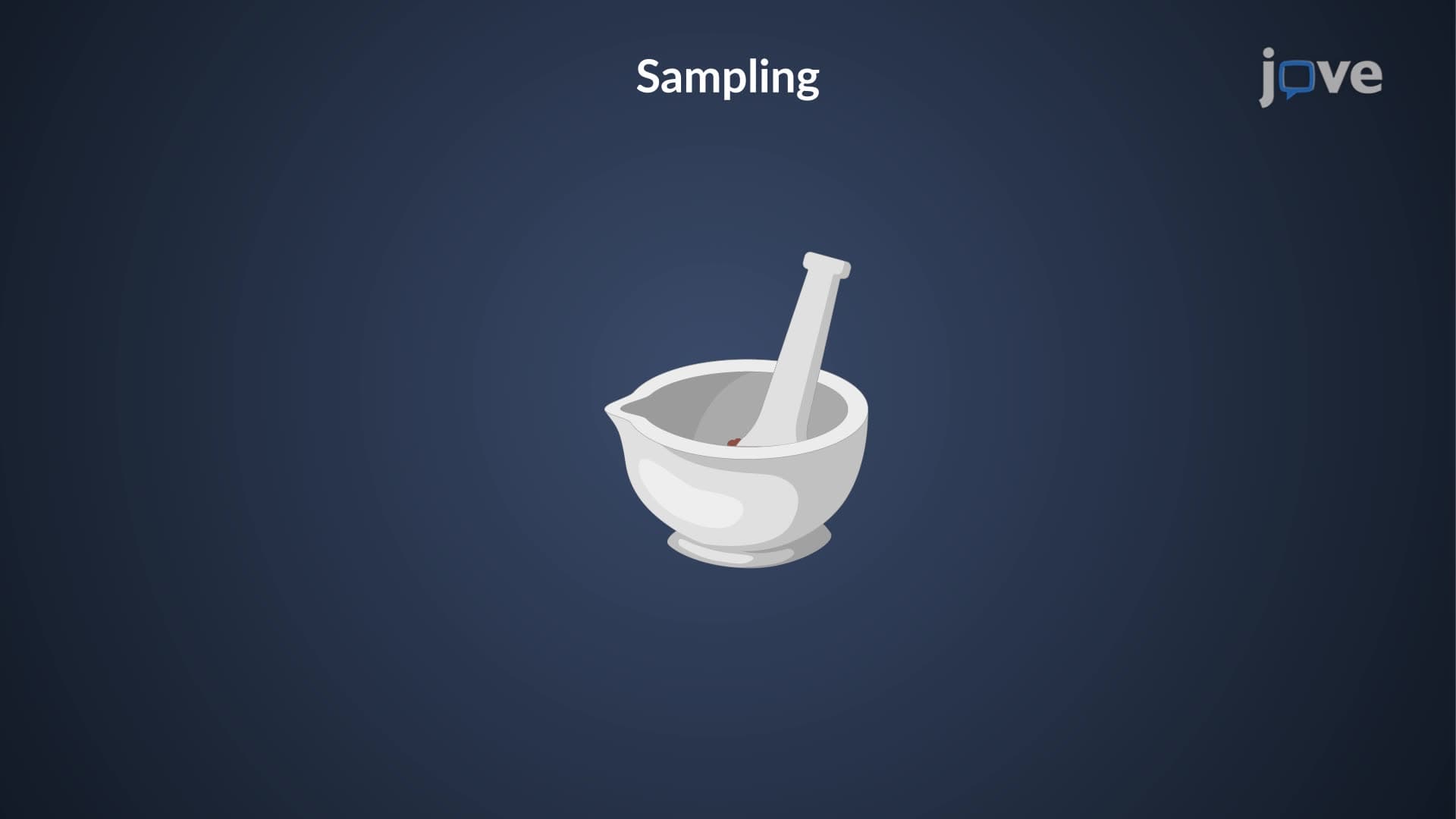
Sample digestion methods and physical preparation techniques vary by sample state. Solid samples require mechanical processing – grinding, crushing, and milling – to create homogeneous fine powders. This process, followed by sieving and blending, ensures representative sampling and consistent results.
The particle size reduction increases surface area, improving extraction efficiency. Food testing laboratories routinely employ these techniques when analyzing nutritional content or contaminant levels in processed foods. This topic commonly appears in analytical chemistry coursework and professional certification exams like those required for clinical laboratory scientists.
Frequently Asked Questions
Sample preparation for analysis is the process of transforming raw samples into forms suitable for accurate instrumental analysis through extraction, purification, and concentration. It's necessary because most samples cannot be analyzed directly due to complex matrices, interfering substances, or insufficient analyte concentrations. This critical step ensures reliable, reproducible results in everything from pharmaceutical quality control to environmental monitoring.
The MCAT frequently tests sample preparation concepts within passages about research methodology and experimental design. You'll encounter questions about choosing appropriate extraction solvents, identifying potential sources of analytical error, and interpreting results from purified versus unpurified samples. Focus on understanding the logic behind each preparation step rather than memorizing specific protocols.
AP Chemistry emphasizes fundamental concepts like solubility principles for extraction, filtration and crystallization for purification, and dilution calculations for concentration adjustments. Students should understand how polarity affects extraction efficiency and recognize when sample preparation might introduce systematic errors in quantitative analysis experiments.
Sample preparation is essential across industries – pharmaceutical companies use it for drug purity testing, environmental labs employ it for water quality monitoring, food processors rely on it for nutritional labeling, and forensic labs use it for evidence analysis. For example, when testing drinking water in Flint, Michigan, extensive sample preparation was required to accurately measure lead concentrations.
Basic high school chemistry knowledge is sufficient to grasp fundamental sample preparation concepts. You should understand polarity, solubility rules, and basic separation techniques like filtration. Advanced techniques build on these foundations, so mastering the basics in general chemistry prepares you well for analytical chemistry courses.
Create flowcharts showing decision trees for different sample types and analytical goals. Practice identifying which preparation steps are needed for specific scenarios, and understand the reasoning behind each choice. Focus on connecting sample preparation to broader analytical chemistry principles rather than memorizing isolated procedures.
After understanding sample preparation, explore specific analytical techniques like chromatography, spectroscopy, and electrochemical analysis. Study quality assurance concepts including method validation, calibration procedures, and statistical analysis of results. These topics build directly on sample preparation fundamentals and are essential for advanced analytical chemistry courses.
Related Micro-courses


Related Subjects
 Chemistry 21 micro-courses›
 Organic Chemistry 21 micro-courses›