Loading…
Loading video…
11,665 views
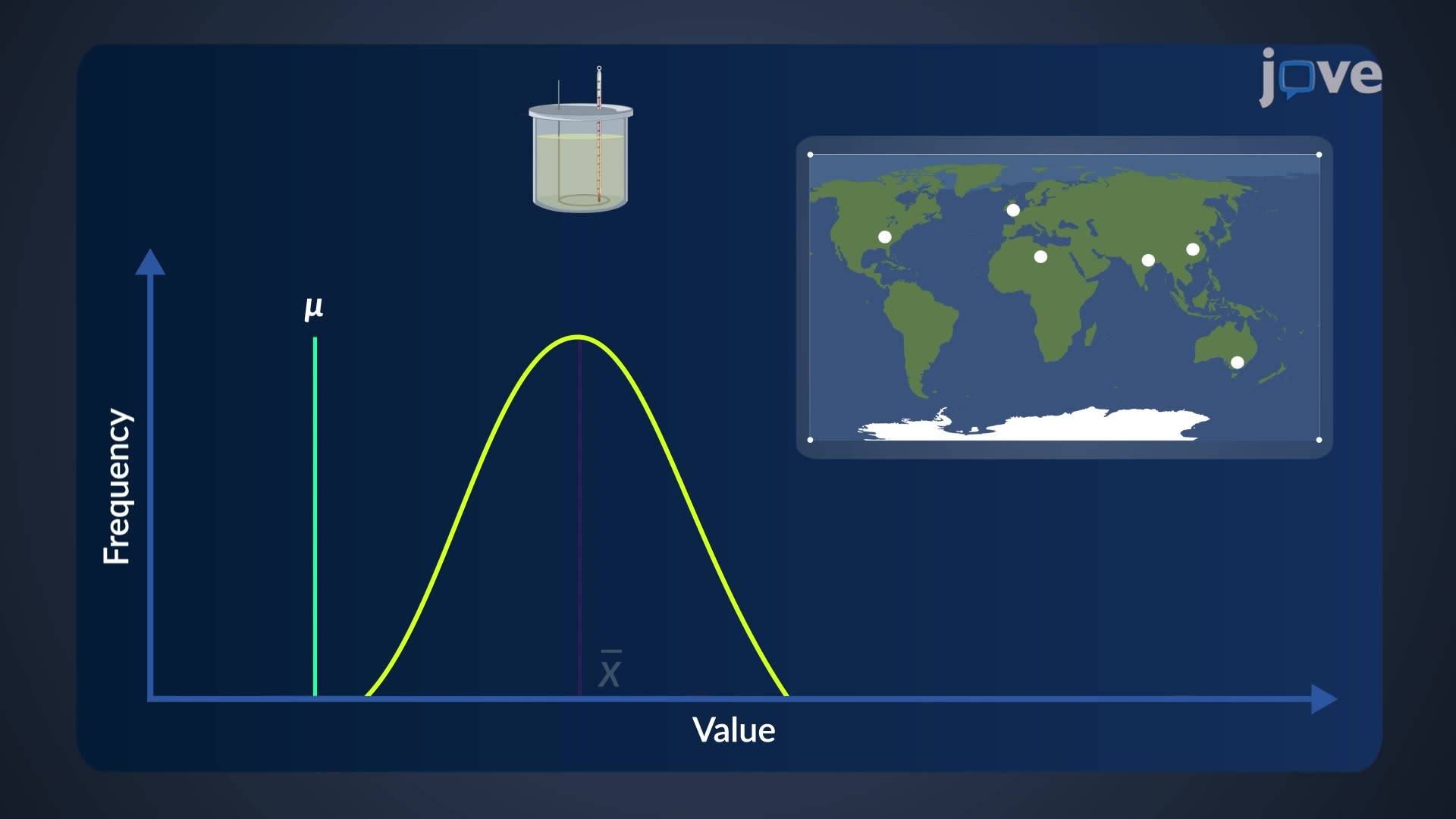
Have you ever wondered how the FDA ensures medications are safe before reaching pharmacy shelves? Data validation in analytical chemistry forms the backbone of quality control in laboratories across America, from pharmaceutical companies like Pfizer to university research facilities. This rigorous process ensures that every measurement and test result meets strict accuracy standards. What is data validation becomes crucial when labs analyze everything from COVID-19 test samples to environmental water quality assessments. Watch the full video on JoVE Coach to master this concept with expert-led visuals and step-by-step explanations.
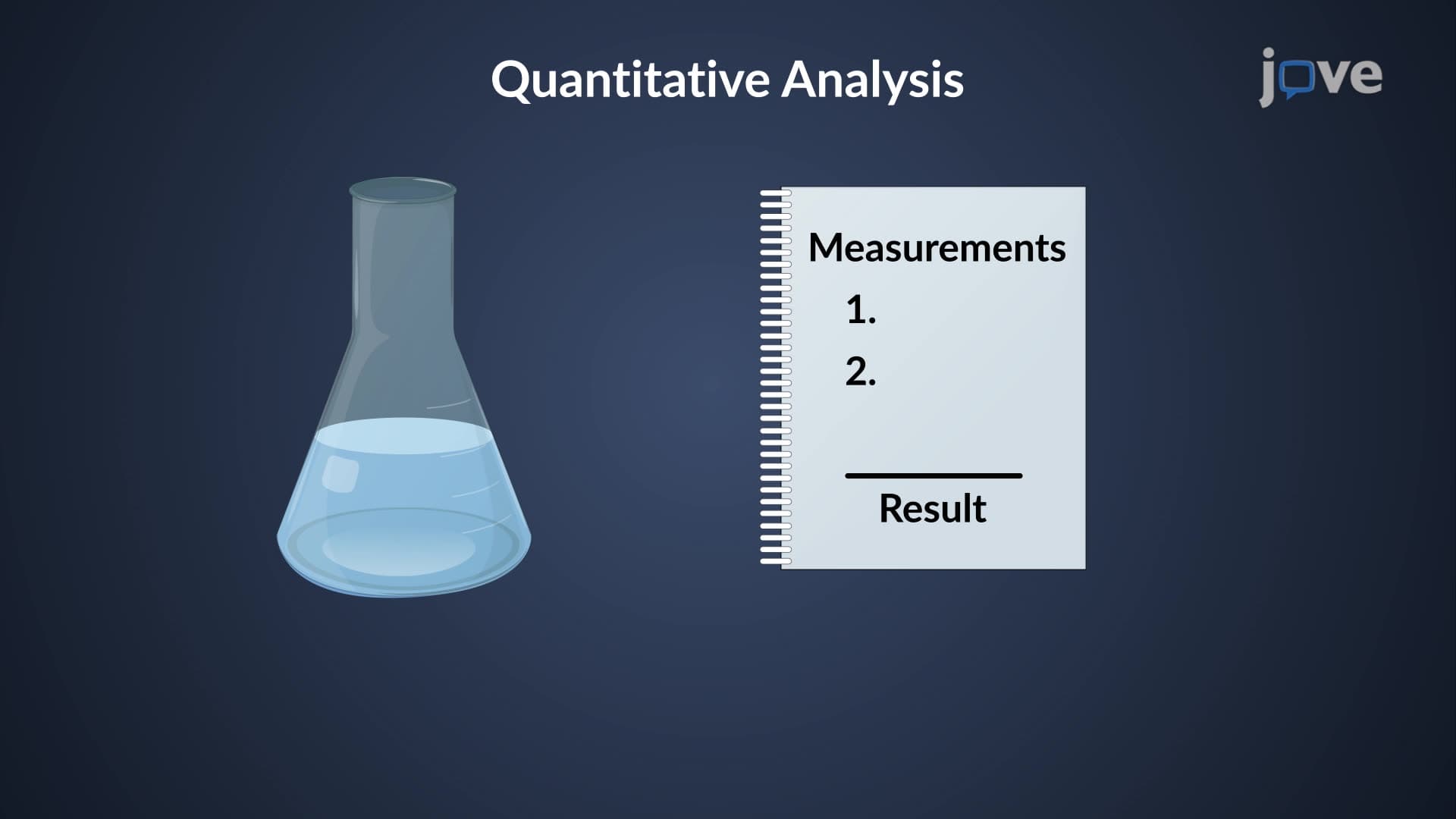
What is data validation represents one of the most critical quality assurance processes in modern analytical chemistry. This systematic approach ensures that every measurement produced by laboratory instruments and methods meets predetermined standards for accuracy, precision, and reliability. In the United States, regulatory agencies like the FDA and EPA mandate rigorous validation protocols for any analytical method used in drug development, environmental monitoring, or clinical diagnostics.
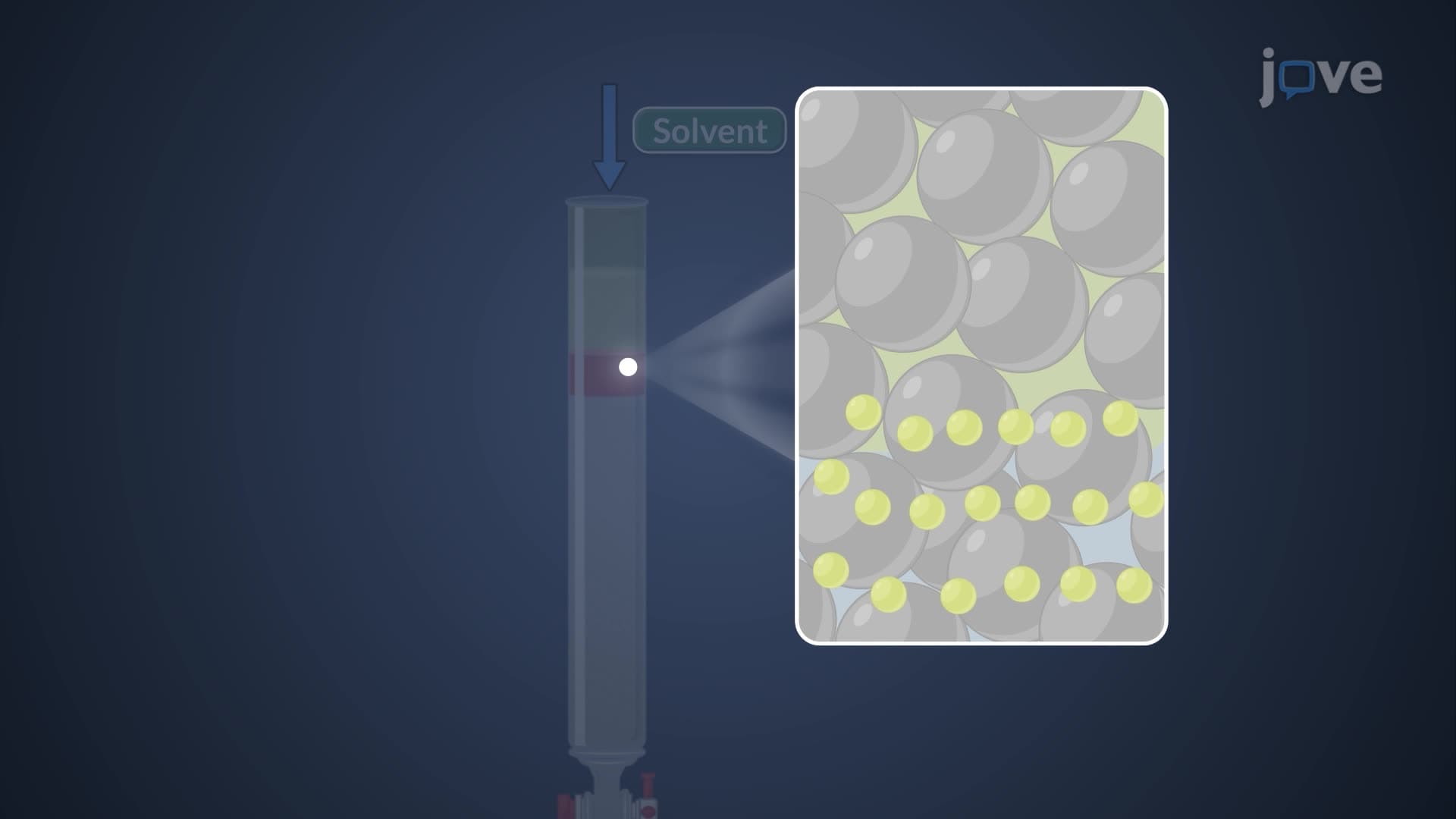
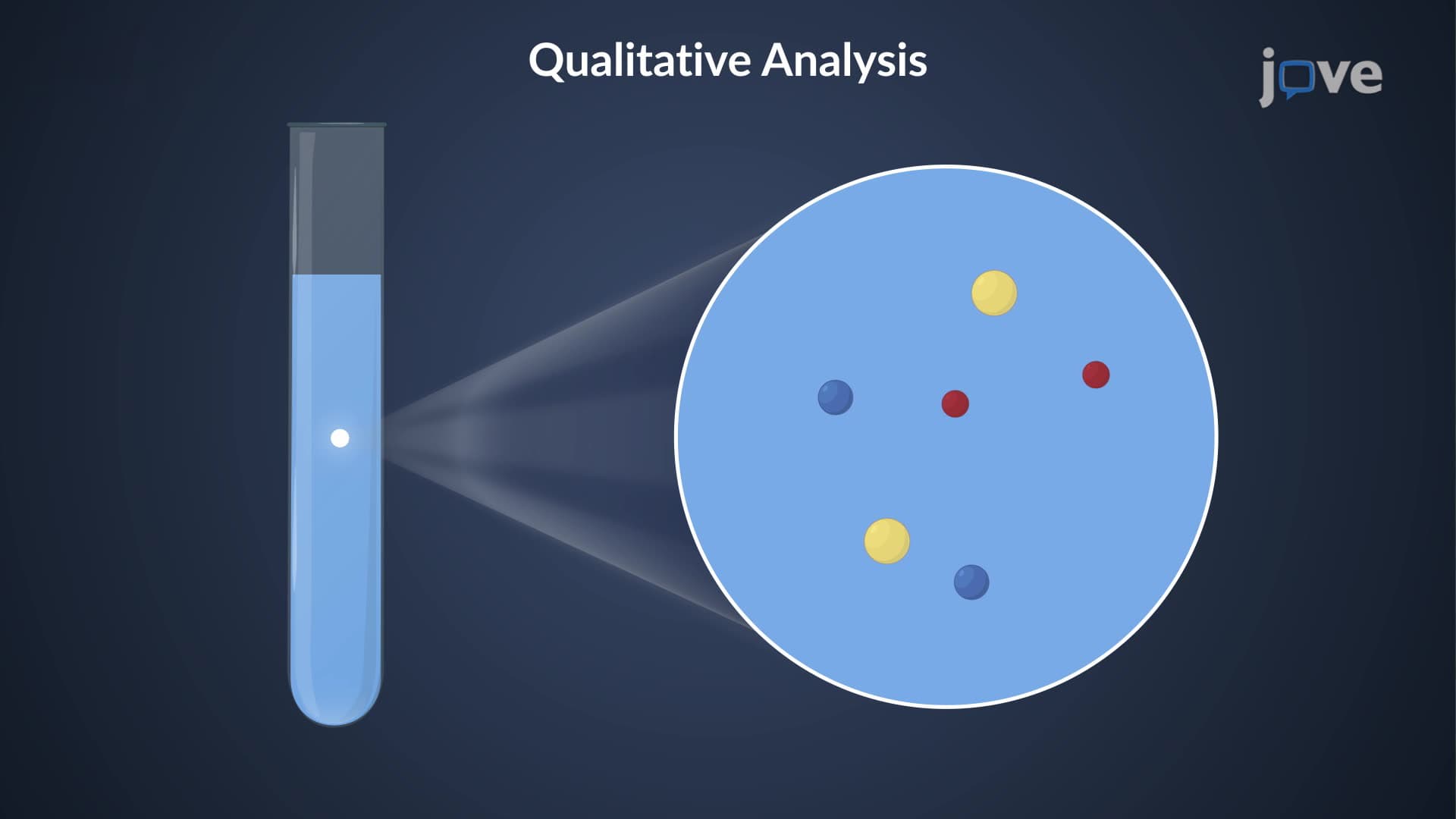
Data validation in lab analysis encompasses eight fundamental parameters that collectively ensure measurement quality. Specificity confirms that a method measures only the target analyte without interference from other compounds. Linearity establishes that instrument response remains proportional to analyte concentration across the working range. Accuracy measures how close results come to the true value, while precision evaluates measurement reproducibility. The analytical range defines the concentration span where the method performs reliably, bounded by the limit of detection (smallest detectable amount) and limit of quantitation (smallest quantifiable amount). Robustness tests method stability under slight procedural variations.
Students preparing for AP Chemistry or college-level analytical courses should understand these parameters as building blocks of laboratory credibility. For instance, when pharmaceutical companies like Johnson & Johnson validate methods for measuring active drug ingredients, they must demonstrate that their analytical procedures meet all eight criteria consistently.
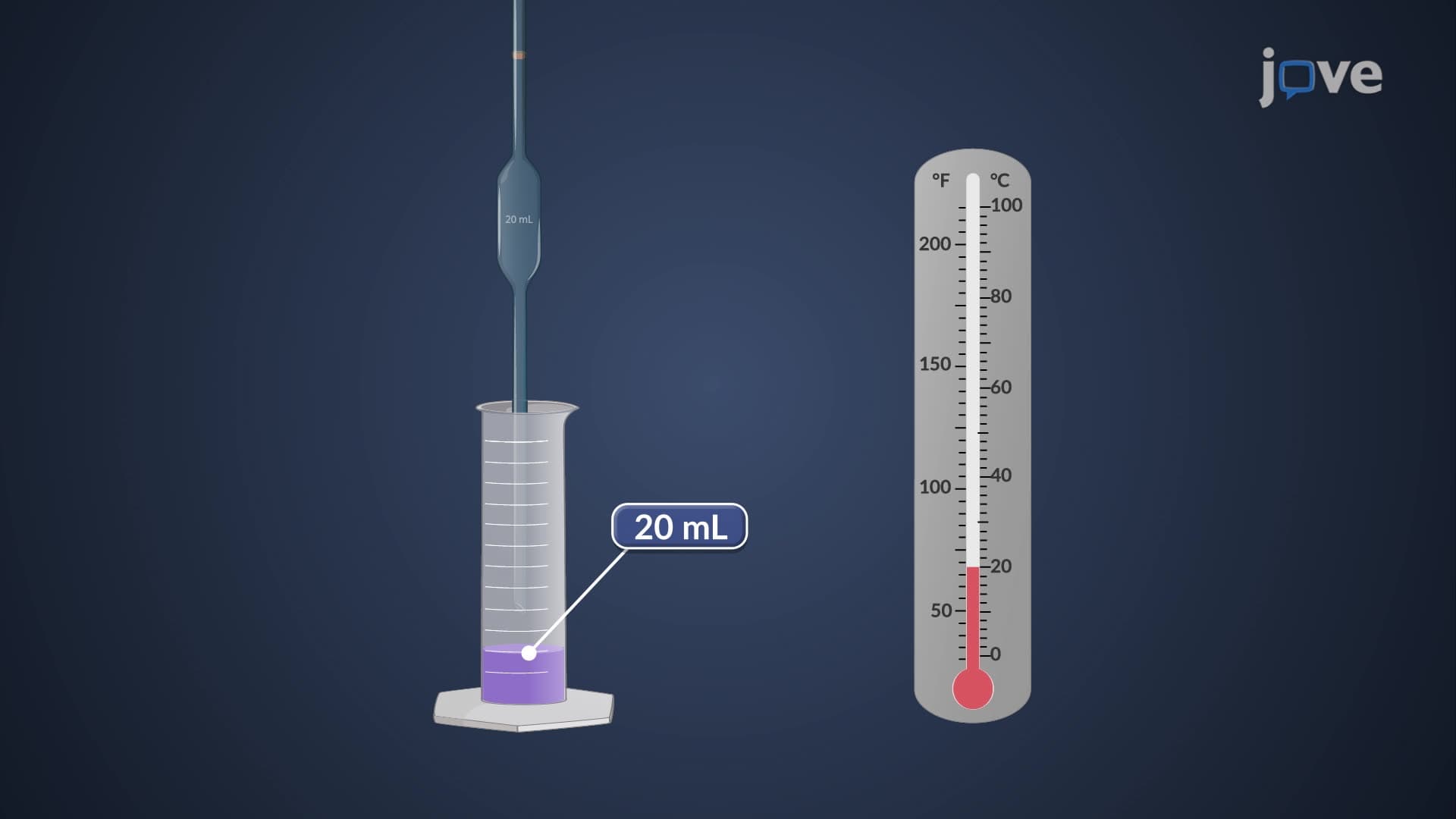
Data integrity validation requires careful distinction between random and systematic errors. Random errors appear as scatter in replicate measurements and affect precision, quantified through standard deviation calculations. Systematic errors create consistent bias in results, affecting accuracy. These errors can originate from either the analytical method itself or from analyst technique variations.
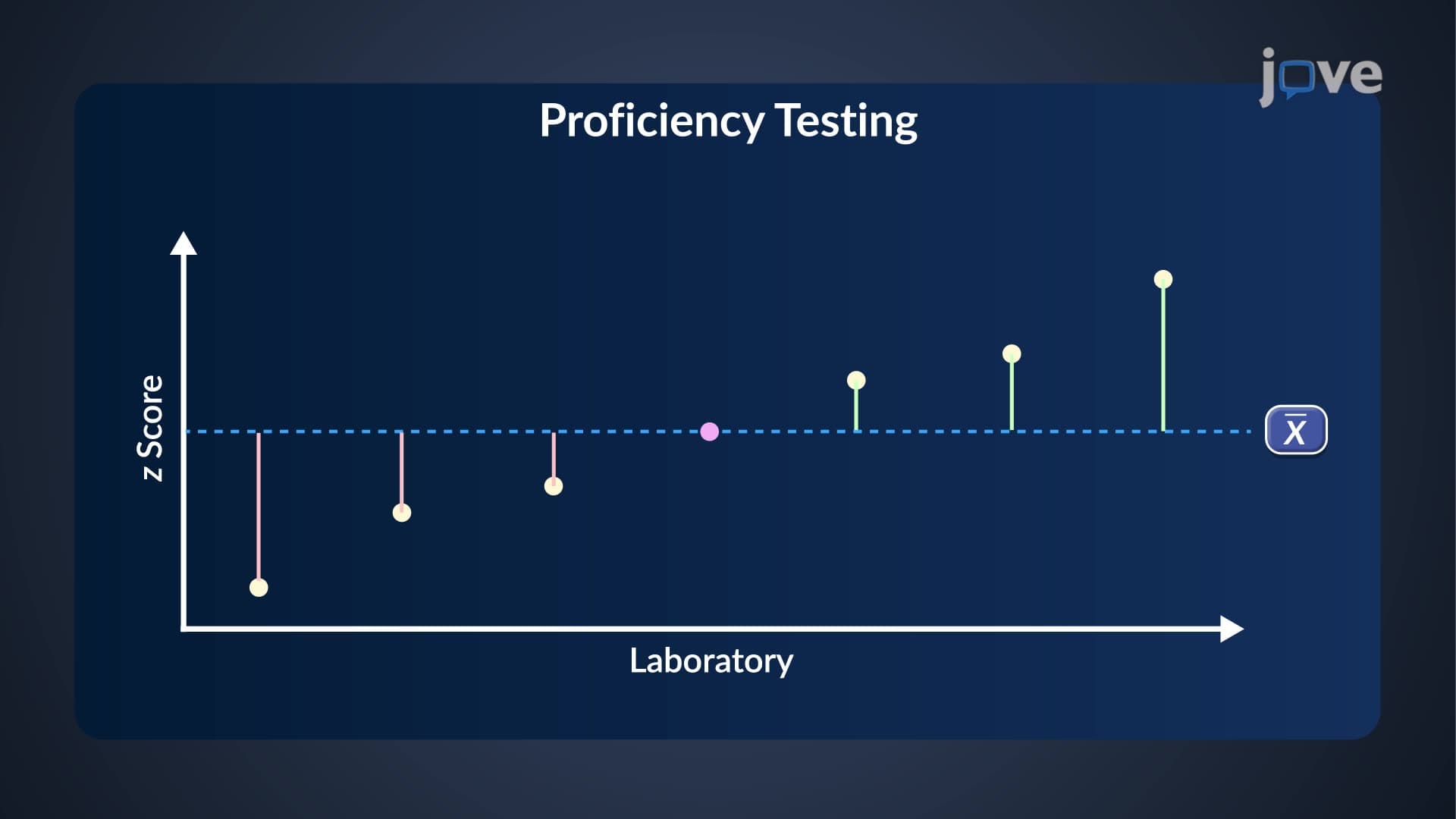
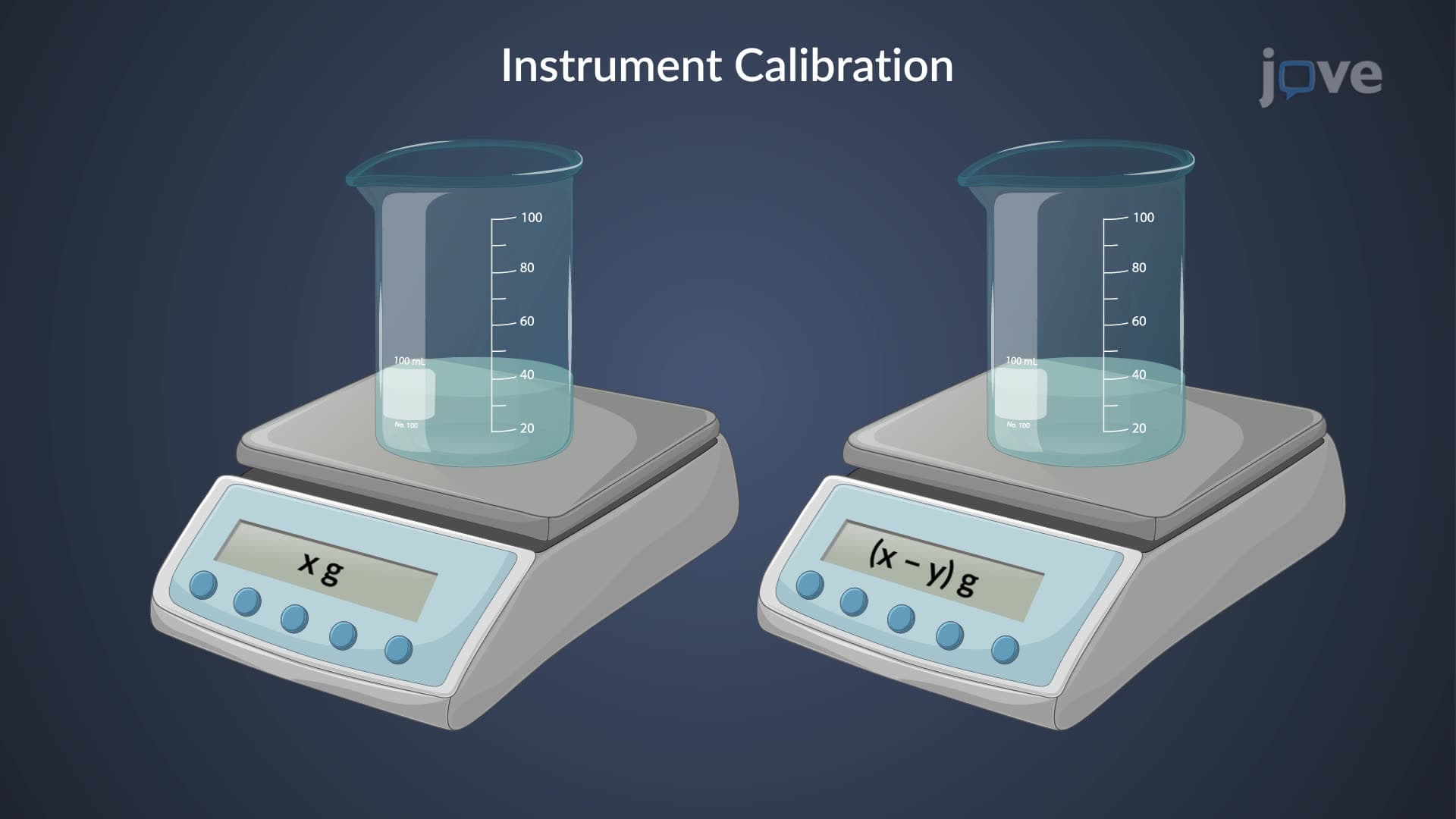
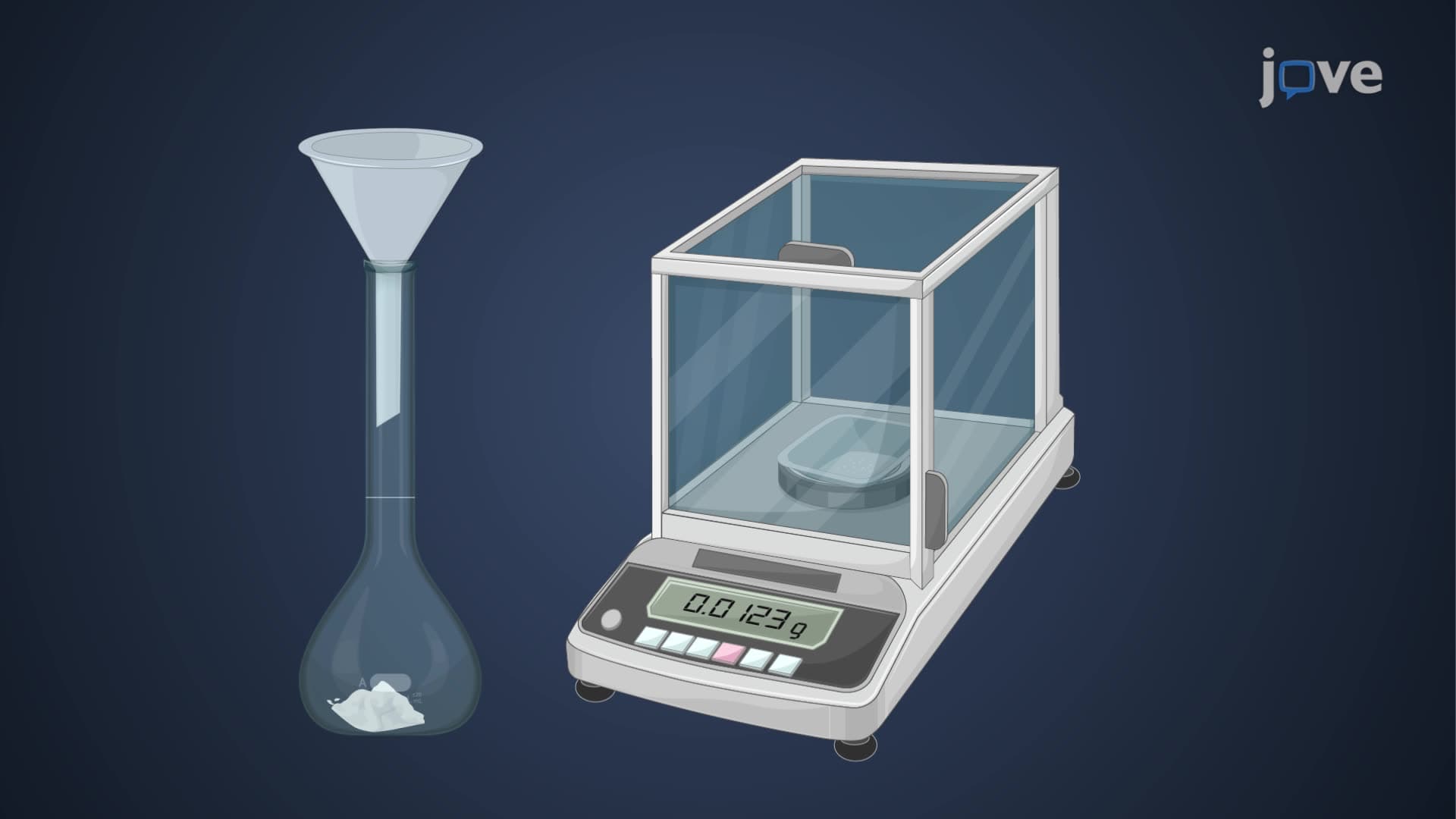
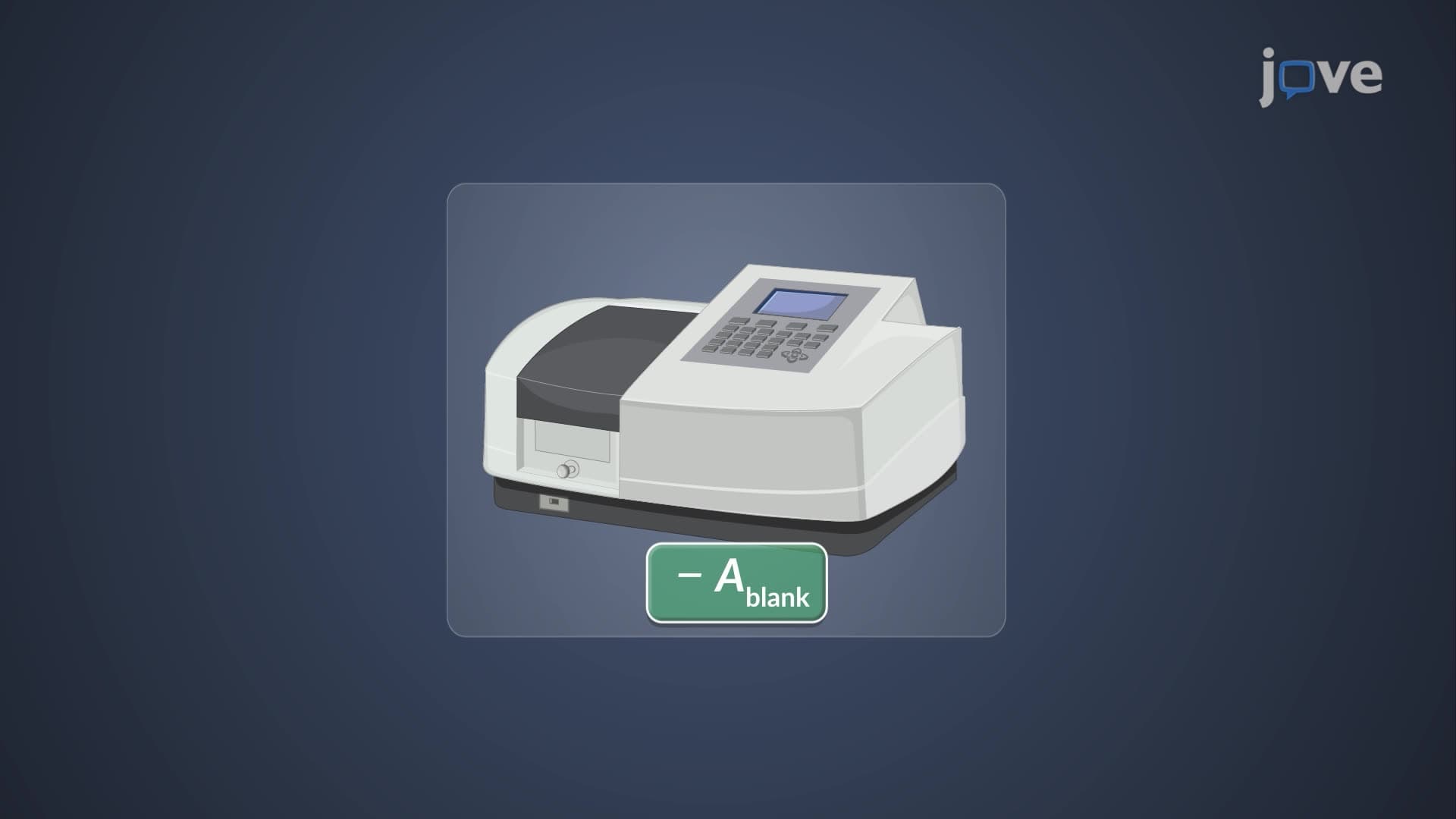
Laboratory professionals employ several strategies to identify error sources. Standard reference material analysis reveals method-related systematic errors, while blank sample testing detects contamination or baseline drift. Analyzing samples of varying sizes helps identify concentration-dependent biases. Inter-laboratory comparisons expose analyst-related systematic errors by having different technicians analyze identical samples using the same validated method.
Understanding data validation analytical chemistry principles proves essential for students pursuing careers in pharmaceutical sciences, environmental chemistry, or clinical laboratory technology. Universities like MIT and Stanford incorporate these concepts into undergraduate analytical chemistry curricula, while professional programs preparing students for careers at companies like Merck or Abbott Laboratories emphasize hands-on validation experience.
For standardized test preparation, MCAT students frequently encounter questions about measurement accuracy and precision, while AP Chemistry exams may include problems requiring error analysis calculations. College chemistry courses often assign laboratory reports where students must validate their experimental methods using statistical analysis of replicate measurements.
Frequently Asked Questions
Data validation in analytical chemistry is the systematic process of proving that analytical methods produce accurate, precise, and reliable results consistently. It's essential because regulatory agencies like the FDA require validated methods for drug approval, environmental monitoring, and clinical diagnostics. Without proper validation, laboratory results could be unreliable, potentially leading to unsafe medications, incorrect medical diagnoses, or flawed environmental assessments.
MCAT questions often test your understanding of accuracy versus precision concepts and statistical analysis of experimental data. AP Chemistry exams may include problems requiring you to calculate standard deviation, identify sources of experimental error, or evaluate the reliability of analytical methods. College analytical chemistry courses frequently assign validation-based laboratory reports where you must demonstrate method reliability through statistical analysis.
Accuracy measures how close your results are to the true value, while precision measures how close repeated measurements are to each other. Think of a dartboard: accurate shots hit near the bullseye, precise shots cluster together regardless of location. For exams, remember that systematic errors affect accuracy (consistent bias), while random errors affect precision (measurement scatter). Standard reference materials test accuracy, while replicate measurements assess precision.
Pharmaceutical companies use data validation to ensure their analytical methods accurately measure drug concentrations, purity levels, and contamination. For example, when Pfizer validates methods for measuring COVID-19 vaccine potency, they must prove their tests consistently produce reliable results across different batches, instruments, and analysts. This validation process helps ensure patient safety and meets FDA regulatory requirements for drug approval and manufacturing.
No, basic high school statistics concepts like mean, standard deviation, and linear regression provide sufficient foundation for understanding data validation principles. Most analytical chemistry courses introduce these statistical tools gradually within the context of laboratory applications. You'll mainly need to calculate averages, standard deviations, and interpret correlation coefficients - skills typically covered in Algebra II or AP Statistics courses.
Focus on understanding the eight validation parameters through practical examples rather than memorizing definitions. Practice calculating standard deviation and interpreting what it means for method precision. Work through problems that require you to identify error sources and suggest validation experiments. Create concept maps connecting validation parameters to real laboratory scenarios, and practice explaining accuracy versus precision using everyday analogies.
Consider exploring method development and optimization, which builds on validation principles to create new analytical procedures. Quality control and quality assurance expand your understanding of laboratory management systems. Advanced topics like chemometrics apply statistical methods to complex analytical data, while regulatory affairs courses teach how validation fits into broader pharmaceutical and environmental compliance frameworks.
Related Micro-courses


Related Subjects
 Chemistry 21 micro-courses›
 Organic Chemistry 21 micro-courses›