Loading subject page…

- Anatomy and Physiology
- Blood
- Bone Marrow Sampling and Transplants
Micro-course: Blood
135,523 views
Learn key concepts and earn your certificate.


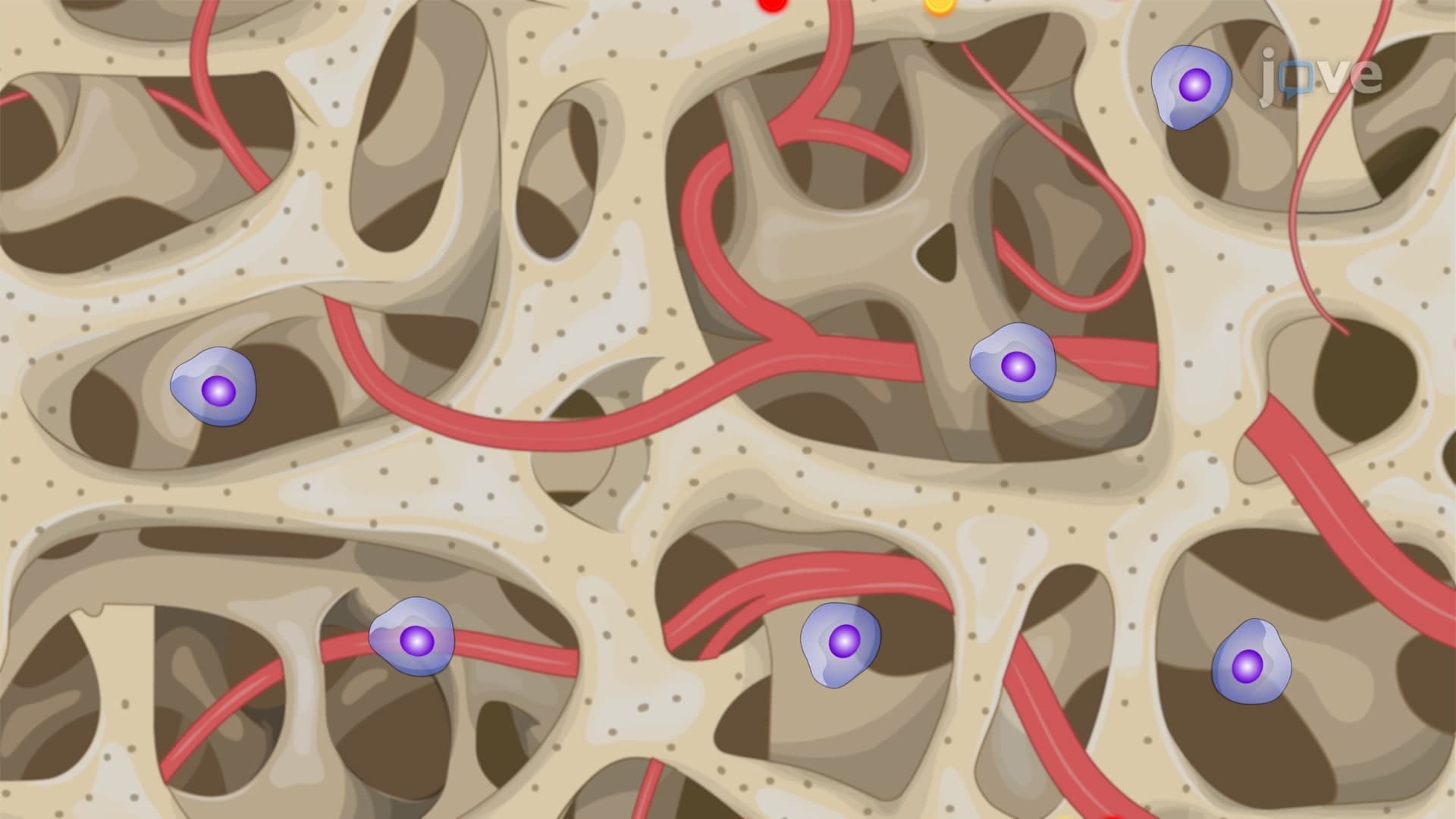
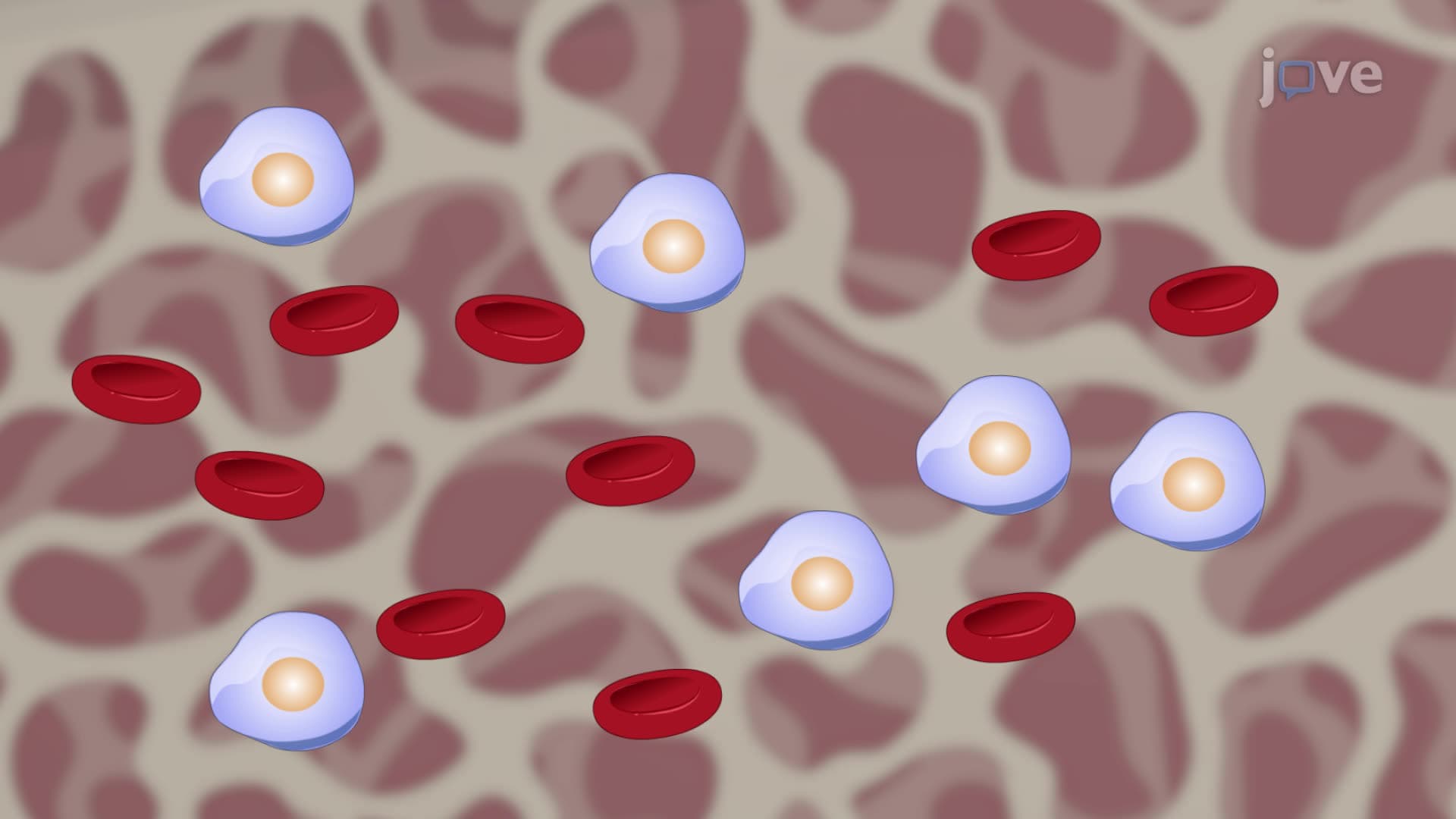
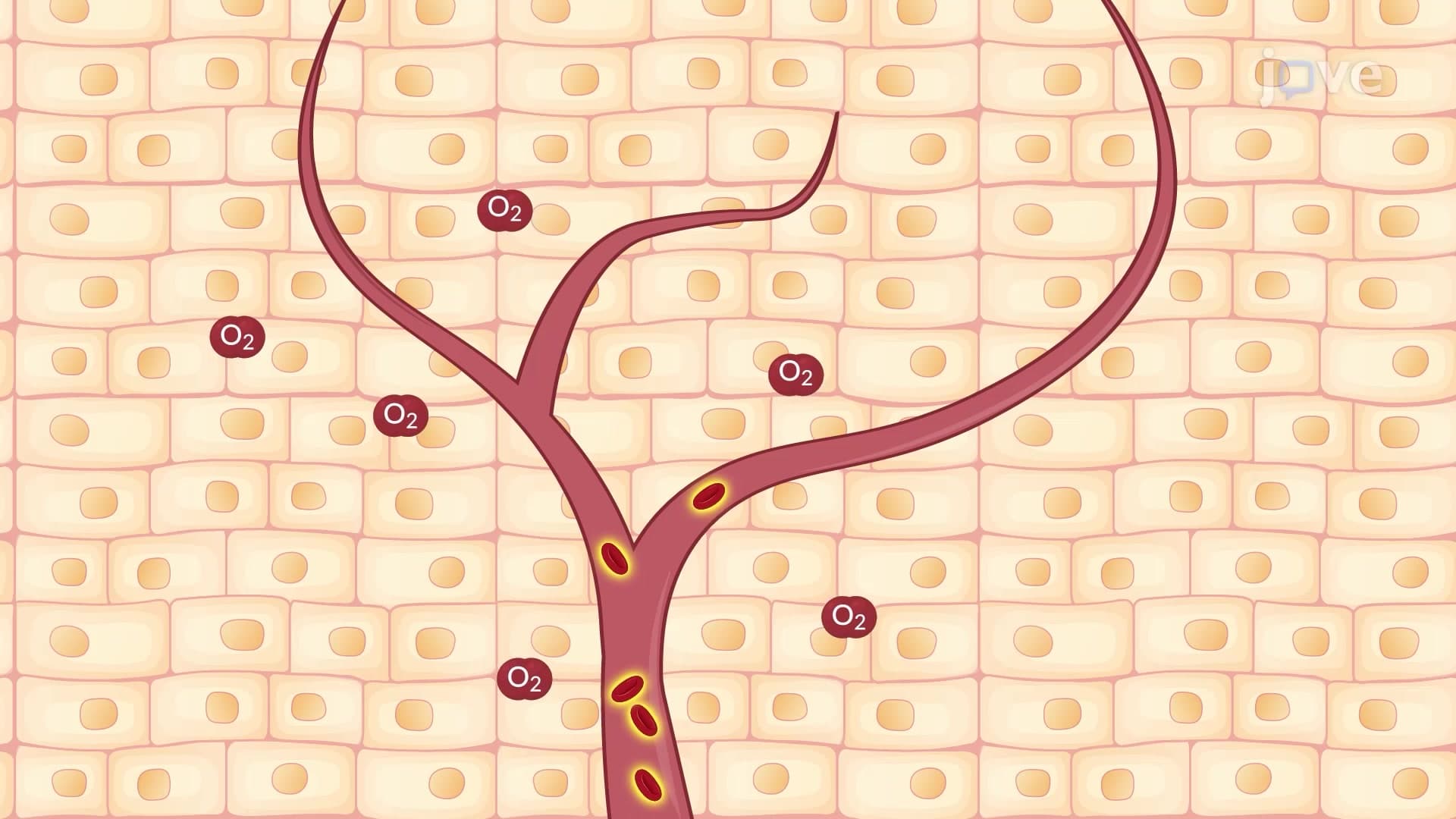
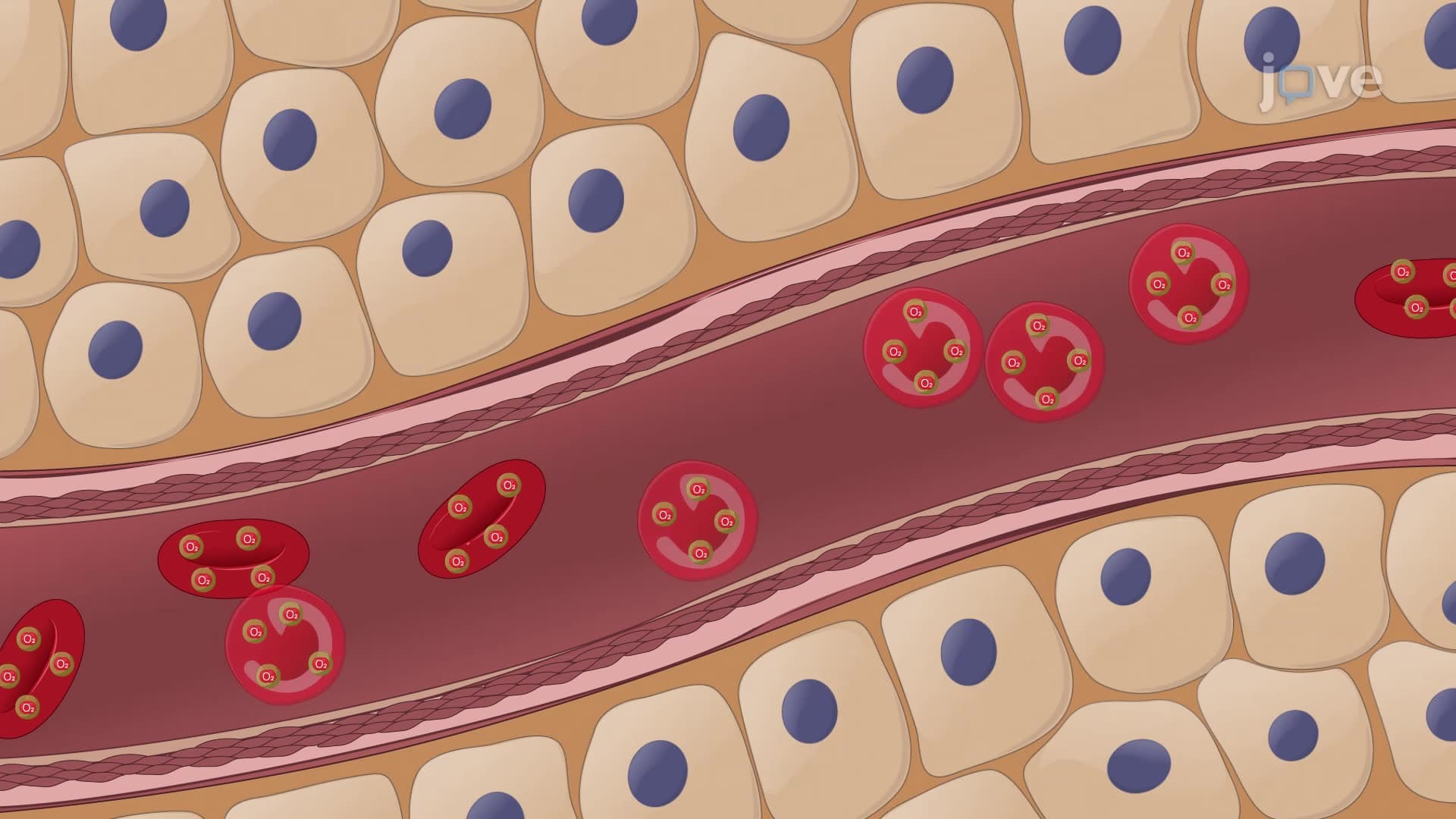
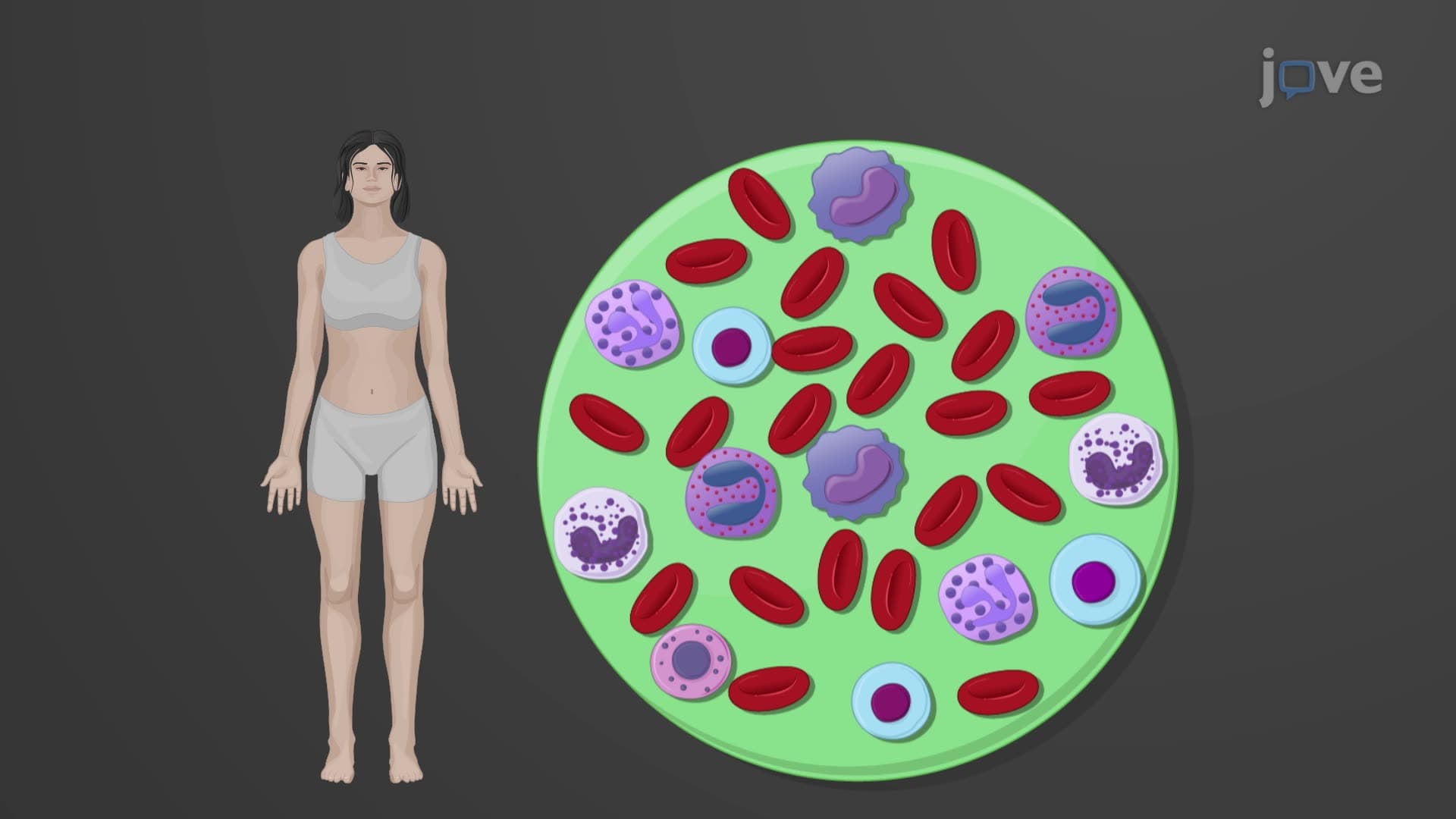
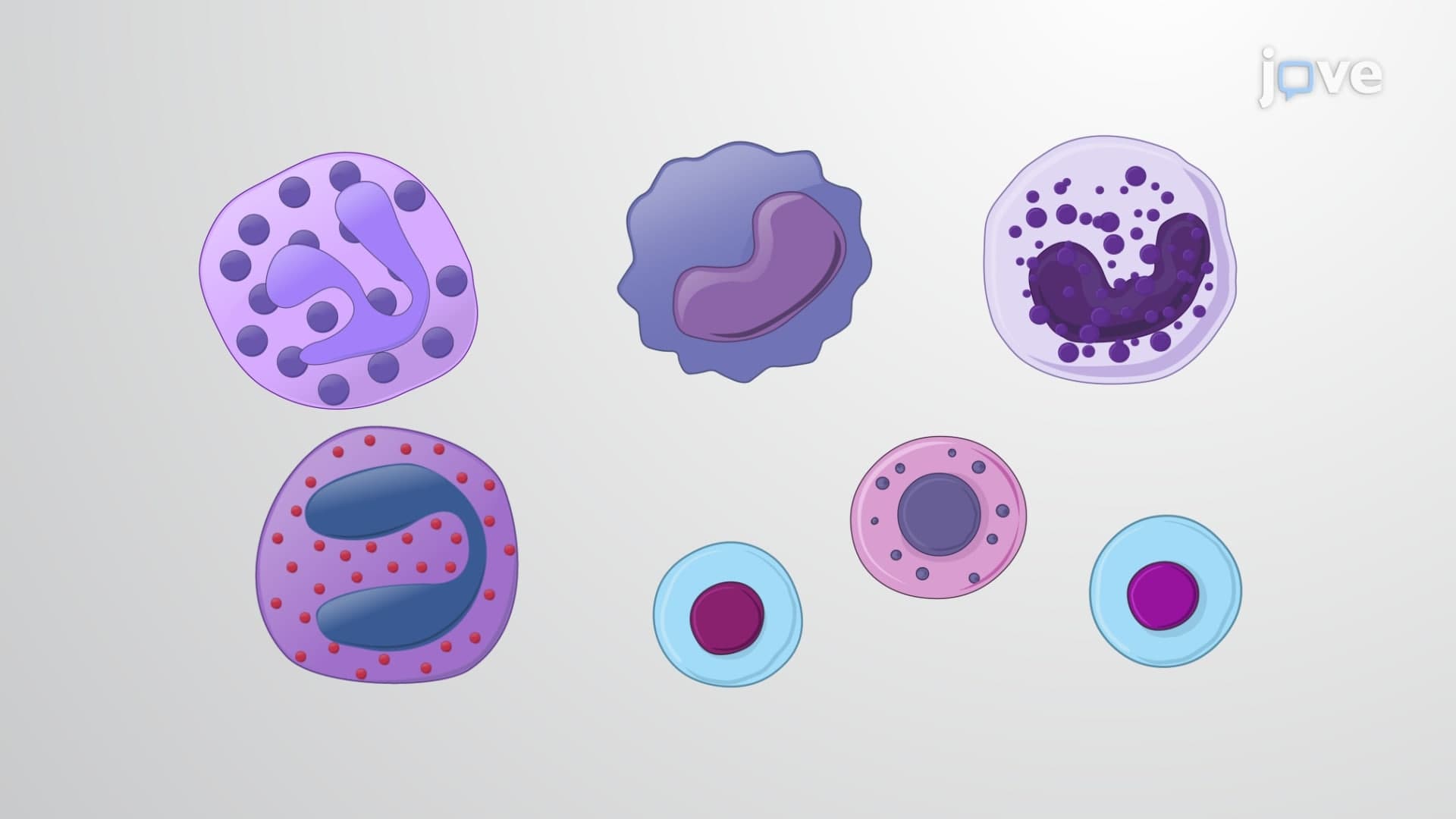
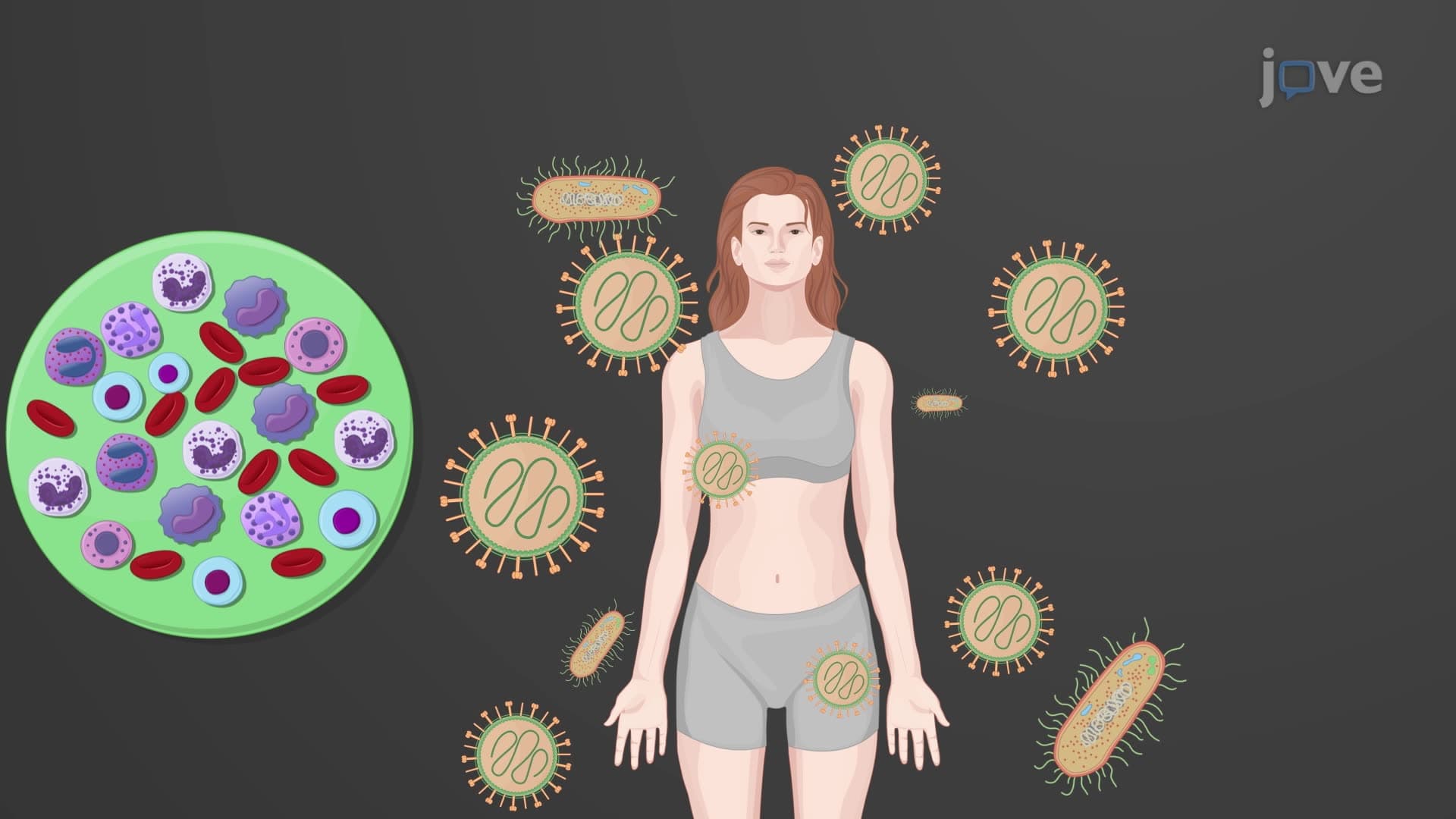
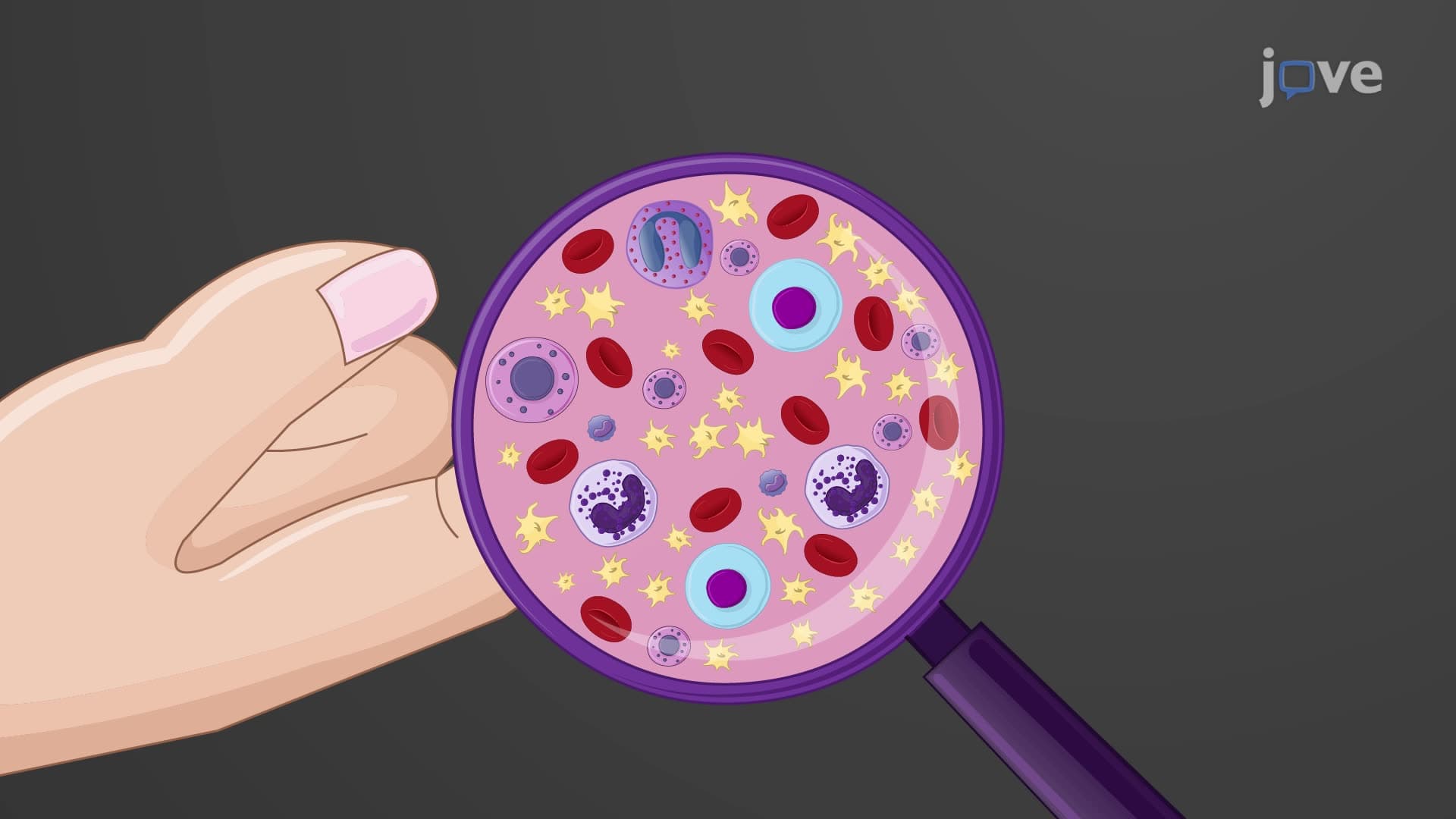

Bone Marrow Sampling and Transplants

00:00
01:22
Video Summary: Bone Marrow Sampling and Transplants Explained
Every 3 minutes, someone in the US receives a life-saving bone marrow transplant. Bone marrow sampling and transplants represent one of medicine's most powerful tools for treating blood cancers and genetic disorders. The Fred Hutchinson Cancer Research Center in Seattle performs over 600 bone marrow transplant procedures annually, helping patients with conditions ranging from leukemia to sickle cell disease. Watch the full video on JoVE Coach to master this concept with expert-led visuals and step-by-step explanations.
- Understand how bone marrow sampling and transplants work to replace diseased hematopoietic tissue with healthy donor cells
- Identify the key steps in bone marrow biopsy procedures and transplantation protocols used in clinical practice
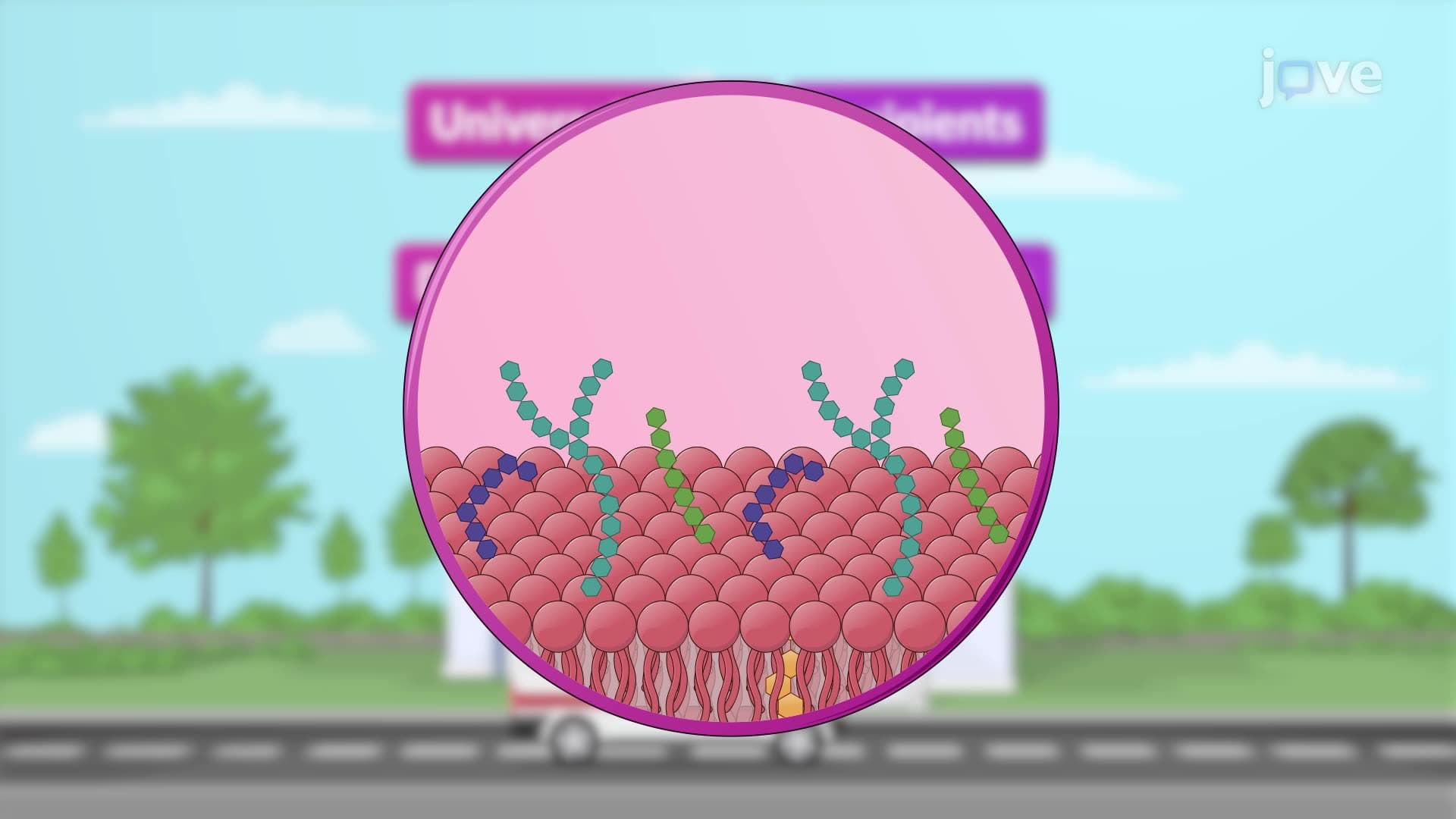
- Analyze the compatibility requirements between donors and recipients to prevent graft-versus-host disease
- Compare allogeneic and autologous transplant approaches, including their respective benefits and risks
- Evaluate the role of chemotherapy and radiation in preparing patients for successful marrow engraftment
- Apply knowledge of stem cell biology to understand how transplanted cells repopulate bone marrow cavities
- Recognize alternative stem cell sources like umbilical cord blood and induced pluripotent stem cells
- Explore real-world applications in treating cancers, genetic disorders, and immune system diseases
Understanding Bone Marrow Sampling And Transplants
Bone marrow sampling and transplants form the foundation of modern hematologic medicine, offering hope to thousands of patients with otherwise fatal blood disorders. This complex medical procedure involves two critical phases: diagnostic sampling through bone marrow biopsy, and therapeutic transplantation of healthy hematopoietic stem cells.
The Bone Marrow Biopsy and Aspiration Process
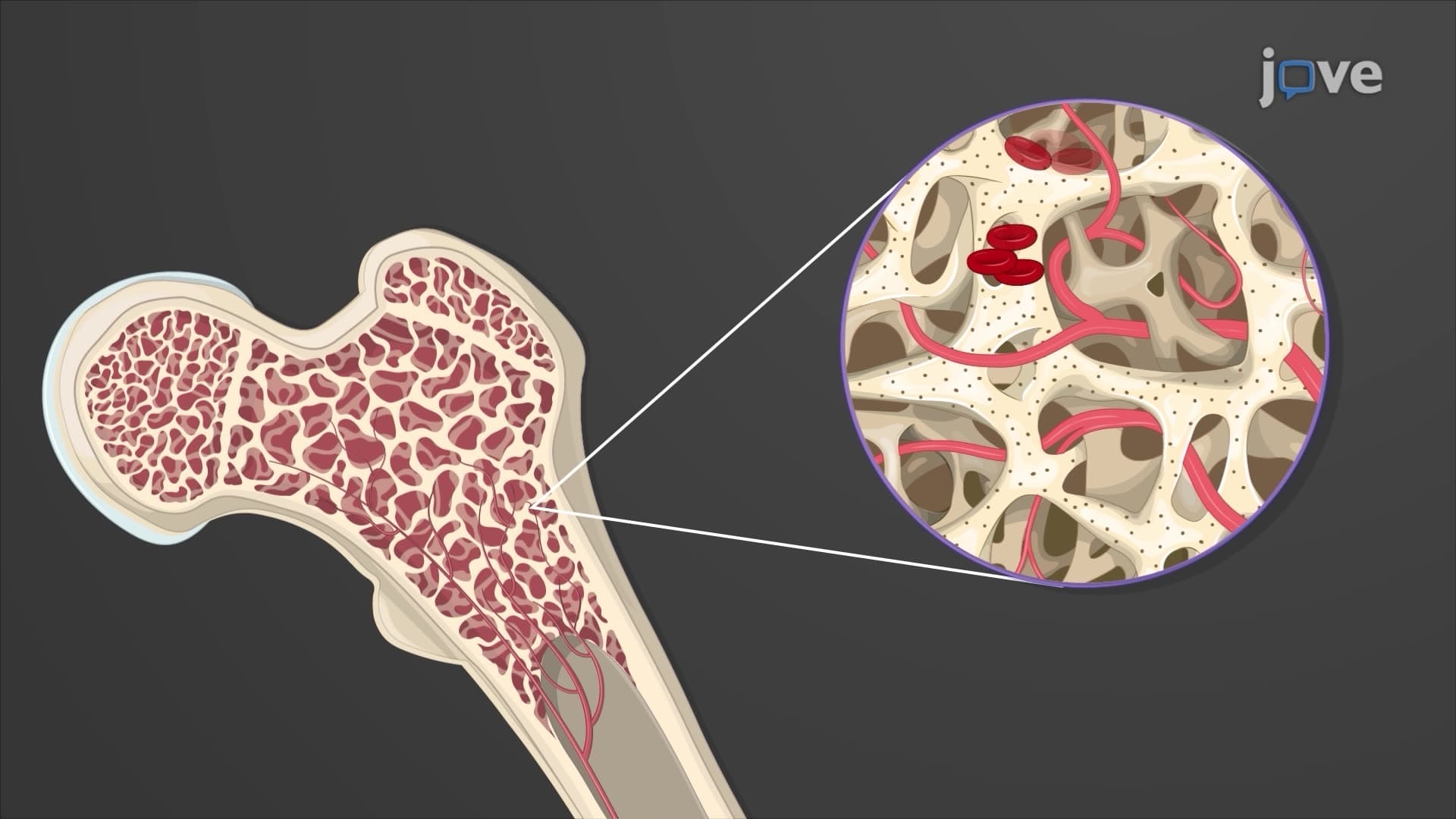
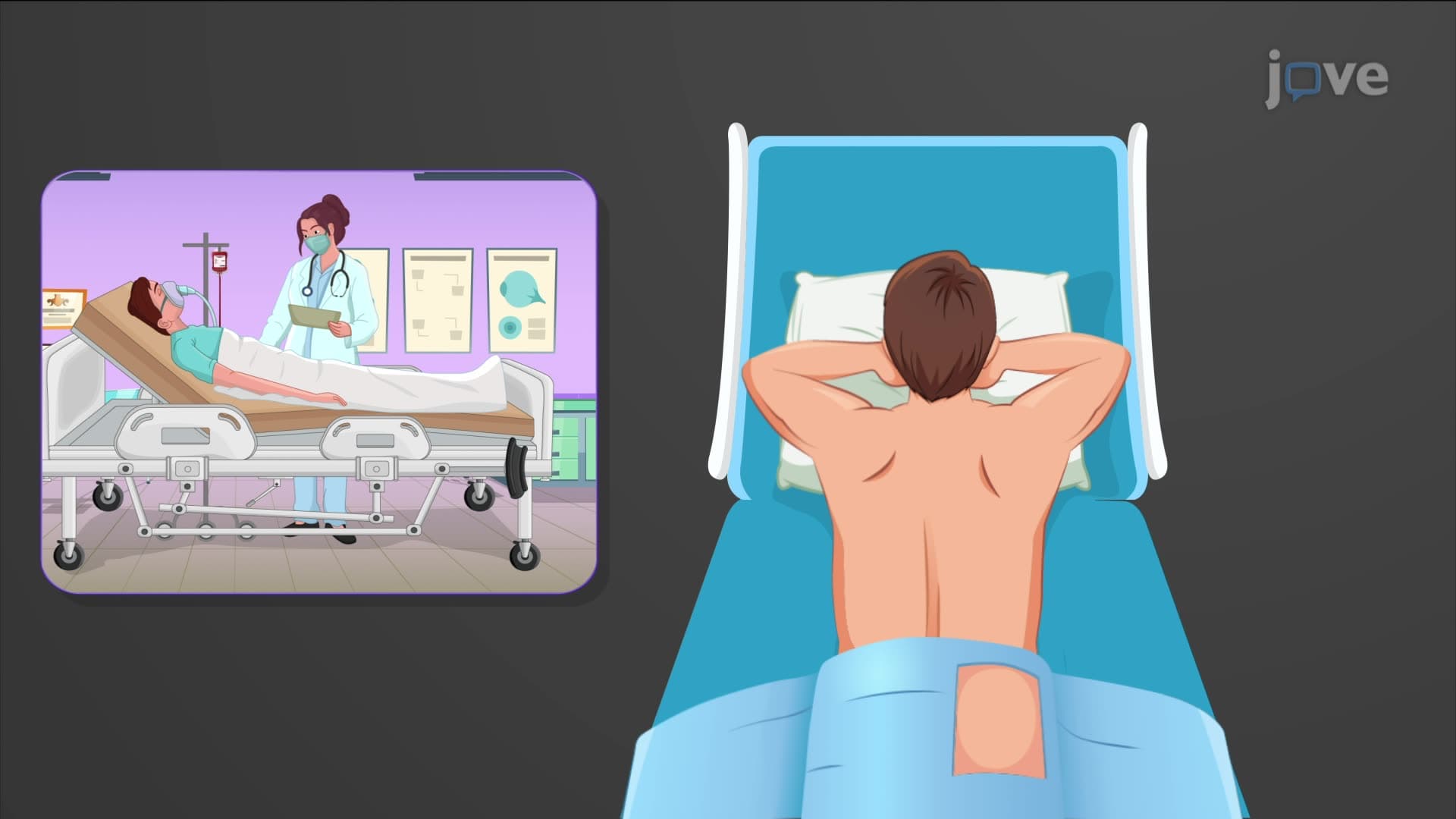
Before any transplant can occur, physicians must perform a bone marrow biopsy aspiration to diagnose the underlying condition and assess disease progression. This procedure typically involves extracting samples from the posterior iliac crest of the hip bone, where red bone marrow remains active throughout adult life. The Cleveland Clinic performs over 2,000 bone marrow biopsies annually, making it a routine yet specialized diagnostic tool.
During the procedure, a hollow needle penetrates the bone cortex to access the marrow cavity. Physicians collect both liquid marrow (aspiration) and a small core of bone tissue (biopsy) for comprehensive analysis. This dual approach allows pathologists to examine cell morphology, chromosomal abnormalities, and blast cell percentages-critical factors in diagnosing conditions like acute myeloid leukemia or myelodysplastic syndrome.
Hematopoietic Stem Cell Transplant Types and Procedures
Hematopoietic stem cell transplant procedures fall into two main categories: allogeneic and autologous. Allogeneic autologous transplant terminology reflects whether cells come from a donor (allogeneic) or the patient themselves (autologous). The bone marrow graft procedure for allogeneic transplants requires extensive HLA typing to match donor and recipient immune profiles.
At institutions like MD Anderson Cancer Center in Houston, transplant teams use sophisticated conditioning regimens involving high-dose chemotherapy or total body irradiation. This preparative phase serves dual purposes: eliminating diseased cells and creating space for donor stem cells to engraft. The actual transplantation resembles a blood transfusion, with stem cells infused intravenously to migrate naturally to bone marrow spaces.
Clinical Applications and Treatment Outcomes
Marrow transplant cancer treatment has revolutionized outcomes for patients with hematologic malignancies. The National Marrow Donor Program, now Be The Match, has facilitated over 100,000 transplants since 1987. Success rates vary by condition, with chronic myeloid leukemia showing 5-year survival rates exceeding 80% following matched sibling transplants.
Beyond cancer treatment, bone marrow transplants address genetic disorders like beta-thalassemia major and sickle cell disease. The recent approval of gene therapy protocols at institutions like Boston Children's Hospital demonstrates how induced pluripotent stem cell technology may reduce dependence on donor matching in the future.
Students preparing for the MCAT should understand that transplant immunology concepts frequently appear in biological sciences sections, particularly regarding MHC compatibility and immune tolerance mechanisms.
Frequently Asked Questions
Bone marrow sampling involves extracting tissue samples for diagnostic testing, while transplants replace diseased marrow with healthy cells. Sampling typically precedes transplantation to confirm diagnosis and assess disease status. The procedures work together as a diagnostic-therapeutic sequence in treating blood disorders and cancers.
A bone marrow biopsy removes a solid core of bone tissue, while aspiration extracts liquid marrow through a needle. Biopsies provide information about bone structure and cell architecture, while aspirations allow examination of individual cell types. Most procedures include both techniques for comprehensive diagnosis.
MCAT questions often focus on immunological aspects like HLA matching, graft-versus-host disease mechanisms, and stem cell differentiation pathways. Expect scenarios involving transplant compatibility, conditioning regimen purposes, and complications. Practice questions frequently connect transplant biology to broader immunology and hematology concepts.
AP Biology covers stem cell biology, immune system function, and cellular differentiation-all fundamental to understanding transplants. Focus on hematopoietic stem cell potency, cytokine signaling in cell development, and adaptive immune responses. These concepts appear in Unit 2 (Cell Structure) and Unit 3 (Cellular Energetics).
Introductory biology, immunology, and cell biology provide essential foundations for transplant concepts. Advanced courses in hematology, oncology, and regenerative medicine offer deeper insights. Students at universities like Johns Hopkins often encounter transplant case studies in medical school prerequisite courses.
Major cancer centers like Memorial Sloan Kettering perform hundreds of transplants annually for leukemia, lymphoma, and multiple myeloma patients. The procedure often represents the only curative option for aggressive blood cancers. Treatment teams include hematologists, transplant coordinators, and specialized nursing staff working together throughout the months-long process.
Basic understanding of protein structure and cellular metabolism suffices for introductory study of transplant concepts. Focus on biological processes rather than complex biochemical pathways initially. Students can build deeper chemical knowledge through organic chemistry and biochemistry courses as they advance toward health professional programs.
Create visual flowcharts connecting HLA typing, conditioning regimens, and engraftment processes to build conceptual understanding. Practice with clinical case studies to apply theoretical knowledge practically. Use spaced repetition for memorizing transplant complications and their underlying mechanisms.
Investigate gene therapy approaches, CAR-T cell treatments, and regenerative medicine applications of stem cell biology. Explore current research in induced pluripotent stem cells and their potential to revolutionize transplant medicine. Advanced students might study transplant pharmacology and immunosuppressive drug mechanisms.
Related Micro-courses

19 Concepts

38 Concepts

38 Concepts