Loading subject page…


135,525 views

Video Summary: Characteristics and Functions of Blood Explained
Did you know that losing just 15% of your blood volume can send you into shock? Understanding blood characteristics functions is crucial for grasping how this life-sustaining fluid keeps us alive. Blood's unique properties-from its alkaline pH of 7.35-7.45 to its five-times-greater viscosity than water-enable critical functions like oxygen transport and immune defense. Consider how blood doping scandals in US cycling demonstrate oxygen transport's performance impact. Watch the full video on JoVE Coach to master this concept with expert-led visuals and step-by-step explanations.
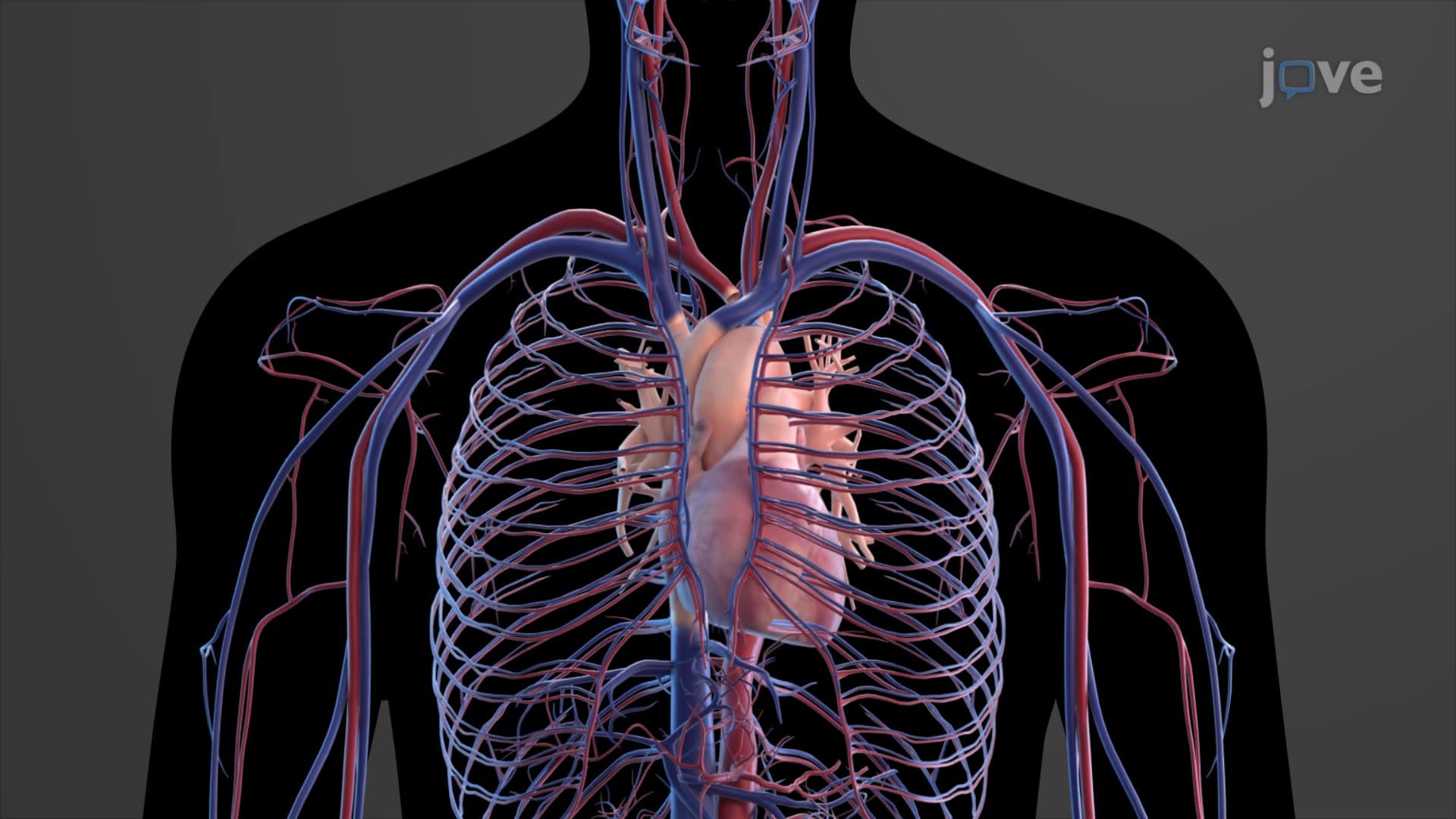
Blood serves as the body's most sophisticated transportation network, with blood characteristics functions working together to sustain life. This remarkable fluid demonstrates how structure directly relates to function-every physical and chemical property enables specific physiological roles that keep our cells alive and functioning.
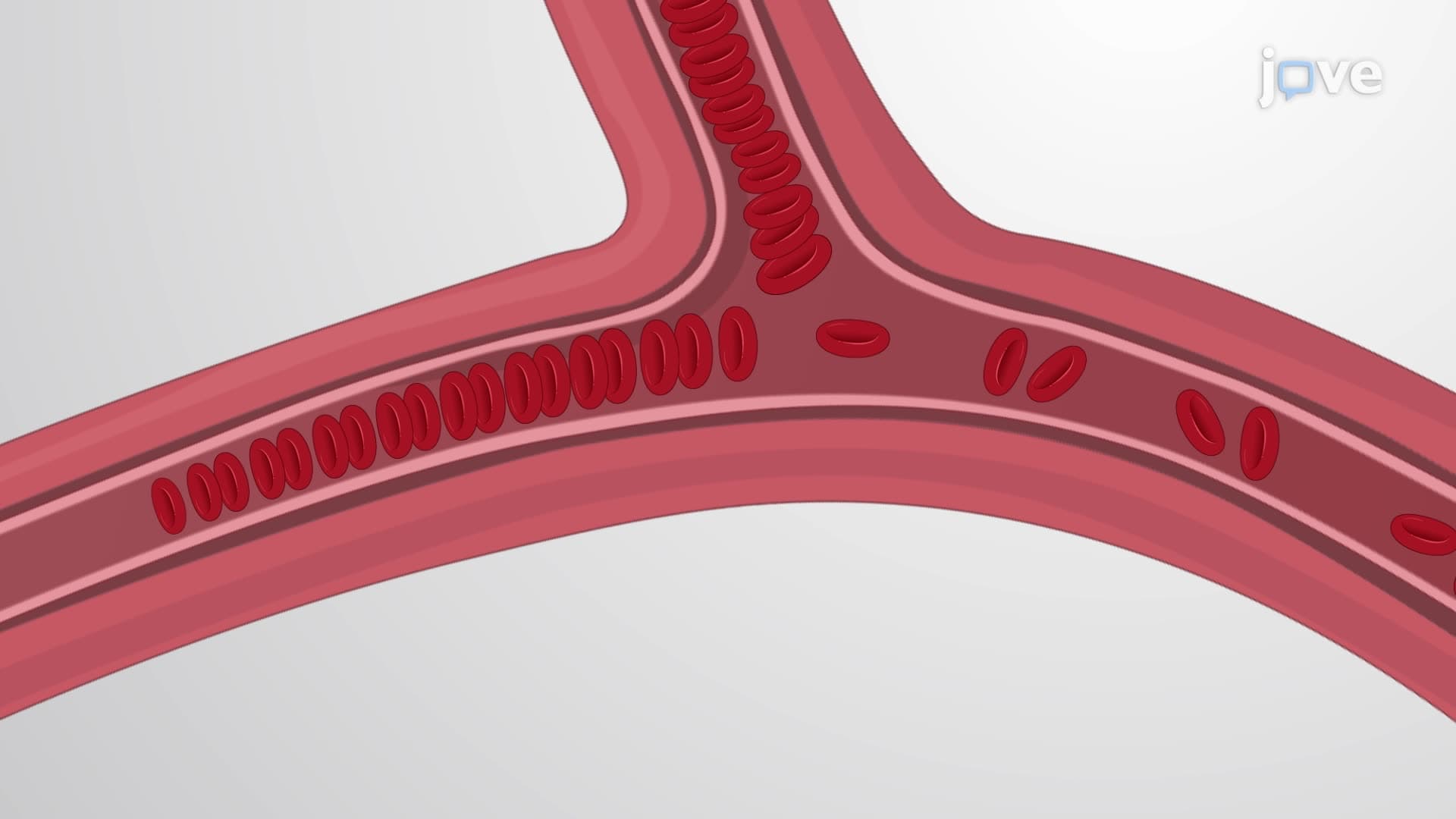
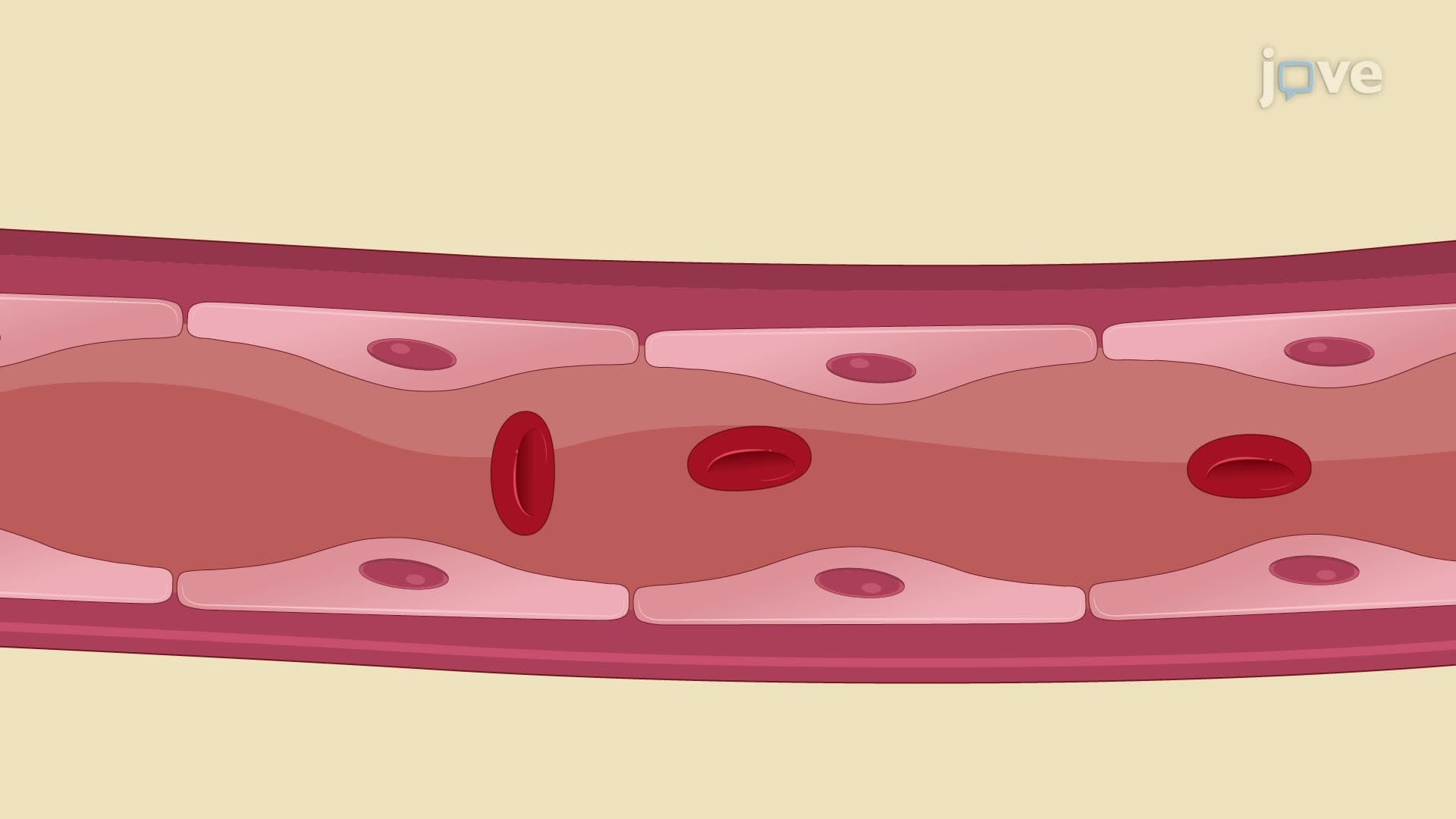
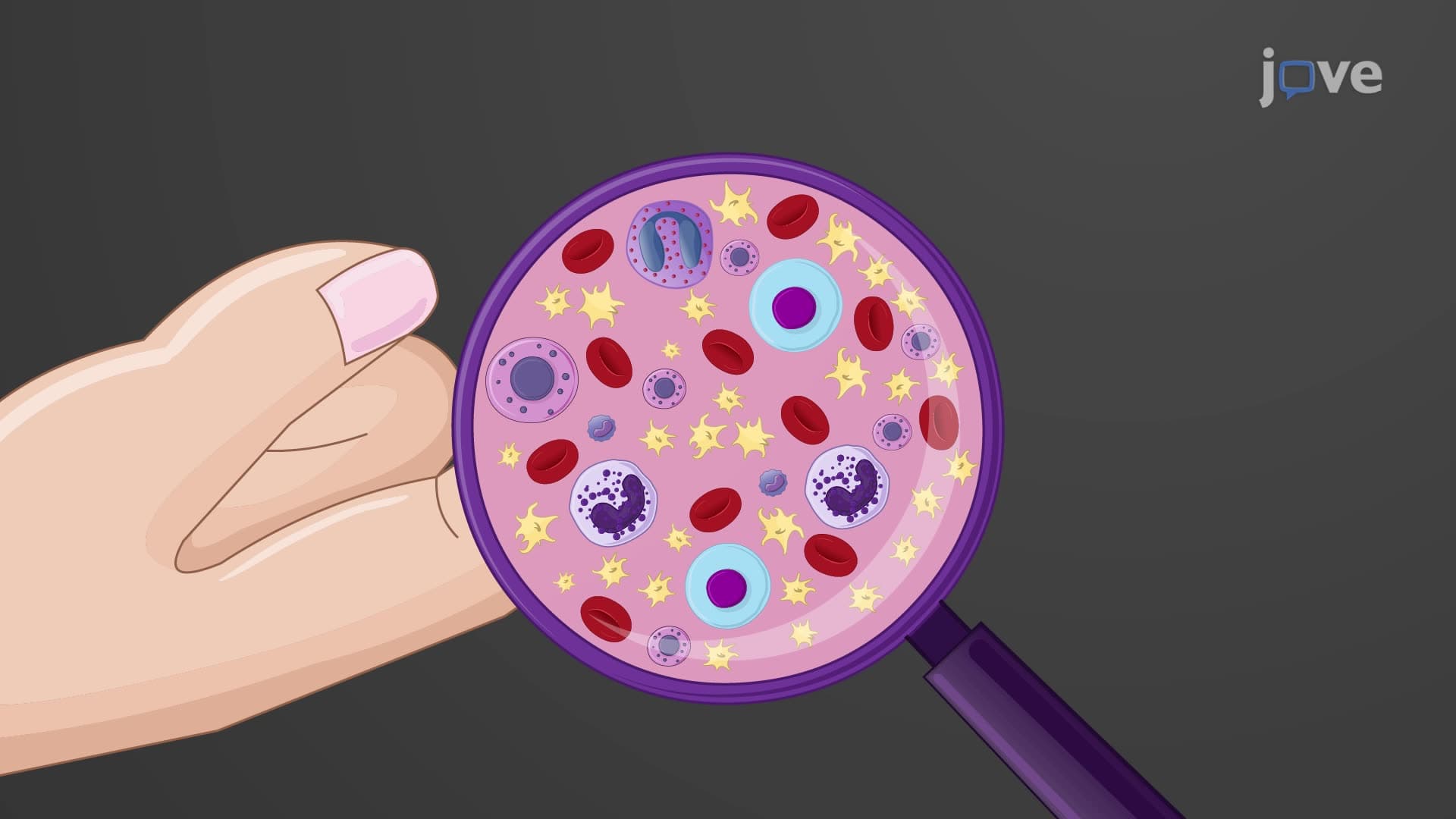
The blood viscosity pH characteristics create an optimal environment for cellular transport and chemical reactions. Blood's viscosity-five times greater than water-results from suspended red blood cells, proteins, and other solutes. This thickness helps maintain proper blood pressure and ensures efficient nutrient delivery, similar to how honey flows differently than water through a tube.
Temperature regulation represents another critical characteristic. Blood maintains a consistent 100.4°F throughout the body, slightly higher than normal body temperature. This warmth enhances chemical reaction rates and helps distribute heat from metabolically active muscles to cooler body regions, preventing dangerous temperature fluctuations.
The alkaline pH range of 7.35-7.45 proves essential for enzyme function and cellular metabolism. Blood proteins act as buffers, neutralizing acids produced during cellular respiration. This buffering system works like a chemical thermostat-when cells produce excess acid during exercise, blood proteins immediately bind hydrogen ions to prevent dangerous pH drops that could denature enzymes.
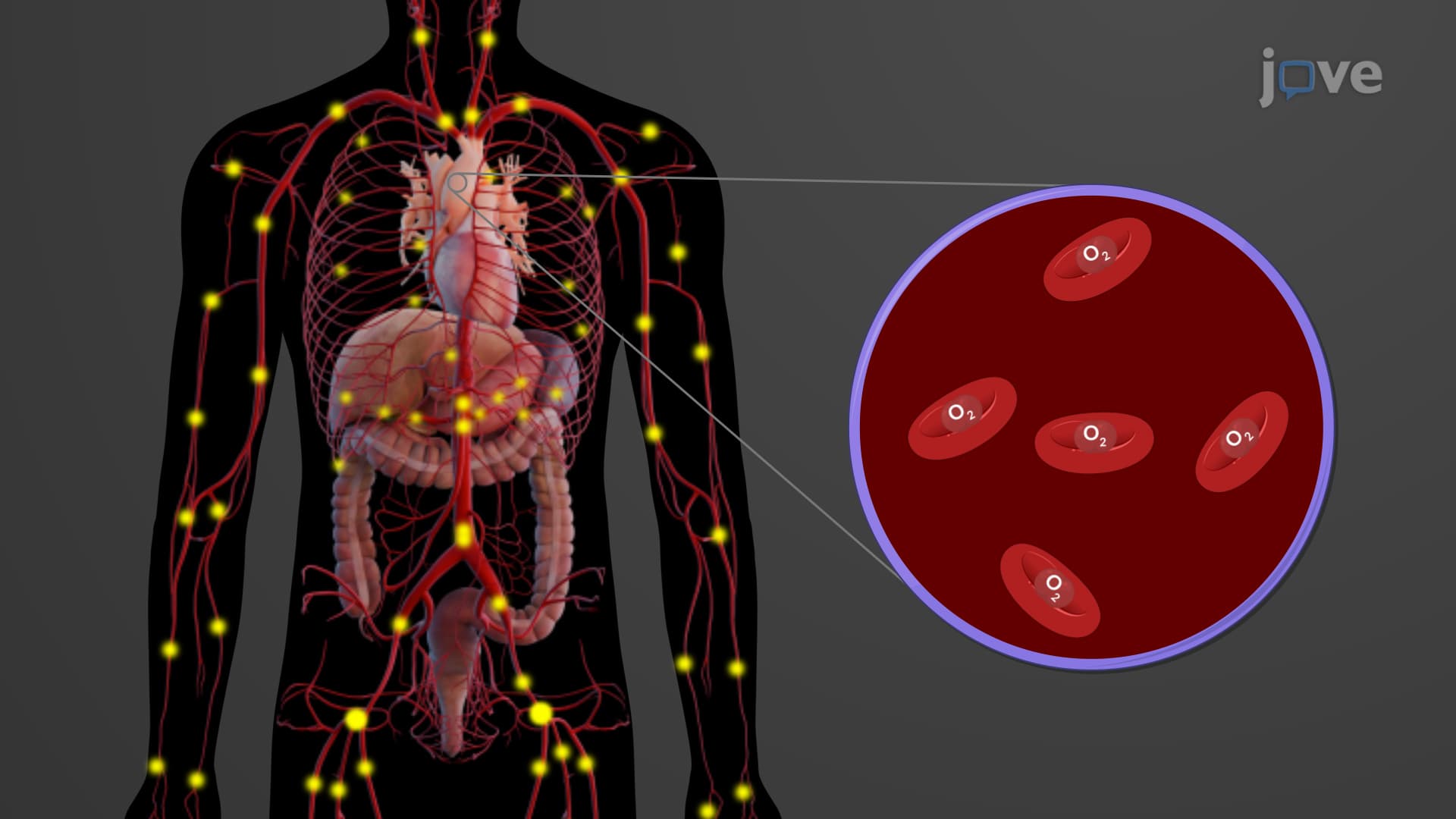
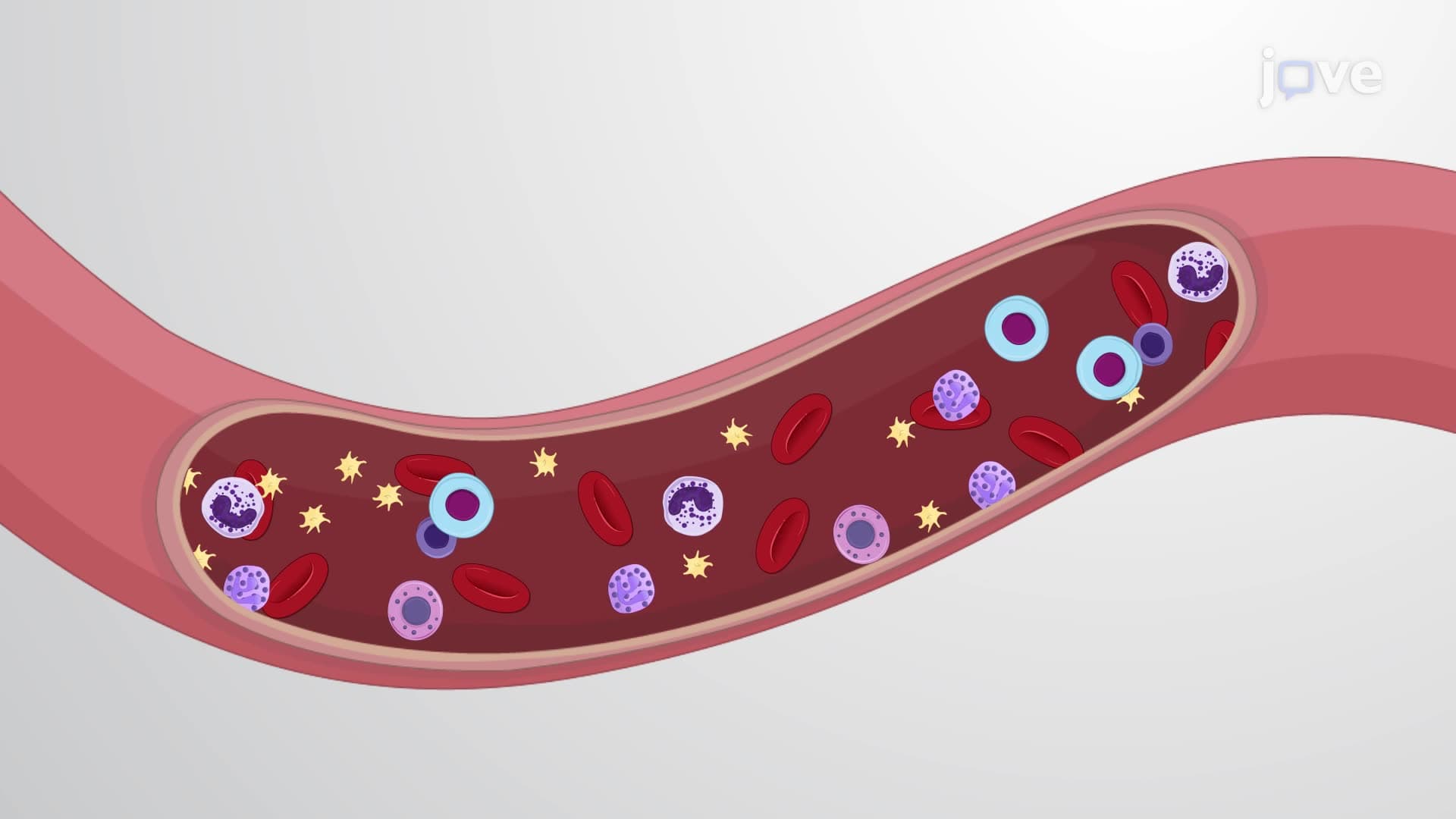
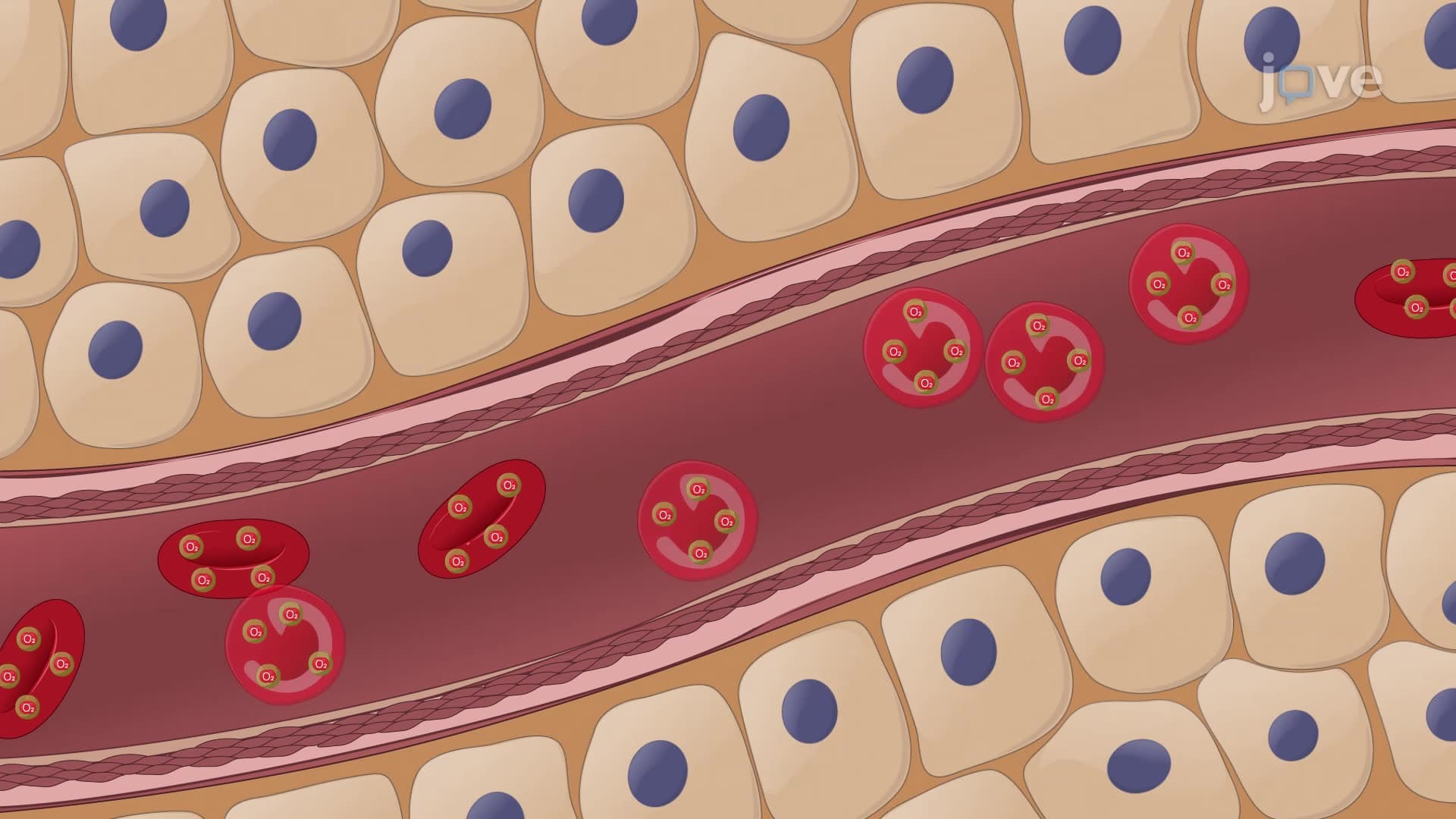
Oxygen transport blood mechanisms showcase blood's most famous function. Hemoglobin in red blood cells binds oxygen in the lungs, creating the bright red color we associate with arterial blood. As tissues extract oxygen, blood darkens to the deep red seen in veins. This color change serves as a visual indicator of blood's oxygen-carrying capacity-knowledge that proves valuable in medical emergencies and clinical diagnostics.
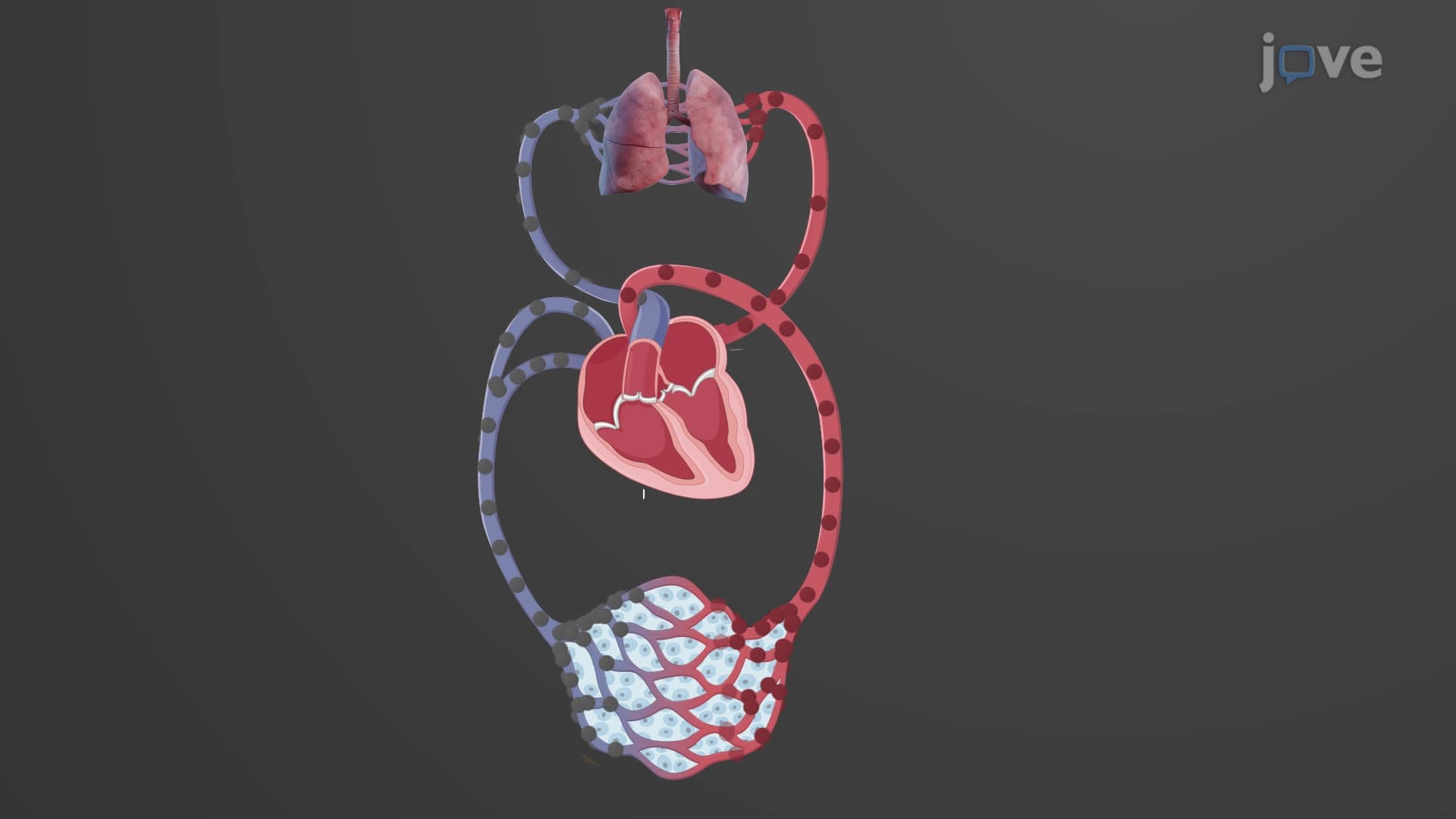
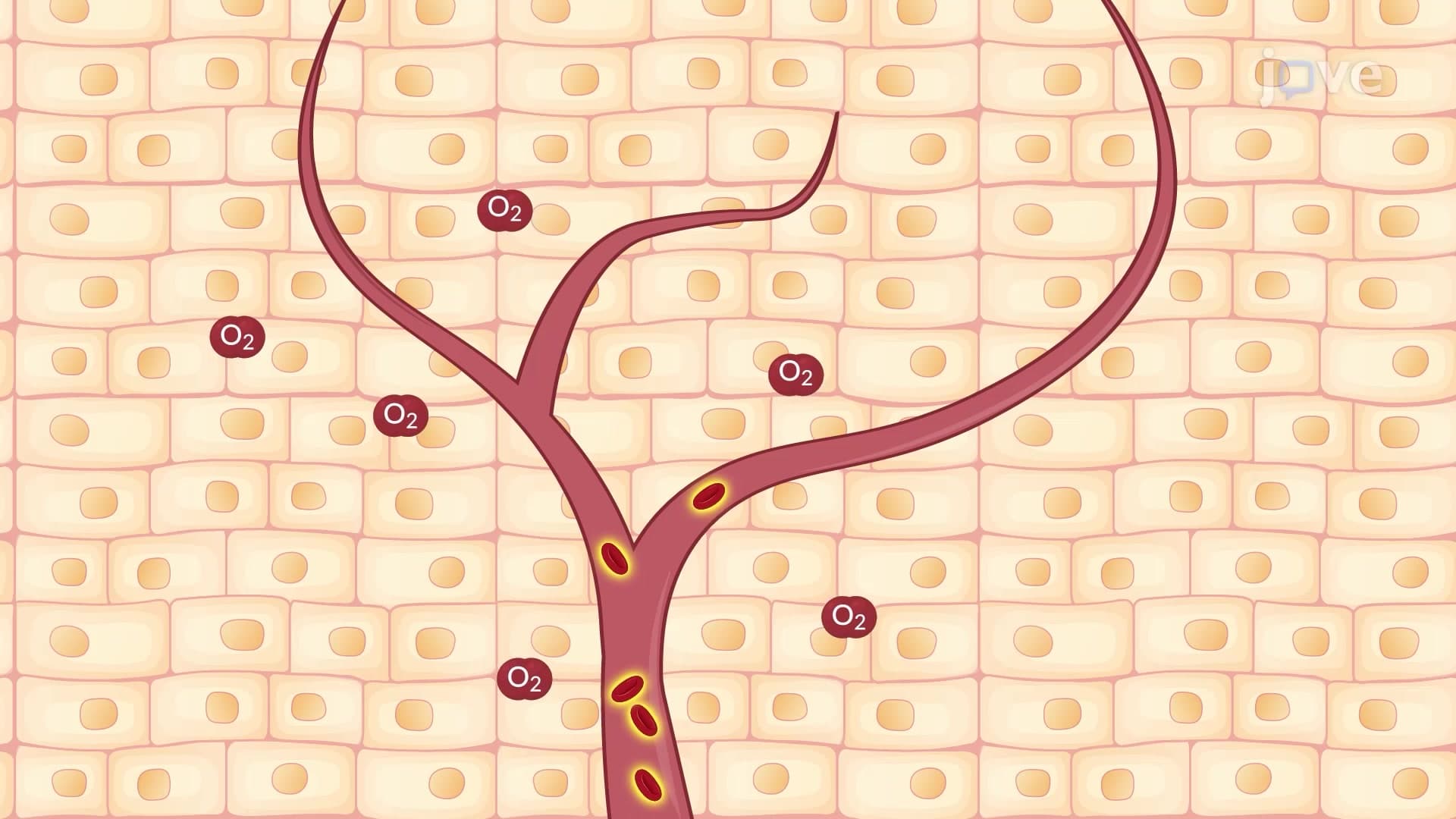
Beyond oxygen, blood transports nutrients absorbed from the digestive tract, hormones secreted by endocrine glands, and waste products destined for elimination. Think of blood as a sophisticated delivery service that operates 24/7, ensuring every cell receives necessary materials while removing harmful byproducts.
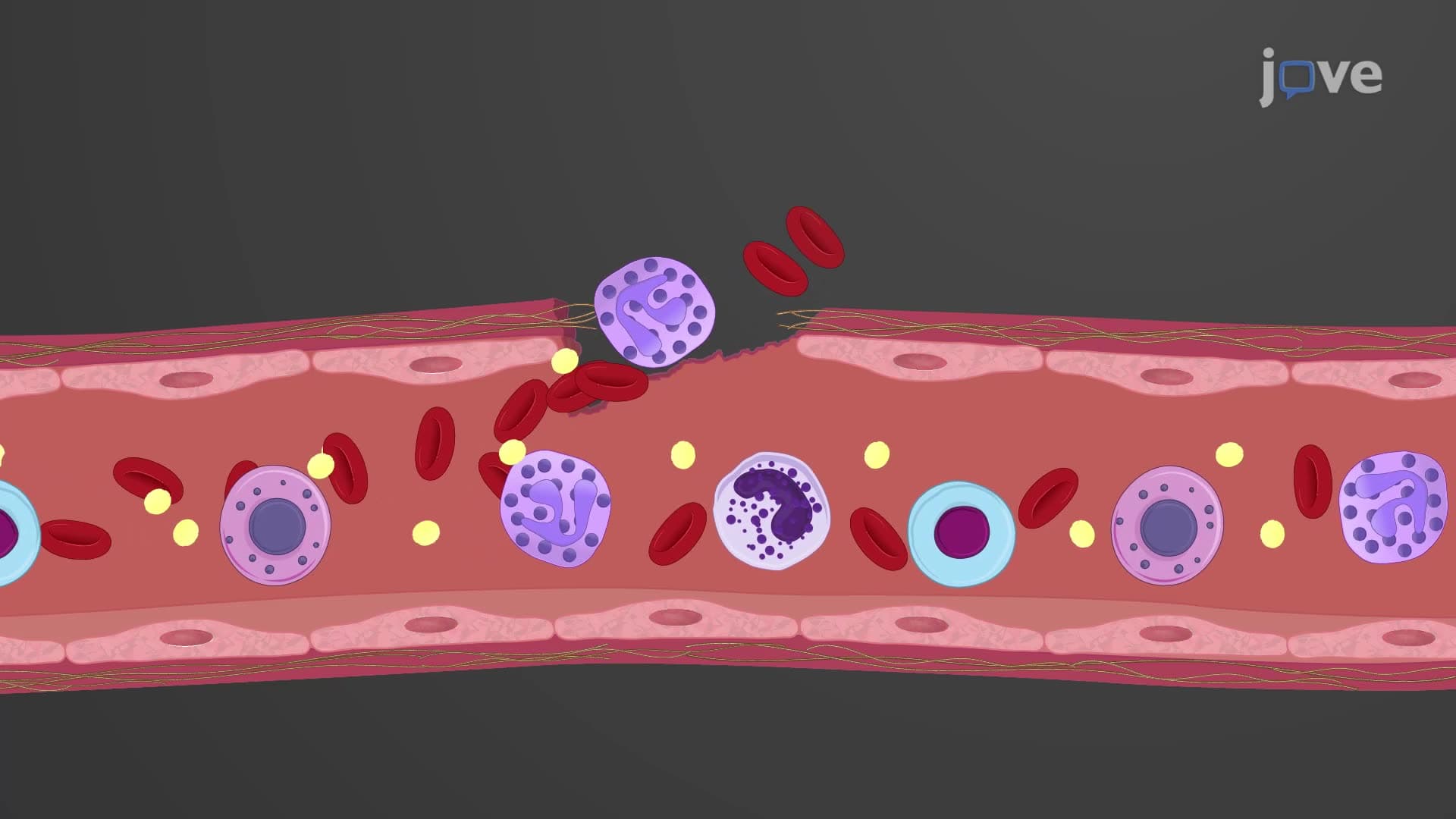
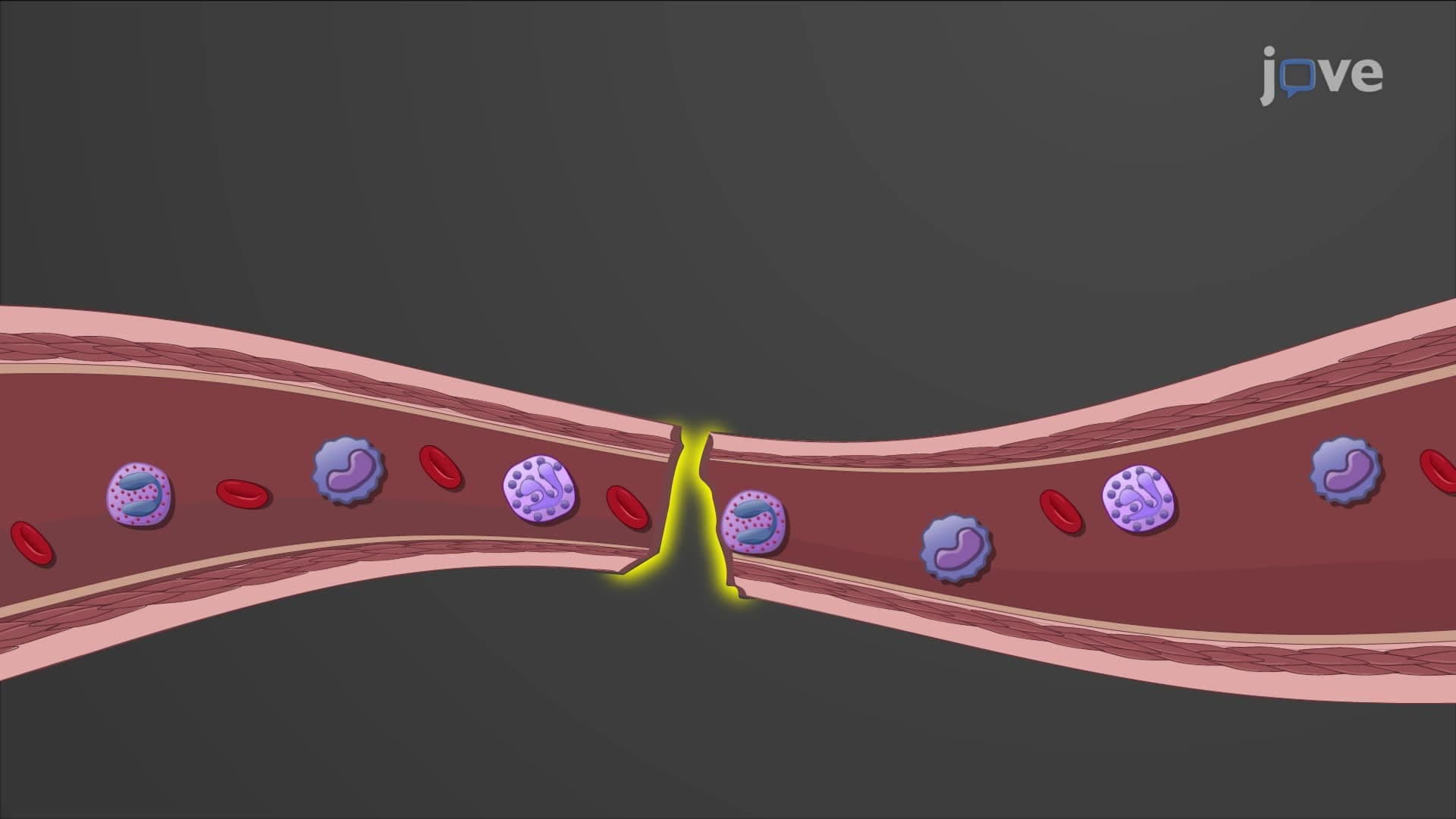
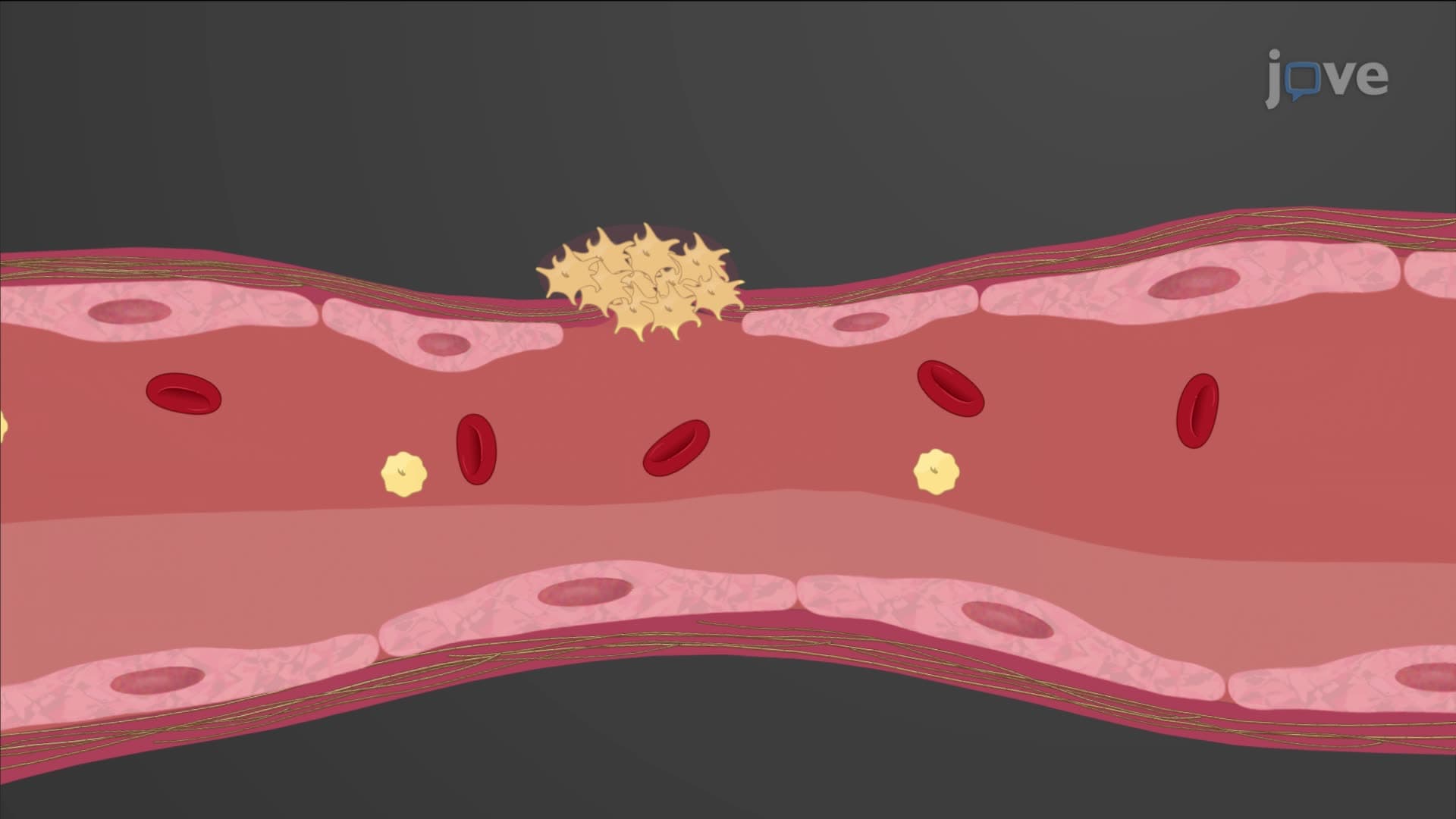
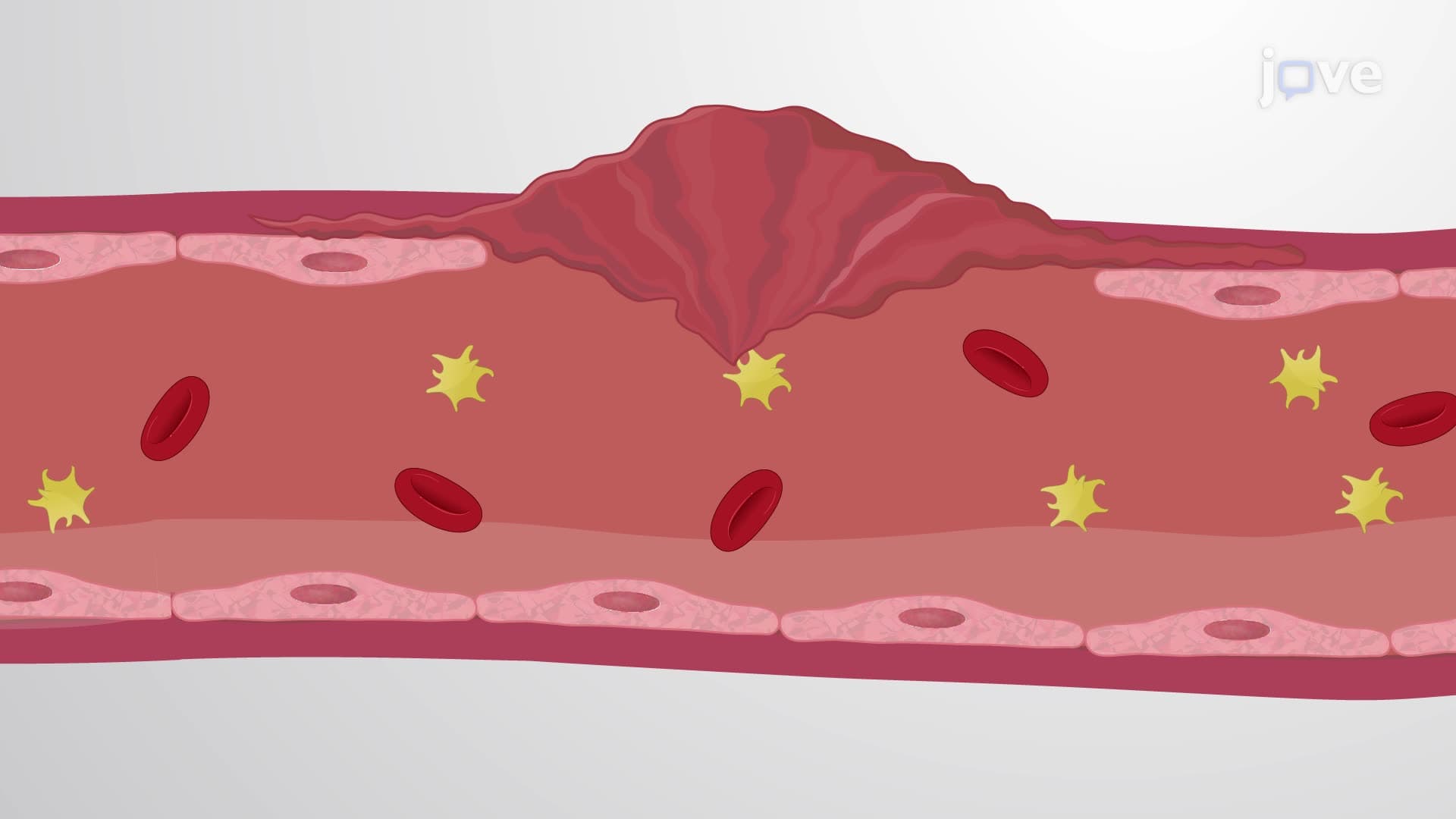
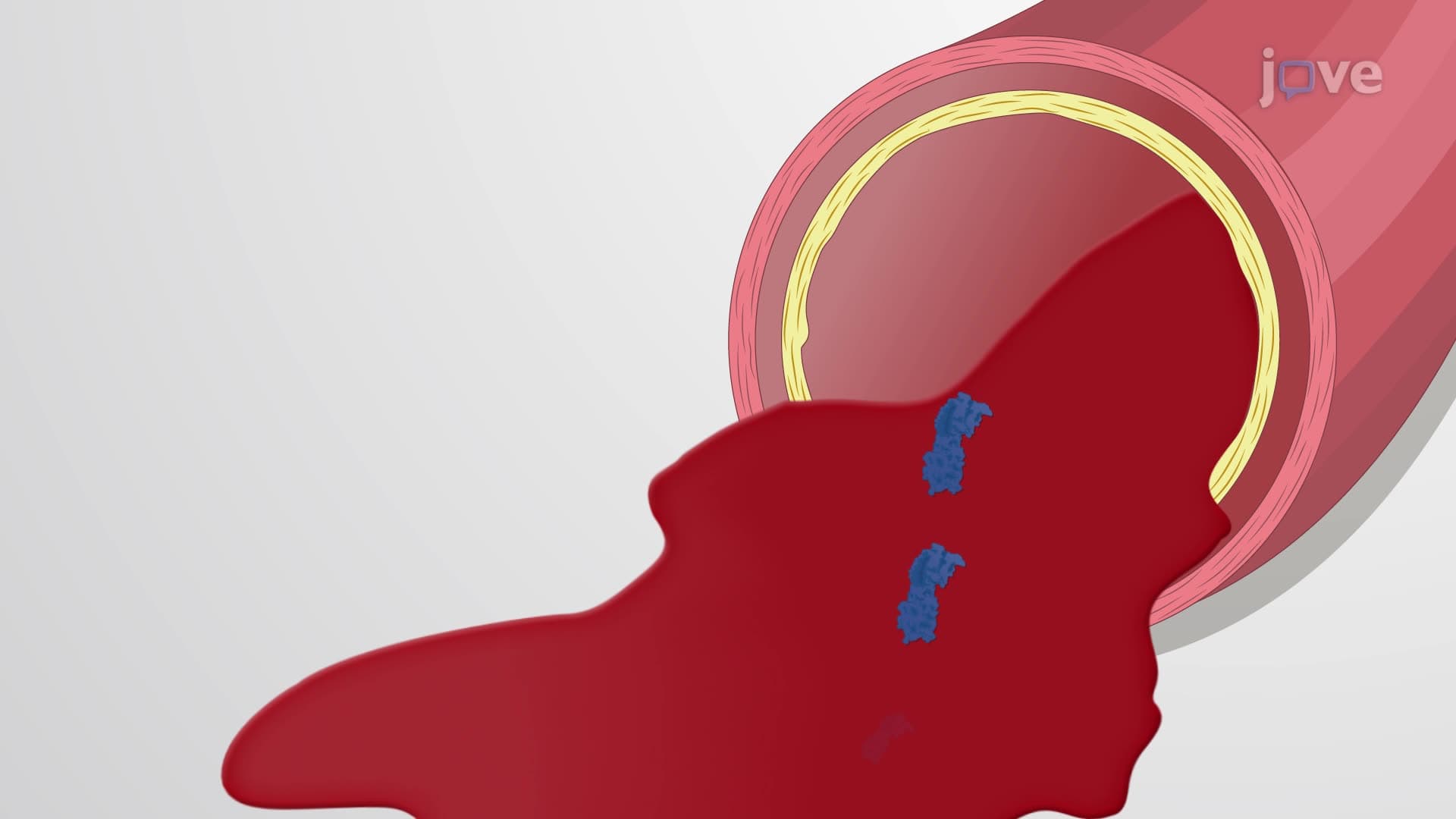
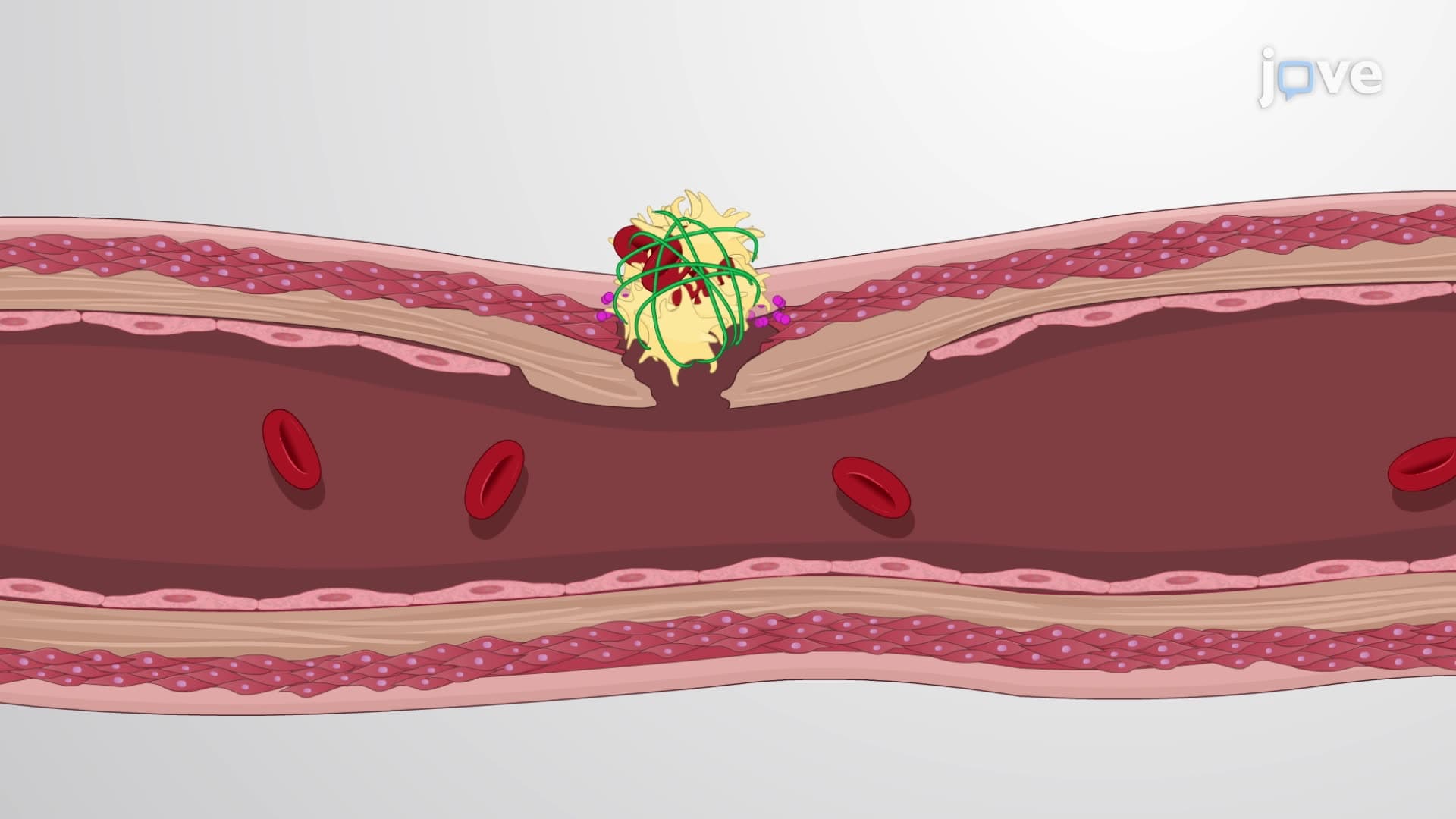
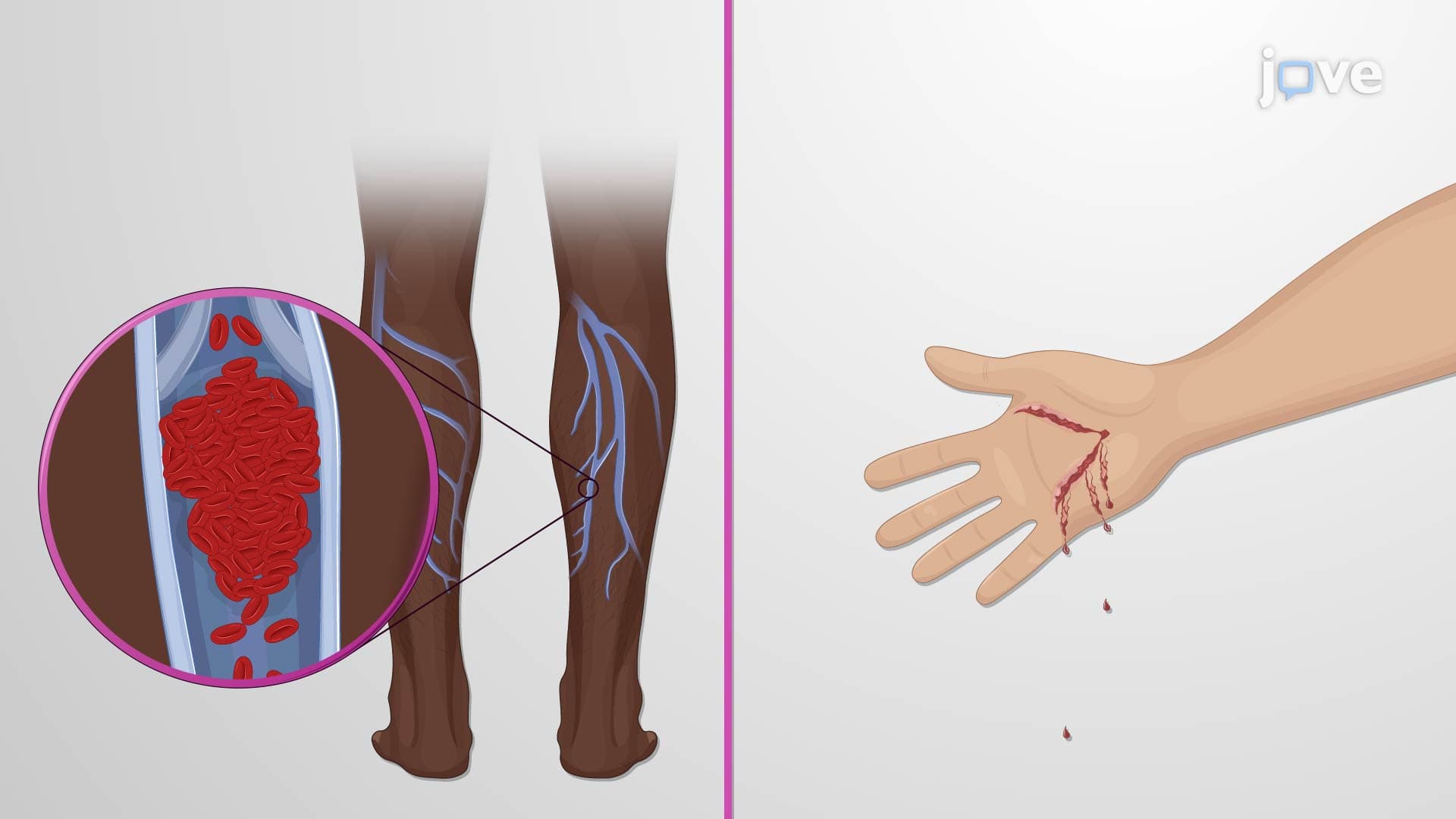
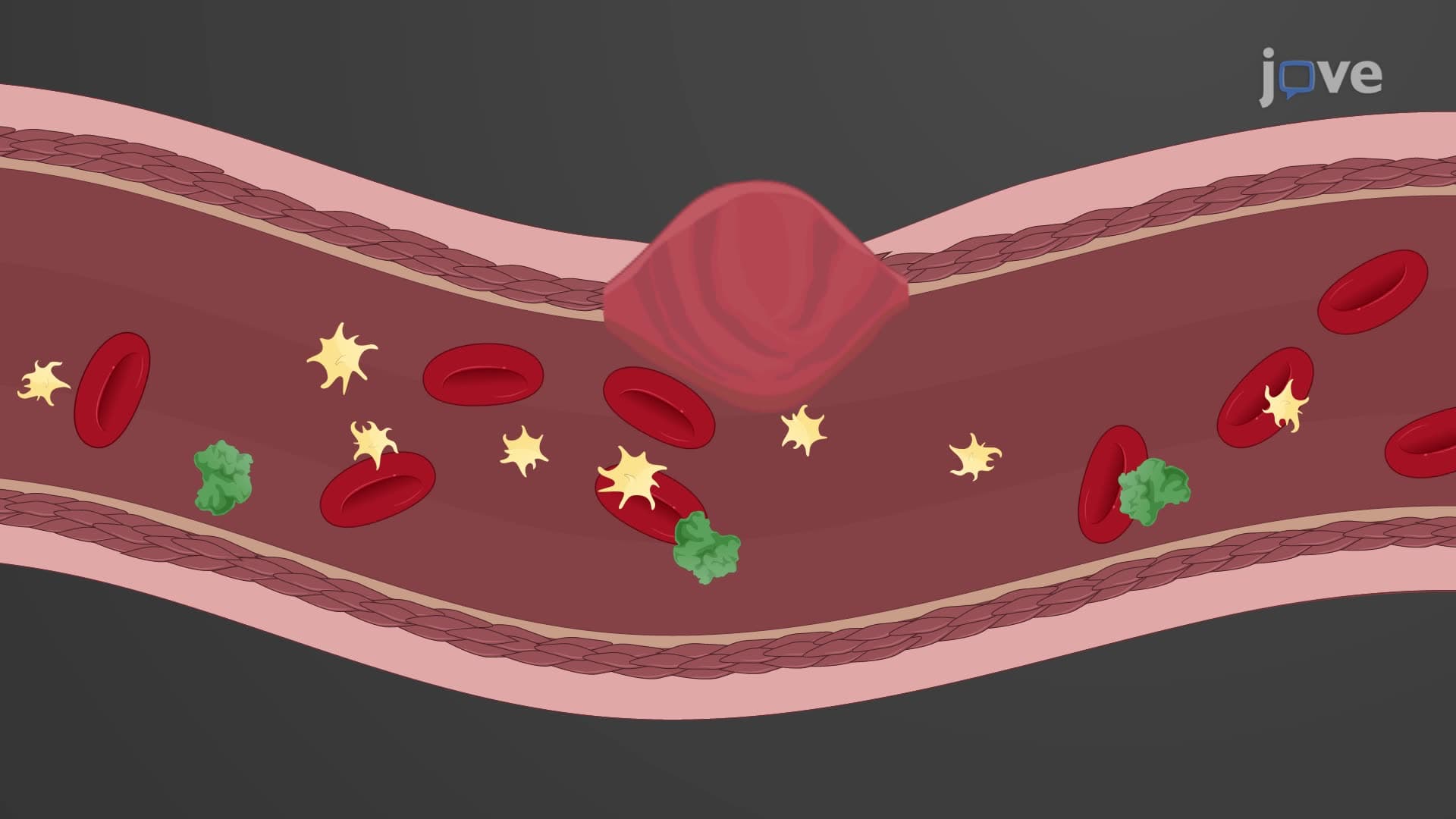
Blood clotting function prevents excessive blood loss during injury through a complex cascade of protein interactions. Platelets aggregate at wound sites while clotting factors convert fibrinogen to fibrin threads, creating a mesh that traps blood cells and forms a stable clot. This process must balance perfectly-too little clotting causes dangerous bleeding, while excessive clotting can block blood vessels.
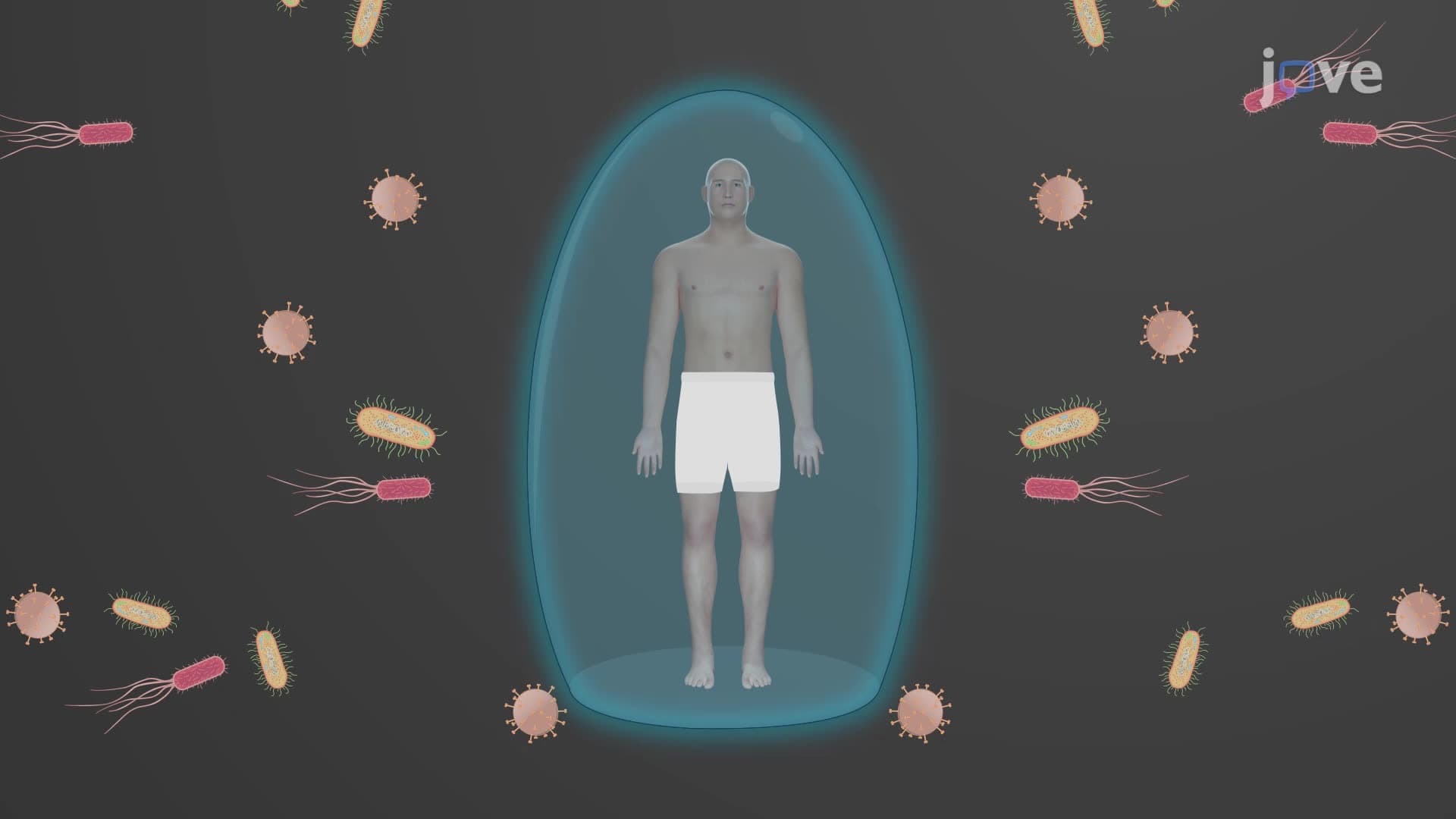
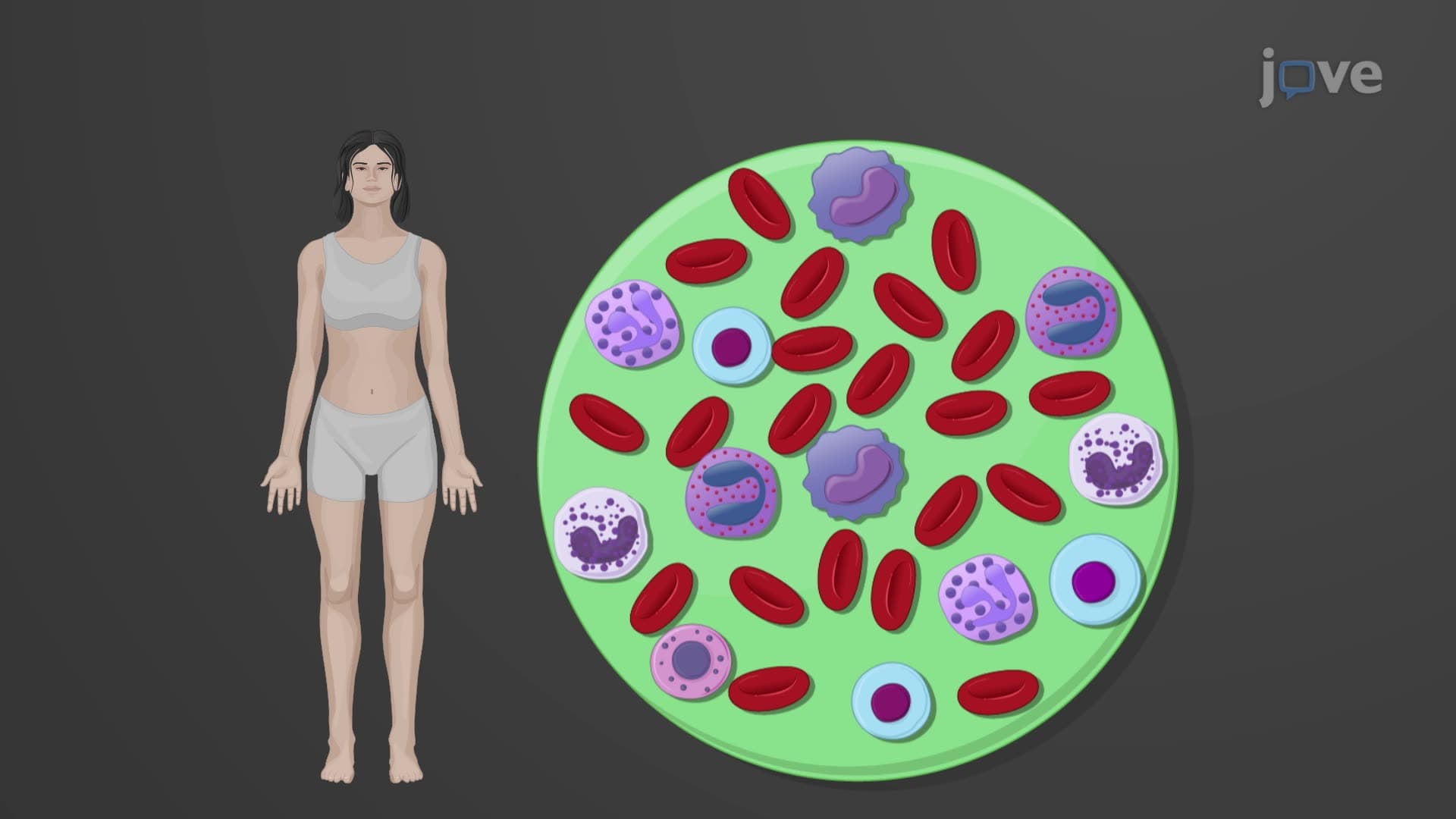
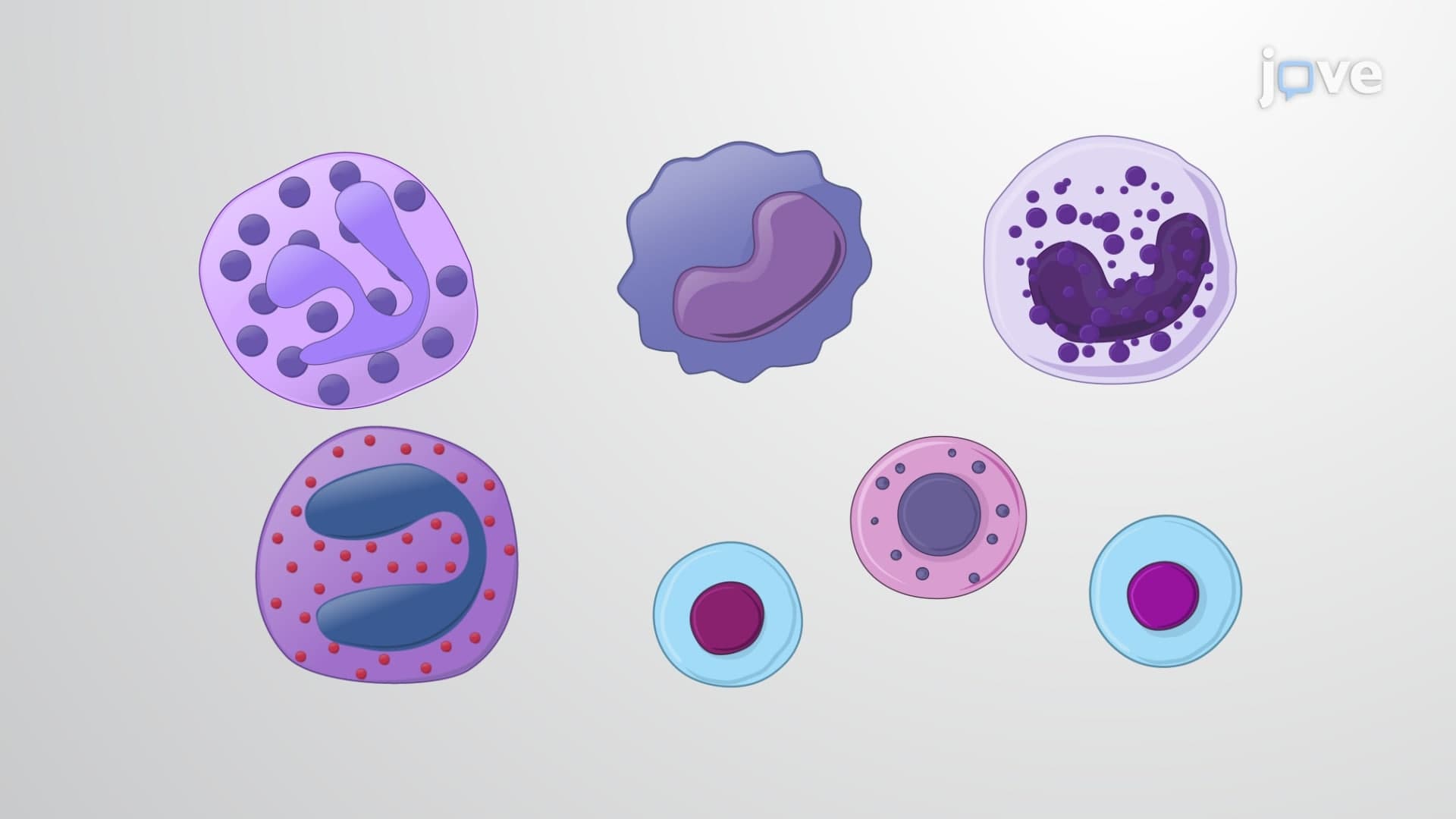
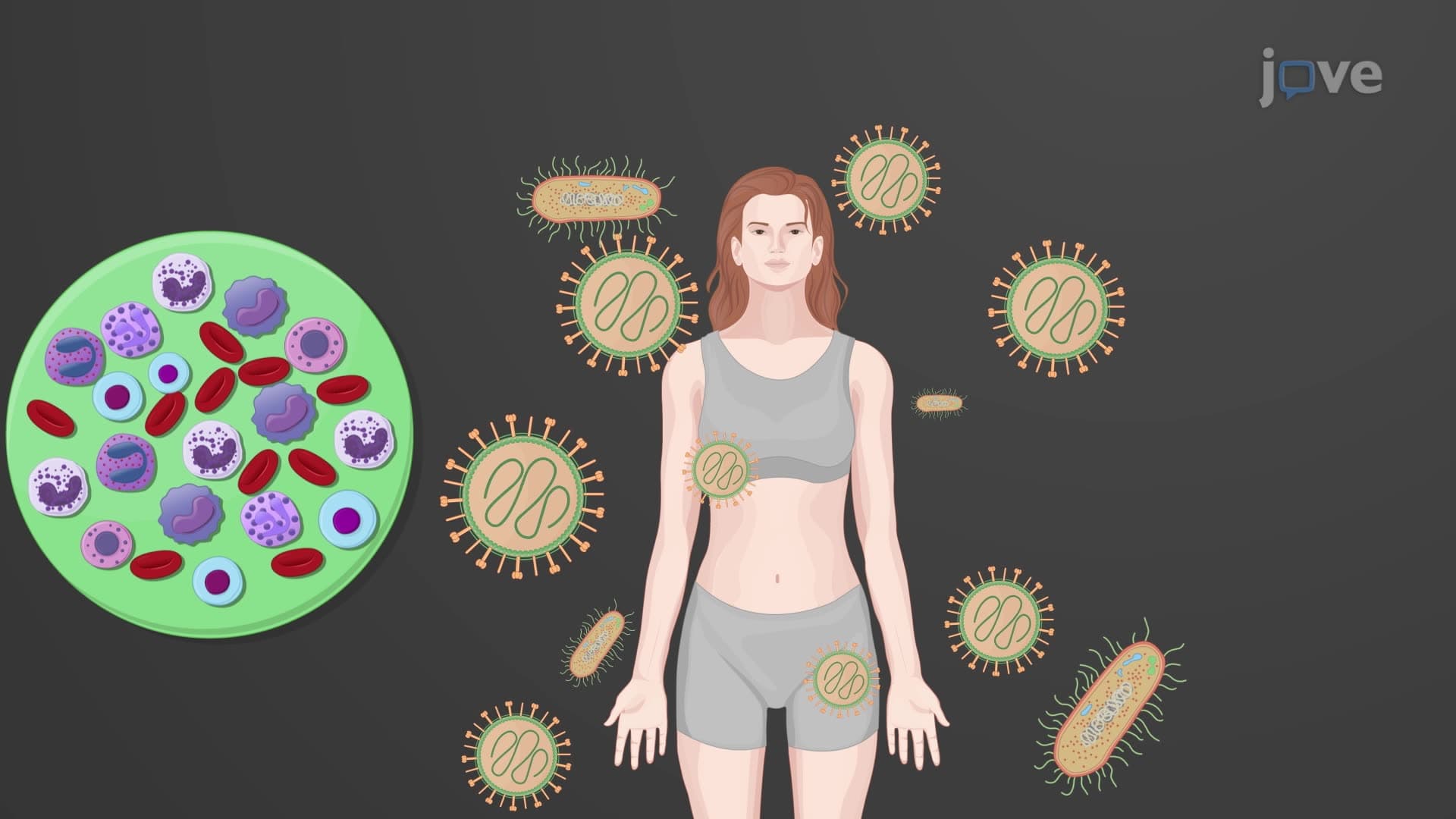
Blood immune defense involves specialized white blood cells that patrol for foreign invaders. These cellular guardians can engulf bacteria, produce antibodies, and coordinate inflammatory responses. Blood homeostasis characteristic encompasses all regulatory functions, from maintaining proper pH and temperature to coordinating hormone distribution and waste removal.
Understanding these concepts proves essential for AP Biology, college physiology courses, and pre-health professional programs. The MCAT frequently tests blood function knowledge, while nursing exams like the NCLEX emphasize clinical applications of blood properties in patient care scenarios.
Related Micro-courses