Loading video…


 29 Concepts
 135.5K views
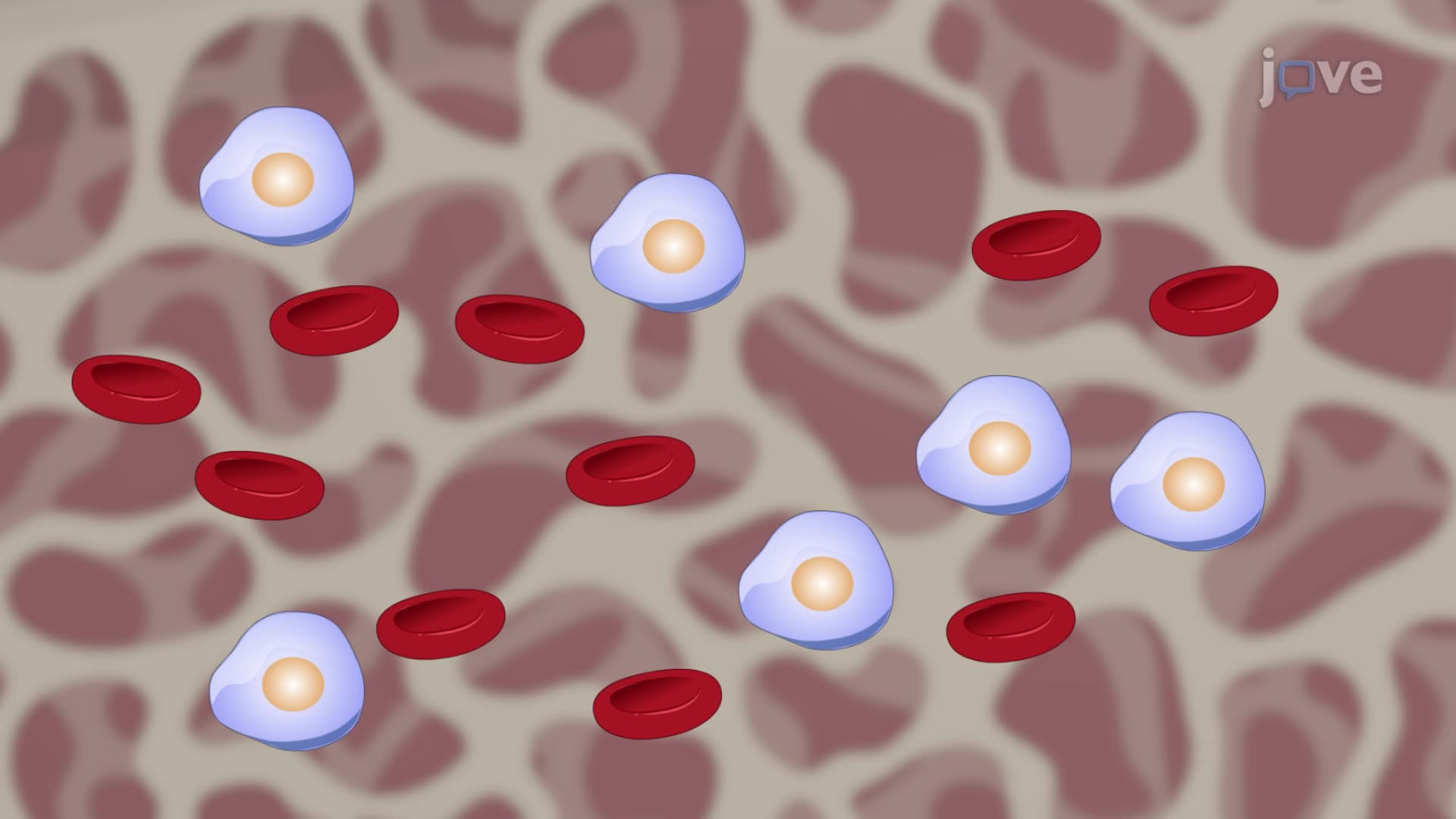

Video Summary: Role of Hematopoietic Growth Factors Explained
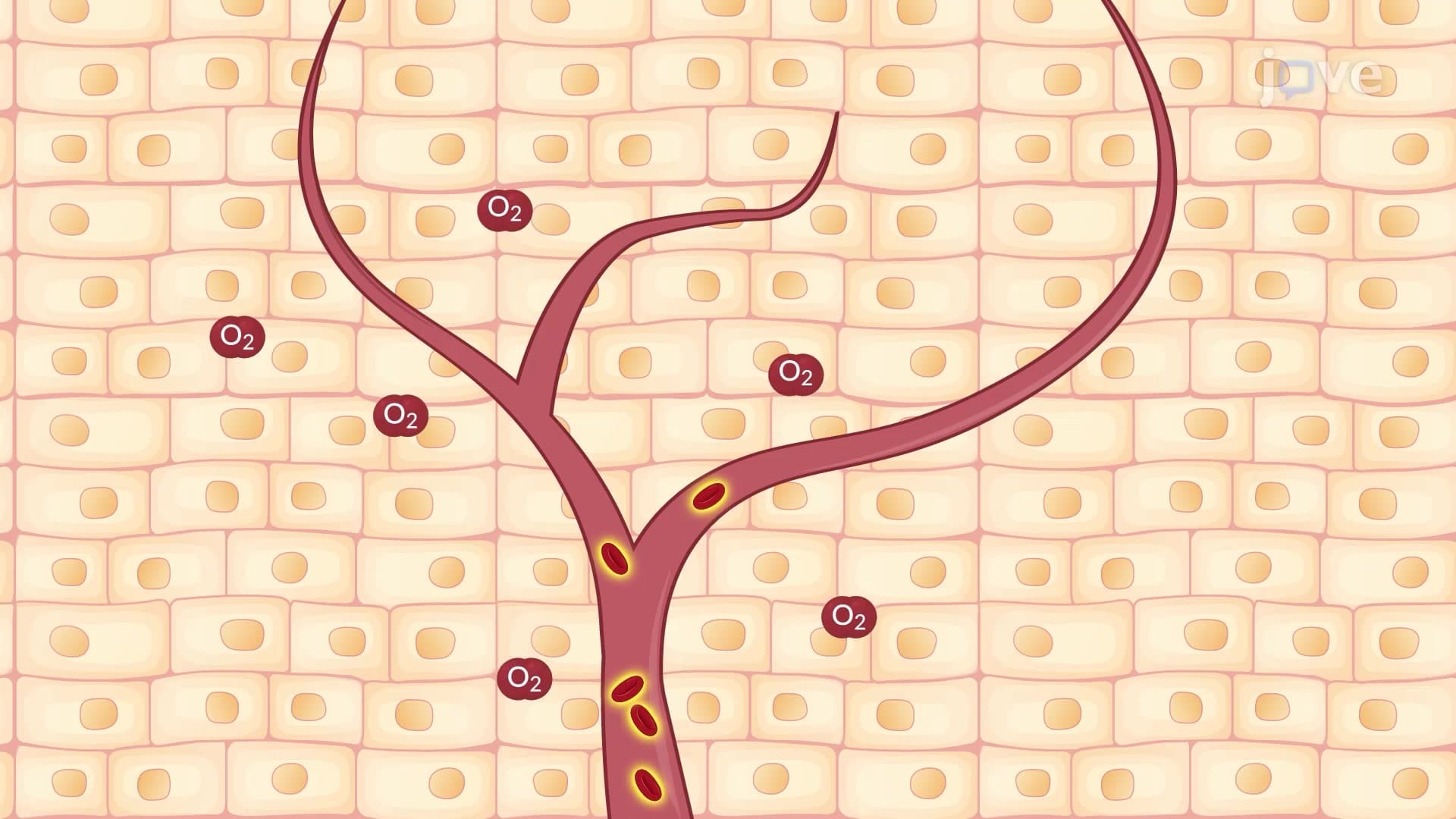
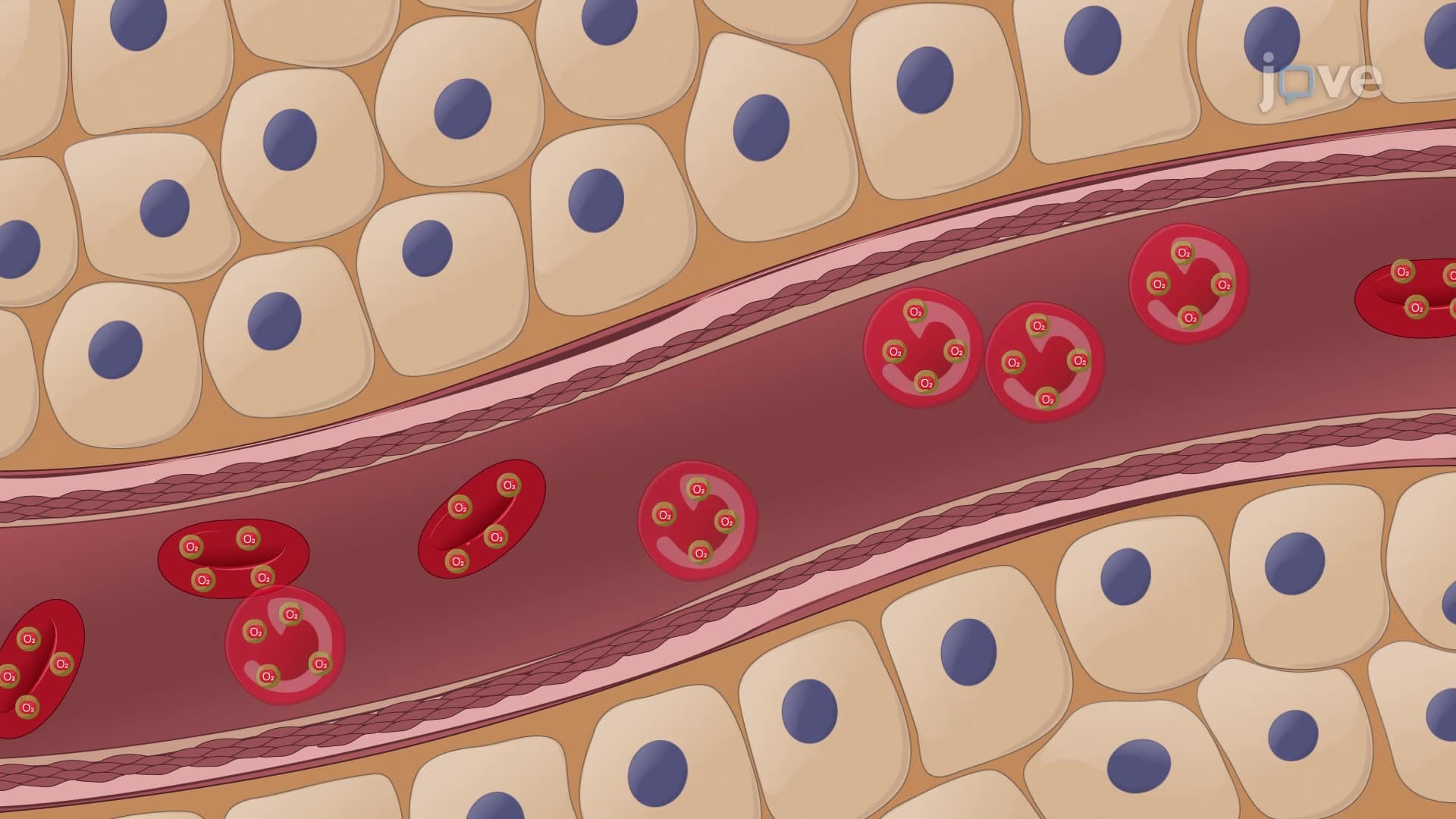
Did you know that your kidneys can literally tell your bone marrow to make more red blood cells when you climb to high altitudes like Denver's mountains? The hematopoietic growth factors role involves a complex network of signaling molecules that orchestrate blood cell production throughout your body. When Stanford University researchers study altitude sickness, they're examining how erythropoietin (EPO) responds to oxygen changes by triggering red blood cell formation. Watch the full video on JoVE Coach to master this concept with expert-led visuals and step-by-step explanations.
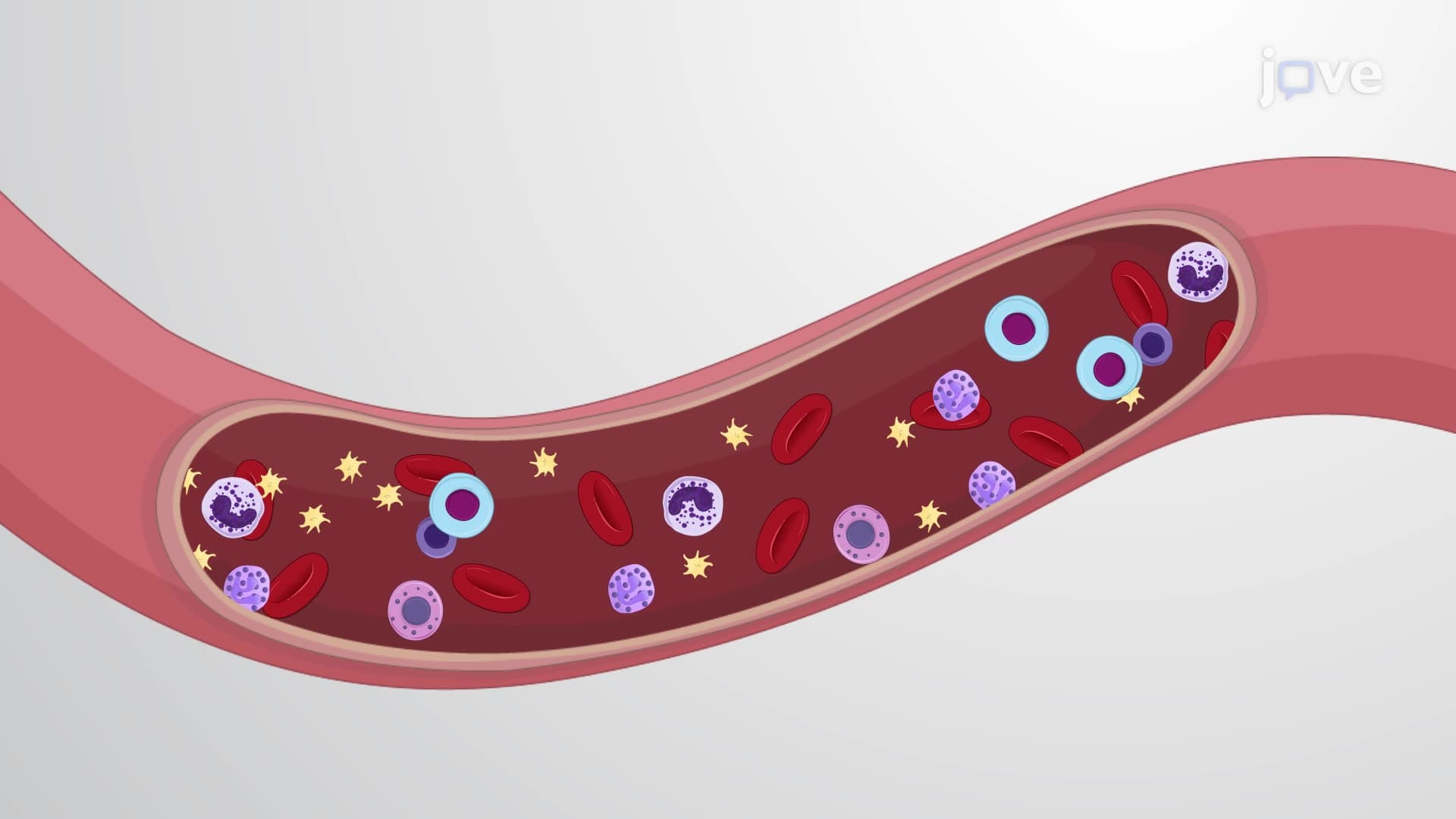
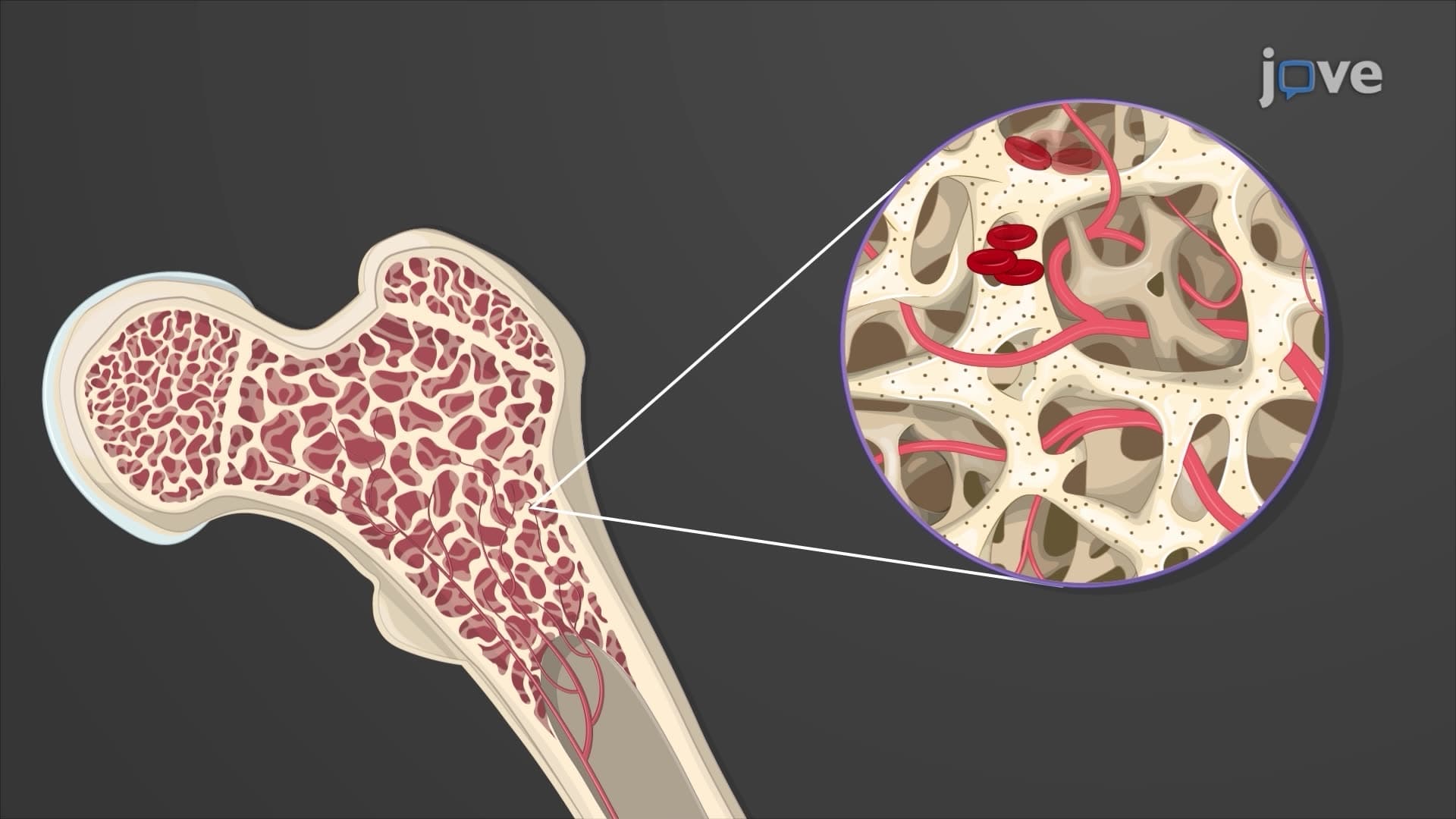
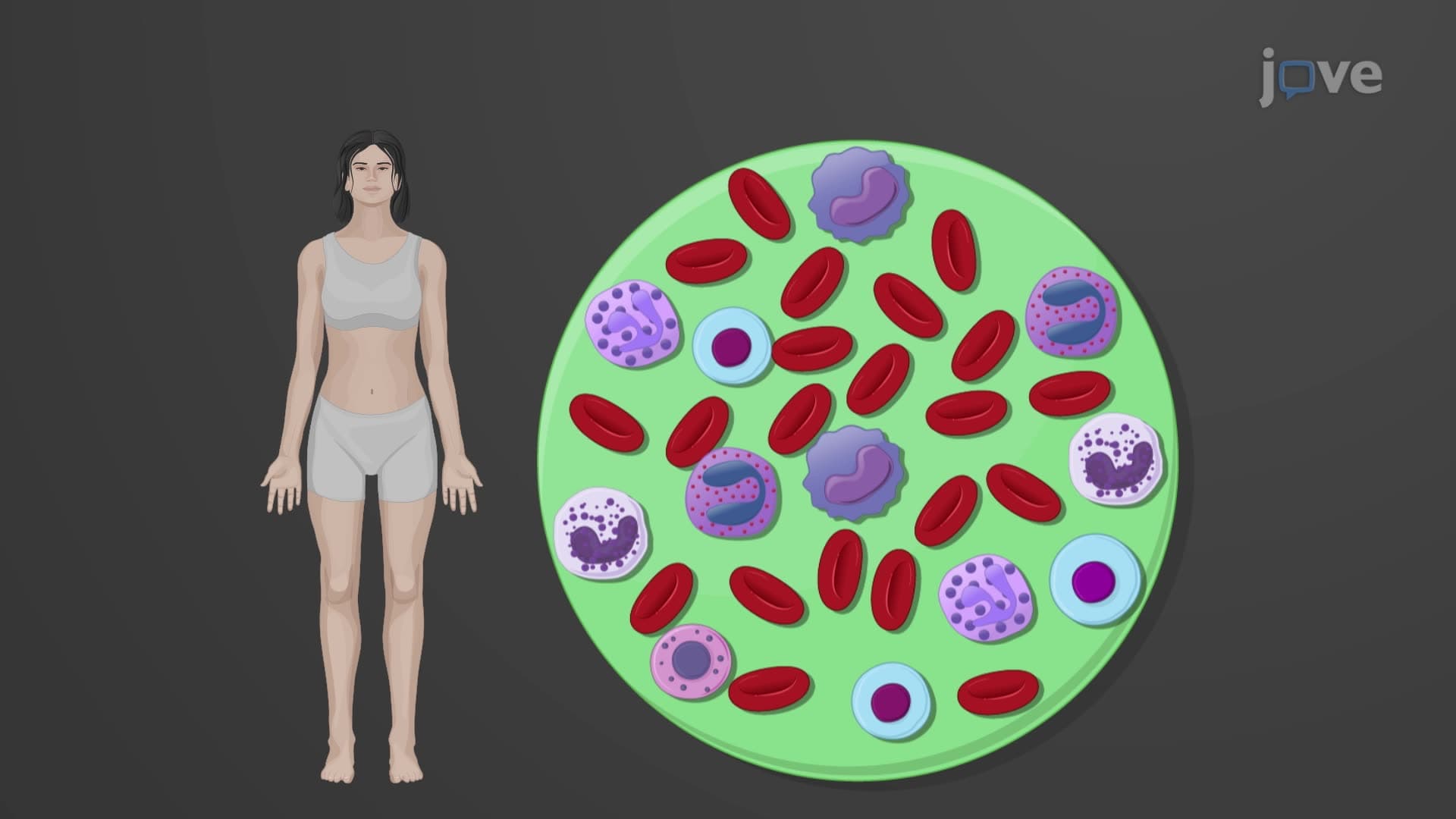
Hematopoietic growth factors represent one of biology's most sophisticated regulatory networks, controlling the production of approximately 200 billion new blood cells daily in healthy adults. These molecular messengers ensure your body maintains proper blood cell counts while responding dynamically to physiological demands like infection, blood loss, or oxygen changes.
Erythropoietin (EPO) exemplifies precision biological control. Produced primarily by specialized kidney cells called peritubular fibroblasts, EPO levels increase up to 1000-fold when blood oxygen drops. This dramatic response explains why athletes training at Colorado's Olympic Training Center (elevation 6,035 feet) naturally boost their red blood cell counts. The EPO-receptor interaction triggers a cascade involving transcription factors like GATA-1 and FOG-1, which students encounter in advanced AP Biology and college biochemistry courses.
EPO's clinical significance extends beyond natural physiology. Recombinant human EPO (epoetin alfa) treats anemia in chronic kidney disease patients, while EPO abuse in sports led to its inclusion on the World Anti-Doping Agency's prohibited list. MCAT test-takers frequently encounter EPO questions linking kidney function, oxygen transport, and cellular signaling pathways.
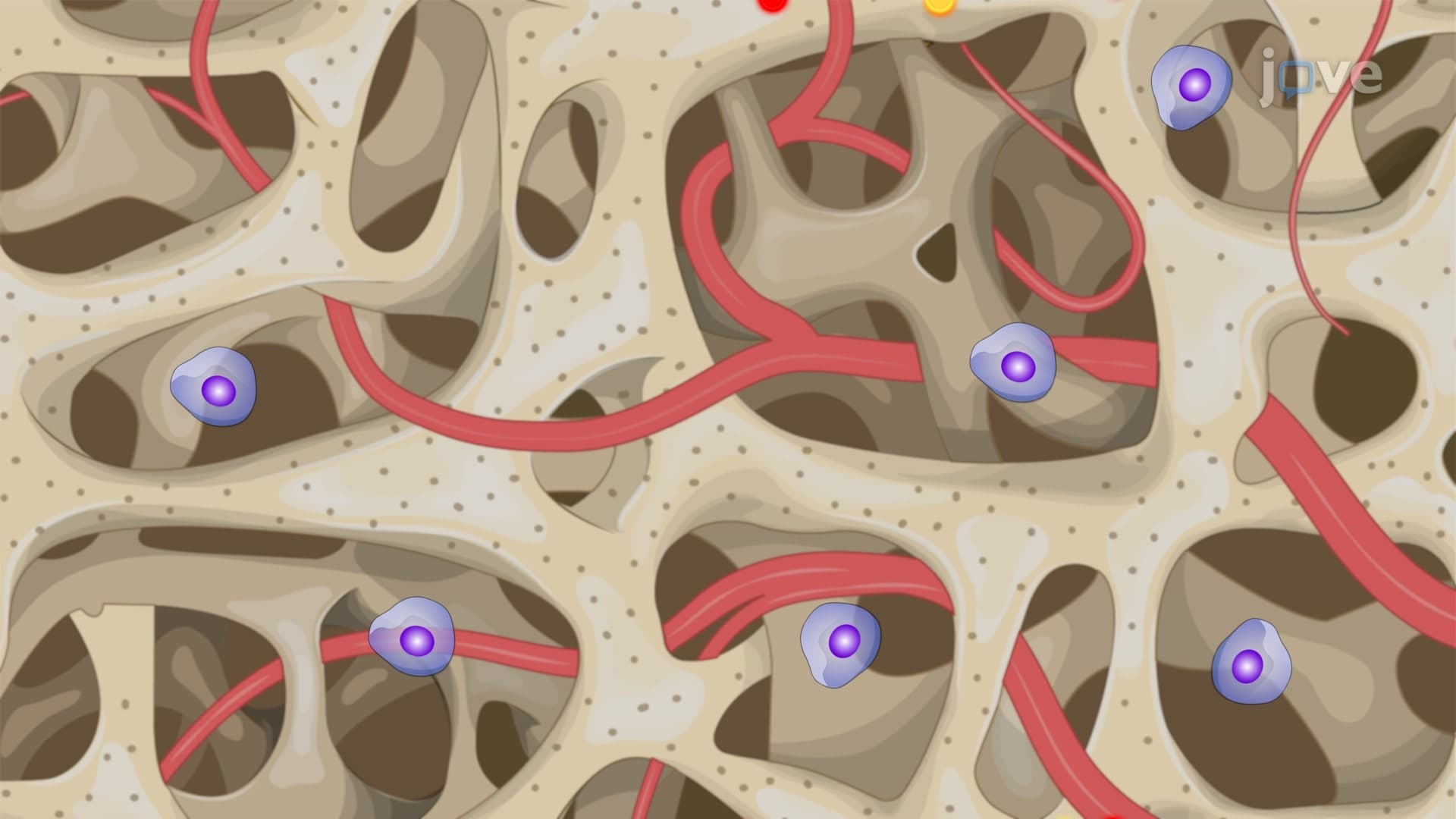
Thrombopoietin (TPO) demonstrates elegant feedback control in platelet homeostasis. Liver hepatocytes continuously produce TPO, but circulating platelets consume it through c-Mpl receptors. When platelet counts drop-such as during chemotherapy treatment at institutions like MD Anderson Cancer Center-reduced TPO consumption allows higher concentrations to stimulate megakaryocyte proliferation in bone marrow.
This mechanism underlies therapeutic applications of TPO receptor agonists like eltrombopag, used to treat immune thrombocytopenic purpura. Medical students preparing for USMLE Step 1 must understand how TPO levels inversely correlate with platelet counts, a concept frequently tested in hematology questions.
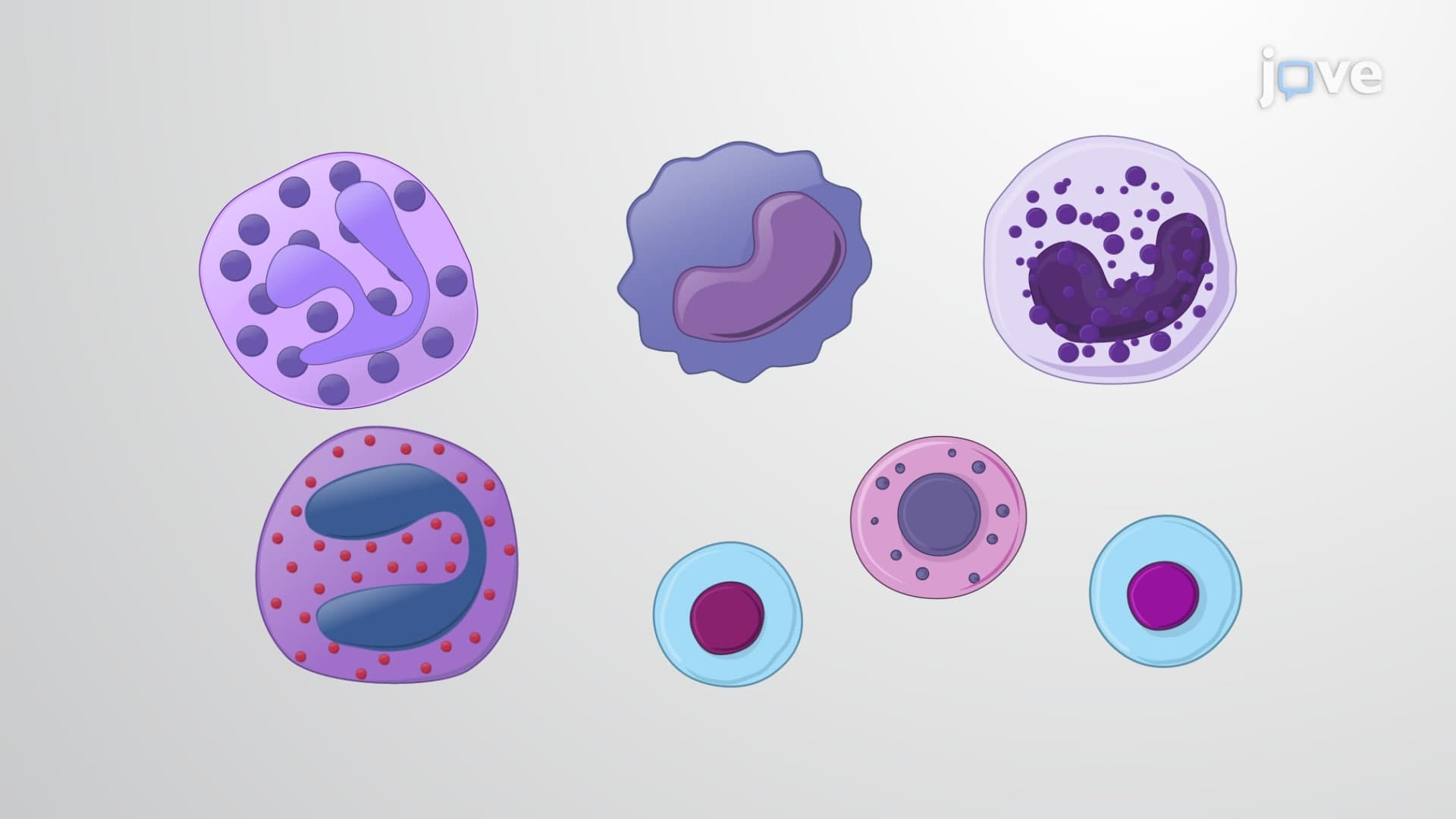
Interleukins and colony-stimulating factors represent specialized communication molecules with distinct functions. G-CSF (granulocyte colony-stimulating factor) specifically promotes neutrophil development, which explains its therapeutic use in cancer patients receiving chemotherapy at centers like Memorial Sloan Kettering. Filgrastim, a recombinant G-CSF, prevents life-threatening neutropenia by stimulating bone marrow neutrophil production.
Interleukin-3 acts as a multi-lineage growth factor, supporting early hematopoietic progenitor cells across multiple blood cell lineages. This broad activity makes IL-3 crucial for maintaining hematopoietic stem cell pools, particularly relevant in bone marrow transplantation procedures performed at leading US medical centers.
Related Micro-courses