Loading video…


 29 Concepts
 135.5K views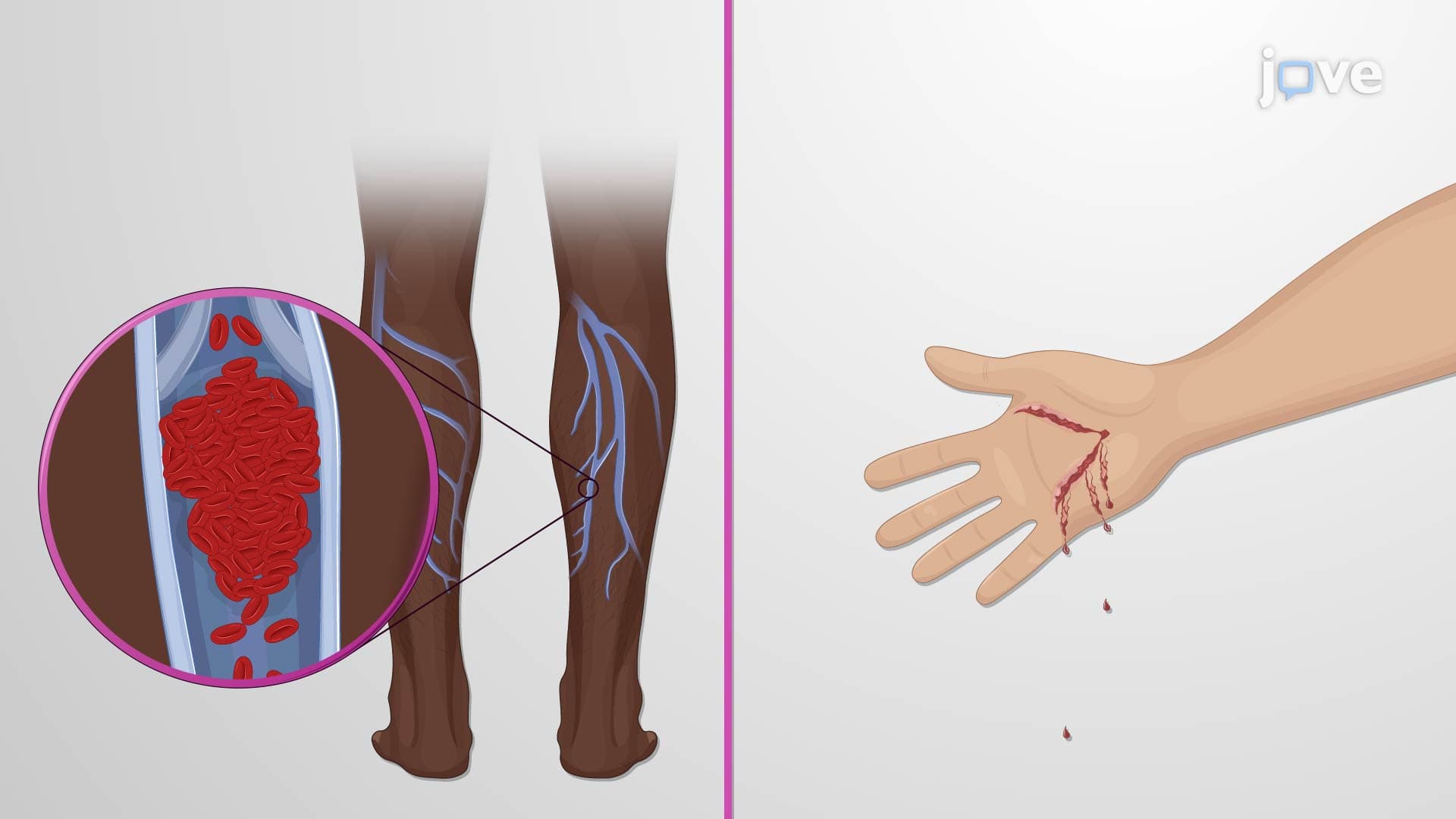

Video Summary: What are Disorders of Hemostasis
Did you know that over 3 million Americans suffer from blood clotting disorders that can lead to life-threatening strokes or heart attacks? Hemostasis disorders biology encompasses two major categories: excessive clotting (thromboembolism) and insufficient clotting (bleeding disorders). Consider how conditions like hemophilia affect thousands of US patients who require specialized treatment at centers like the Children's Hospital of Philadelphia. What are disorders of hemostasis becomes crucial knowledge for understanding why some people bruise easily while others face dangerous blood clots. Watch the full video on JoVE Coach to master this concept with expert-led visuals and step-by-step explanations.
Hemostasis disorders biology represents a fascinating area where normal blood clotting mechanisms become disrupted, leading to either excessive bleeding or dangerous clot formation. These disorders affect millions of Americans and represent critical concepts tested on the MCAT, AP Biology exams, and college-level physiology courses.
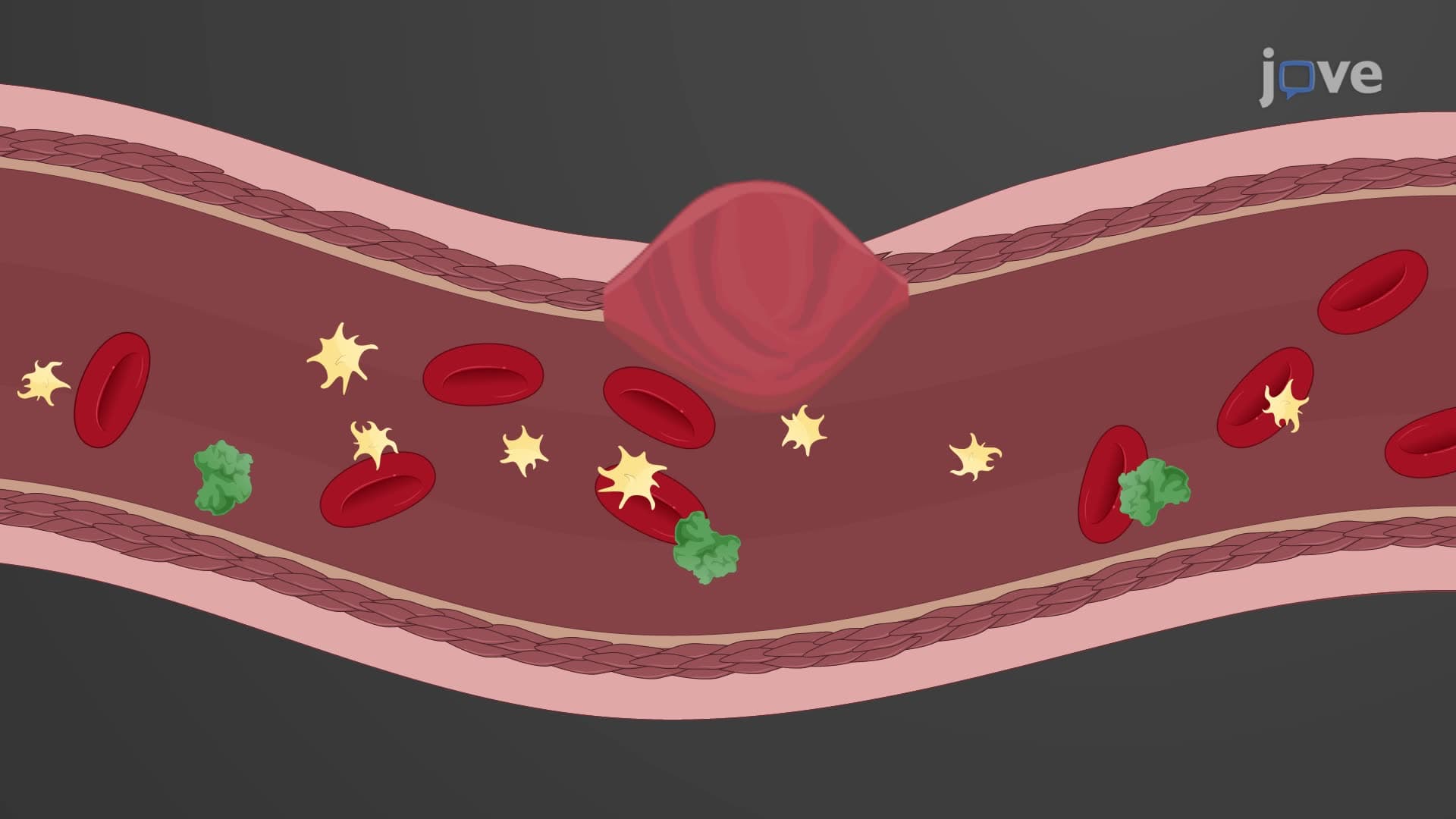
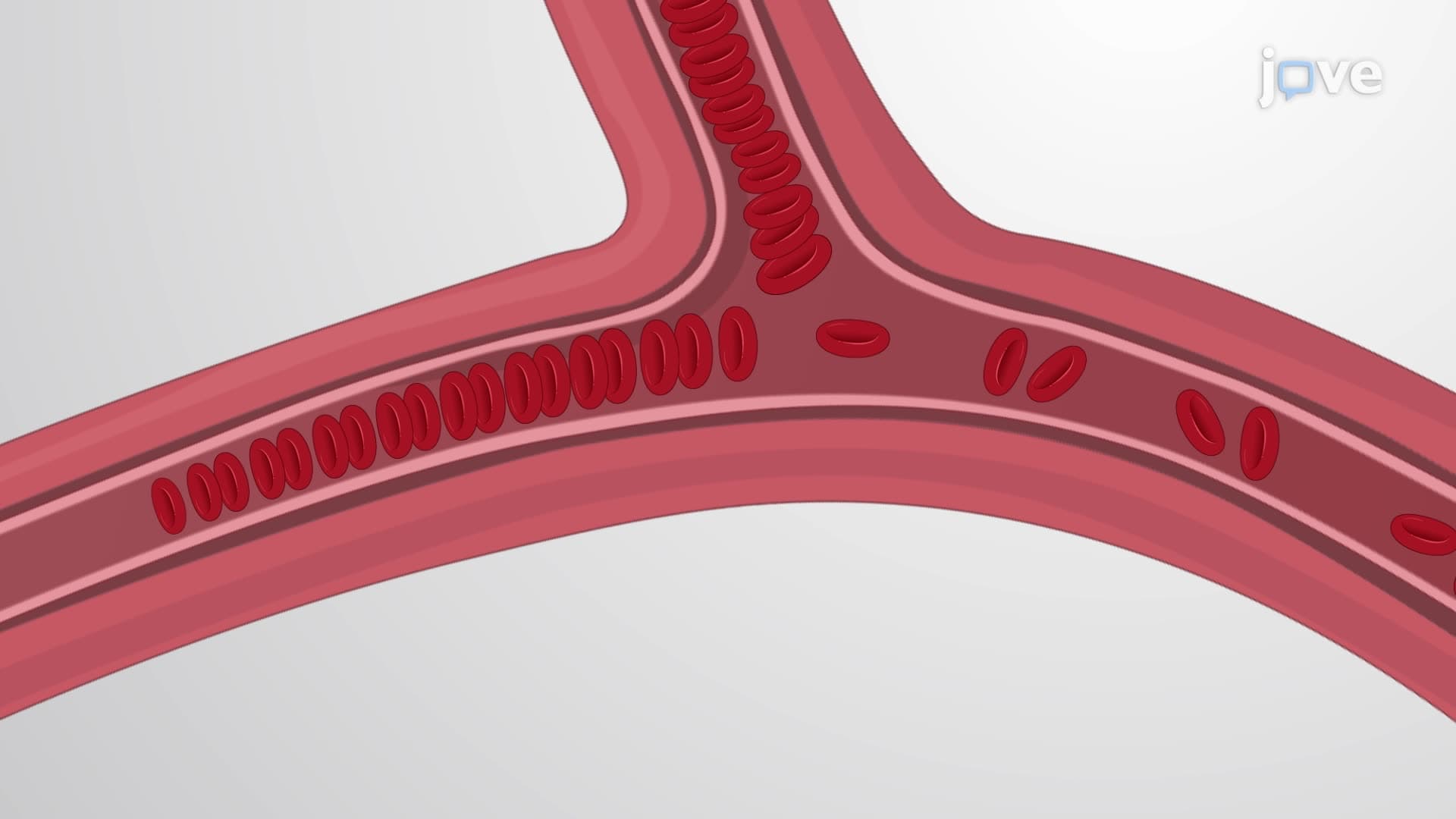
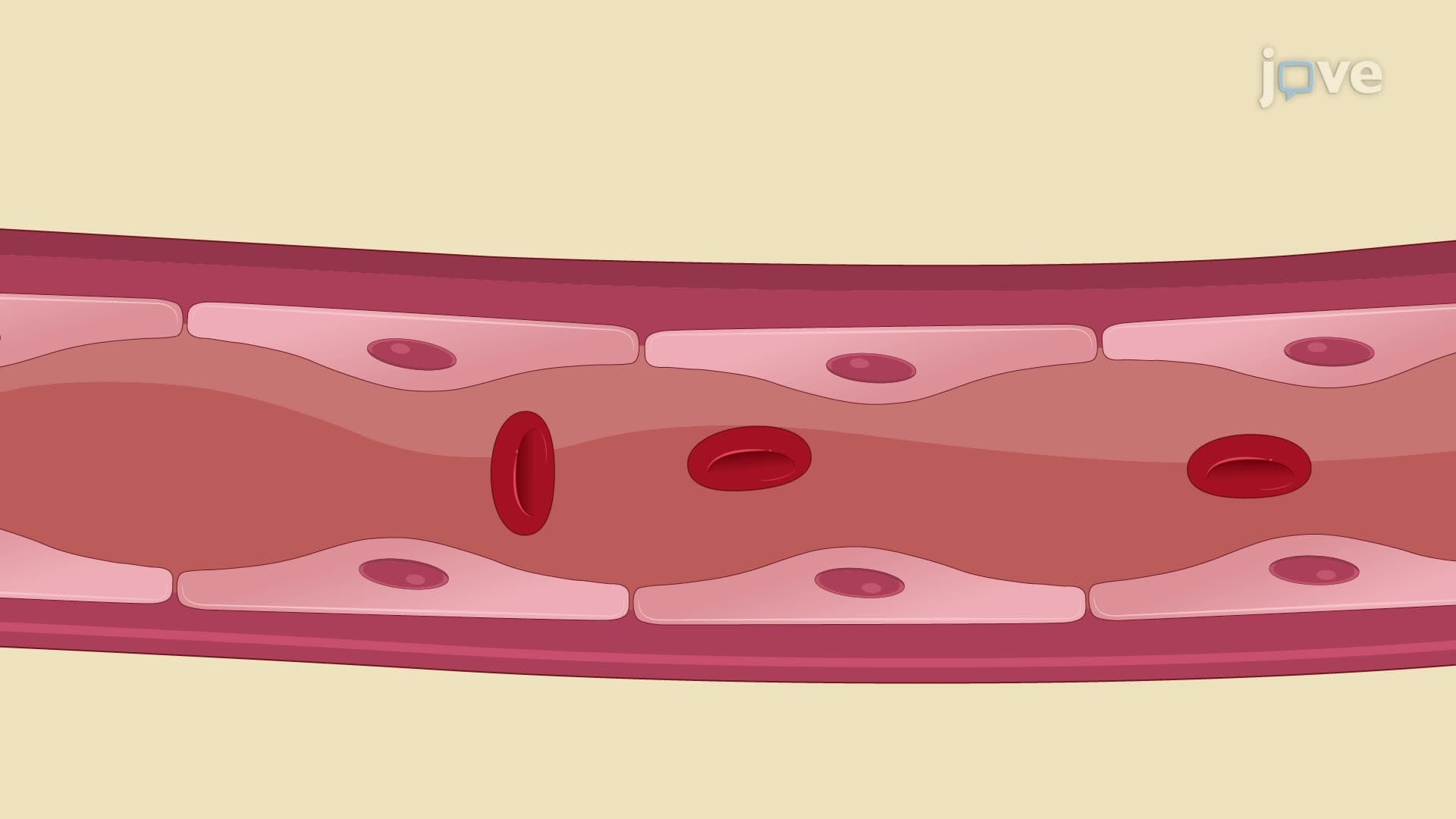
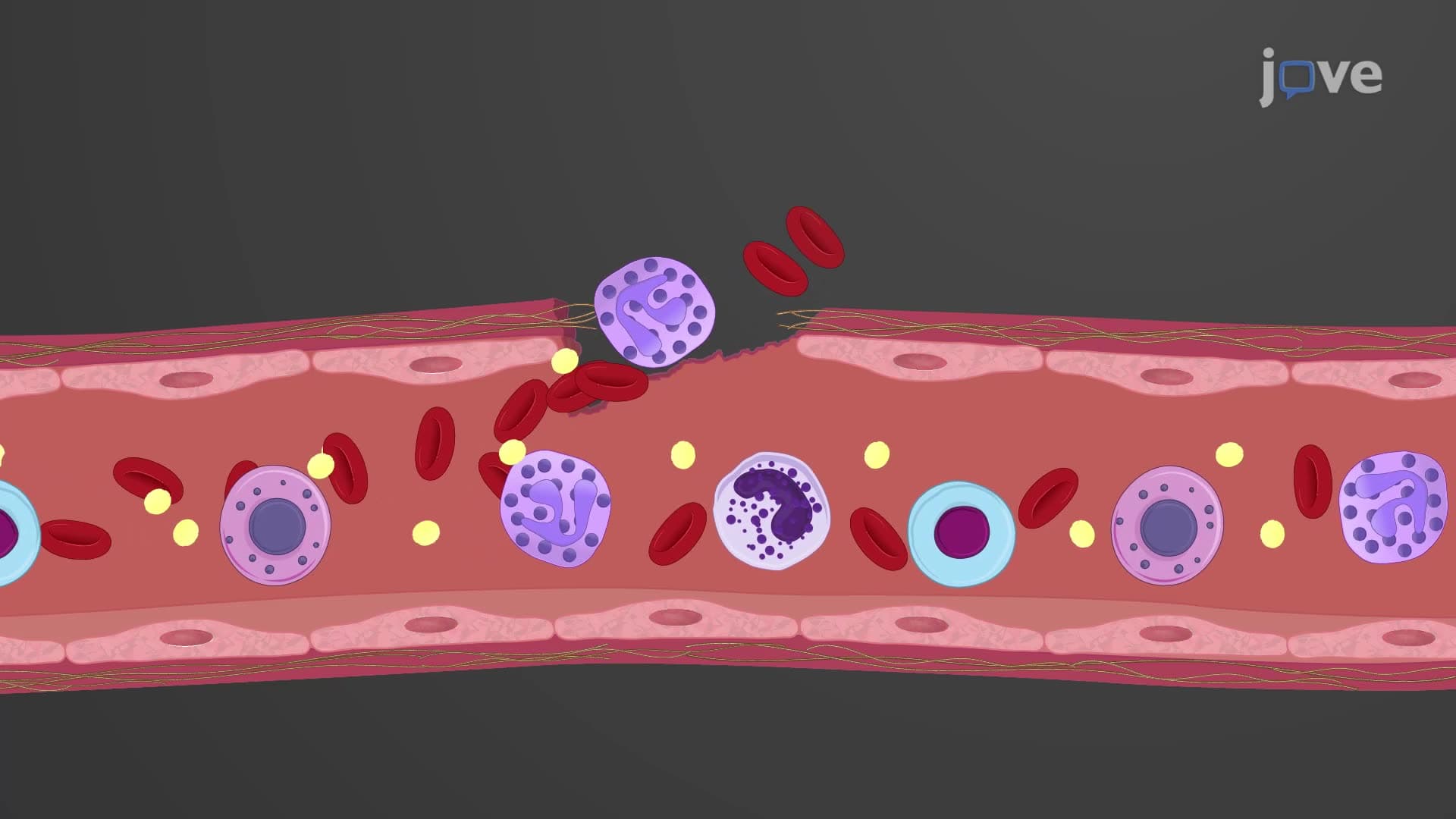
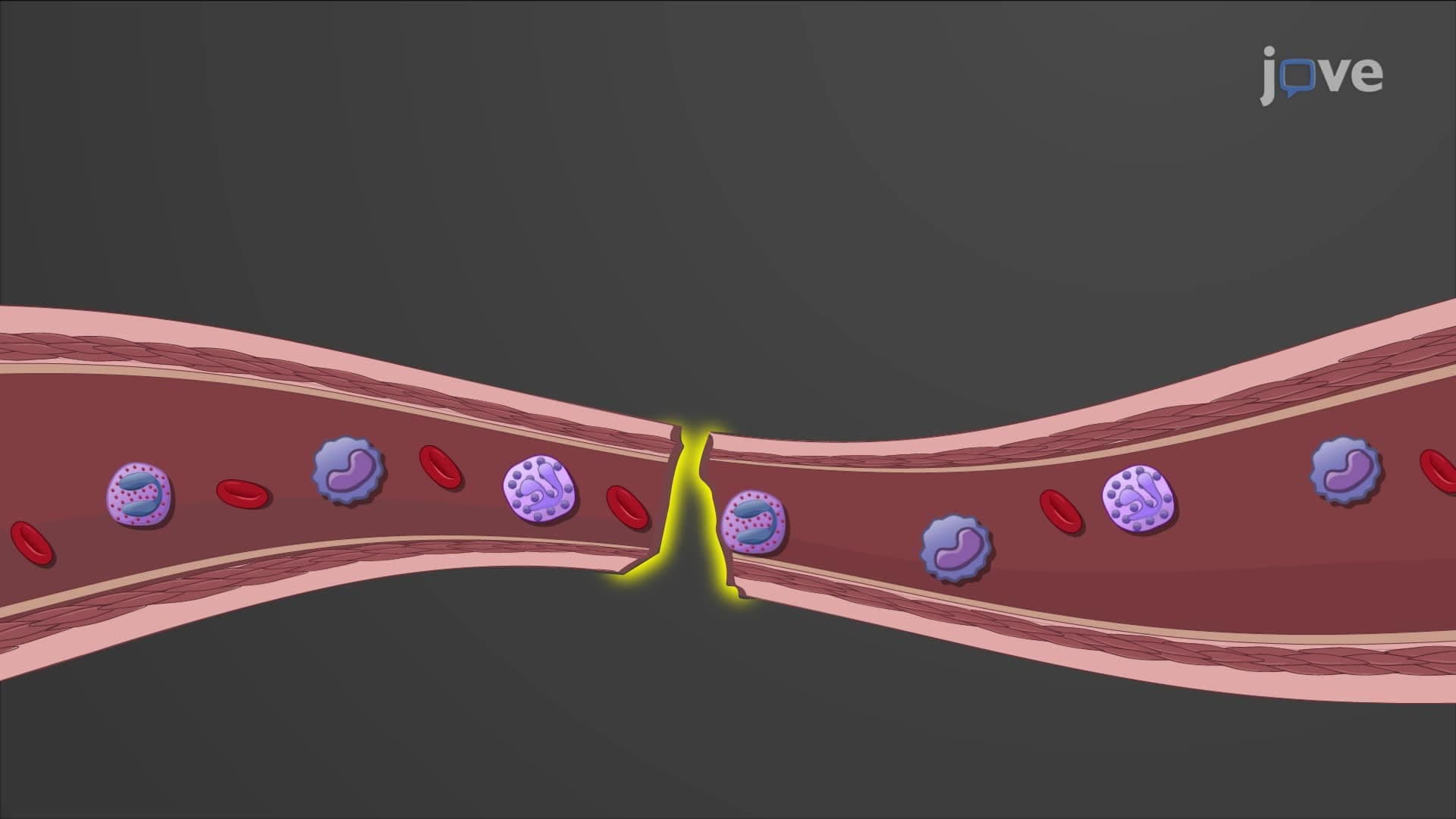
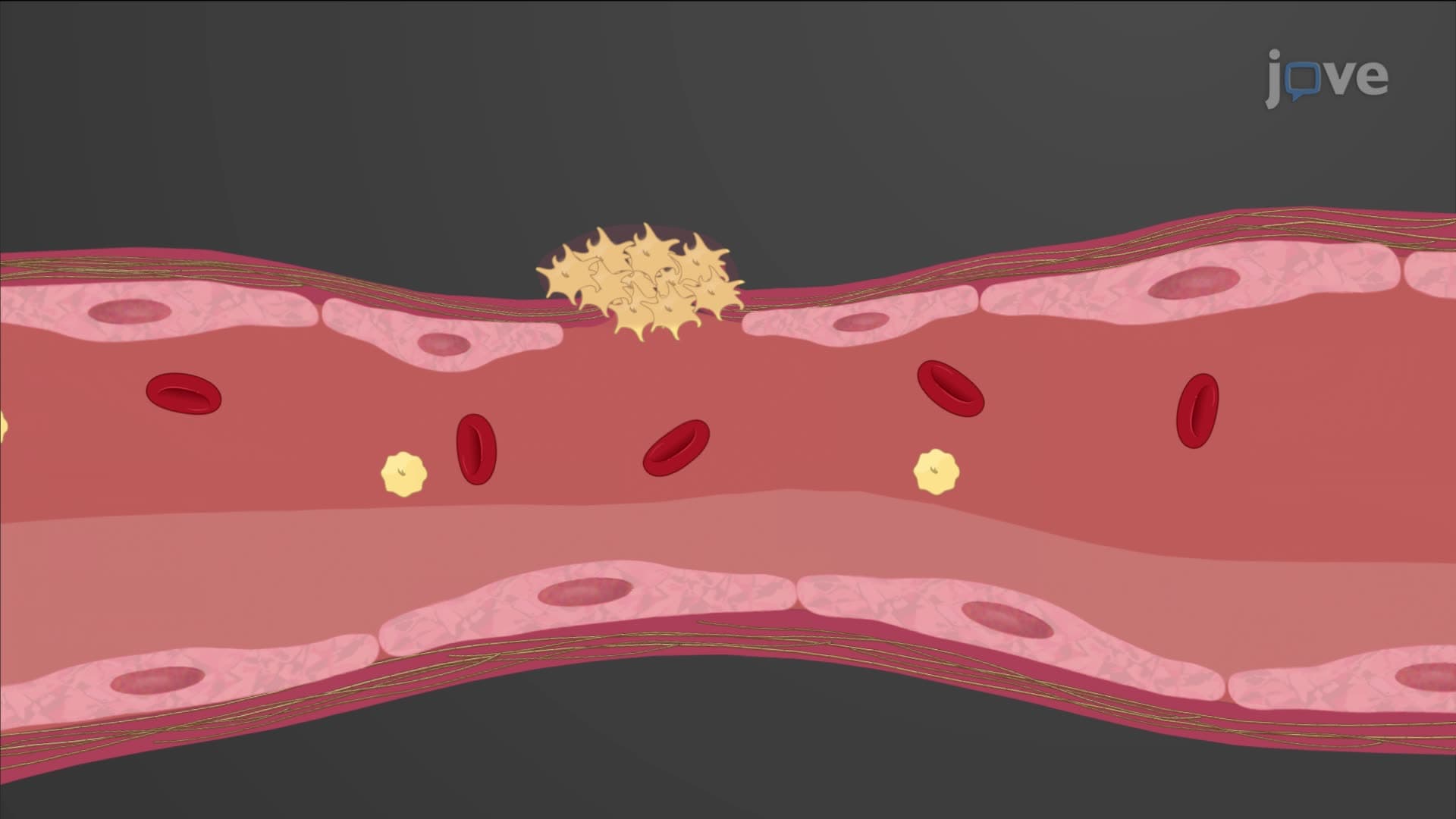
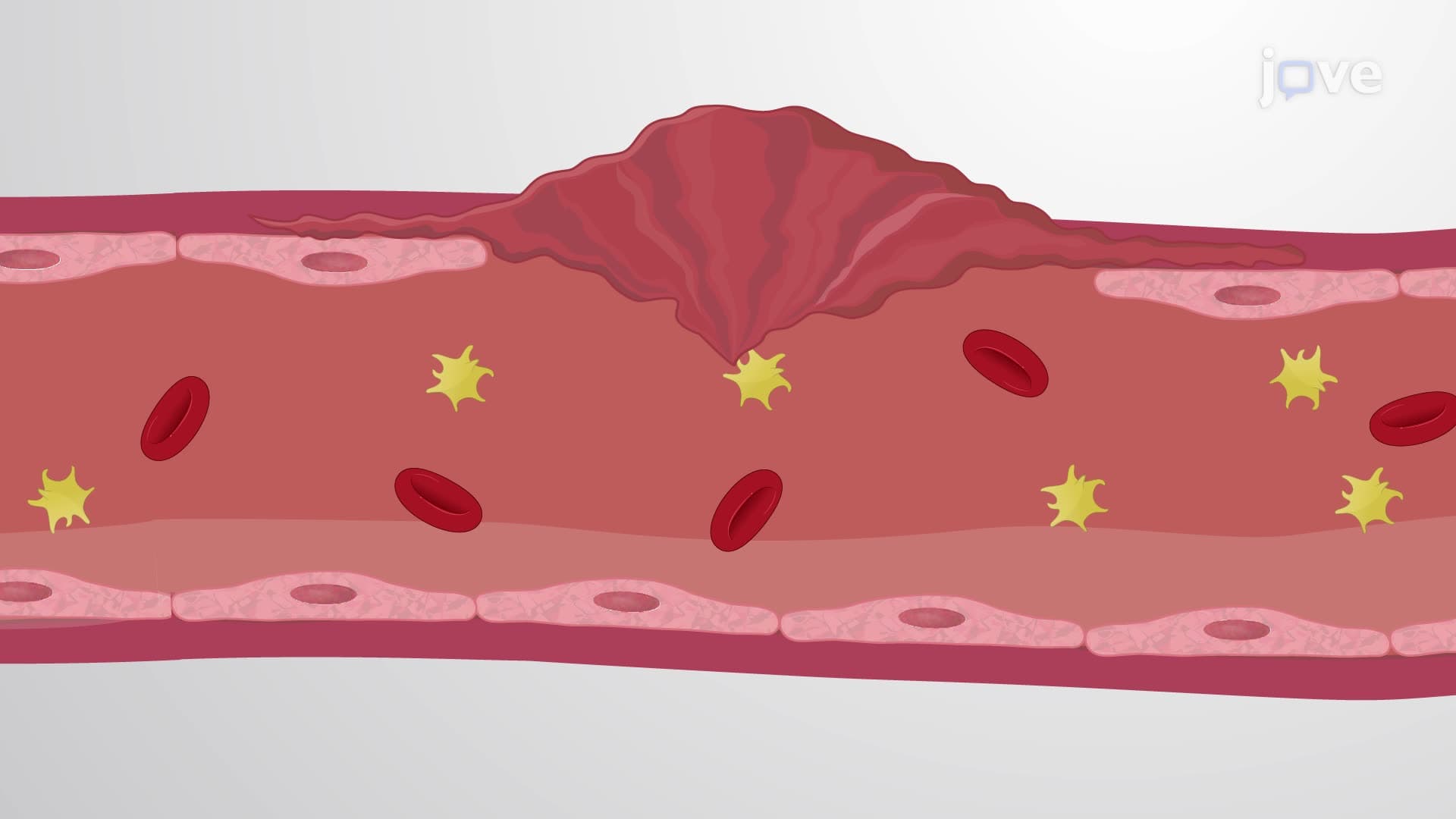
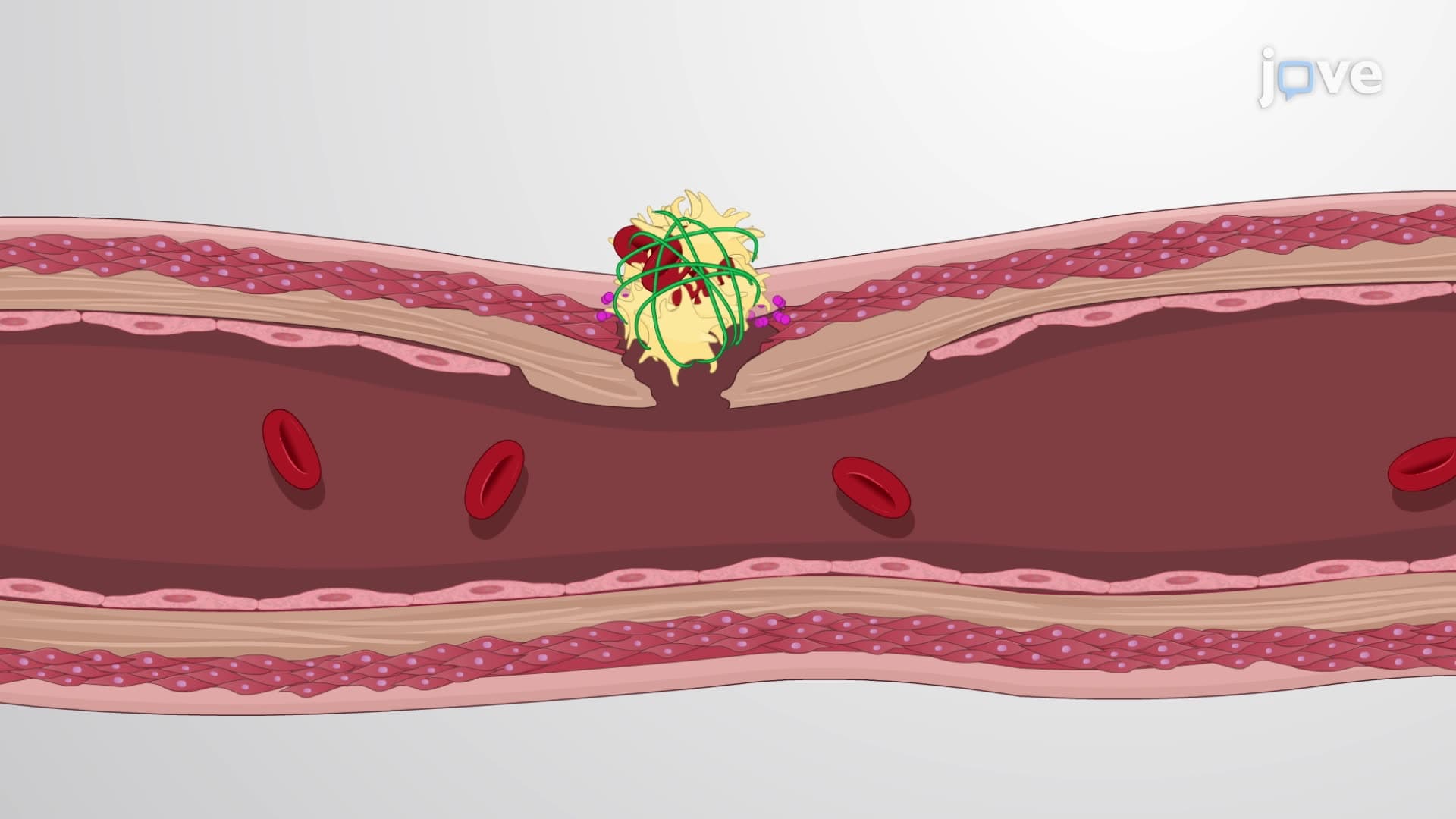
Thrombosis abnormal clotting occurs when blood clots form inappropriately within intact blood vessels. The blood clotting disorder explained through thromboembolism involves three primary mechanisms known as Virchow's triad: endothelial injury, blood flow abnormalities, and hypercoagulability.
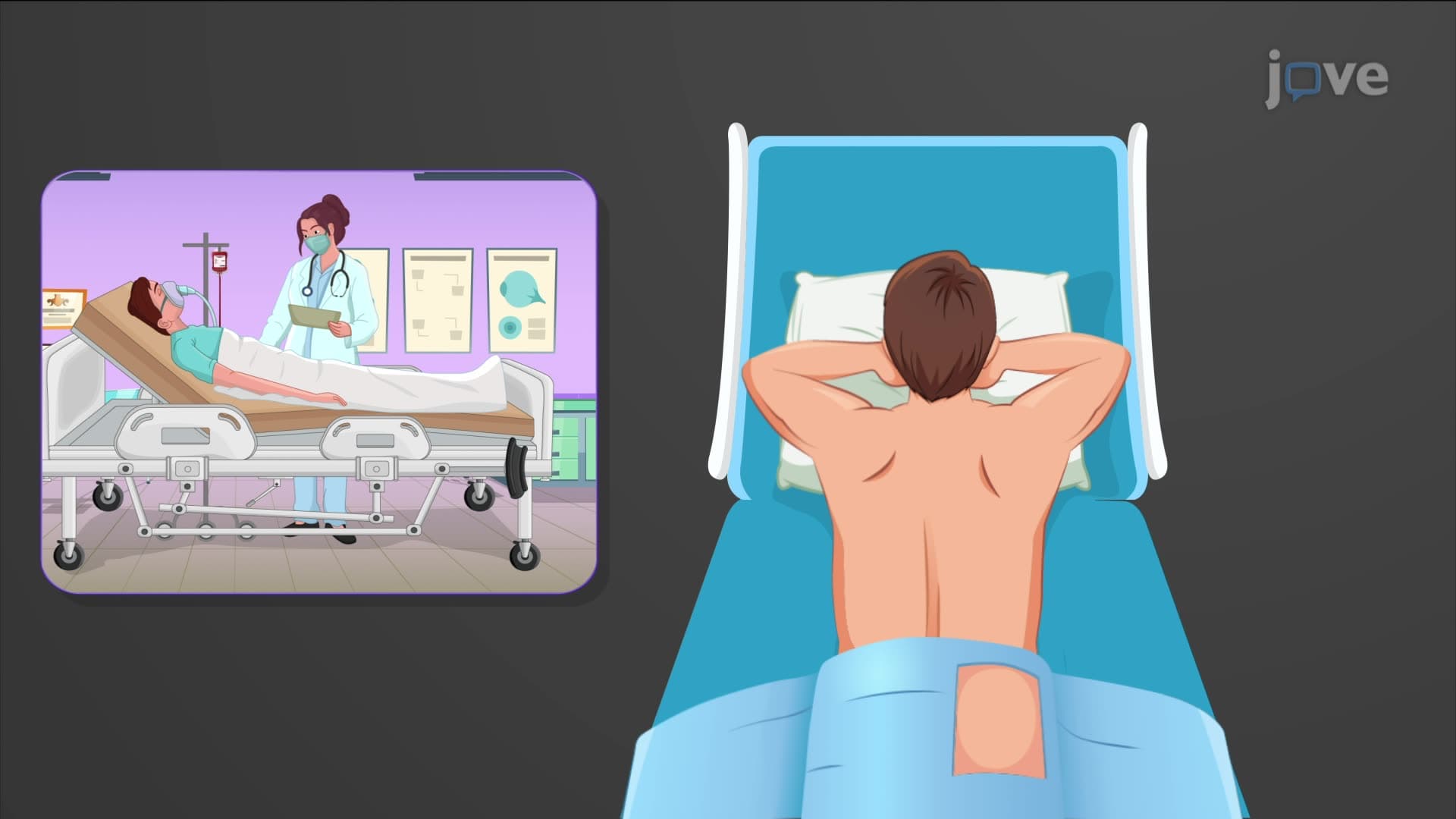
Endothelial damage from arteriosclerosis creates rough surfaces that activate platelets and clotting cascades. This explains why cardiovascular disease patients at institutions like the Mayo Clinic often require anticoagulation therapy. Sluggish blood flow, common in hospitalized patients at US medical centers, allows procoagulant factors to accumulate rather than being diluted by normal circulation.
The consequences prove severe: pulmonary embolism kills approximately 100,000 Americans annually, while deep vein thrombosis affects up to 900,000 people yearly according to CDC data. These statistics underscore why understanding thromboembolic disorders appears prominently on USMLE Step 1 examinations.
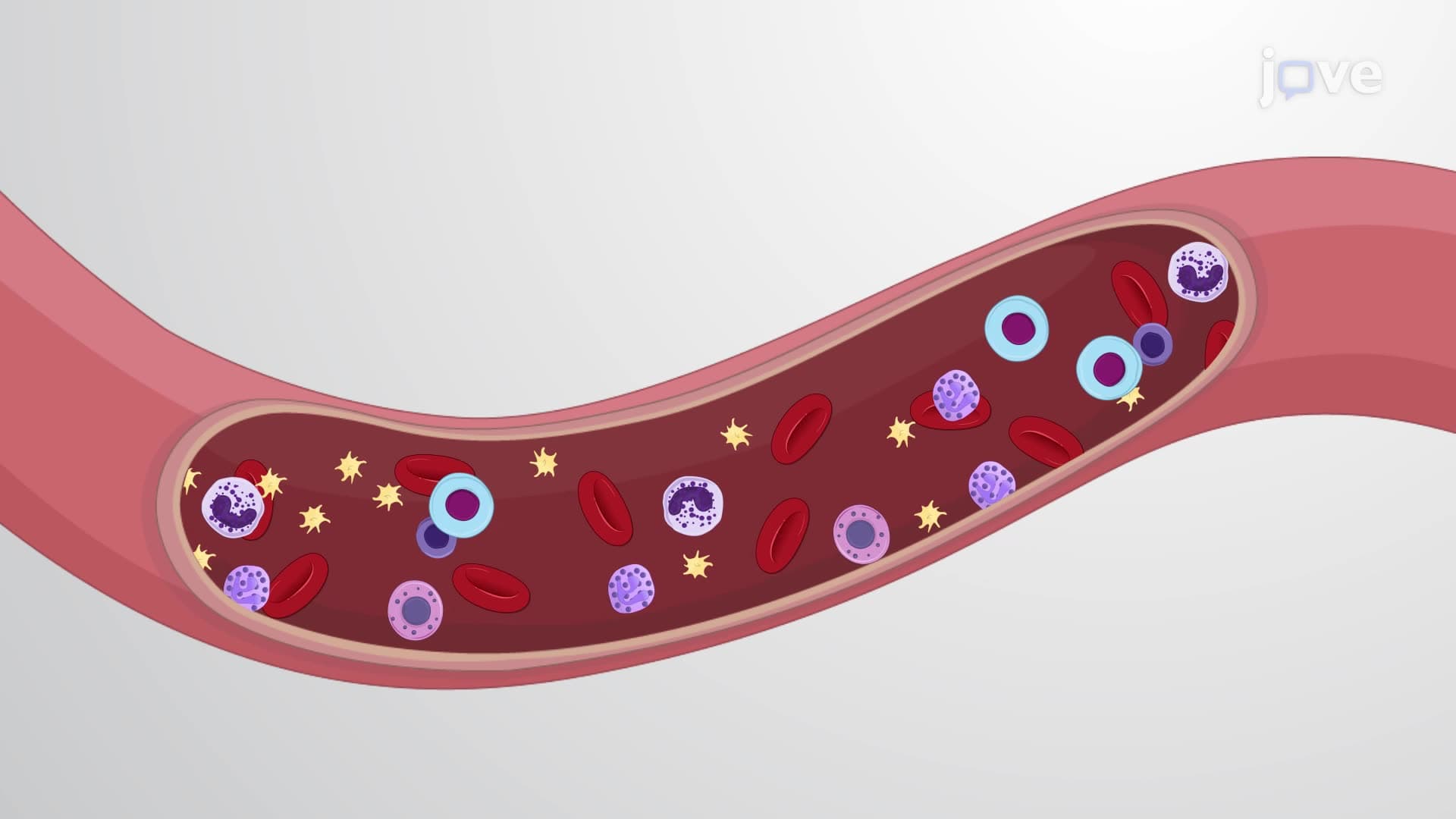
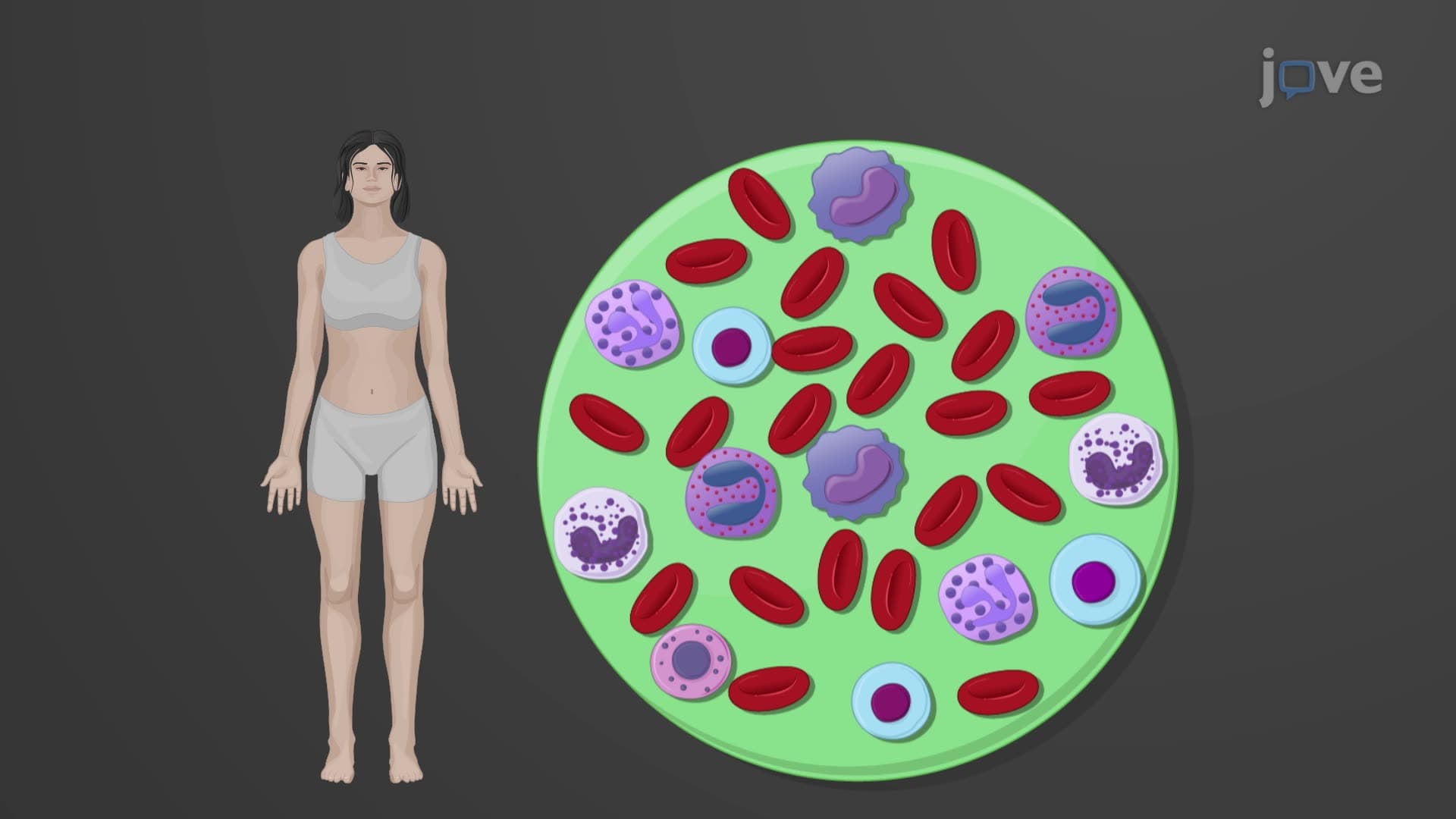
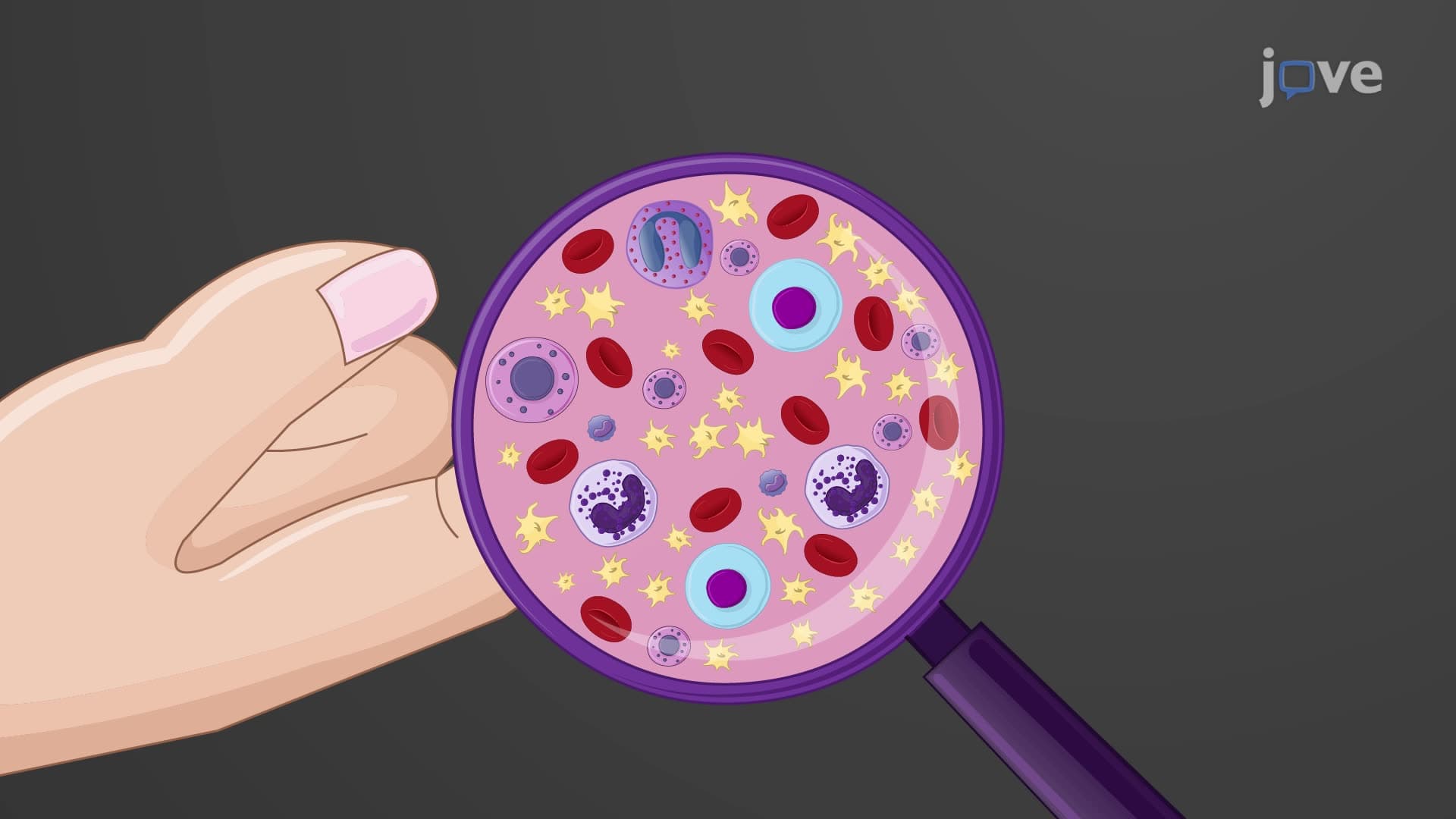
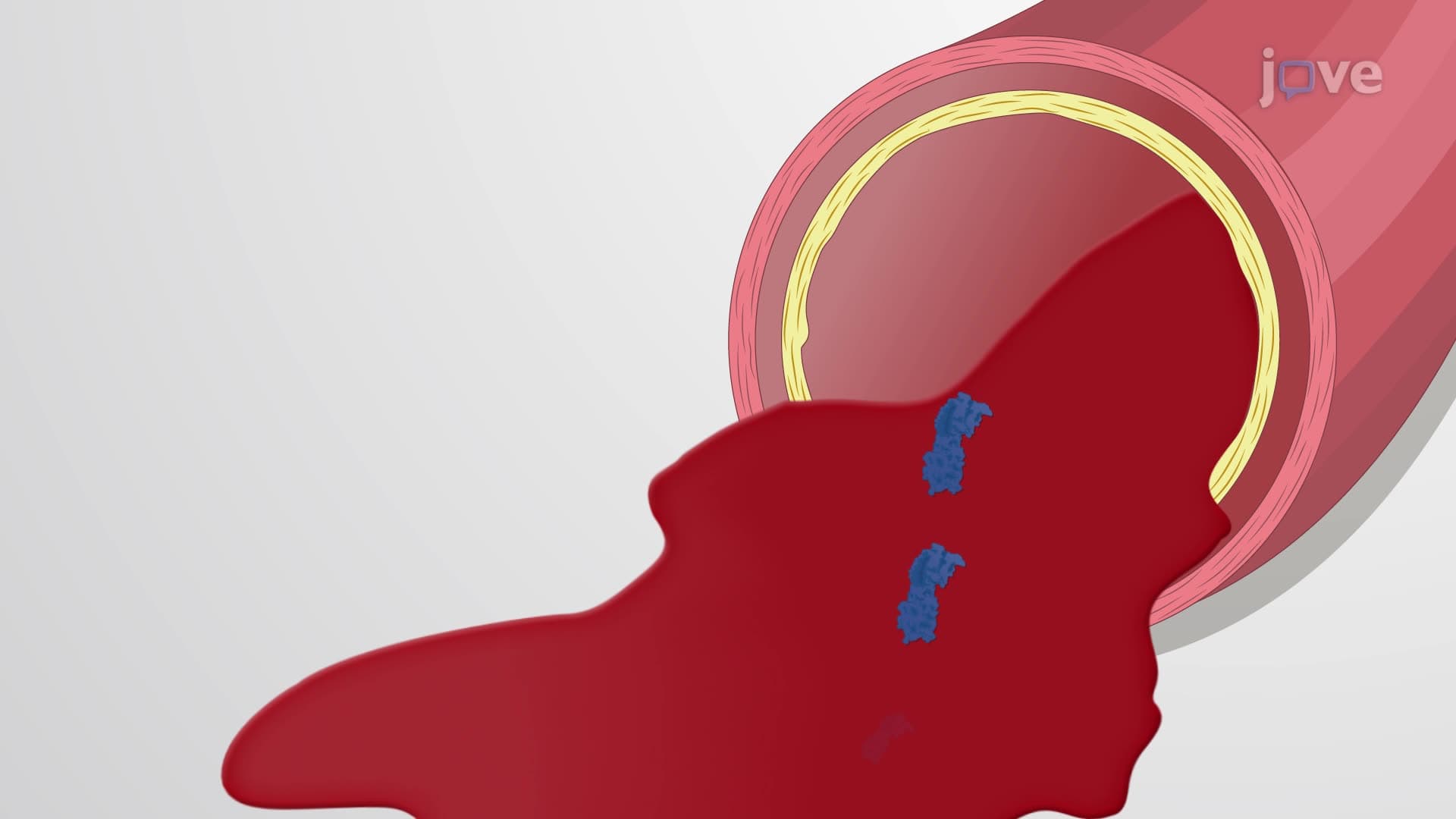
Bleeding disorders represent the opposite extreme, where inadequate clot formation leads to prolonged or spontaneous bleeding. Thrombocytopenia platelet disorder exemplifies this category, where low platelet counts (below 150,000 per microliter) result in petechiae-those characteristic purple spots caused by capillary bleeding.
Hemophilia clotting disorder represents the most well-known inherited bleeding disorder. Hemophilia A (Factor VIII deficiency) affects 1 in 5,000 US males, while Hemophilia B (Factor IX deficiency) occurs in 1 in 25,000 males. The Hemophilia Federation of America supports thousands of patients who require factor replacement therapy at specialized treatment centers across the United States.
Von Willebrand disease, the most common inherited bleeding disorder, affects up to 1% of the US population. Unlike hemophilia's X-linked inheritance, von Willebrand disease follows autosomal inheritance patterns, affecting both males and females equally.
Understanding these disorders proves essential for pre-health students. The MCAT frequently tests knowledge of clotting cascades and their disruptions, while AP Biology exams emphasize the genetic basis of inherited bleeding disorders. College physiology courses at institutions like Johns Hopkins emphasize how DIC hemostasis disorder (disseminated intravascular coagulation) represents a medical emergency where both clotting and bleeding occur simultaneously.
Related Micro-courses