Loading video…


 29 Concepts
 135.5K views

Video Summary: What are Disorders of Leukocytes
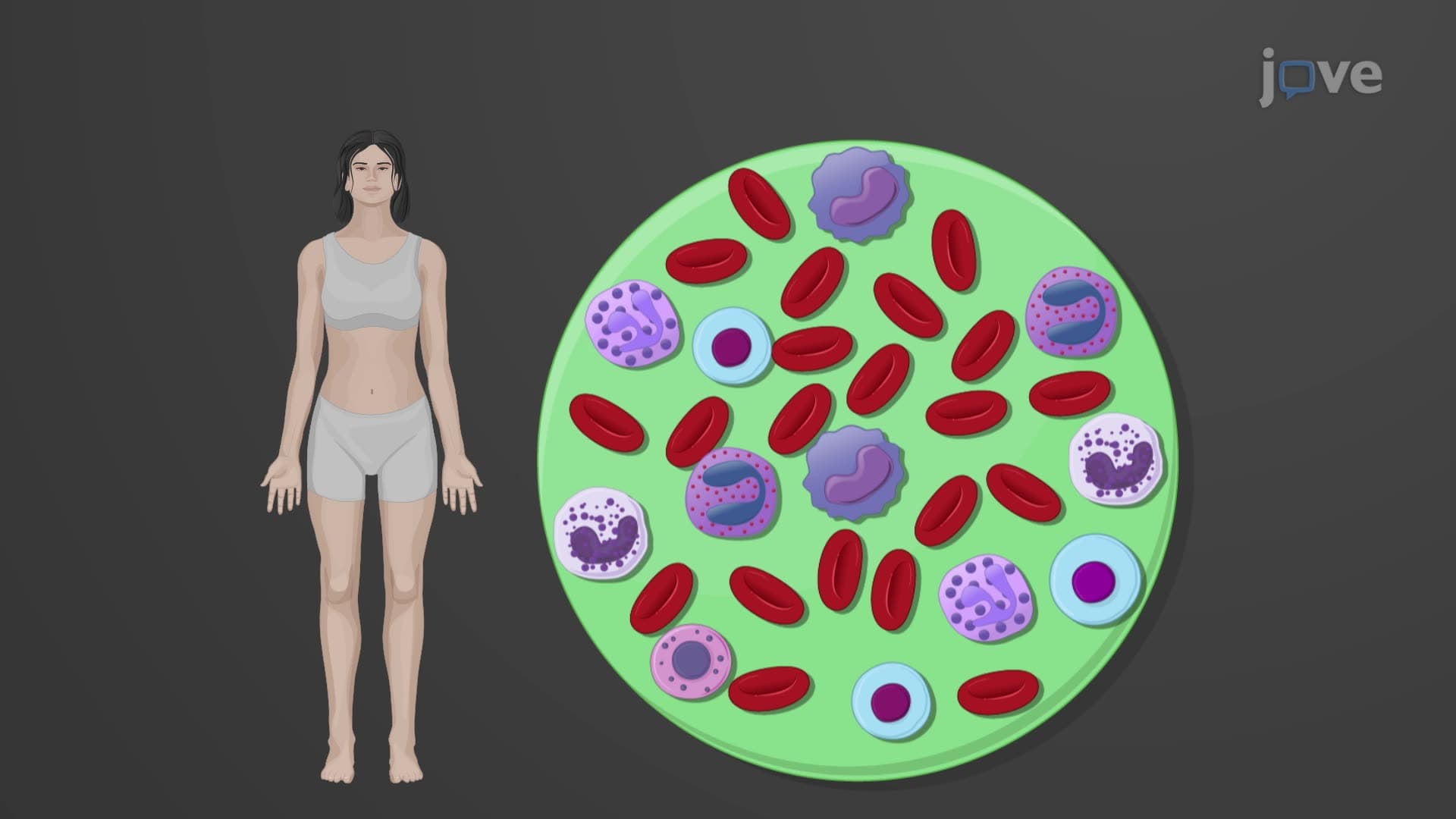
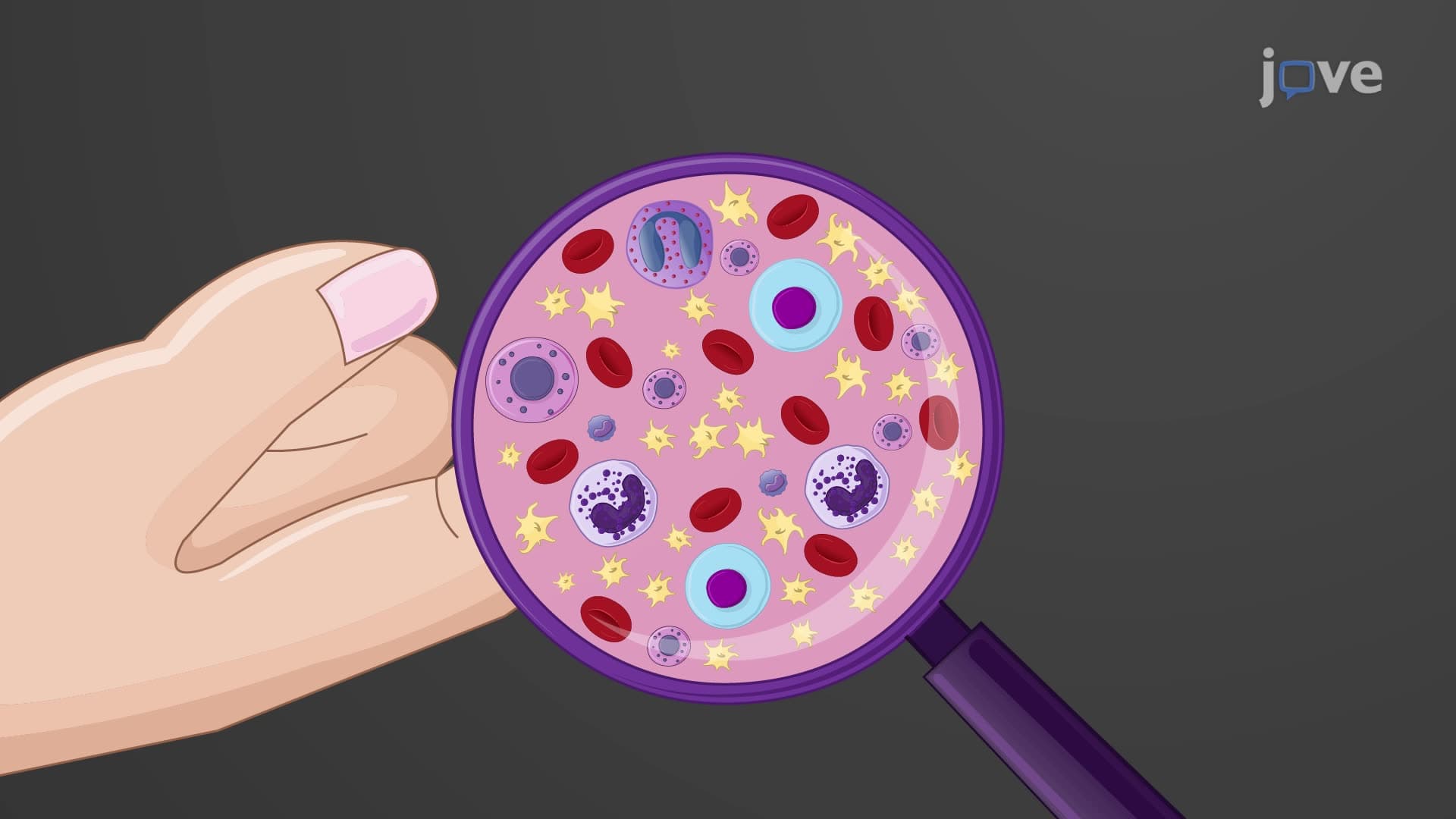
Did you know that a single drop of blood contains thousands of white blood cells, yet their numbers can vary dramatically in disease? Leukocyte disorders biology encompasses conditions where white blood cell counts become dangerously low or extremely high, affecting the body's ability to fight infections and maintain health. From cancer patients at MD Anderson Cancer Center experiencing treatment-related leukopenia to athletes developing temporary leukocytosis after intense training, understanding what are the disorders of leukocytes is crucial for recognizing when our immune system needs medical attention. Watch the full video on JoVE Coach to master this concept with expert-led visuals and step-by-step explanations.
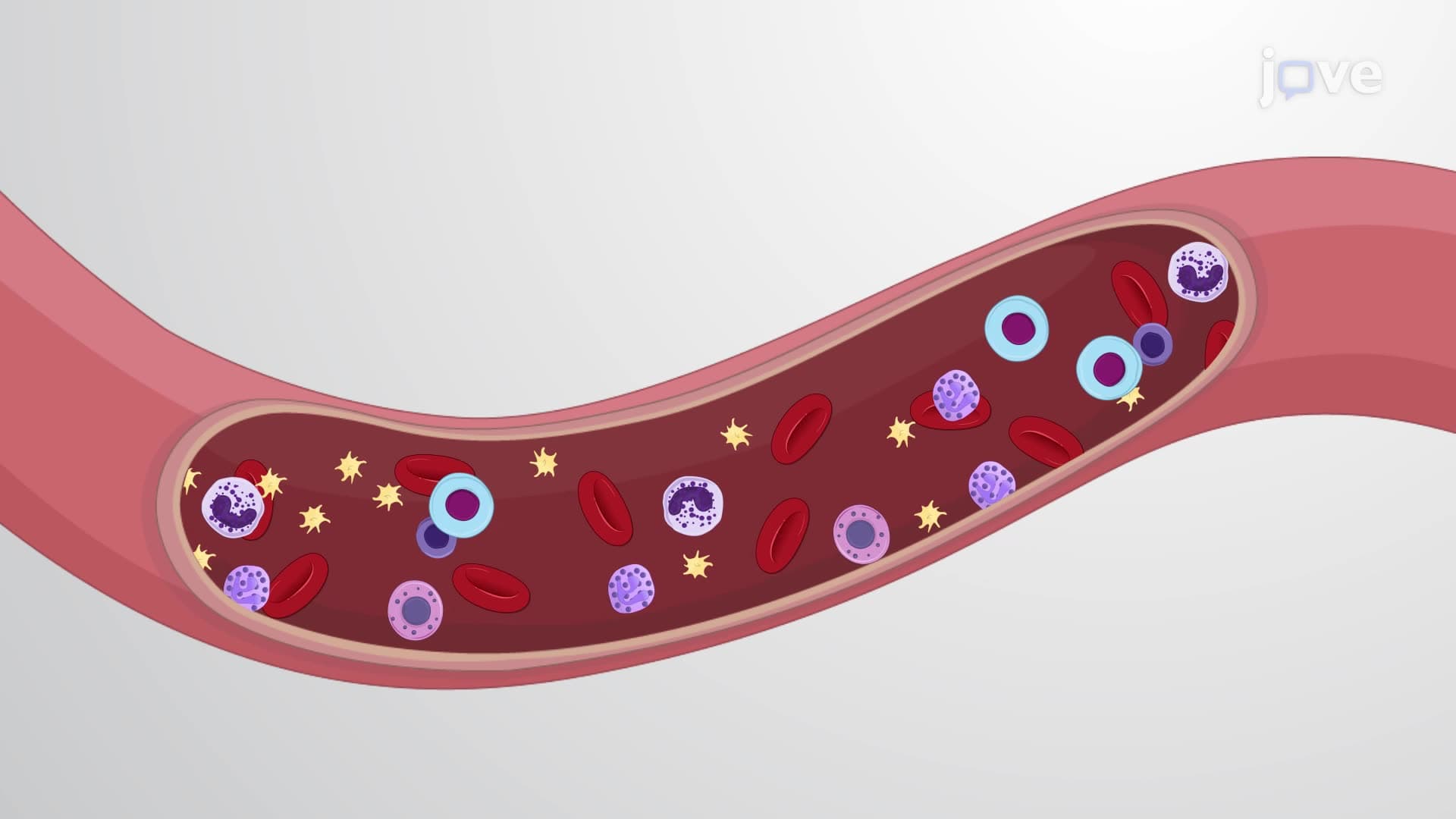
White blood cell disorders represent some of the most clinically significant conditions in hematology, affecting millions of Americans annually. These disorders fundamentally disrupt the body's primary defense mechanism, leaving patients vulnerable to infections or indicating serious underlying pathology. The two main categories-leukopenia and leukocytosis-represent opposite ends of the spectrum but both require careful medical evaluation and management.
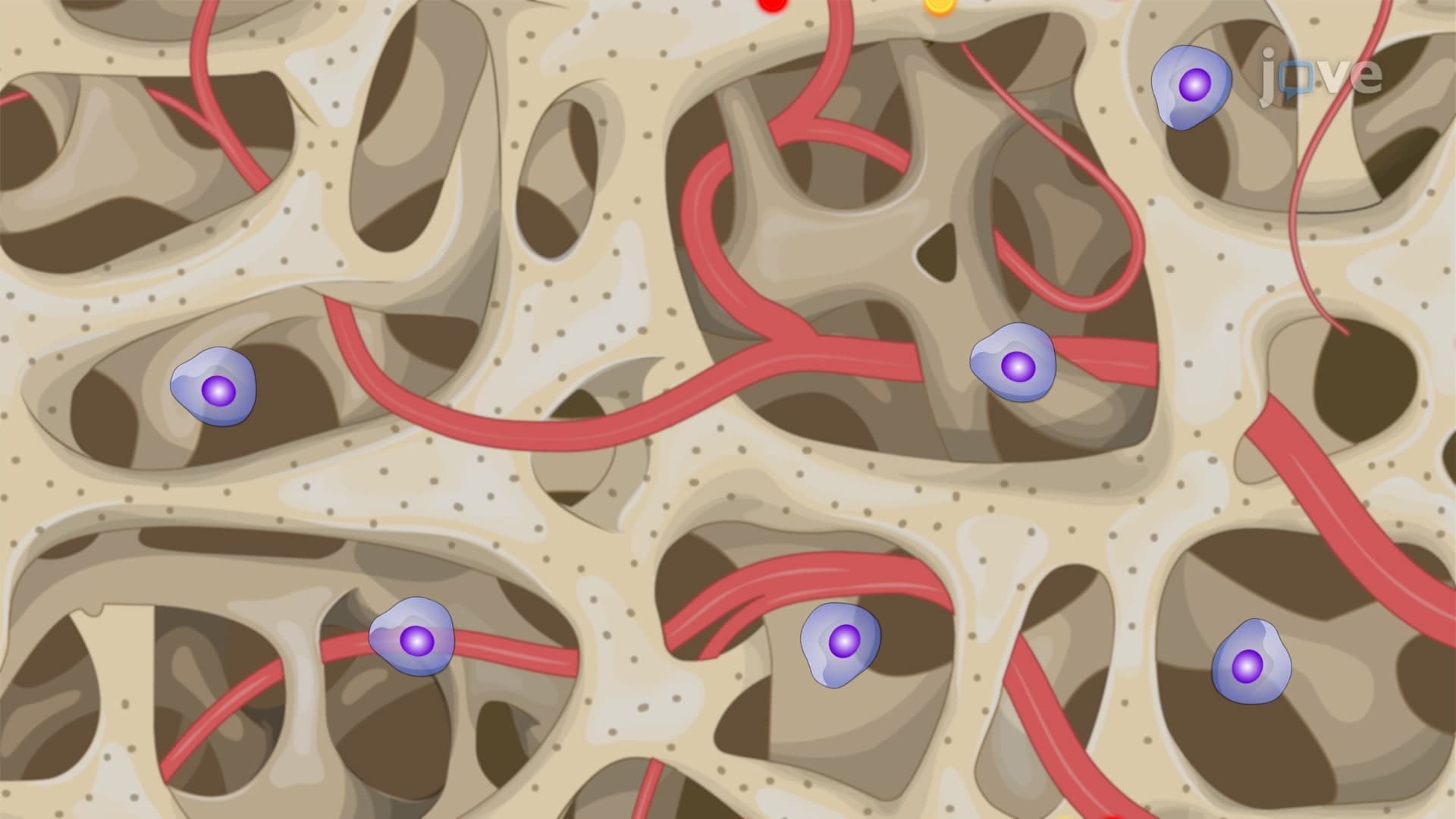
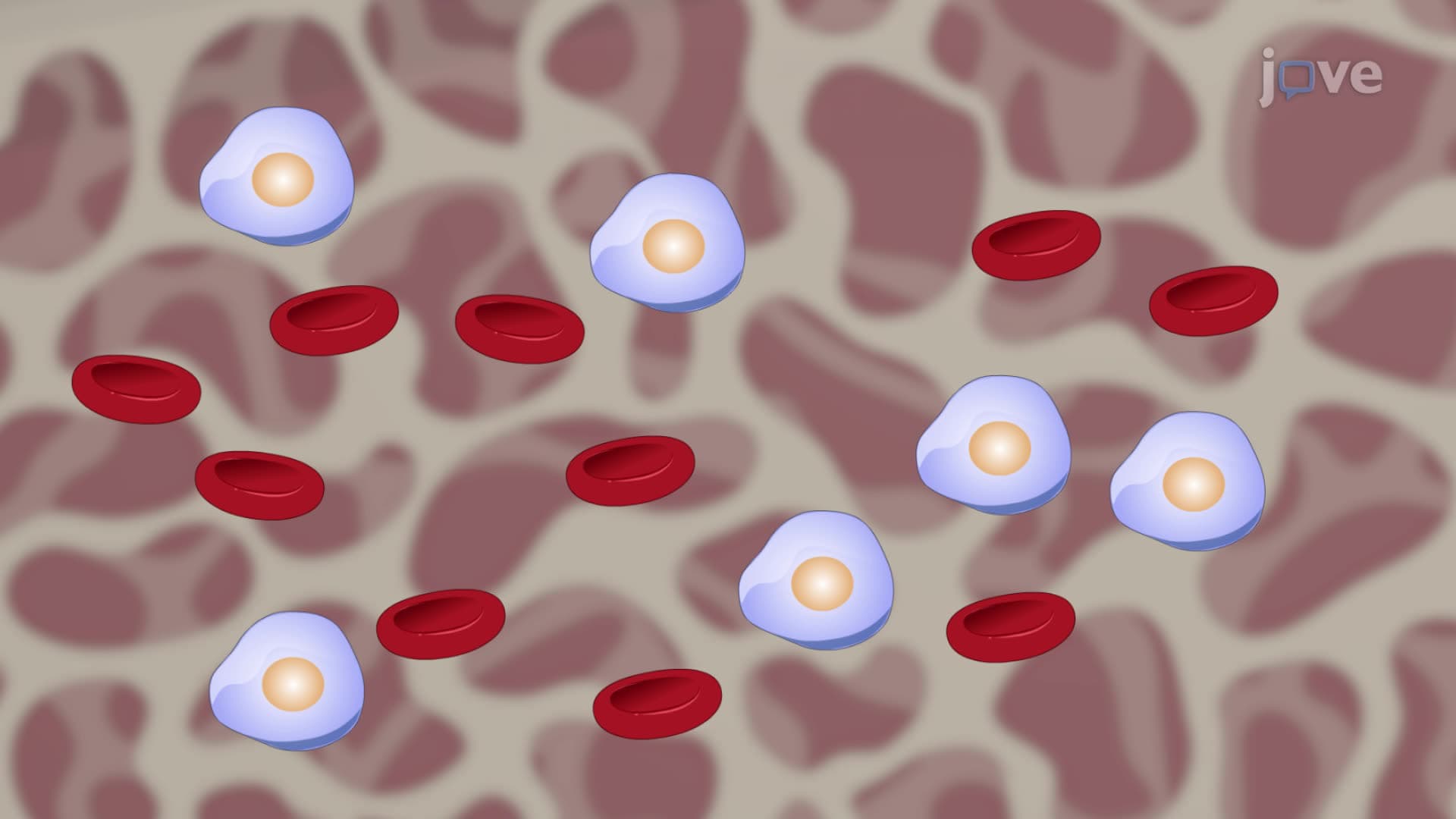
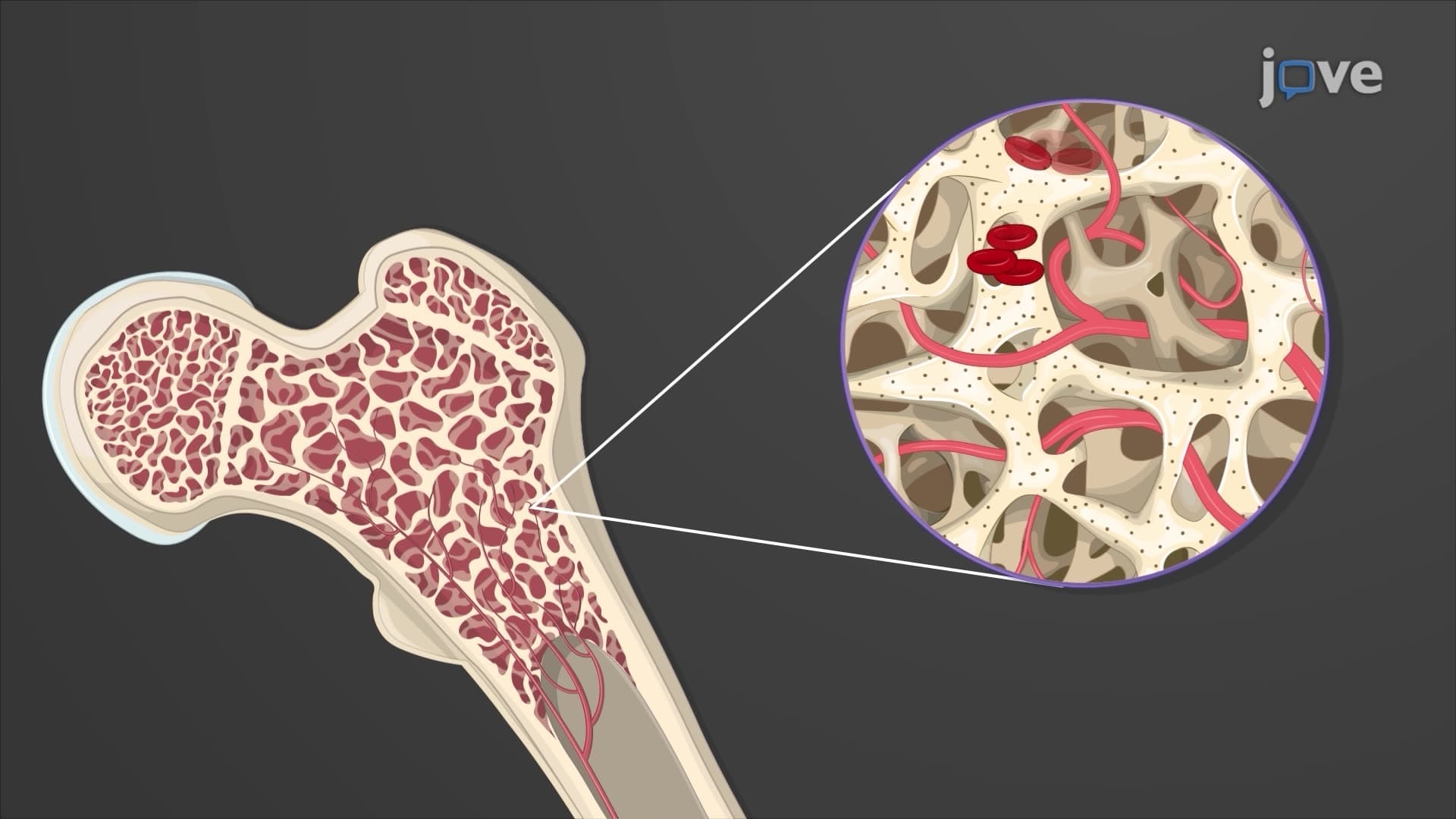
Leukopenia, characterized by abnormally low white blood cell counts (typically below 4,000 cells per microliter), creates a compromised immune state that significantly increases infection risk. Bone marrow disorders represent a primary cause, with conditions like aplastic anemia destroying the bone marrow's ability to produce adequate white blood cells. Multiple myeloma, a blood cancer affecting approximately 35,000 Americans annually according to the American Cancer Society, infiltrates bone marrow and disrupts normal hematopoiesis.
Autoimmune conditions like systemic lupus erythematosus create leukopenia through a different mechanism-the immune system mistakenly attacks cells responsible for white blood cell production. Similarly, viral infections, particularly HIV, can severely deplete white blood cell populations. Students preparing for AP Biology or college-level immunology courses should understand that leukopenia isn't just a number on a lab report-it represents a clinical emergency requiring immediate medical intervention in severe cases.
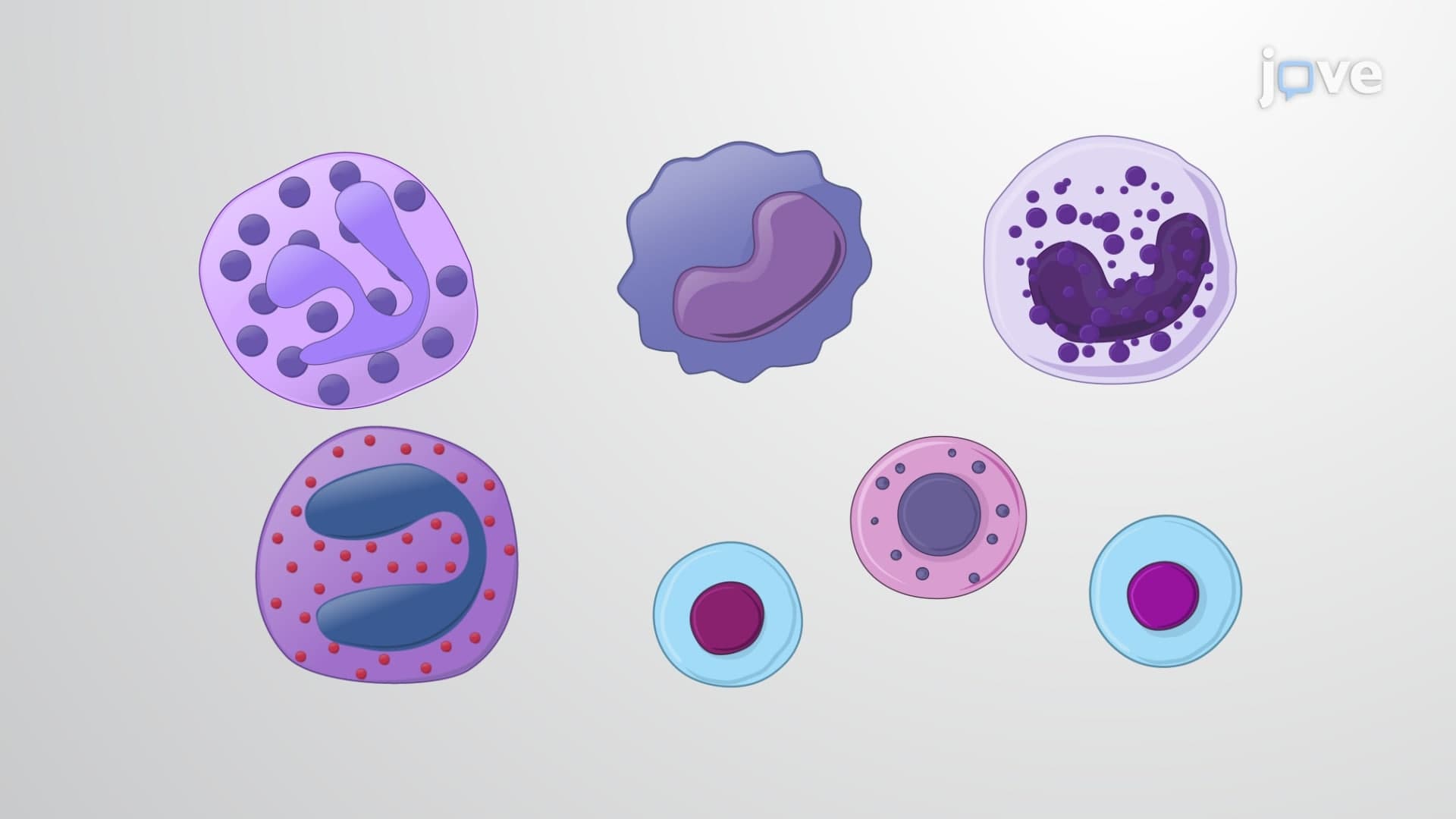
Leukocytosis, defined as white blood cell counts exceeding normal ranges (typically above 11,000 cells per microliter), often represents the body's natural response to infection or inflammation. During bacterial pneumonia, for example, neutrophil counts can increase dramatically as the immune system mobilizes to combat the infectious threat. This physiological response helps students understand that not all elevated white blood cell counts indicate disease.
However, extreme leukocytosis-particularly counts exceeding 100,000 cells per microliter-almost invariably suggests leukemia. These blood cancers are classified along two major axes: progression speed (acute versus chronic) and cell lineage affected (myeloid versus lymphoid). Acute myeloid leukemia (AML) progresses rapidly and affects myeloid cells, while chronic lymphocytic leukemia (CLL) develops slowly within the lymphoid lineage. Understanding this classification system is crucial for MCAT preparation and medical school coursework.
Infectious mononucleosis, commonly caused by the Epstein-Barr virus and frequently seen in college students, presents unique diagnostic challenges. The condition produces atypical lymphocytes that can be morphologically confused with monocytes, highlighting why laboratory medicine requires both quantitative and qualitative white blood cell analysis. This concept frequently appears on NCLEX examinations and emphasizes the importance of comprehensive blood work interpretation in clinical settings.
Related Micro-courses