Loading video…


 29 Concepts
 135.5K views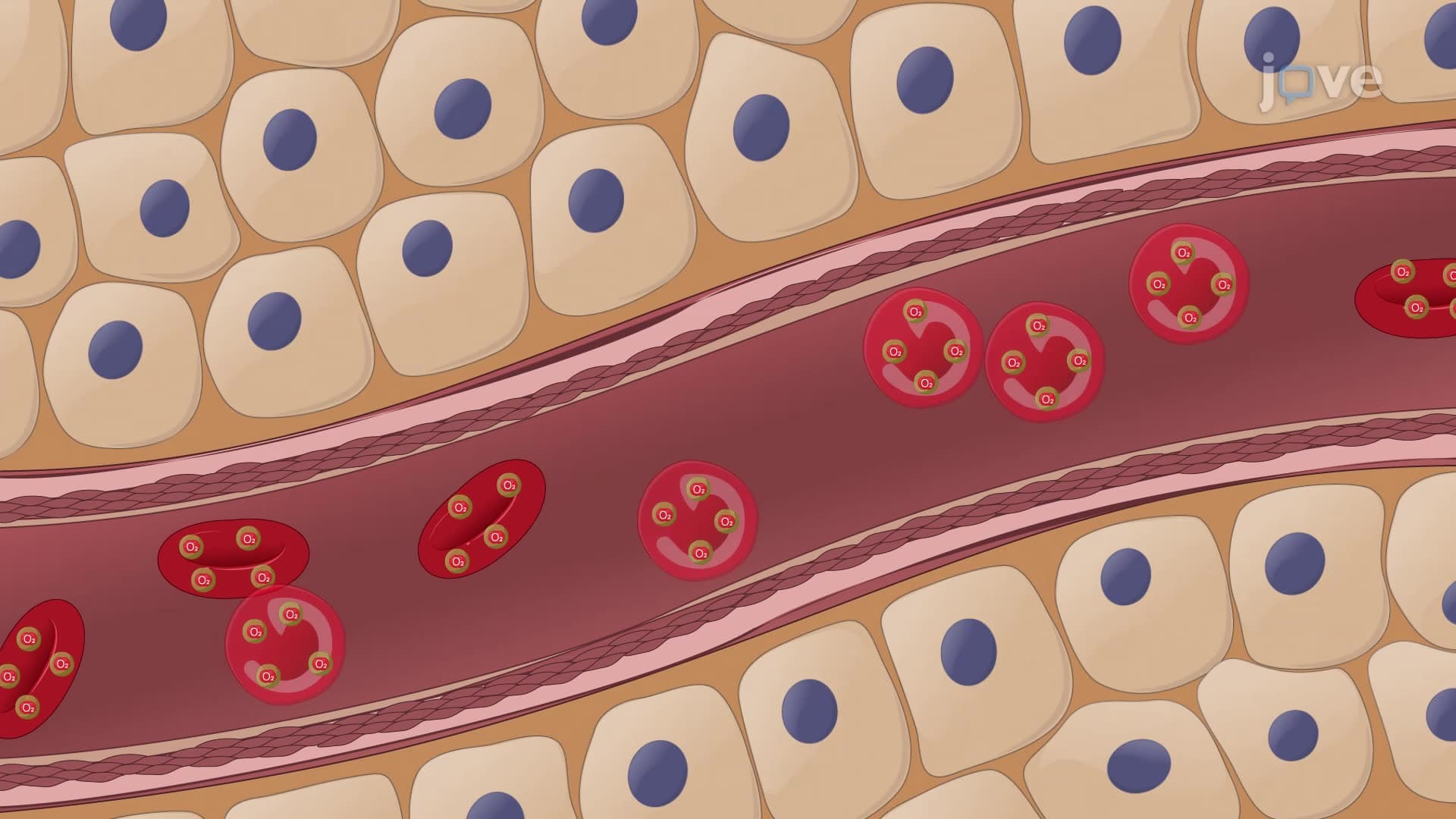

Video Summary: What are Factors Affecting Erythropoiesis
Why do professional athletes training in Colorado's high altitudes often see improved endurance when competing at sea level? The answer lies in factors affecting erythropoiesis, the complex biological processes that control red blood cell production. When Olympic training centers like the U.S. Olympic Training Center in Colorado Springs expose athletes to lower oxygen levels, their bodies respond by ramping up erythropoiesis to maintain optimal oxygen delivery. Watch the full video on JoVE Coach to master this concept with expert-led visuals and step-by-step explanations.
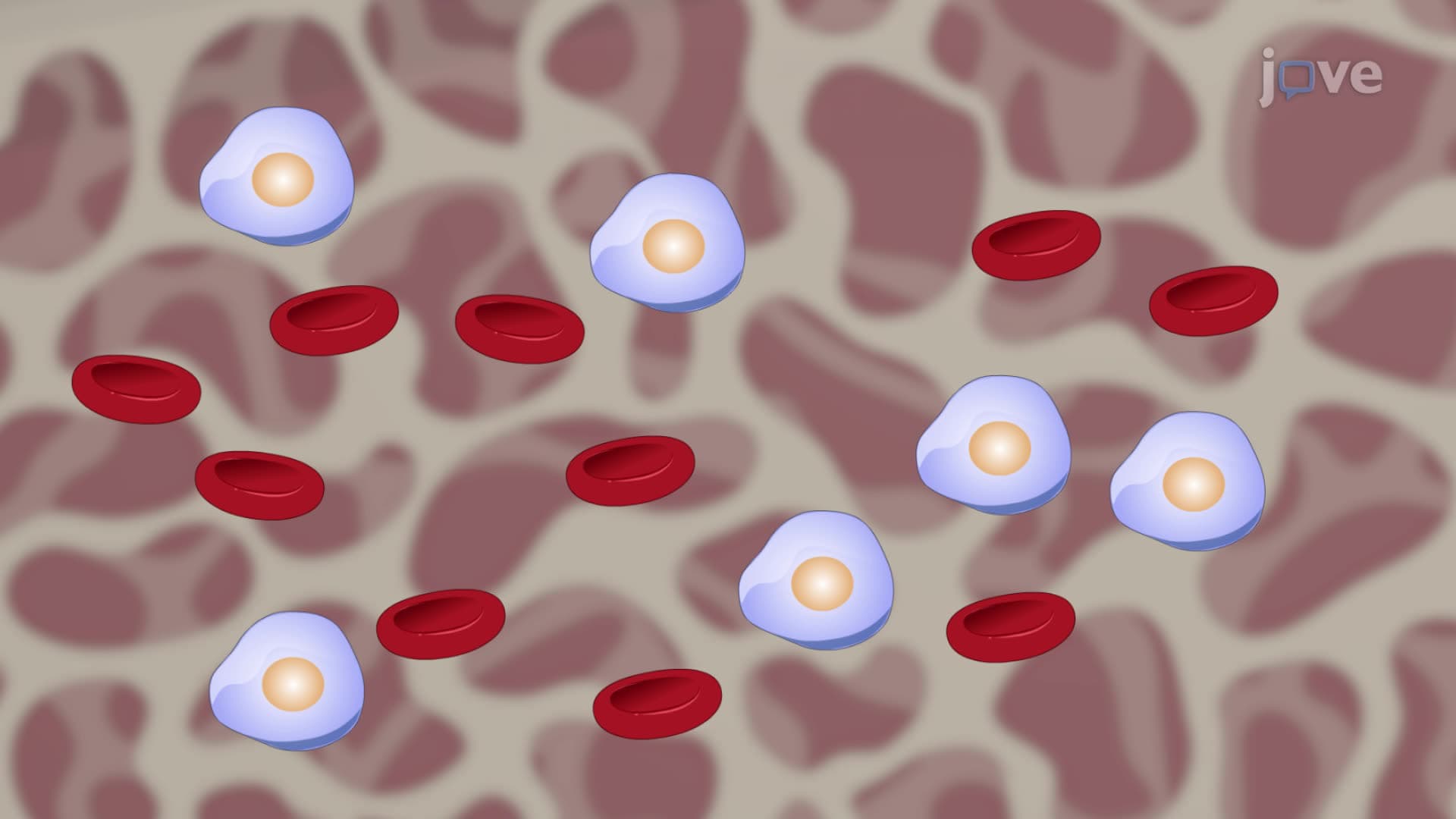
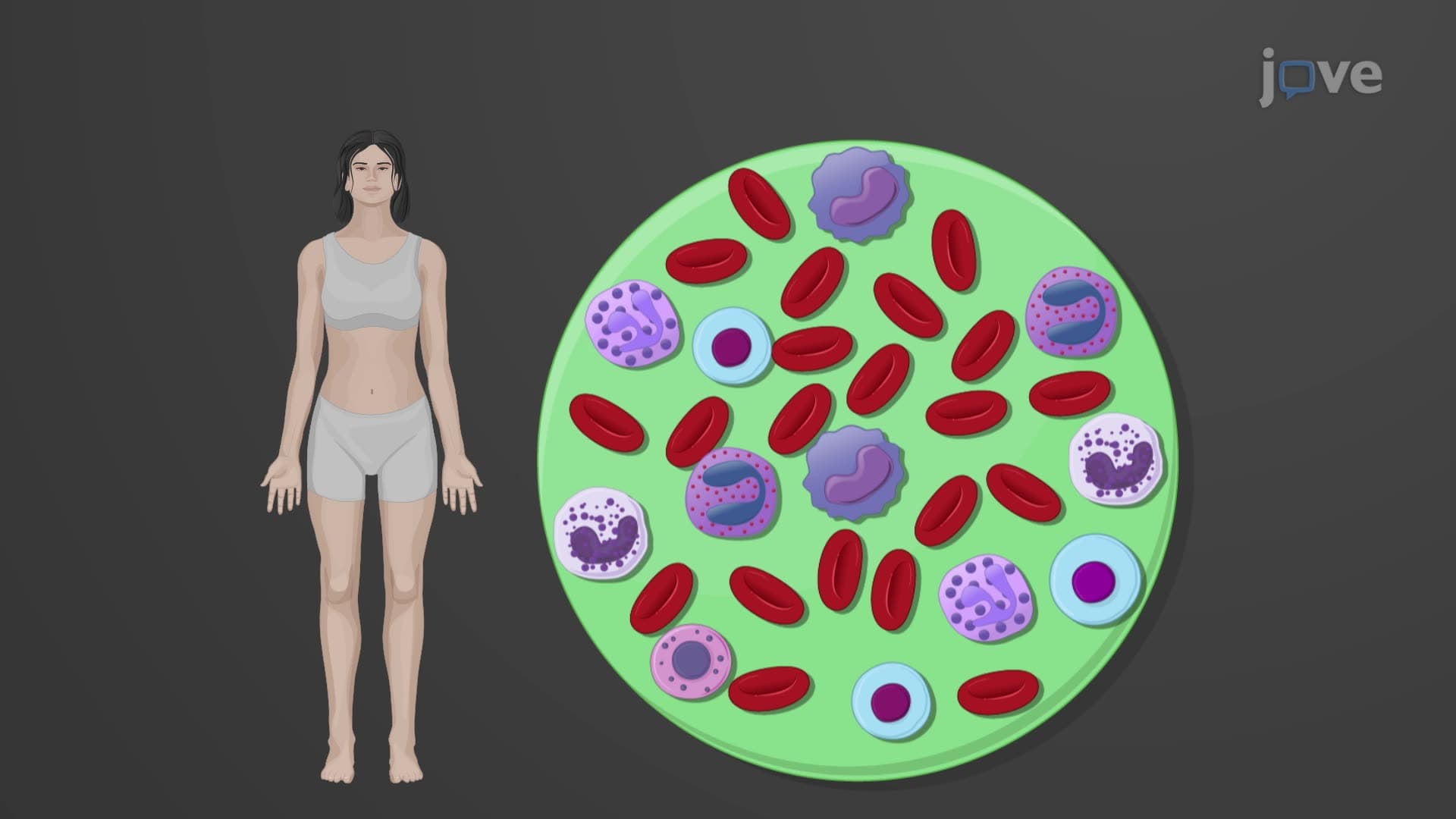
Erythropoiesis, the production of red blood cells, represents one of the most tightly regulated processes in human physiology. Multiple interconnected factors work together to ensure that your body produces exactly the right number of erythrocytes to meet tissue oxygen demands without compromising blood flow dynamics.
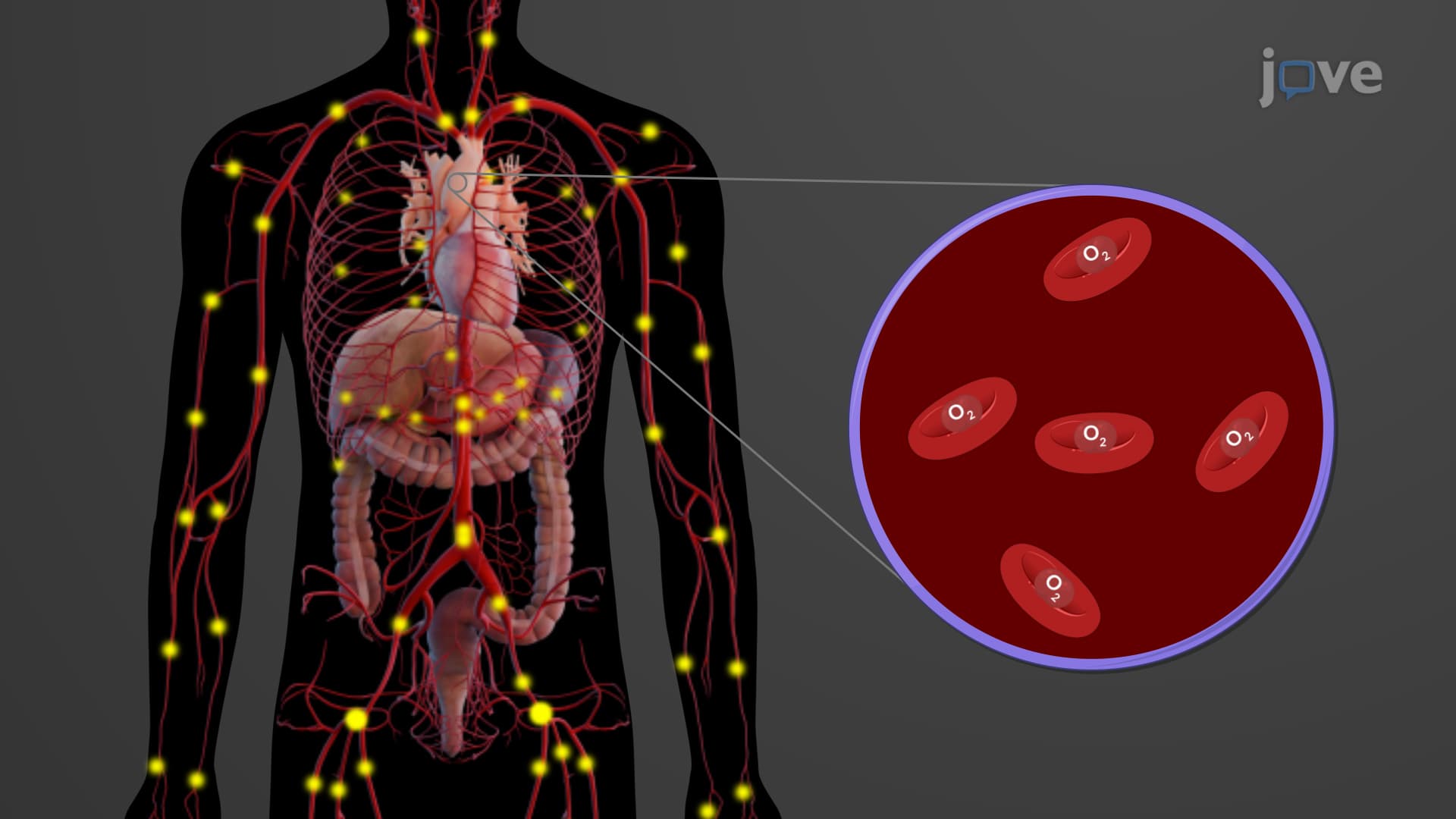
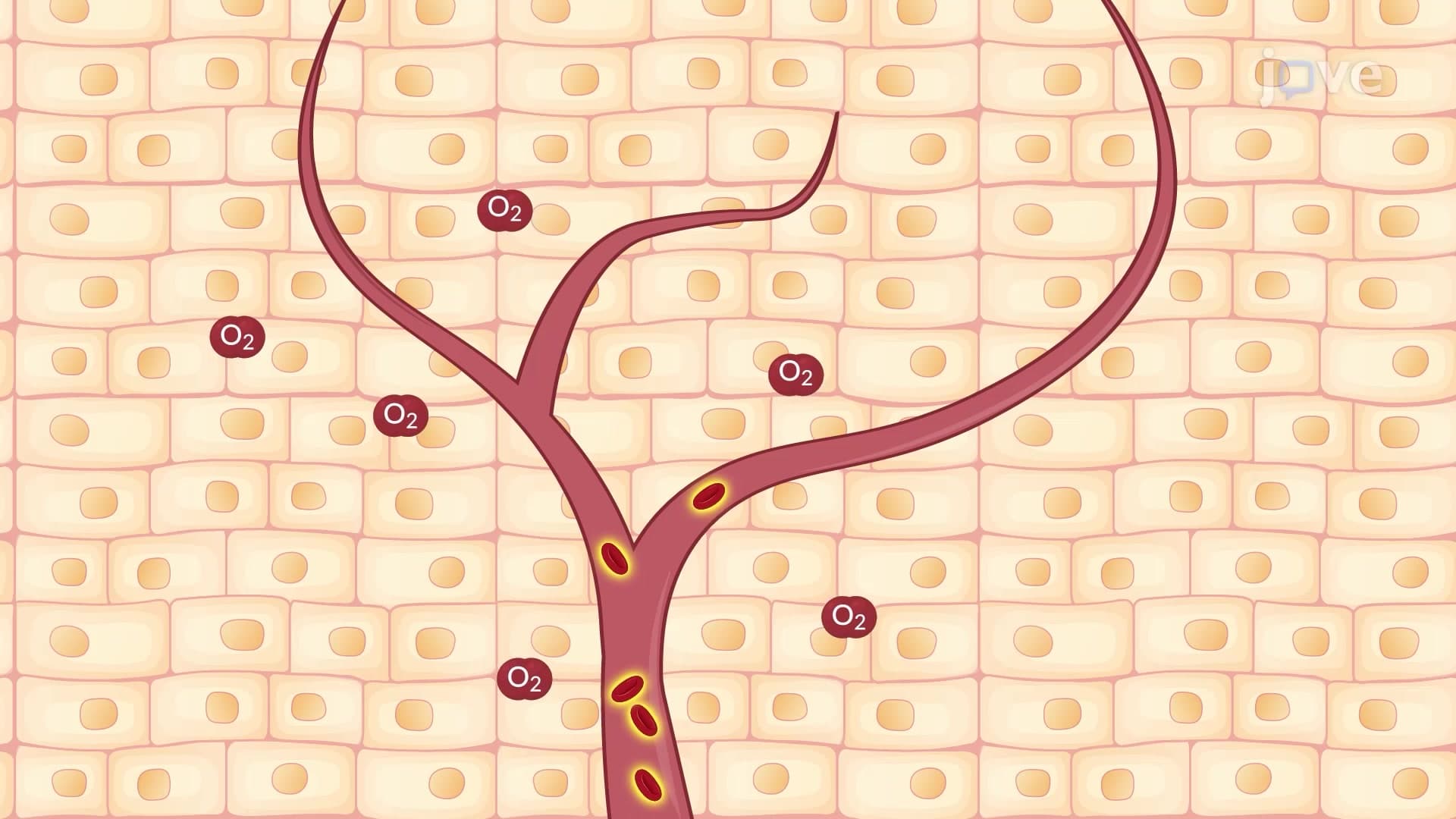
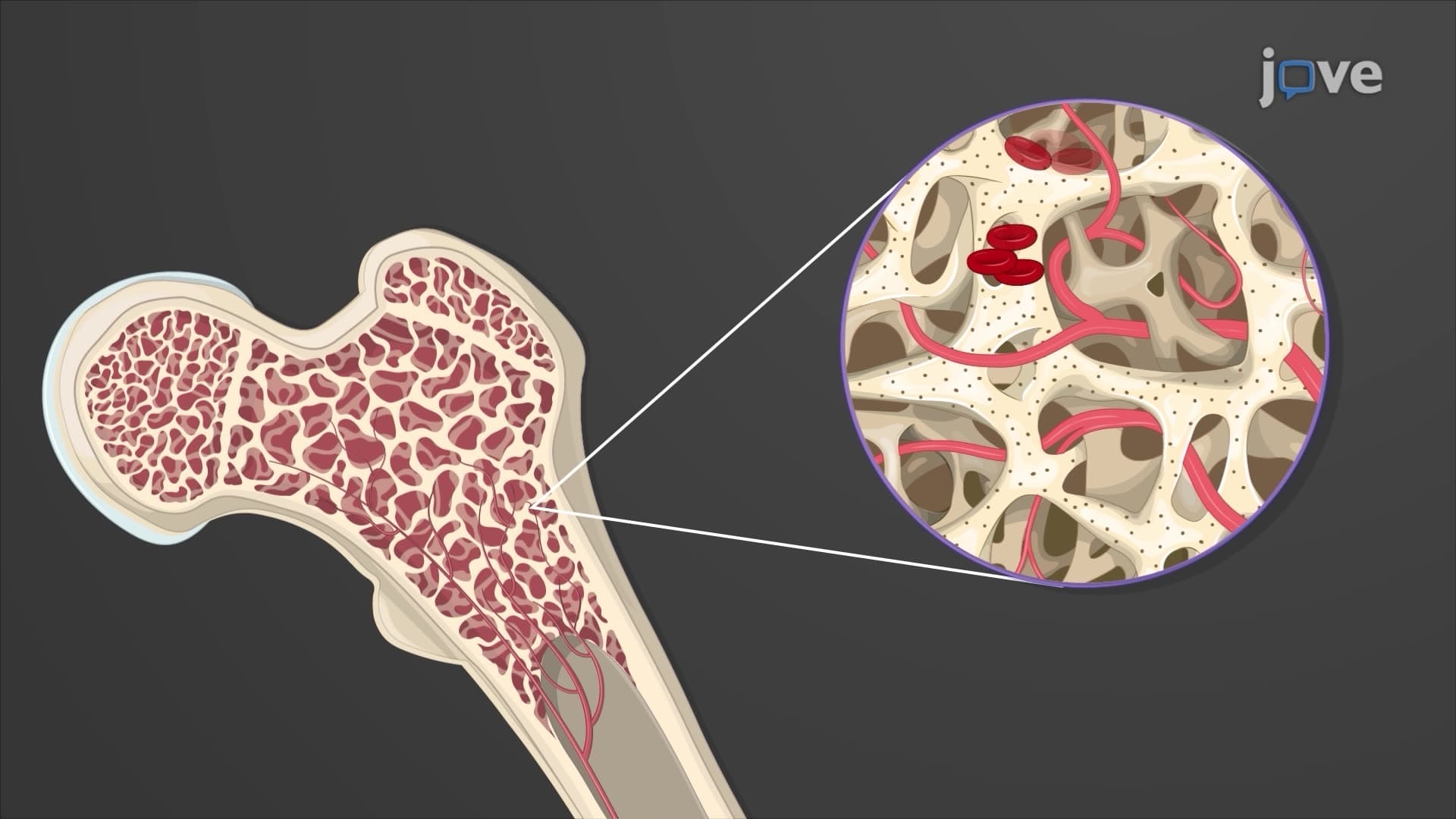
The primary driver of erythropoiesis is tissue oxygen availability. When cells don't receive adequate oxygen, whether from intense exercise, high altitude exposure, or blood loss, specialized cells in the kidneys detect this hypoxic state. These peritubular cells respond by increasing production of erythropoietin (EPO), a glycoprotein hormone that serves as the master regulator of red blood cell production.
Consider students attending the University of Colorado Boulder at 5,400 feet elevation. Within days of arrival from sea level, their kidneys begin producing more EPO, stimulating bone marrow to increase erythrocyte production. This adaptation explains why many NCAA Division I programs recruit internationally from high-altitude regions, where athletes naturally develop enhanced oxygen-carrying capacity.
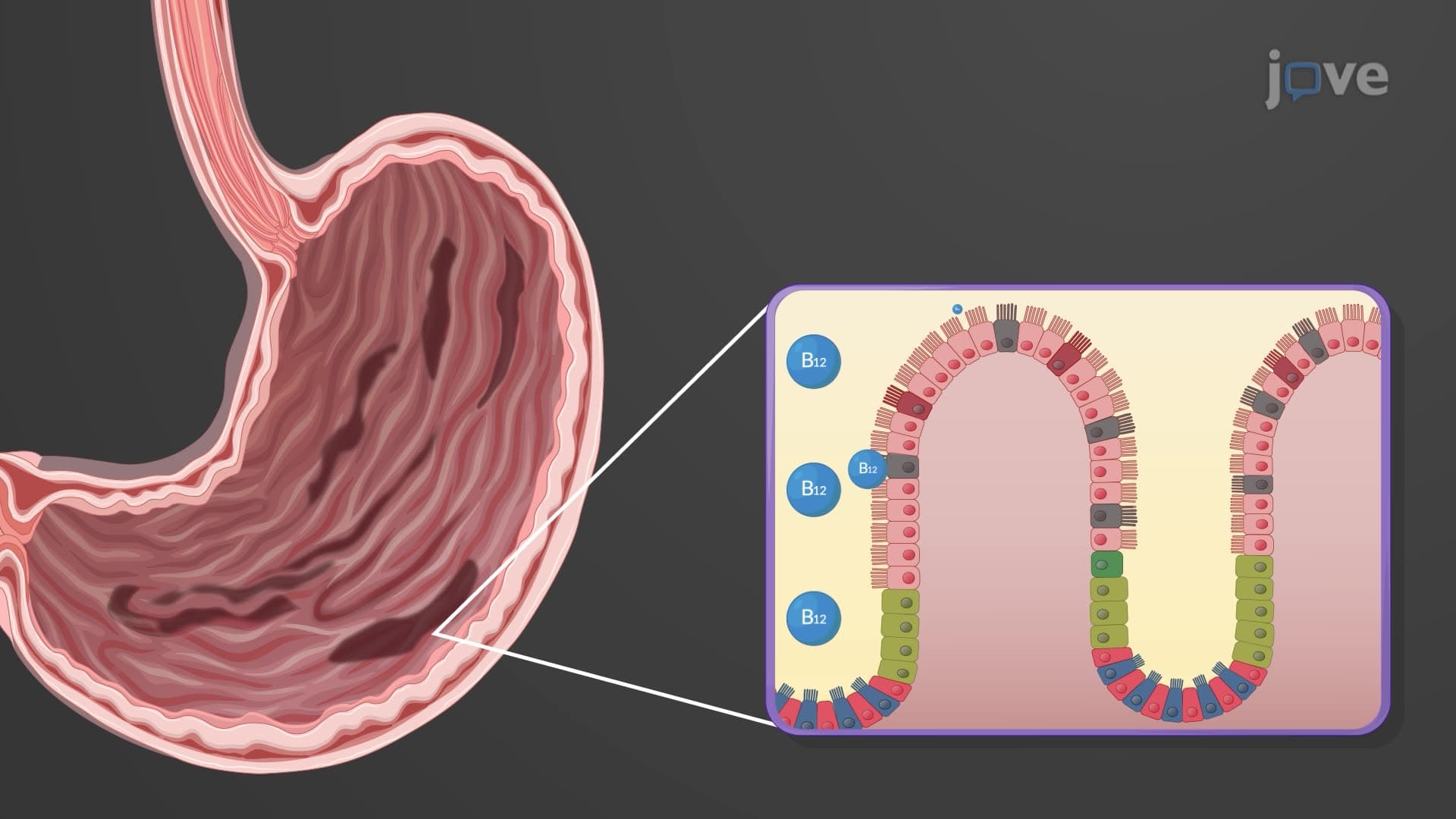
Beyond oxygen regulation, erythropoiesis depends critically on adequate nutrition, particularly vitamins B9 (folate) and B12 (cobalamin). These vitamins are essential cofactors for DNA synthesis during erythrocyte maturation. When deficient, developing red blood cells cannot properly complete nuclear division, resulting in enlarged, fragile macrocytes with shortened lifespans.
This nutritional dependence frequently appears on AP Biology exams and MCAT questions, where students must connect molecular-level processes to clinical presentations. For instance, vegans who don't supplement B12 may develop megaloblastic anemia, demonstrating how dietary choices directly impact erythropoiesis at the cellular level.
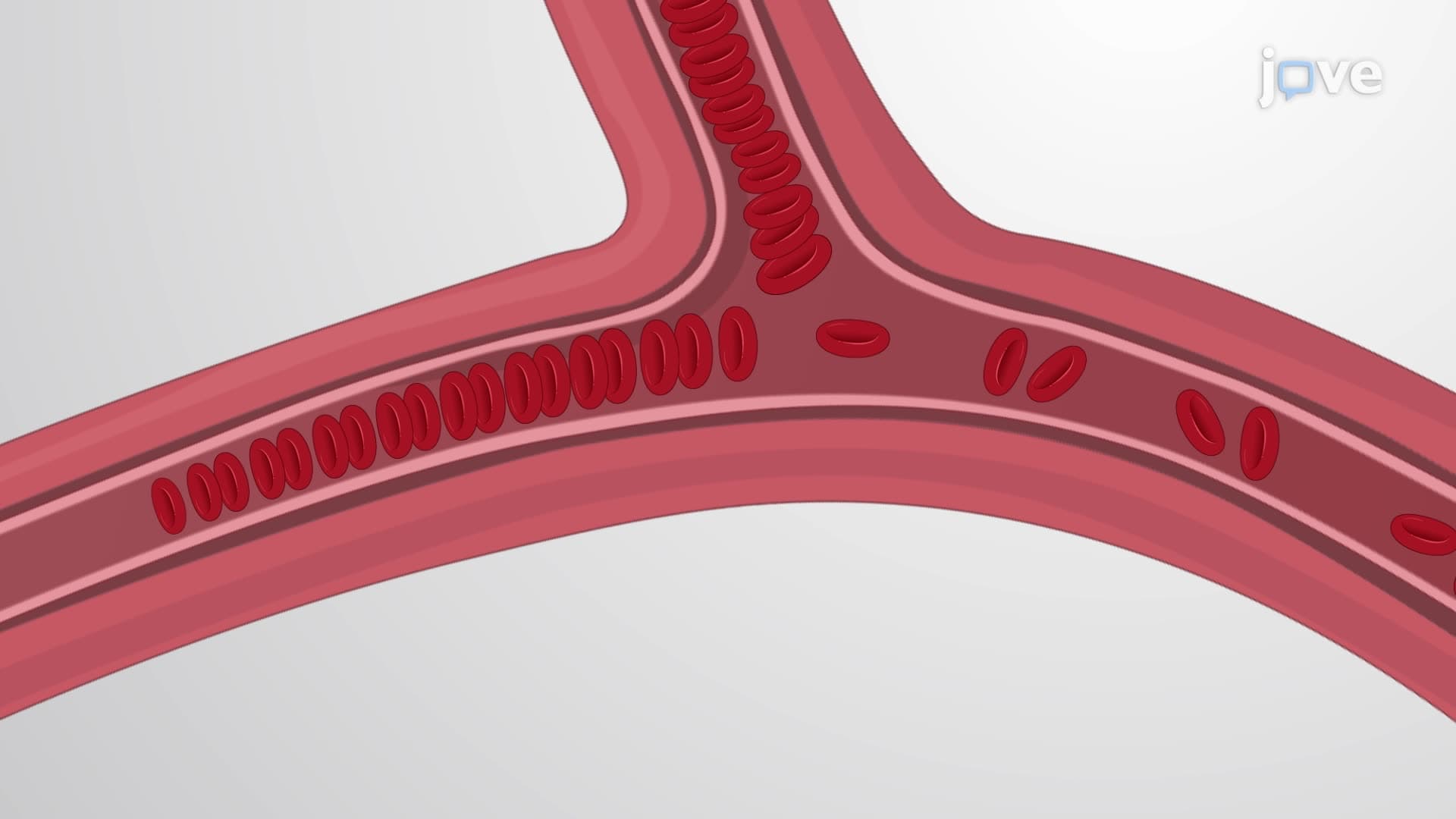
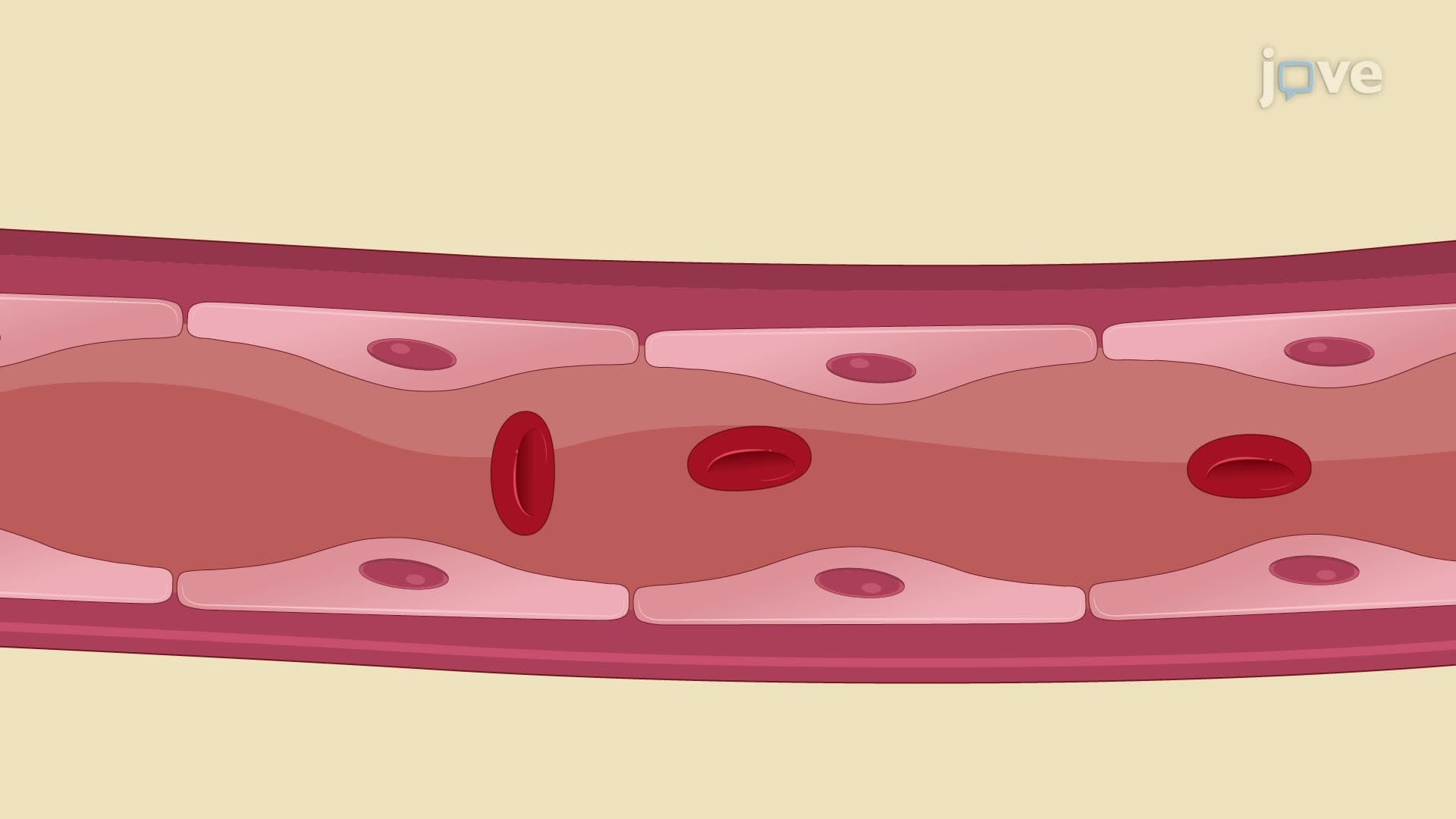
The regulation of erythropoiesis involves sophisticated feedback loops that prevent overproduction. As new erythrocytes enter circulation and tissue oxygen levels normalize, EPO production decreases, slowing further red blood cell formation. This prevents polycythemia, excessive red blood cell production that can dangerously increase blood viscosity.
Understanding these regulatory mechanisms helps explain why recombinant EPO became a performance-enhancing drug in competitive cycling and why the World Anti-Doping Agency monitors hematocrit levels in athletes. It also provides the foundation for understanding how chronic kidney disease patients, who cannot produce adequate EPO, require synthetic hormone replacement therapy.
Related Micro-courses