Loading subject page…


135,525 views

Video Summary: What are Production of Formed Elements
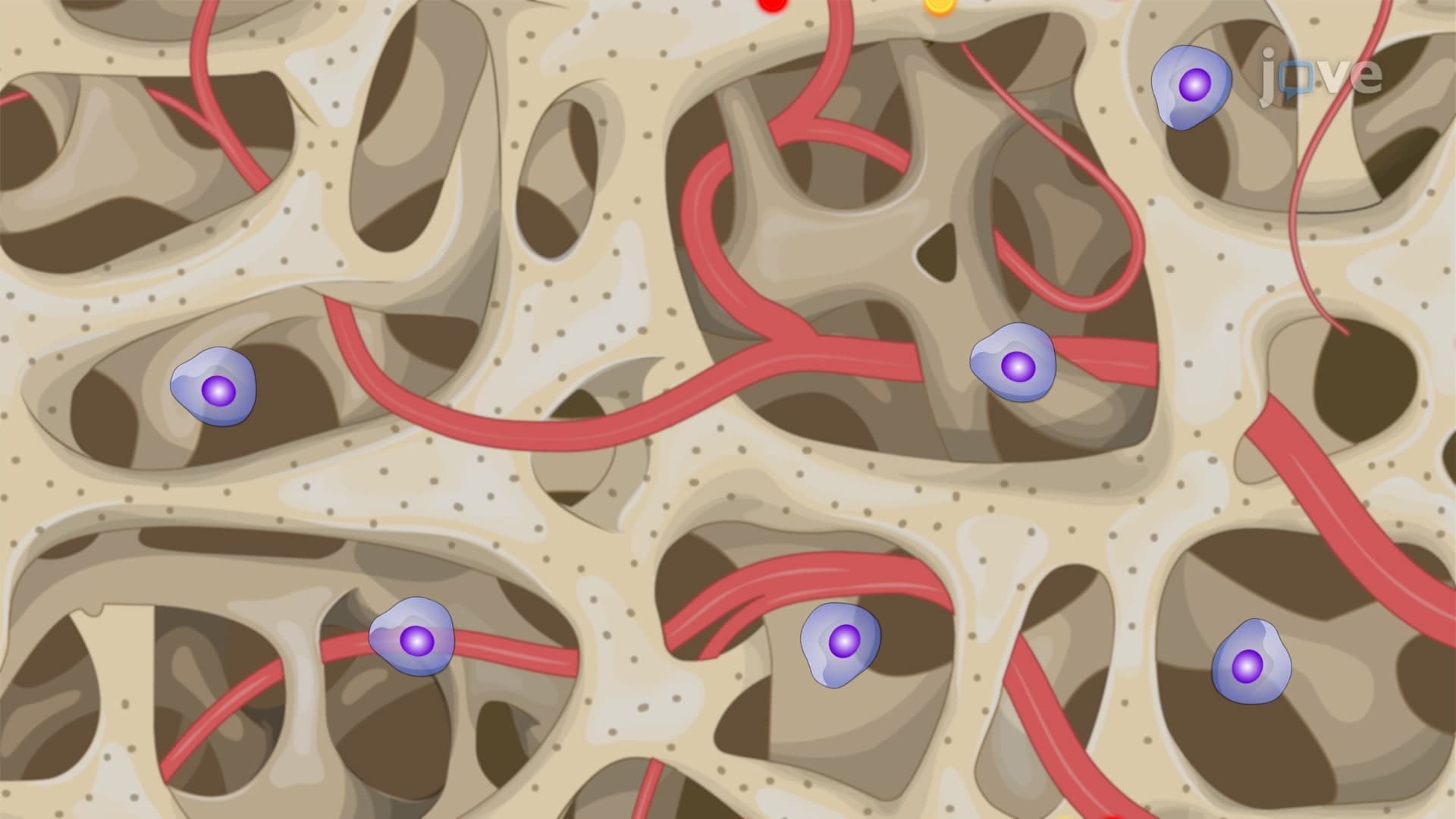
Every second, your body produces approximately 2.5 million red blood cells-that's enough to replace your entire blood supply in just 120 days! The formed elements blood production process begins with specialized stem cells called hematopoietic stem cells (HSCs) that live primarily in your bone marrow. For example, when a patient at Johns Hopkins Hospital receives chemotherapy, their HSC production can be temporarily disrupted, requiring careful monitoring of blood cell counts. Watch the full video on JoVE Coach to master this concept with expert-led visuals and step-by-step explanations.
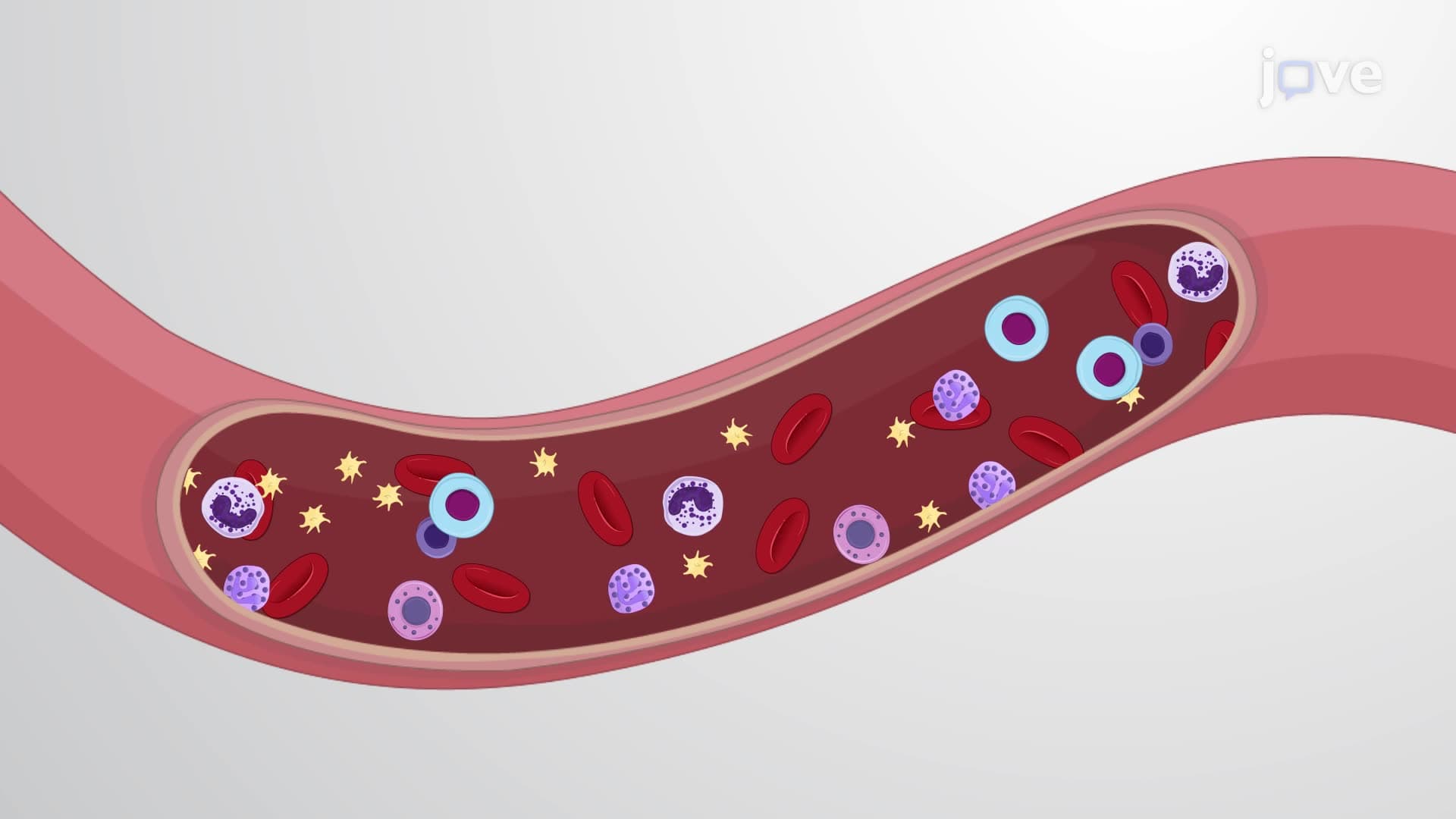
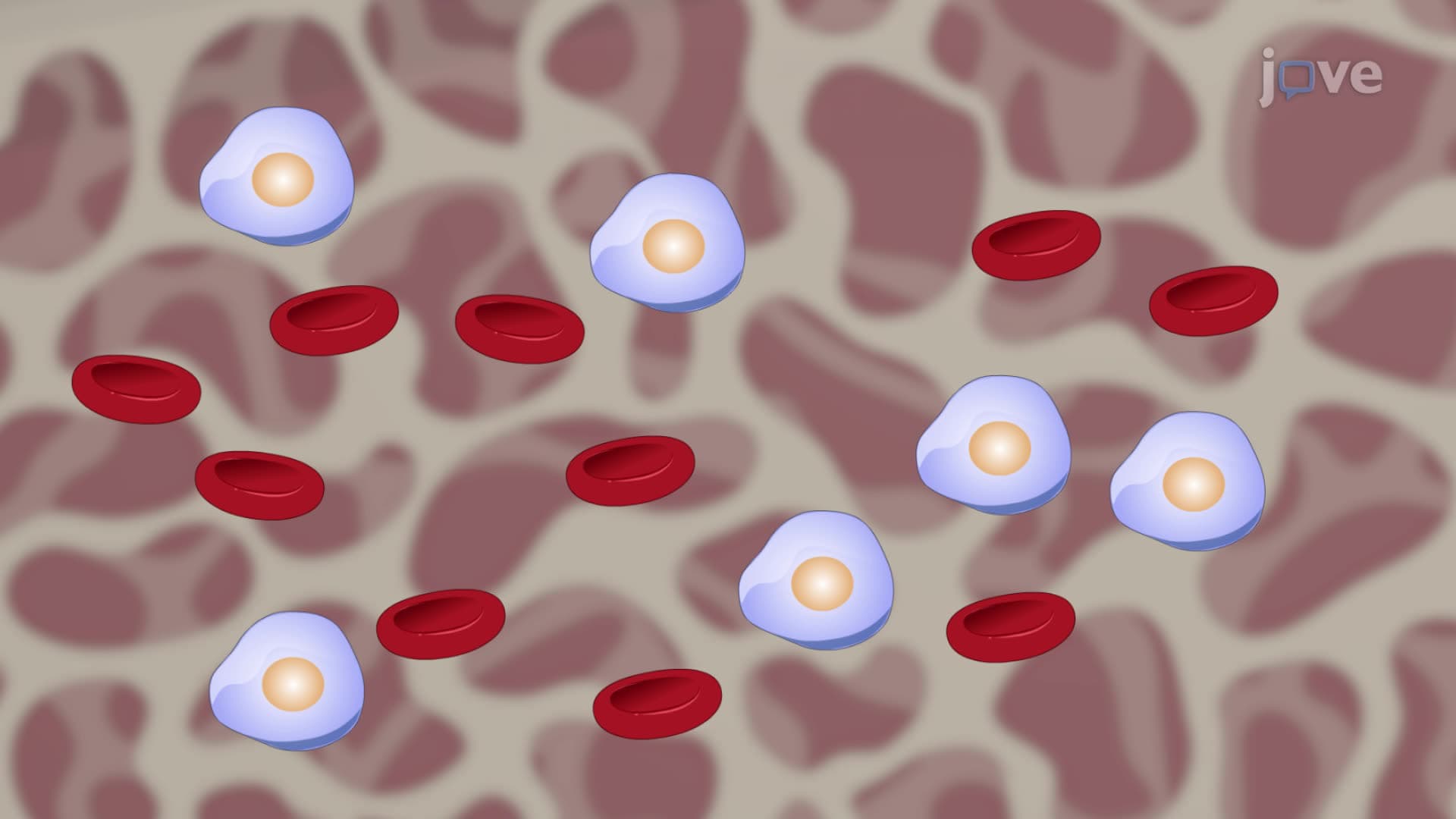
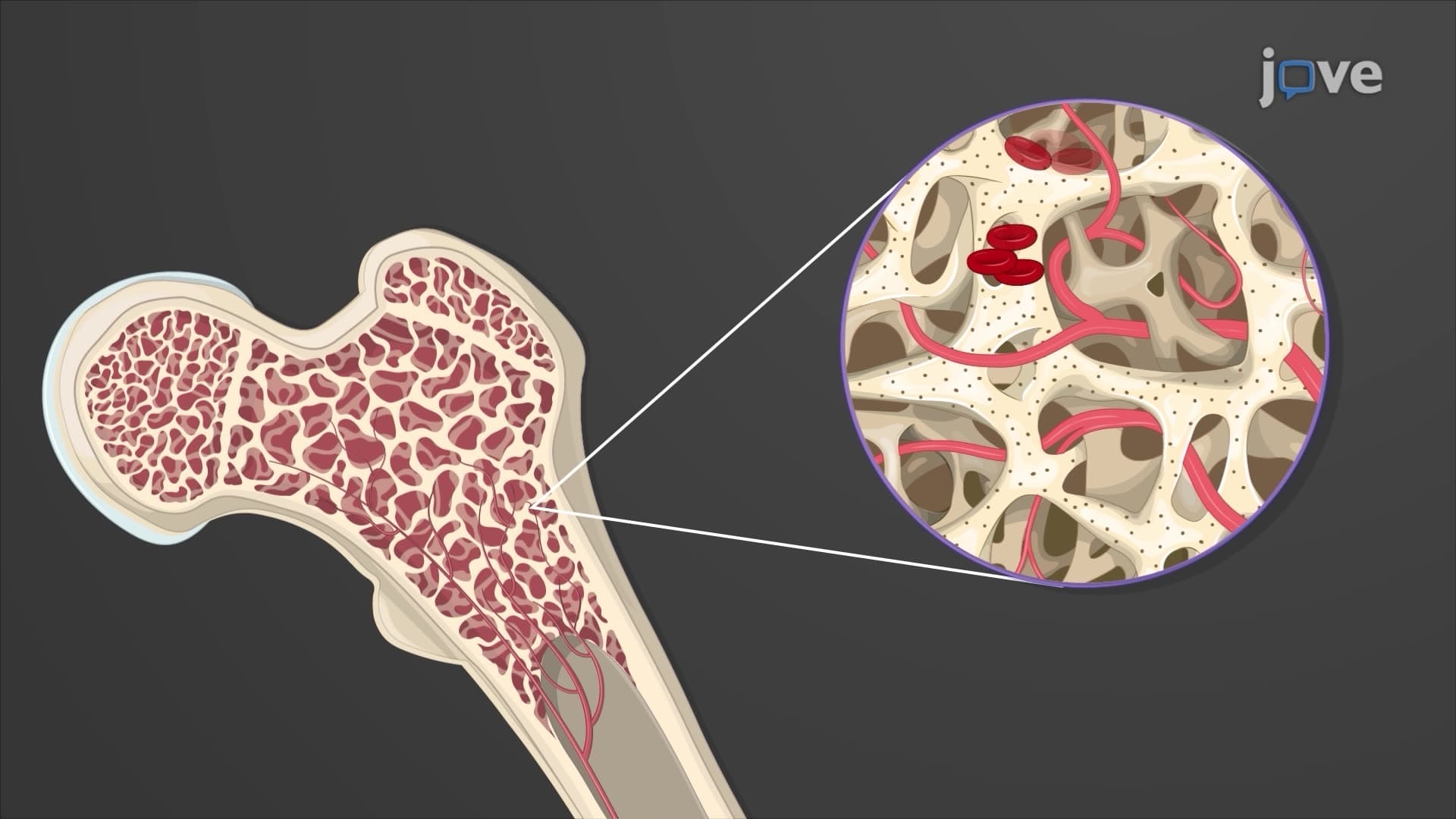
The production of formed elements represents one of the most remarkable regenerative processes in the human body. This complex system, known as hematopoiesis, occurs primarily in the red bone marrow of adults and involves a carefully orchestrated cascade of cellular differentiation. The process begins with hemangioblasts, multipotent mesodermal stem cells that serve as the ultimate precursors to all blood components.
Blood cell production explained through the lens of developmental biology reveals a hierarchical system of increasing specialization. Hematopoietic stem cells (HSCs) represent the next level of this hierarchy, possessing the remarkable ability to both self-renew and differentiate into all mature blood cell types. This dual capacity ensures that the stem cell pool remains constant while continuously producing the billions of cells needed daily.
The commitment process involves HSCs expressing specific cell surface receptors and signaling molecules that determine their fate. Students preparing for the MCAT often encounter questions about this lineage commitment, particularly the distinction between myeloid and lymphoid pathways. Understanding how are formed elements of blood produced requires grasping that this isn't a random process-it's tightly regulated by networks of growth factors, cytokines, and transcription factors that respond to the body's changing needs.
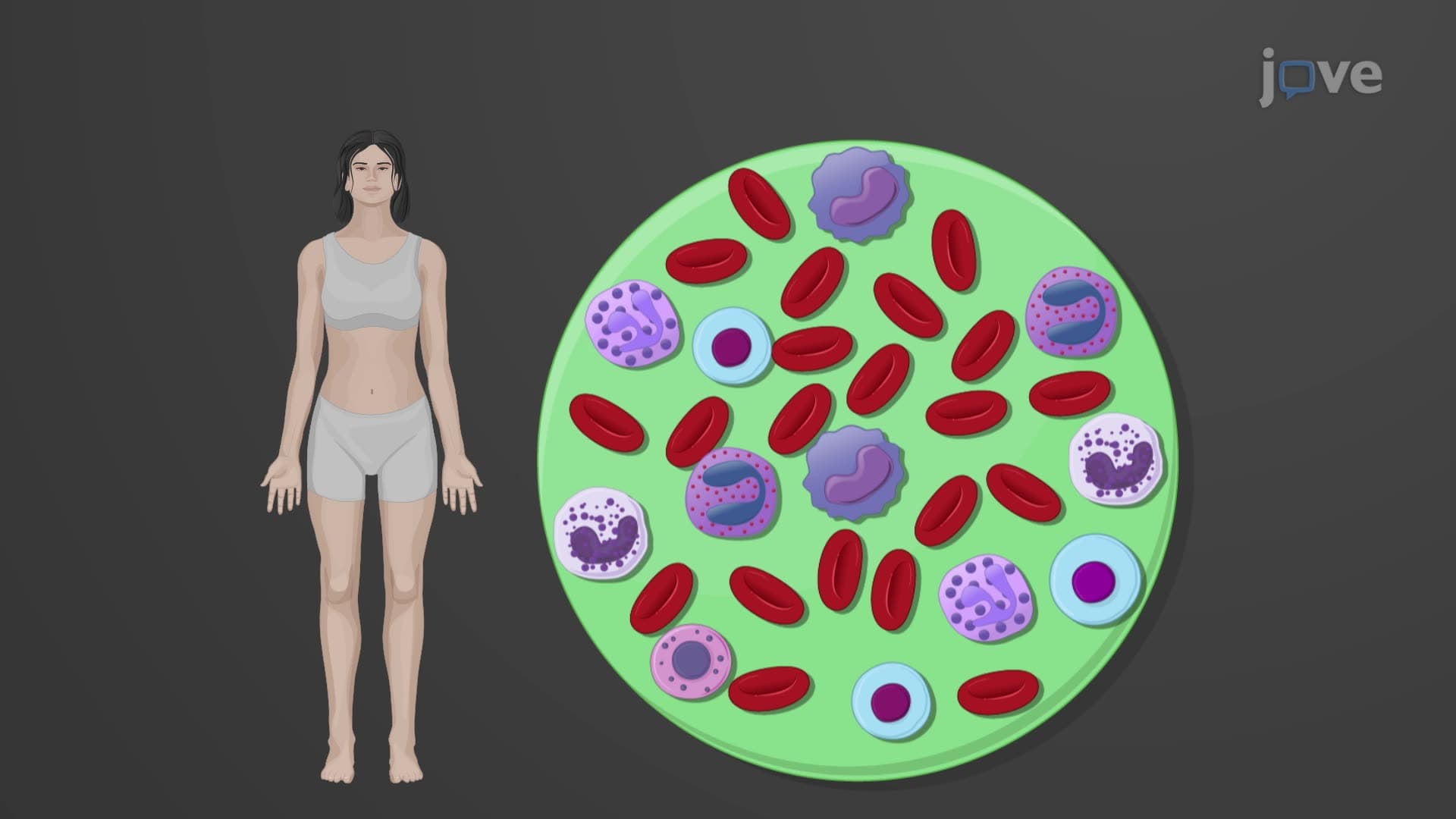
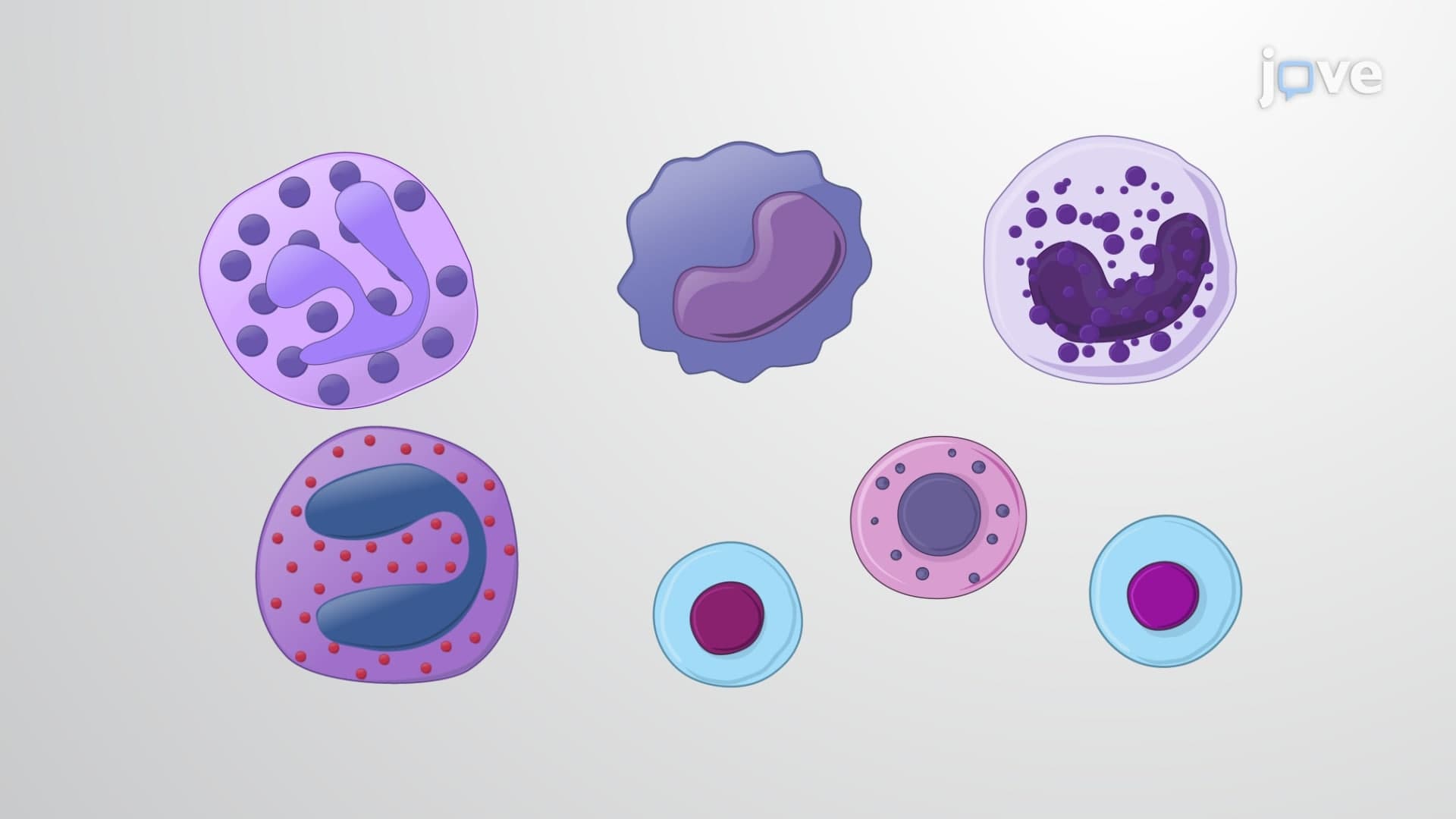
Common myeloid progenitors (CMPs) give rise to the majority of formed elements, including red blood cells through erythropoiesis, platelets through thrombopoiesis, and various white blood cells through leukopoiesis. For example, during blood donation drives at American Red Cross centers, the body rapidly increases erythropoiesis to replace donated red blood cells, demonstrating the system's responsiveness.
In contrast, common lymphoid progenitors (CLPs) specialize in producing the adaptive immune system components: B cells, T cells, and natural killer cells. This distinction becomes clinically relevant in conditions like leukemia, where specific lineages may become malignant, affecting treatment approaches used in major medical centers like Mayo Clinic and Cleveland Clinic.
The regulation of bone marrow blood production involves sophisticated feedback mechanisms. When oxygen levels drop, kidneys produce erythropoietin, stimulating red blood cell production. Similarly, infections trigger cytokine cascades that boost white cell production. College students studying for AP Biology exams should understand that these aren't isolated processes-they represent integrated responses to physiological demands that maintain homeostasis and ensure survival.
Related Micro-courses