Loading subject page…


135,525 views

Video Summary: What Is Blood Transfusion
Every 2 seconds, someone in the United States needs a blood transfusion biology procedure to survive. Blood transfusion is a life-saving medical intervention that replaces lost blood or specific blood components following trauma, surgery, or disease. From emergency rooms at Johns Hopkins Hospital to routine cancer treatments, understanding what is blood transfusion in medicine requires mastering blood compatibility principles and the ABO system that prevents dangerous immune reactions. Watch the full video on JoVE Coach to master this concept with expert-led visuals and step-by-step explanations.
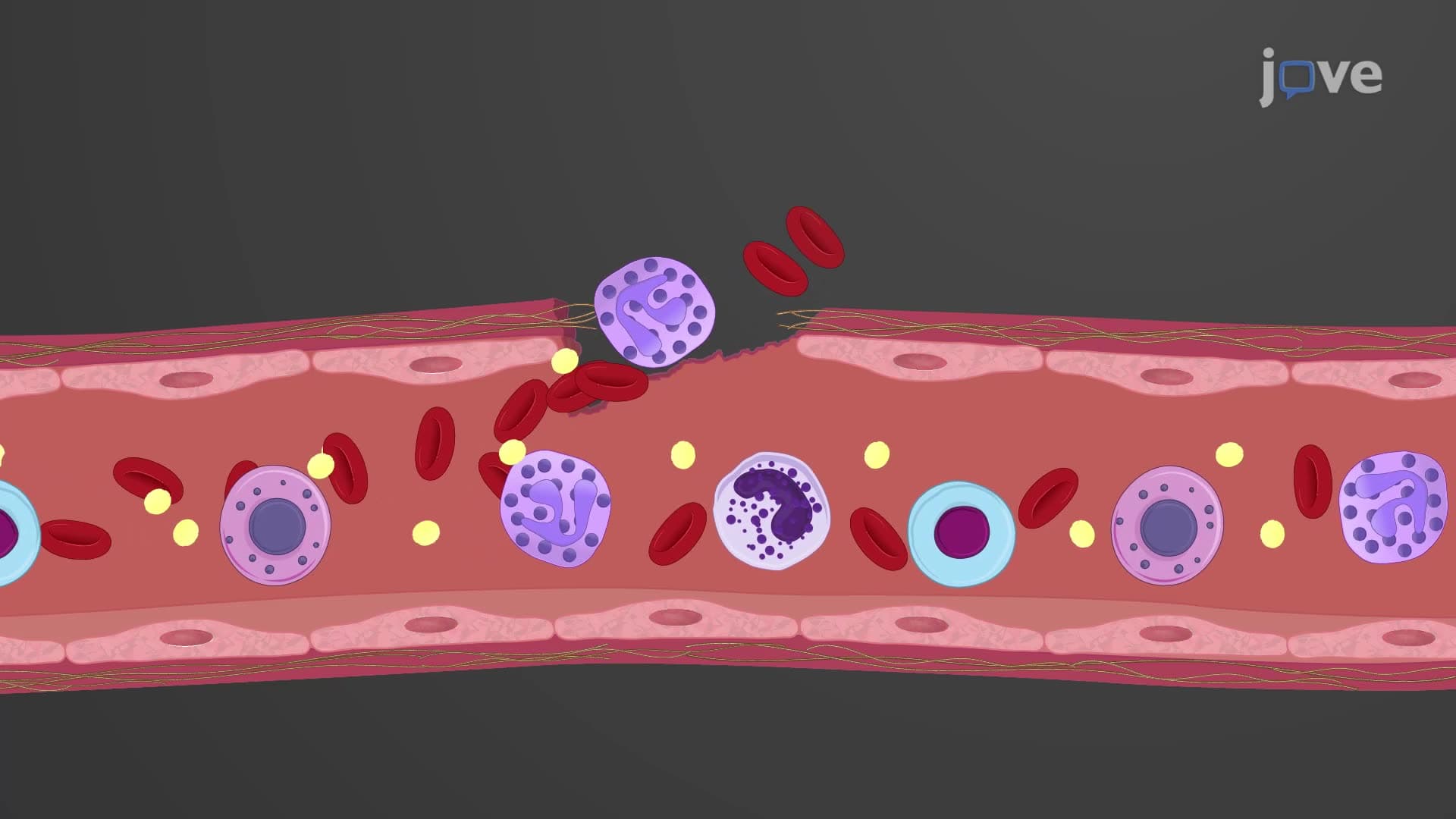
Blood transfusion represents one of medicine's most critical interventions, involving the transfer of blood or blood components from a donor to a recipient. This procedure saves approximately 4.5 million American lives annually, from trauma victims in emergency departments to patients undergoing complex surgeries at medical centers like Mayo Clinic and Cleveland Clinic.
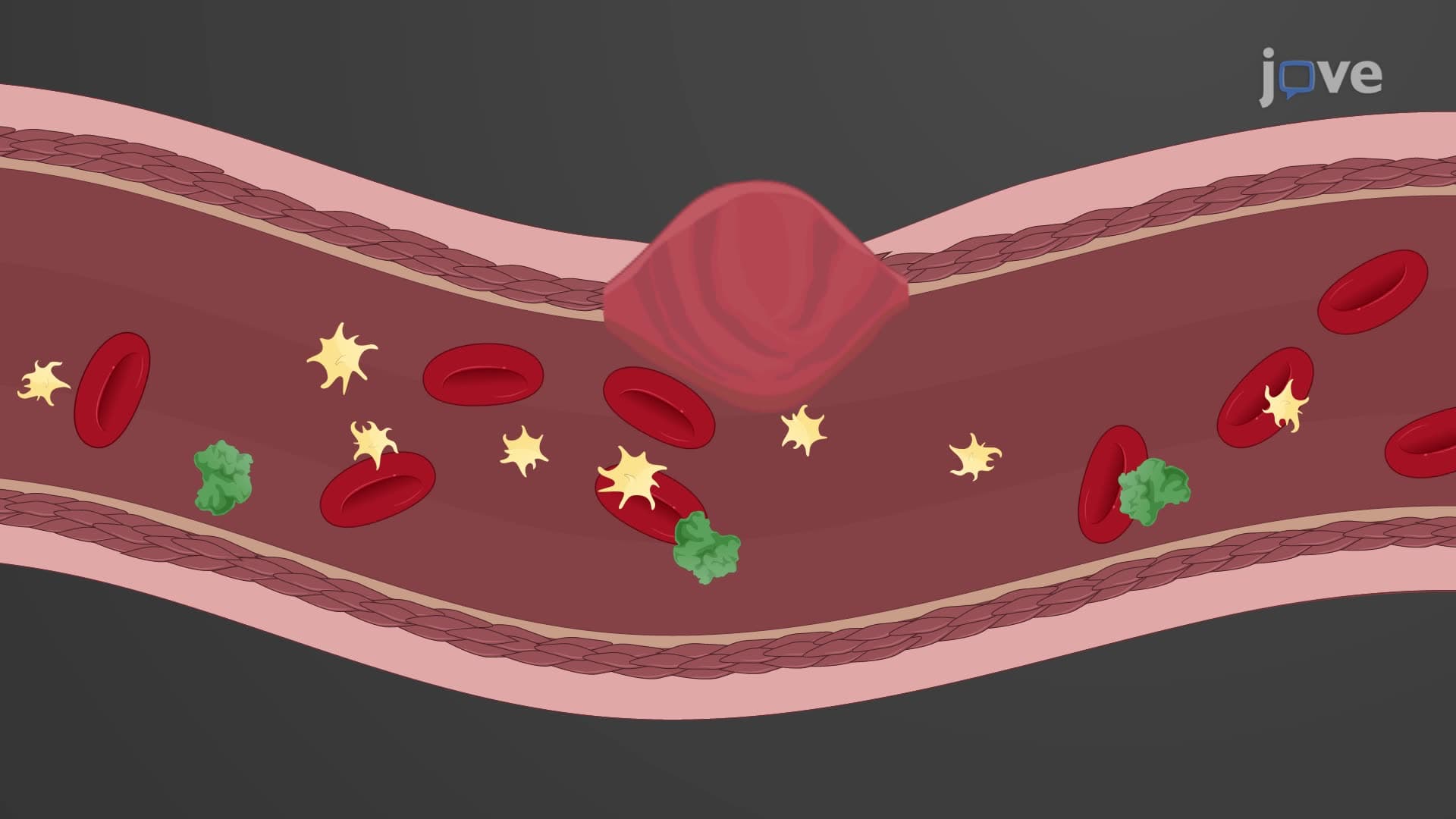
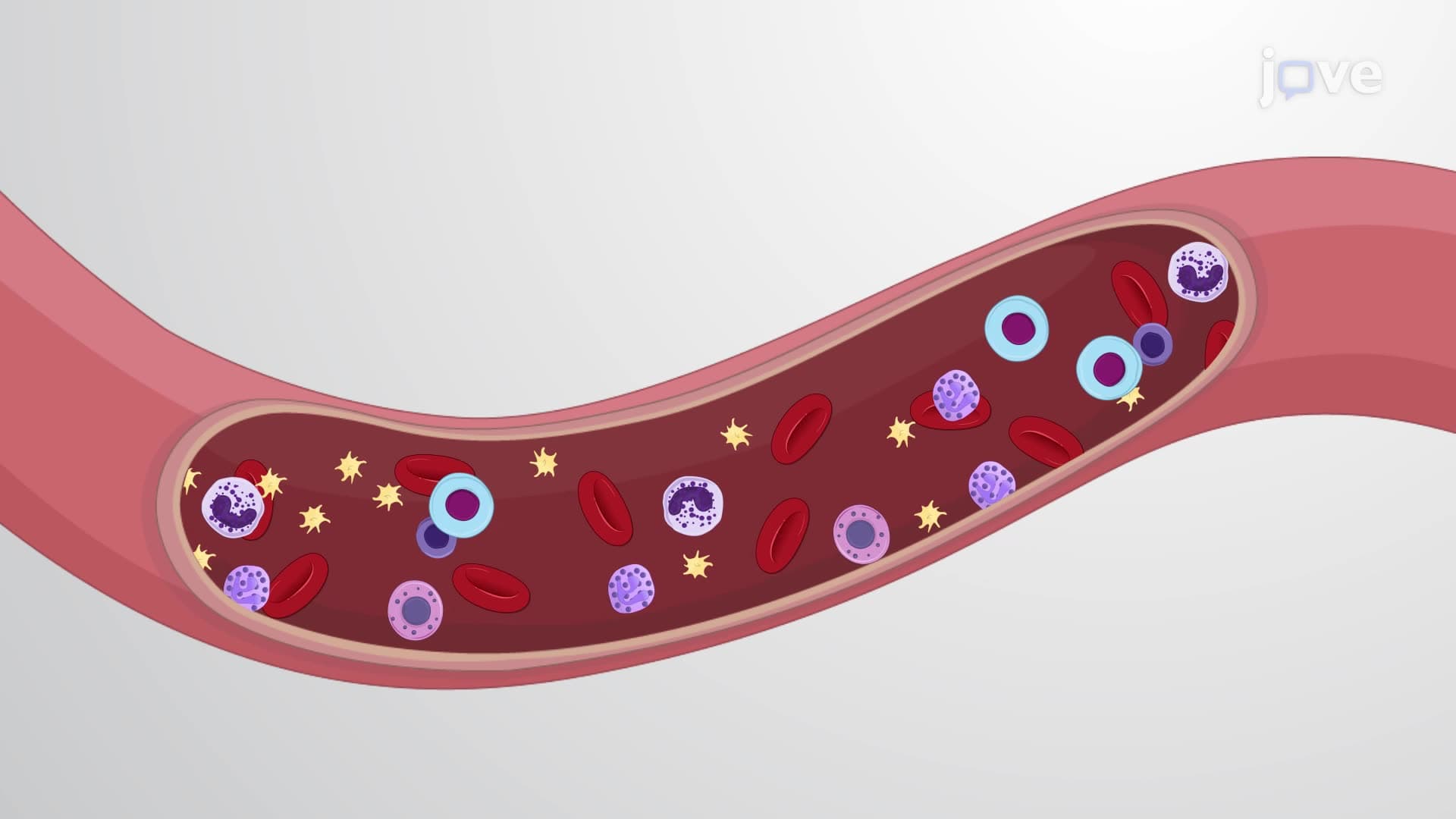
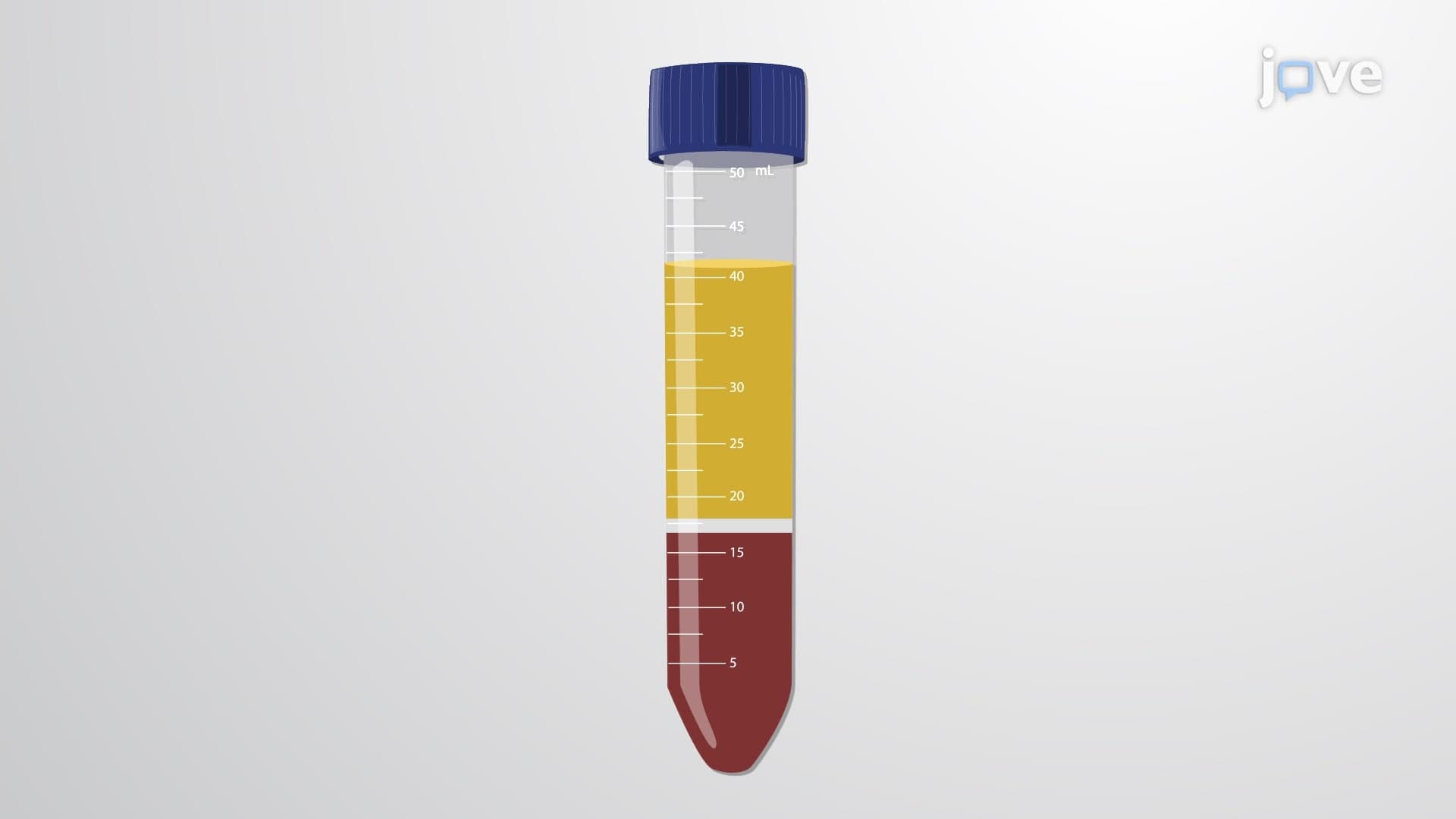
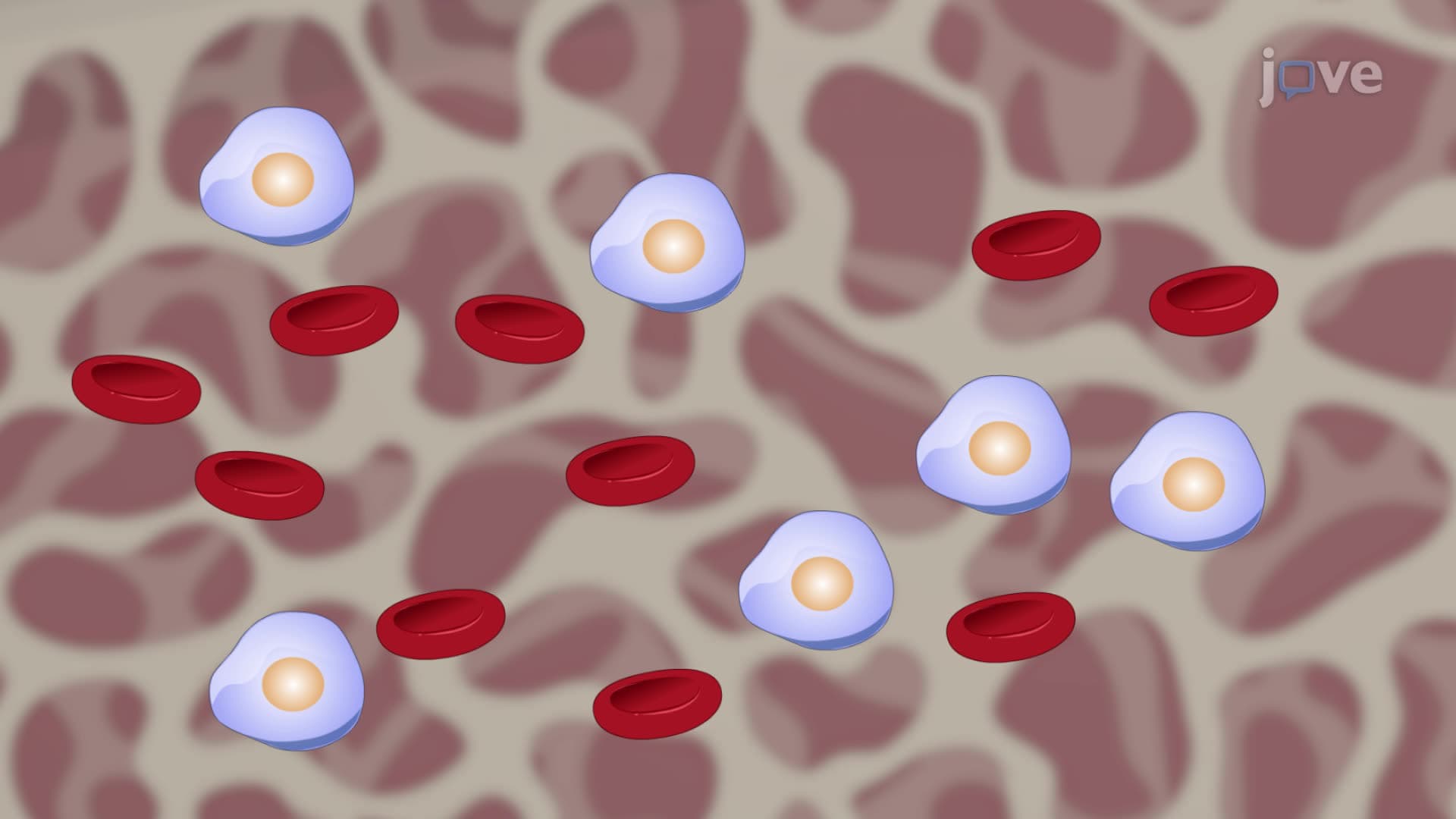
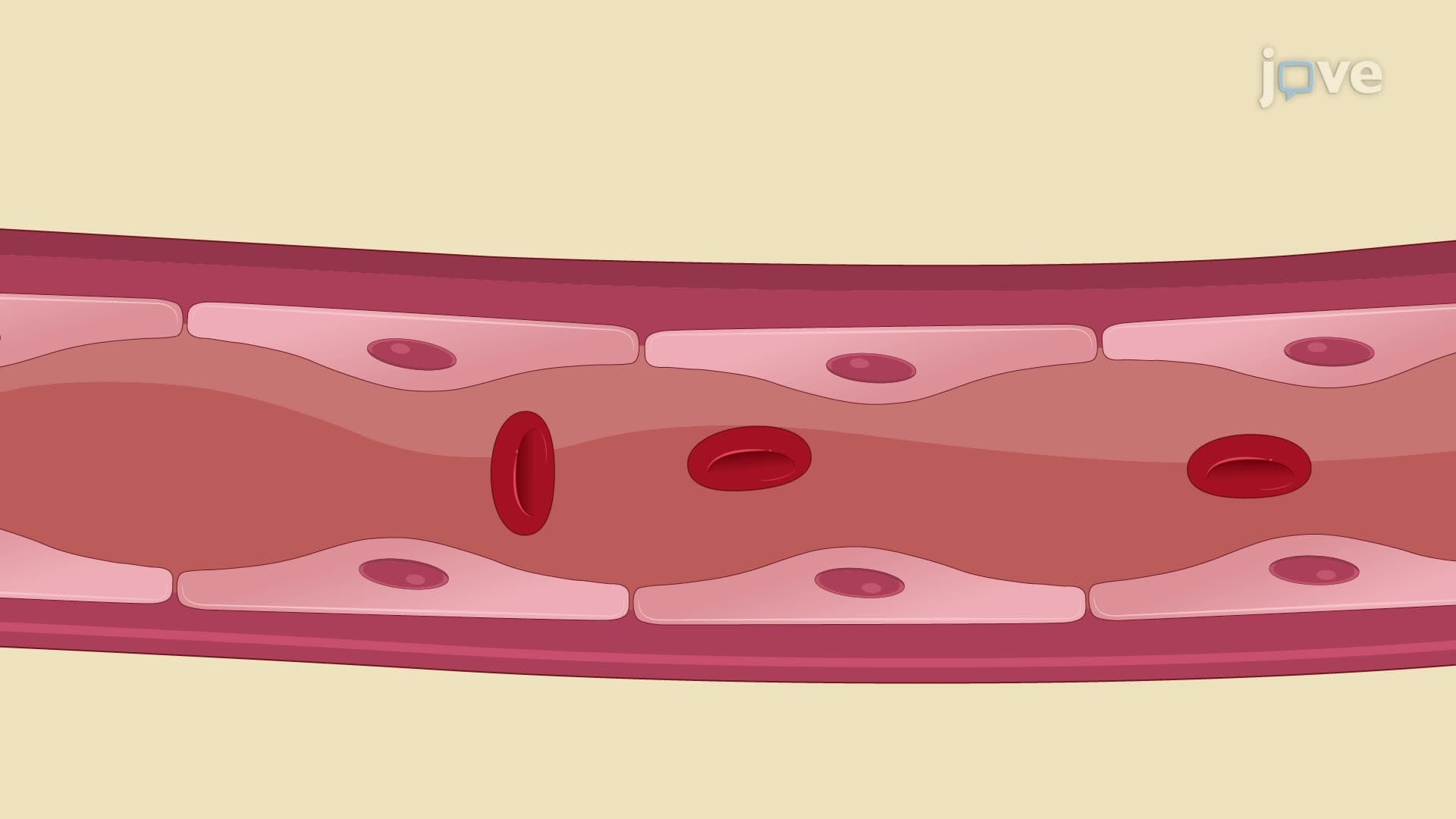
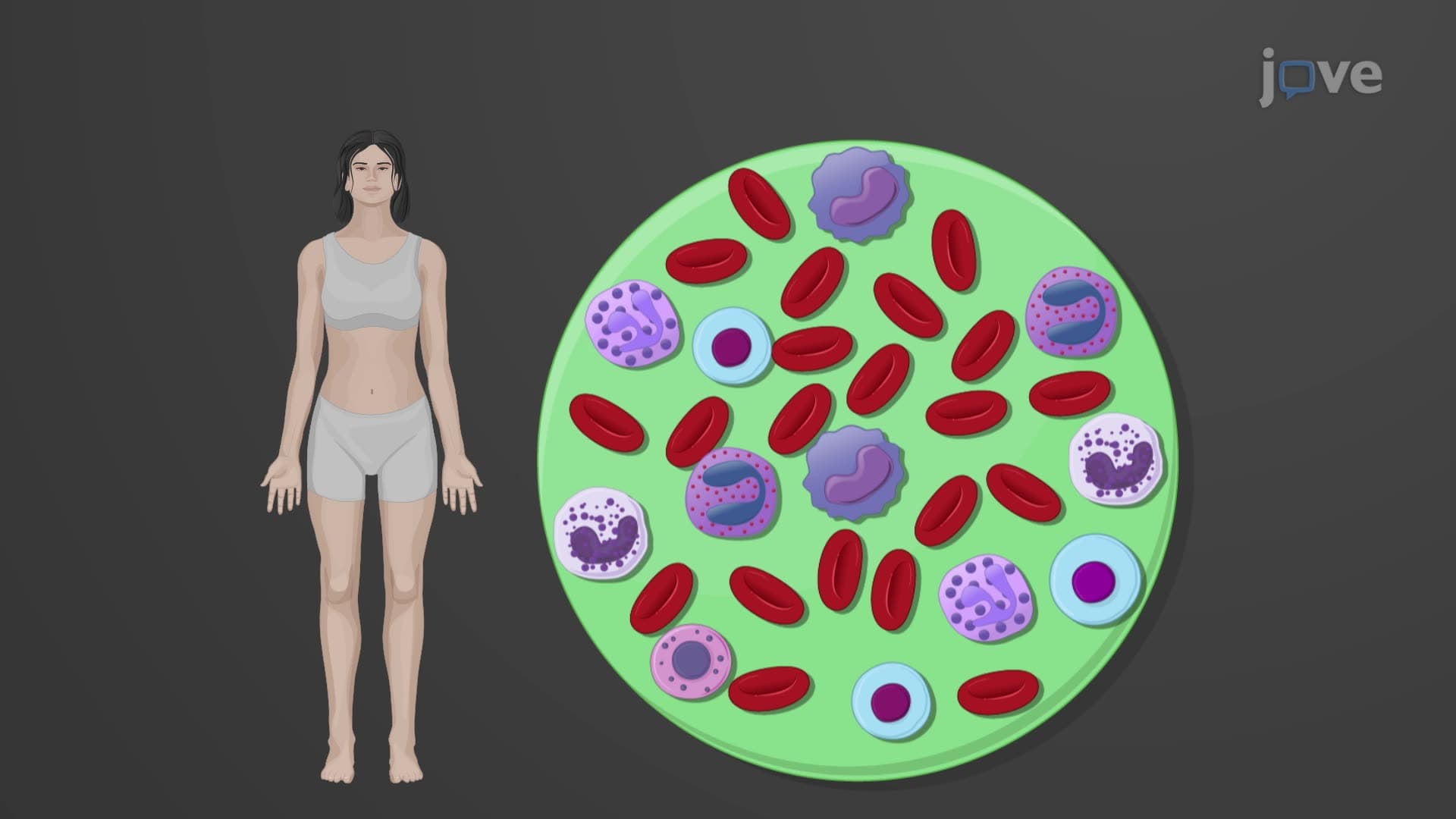
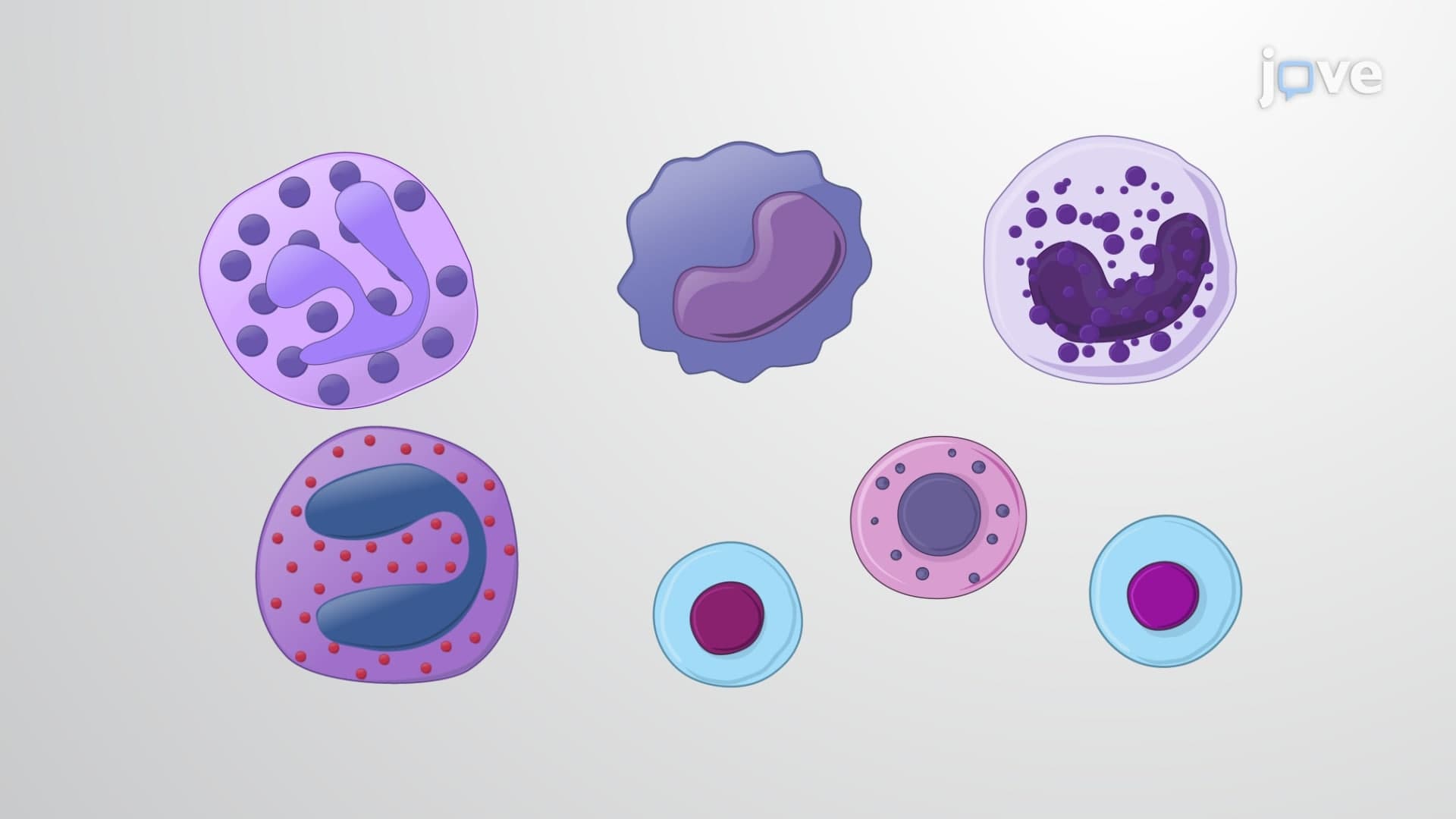
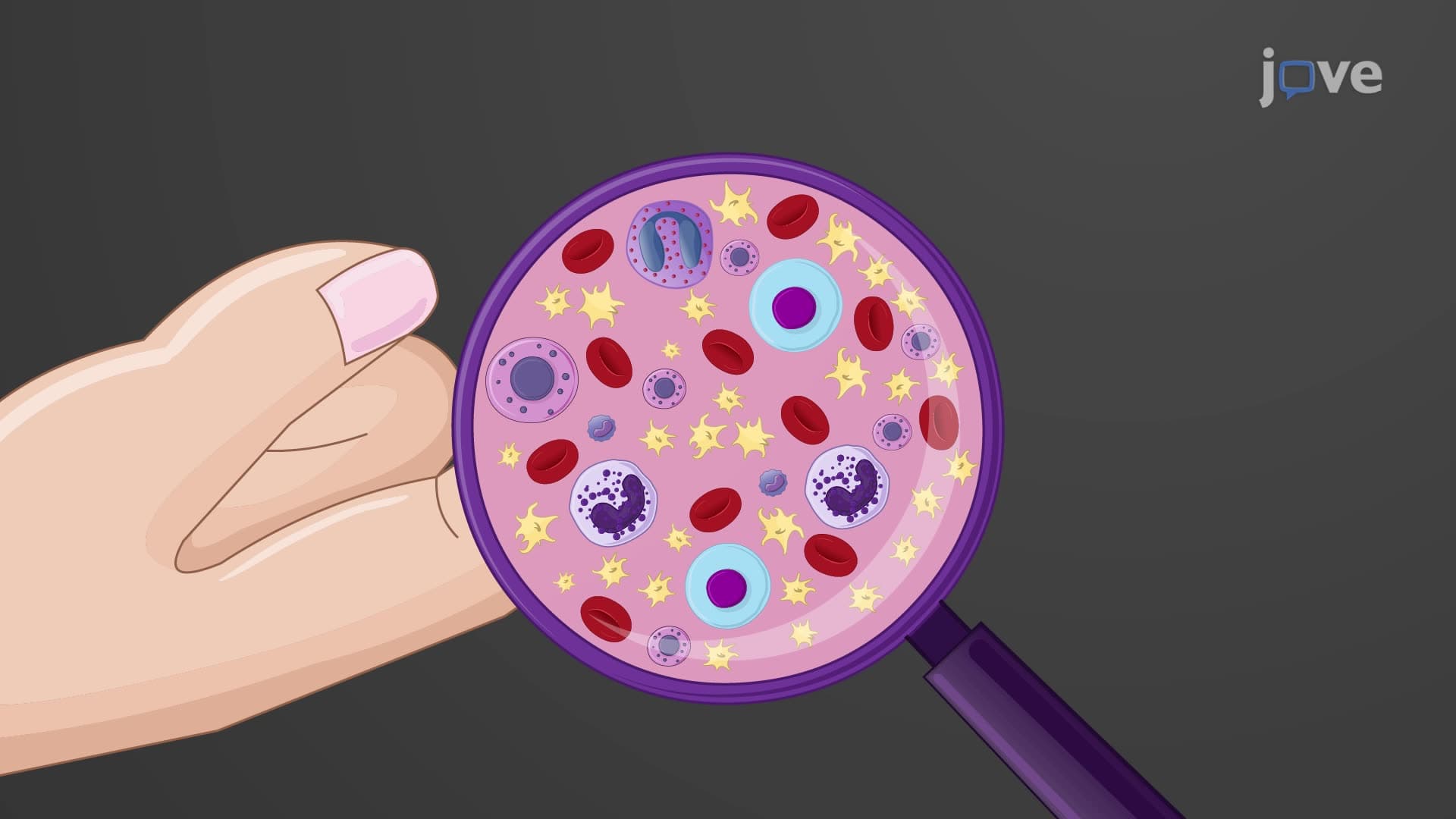
The procedure encompasses multiple blood products beyond whole blood, including packed red blood cells, platelets, plasma, and clotting factors. Each component serves specific medical purposes-packed RBCs treat anemia and blood loss, while platelets help patients with clotting disorders or those undergoing chemotherapy.
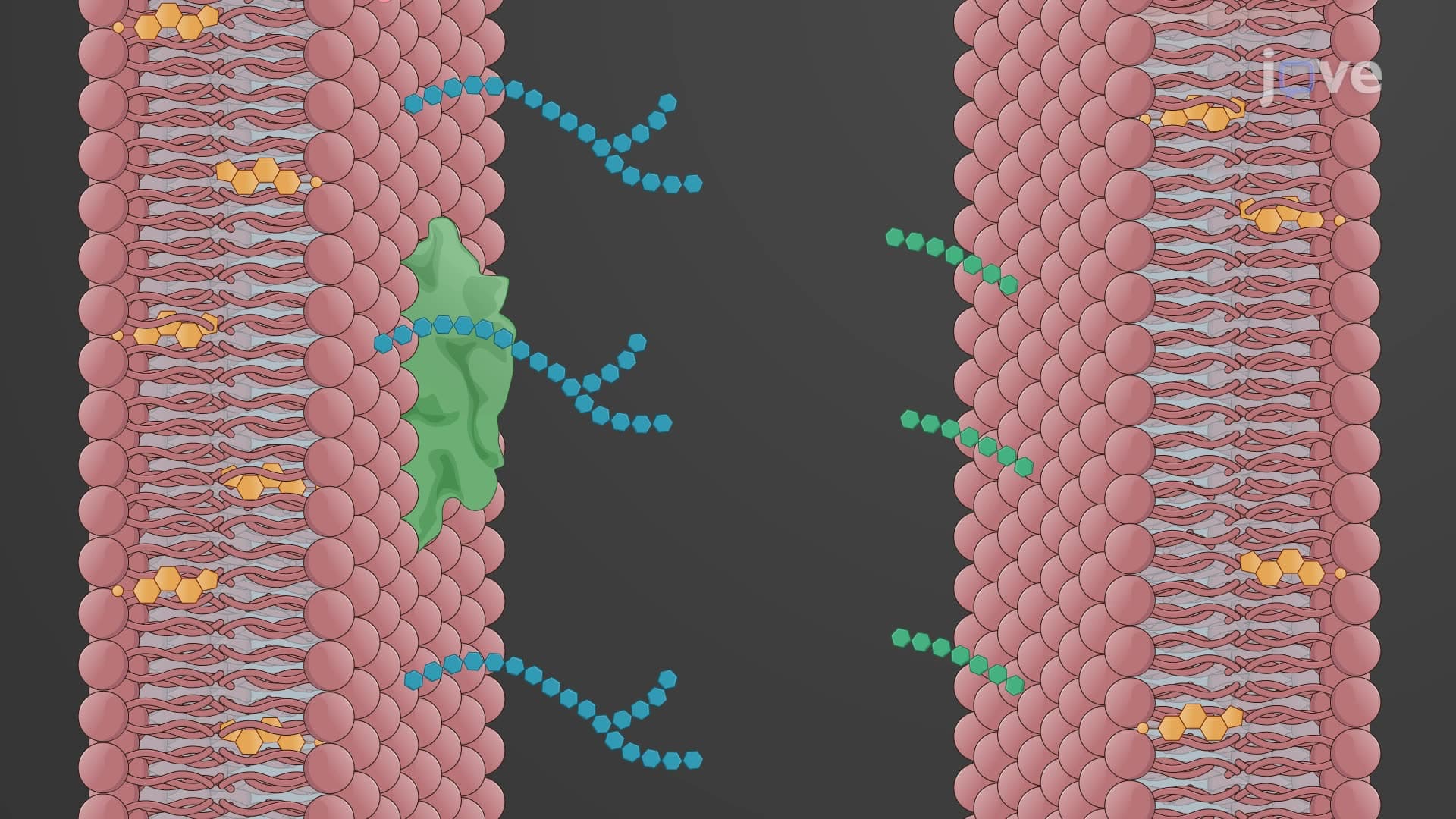
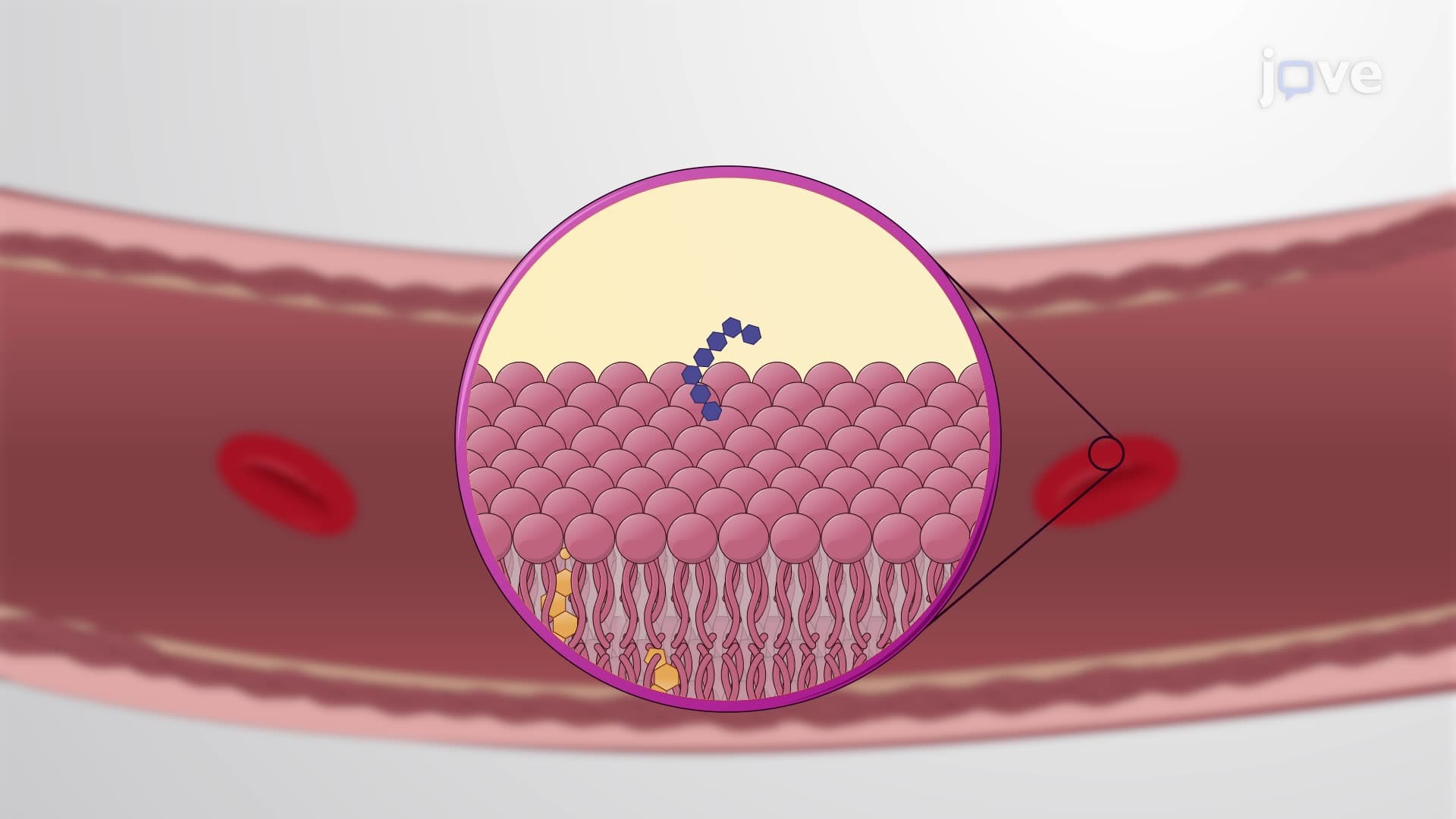
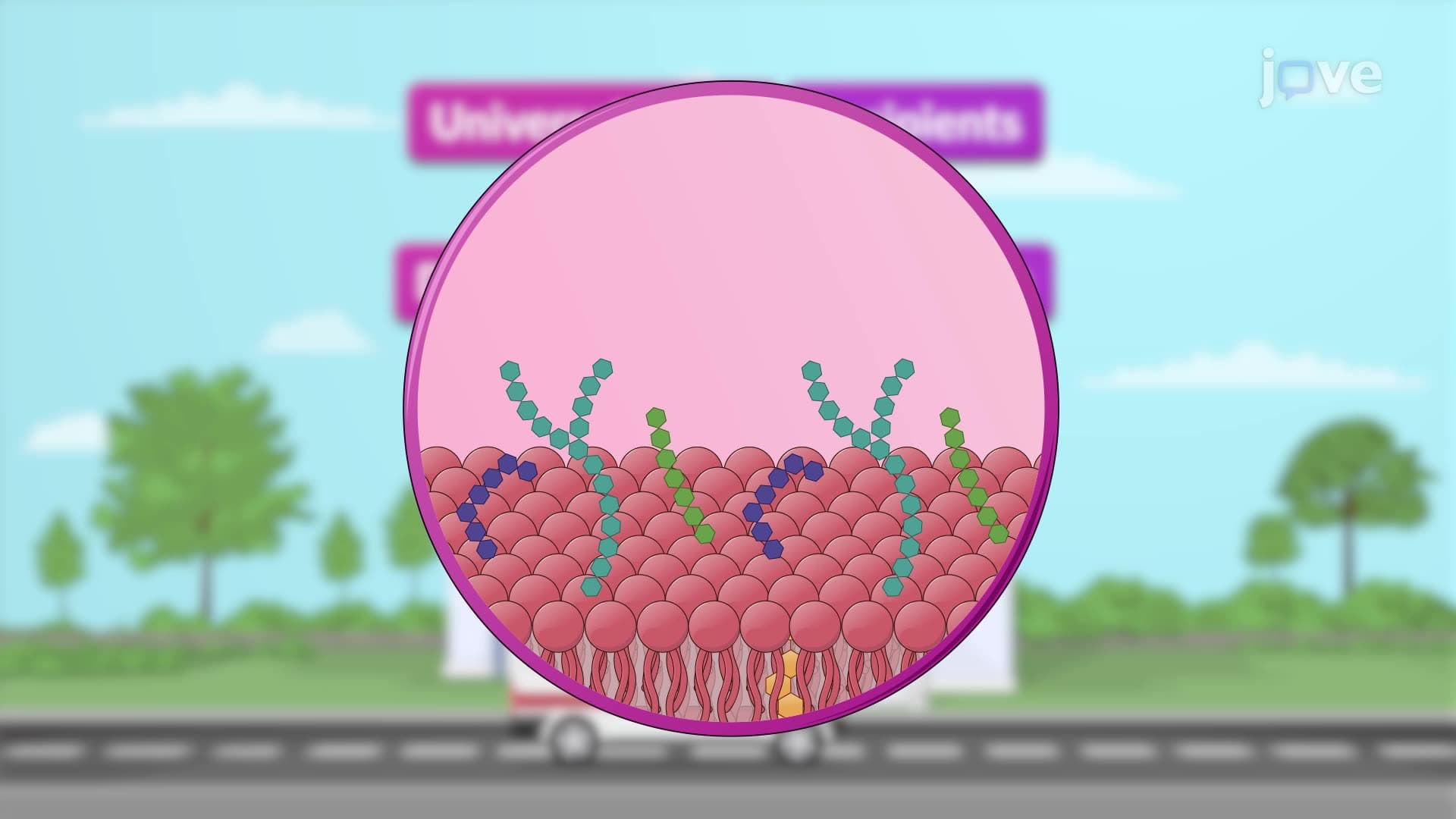
The foundation of safe blood transfusion procedure explained lies in understanding blood group compatibility. The ABO system categorizes blood into four main types: A, B, AB, and O, based on surface antigens present on red blood cells. Type A blood carries A antigens, Type B carries B antigens, Type AB carries both, and Type O carries neither.
This system's clinical significance becomes apparent when considering immune responses. If a Type A patient receives Type B blood, their naturally occurring anti-B antibodies will attack the donated B antigens, causing agglutination (clumping) and hemolysis (cell destruction). This reaction can prove fatal, highlighting why proper cross-matching is essential before any transfusion.
Type O individuals are often called "universal donors" because their blood lacks A and B antigens, theoretically making it compatible with all recipients. Conversely, Type AB individuals are "universal recipients" since they lack anti-A and anti-B antibodies. However, this simplified view overlooks the complexity of compatible blood transfusion requirements.
Beyond ABO compatibility, the Rh factor adds another layer of complexity. Rh-positive blood contains the Rh antigen, while Rh-negative blood does not. An Rh-negative patient receiving Rh-positive blood may develop antibodies, creating problems for future transfusions-particularly concerning for women of childbearing age due to potential complications in pregnancy.
Modern transfusion medicine extends far beyond emergency trauma care. Oncology patients at institutions like MD Anderson Cancer Center routinely require blood products during chemotherapy. Surgical patients undergoing major procedures-from cardiac surgery at the Texas Heart Institute to organ transplants-depend on readily available, compatible blood supplies.
Students preparing for MCAT biology sections or AP Biology exams should understand that successful transfusions require comprehensive testing beyond basic ABO typing. This includes screening for numerous minor antigens and conducting crossmatch tests that mix donor cells with recipient plasma to identify any incompatibilities before transfusion.
Related Micro-courses