Loading subject page…


135,525 views


Video Summary: What Is Blood Typing
Every 2 seconds, someone in the United States needs a blood transfusion, making the blood typing procedure biology a critical life-saving process. The blood typing procedure biology relies on identifying specific antigens (A, B, and Rh) on red blood cell surfaces through agglutination reactions with corresponding antibodies. What is blood typing reveals how medical professionals at hospitals like Mayo Clinic determine compatibility for transfusions and organ transplants. Watch the full video on JoVE Coach to master this concept with expert-led visuals and step-by-step explanations.
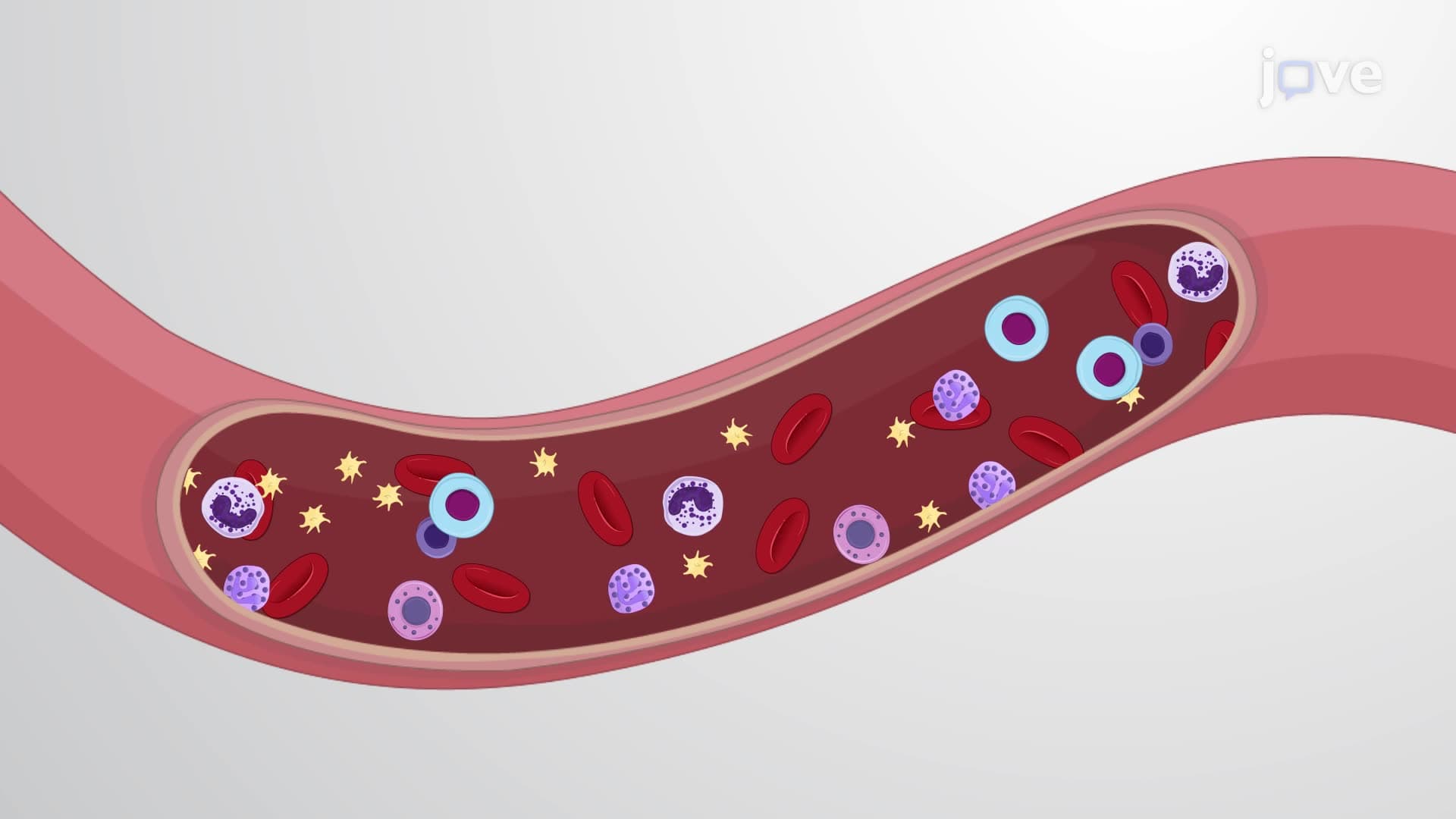
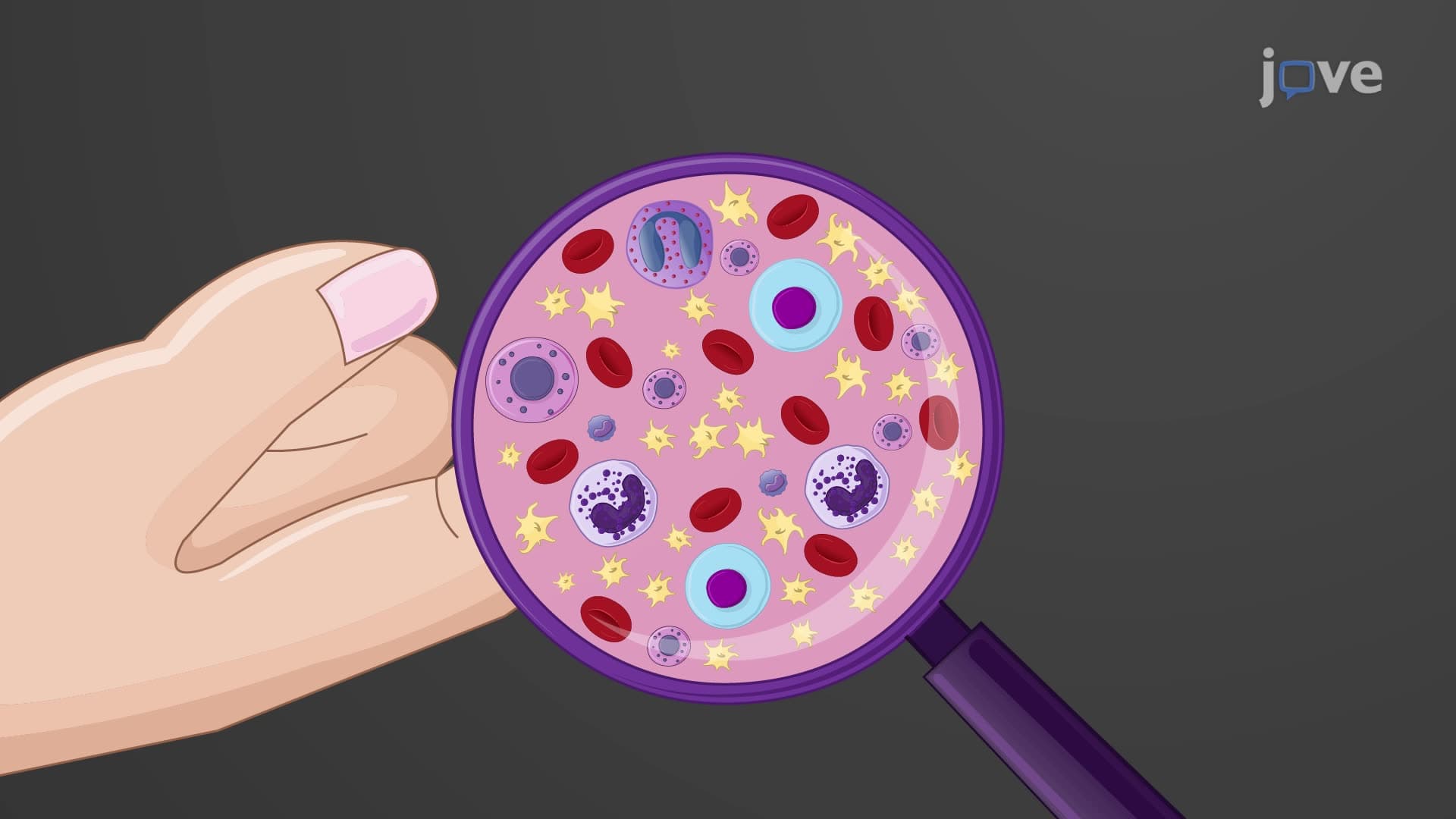
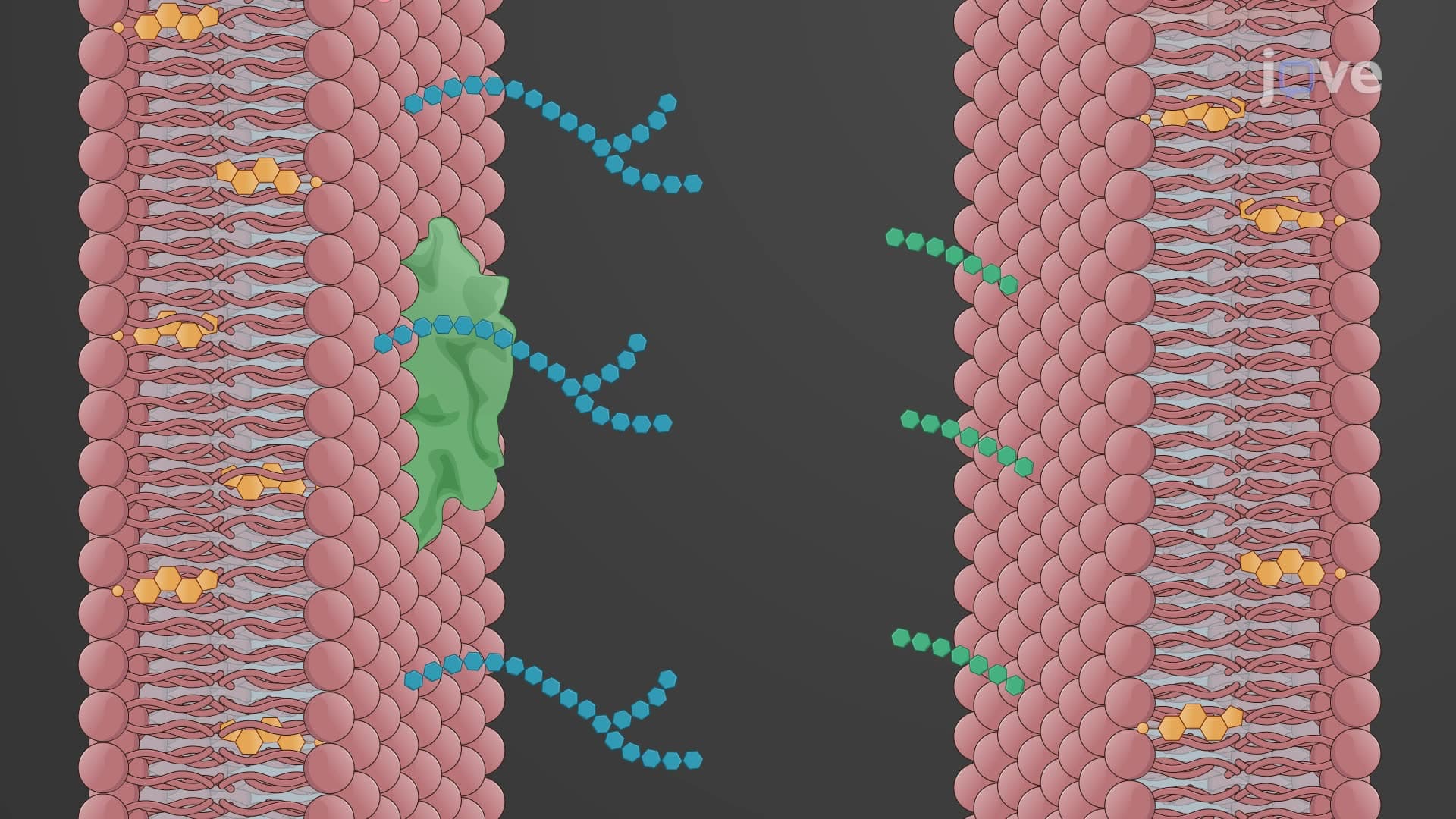
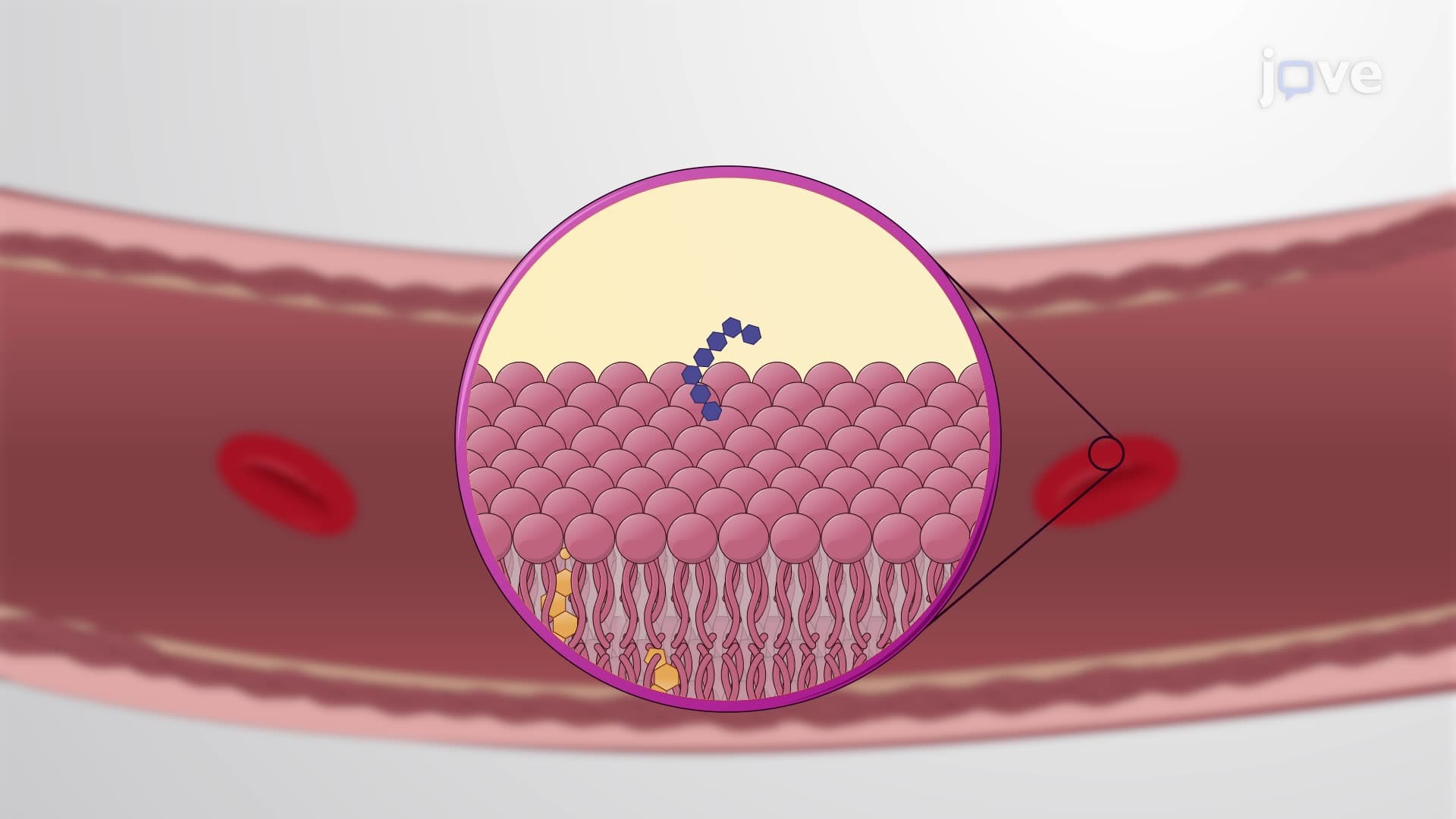
Blood typing represents one of medicine's most crucial laboratory procedures, determining which blood products patients can safely receive. This process identifies specific protein markers called antigens on red blood cell surfaces, particularly focusing on the ABO system (A, B, AB, O blood types) and the Rh factor (positive or negative). The blood typing procedure biology forms the cornerstone of transfusion medicine, organ transplantation, and prenatal care across American healthcare systems.
The agglutination blood typing process relies on antigen-antibody reactions that cause visible clumping when incompatible blood types mix. Medical technologists use three primary antisera solutions: anti-A, anti-B, and anti-D (for Rh factor). When a patient's blood sample encounters matching antibodies, agglutination occurs, appearing as distinct clumps under microscopic examination. For instance, Type A blood contains A antigens and naturally produces anti-B antibodies, while Type O blood lacks A and B antigens but contains both anti-A and anti-B antibodies.
Modern laboratories employ both forward and reverse typing methodologies for accurate results. Forward typing tests patient red blood cells against known antibodies, while reverse typing examines patient plasma against known red blood cells. This dual approach prevents errors that could prove fatal during transfusions. Major medical centers like Johns Hopkins and Cleveland Clinic rely on this comprehensive testing to ensure patient safety.
Understanding how blood typing works proves essential for students pursuing healthcare careers and those preparing for standardized exams. The MCAT frequently includes blood typing questions within genetics and physiology sections, while AP Biology exams test students' knowledge of inheritance patterns and immune system responses. College-level microbiology and anatomy courses extensively cover ABO Rh blood type test procedures, making this concept fundamental for pre-med students. Additionally, nursing entrance exams like the HESI A2 and TEAS often feature blood compatibility scenarios that require solid grasp of crossmatch blood type principles.
Related Micro-courses