Loading subject page…


135,525 views

Video Summary: What Is Classification of Leukocytes
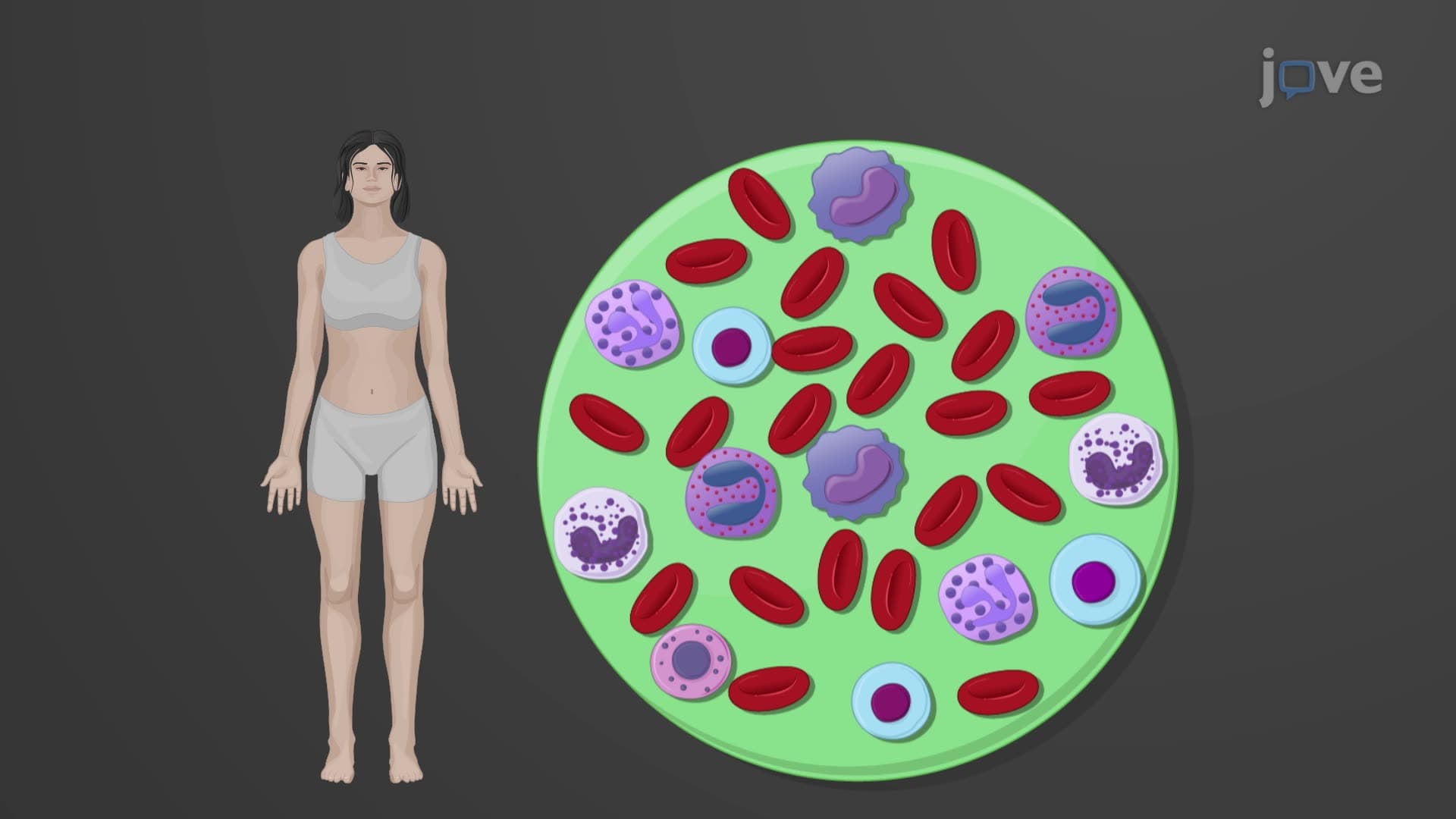
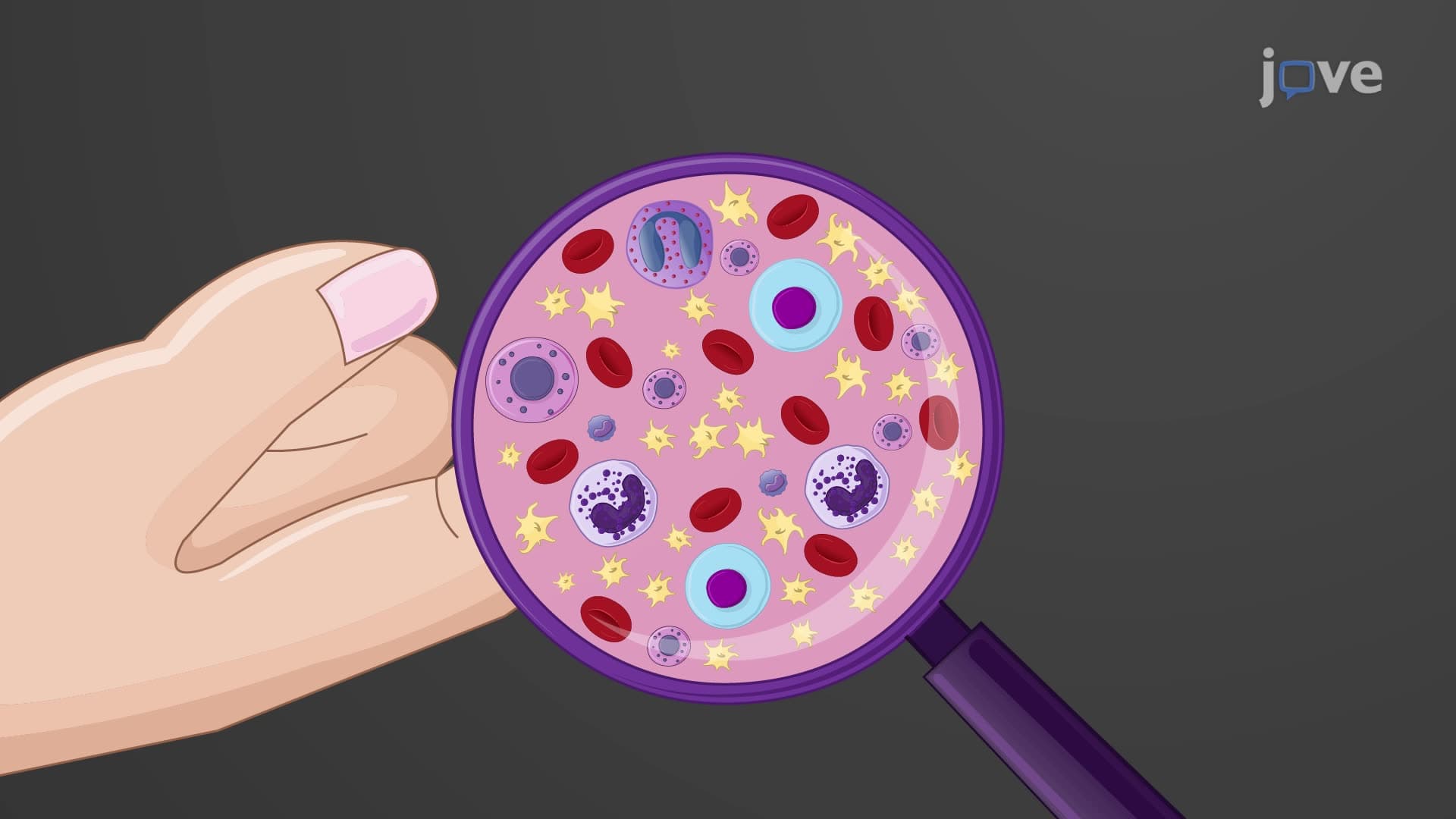
Did you know that a single drop of your blood contains between 4,000-11,000 white blood cells, each with a specialized job? Leukocyte classification biology reveals how these immune defenders are organized into distinct groups based on their appearance and function. When doctors at Johns Hopkins analyze blood samples from patients with infections, they use what is the classification of leukocytes to diagnose everything from bacterial pneumonia to parasitic infections. Watch the full video on JoVE Coach to master this concept with expert-led visuals and step-by-step explanations.
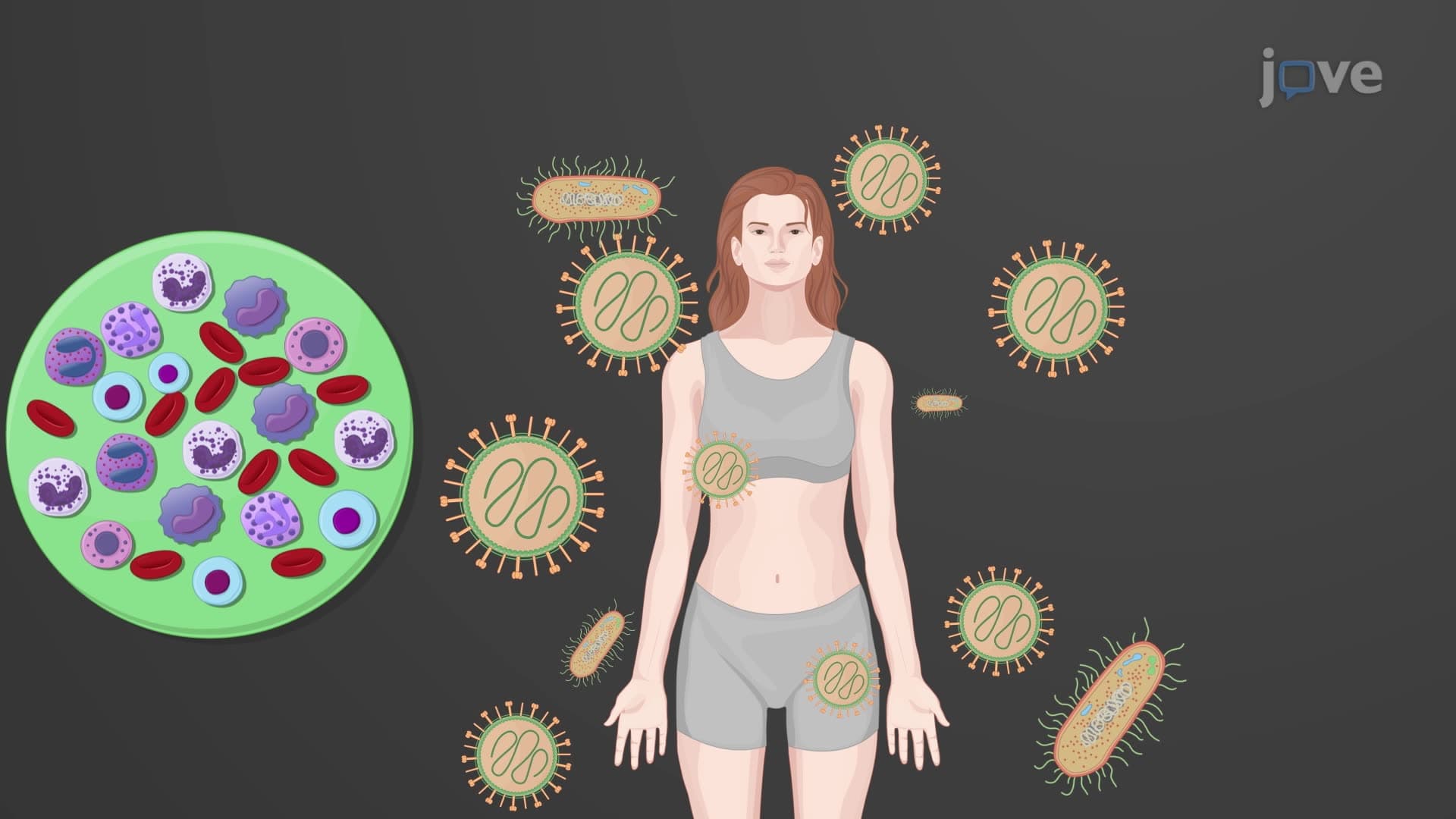
Leukocyte classification biology forms the foundation of immunology and clinical hematology. White blood cells are systematically organized based on two primary criteria: the presence or absence of cytoplasmic granules and their developmental lineage. This classification system, established through decades of microscopic analysis and molecular research, enables healthcare professionals to diagnose diseases, monitor immune function, and develop targeted therapies.
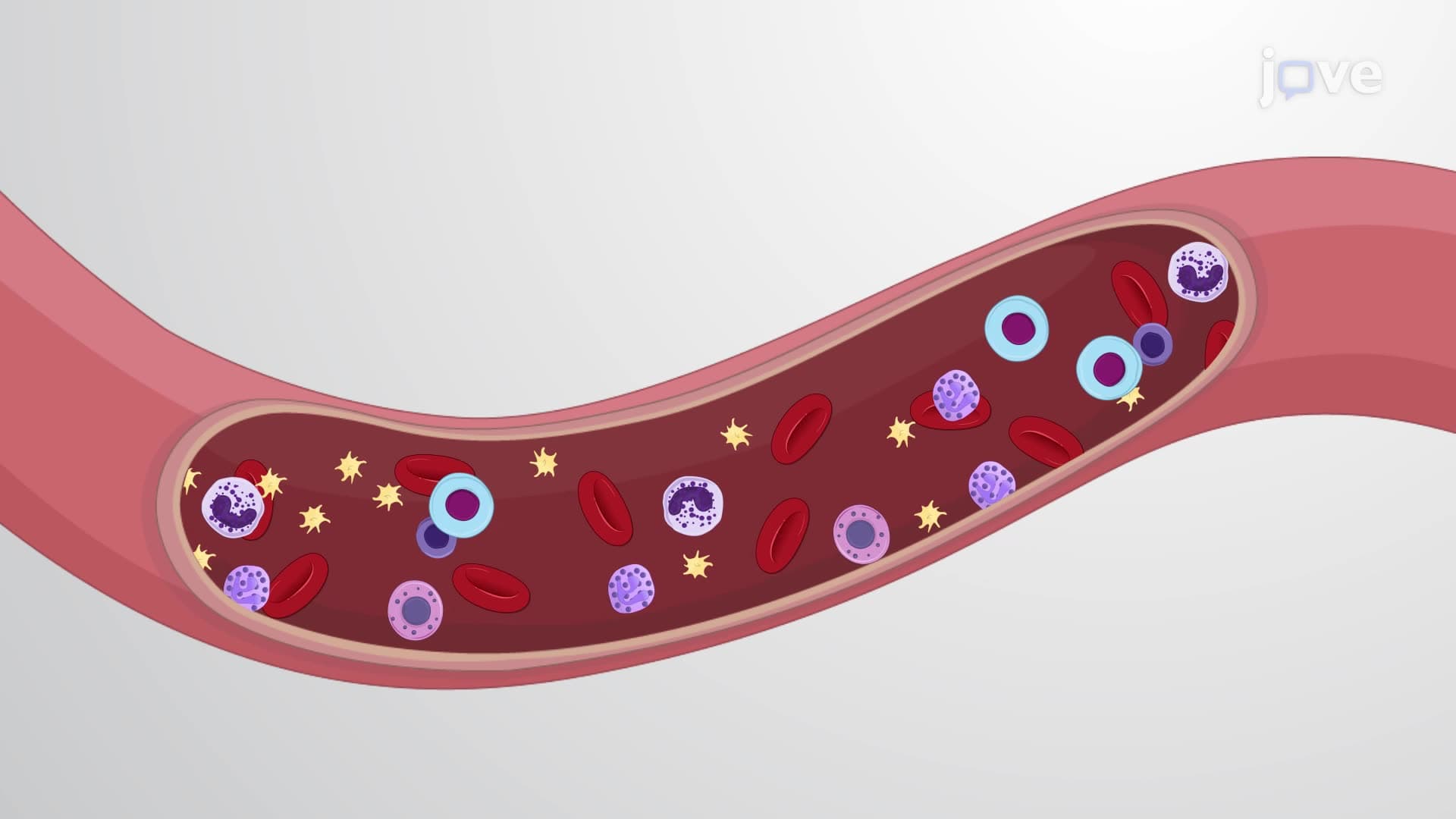
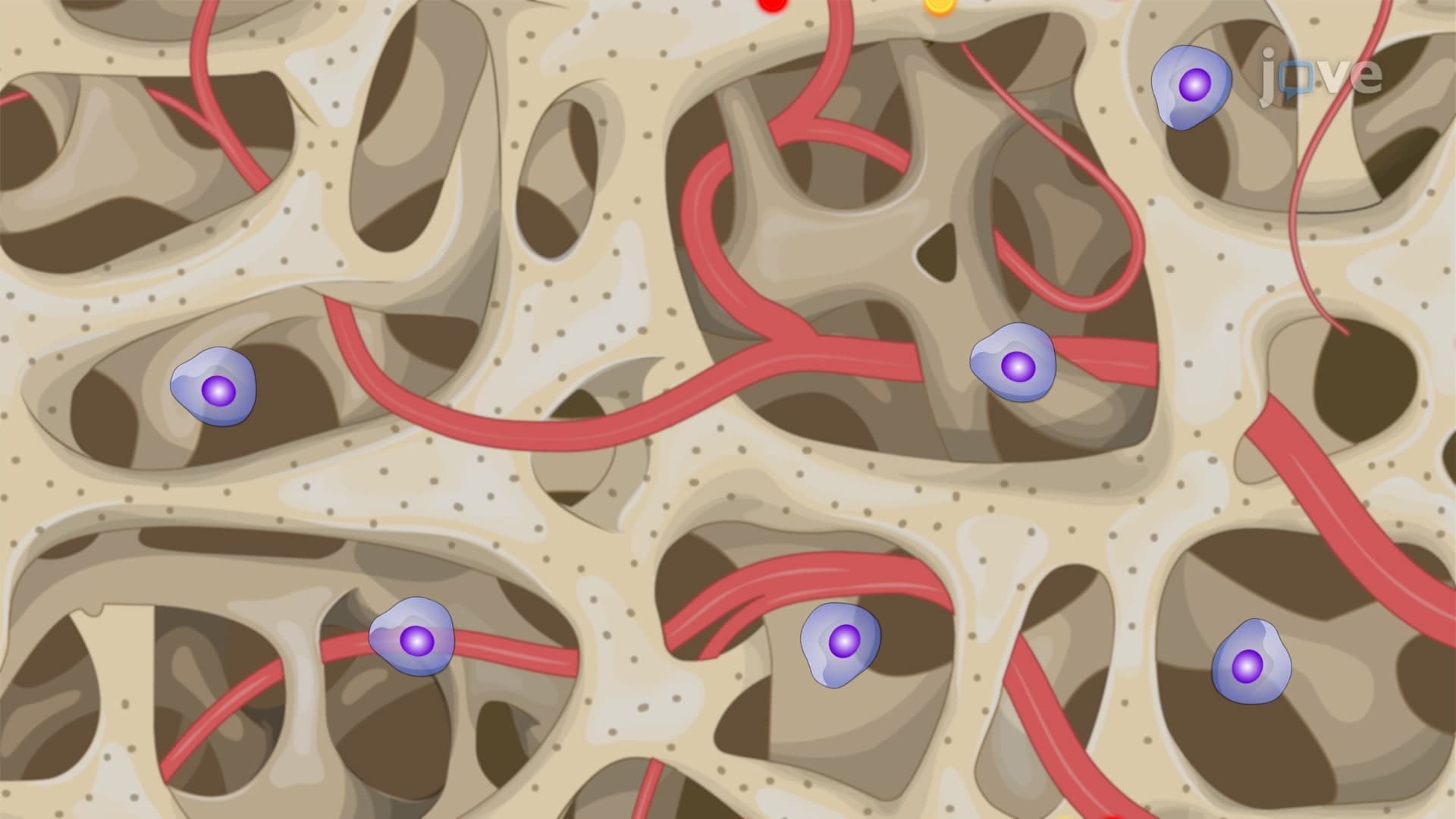
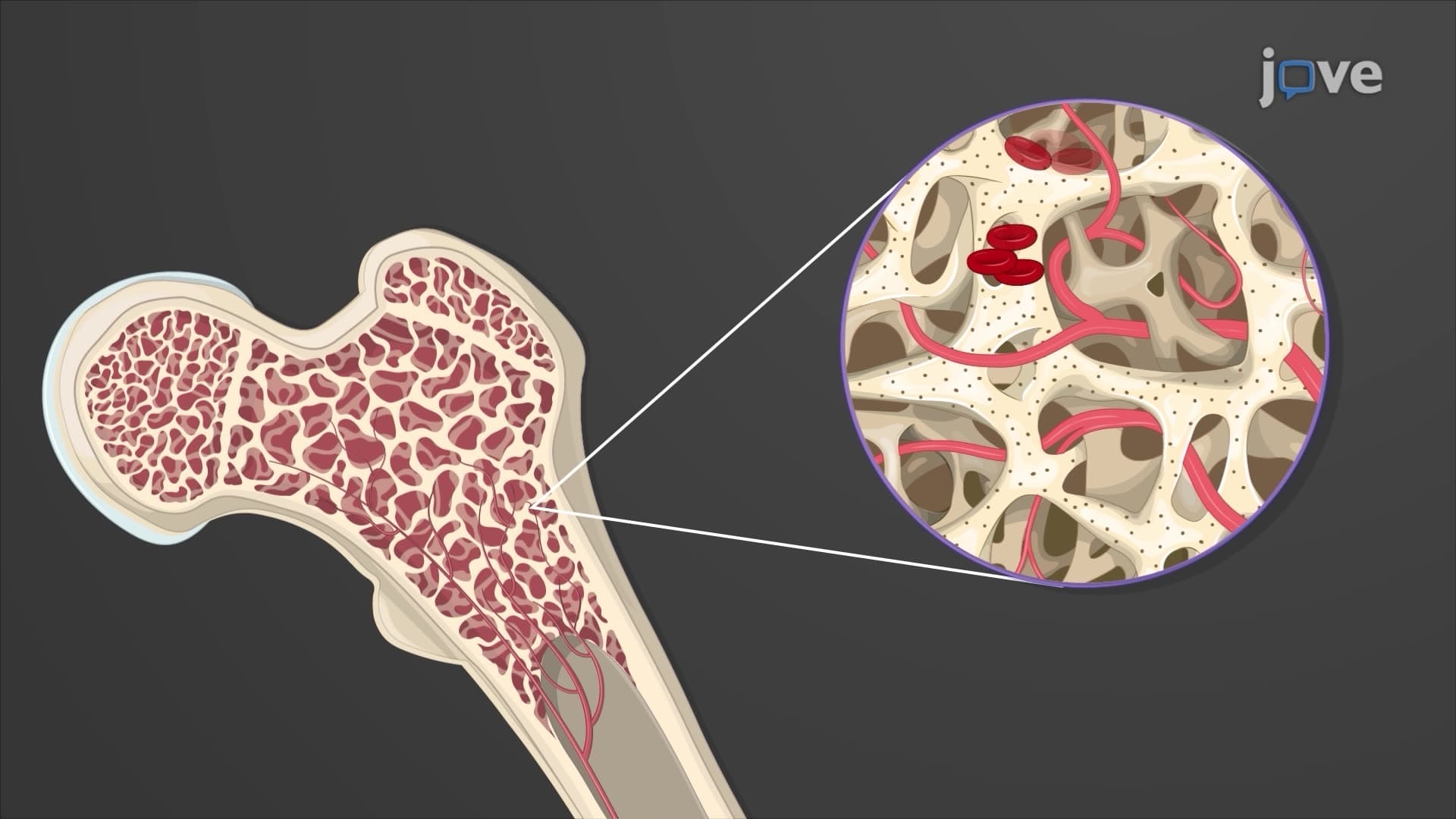
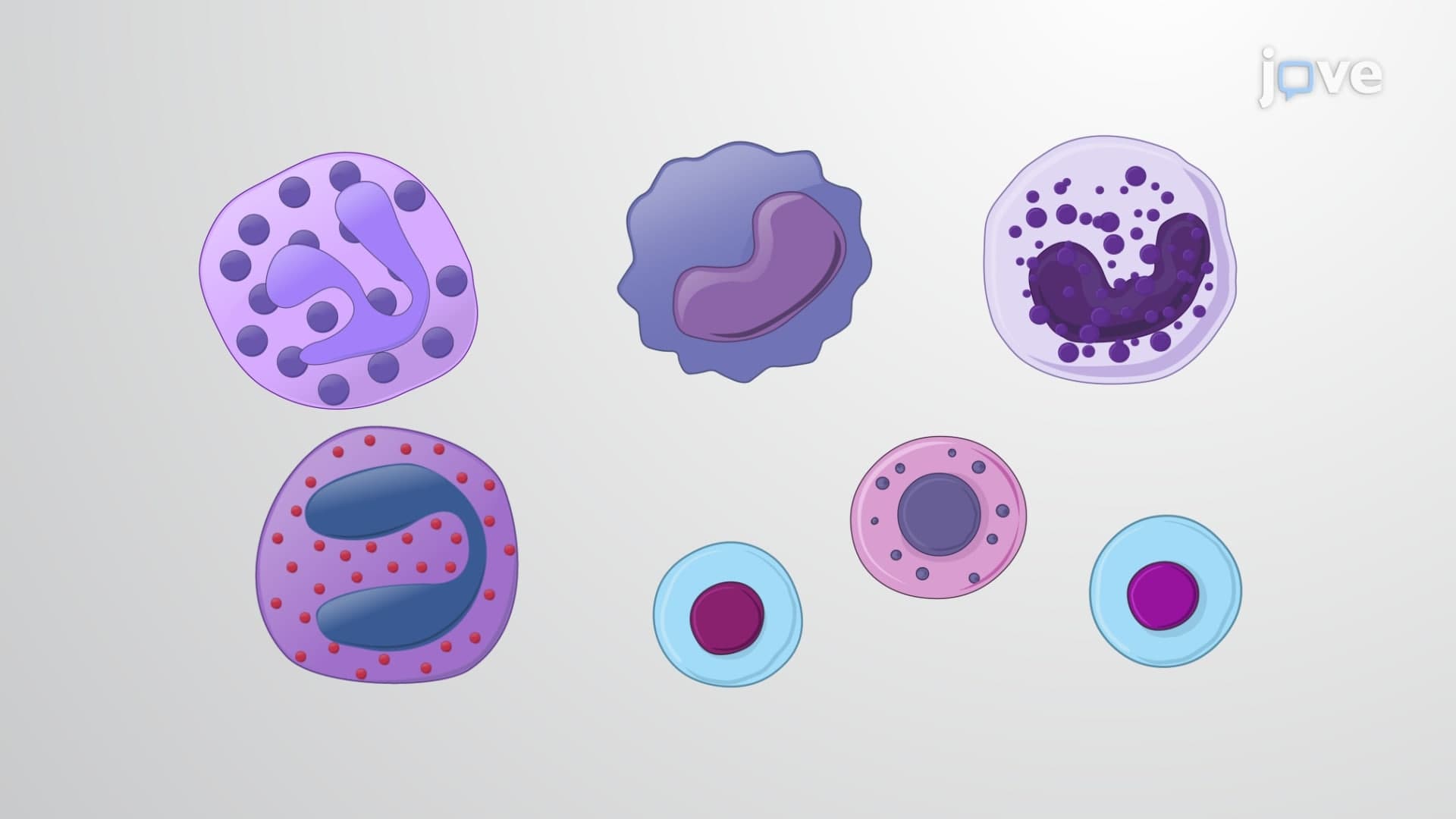
The most fundamental distinction in WBC classification types explained separates leukocytes into granular and agranular categories. Granulocytes contain prominent cytoplasmic granules visible under light microscopy, while agranulocytes possess relatively clear cytoplasm. All granulocytes originate from the myeloid lineage in bone marrow, comprising neutrophils, eosinophils, and basophils. Students preparing for the MCAT or AP Biology exams frequently encounter questions about this primary classification system.
Neutrophil most abundant WBC status reflects their critical role as first responders to bacterial infections. These polymorphonuclear cells, characterized by 2-5 nuclear lobes, rapidly migrate to infection sites and phagocytize pathogens. At Cleveland Clinic, elevated neutrophil counts often indicate bacterial infections requiring antibiotic treatment.
Eosinophils, distinguished by their bilobed nuclei and large granules containing digestive enzymes, specialize in combating multicellular parasites. Their numbers increase dramatically in patients with helminth infections or severe allergies. Basophils, the least numerous granulocytes, release histamine during allergic reactions, causing the familiar symptoms of hay fever and asthma that affect millions of Americans annually.
Monocyte macrophage classification represents a unique aspect of immune cell development. These large cells, characterized by kidney-shaped nuclei and lysosome-rich cytoplasm, circulate briefly in blood before migrating into tissues. Once established in organs like the liver (Kupffer cells) or lungs (alveolar macrophages), they transform into tissue-specific macrophages that patrol for foreign invaders.
Lymphocyte T B NK cell populations orchestrate adaptive immunity through sophisticated recognition and memory systems. B cells produce antibodies that neutralize specific antigens, while T cells directly attack infected cells or coordinate immune responses. Natural killer cells provide immediate defense against virus-infected or cancerous cells without prior sensitization.
Understanding leukocyte differential count interpretation proves essential for USMLE Step 1, NCLEX-RN, and college physiology courses. Abnormal white blood cell distributions indicate specific pathological conditions: elevated lymphocytes suggest viral infections, increased eosinophils indicate parasitic diseases or allergies, and neutrophilia typically accompanies bacterial infections.
Related Micro-courses