Loading subject page…


135,529 views

Video Summary: What Is Composition of Blood
Did you know that every drop of blood in your body contains approximately 25 trillion red blood cells? Understanding blood composition biology is fundamental to grasping how your cardiovascular system delivers oxygen to every tissue. When a medical technician at Johns Hopkins Hospital analyzes a patient's complete blood count (CBC), they're examining the precise ratios that define what is composition of blood in healthy versus diseased states. Watch the full video on JoVE Coach to master this concept with expert-led visuals and step-by-step explanations.
Blood composition biology reveals a sophisticated biological system where liquid and cellular components work in perfect harmony. This knowledge forms the cornerstone of advanced placement biology courses and pre-medical studies across American universities. Students preparing for the MCAT or AP Biology exam must master these proportions and functions to succeed in cardiovascular physiology questions.
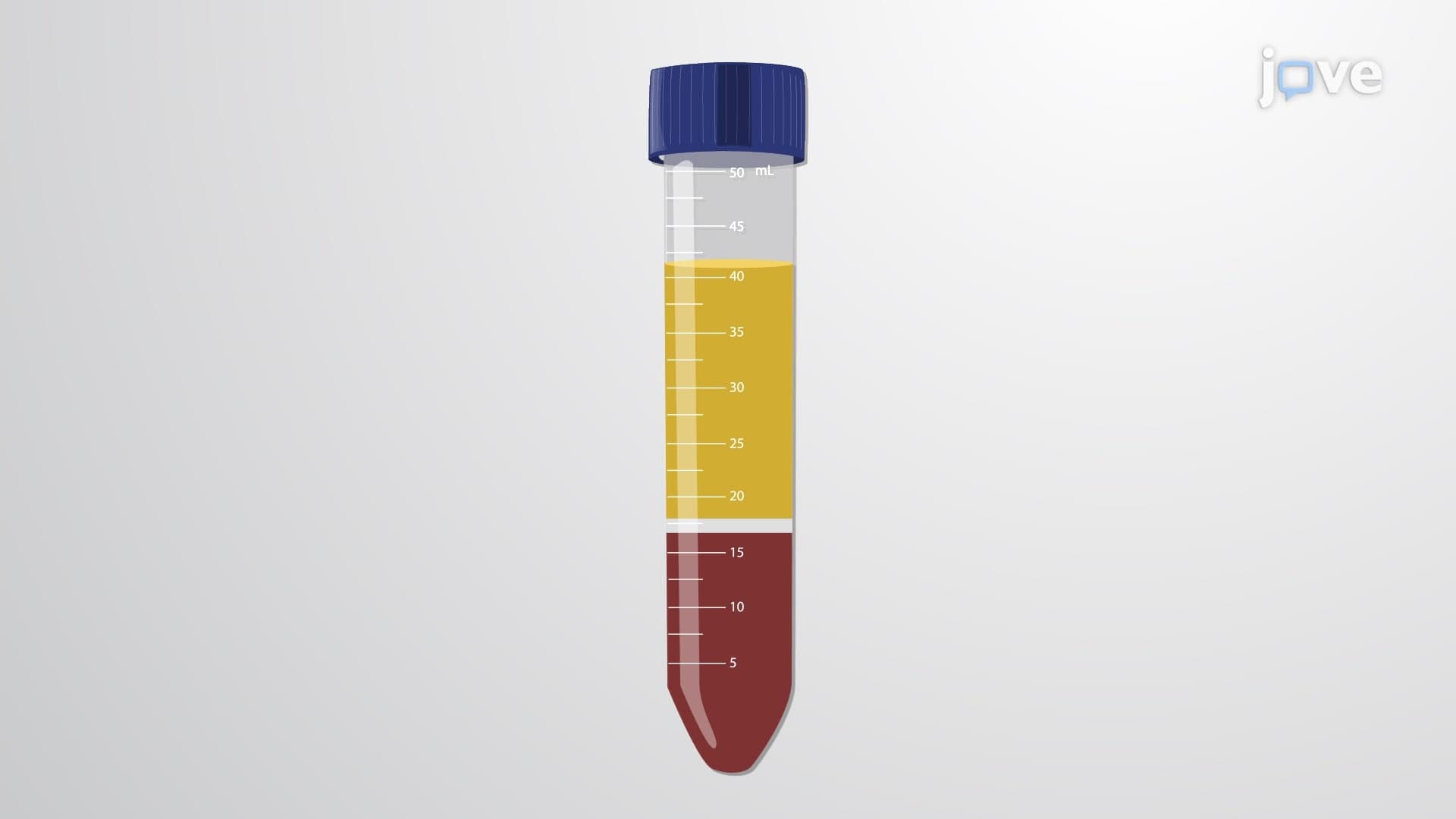
Blood plasma represents the aqueous foundation of circulation, comprising 92% water with dissolved proteins, electrolytes, and organic molecules. Major plasma proteins include albumin (maintaining osmotic pressure), fibrinogen (blood clotting), and immunoglobulins (immune defense). At institutions like Stanford Medical School, students learn how plasma protein electrophoresis can diagnose liver disease, kidney disorders, and immune system dysfunction. The remaining 8% includes glucose, amino acids, hormones like insulin and cortisol, and waste products such as urea and creatinine that require filtration by the kidneys.
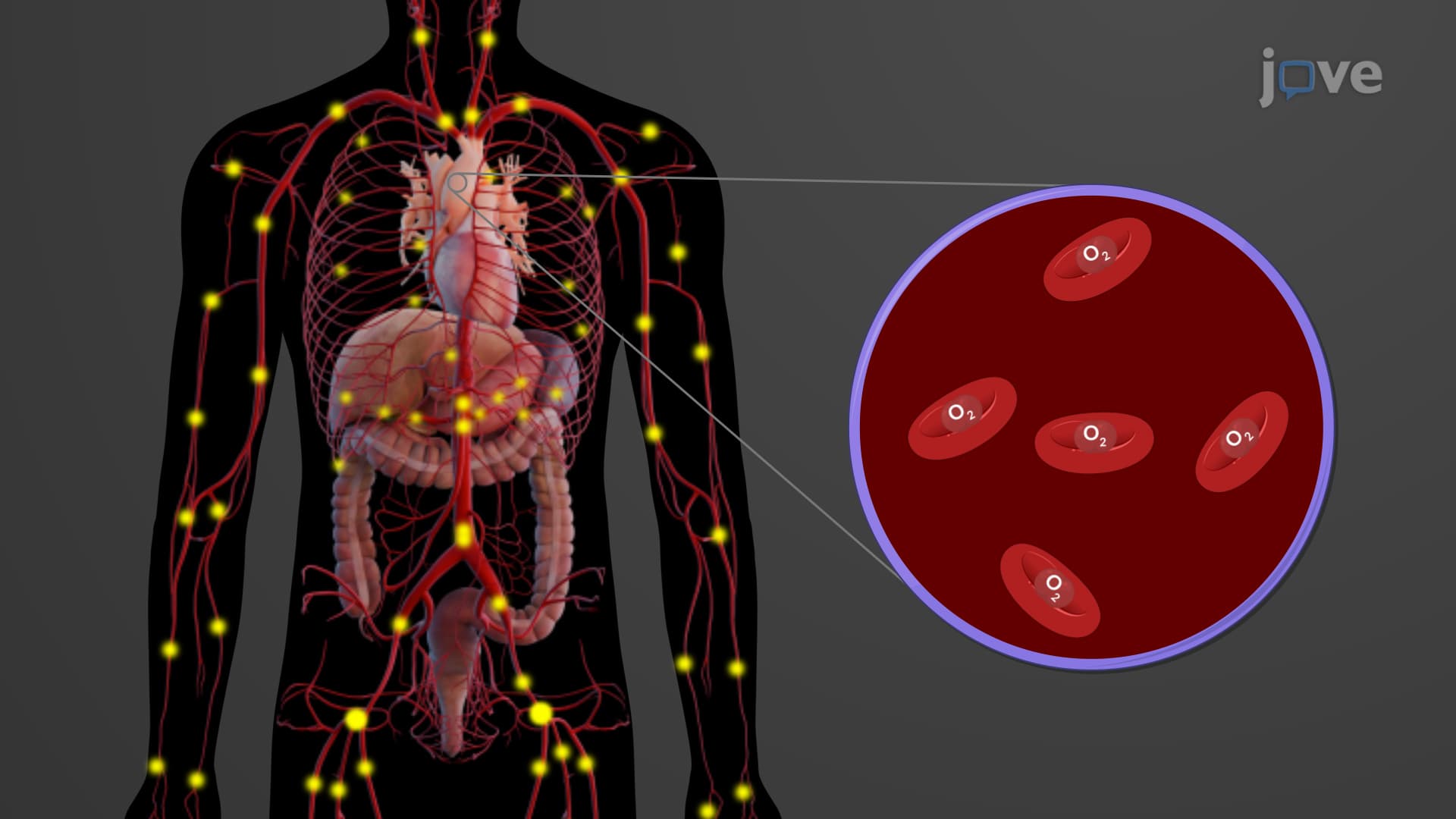
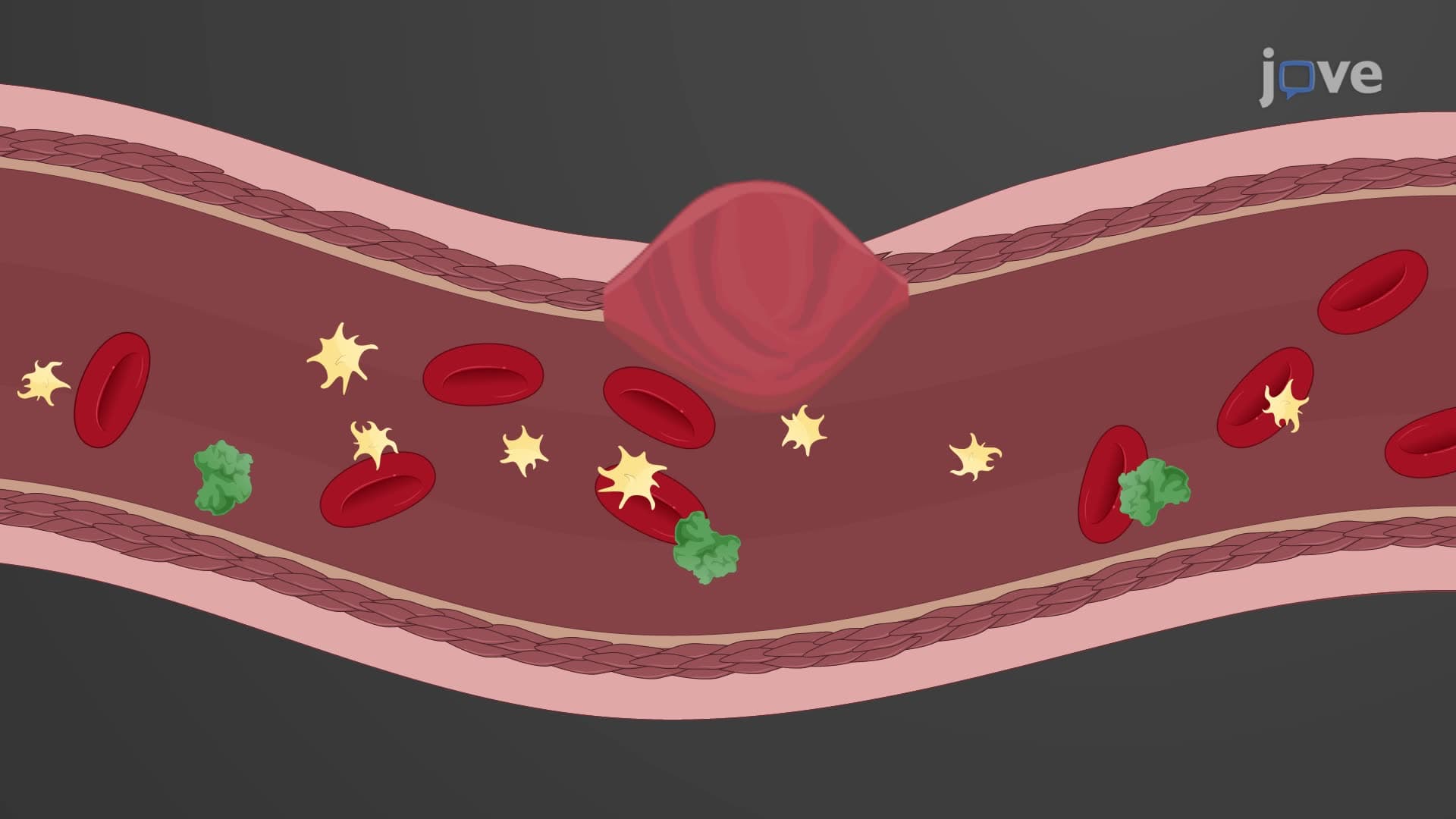
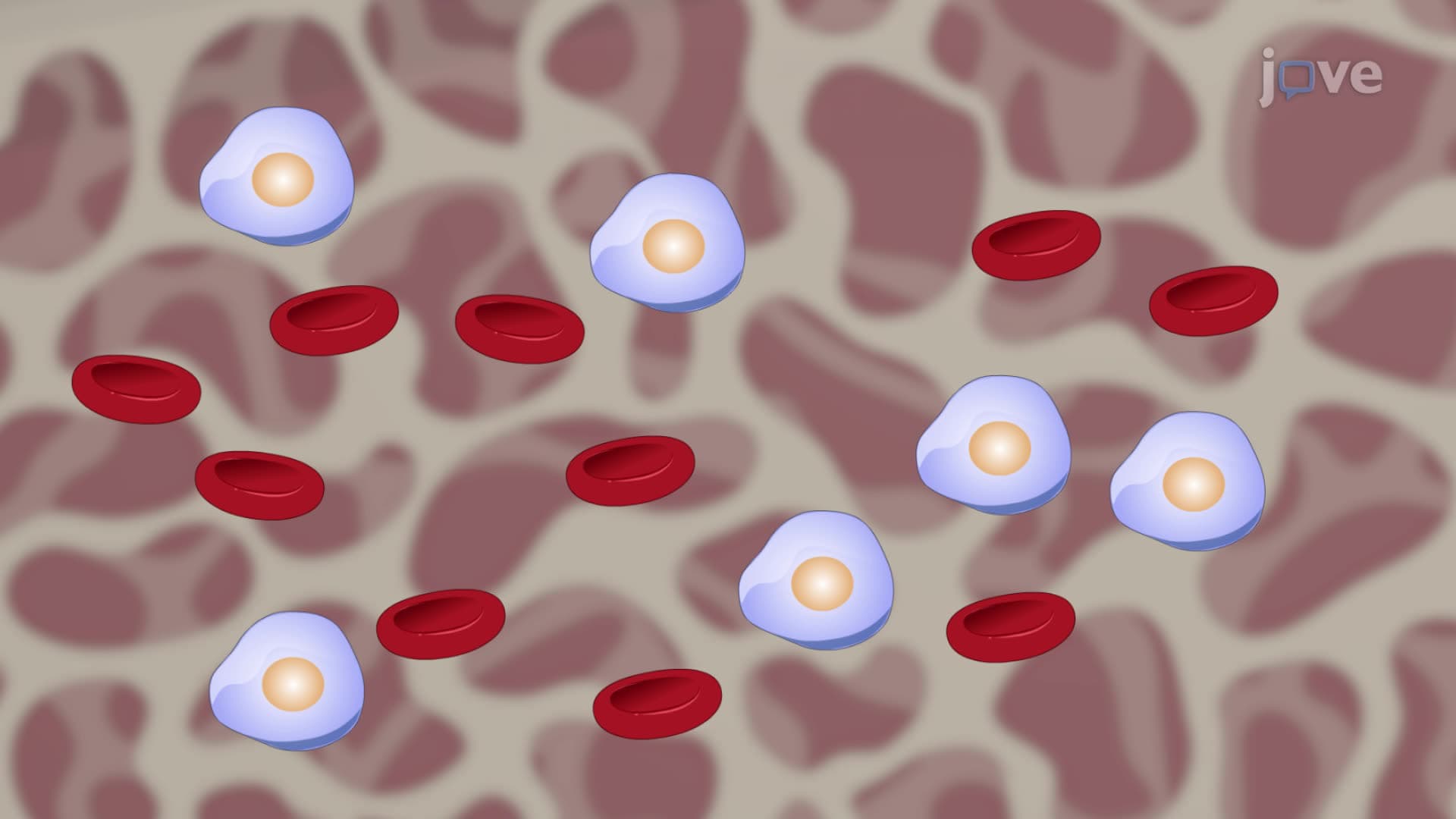
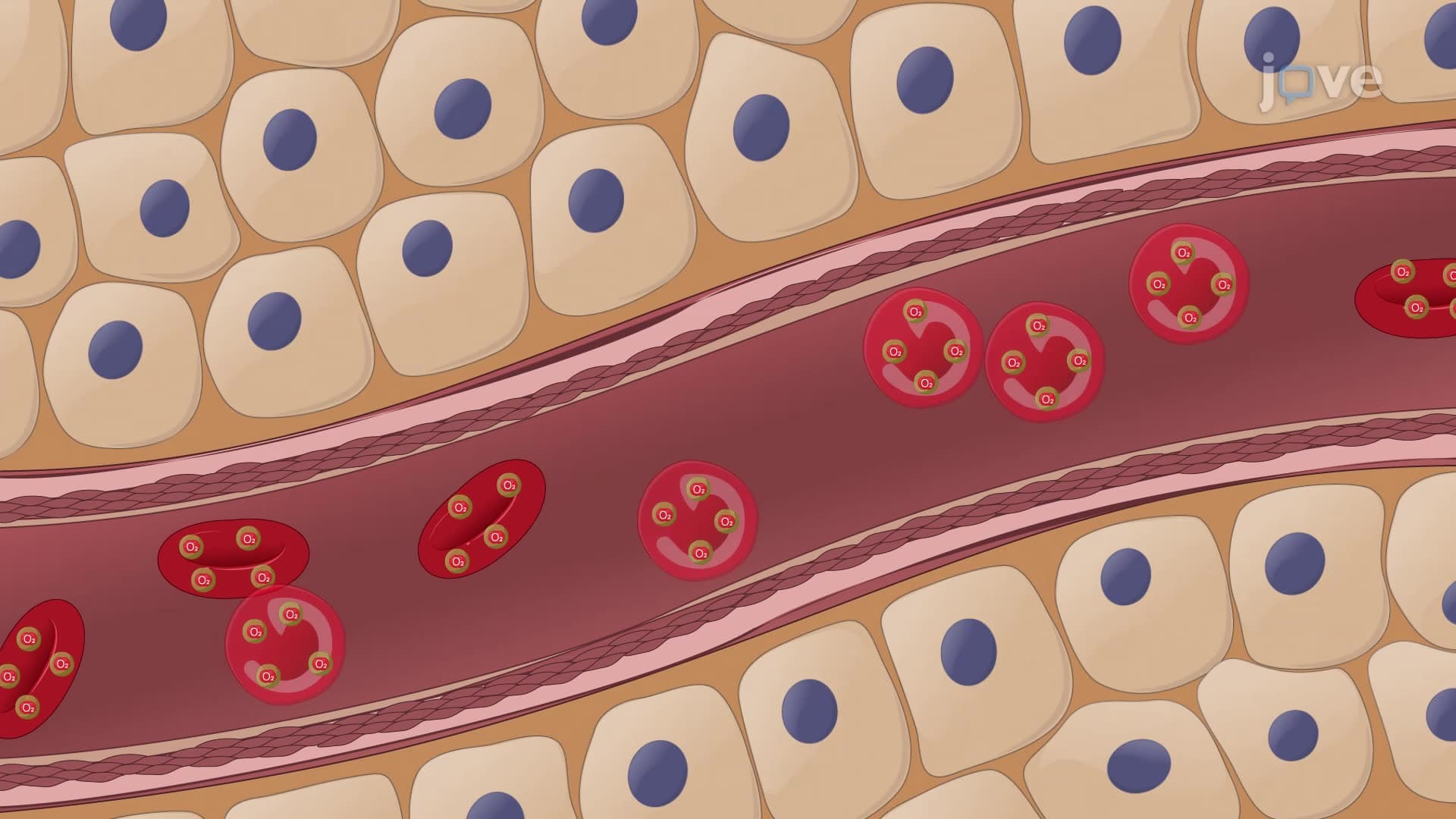
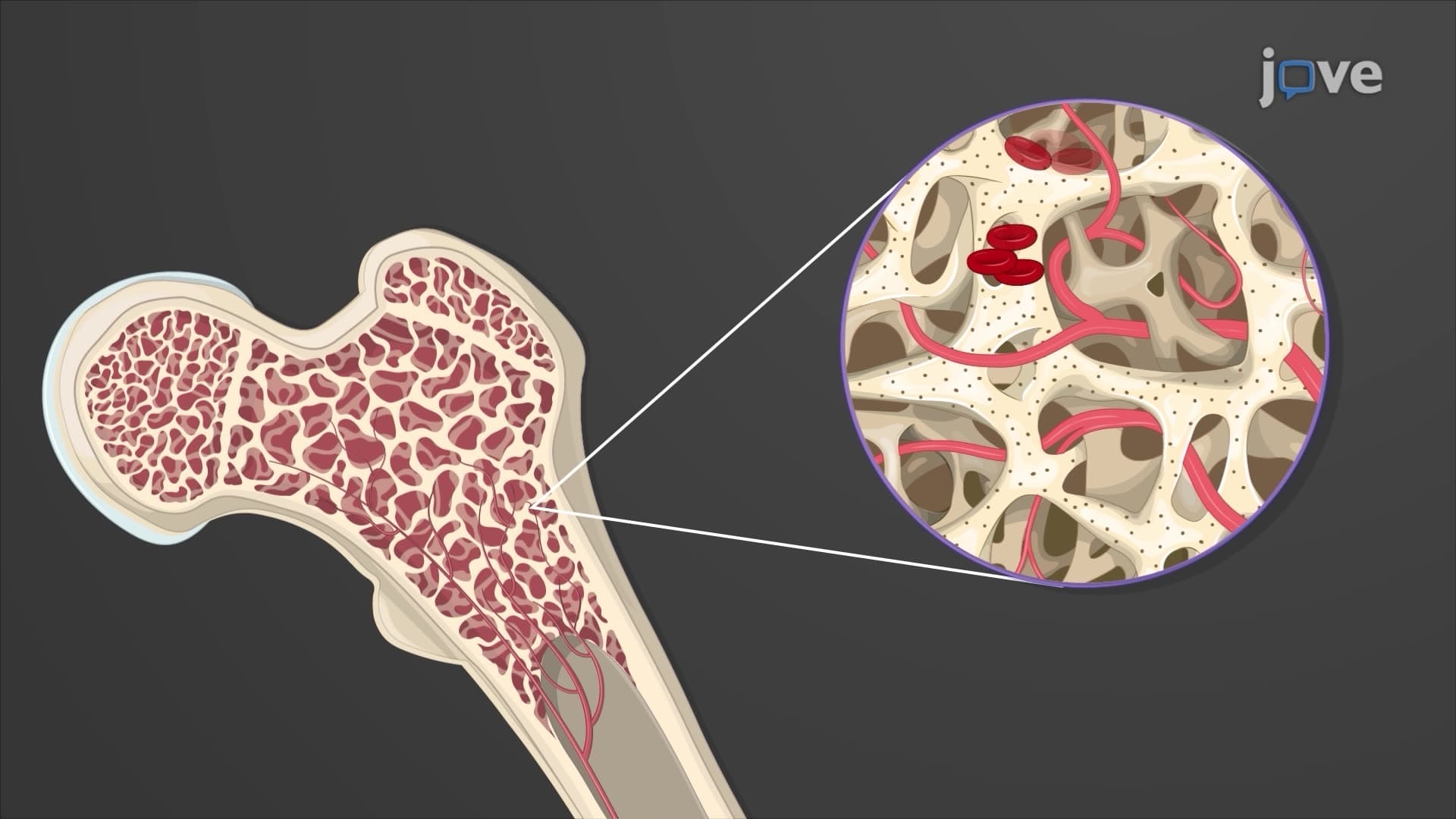
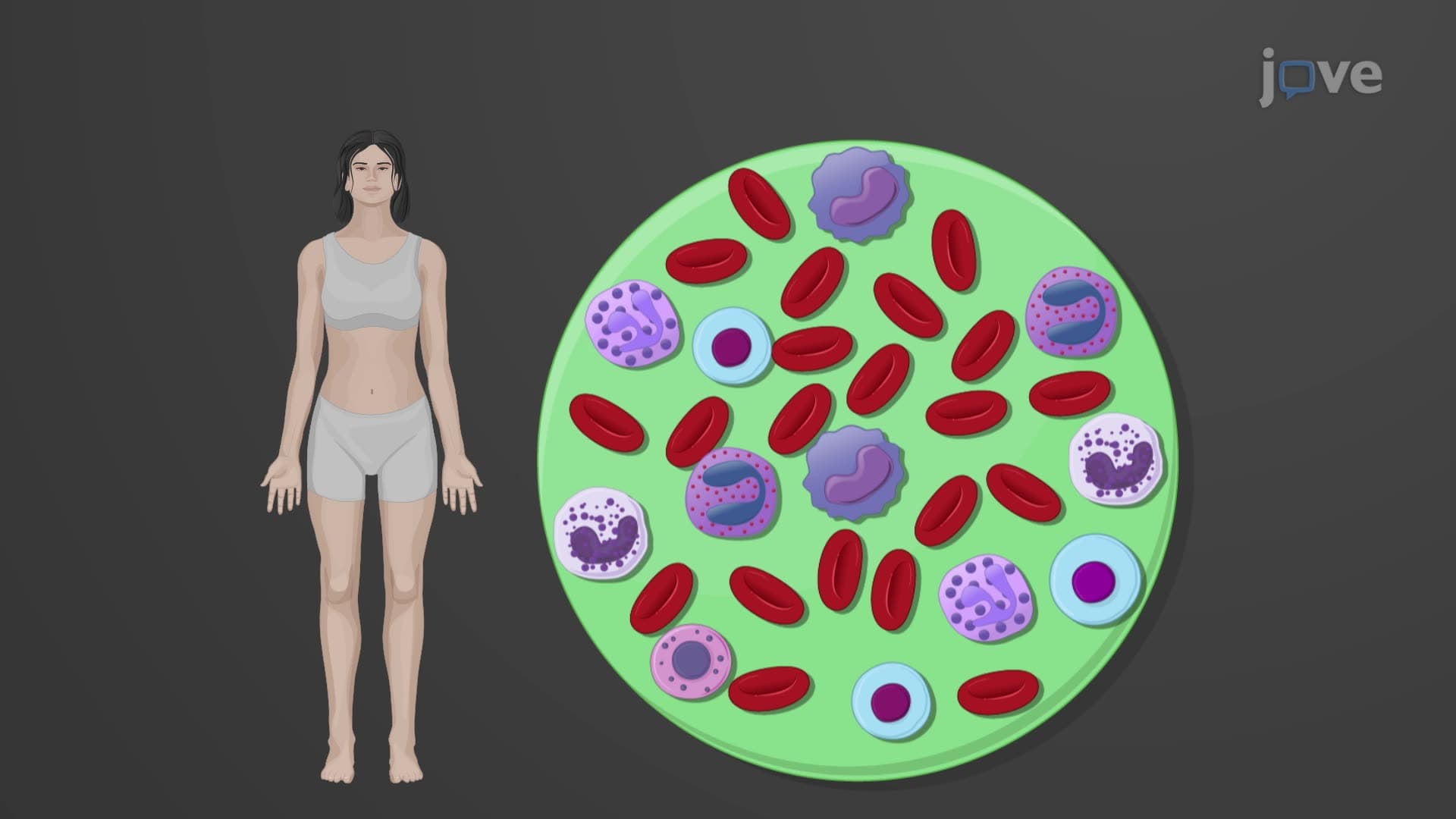
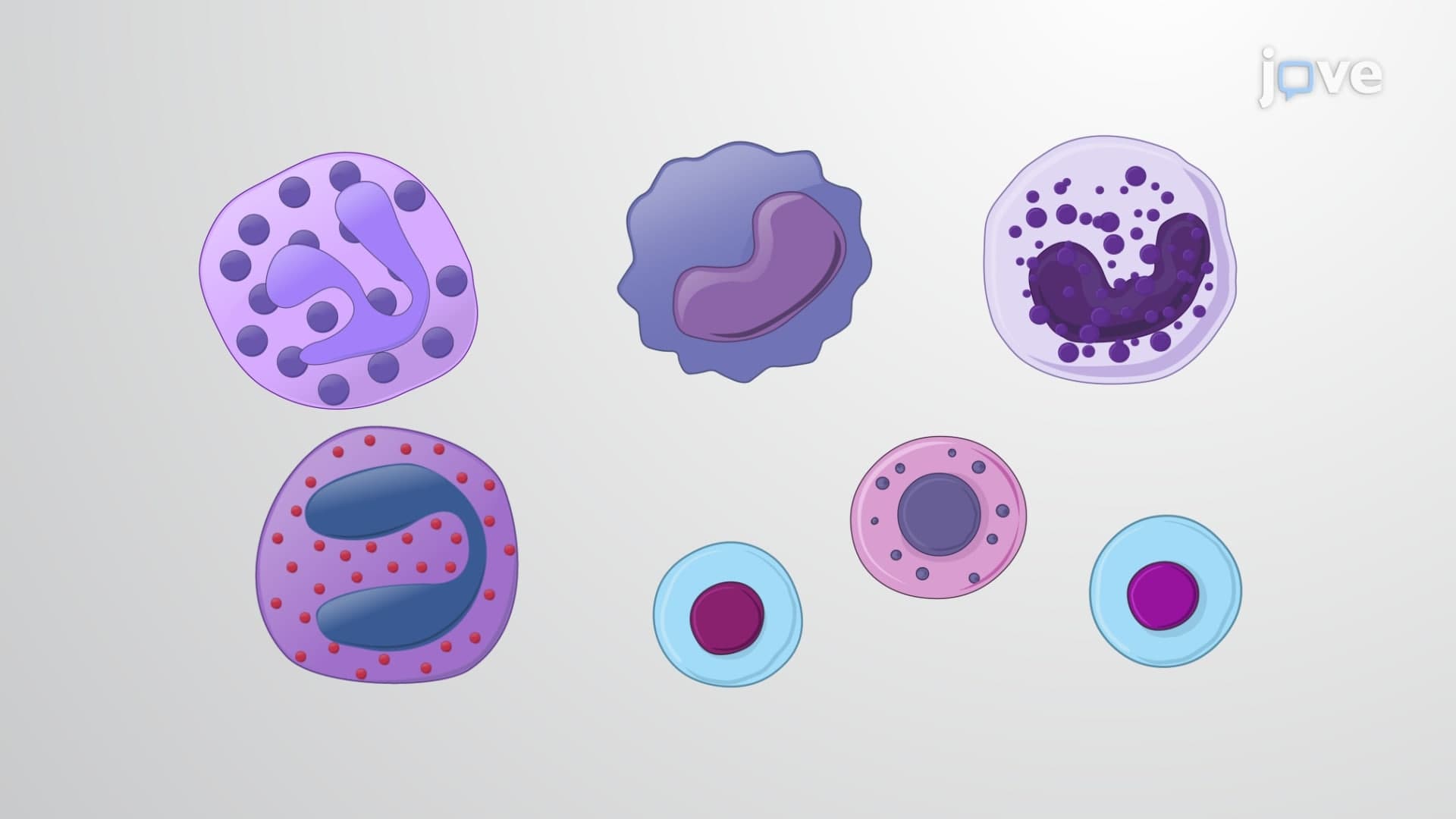
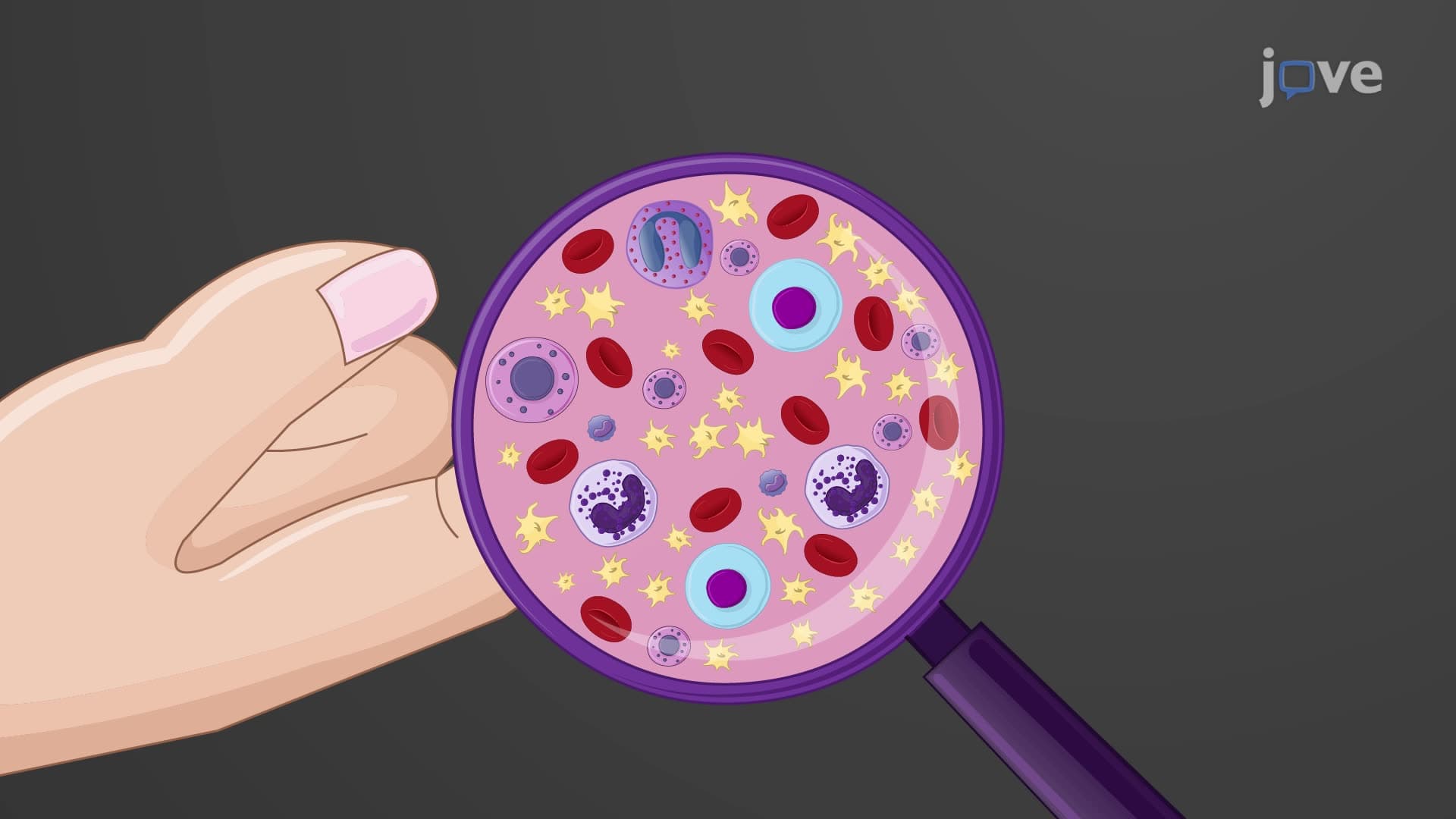
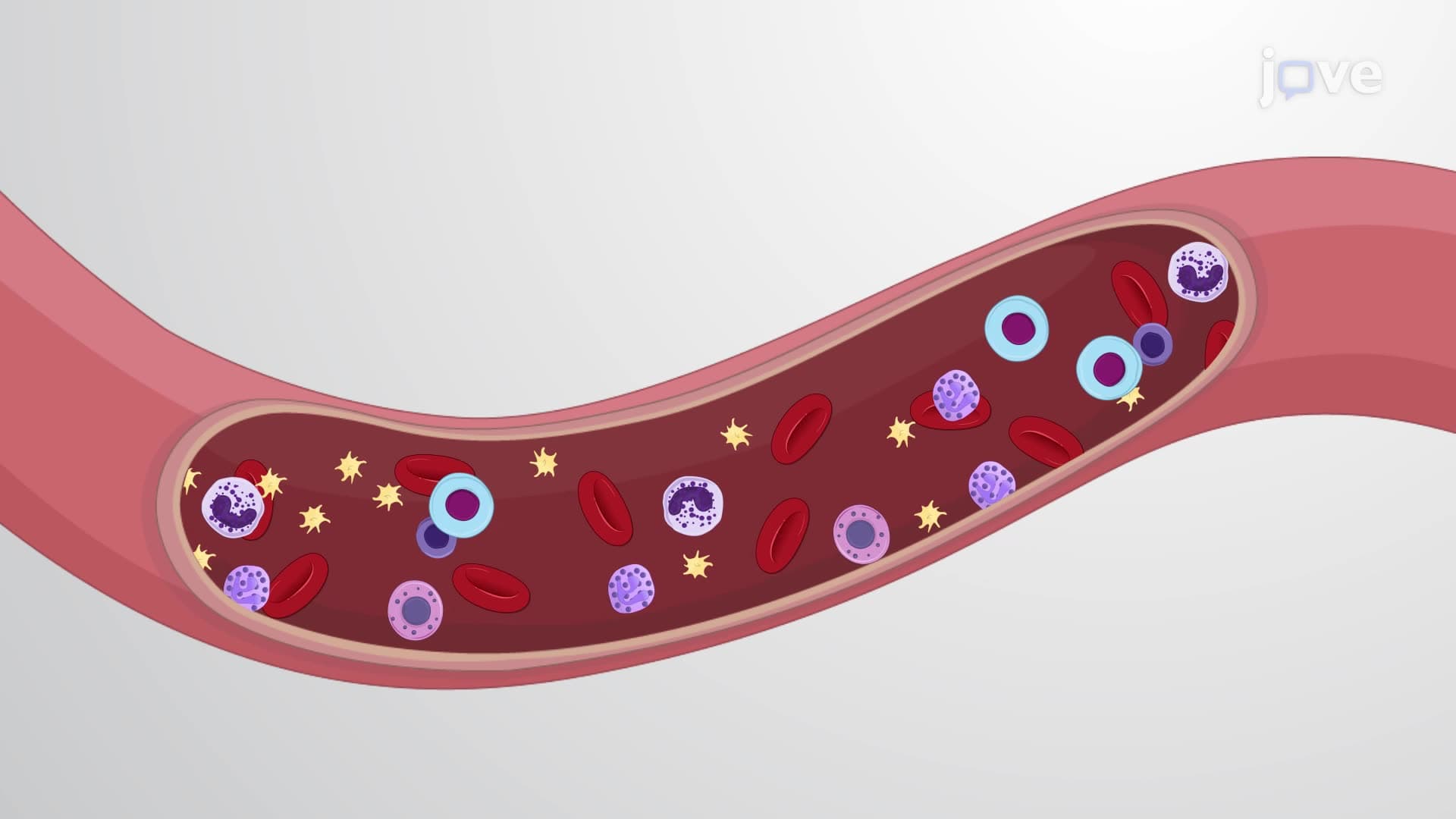
The erythrocyte leukocyte platelet trio represents specialized cellular components with distinct morphologies and functions. Red blood cells dominate this fraction, comprising 99% of formed elements with their characteristic biconcave shape maximizing surface area for gas exchange. Their anucleated structure allows maximum hemoglobin concentration-approximately 280 million molecules per cell-enabling efficient oxygen transport from pulmonary capillaries to peripheral tissues.
Whole blood composition analysis through complete blood counts (CBC) remains the most frequently ordered laboratory test in American hospitals. Normal hematocrit values range from 38-46% in women and 40-54% in men, with deviations indicating conditions like anemia, polycythemia, or dehydration. White blood cell counts between 4,000-11,000 cells per microliter help diagnose infections, leukemias, and immune system disorders. Platelet counts (150,000-450,000 per microliter) assess bleeding risk before surgical procedures at major medical centers like Mayo Clinic and Cleveland Clinic.
Understanding these relationships prepares students for advanced coursework in hematology, pathophysiology, and clinical laboratory science programs offered at universities nationwide.
Related Micro-courses