Loading video…


 29 Concepts
 135.5K views

Video Summary: What Is Composition of Blood Plasma
Did you know that blood plasma is 92% water, yet this liquid carries over 100 different proteins essential for survival? Understanding blood plasma composition biology reveals how this complex fluid maintains life through precise molecular balance. When a patient at Johns Hopkins Hospital receives a plasma transfusion, doctors are replacing critical proteins like albumin and clotting factors that maintain blood pressure and prevent bleeding. What is the composition of blood plasma becomes crucial knowledge for anyone studying human physiology or preparing for medical careers. Watch the full video on JoVE Coach to master this concept with expert-led visuals and step-by-step explanations.
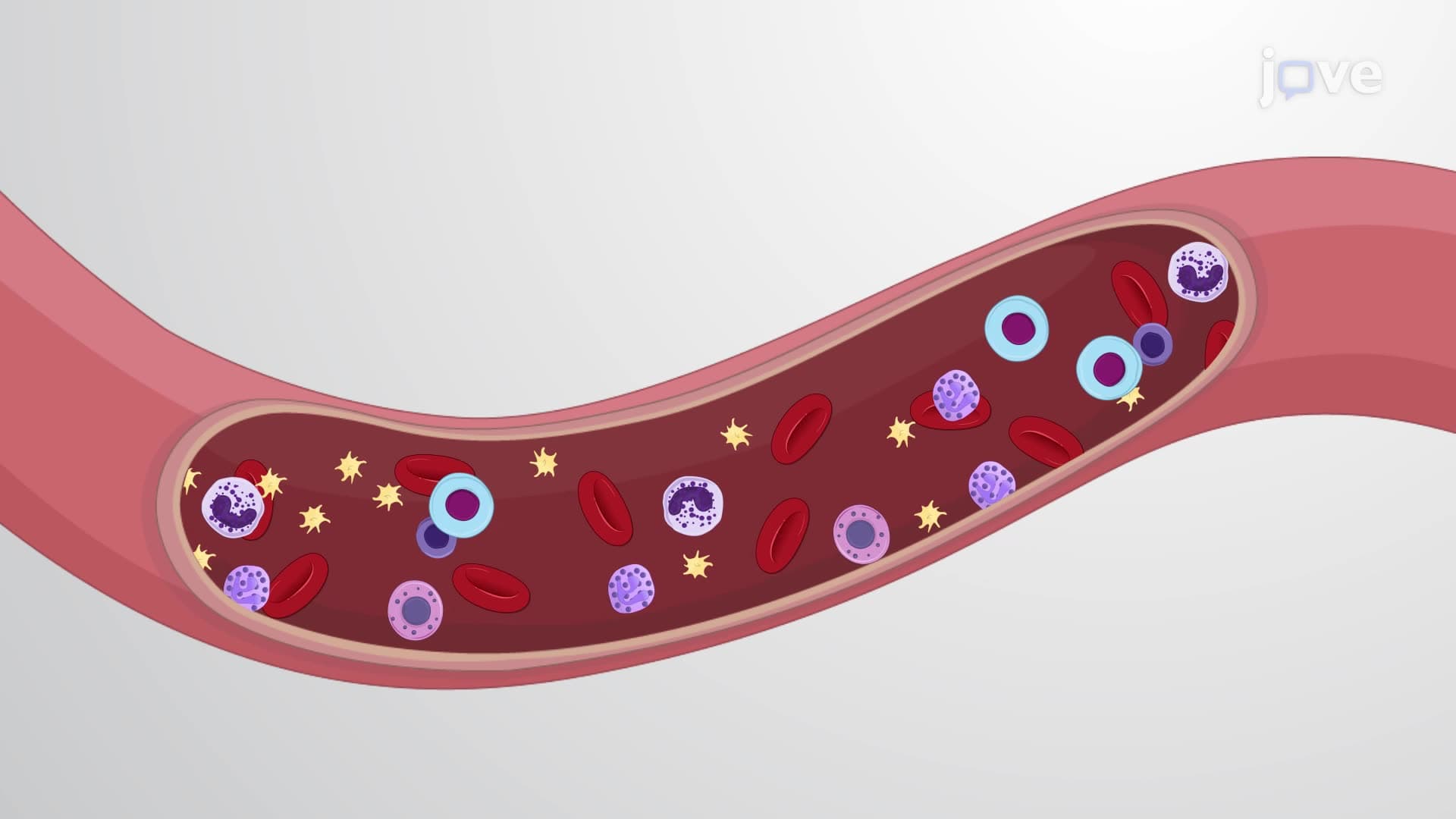
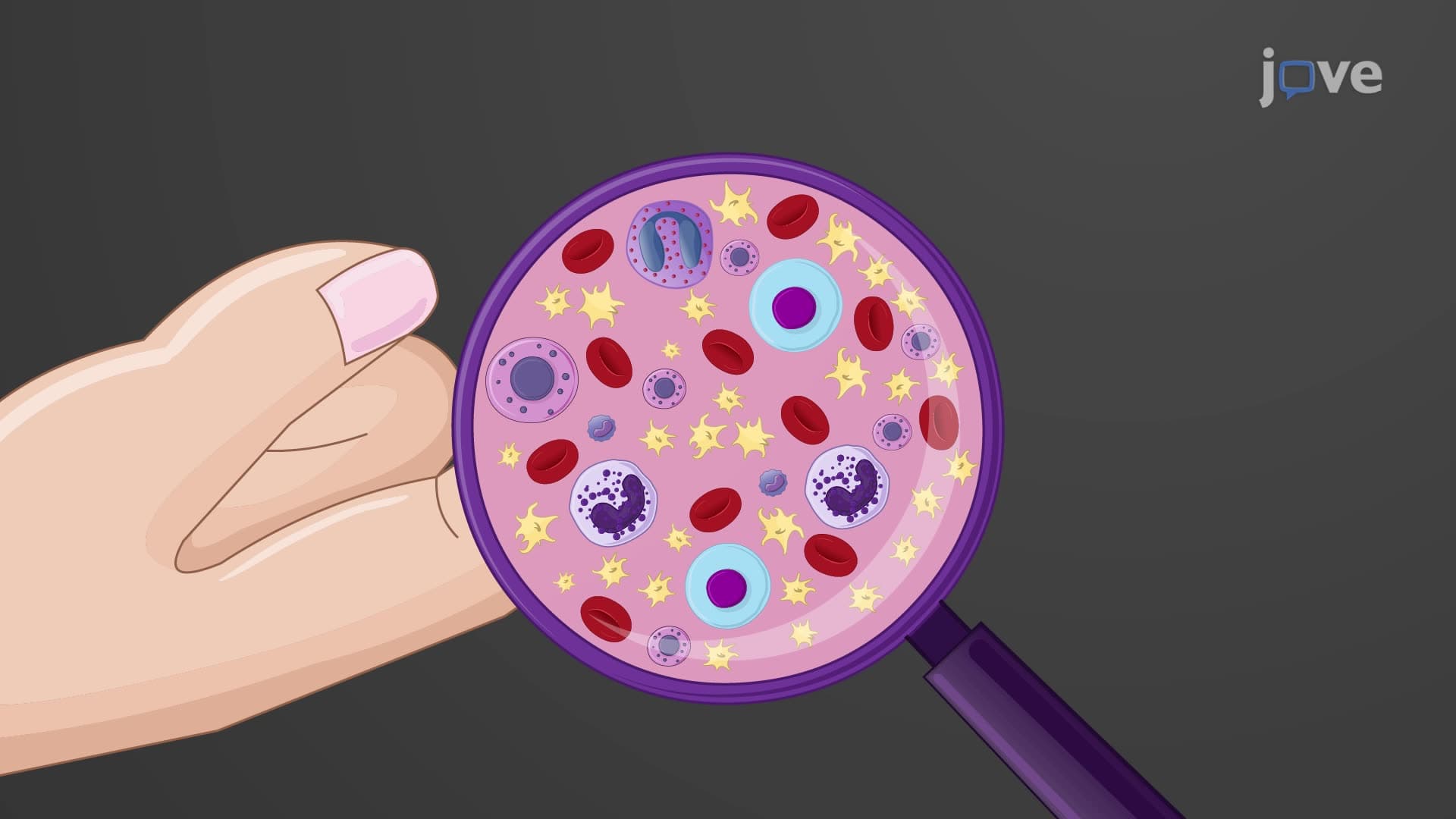
Blood plasma serves as the liquid highway of the human body, comprising 55% of total blood volume. This straw-colored fluid represents one of medicine's most complex biological solutions, containing over 700 different proteins and countless other molecules. For students taking AP Biology or preparing for the MCAT, understanding plasma composition explained provides essential knowledge for topics ranging from homeostasis to cardiovascular physiology.
The water protein plasma composition follows a precise 92:8 ratio that evolution has perfected over millions of years. Water acts as the universal solvent, allowing nutrients, gases, and waste products to dissolve and travel throughout the circulatory system. The 8% solutes include approximately 7% proteins and 1% other dissolved substances.
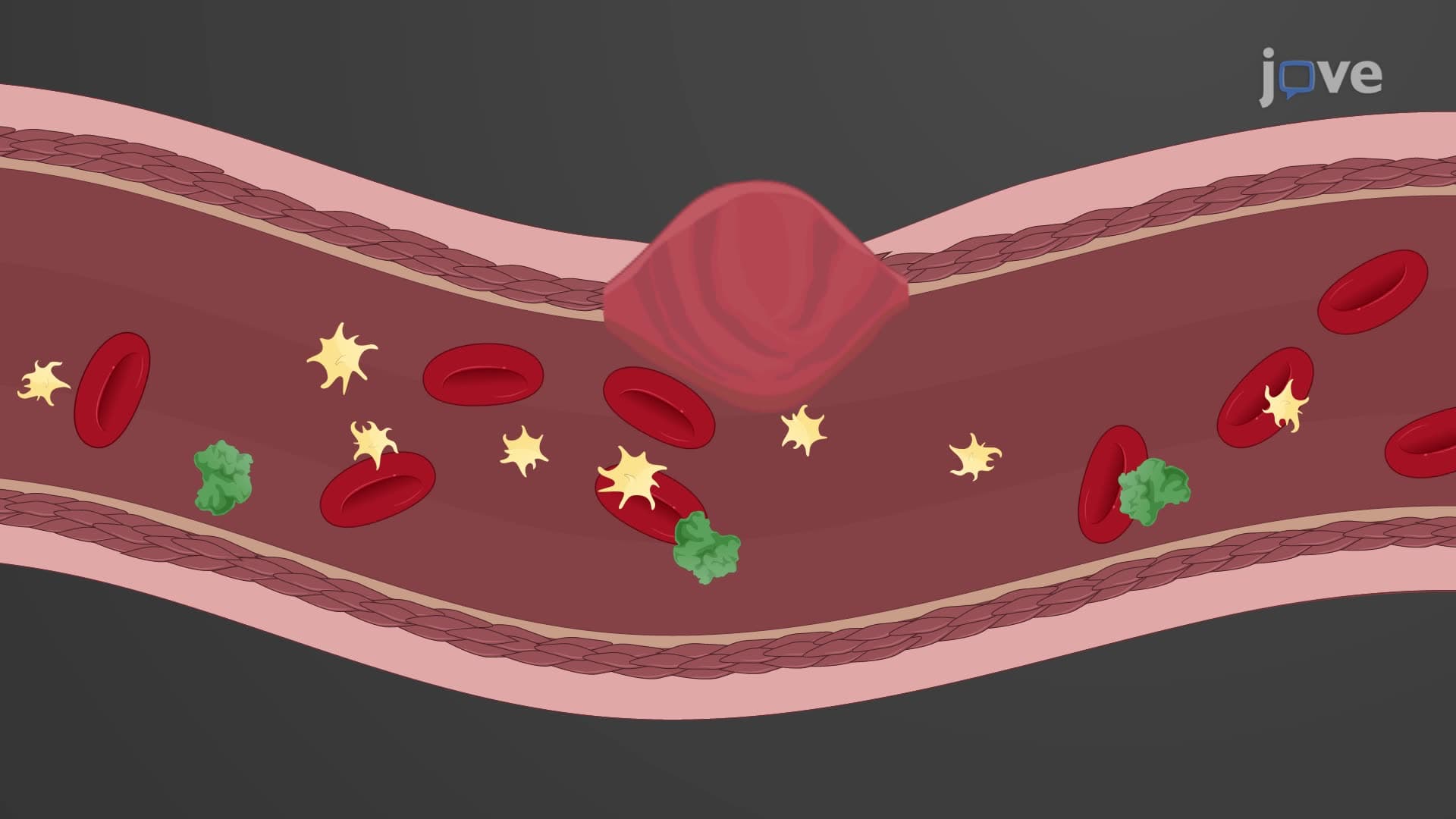
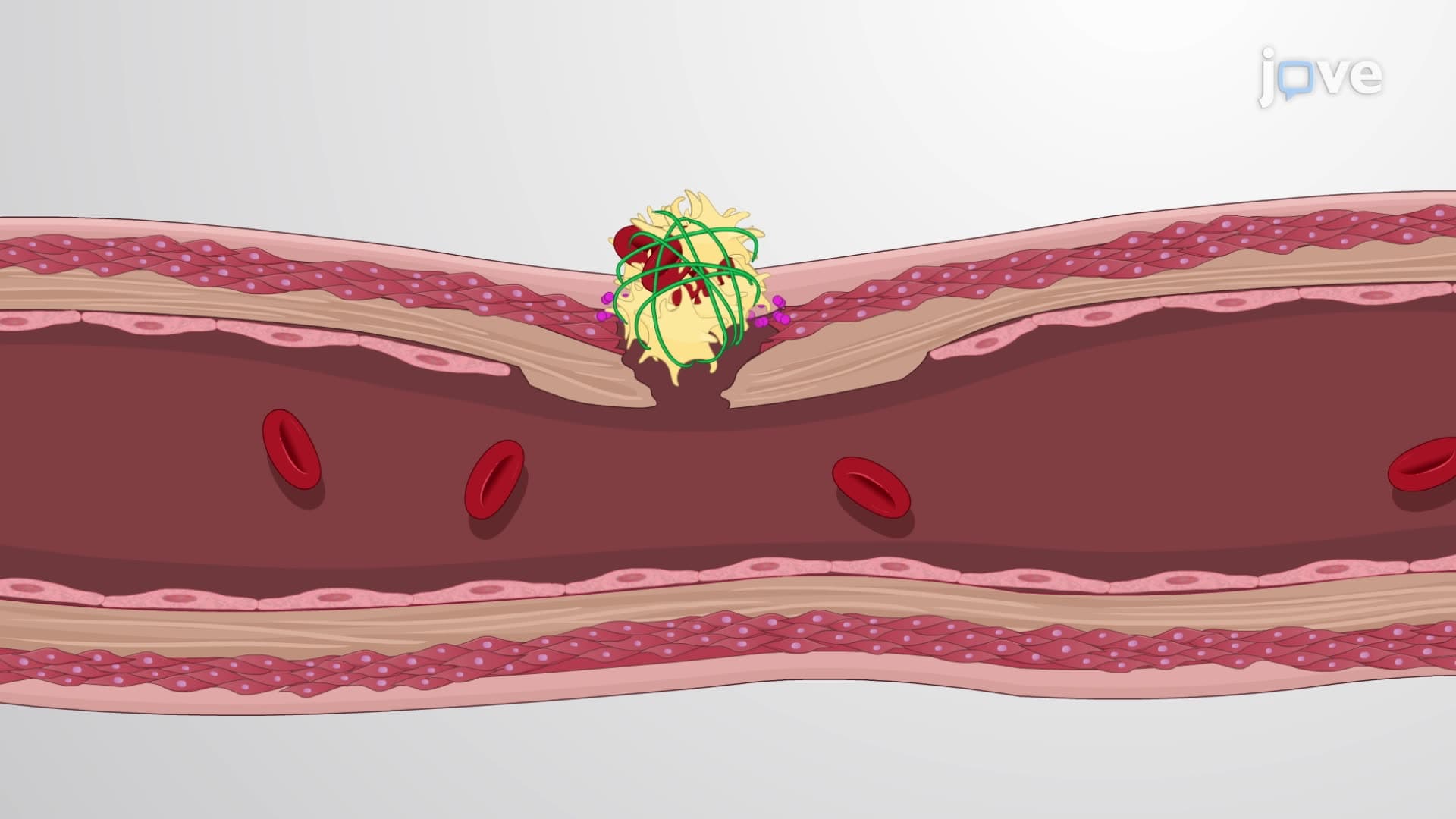
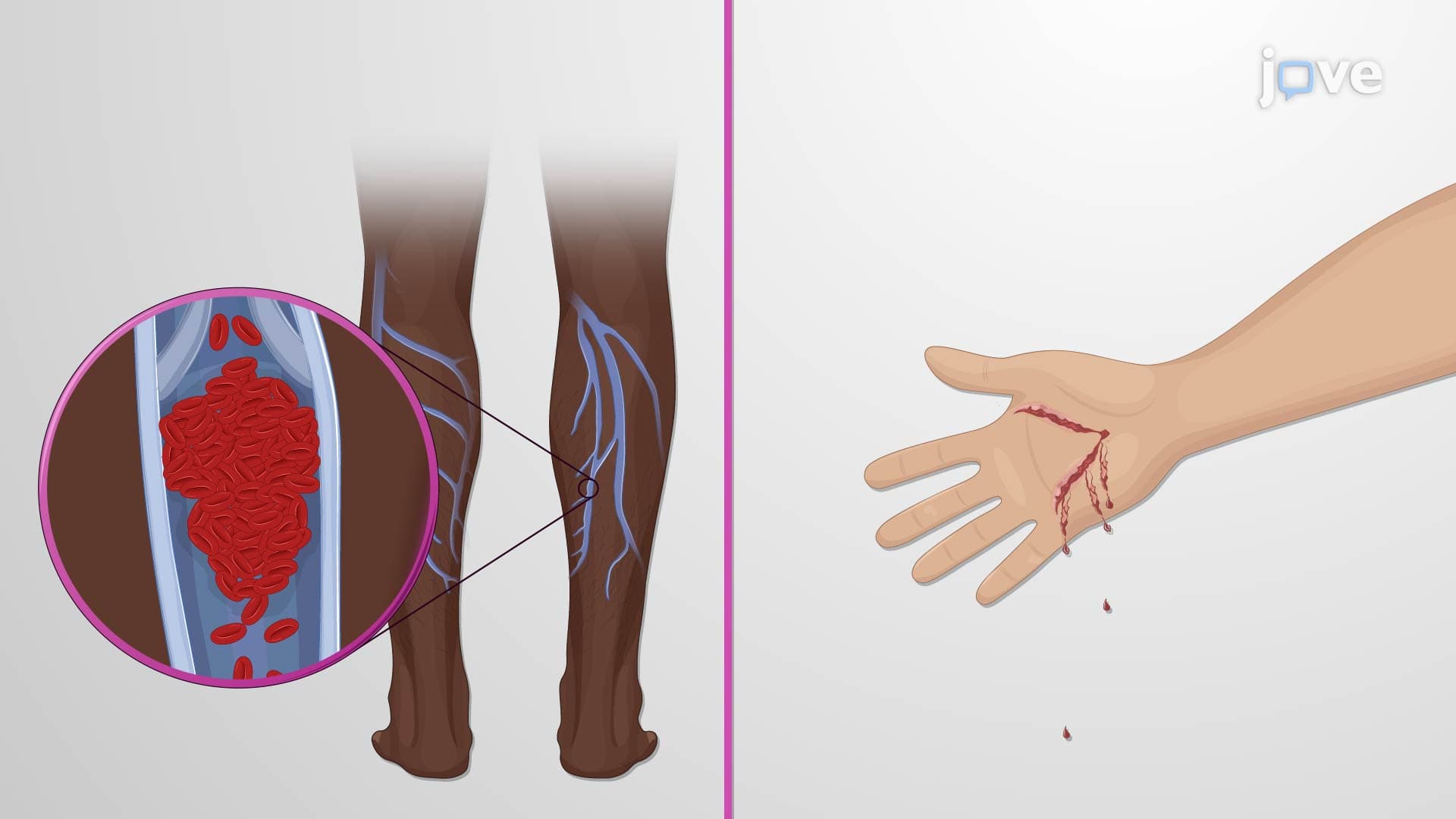
Albumin globulin fibrinogen represent the three major protein families in plasma. Albumin, manufactured exclusively in the liver, maintains oncotic pressure-the force that keeps fluid inside blood vessels rather than leaking into tissues. This explains why patients with liver disease often develop edema (swelling) due to low albumin production. Globulins serve dual roles: alpha and beta globulins transport lipids and vitamins, while gamma globulins function as antibodies. Students studying for the USMLE will encounter fibrinogen frequently, as this protein converts to fibrin during blood clotting, forming the mesh that stops bleeding.
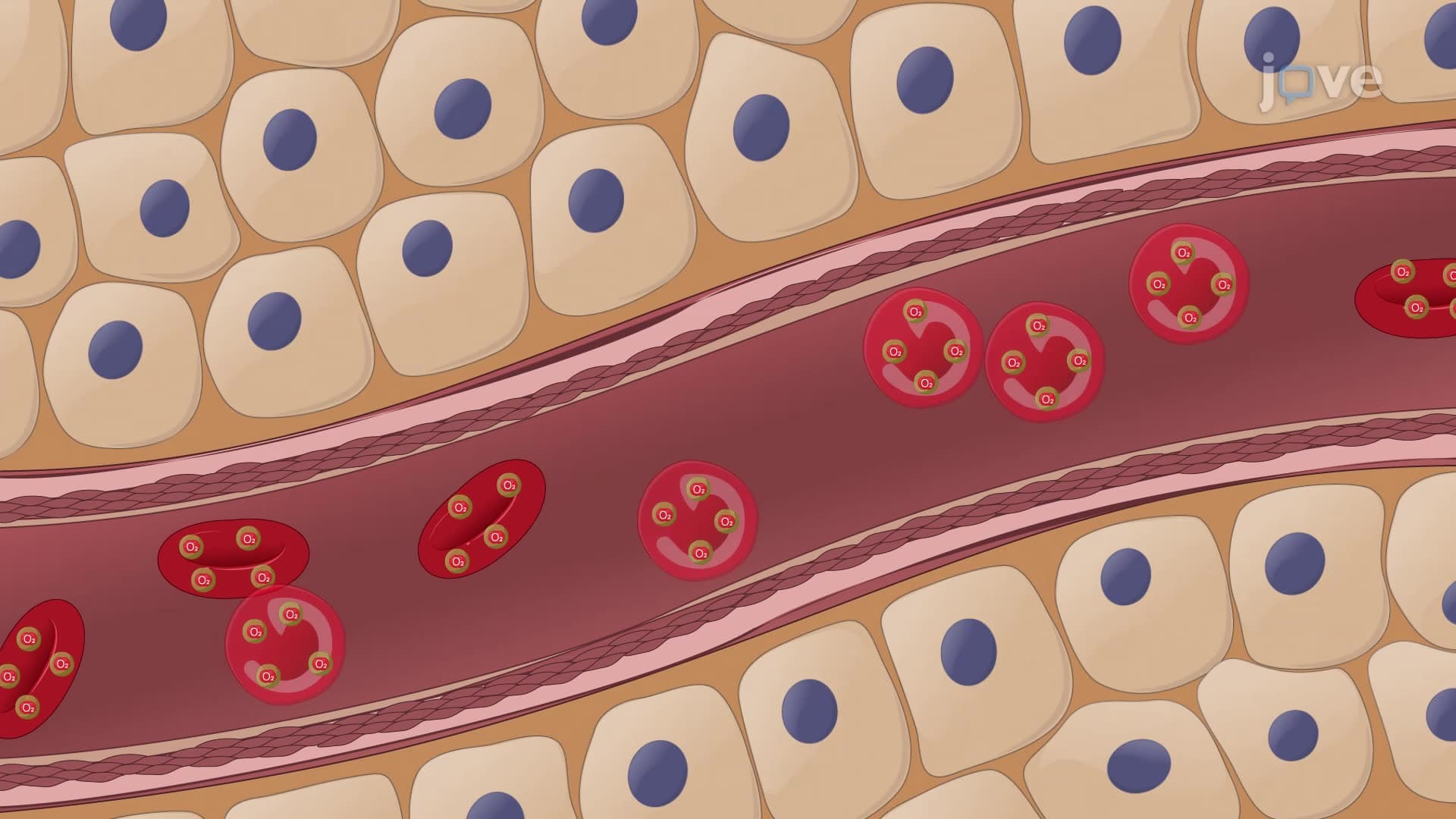
Plasma electrolyte dissolved gas components maintain life's delicate chemical balance. Sodium and chloride regulate blood pressure and fluid distribution, while bicarbonate buffers blood pH within the narrow range of 7.35-7.45. Carbon dioxide dissolves directly in plasma, while oxygen requires hemoglobin for efficient transport-a distinction crucial for understanding respiratory physiology on college exams.
Plasma nutrient waste circulation demonstrates the body's remarkable efficiency. Glucose levels (normally 70-100 mg/dL) provide immediate energy, while amino acids serve as protein building blocks. Simultaneously, waste products like urea and creatinine indicate kidney function. Medical students learn that elevated creatinine levels signal kidney damage, making plasma composition analysis essential for clinical diagnosis.
Understanding blood plasma component functions proves invaluable for healthcare careers. Plasma donation centers like those operated by the American Red Cross collect this life-saving fluid to treat burn victims, hemophiliacs, and trauma patients. For students taking the NCLEX or HESI A2, plasma composition knowledge applies to IV fluid therapy, blood transfusions, and laboratory value interpretation-all critical nursing competencies in American healthcare systems.
Related Micro-courses