Loading subject page…


135,525 views

Video Summary: What Is Erythropoiesis
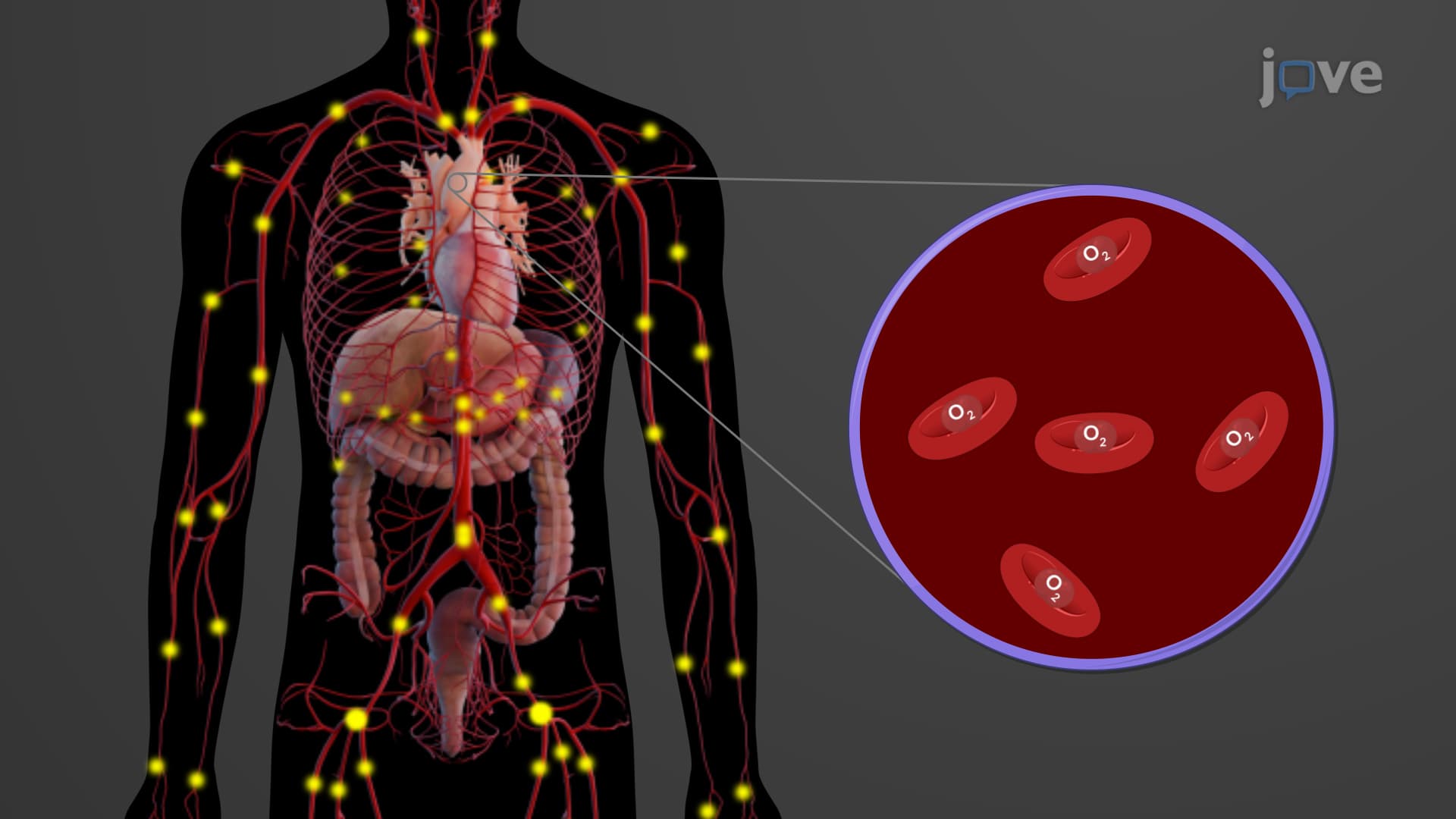
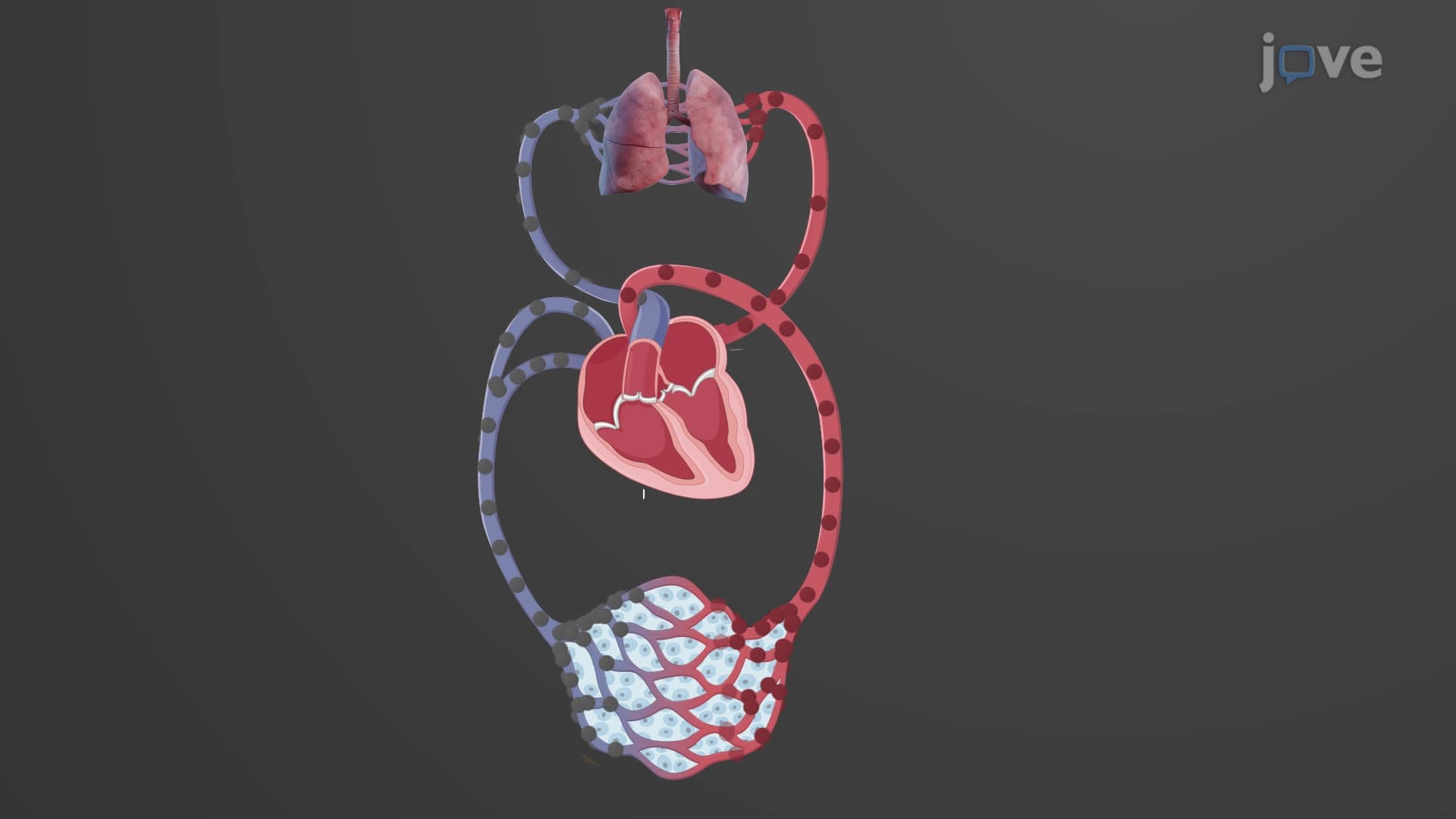
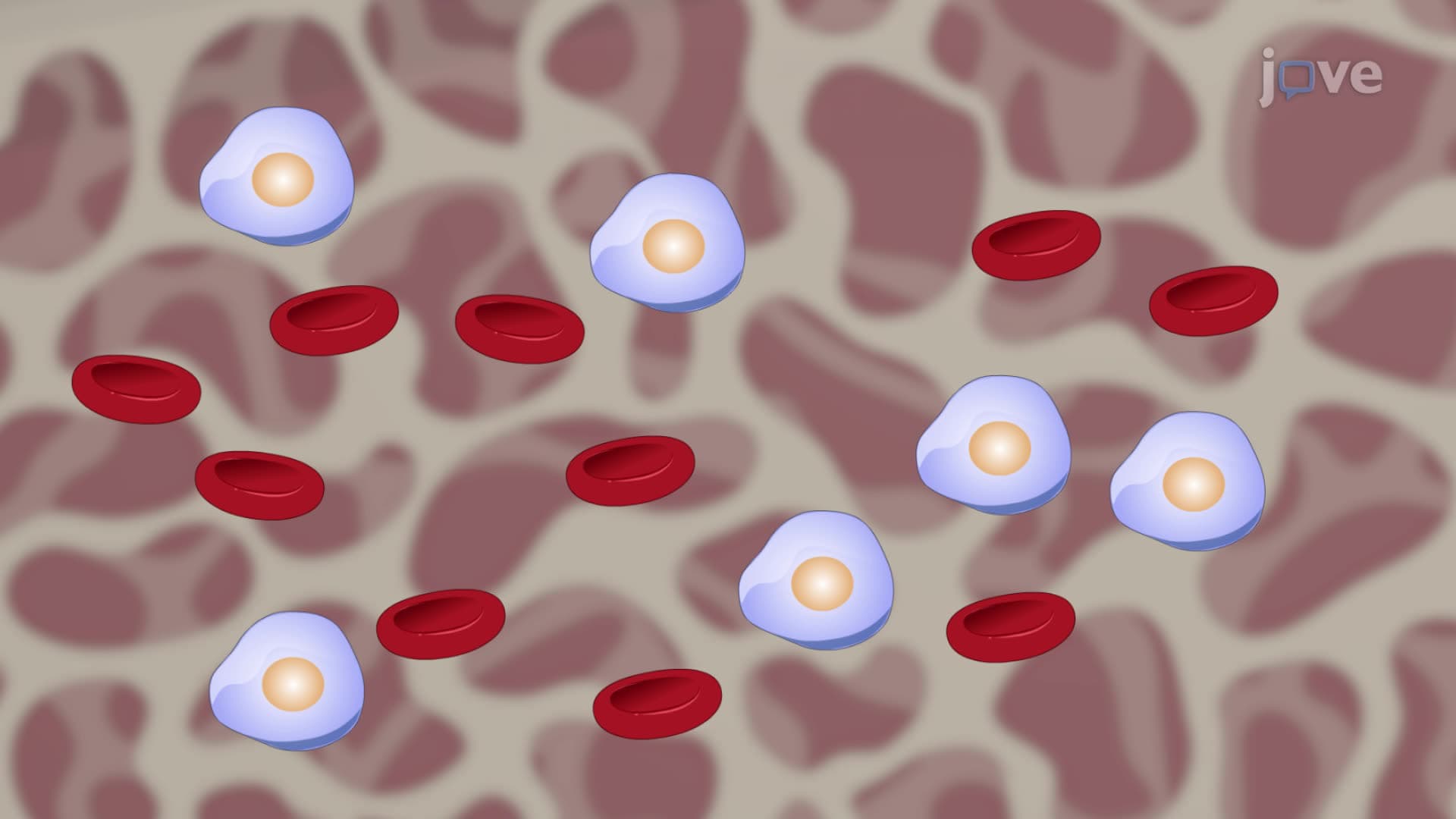
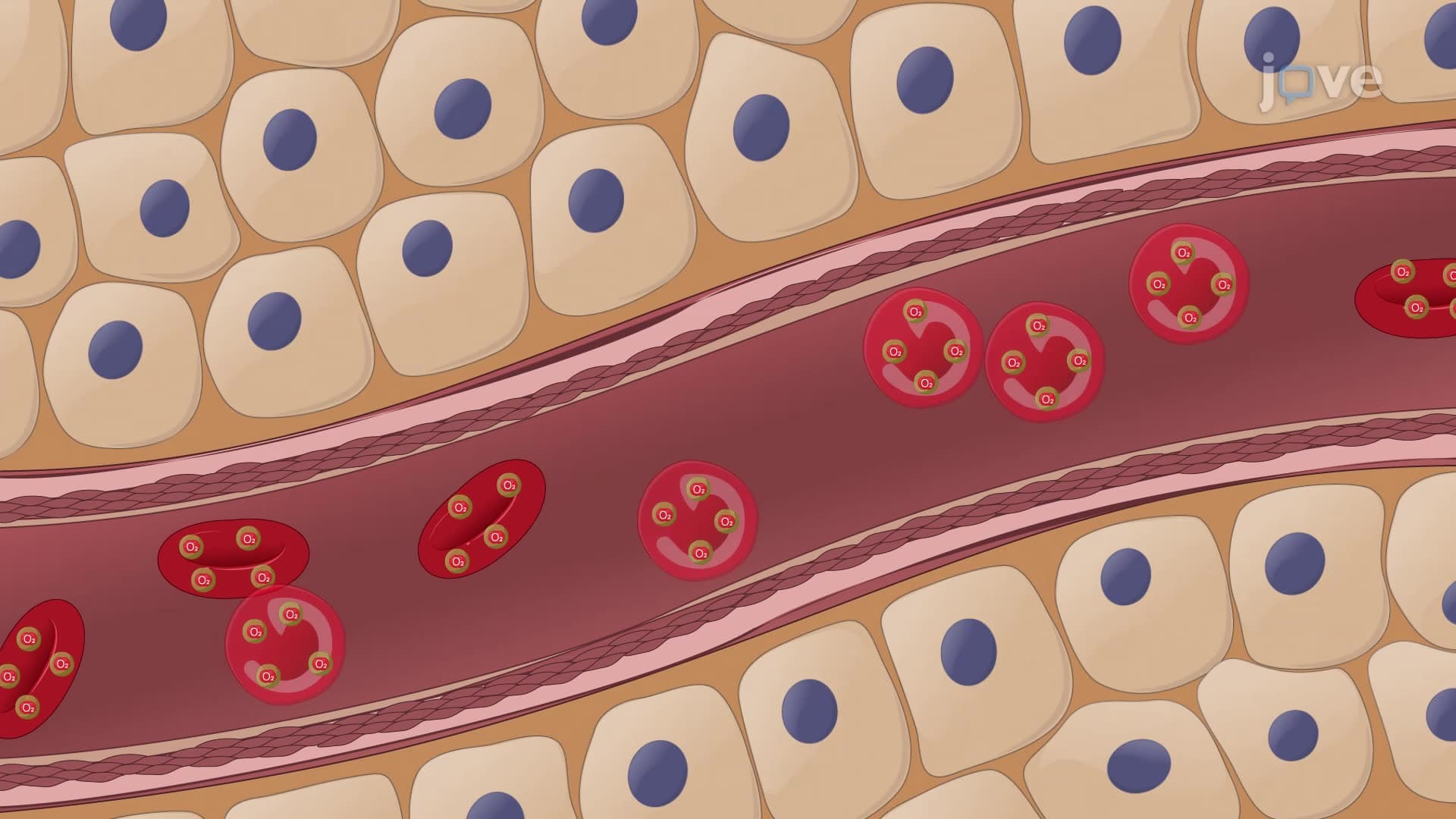
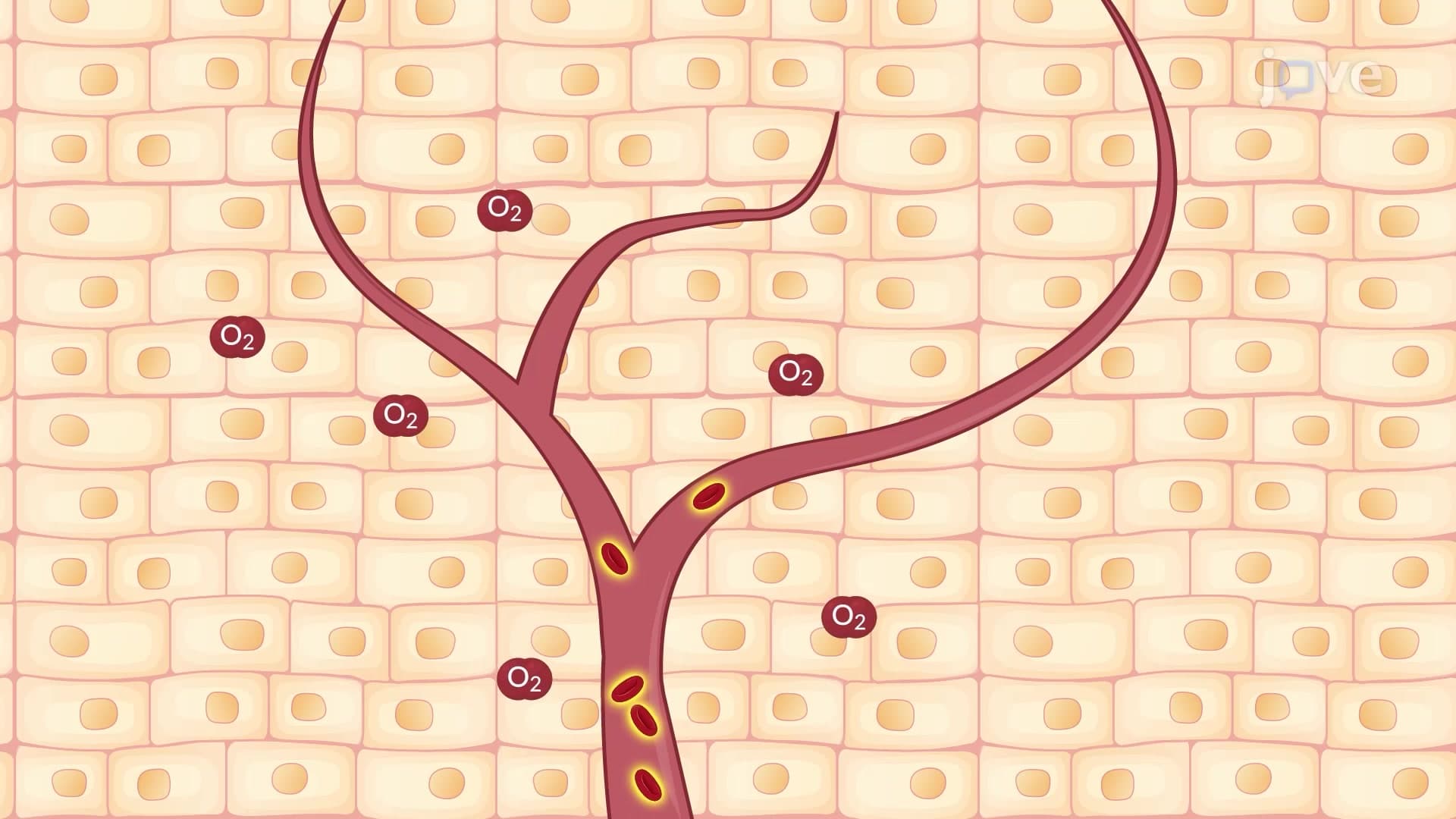
Did you know your bone marrow produces over 200 billion red blood cells daily? Erythropoiesis biology explained reveals this remarkable process where stem cells transform into oxygen-carrying erythrocytes through precisely controlled stages. The red blood cell production process becomes critical during conditions like Colorado's high altitude, where decreased oxygen triggers increased erythropoietin production. What is erythropoiesis represents one of hematopoiesis's most vital pathways, ensuring adequate oxygen delivery throughout your body. Watch the full video on JoVE Coach to master this concept with expert-led visuals and step-by-step explanations.
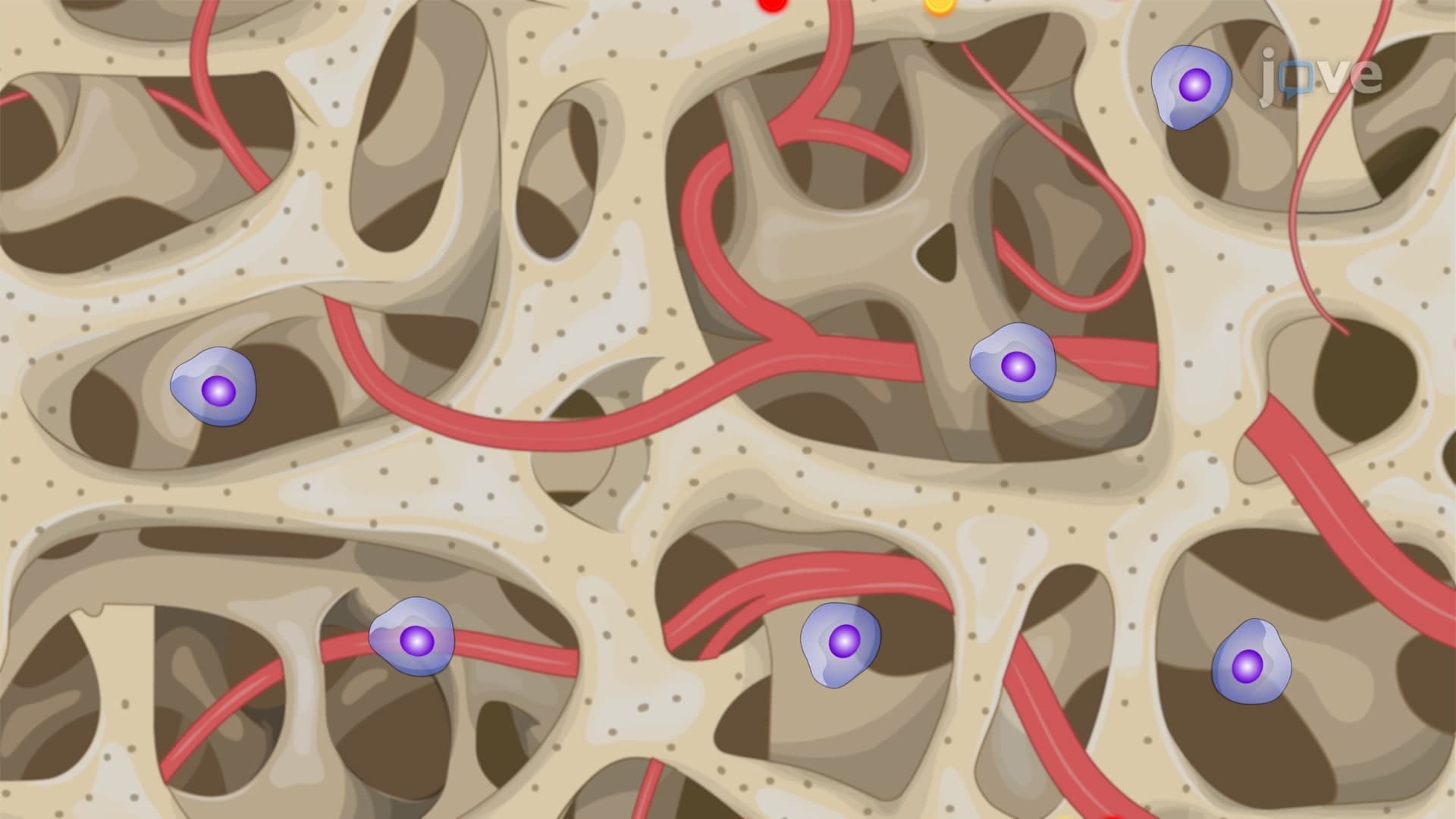
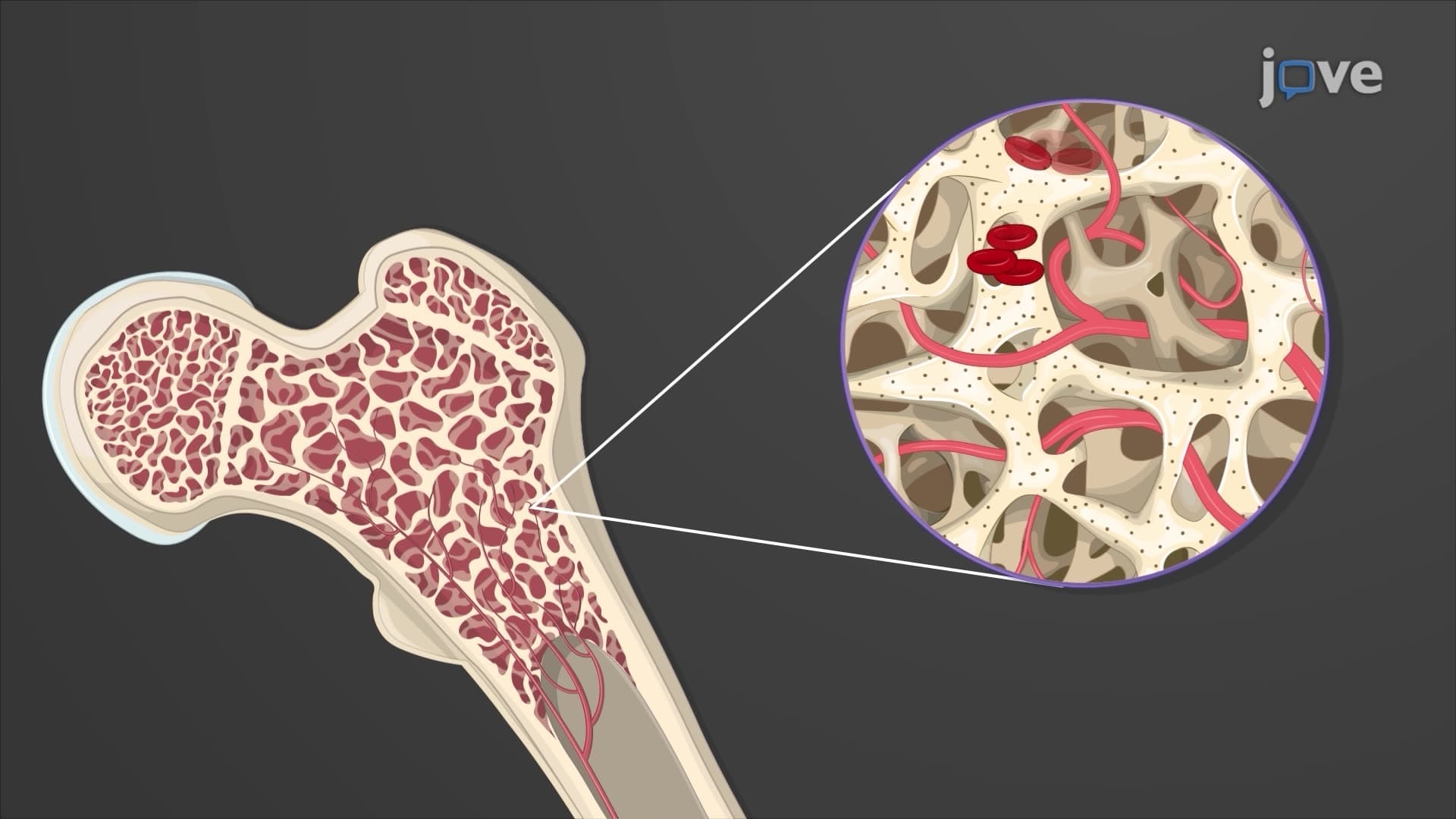
Erythropoiesis biology explained encompasses the sophisticated process by which multipotent hematopoietic stem cells differentiate into mature red blood cells within the red bone marrow. This process typically takes 7-10 days and involves precise molecular regulation to meet the body's oxygen-carrying demands. Students preparing for AP Biology or college-level anatomy courses must understand that erythropoiesis represents a prime example of cellular differentiation and hormonal regulation working in concert.
The red blood cell production process follows a well-defined pathway beginning with the proerythroblast, the first committed erythroid precursor. As cells progress through basophilic, polychromatic, and orthochromatic erythroblast stages, they gradually lose their nucleus and organelles while accumulating hemoglobin. The reticulocyte stage represents the penultimate step, where cells retain some ribosomes before maturing into biconcave erythrocytes. MCAT students frequently encounter questions about these morphological changes and their functional significance.
Erythropoietin EPO stimulus serves as the primary hormonal control mechanism for erythropoiesis. Produced mainly by peritubular cells in the kidneys, EPO secretion increases when oxygen sensors detect hypoxia. This glycoprotein hormone binds to receptors on erythroid progenitors, promoting their survival, proliferation, and differentiation. Real-world applications include EPO therapy for patients with chronic kidney disease and its controversial use as a performance-enhancing drug in endurance sports.
Understanding erythropoiesis stages biology becomes crucial when examining disorders like iron-deficiency anemia, where inadequate iron prevents proper hemoglobin synthesis during erythroblast development. Conversely, polycythemia vera involves excessive red blood cell production due to abnormal stem cell behavior. Healthcare students studying for NCLEX or HESI A2 exams must recognize how laboratory values like mean corpuscular volume (MCV) and reticulocyte count reflect erythropoiesis efficiency and guide clinical decision-making.
Related Micro-courses