Loading subject page…


135,525 views
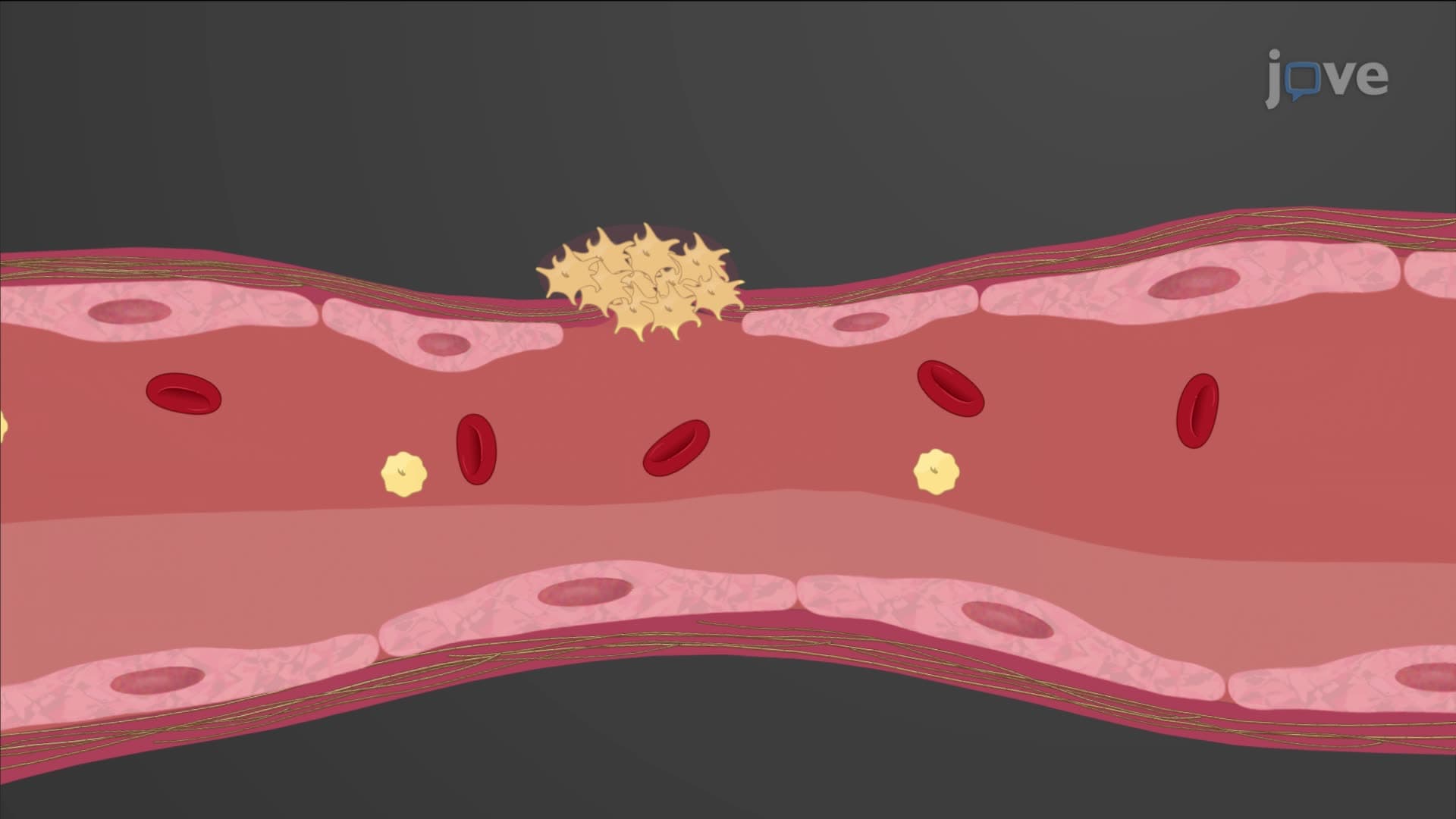

Video Summary: What Is Formation Platelet Plug
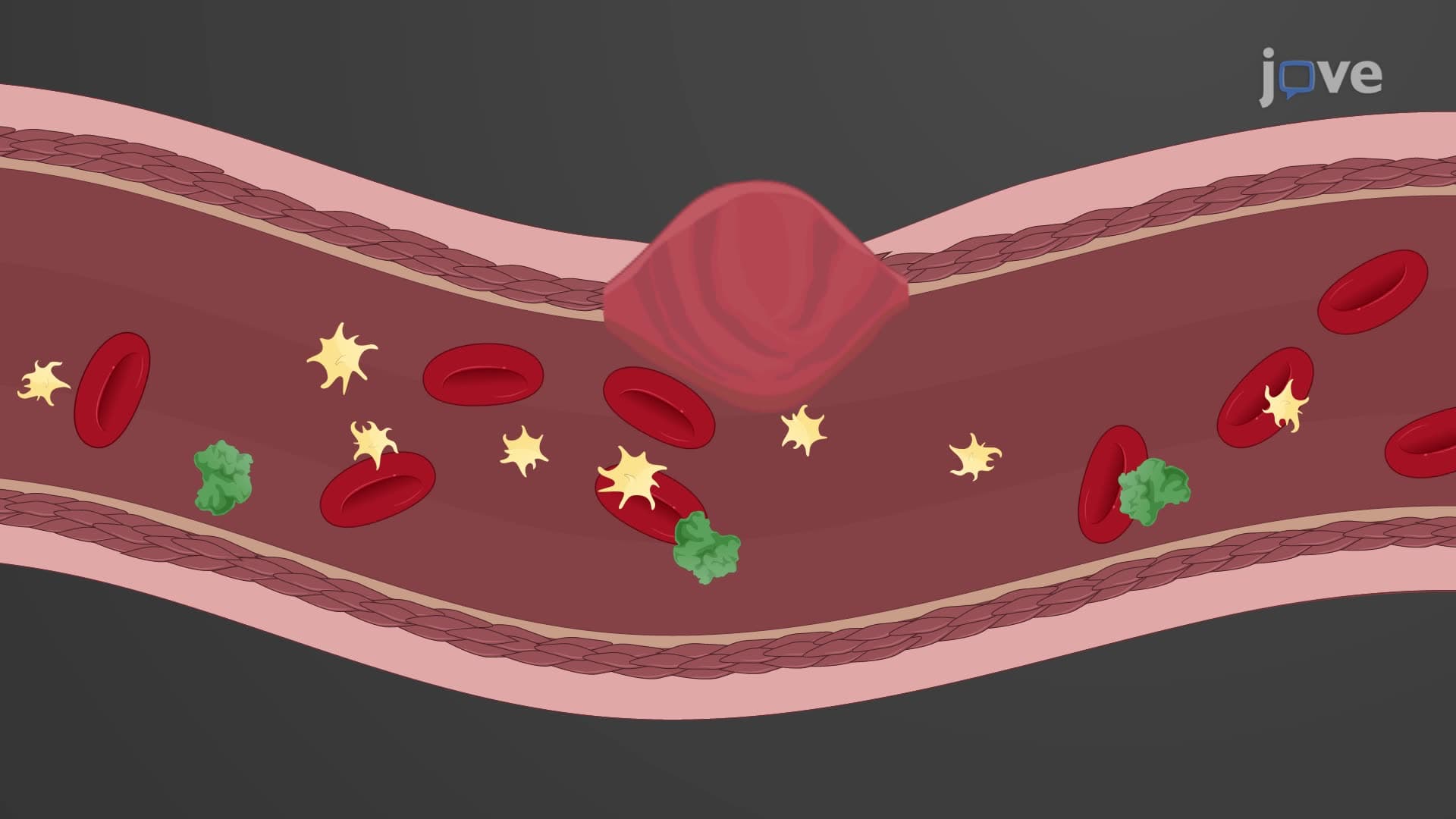
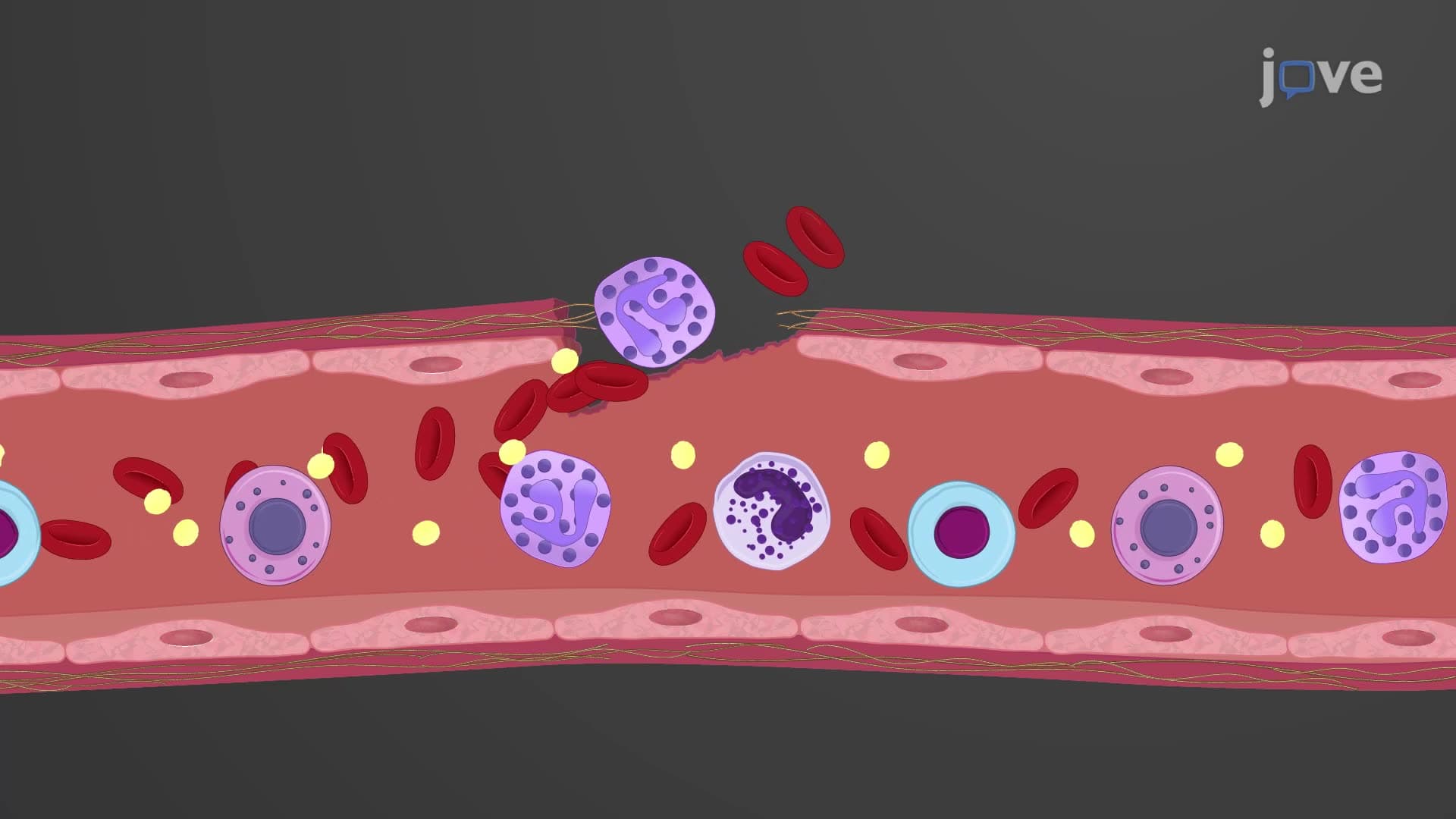
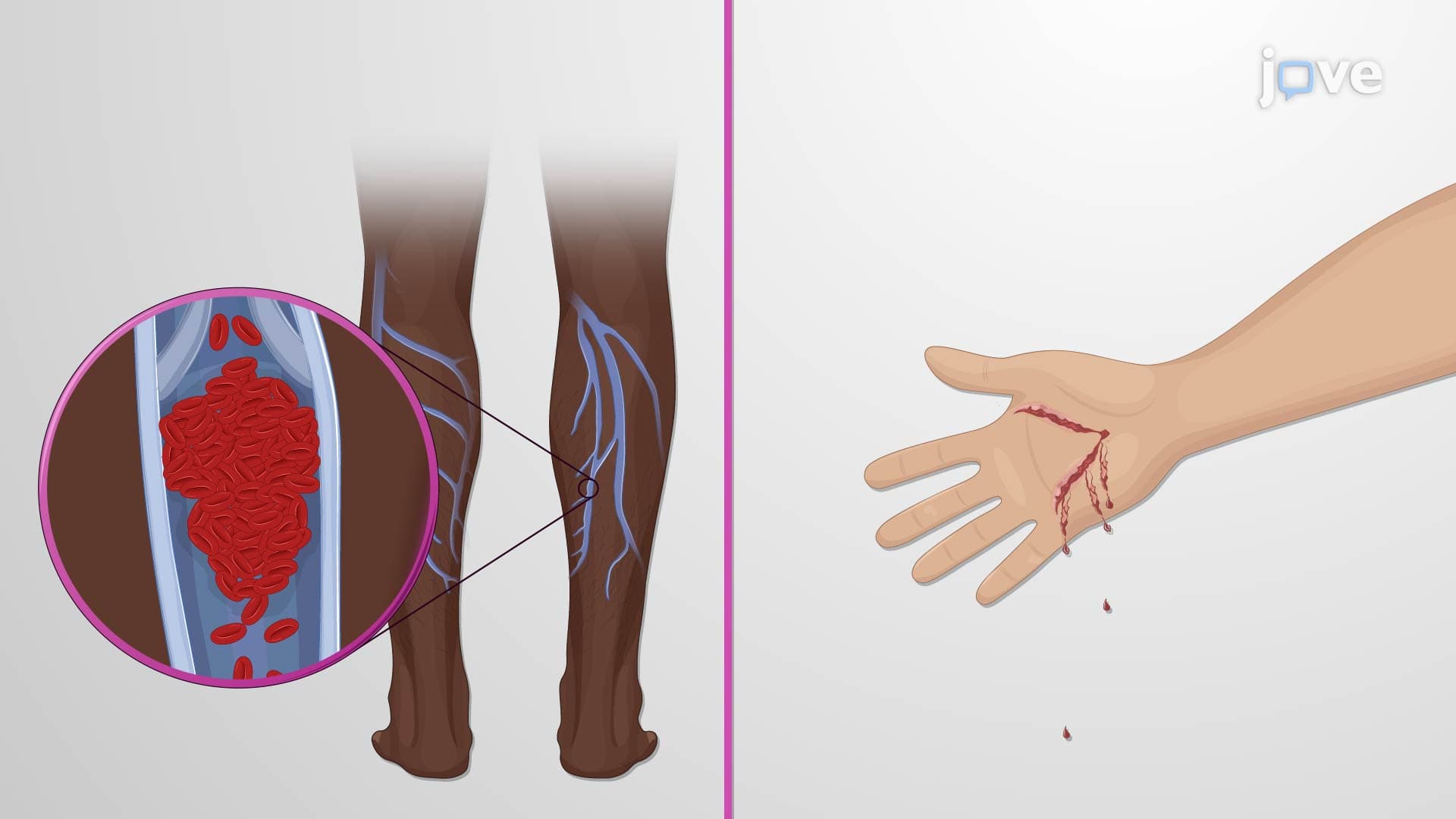
Ever wonder why a paper cut stops bleeding in just minutes? Platelet plug formation biology involves a remarkable cascade where tiny blood cells rush to seal vessel damage within 60 seconds. When a University of California Berkeley student accidentally cuts their finger during a lab dissection, platelets immediately aggregate at the wound site using von Willebrand factor and collagen adhesion. This formation of a platelet plug represents the body's first line of defense against blood loss. Watch the full video on JoVE Coach to master this concept with expert-led visuals and step-by-step explanations.
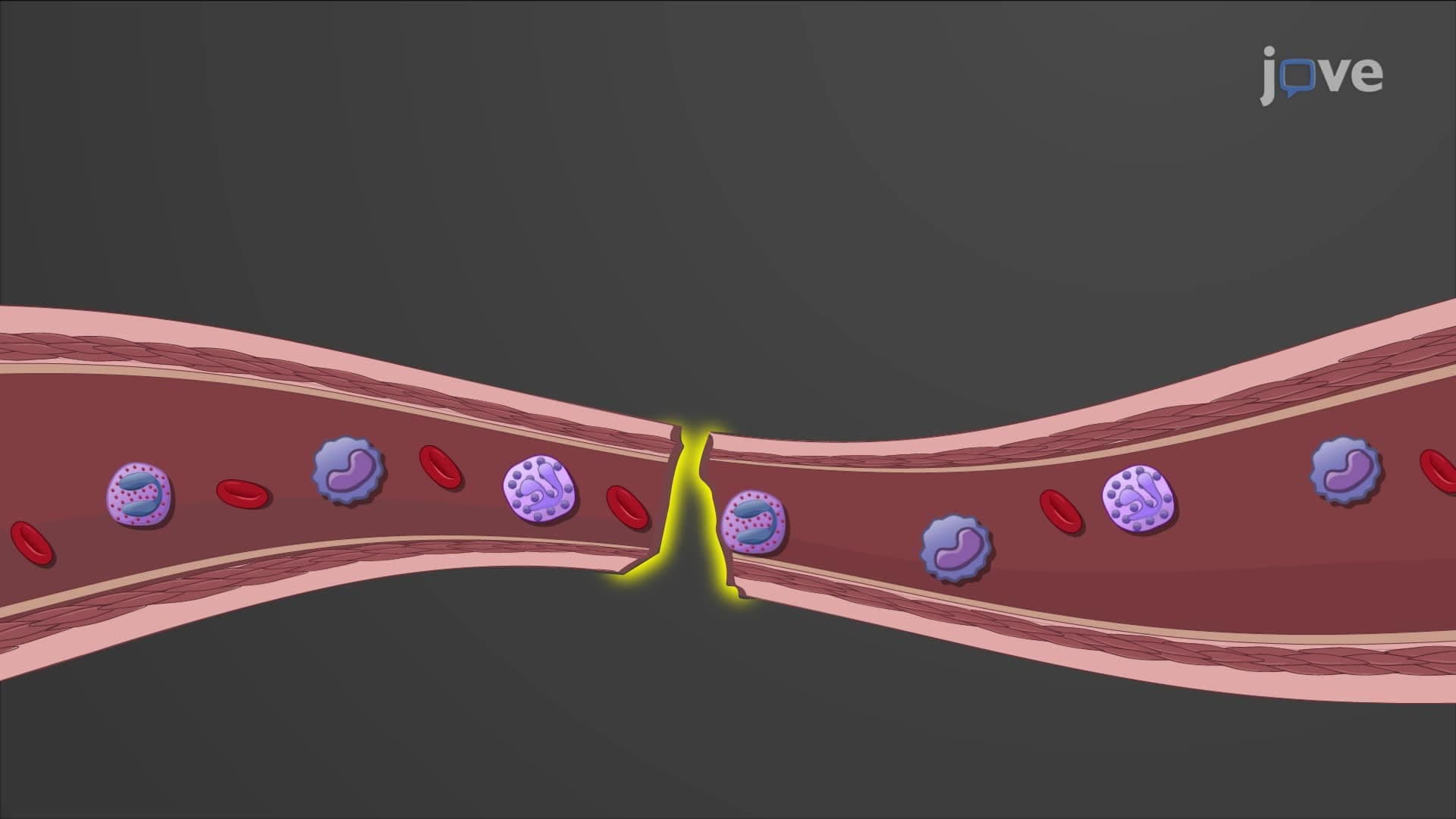
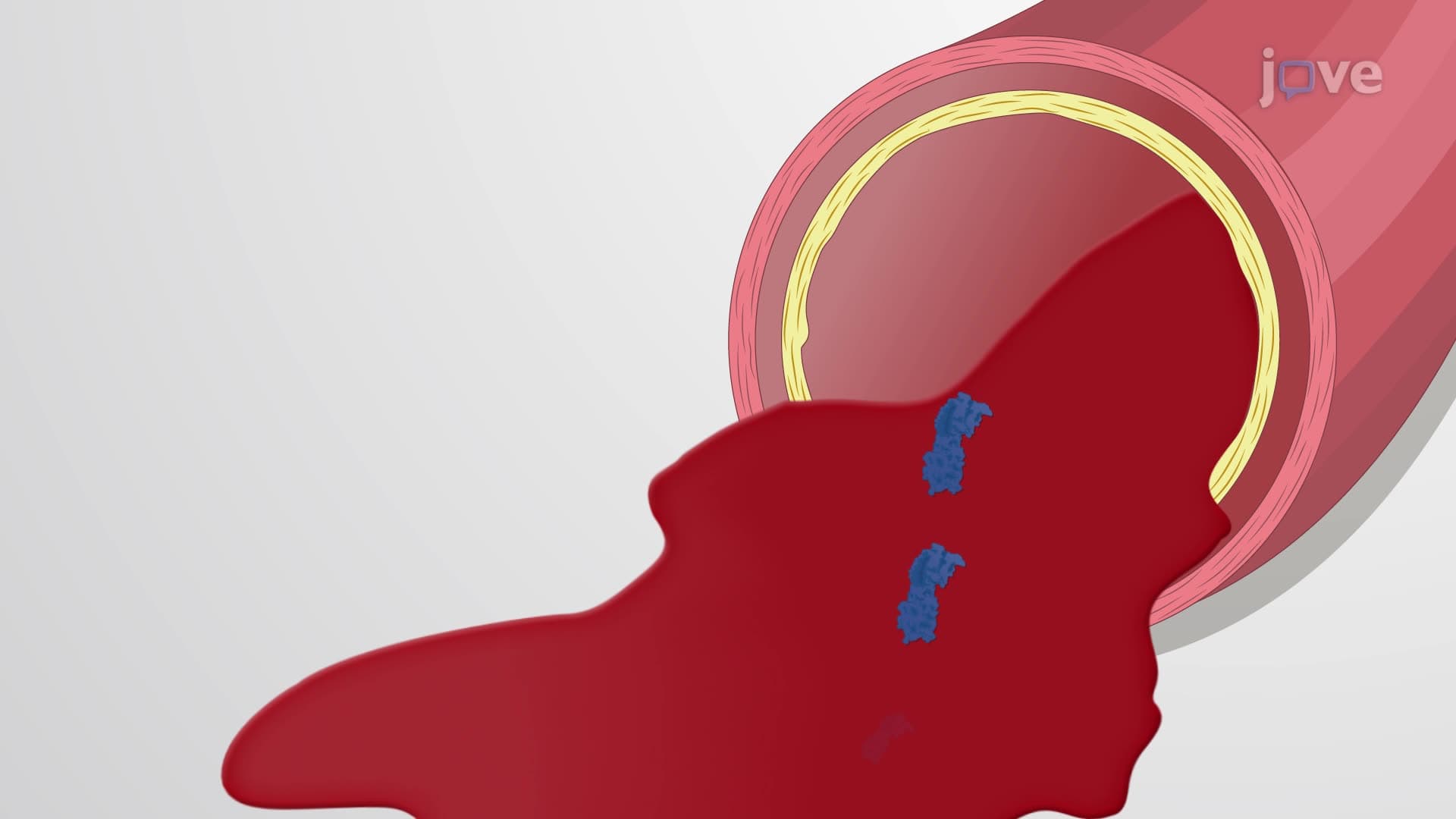
The formation of a platelet plug represents one of biology's most elegant emergency response systems. When blood vessels suffer damage-whether from a surgical incision at Johns Hopkins Hospital or a sports injury at a Texas high school-the body initiates a precisely coordinated sequence known as primary hemostasis. This process transforms circulating platelets from passive bystanders into an active, cohesive barrier that prevents life-threatening blood loss.
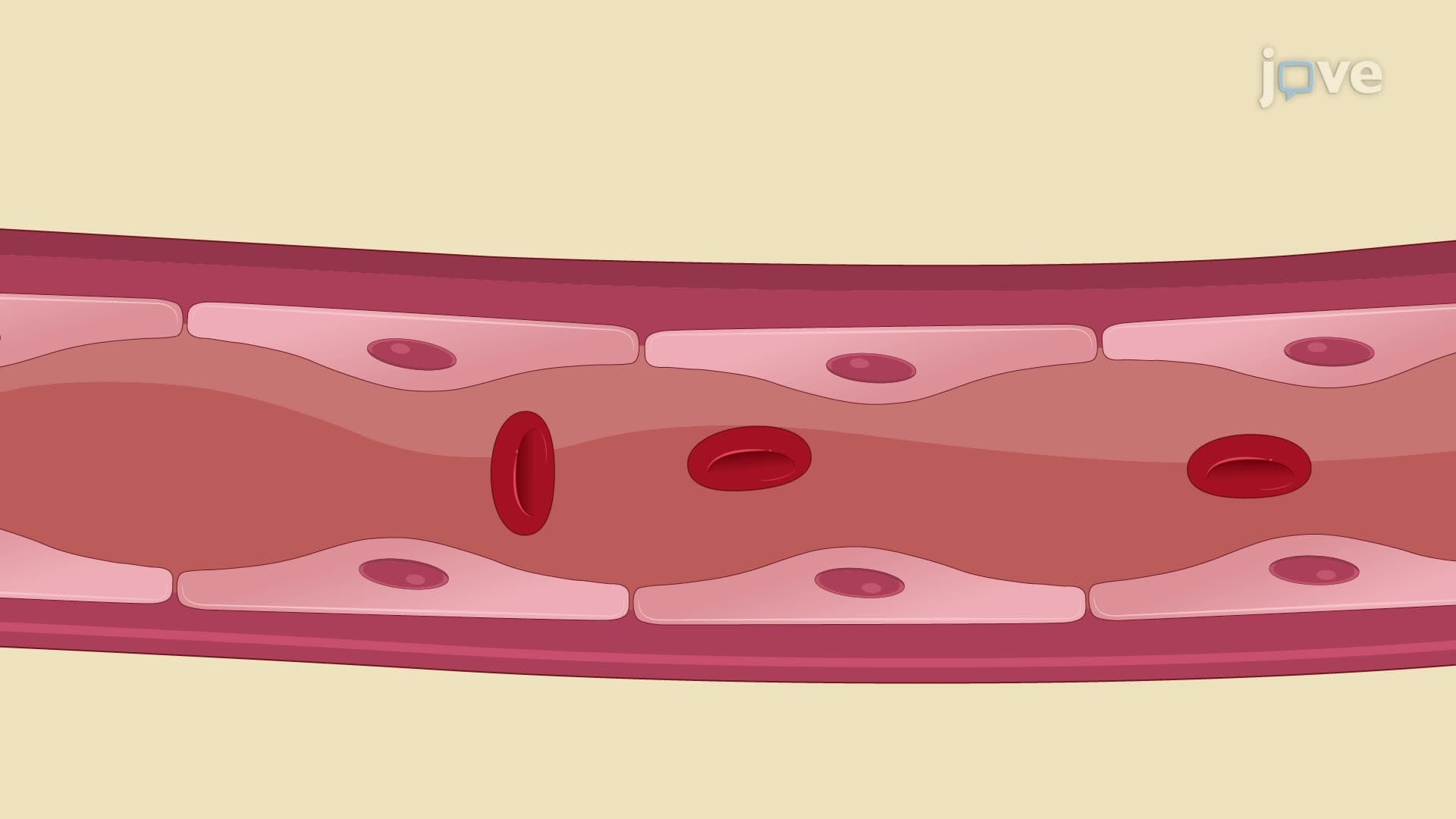
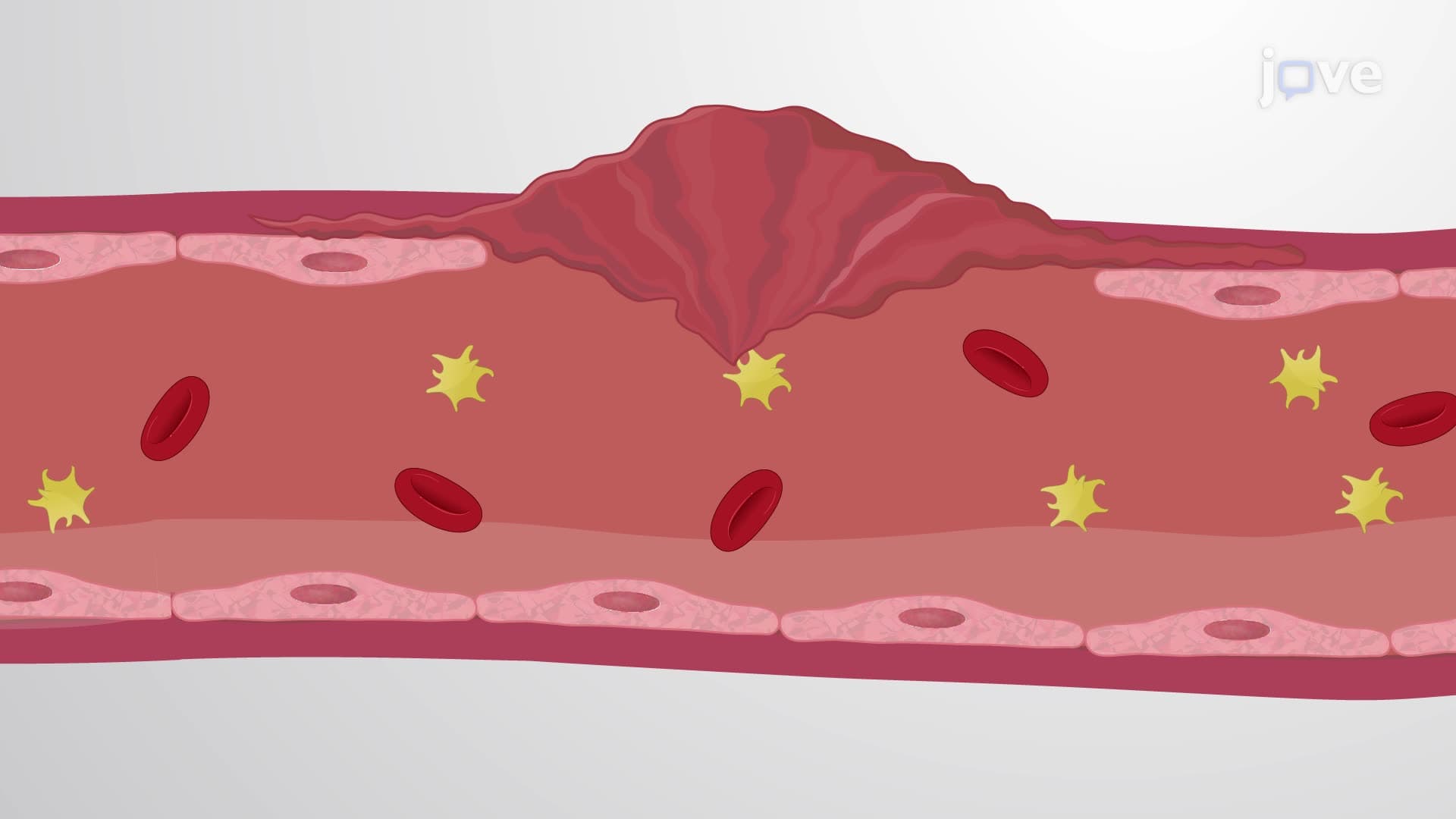
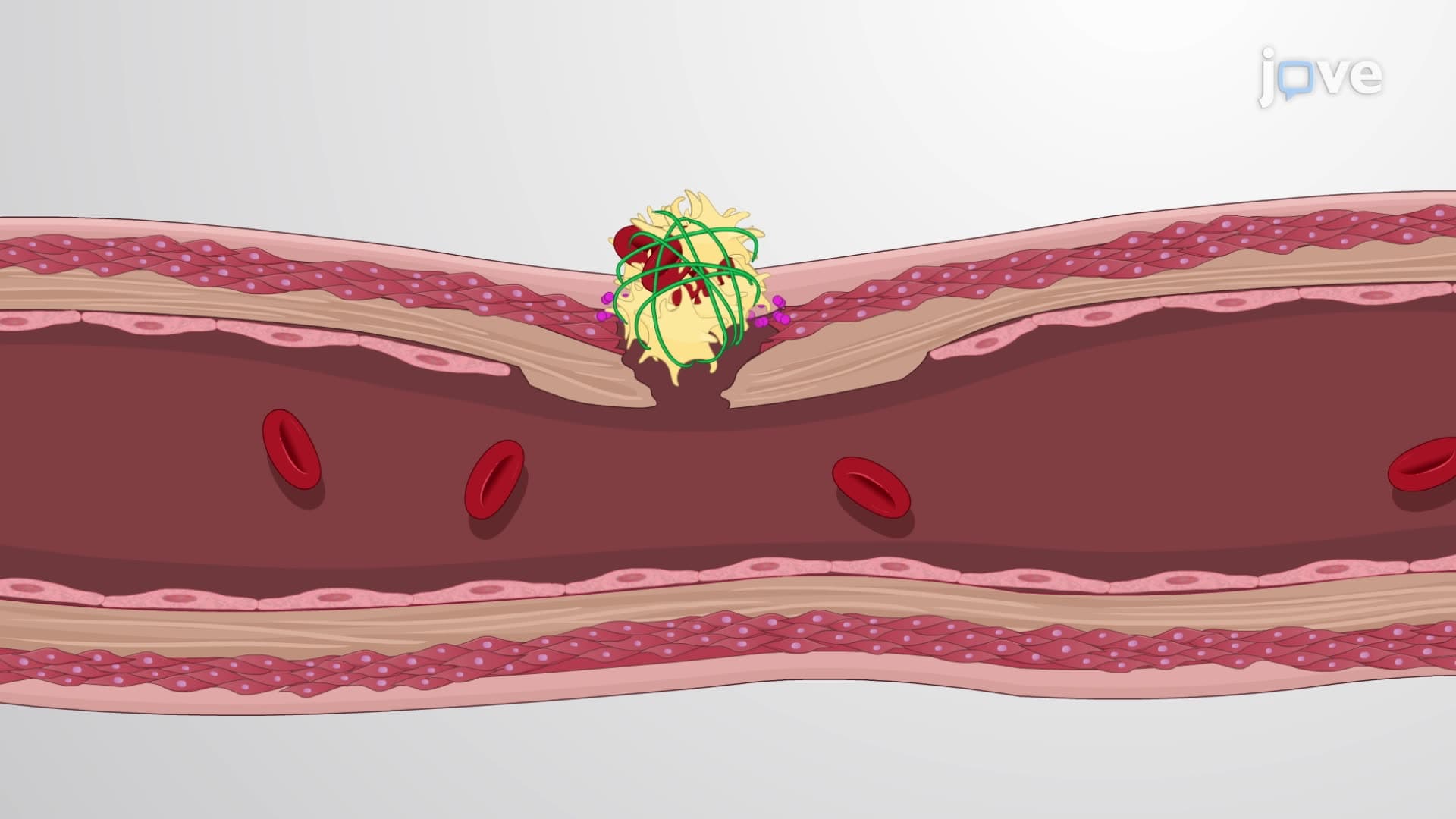
Platelet plug formation biology begins when damaged endothelial cells expose the underlying collagen matrix. Von Willebrand factor (vWF) acts as a molecular bridge, binding simultaneously to exposed collagen and specific receptors on platelet surfaces. This vWF platelet adhesion mechanism is so crucial that patients with von Willebrand disease-the most common inherited bleeding disorder affecting 1% of Americans-experience prolonged bleeding times.
Once platelets adhere to collagen, they undergo dramatic shape changes and release their internal contents. ADP thromboxane platelet signaling creates a positive feedback loop: activated platelets release ADP and thromboxane A2, which recruit additional platelets while promoting further vasoconstriction. This amplification explains why the platelet plug hemostasis process can seal small vessels so rapidly.
Understanding what is the formation of a platelet plug in hemostasis proves essential for medical professionals. Emergency room physicians at Cleveland Clinic rely on this knowledge when treating trauma patients, while cardiovascular surgeons must consider platelet function when prescribing anticoagulants like aspirin, which inhibits thromboxane synthesis.
For students preparing for the MCAT or AP Biology exams, platelet plug primary hemostasis frequently appears in cardiovascular system questions. The College Board often tests understanding of how platelet activation aggregation differs from the coagulation cascade, requiring students to distinguish between primary and secondary hemostasis mechanisms.
This knowledge also explains common clinical observations. When patients taking antiplatelet medications like clopidogrel experience prolonged bleeding after dental procedures, it's because their ADP receptors are blocked, preventing normal platelet aggregation. Such real-world applications make platelet biology relevant beyond academic settings, connecting classroom learning to patient care in American hospitals nationwide.
Related Micro-courses