Loading subject page…


135,525 views

Video Summary: What Is Overview Cardiovascular System
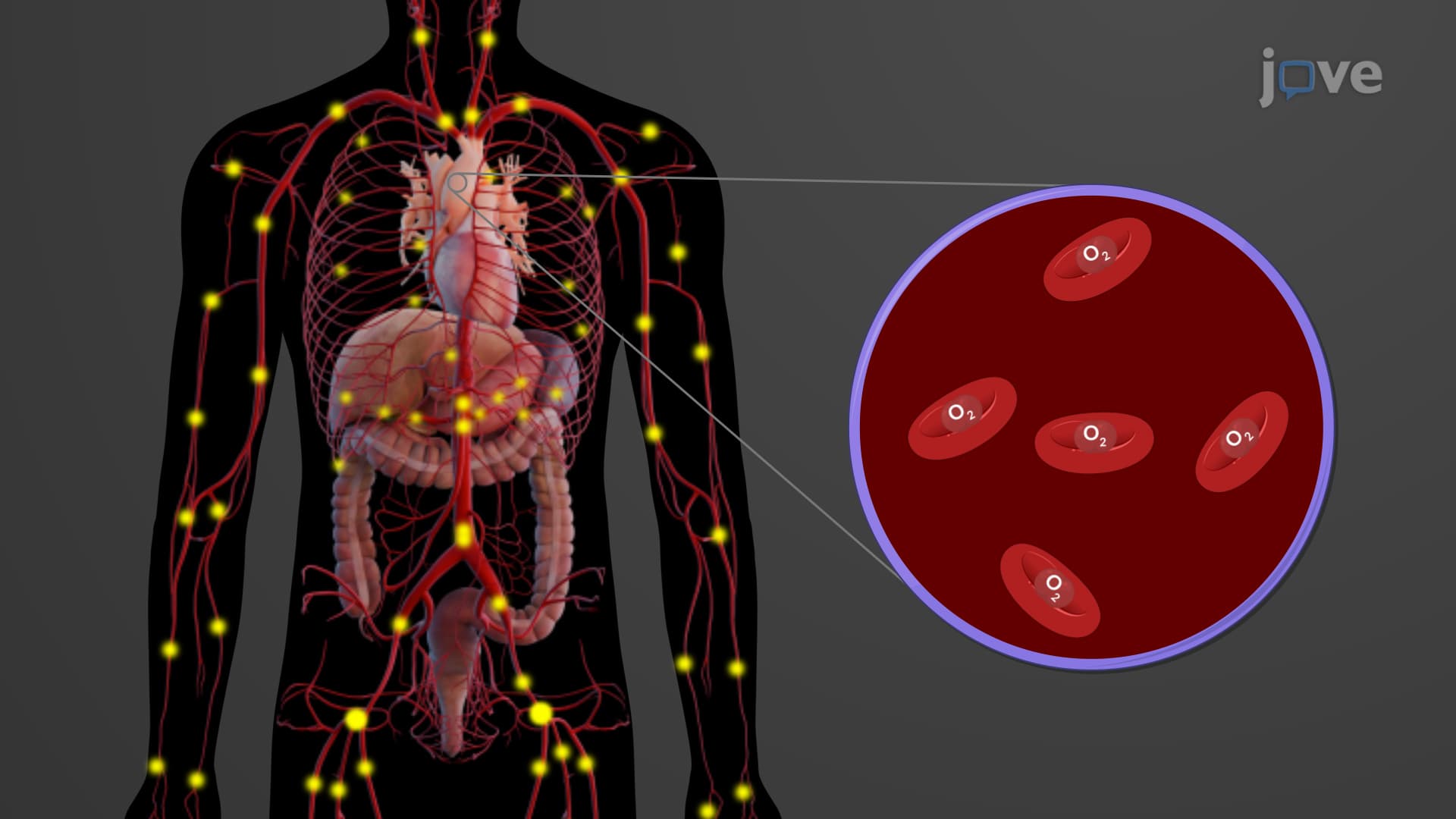
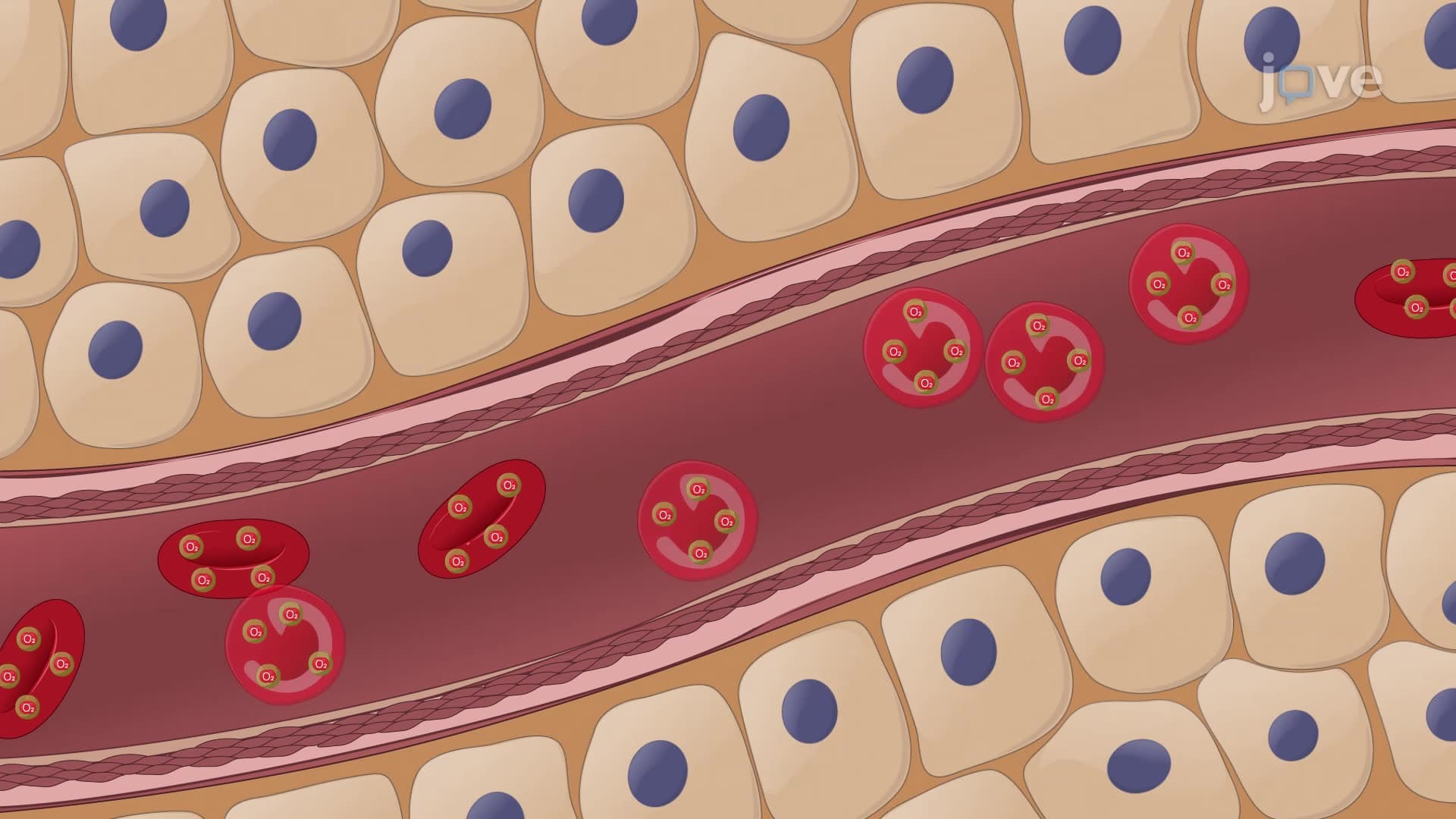
Did you know your heart beats roughly 100,000 times daily, pumping about 2,000 gallons of blood? A cardiovascular system overview biology reveals this remarkable network that keeps every cell in your body alive. Consider how a marathon runner like those competing in the Boston Marathon relies on their heart blood vessel system to deliver oxygen to working muscles while removing waste products. What is an overview of the cardiovascular system shows us an intricate transportation highway more complex than any interstate system. Watch the full video on JoVE Coach to master this concept with expert-led visuals and step-by-step explanations.
The cardiovascular system represents one of biology's most sophisticated transportation networks, rivaling the complexity of major US logistics operations like FedEx or UPS. This system ensures that every one of your body's approximately 37 trillion cells receives essential nutrients while waste products are efficiently removed. For students preparing for AP Biology or college-level anatomy courses, mastering this system's organization is crucial for understanding human physiology.
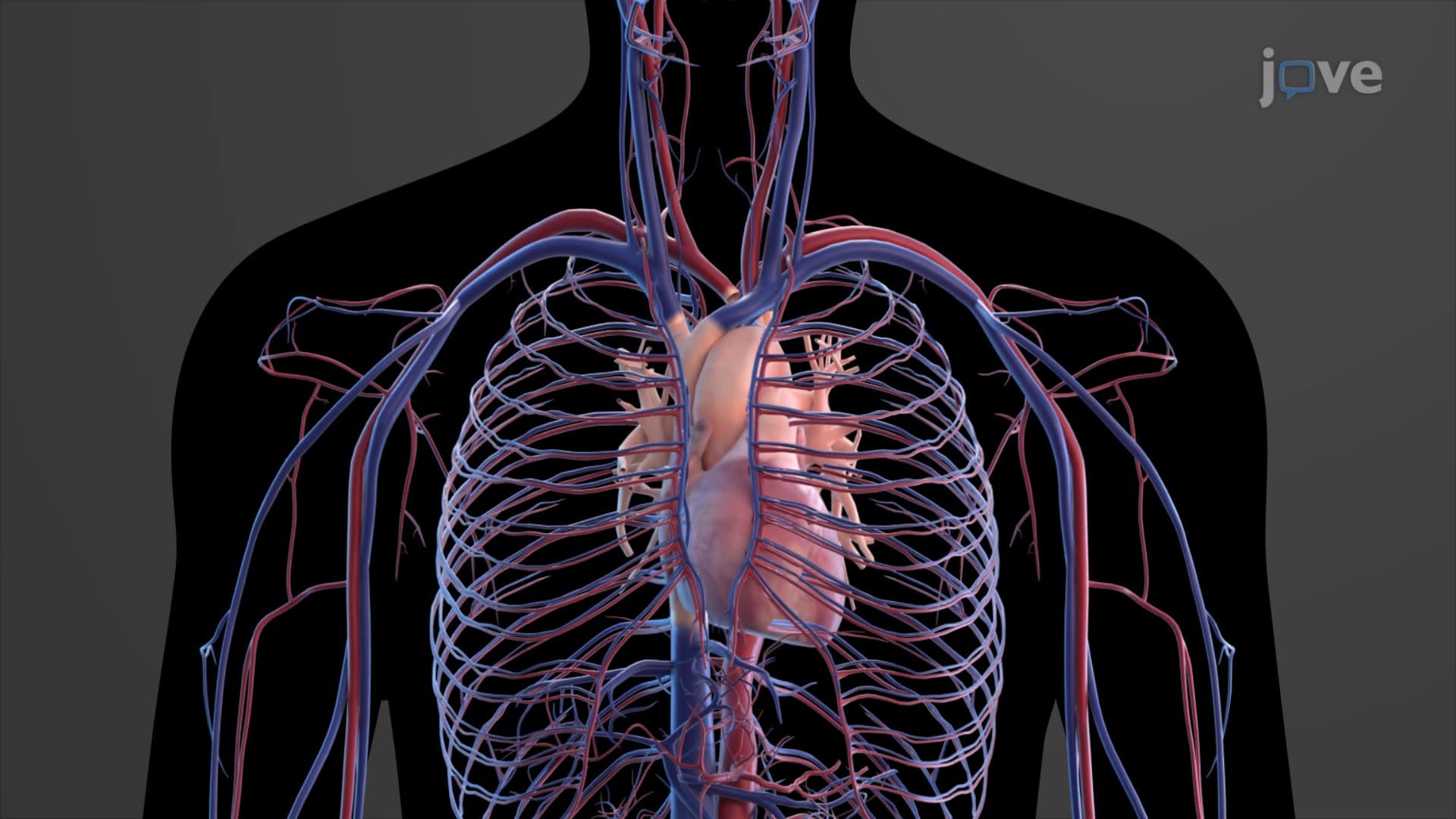
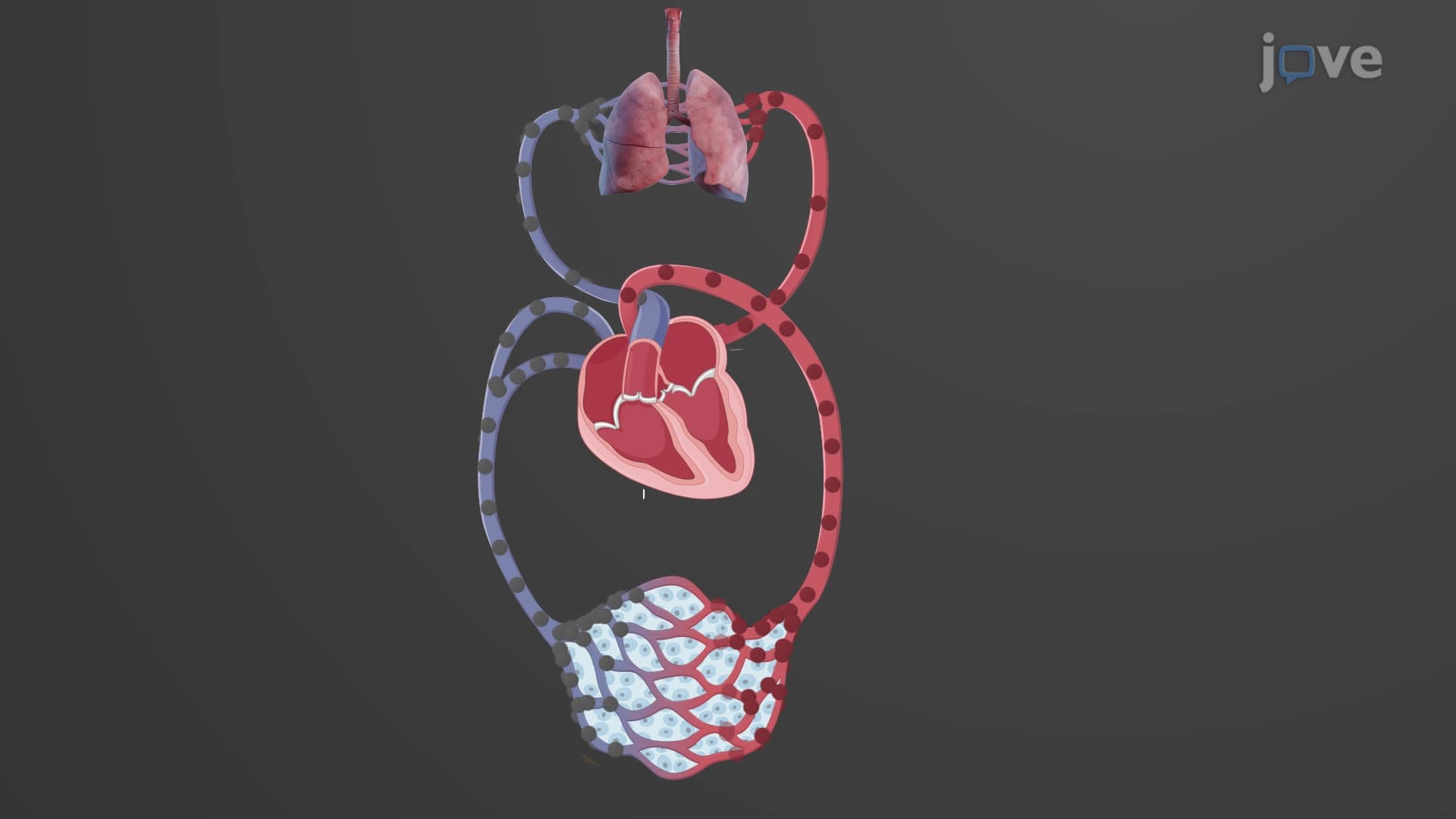
The heart functions as a dual-sided muscular pump, with each side serving distinct purposes. The right side (right atrium and ventricle) handles deoxygenated blood returning from body tissues, pumping it to the lungs for oxygenation. Meanwhile, the left side (left atrium and ventricle) receives oxygen-rich blood from the lungs and propels it throughout the body with enough force to reach your toes. This design mirrors how major US cities operate separate water treatment and distribution systems-one for processing and another for delivery.
Students often encounter this concept on MCAT passages, where understanding pressure gradients and blood flow directions becomes essential. The heart's four-chamber design prevents oxygen-rich and oxygen-poor blood from mixing, maintaining efficient oxygen transport similar to how separate highway lanes prevent traffic conflicts.
The cardiovascular system operates through two interconnected yet distinct circuits. Pulmonary circulation creates a short loop between heart and lungs, covering roughly the distance from your heart to your shoulder blade. This circuit prioritizes rapid gas exchange over long-distance transport. Systemic circulation, conversely, must reach tissues from your brain to your big toe-a journey that would span several city blocks if vessels were laid end-to-end.
This dual-circuit arrangement frequently appears in college physiology exams, particularly when students must trace blood flow pathways or calculate circulation times. Understanding that pulmonary circulation operates under lower pressure than systemic circulation helps explain why lung capillaries can be more delicate while still maintaining efficient gas exchange.
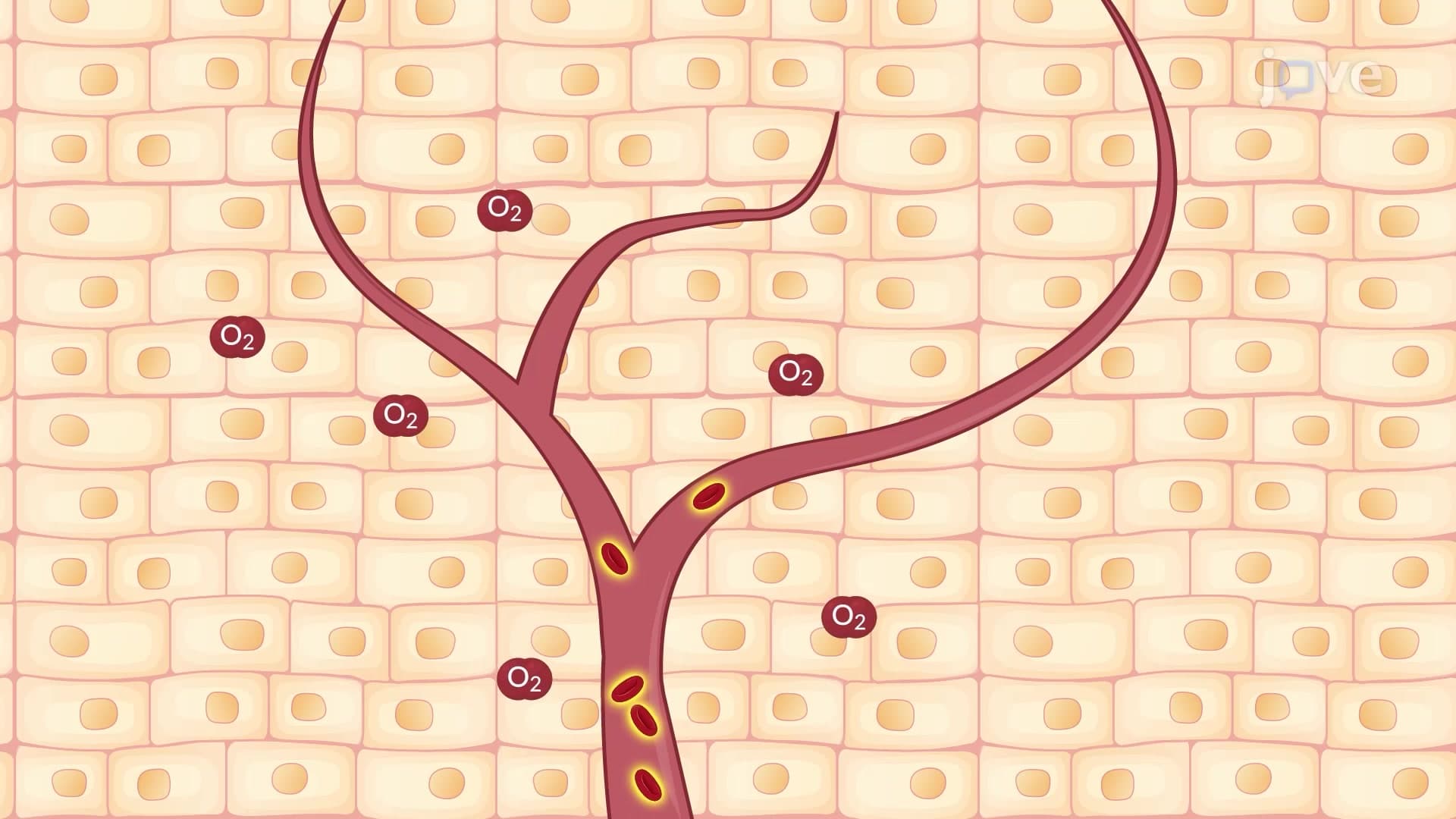
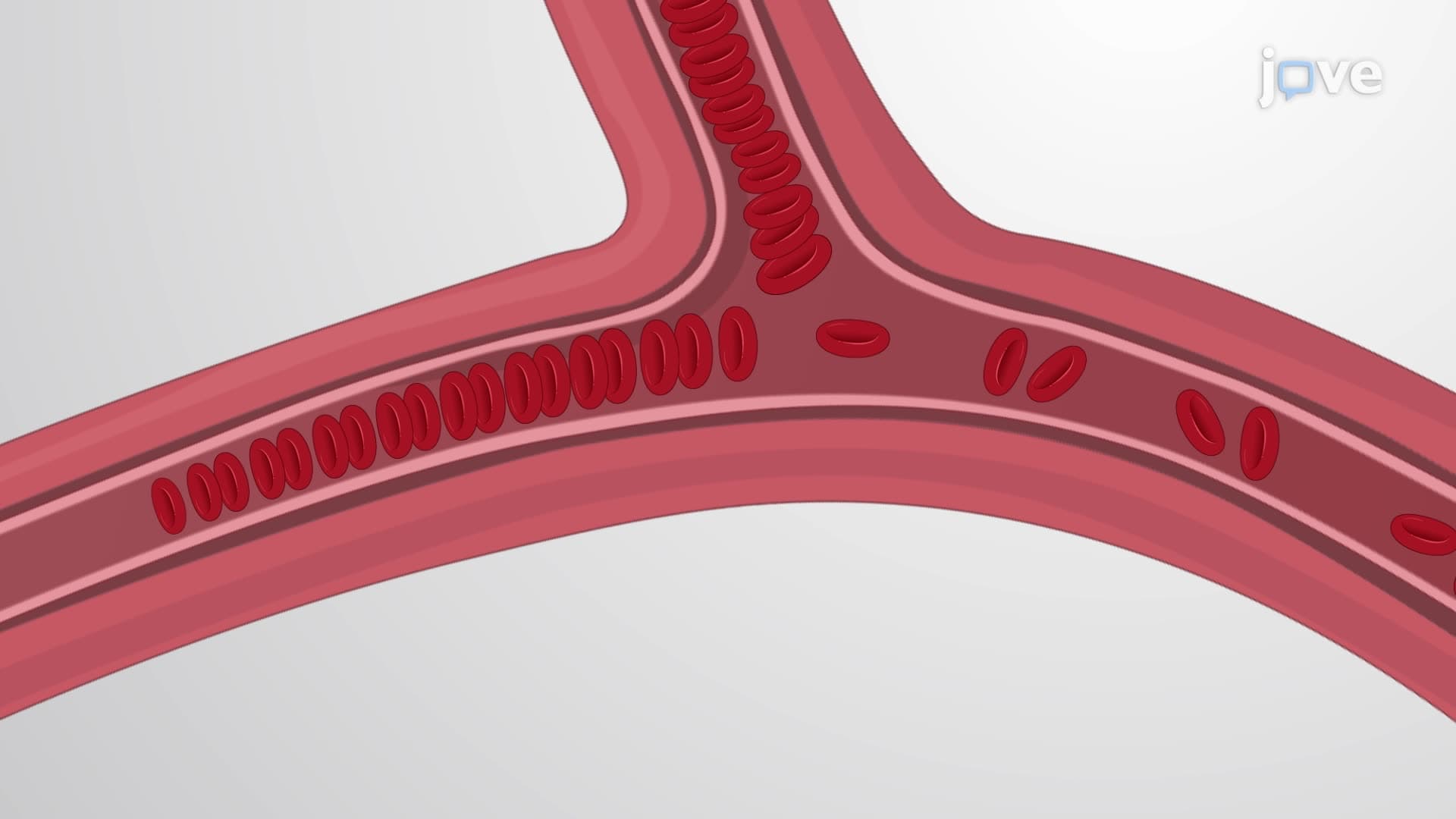
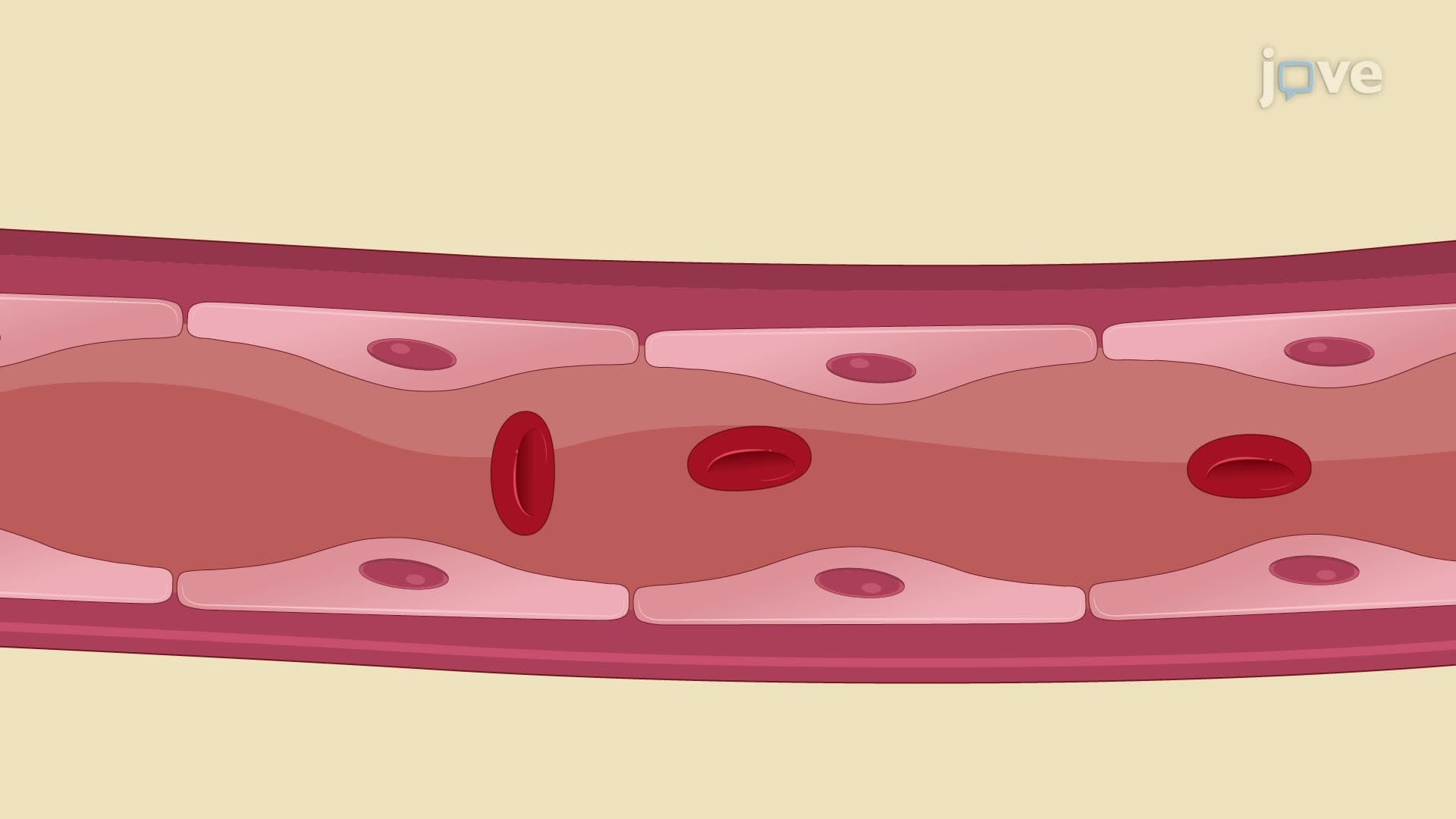
Blood vessels form a hierarchical network comparable to the US interstate highway system. Arteries act like major highways, featuring thick, muscular walls capable of withstanding high pressure from heart contractions. Veins resemble local roads, with thinner walls and one-way valves preventing backflow, similar to highway on-ramps that prevent reverse traffic. Capillaries function like neighborhood streets-narrow, thin-walled vessels where actual delivery occurs.
For students tackling cardiovascular system anatomy overview questions, remember that vessel wall thickness correlates with pressure exposure. This relationship often appears in comparative physiology questions on standardized tests, where students must predict structural adaptations based on functional demands.
Related Micro-courses