Loading video…


 29 Concepts
 135.5K views


Video Summary: What Is Overview of Hematopoiesis
Did you know that your body produces over 200 billion new blood cells every single day? The hematopoiesis overview biology reveals this remarkable process where specialized stem cells continuously generate all your blood components. When a patient at Johns Hopkins receives a bone marrow transplant for leukemia, doctors are essentially replacing their entire hematopoietic system. Understanding what is an overview of hematopoiesis shows how one type of stem cell creates red blood cells, white blood cells, and platelets through carefully regulated pathways. Watch the full video on JoVE Coach to master this concept with expert-led visuals and step-by-step explanations.
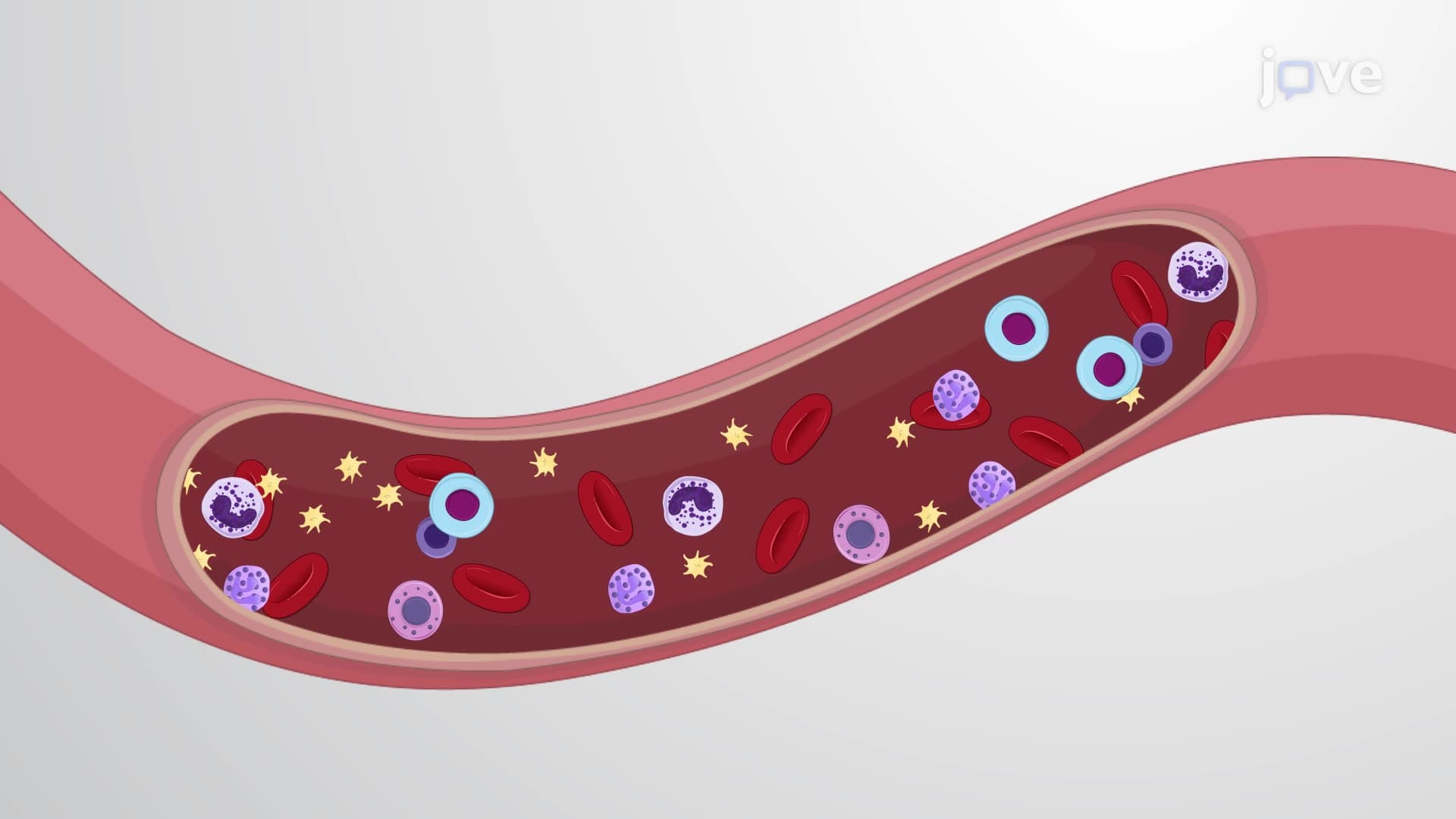
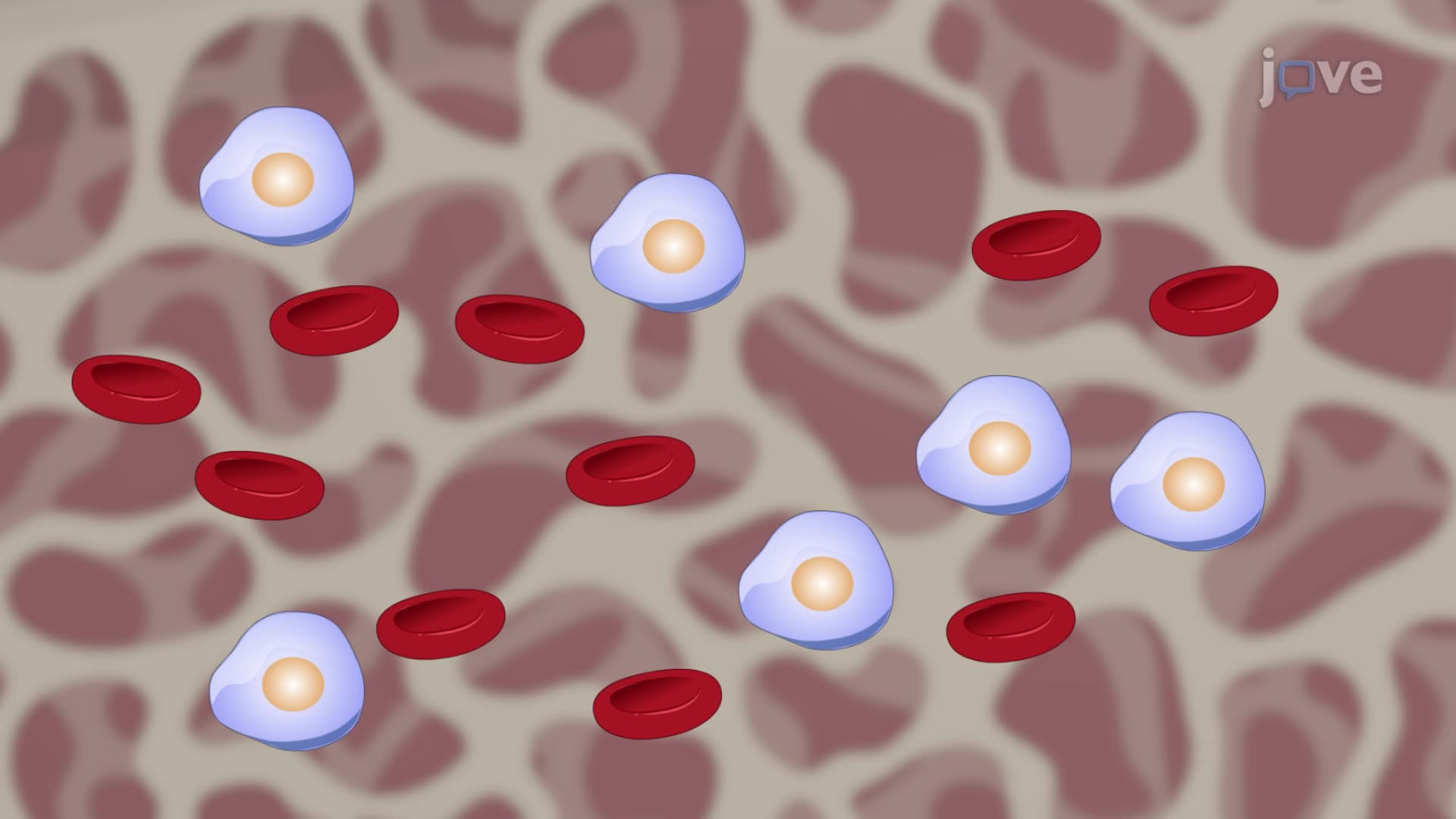
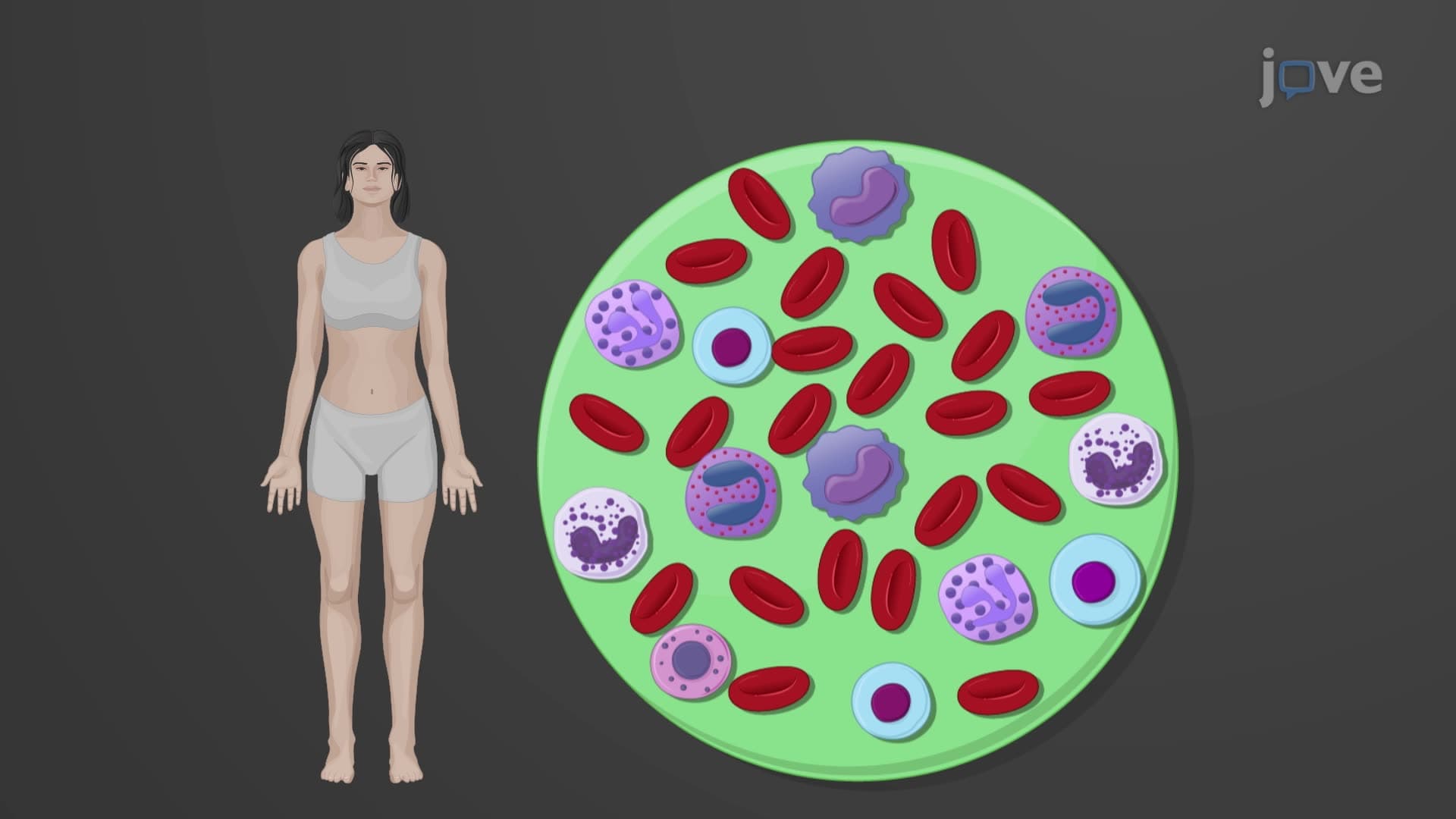
Hematopoiesis represents one of biology's most elegant examples of cellular specialization and tissue regeneration. This blood cell production overview demonstrates how a single population of multipotent stem cells maintains the entire circulatory system throughout your lifetime. Unlike most adult tissues, blood requires constant renewal due to the relatively short lifespan of its cellular components-red blood cells live about 120 days, while some white blood cells survive only hours.
The hematopoietic system undergoes dramatic relocations during human development. Initially, hematopoietic stem cells emerge in the embryonic yolk sac around week 3 of gestation. These cells then migrate to establish temporary production sites in the fetal liver, spleen, and lymph nodes. This developmental migration explains why prenatal blood disorders often involve these organs rather than bone marrow.
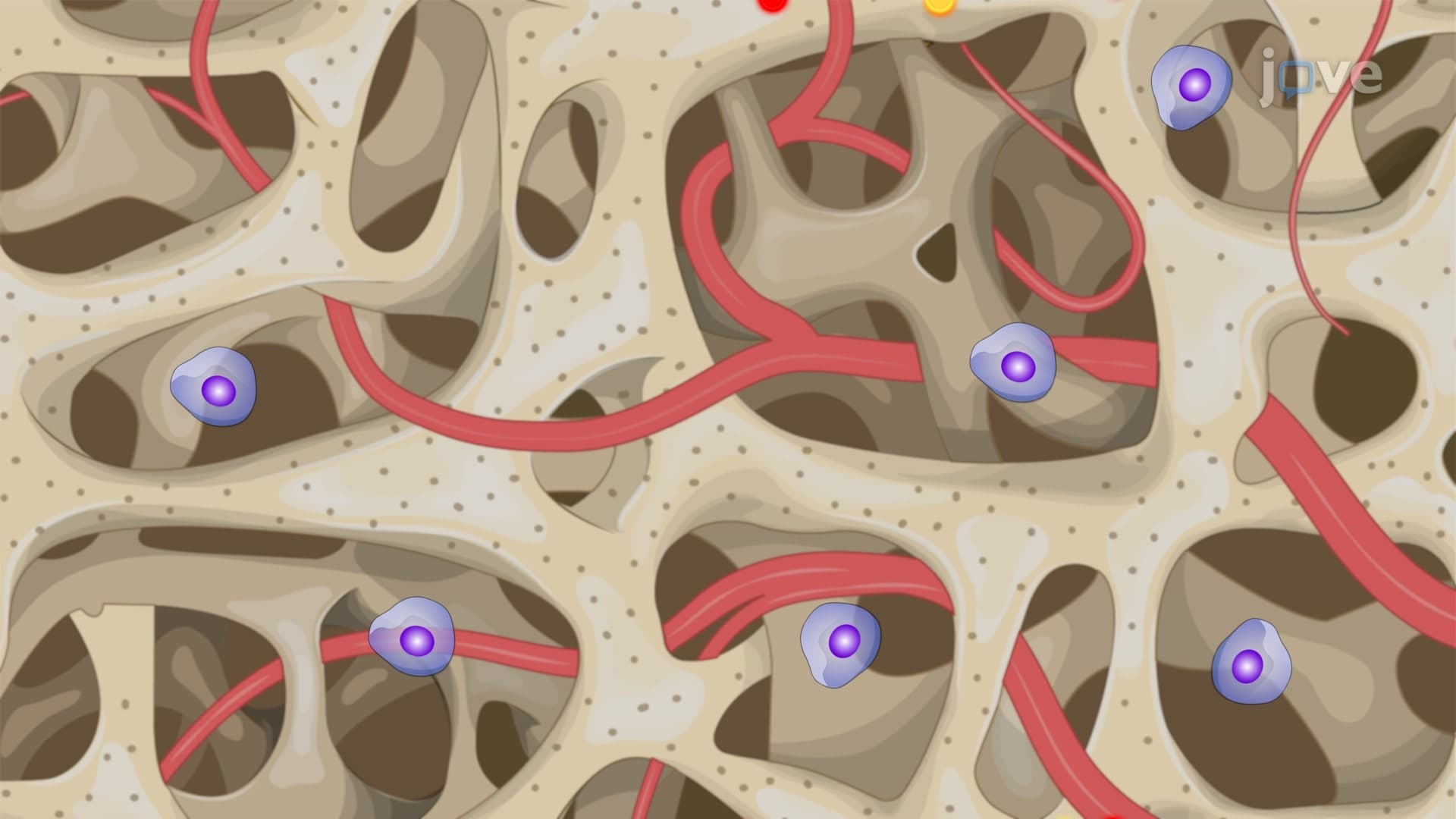
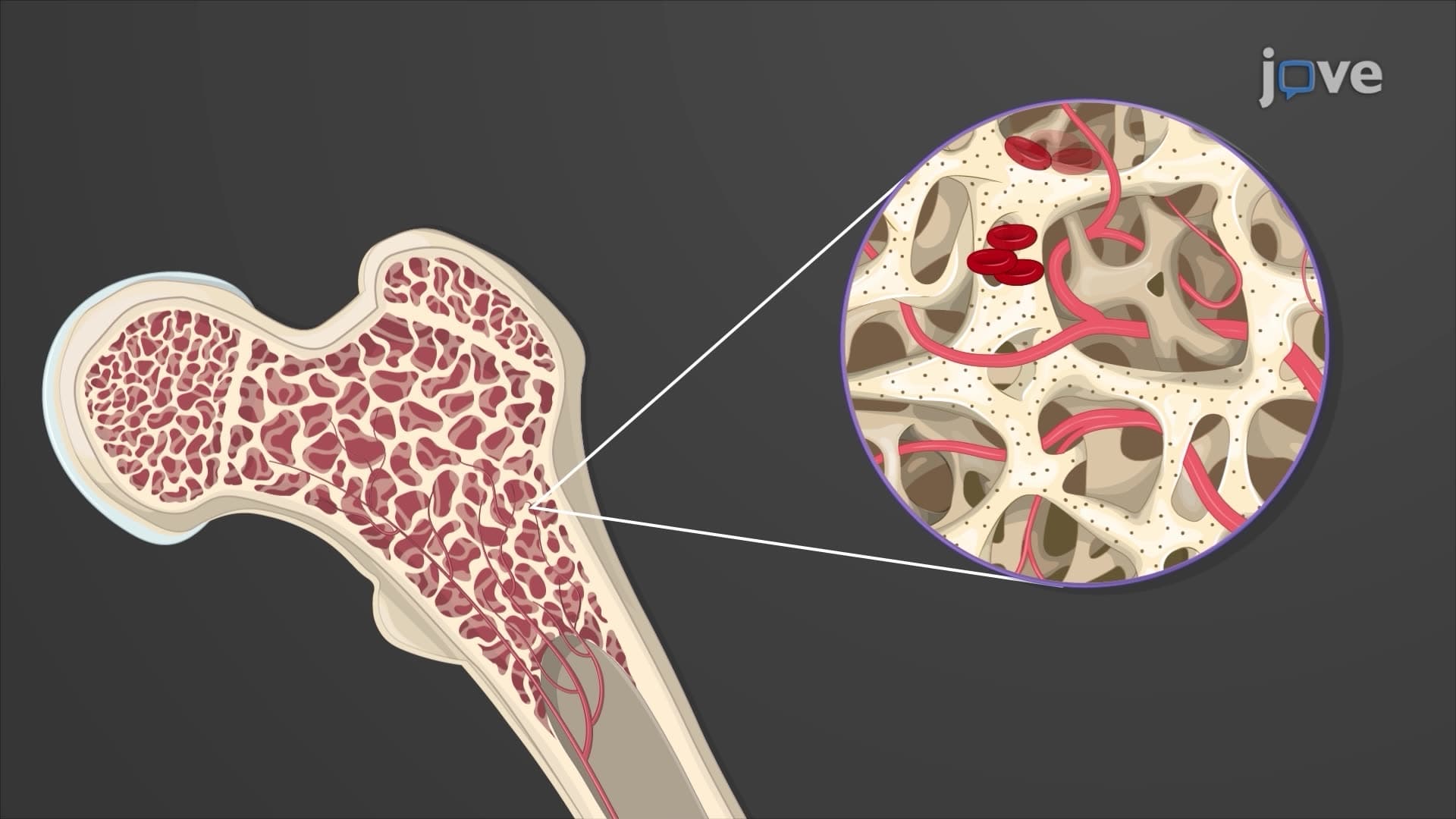
By birth, blood cell production bone marrow becomes the dominant site, with red marrow filling nearly all skeletal bones in newborns. The Cleveland Clinic reports that this abundance of active marrow allows infants to rapidly expand their blood volume as they grow. However, as children mature, yellow marrow (rich in fat cells) gradually replaces red marrow in long bones, concentrating adult hematopoiesis in the axial skeleton-vertebrae, sternum, ribs, and proximal portions of the femur and humerus.
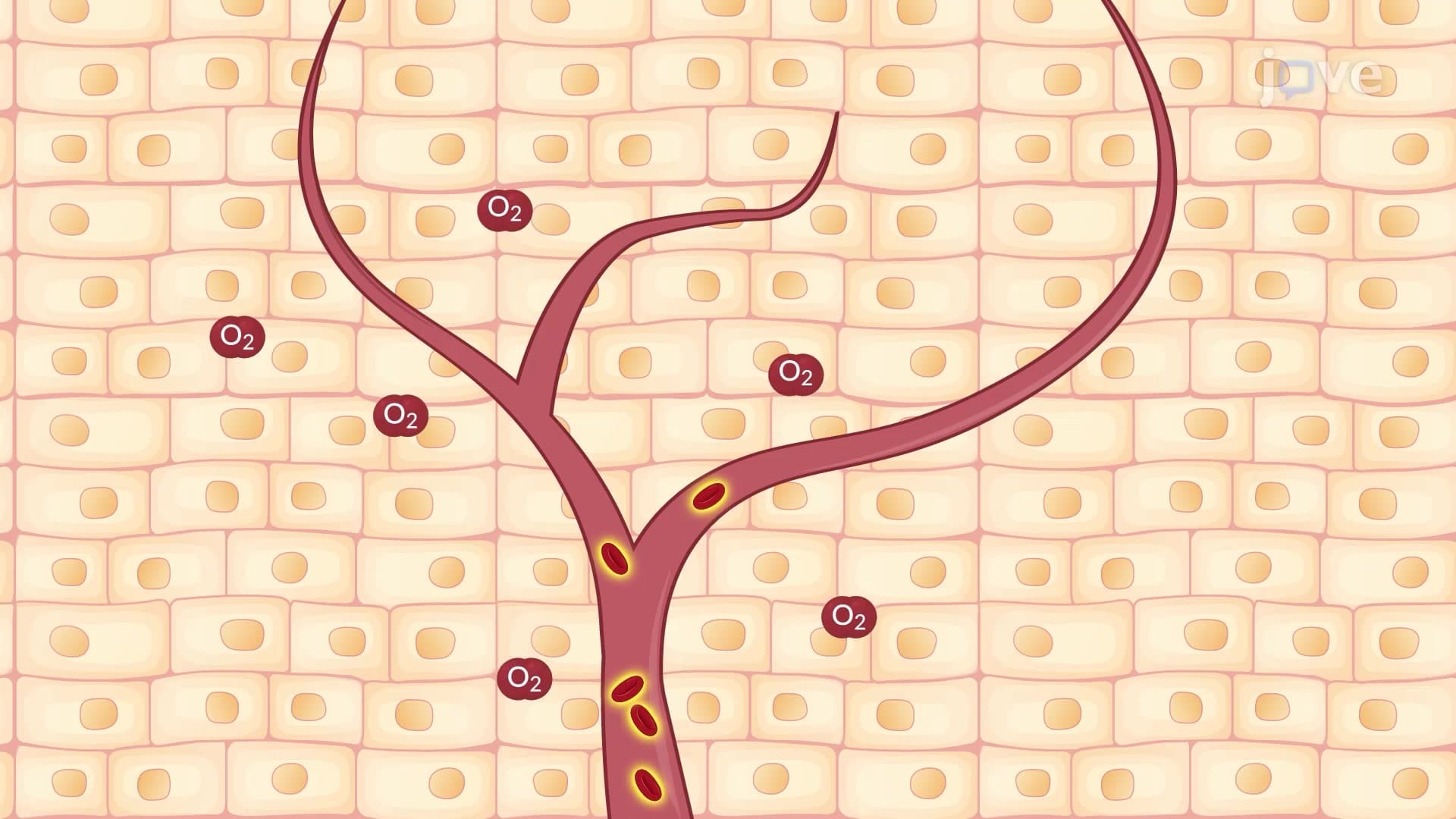
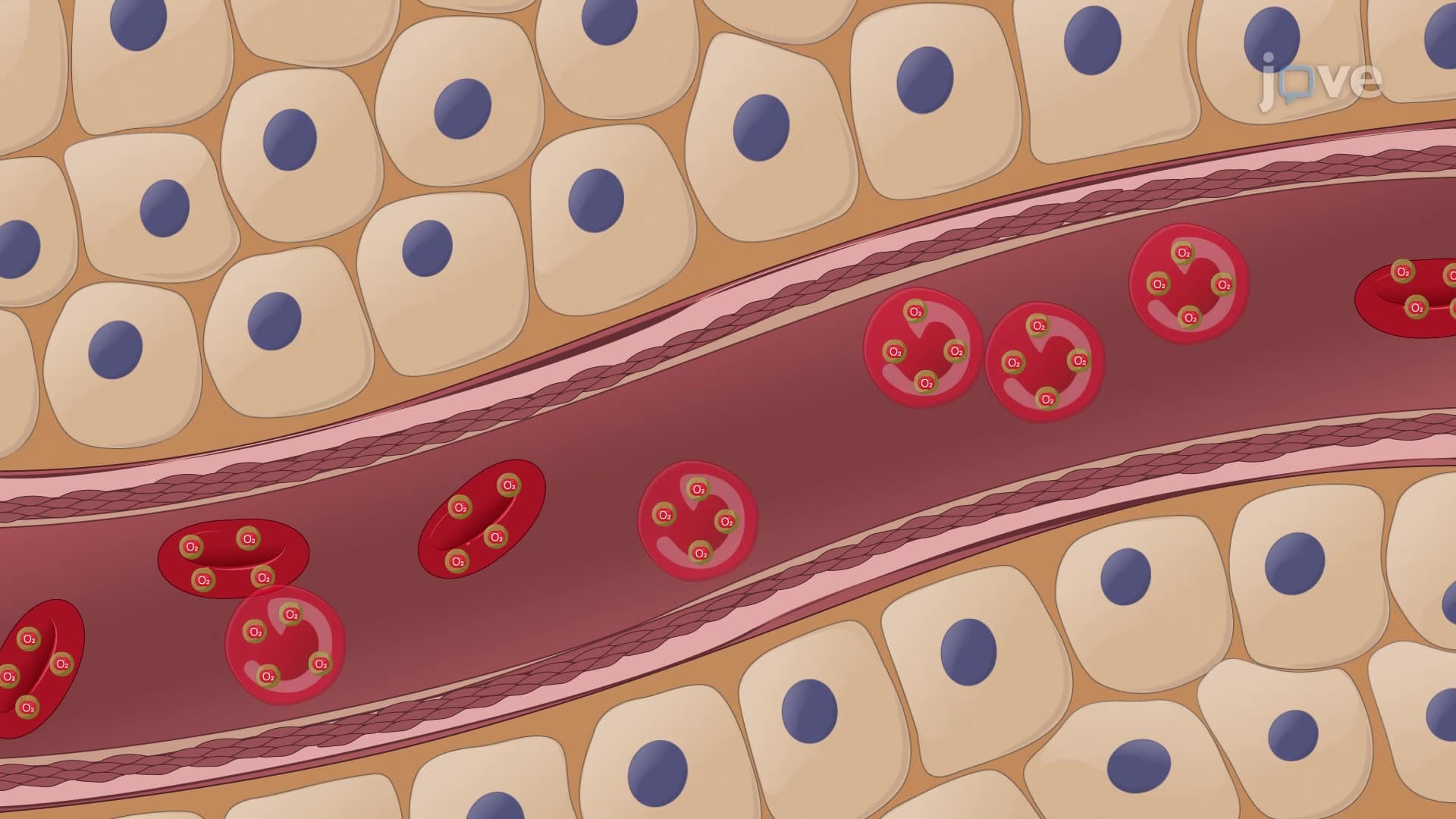
The beauty of stem cell hematopoiesis lies in its responsive nature. When Stanford researchers study patients with bacterial infections, they observe rapid increases in white blood cell production through enhanced granulopoiesis. Conversely, patients experiencing blood loss show accelerated erythropoiesis and thrombopoiesis to restore oxygen-carrying capacity and clotting function.
This responsiveness stems from sophisticated molecular signaling involving growth factors like erythropoietin (EPO), granulocyte colony-stimulating factor (G-CSF), and thrombopoietin (TPO). These proteins act like cellular "instructions," directing HSCs toward specific myeloid lymphoid lineage pathways based on physiological needs.
Understanding this blood cell development overview proves essential for AP Biology students studying cellular differentiation and for pre-med students preparing for the MCAT's biological systems section. Medical schools like Harvard emphasize hematopoiesis when teaching about stem cell therapy, bone marrow transplantation, and blood cancer treatment. The concept also appears frequently in college anatomy and physiology courses, particularly when examining how the body maintains homeostasis through cellular regeneration.
Related Micro-courses