Loading subject page…


135,525 views

Video Summary: What Is Rh Blood Group
Did you know that roughly 15% of Americans are Rh-negative, making them potential universal plasma donors but creating serious risks during pregnancy? The Rh blood group biology centers on the presence or absence of Rh antigens on red blood cells, determining whether someone is Rh-positive or Rh-negative. For instance, a pregnant woman in Texas discovered her Rh-negative status could endanger future pregnancies when carrying Rh-positive babies. Watch the full video on JoVE Coach to master this concept with expert-led visuals and step-by-step explanations.
The Rh blood group system represents one of medicine's most clinically significant discoveries, affecting millions of pregnancies and transfusions annually across the United States. Unlike the familiar ABO system taught in introductory biology courses, the Rh factor explained blood typing reveals a more complex immunological landscape where timing and exposure matter critically.
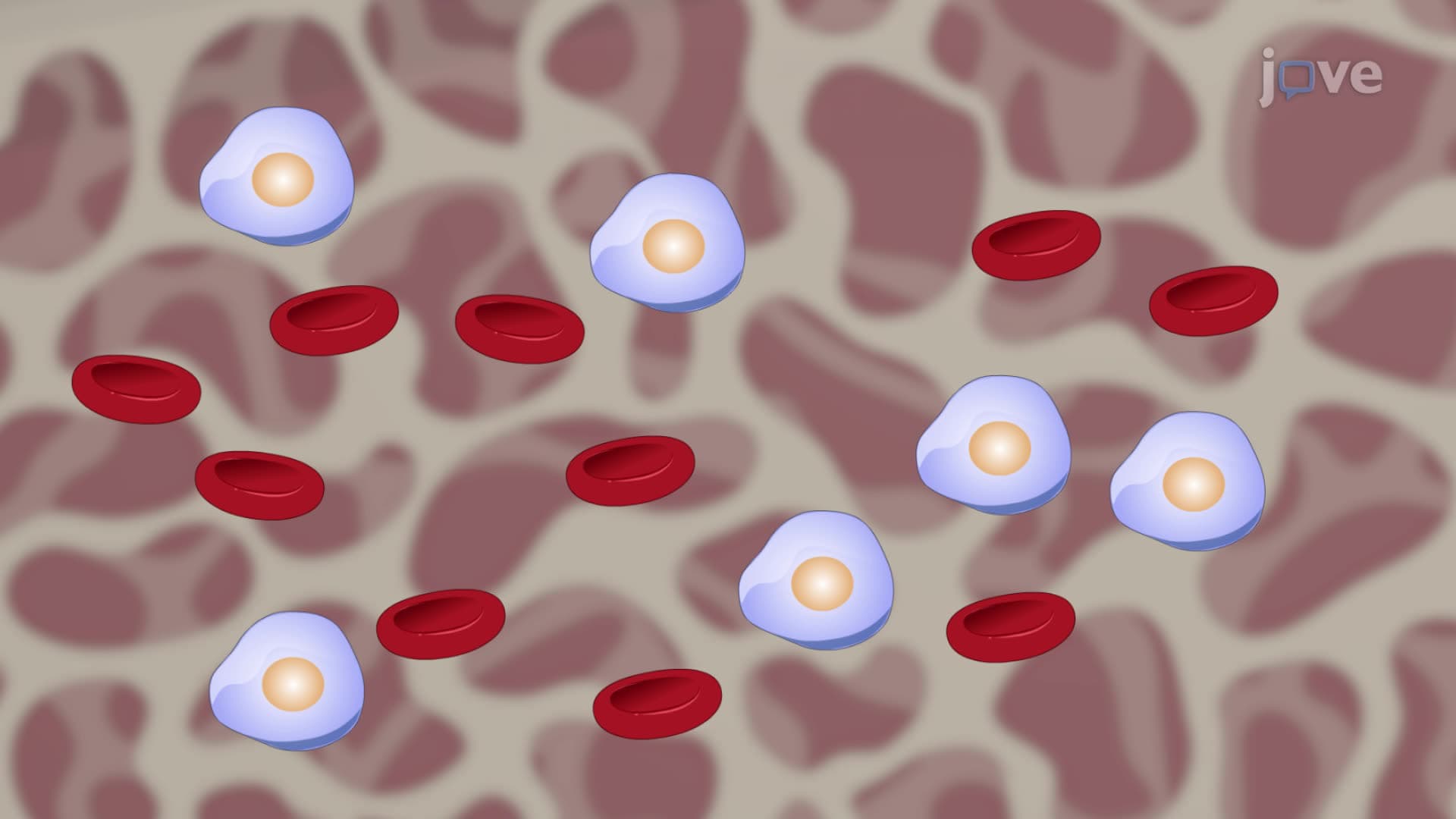
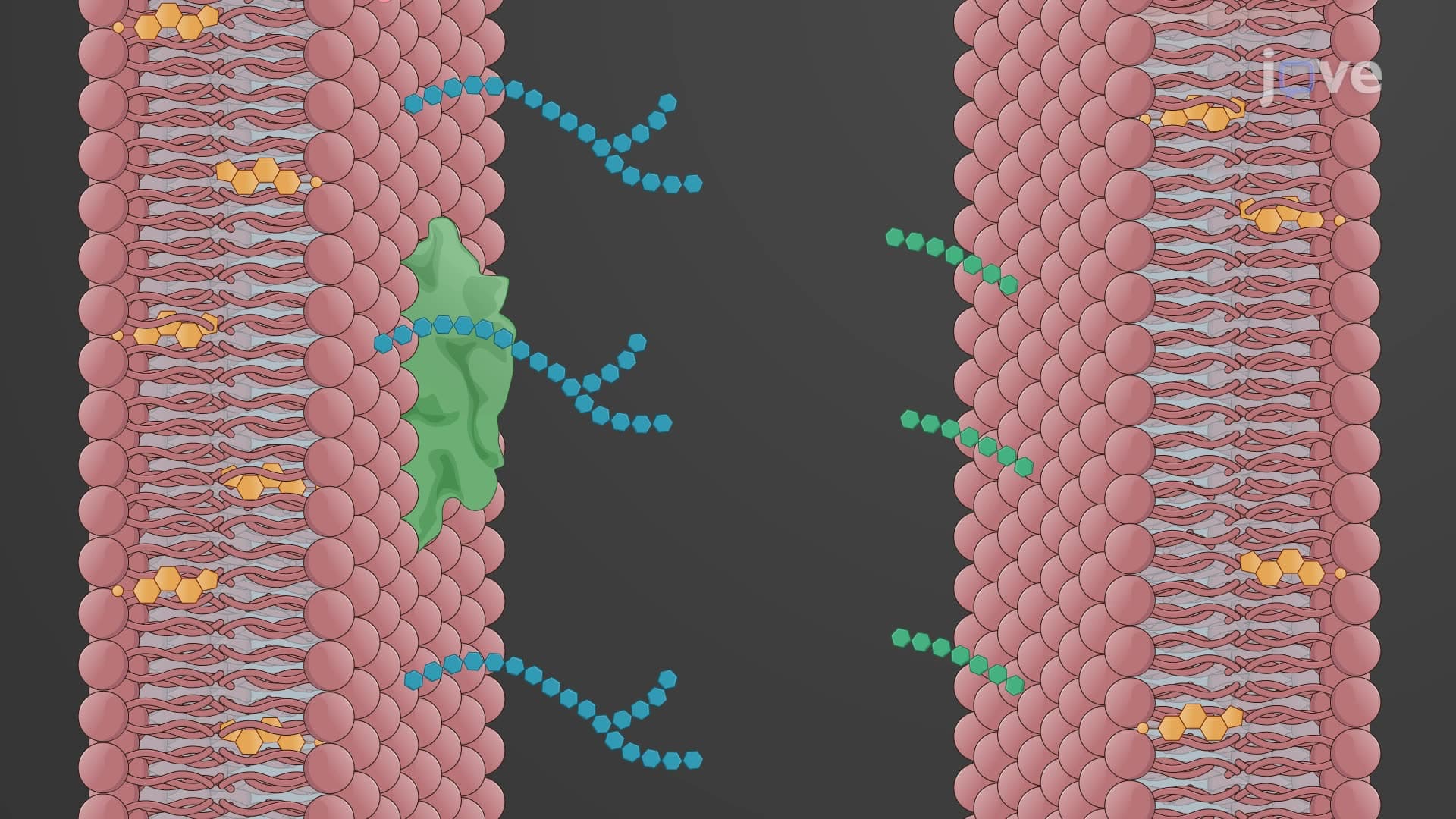
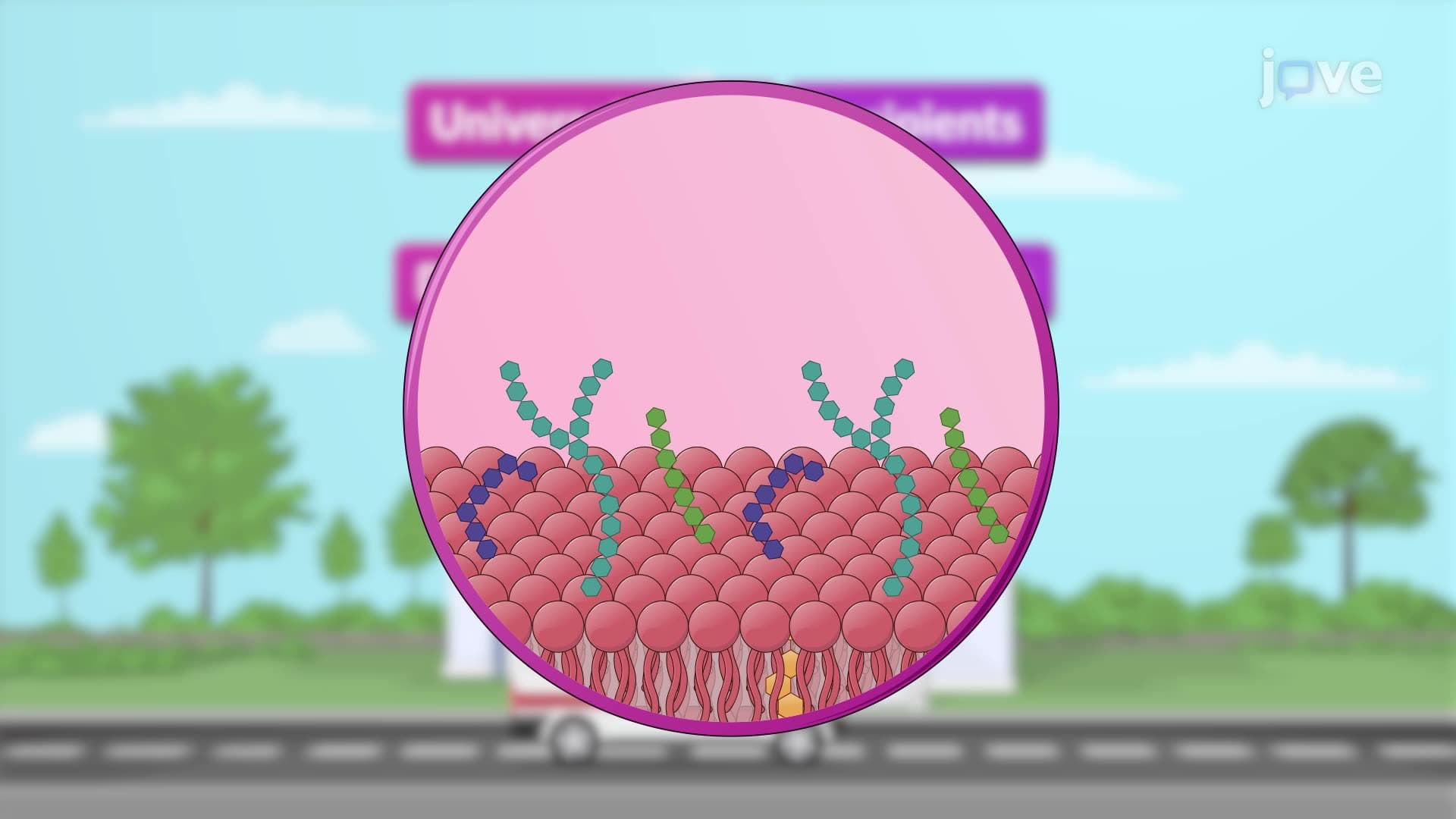
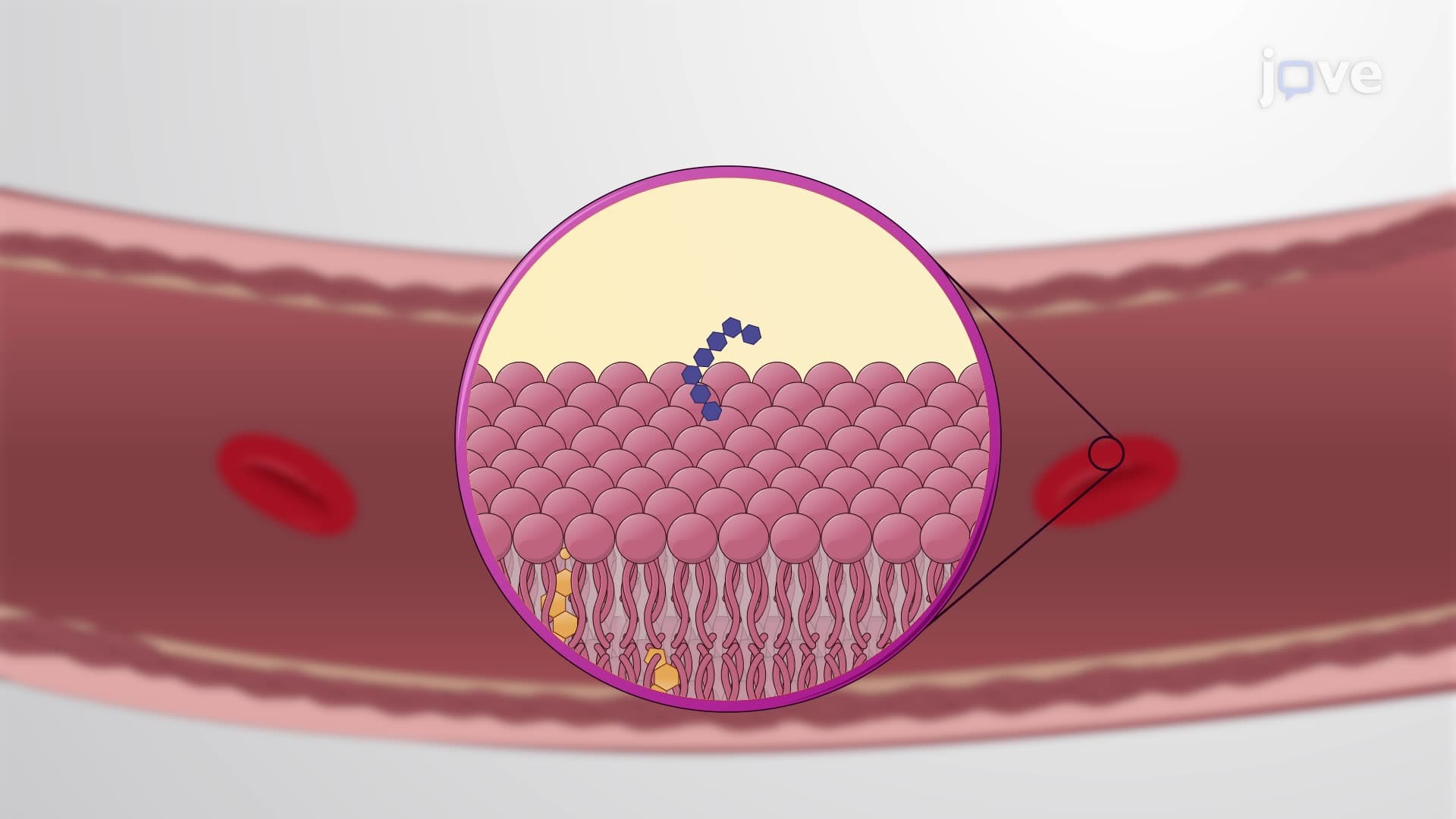
The Rh system encompasses over 50 different antigens, but the D antigen remains most clinically relevant. When present, individuals are Rh-positive (Rh+); when absent, they're Rh-negative (Rh-). This Rh positive negative factor distinction affects approximately 285 million Americans, with about 85% being Rh-positive and 15% Rh-negative, though percentages vary significantly among ethnic groups.
What makes Rh biology fascinating differs fundamentally from ABO incompatibility. Rh-negative individuals don't naturally possess anti-Rh antibodies in their plasma. Instead, anti-D Rh antibody production requires sensitization-exposure to Rh-positive blood through transfusion, pregnancy, or needle-sharing incidents.
During sensitization, the immune system recognizes Rh antigens as foreign proteins, mounting an IgG antibody response. These antibodies, unlike ABO antibodies, can cross placental barriers, creating serious clinical complications. Medical students studying for the MCAT encounter this concept extensively, as it exemplifies adaptive immunity principles and maternal-fetal medicine complexities.
Rh incompatibility pregnancy scenarios create some of medicine's most dramatic examples of immunological memory. When an Rh-negative mother carries an Rh-positive fetus, fetal red blood cells may enter maternal circulation during delivery, miscarriage, or invasive procedures. The mother's immune system then produces anti-D antibodies.
Subsequent pregnancies with Rh-positive fetuses face severe risks. Maternal antibodies cross the placenta, destroying fetal red blood cells and causing erythroblastosis fetalis Rh-a condition potentially leading to severe anemia, heart failure, brain damage, or fetal death. This hemolytic disease of the newborn affects approximately 4,000 US pregnancies annually despite prevention protocols.
Modern medicine prevents most Rh complications through RhoGAM (Rh immunoglobulin) administration. This prophylactic treatment, given to Rh-negative mothers at 28 weeks gestation and within 72 hours postpartum, prevents sensitization by neutralizing fetal Rh-positive cells before maternal immune recognition occurs. AP Biology students often analyze this as applied immunology, demonstrating how understanding basic science translates to clinical interventions saving thousands of lives yearly.
Related Micro-courses