Loading subject page…

- Anatomy and Physiology
- The Muscular System
- Muscles that Move the Head
Micro-course: The Muscular System
68,317 views
Learn key concepts and earn your certificate.


Muscles that Move the Head

00:00
01:19
Video Summary: Muscles That Move the Head Explained
Ever wondered how a baseball pitcher can whip their head around to track a 100-mph fastball, or how dancers execute those dramatic head tilts? The head movement muscles anatomy involves a complex network of neck muscles working together like a sophisticated pulley system. From the powerful sternocleidomastoid that helps NFL quarterbacks scan the field to the deep splenius muscles enabling graceful ballet movements, these muscles coordinate every head motion we make. Watch the full video on JoVE Coach to master this concept with expert-led visuals and step-by-step explanations.
- Understand the muscles that move the head explained through anatomical structure and function relationships
- Identify the primary head movement muscles including sternocleidomastoid, scalenes, and splenius capitis
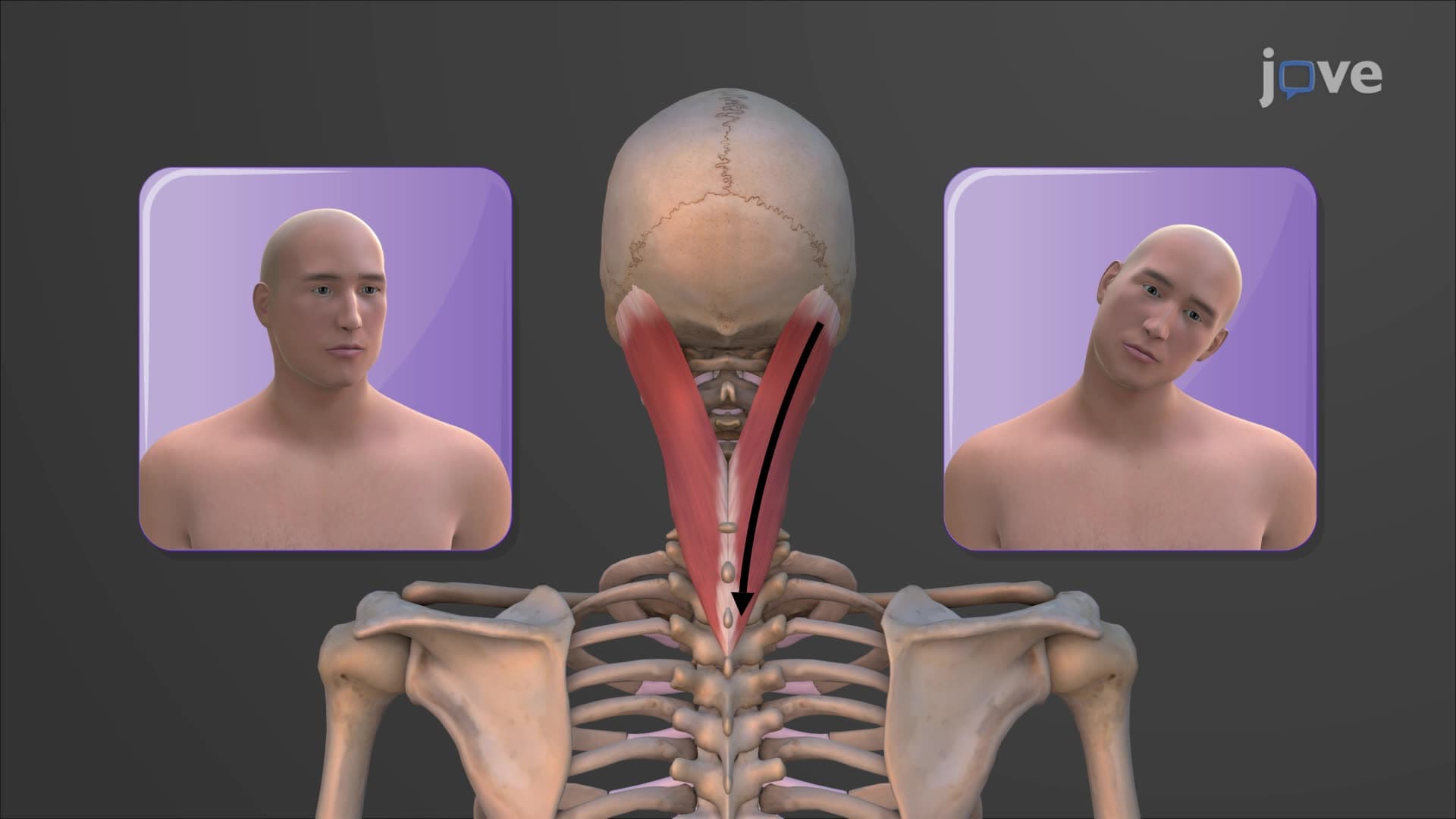
- Analyze how bilateral versus unilateral muscle contractions produce different head movements
- Compare the roles of anterior neck muscles (flexion) versus posterior neck muscles (extension)
- Evaluate the functional anatomy of muscles responsible for head movement in athletic performance
- Apply knowledge of head movement muscle origins and insertions to predict movement patterns
- Recognize clinical implications when these muscles are injured or dysfunctional
- Explore the coordination between superficial and deep neck muscles during complex head movements
Understanding Muscles That Move The Head Explained
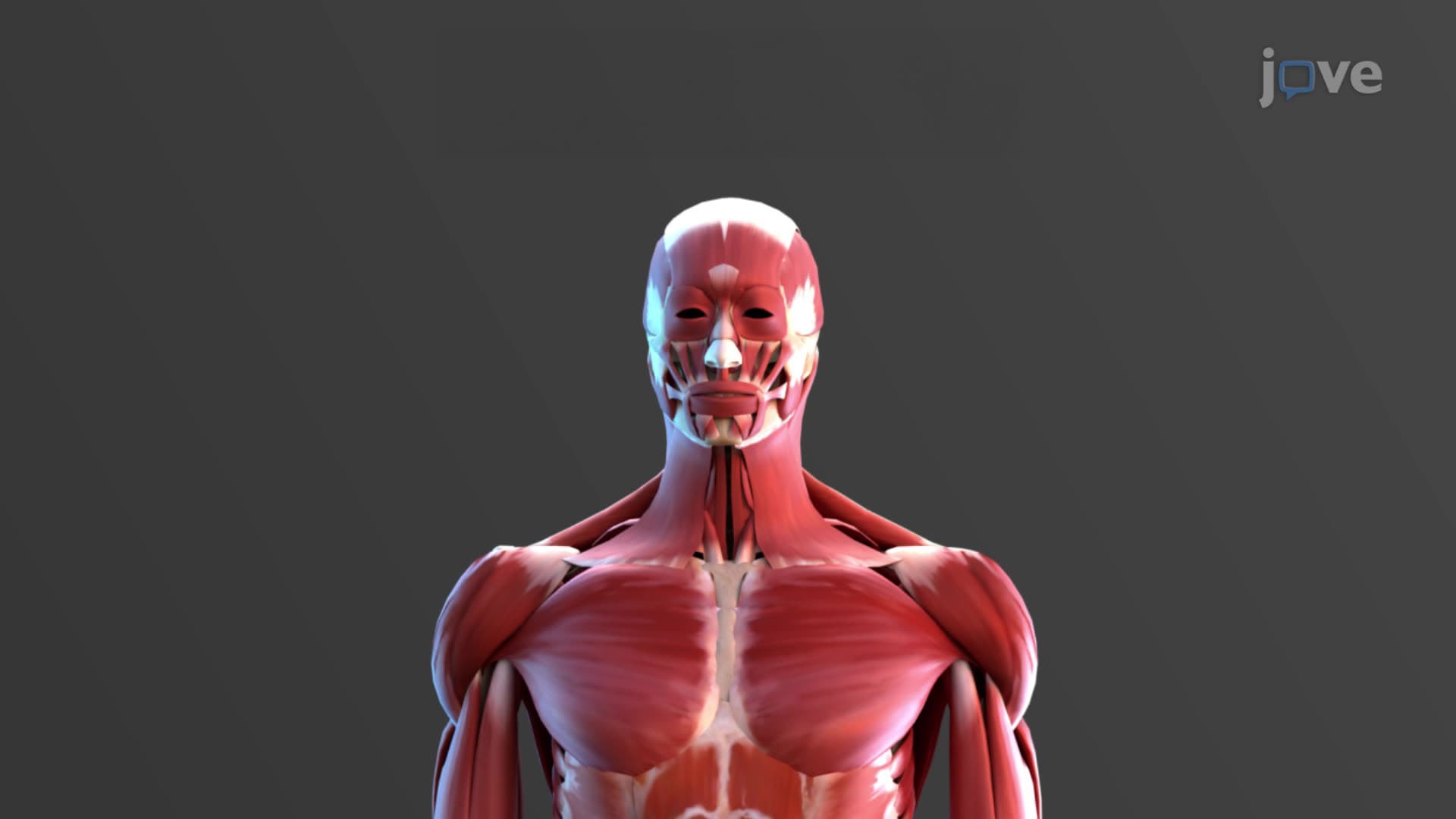
The human head, weighing approximately 10-12 pounds, requires precise muscular control for balanced movement and positioning. The head movement muscles anatomy forms an intricate system where multiple muscle groups work synergistically to produce smooth, coordinated motion at the atlanto-occipital joint and cervical spine.
Primary Flexor Muscles: The Anterior Powerhouse
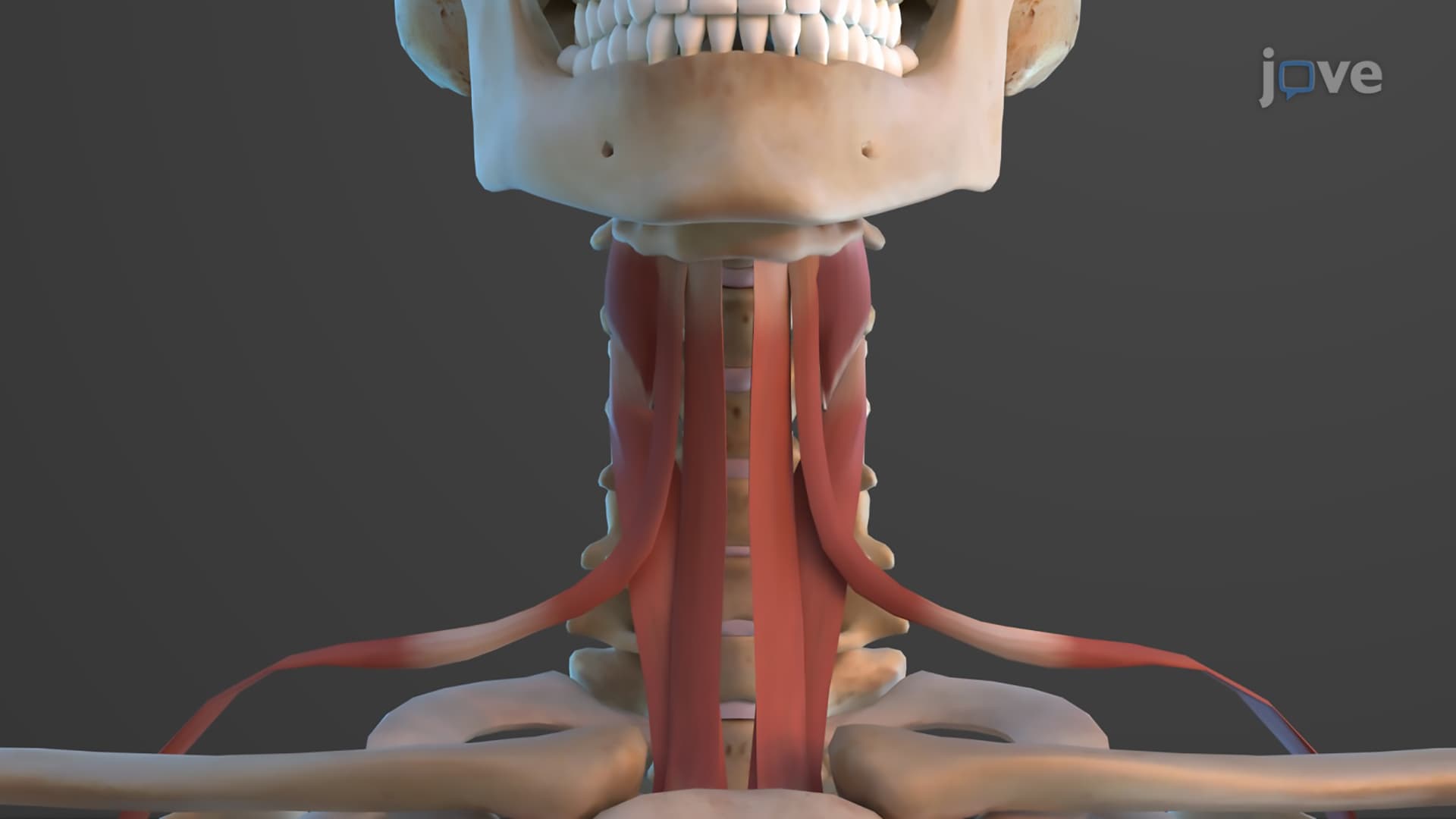
The muscles responsible for head movement in flexion are dominated by the sternocleidomastoid (SCM), a prominent muscle visible when turning your head. This dual-origin muscle begins at both the sternum and clavicle, creating two distinct muscle bellies that converge at the mastoid process behind your ear. When both SCMs contract simultaneously, they pull the head forward into flexion-think of a football player in a three-point stance.
The suprahyoid and infrahyoid muscles provide additional flexion support. These smaller muscles, located above and below the hyoid bone respectively, are crucial for activities requiring precise head control, such as when a surgeon maintains steady head position during delicate procedures at Johns Hopkins Hospital.
Lateral Movement and Rotation Specialists
What muscles are responsible for moving the head laterally involves the scalene muscle group-anterior, middle, and posterior scalenes. These diagonal muscles connect cervical vertebrae to the upper ribs, creating the mechanical advantage needed for side-bending movements. A tennis player's ability to track a cross-court shot depends heavily on these muscles working in coordination.
The SCM also plays a unique role in rotation: unilateral contraction causes the head to rotate toward the opposite side while tilting toward the contracting side. This complex motion is essential for activities like parallel parking, where drivers need to look over their shoulder.
Posterior Extension Muscles: The Back-Up System
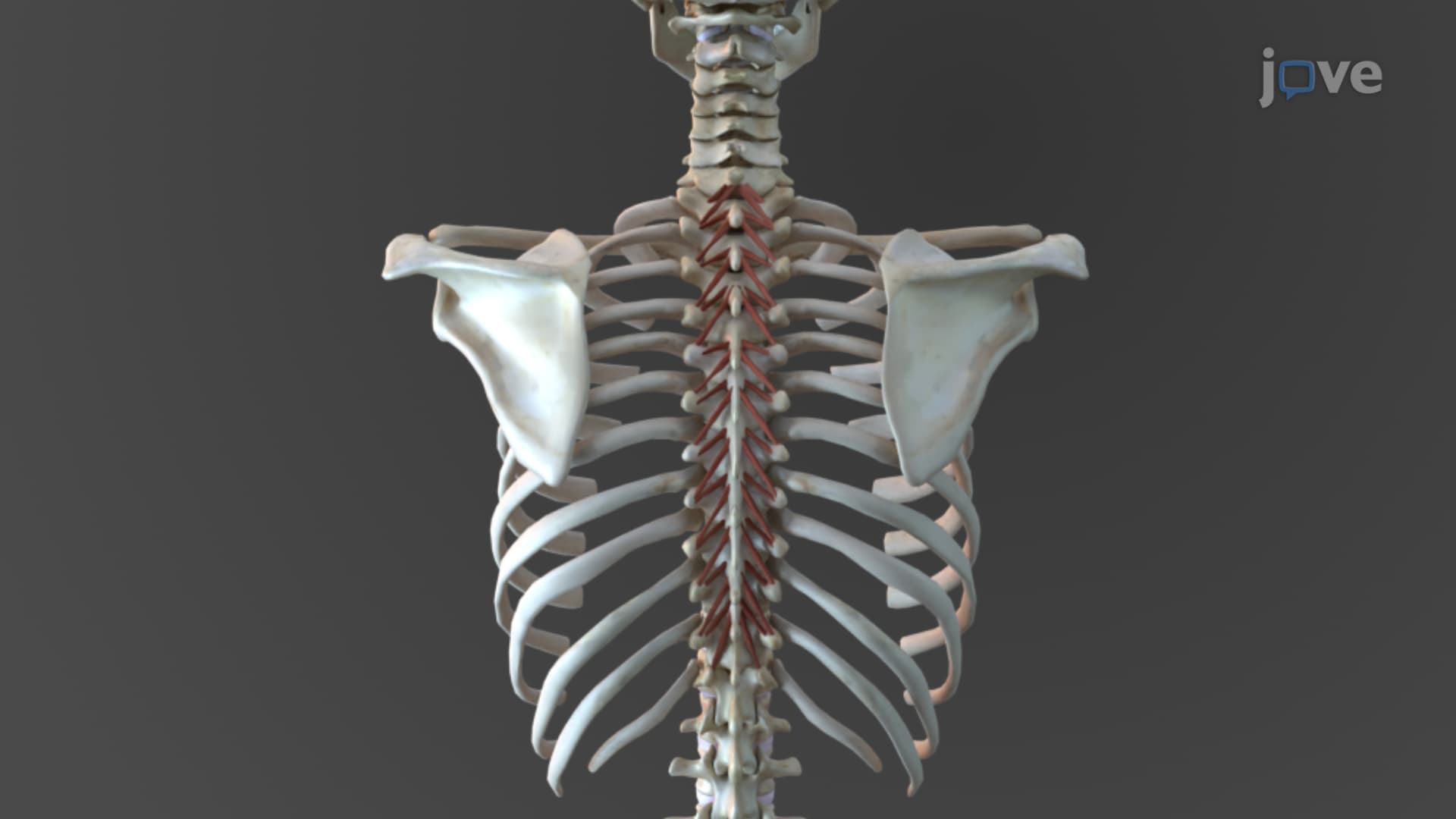
The splenius head movement muscles, particularly the splenius capitis, serve as primary head extensors. Originating from the nuchal ligament and spinous processes of C7-T3 vertebrae, this muscle inserts onto the occipital and temporal bones. Bilateral contraction extends the head backward-essential for looking up at tall buildings in Manhattan or tracking a pop fly in baseball.
This muscle group is frequently tested on the MCAT and appears in AP Biology curricula when discussing muscle mechanics and lever systems. Understanding these muscles helps explain clinical conditions like "text neck" affecting millions of Americans who spend hours looking down at devices.
Frequently Asked Questions
The main head movement muscles include the sternocleidomastoid (for flexion and rotation), scalenes (for lateral flexion), and splenius capitis (for extension). These muscles work together like cables on a crane, allowing your head to move in all directions while maintaining balance and control.
The MCAT tests knowledge of sternocleidomastoid, scalenes, splenius capitis, and semispinalis capitis muscles. Focus on understanding their origins, insertions, and specific actions-bilateral versus unilateral contractions produce different movements. Practice identifying these muscles on anatomical diagrams and predicting movement patterns.
AP Biology includes these muscles when discussing muscle mechanics, lever systems, and nervous system control. Students should understand how muscle fiber orientation affects force direction and how the nervous system coordinates multiple muscles for complex movements like nodding or head shaking.
Athletes rely heavily on coordinated head movement muscles-quarterbacks use sternocleidomastoid for field scanning, gymnasts engage splenius muscles for backward extensions, and swimmers utilize scalenes for rhythmic head turning during freestyle strokes. These muscles must work rapidly and precisely during competitive sports.
No advanced prerequisites are required. Basic understanding of muscle contraction, anatomical directions (flexion/extension), and bone landmarks provides sufficient foundation. Most high school biology students can master these concepts with focused study and visual aids.
Create movement-based mnemonics: "SCM helps you Say No (rotation) and Nod Yes (flexion)." Practice with anatomical models, use flashcards for origins/insertions, and simulate movements while studying. Visual learners benefit from drawing muscle attachment points on skull diagrams.
SCM injuries can cause torticollis (twisted neck), limiting driving and computer work. Scalene dysfunction affects shoulder movement and can cause referred pain. Understanding these muscles helps explain why neck injuries often impact multiple daily activities beyond just head movement.
Progress to studying spinal muscles (erector spinae group), shoulder girdle muscles, and their integration with head movements. Explore clinical conditions like cervical radiculopathy and whiplash injuries to understand practical applications of this anatomical knowledge.
Related Micro-courses