Loading subject page…

- Anatomy and Physiology
- The Muscular System
- Muscles that Move the Leg
Micro-course: The Muscular System
68,317 views
Learn key concepts and earn your certificate.


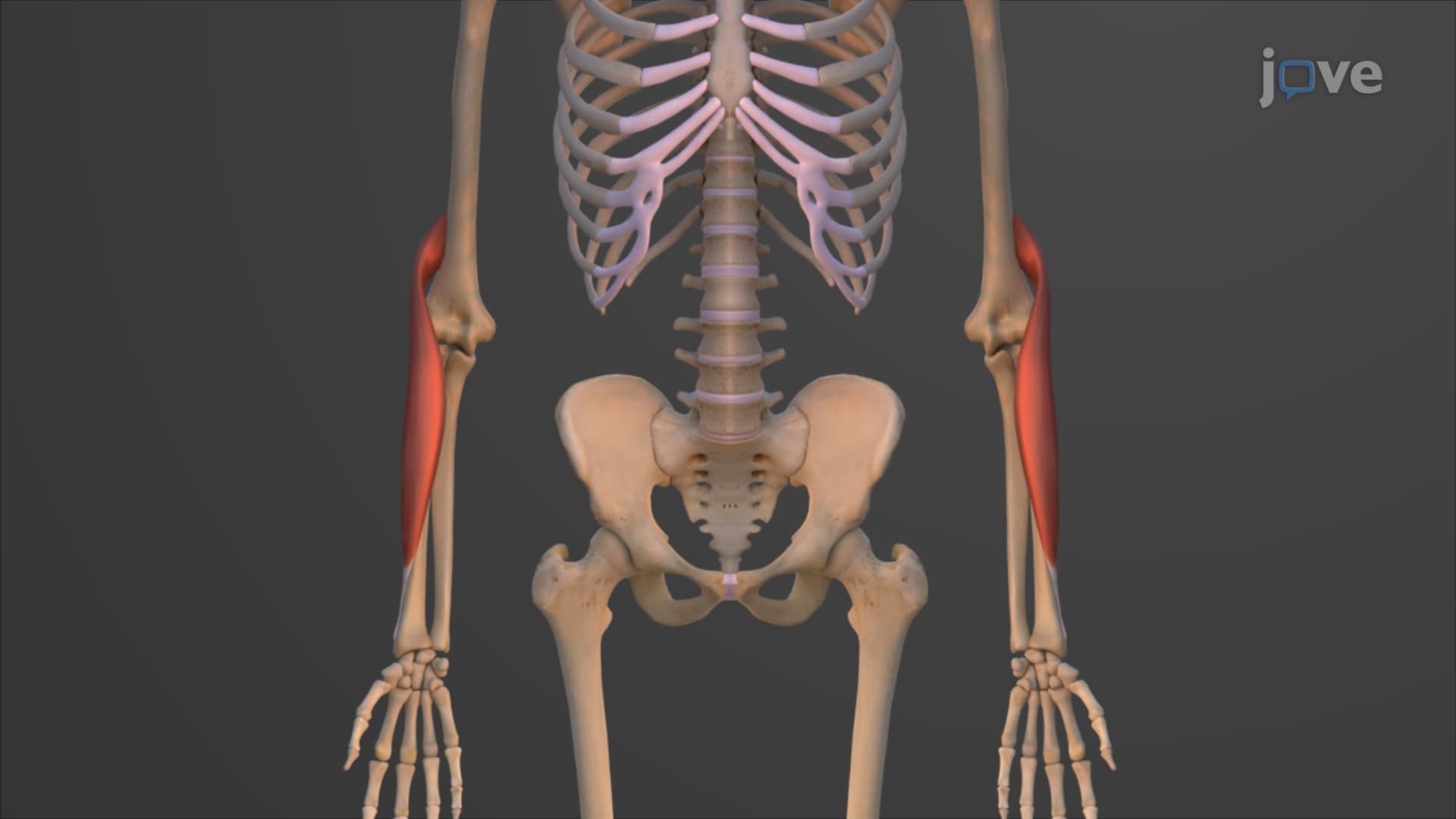
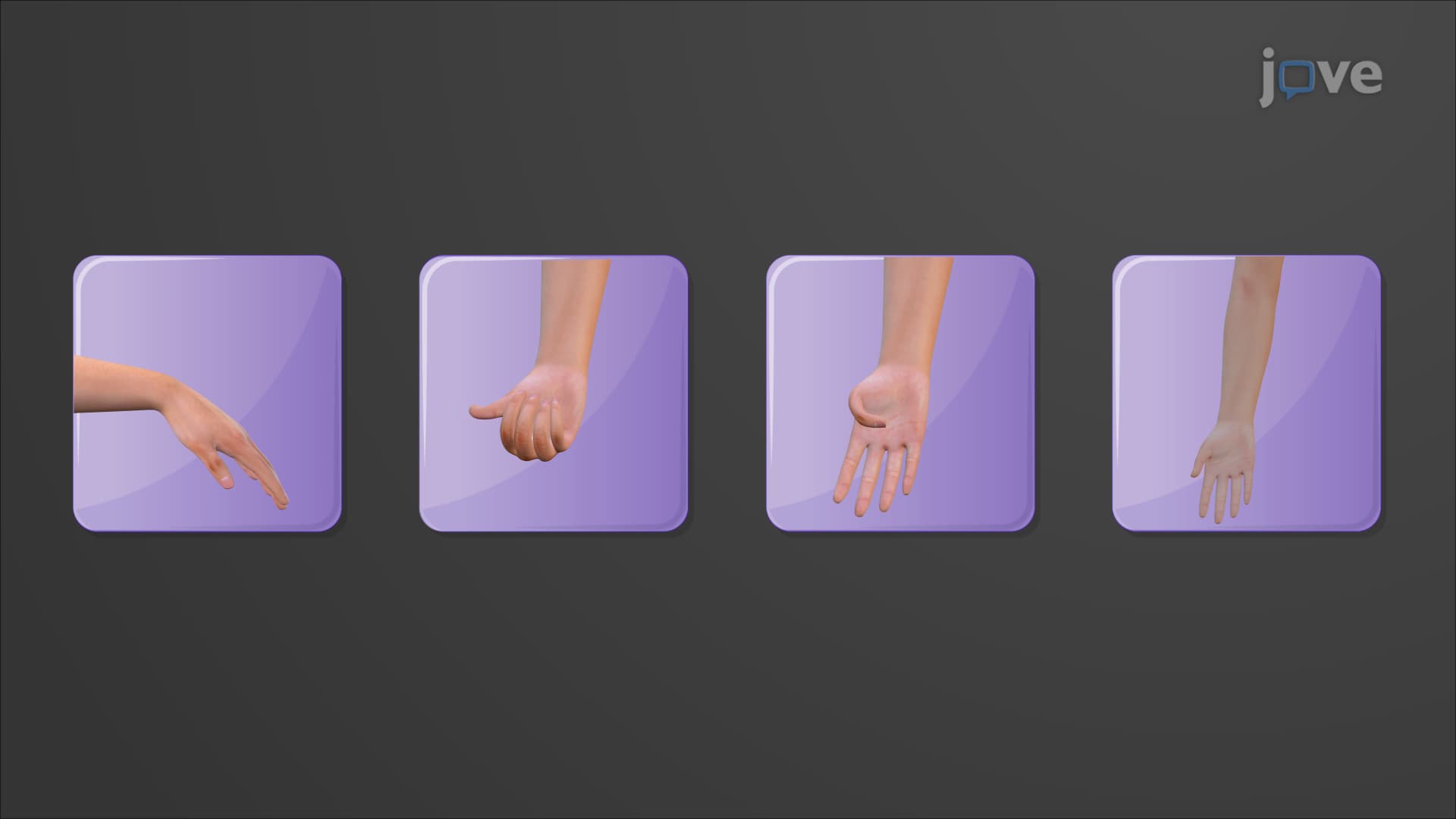
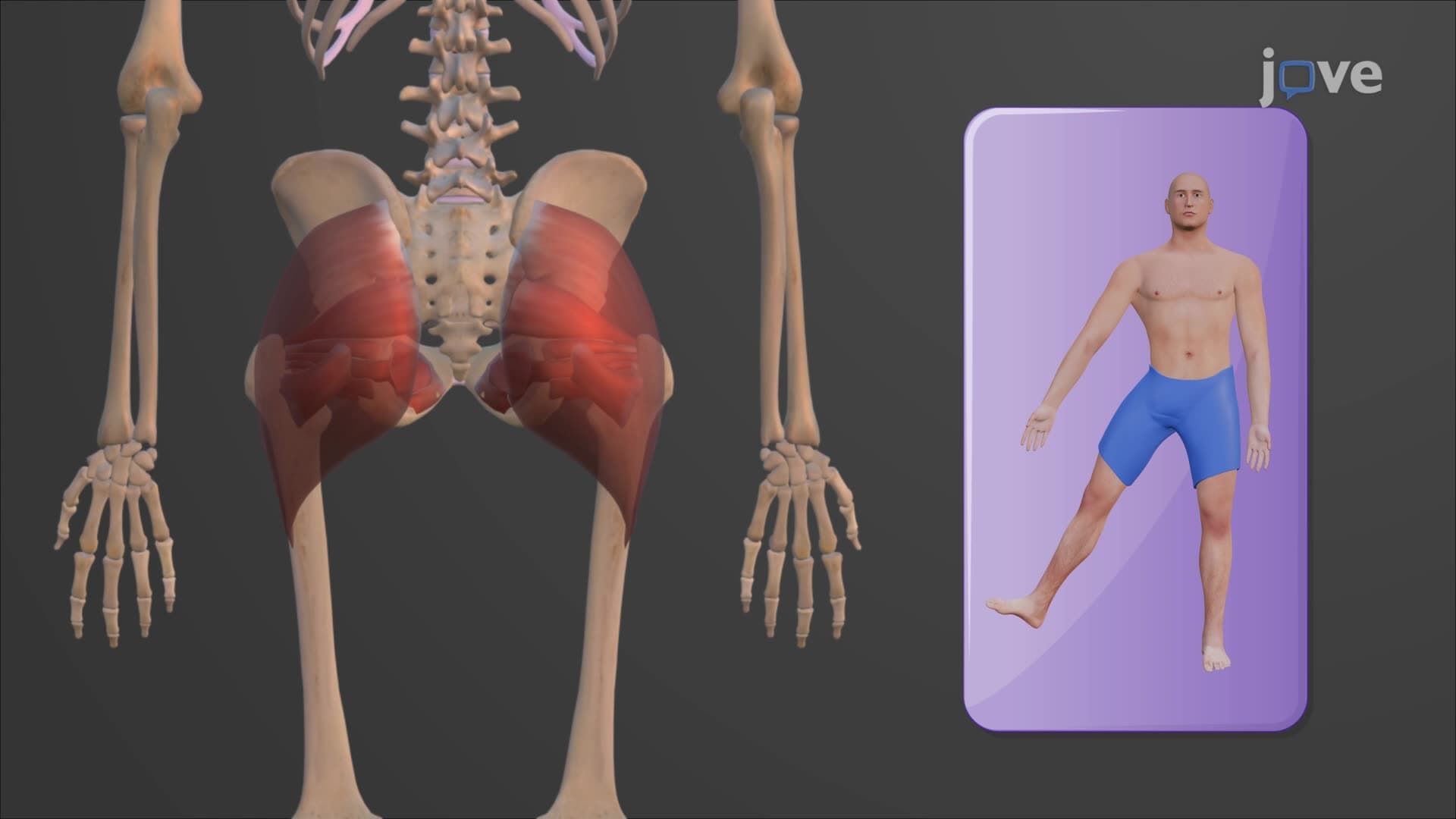
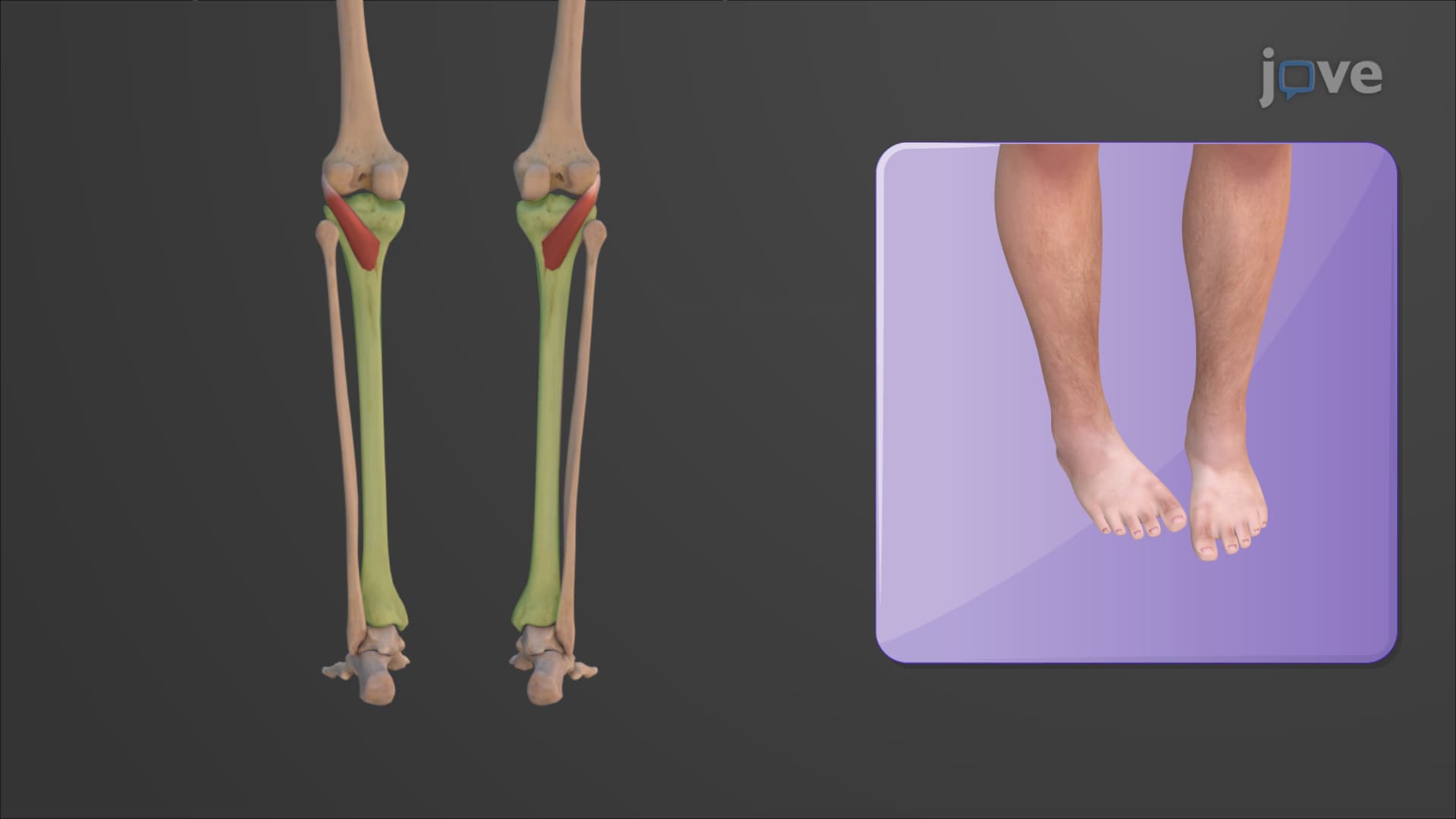
Muscles that Move the Leg

00:00
01:23
Video Summary: Muscles That Move the Leg Explained
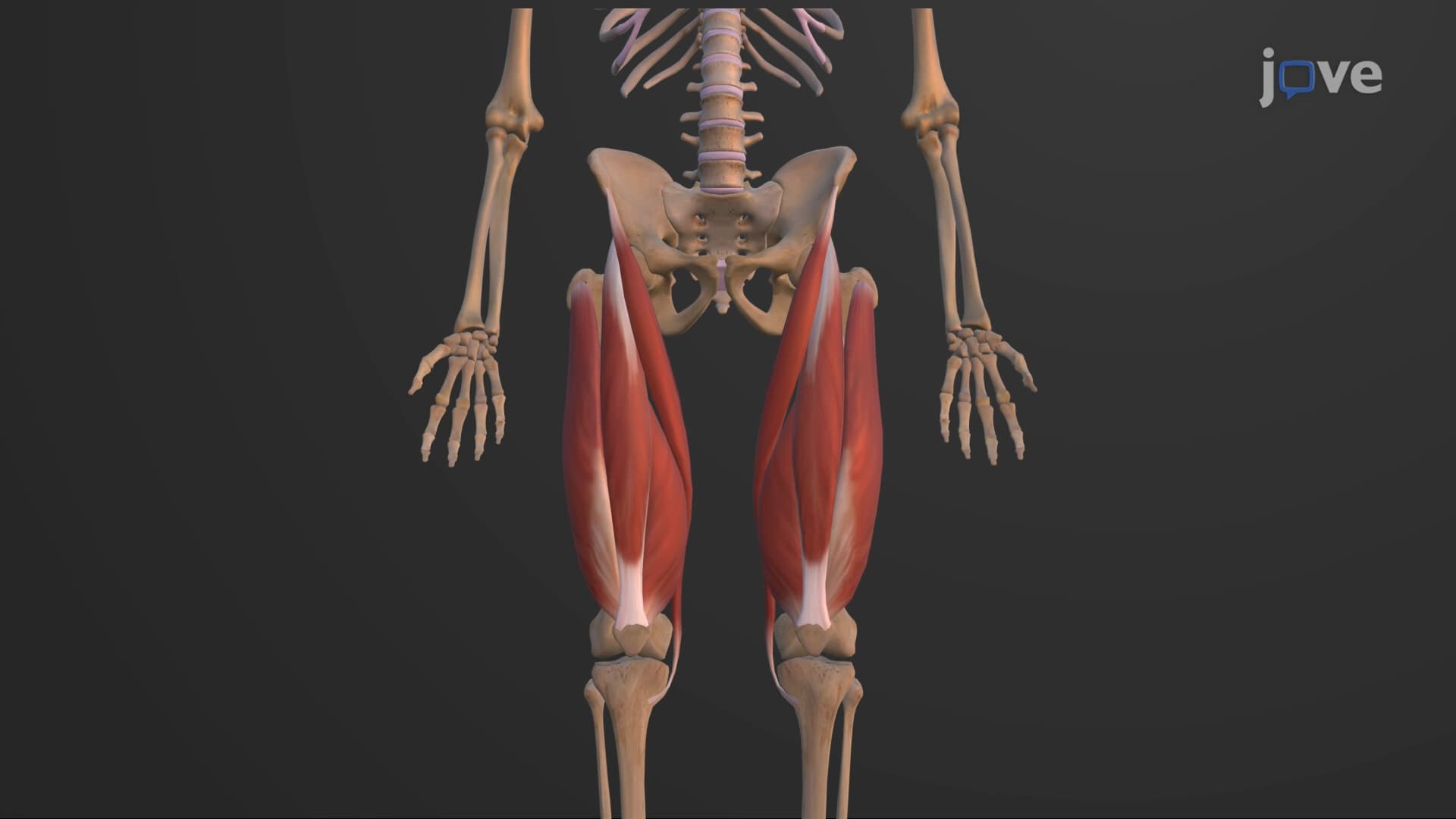
Ever wonder why sprinters can explode off starting blocks while marathon runners maintain steady strides for hours? The secret lies in leg movement muscles anatomy and how different muscle groups coordinate to produce specific movements. From the powerful quadriceps driving NFL players through tackles to the precise hamstring control needed in gymnastics routines, understanding muscles responsible for leg movement is essential for anyone studying human movement. Watch the full video on JoVE Coach to master this concept with expert-led visuals and step-by-step explanations.
- Understand the anatomical organization of muscles that move the leg explained across anterior, medial, and posterior thigh compartments
- Identify the four components of the quadriceps femoris and their role in knee extension during activities like jumping and running
- Analyze how hamstring muscles (biceps femoris, semitendinosus, semimembranosus) work together to produce knee flexion and hip extension
- Compare the functional differences between anterior compartment muscles (extensors) and posterior compartment muscles (flexors)
- Evaluate the clinical significance of common leg muscle injuries, particularly hamstring strains in athletic populations
- Apply knowledge of muscle actions to understand complex movements like walking, running, and jumping
- Recognize the role of smaller stabilizing muscles like the sartorius and popliteus in coordinated leg movement
- Explore the relationship between muscle anatomy and sports performance across different athletic disciplines
Understanding Muscles That Move The Leg Explained: Compartmental Organization
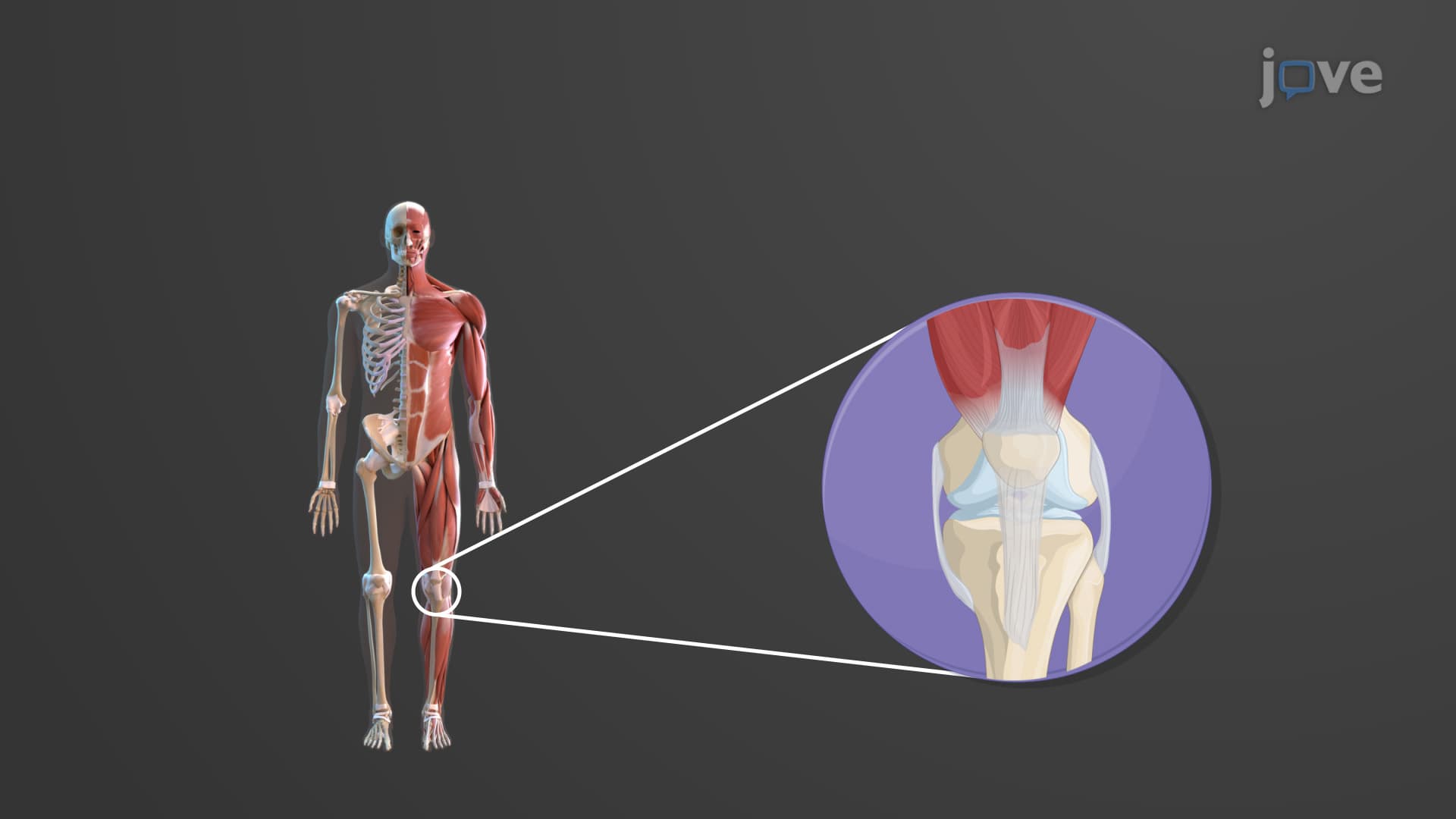
The leg movement muscles anatomy follows a precise compartmental organization in the thigh, with each compartment serving distinct functional roles. This systematic arrangement allows for coordinated movement patterns essential in everything from walking to high-performance athletics. The anterior compartment primarily handles extension movements, the medial compartment manages adduction and stabilization, while the posterior compartment controls flexion and hip extension.
This compartmental organization becomes particularly relevant when studying for the MCAT or AP Biology exams, where understanding structure-function relationships is crucial. Physical therapy students also rely heavily on this knowledge when designing rehabilitation programs for injured athletes.
Anterior Compartment: The Powerhouse of Extension
The quadriceps femoris dominates the anterior thigh compartment and represents one of the body's most powerful muscle groups. Comprising the vastus lateralis, vastus medialis, vastus intermedius, and rectus femoris, this quadriceps femoris extension system generates the explosive force needed for jumping, sprinting, and climbing stairs.
The rectus femoris is unique among quadriceps muscles because it crosses both the hip and knee joints, making it essential for complex movements like soccer kicks or high jumps. College anatomy courses often emphasize this dual-joint function when discussing muscle mechanics. The sartorius, though also in the anterior compartment, serves a different purpose as the "tailor's muscle," enabling the cross-legged sitting position traditional in tailoring work.
Posterior Compartment: The Hamstring Complex
The hamstring group flexion system consists of three distinct muscles working in concert to control knee flexion and hip extension. The biceps femoris, with its two heads (long and short), provides lateral stability while contributing to biceps femoris leg flexion. The semitendinosus and semimembranosus, located more medially, add rotational control and additional flexion power.
Hamstring injuries are among the most common sports-related injuries in the United States, affecting everyone from high school track athletes to NFL players. These "pulled hamstring" injuries typically occur during explosive movements when the muscle lengthens rapidly under tension, such as during sprinting or jumping. Understanding this mechanism is crucial for NCSF and ACSM certification exams.
Medial and Stabilizing Muscles: Fine-Tuning Movement
The gracilis in the medial compartment and the small popliteus muscle posteriorly demonstrate how what muscles are responsible for moving the leg extends beyond the major muscle groups. The gracilis contributes to knee flexion extension muscle coordination while also providing thigh adduction and medial rotation. The popliteus, though small, plays a critical role in "unlocking" the extended knee by providing the initial medial rotation of the tibia needed to begin flexion.
Frequently Asked Questions
The primary leg movement muscles are organized into three thigh compartments: anterior (quadriceps femoris, sartorius), medial (gracilis), and posterior (hamstring group). The quadriceps extends the knee, hamstrings flex the knee and extend the hip, while smaller muscles provide stabilization and fine motor control. This compartmental organization is fundamental to understanding human locomotion and appears frequently on anatomy exams.
MCAT questions typically focus on the quadriceps femoris for knee extension and the hamstring group for knee flexion and hip extension. You should know that the rectus femoris is the only quadriceps muscle crossing two joints (hip and knee). Questions often test functional relationships, such as how these muscle groups work as antagonistic pairs during walking or running.
Hamstring strains are the most frequent leg muscle injuries in high school sports, especially track, soccer, and football. These occur when the muscle lengthens rapidly under tension, typically during sprinting or kicking. Understanding the three hamstring muscles (biceps femoris, semitendinosus, semimembranosus) helps explain why these injuries often require 4-6 weeks of recovery time.
AP Biology emphasizes structure-function relationships, which are perfectly demonstrated by leg muscles. The quadriceps' four-muscle design creates maximum extension force, while hamstrings' posterior position optimizes flexion leverage. These examples illustrate evolutionary adaptations for bipedal locomotion and appear in free-response questions about human body systems.
No advanced prerequisites are needed beyond basic high school biology. Start with understanding that muscles pull (never push) bones to create movement, then learn the major muscle groups and their primary actions. Focus on the quadriceps-hamstring relationship as antagonistic pairs, when one contracts, the other relaxes to allow smooth movement.
Use functional grouping rather than individual memorization. Group muscles by their primary actions: extensors (quadriceps), flexors (hamstrings), and stabilizers (gracilis, sartorius). Create movement-based mnemonics like "Quads Kick" for quadriceps extension and "Hamstrings Heel-kick" for knee flexion. Practice identifying muscles during physical activities to reinforce anatomical learning.
Mastering basic leg muscle anatomy provides the foundation for biomechanics, exercise physiology, and sports medicine courses. You'll build on this knowledge to study muscle fiber types, energy systems, and movement analysis. This background is essential for pre-physical therapy, exercise science, and sports medicine programs at universities.
Physical therapists design rehabilitation programs based on specific muscle functions, while athletic trainers prevent and treat muscle injuries. Exercise physiologists develop training programs targeting different muscle groups, and sports medicine physicians diagnose muscle-related conditions. Even fitness trainers need this knowledge to create effective workout routines and prevent client injuries.
Related Micro-courses