Loading subject page…


68,318 views

Video Summary: What Is Muscle Coordination and Action
Ever wonder why your biceps can't overpower your triceps when arm wrestling? Muscle coordination biology reveals that skeletal muscles work as teams, not solo performers. During a basketball free throw, your shooting arm relies on precise coordination between agonist muscles (the prime movers), antagonist muscles (the opposing forces), synergist muscles (the helpers), and fixator muscles (the stabilizers). Understanding what is muscle coordination and action unlocks the secret behind every smooth, controlled movement your body makes. Watch the full video on JoVE Coach to master this concept with expert-led visuals and step-by-step explanations.
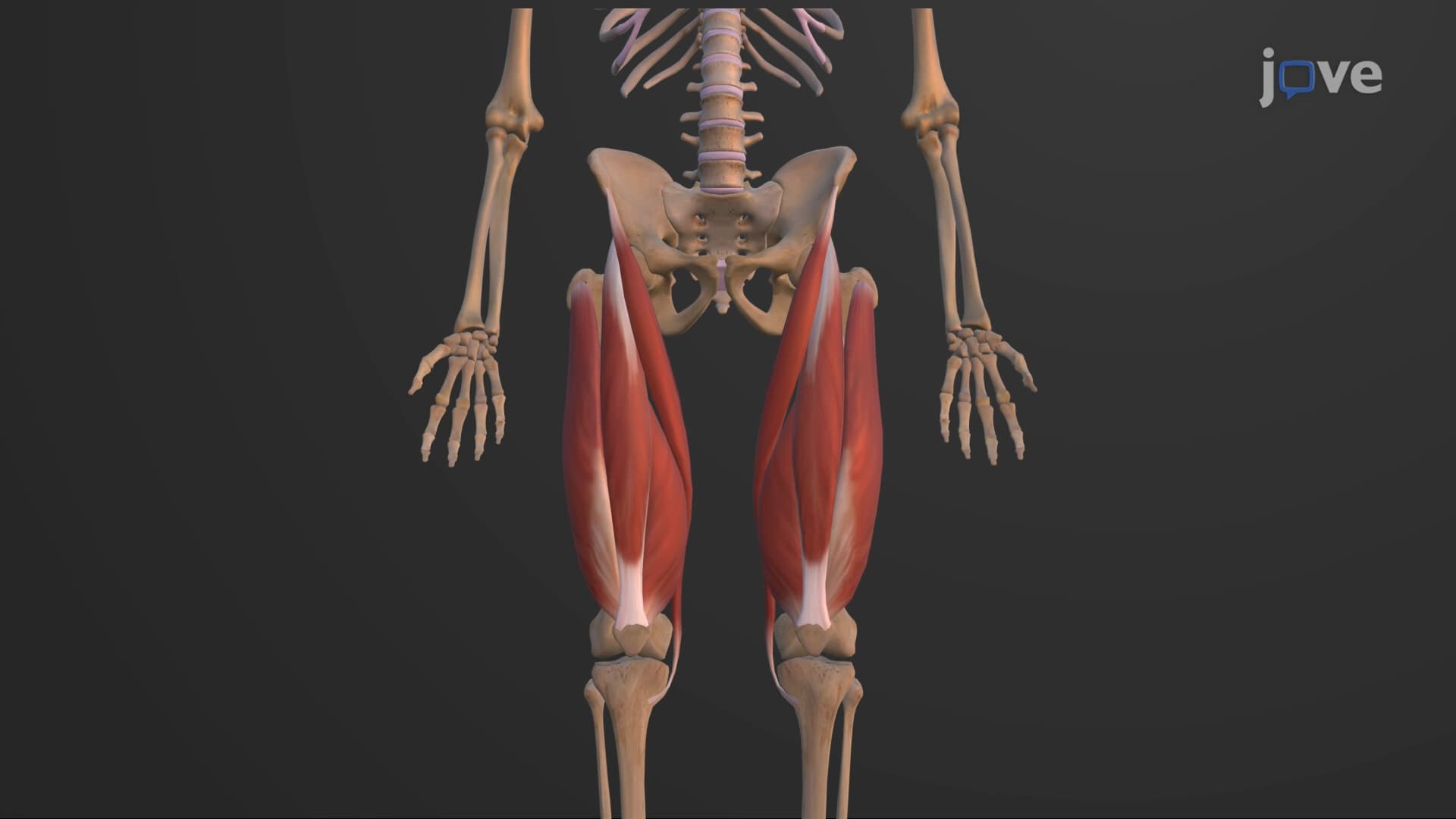
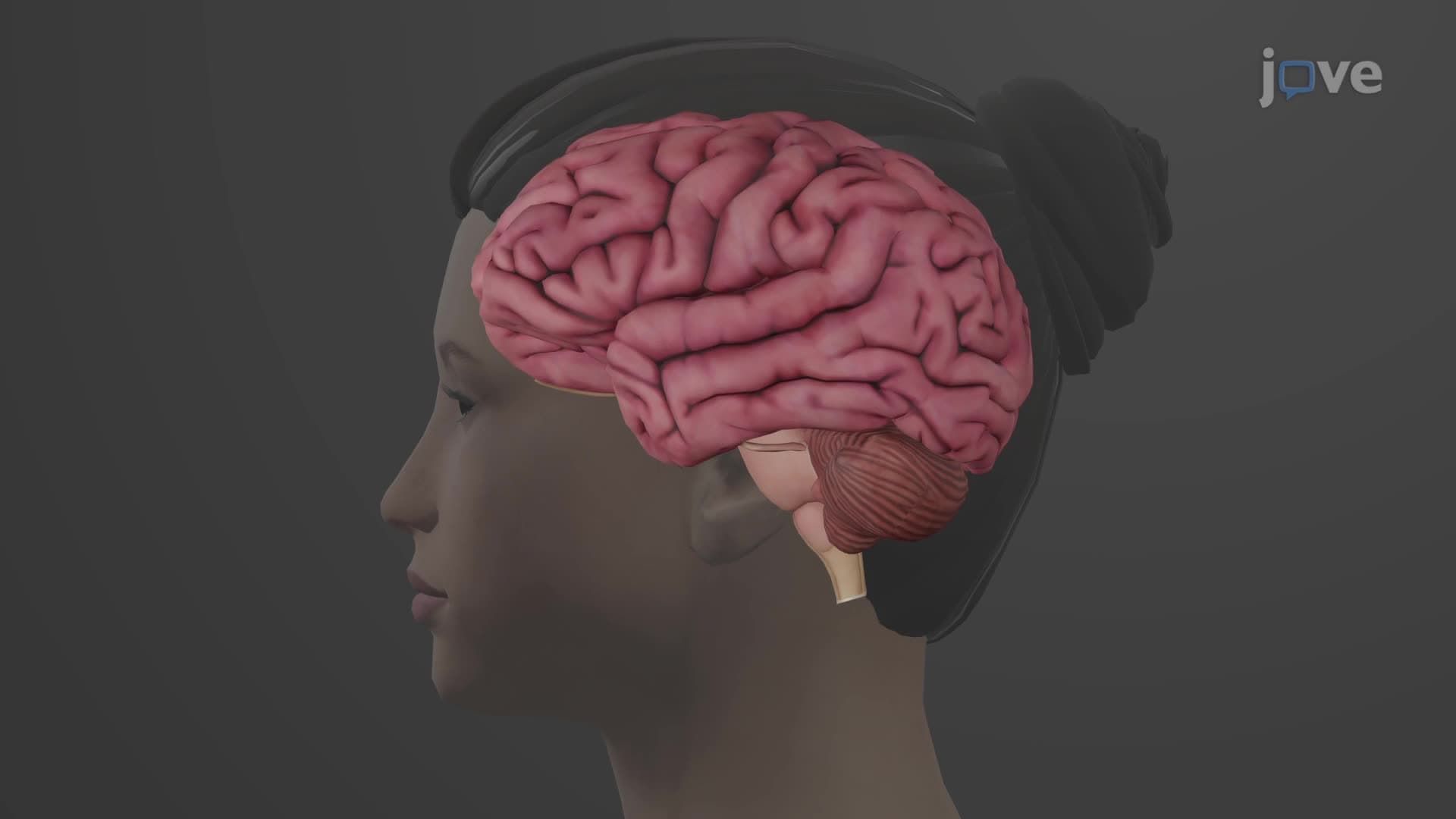
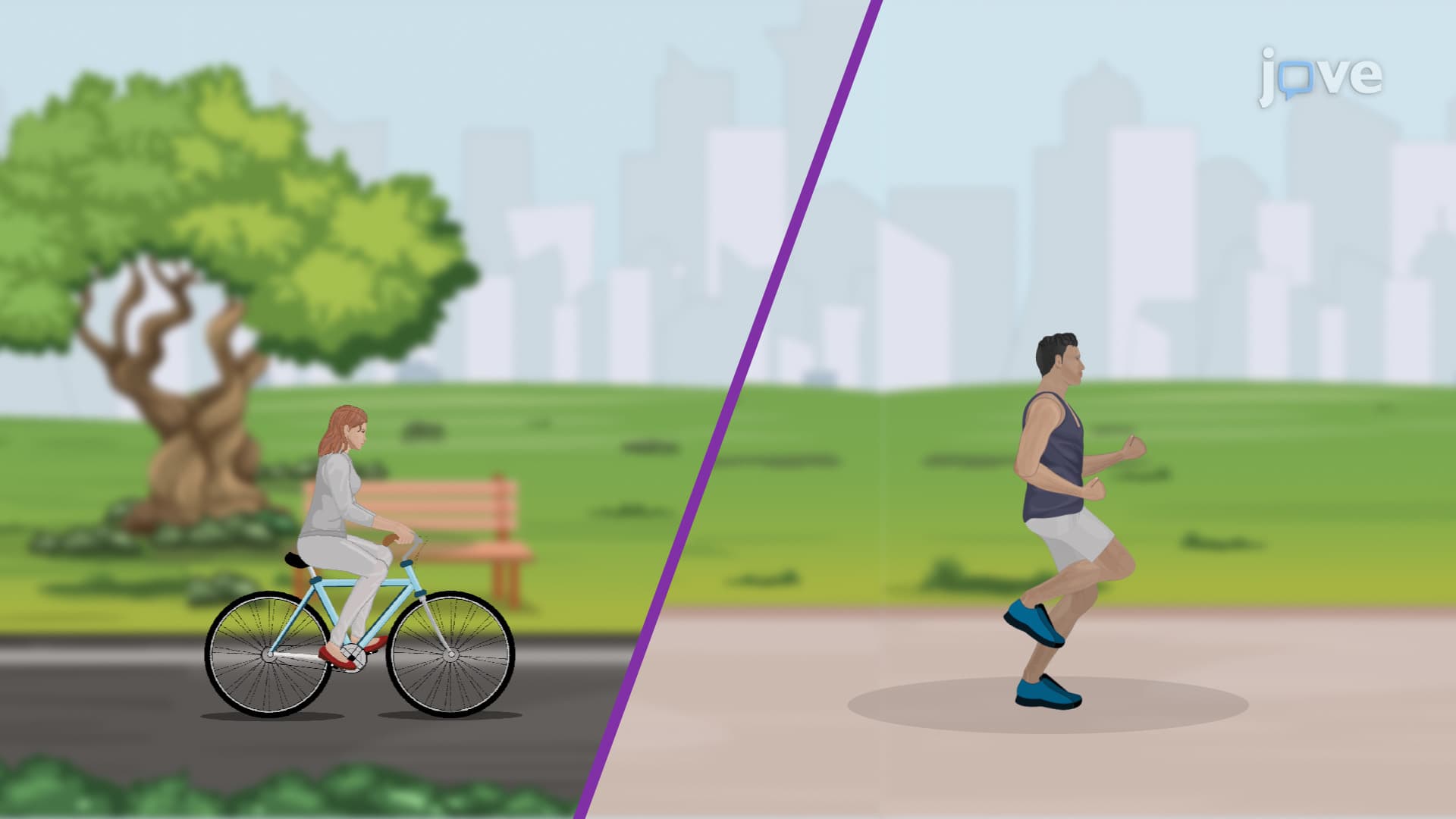
Muscle coordination biology represents one of the most sophisticated systems in human physiology. Rather than working independently, your 600+ skeletal muscles function as integrated teams to produce smooth, purposeful movements. This coordination involves precise timing, force modulation, and spatial organization that allows you to perform everything from threading a needle to throwing a 90-mph fastball.
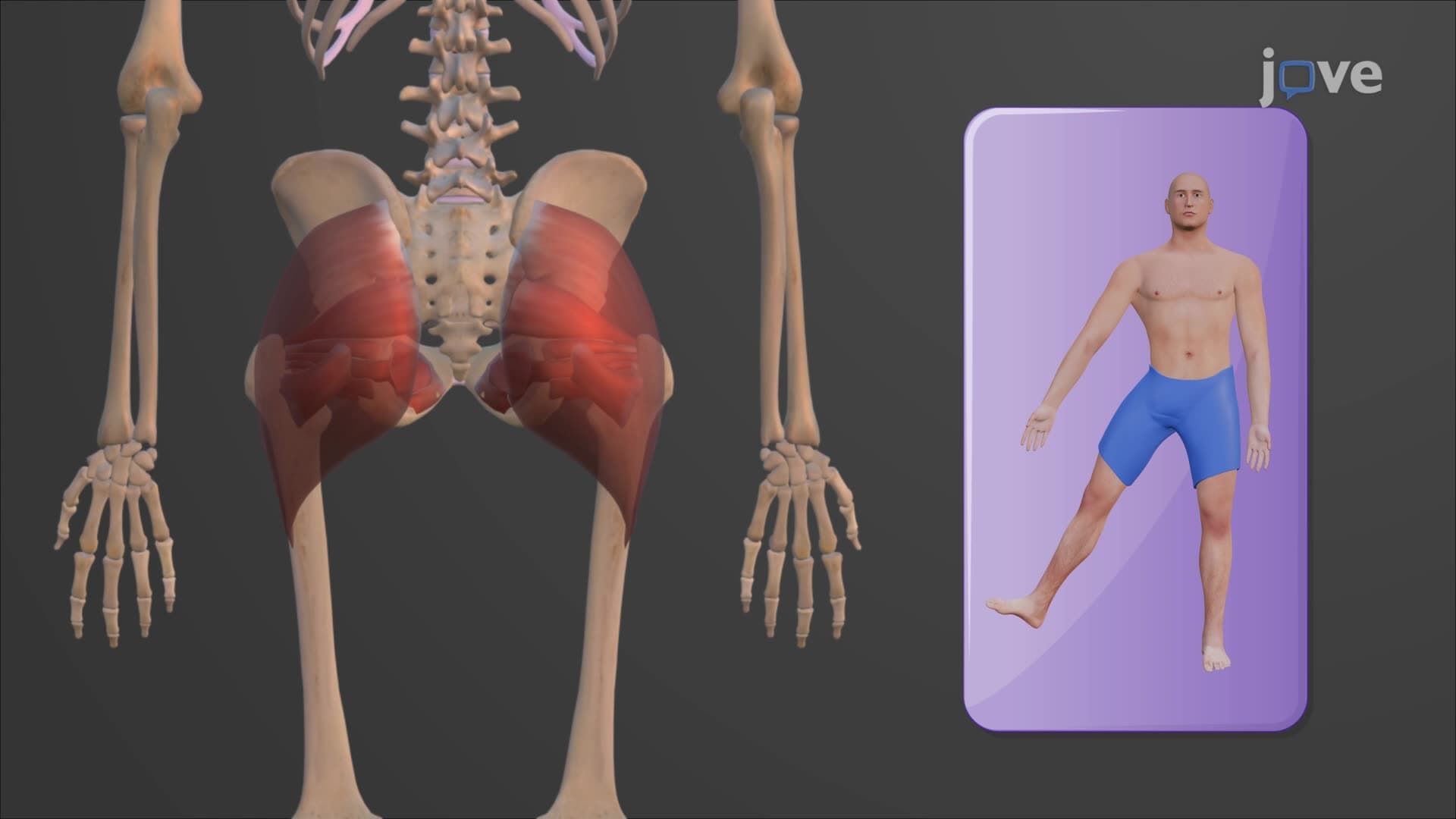
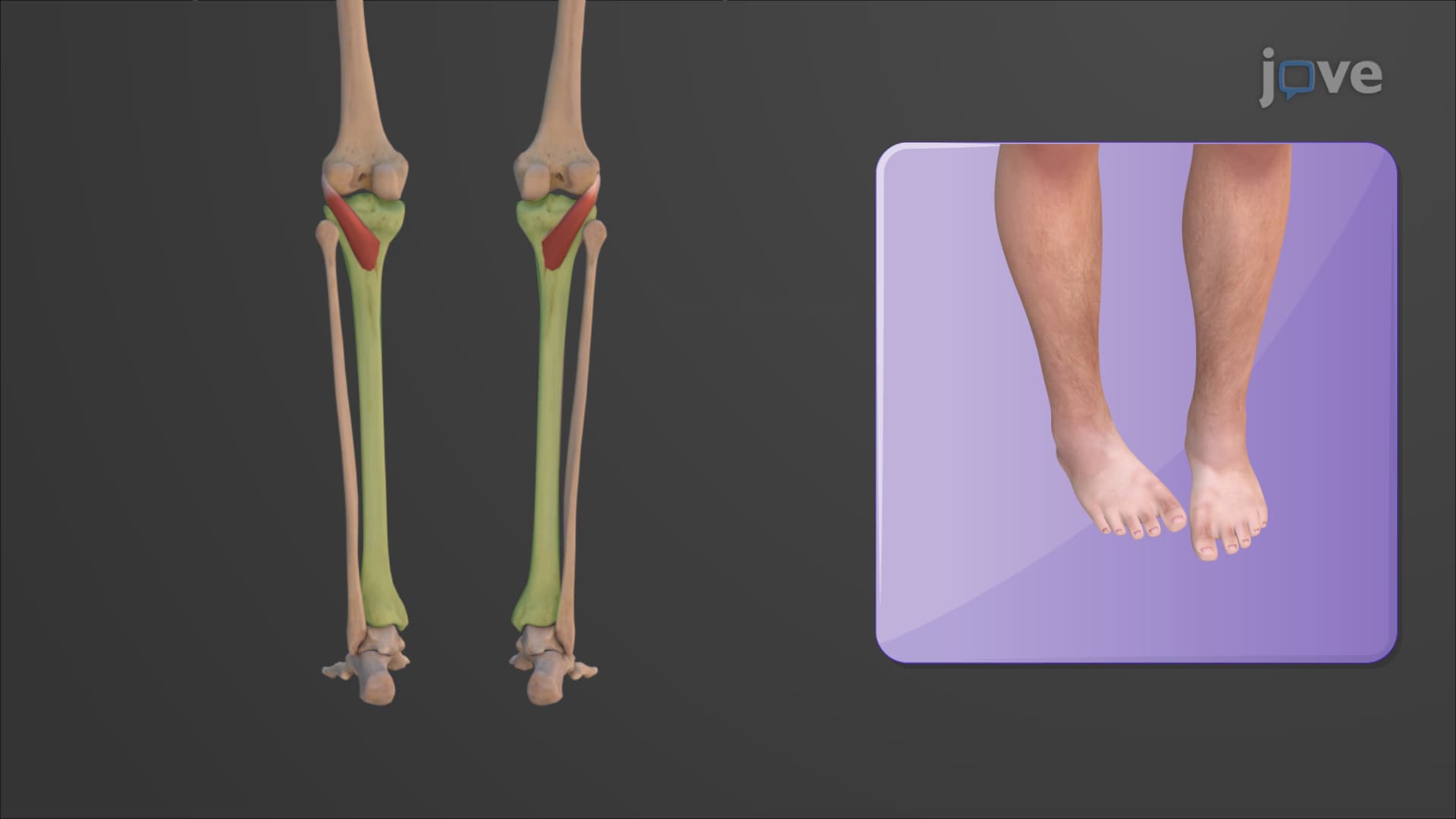
The concept of how muscles coordinate during action centers on functional muscle classifications that describe each muscle's role during specific movements. This system ensures that movements are not only possible but also efficient and controlled.
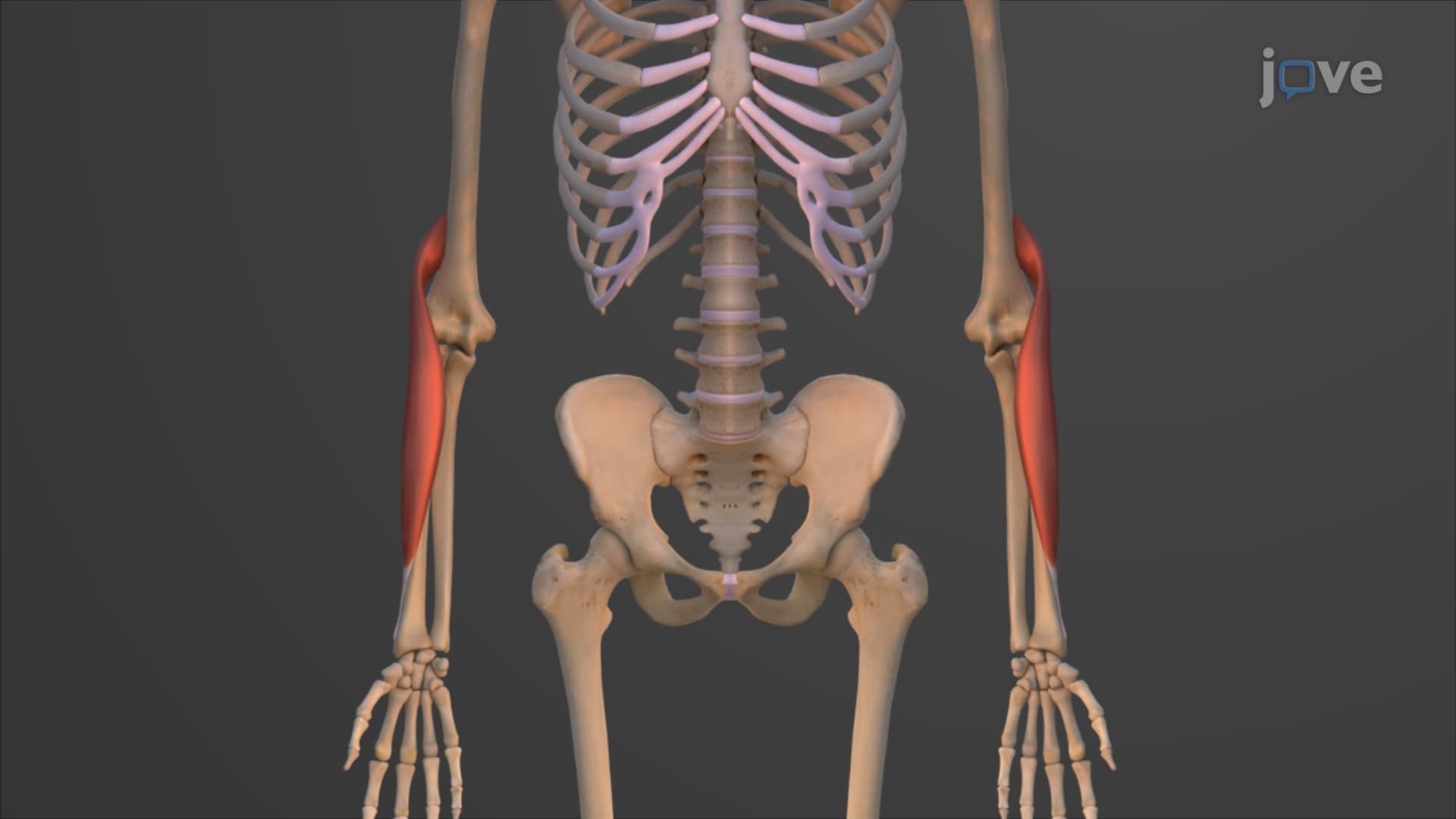
Agonist Prime Mover Muscles serve as the primary force generators during movement. When you perform a bicep curl at the gym, your biceps brachii acts as the agonist, contracting concentrically to flex your elbow. These muscles are responsible for the main action and provide the majority of the force required.
Antagonist Opposing Muscles work in direct opposition to agonists, typically located on the opposite side of the joint. During that same bicep curl, your triceps brachii serves as the antagonist, gradually lengthening to control the speed of flexion and prevent injury from rapid, uncontrolled movement. This reciprocal relationship is crucial for smooth movement execution.
Synergist Assistor Muscles support the agonist by contributing additional force or refining the movement pattern. The brachialis muscle exemplifies this role during elbow flexion, working alongside the biceps to ensure optimal joint mechanics and force distribution.
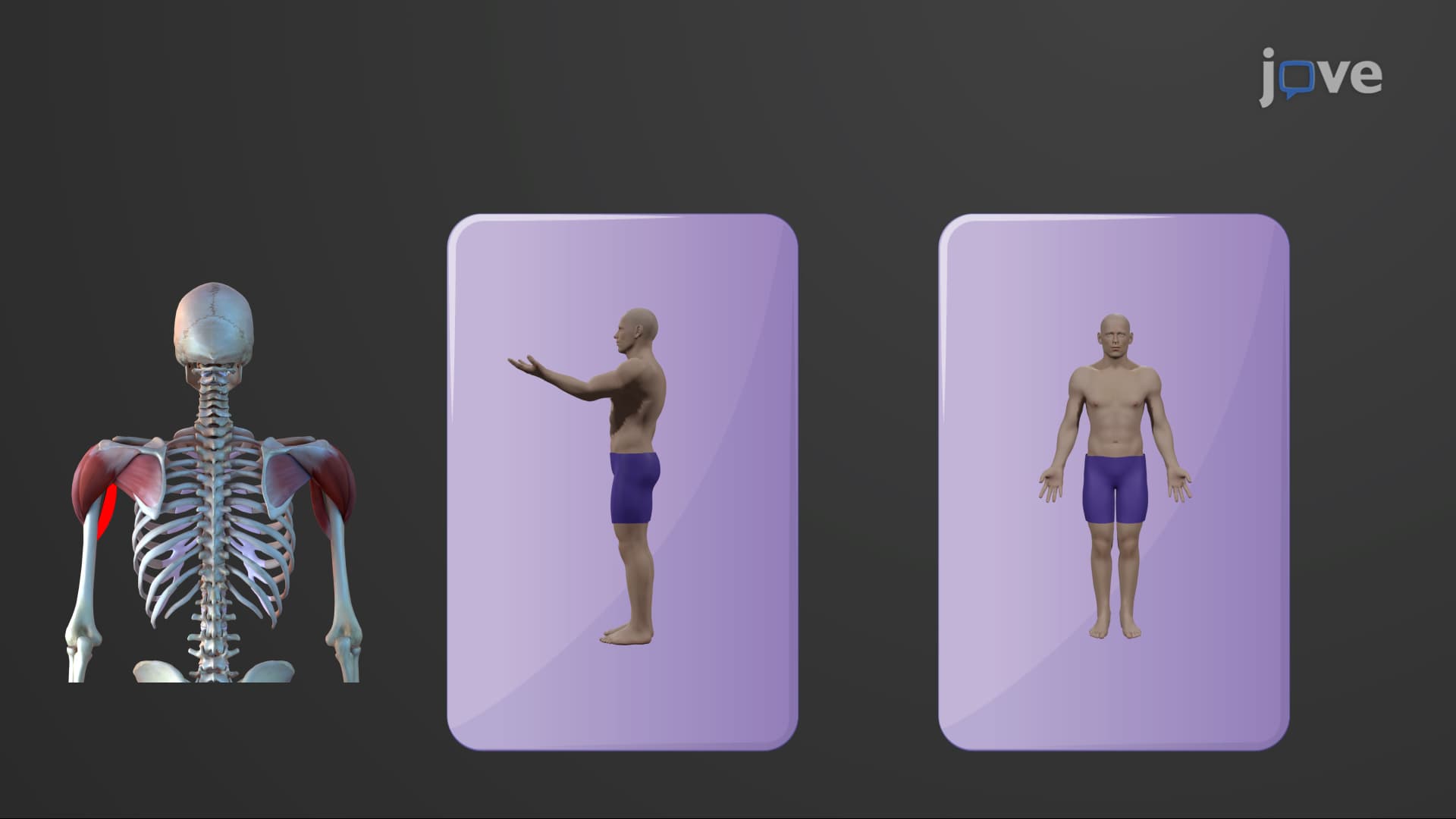
Fixator Stabilizer Muscles maintain proper joint alignment and provide a stable foundation for movement. The rotator cuff complex (subscapularis, supraspinatus, infraspinatus, and teres minor) demonstrates this function perfectly, stabilizing the shoulder joint during arm movements to prevent dislocation and optimize force transfer.
Understanding muscle group coordination proves essential for various fields. Physical therapists use this knowledge to design rehabilitation programs after injuries, targeting specific muscle groups while considering their functional relationships. Athletic trainers apply these principles to enhance performance and prevent injuries in sports like tennis, where precise coordination between shoulder stabilizers and arm movers determines serve effectiveness.
For students preparing for the MCAT or AP Biology exams, muscle coordination questions frequently appear in the context of human physiology and biomechanics. College anatomy and physiology courses extensively cover these concepts, often requiring students to identify muscle roles in complex movement patterns and explain the consequences of muscle imbalances or injuries.
Related Micro-courses