Loading subject page…


68,318 views

Video Summary: What Is Muscles Forearm That Move
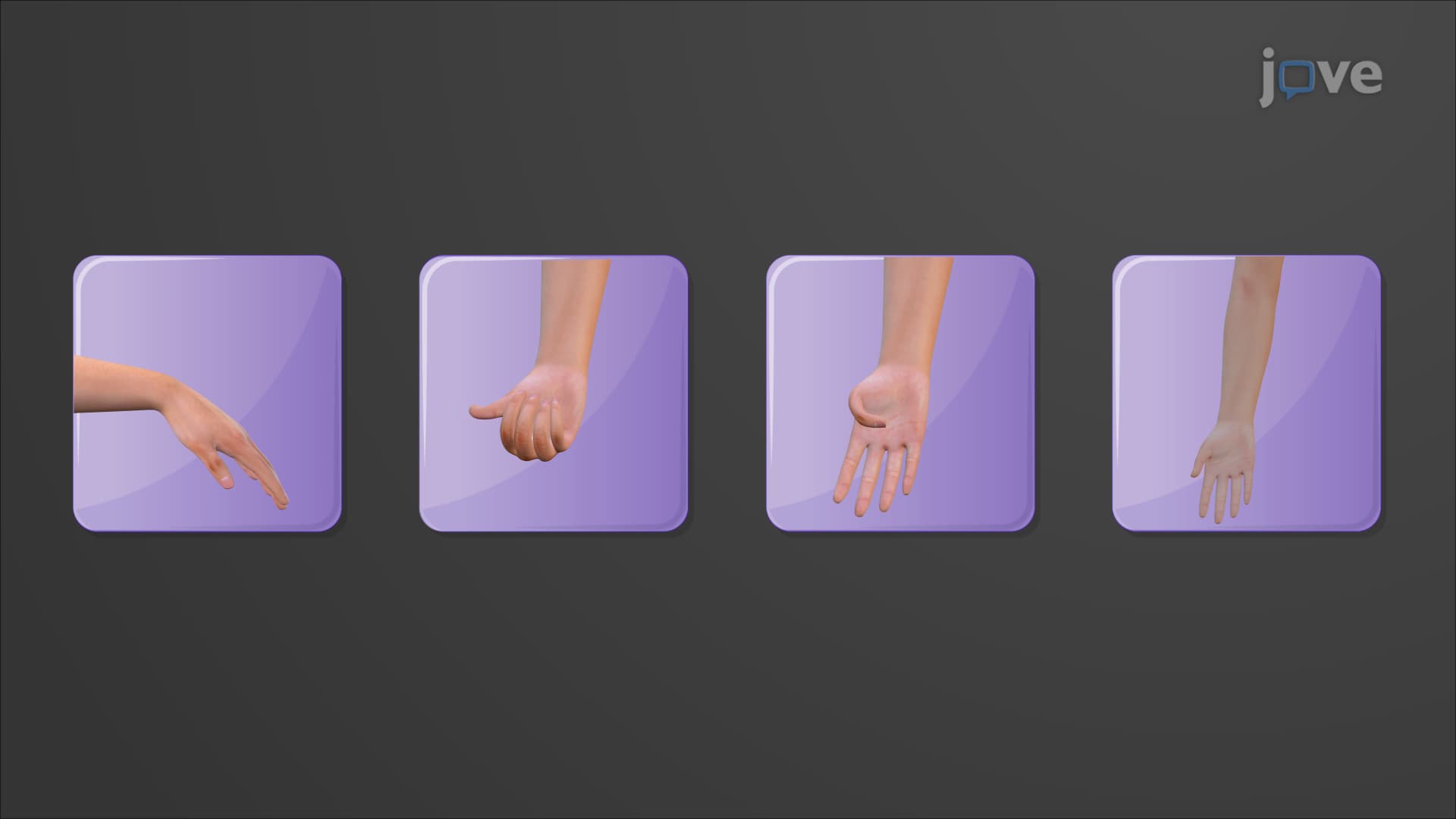
Every time you grip a baseball bat, text on your phone, or write notes in class, specialized forearm muscles wrist hand coordination makes it possible. These intricate muscle groups work in perfect harmony to control every precise movement your fingers and wrist make throughout the day. Consider how a surgeon at Johns Hopkins Hospital performs delicate procedures requiring millimeter-perfect hand control-this relies entirely on what muscles forearm that move. Watch the full video on JoVE Coach to master this concept with expert-led visuals and step-by-step explanations.
The forearm muscles wrist hand system represents one of the most sophisticated movement control mechanisms in human anatomy. These muscles are strategically organized into two distinct compartments-anterior (flexor) and posterior (extensor)-each serving opposing but complementary functions. This dual-compartment design allows for the precise, coordinated movements essential for everything from playing piano to performing surgery.
The anterior compartment houses the forearm muscles moving hand wrist in flexion patterns. The superficial layer includes three primary muscles: flexor carpi radialis (which flexes and abducts the wrist), palmaris longus (assists in wrist flexion and palm cupping), and flexor carpi ulnaris (flexes and adducts the wrist). The flexor digitorum superficialis, though technically superficial, lies deeper than these three and controls finger flexion at the proximal interphalangeal joints.
The deep anterior layer contains the flexor pollicis longus, which specifically controls thumb flexion, and the flexor digitorum profundus, responsible for powerful grip strength through deep finger flexion. These muscles are crucial for activities requiring sustained grip strength, such as rock climbing or weightlifting.
The posterior compartment answers what muscles in the forearm move the wrist and hand in extension patterns. The superficial posterior layer includes the extensor carpi radialis longus and brevis (wrist extension and radial deviation), extensor digitorum (finger extension), extensor digiti minimi (little finger extension), and extensor carpi ulnaris (wrist extension and ulnar deviation).
The deep posterior layer houses four specialized muscles: abductor pollicis longus, extensor pollicis brevis, extensor pollicis longus, and extensor indicis. These muscles are particularly important for thumb opposition and index finger independence-movements crucial for precision tasks.
Understanding forearm wrist hand muscle anatomy is essential for MCAT preparation, particularly in the musculoskeletal system sections. AP Biology students encounter these concepts when studying human body systems, while pre-med students at universities like UCLA and University of Michigan must master this content for anatomy courses. Physical therapy programs across institutions like Northwestern and Boston University emphasize these muscles' roles in rehabilitation protocols for conditions like tennis elbow and carpal tunnel syndrome.
Related Micro-courses