Loading subject page…


68,318 views
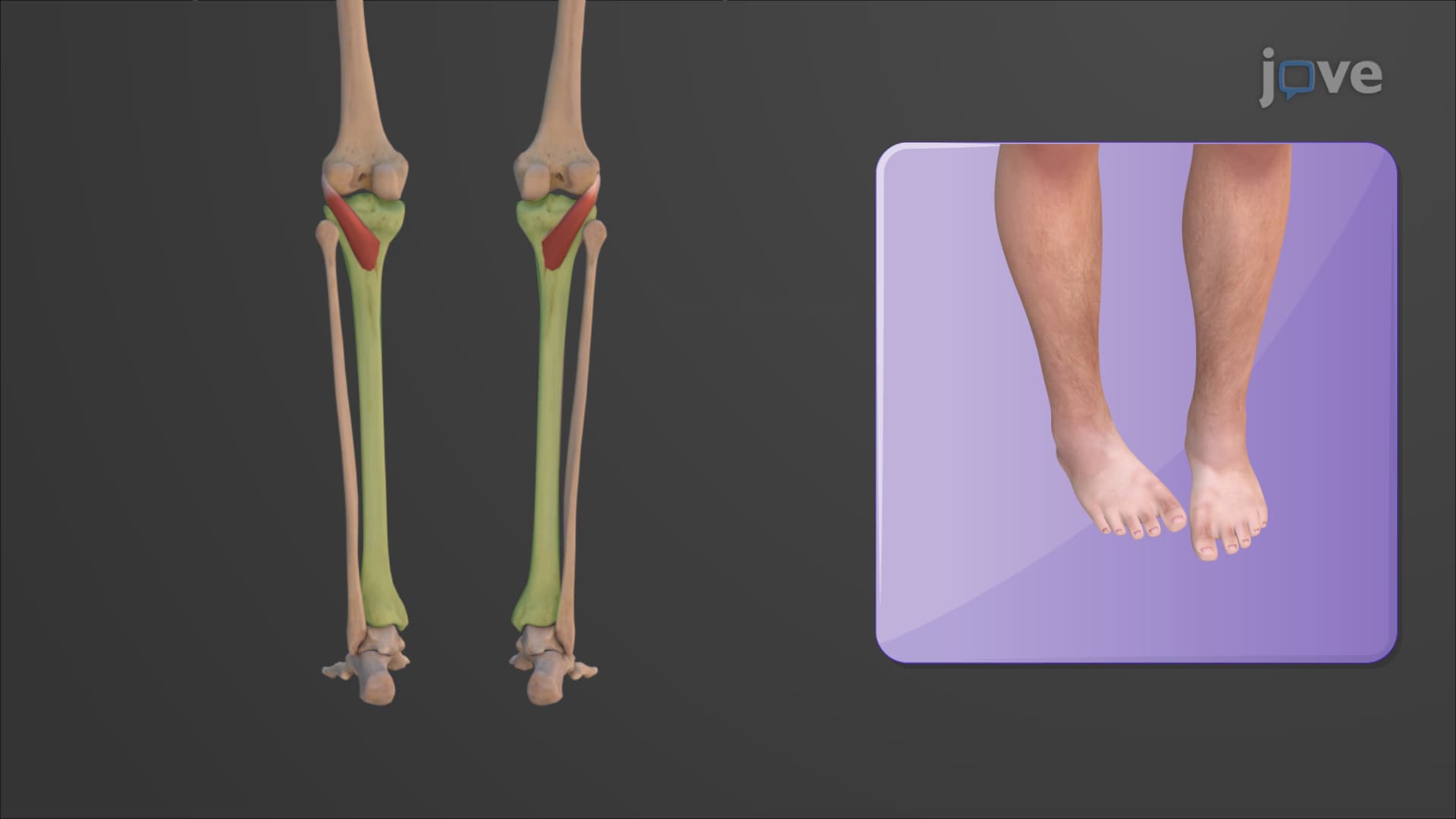

Video Summary: What Is Muscles Leg That Move
Ever wonder why sprinters can explosively push off the starting blocks while ballerinas can gracefully point their toes? The secret lies in understanding leg muscles ankle foot movement and how specialized muscle compartments work together. From the tibialis anterior helping you clear curbs while walking to the powerful gastrocnemius propelling NBA players during slam dunks, these intricate muscle groups control every step, jump, and dance move. Watch the full video on JoVE Coach to master this concept with expert-led visuals and step-by-step explanations.
The lower leg's architecture represents one of anatomy's most elegant engineering solutions. Muscles moving foot ankle explained through a compartmentalized system where fascial boundaries separate muscles into anterior, lateral, and posterior groups. This organization isn't random-it reflects both developmental patterns and functional requirements that allow humans to walk upright, run efficiently, and perform complex athletic movements.
The anterior compartment houses the body's primary tibialis anterior dorsiflexion machinery. The tibialis anterior, the most prominent muscle here, contracts every time you lift your foot during the swing phase of walking-preventing the embarrassing toe-drag that could cause falls. Medical students studying for the MCAT often remember this muscle's dual function: dorsiflexion (lifting the foot up) and inversion (turning the sole inward).
Alongside the tibialis anterior, the extensor hallucis longus specifically controls big toe extension-crucial for push-off during running. The extensor digitorum longus handles the other four toes, while the fibularis tertius provides eversion balance. Physical therapists frequently assess these muscles when treating patients with foot drop, a condition where anterior compartment weakness makes it impossible to lift the foot properly.
The peroneus fibularis eversion muscles occupy the leg's lateral compartment. These muscles-fibularis longus and fibularis brevis-are the ankle's primary stabilizers during side-to-side movements. Basketball players rely heavily on these muscles when cutting and changing direction. The fibularis longus also supports the foot's arch, making it essential for preventing flat feet and maintaining proper biomechanics during weight-bearing activities.
The posterior compartment's gastrocnemius plantar flexion and soleus deep leg muscle partnership creates the calf's distinctive shape and incredible power. The superficial layer's gastrocnemius provides explosive plantar flexion for jumping and sprinting-think of Olympic high jumpers clearing the bar. The soleus, deeper and more endurance-oriented, maintains posture and provides sustained plantar flexion during prolonged standing.
AP Biology students encounter these muscles when studying muscle fiber types: the gastrocnemius contains more fast-twitch fibers for power, while the soleus has predominantly slow-twitch fibers for endurance. The deep posterior layer includes precision muscles like flexor hallucis longus and flexor digitorum longus, which curl the toes for grip during activities like rock climbing or ballet pointe work.
Related Micro-courses