Loading video…


 20 Concepts
 68.3K views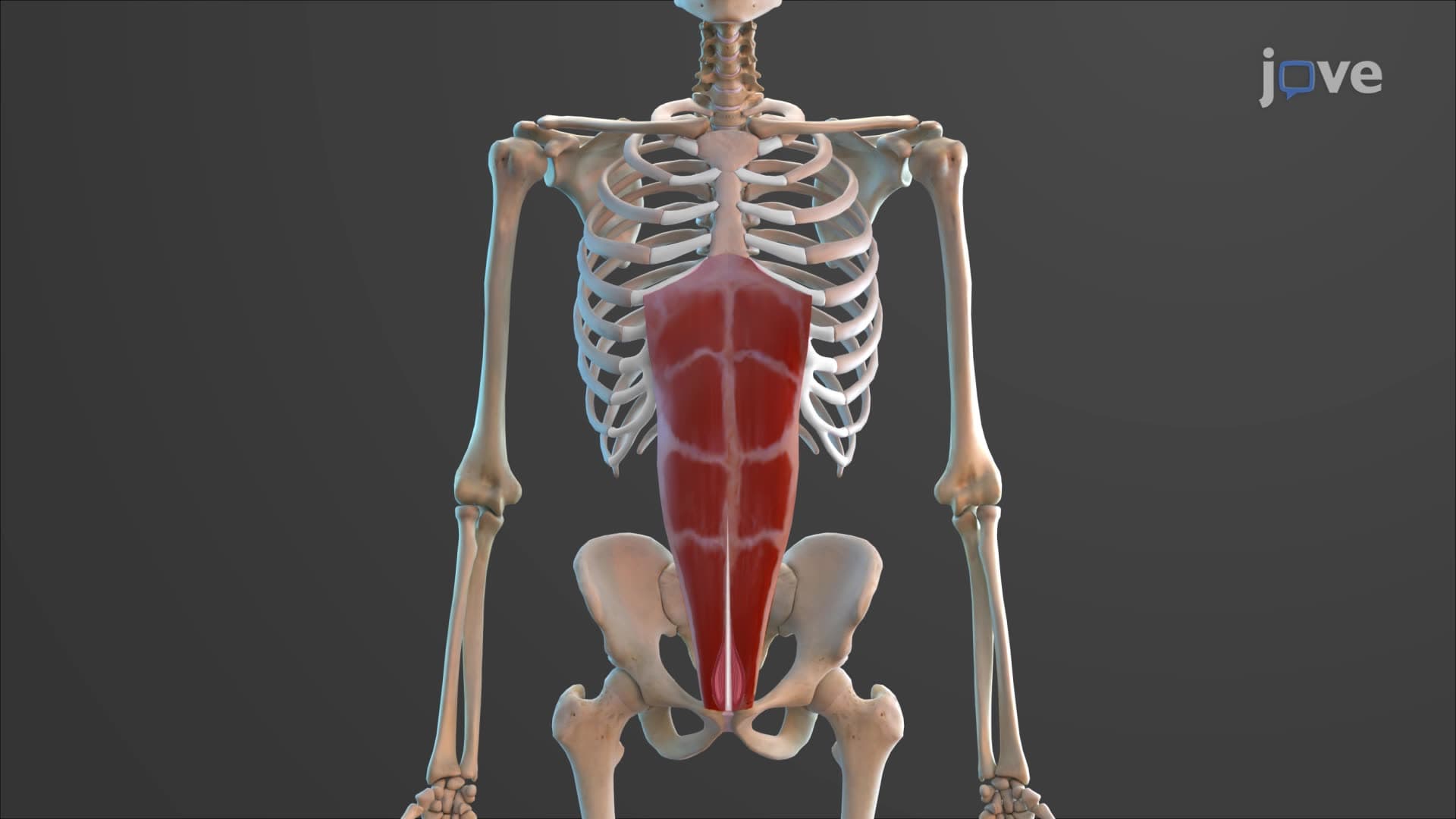

Video Summary: What Is Muscles of the Abdomen
Ever wonder why fitness trainers constantly emphasize "core strength" during workouts? The abdominal muscles anatomy forms the foundation of your body's structural integrity, comprising multiple muscle layers that work together like a natural weight-lifting belt. From helping Olympic gymnast Simone Biles execute perfect landings to enabling everyday activities like lifting groceries, understanding what is muscles of the abdomen reveals how these five paired muscle groups create the powerful core system that supports your entire torso. Watch the full video on JoVE Coach to master this concept with expert-led visuals and step-by-step explanations.
The abdominal muscles anatomy represents one of the most sophisticated muscle arrangements in the human body, functioning as both protection and power source for your core. Unlike single-function muscles found elsewhere, the muscles of abdomen explained work as an integrated system where each layer contributes specific strengths to overall core stability and movement control.
The lateral abdominal muscles create a natural "weight belt" through their unique layered arrangement. The external internal oblique muscles work in opposition-external oblique fibers run diagonally downward and inward, while internal oblique fibers run perpendicular to this pattern. This cross-hatched design provides rotational strength essential for activities from baseball pitching to simply turning to look behind you while driving. The deepest layer, the transversus abdominis core muscle, wraps horizontally around your torso like a natural corset, providing crucial spinal stability that physical therapists emphasize during rehabilitation.
The rectus abdominis linea alba relationship showcases anatomical engineering at its finest. The rectus abdominis-your "six-pack" muscles-attach to the linea alba, a fibrous band formed where all abdominal muscle aponeuroses interlace. This abdominal wall muscle layer arrangement distributes force efficiently across your entire core, which explains why proper form during exercises like planks or sit-ups requires engaging multiple muscle groups simultaneously.
Understanding what are the muscles of the abdomen in anatomy proves essential for multiple career paths and academic pursuits. Pre-med students encounter these concepts extensively on the MCAT, particularly in passages about biomechanics and exercise physiology. Physical therapy students must master this anatomy for NPTE board exams, while nursing students see abdominal muscle dysfunction questions on NCLEX examinations. In AP Biology courses, this topic connects to broader themes of structure-function relationships and homeostasis, often appearing in free-response questions about human body systems integration.
Related Micro-courses