Loading video…


 20 Concepts
 68.3K views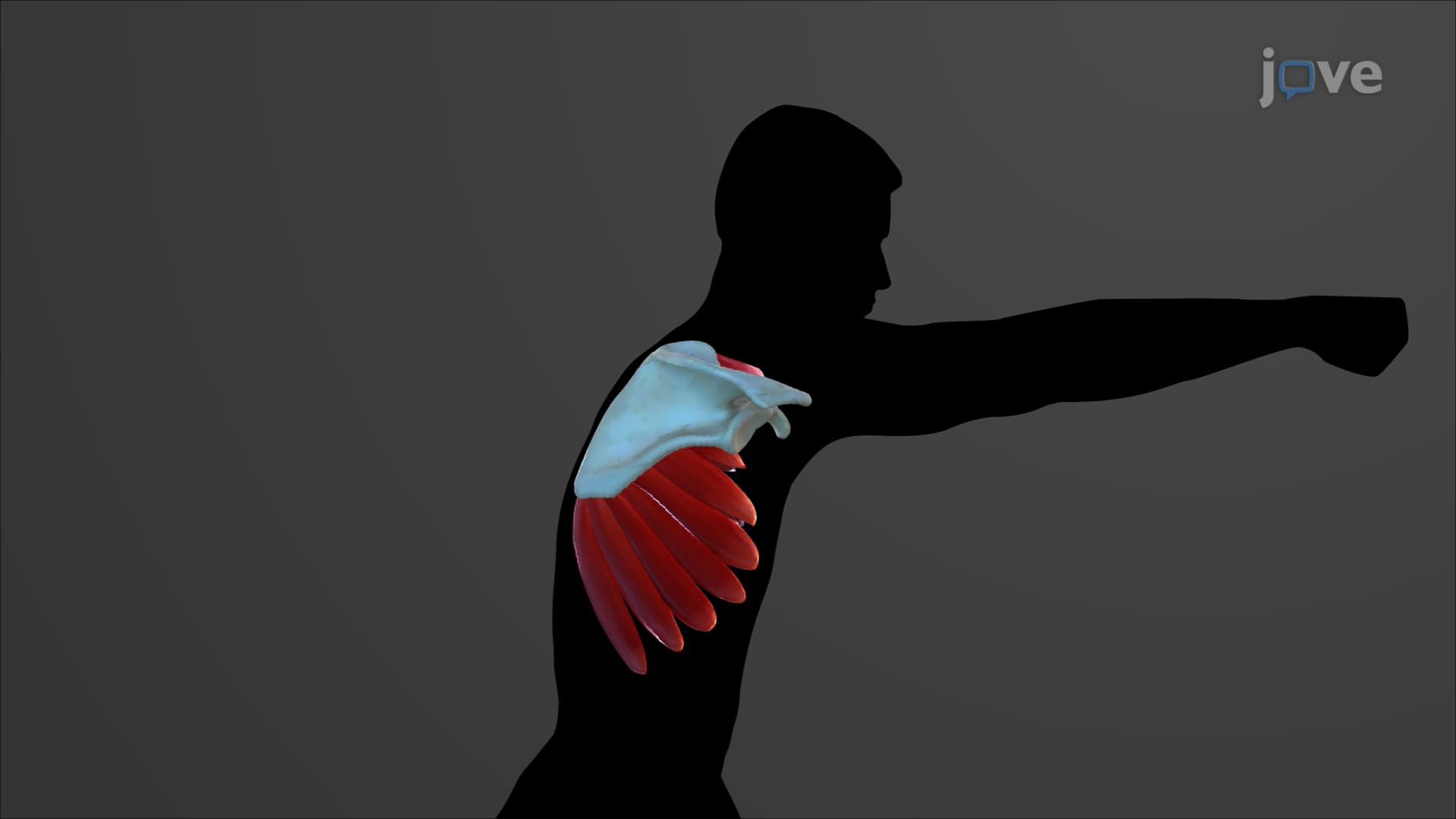

Video Summary: What Is Muscles of the Shoulder
Ever wonder why baseball pitchers can throw 100+ mph fastballs while maintaining shoulder stability? The shoulder muscles anatomy physiology involves an intricate network of anterior and posterior muscle groups that provide both mobility and stability to one of the body's most complex joints. From the subclavius stabilizing the clavicle to the powerful trapezius enabling scapular rotation, understanding what is muscles of the shoulder reveals how athletes like those in Major League Baseball achieve remarkable shoulder performance. Watch the full video on JoVE Coach to master this concept with expert-led visuals and step-by-step explanations.
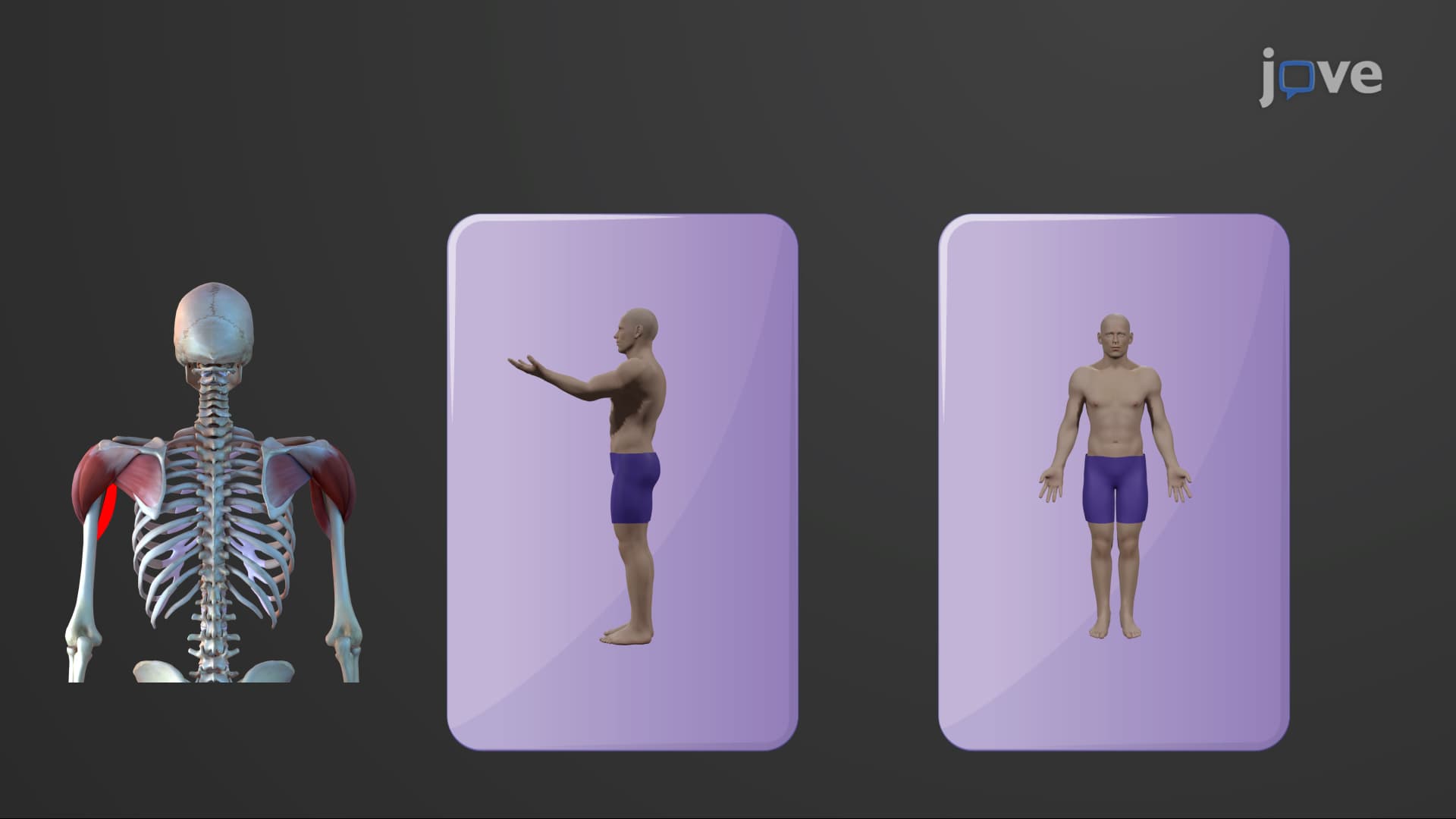
The shoulder muscles anatomy physiology encompasses two primary regional groups that work synergistically to provide the shoulder joint with its remarkable range of motion while maintaining structural integrity. Unlike simple hinge joints, the shoulder complex requires precise muscular coordination to balance mobility demands with stability requirements-a concept frequently tested in AP Biology and college-level anatomy courses.
The shoulder girdle muscles explained in the anterior compartment serve specialized stabilization and movement functions. The subclavius, though small, acts as a crucial clavicular stabilizer during overhead movements-explaining why clavicle fractures often occur when this muscle cannot adequately protect the bone during high-impact sports like football or hockey.
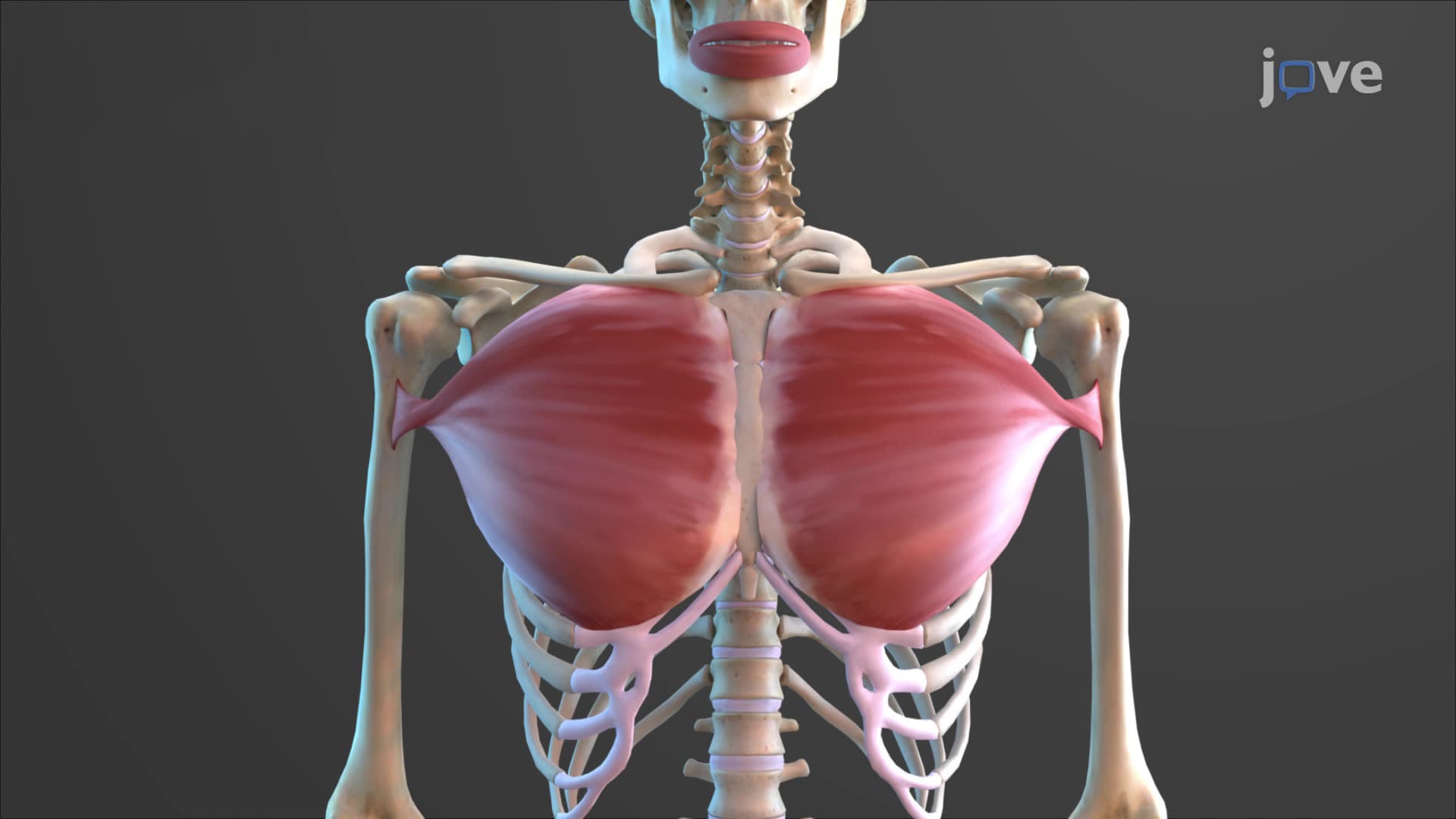
The pectoralis minor demonstrates the dual-function nature of shoulder muscle group anatomy. Beyond its primary role in scapular anterior tilting and inferior displacement, this muscle assists respiratory mechanics by elevating the thoracic cage during forced inspiration-a principle applied in physical therapy for patients with breathing difficulties.
The serratus anterior scapula relationship exemplifies form-following-function in anatomical design. This fan-shaped muscle's unique fiber arrangement enables powerful protraction movements essential for boxing punches, basketball shots, and swimming strokes. Weakness in the serratus anterior, commonly called "winged scapula," significantly impairs athletic performance and is frequently assessed in MCAT clinical scenarios.
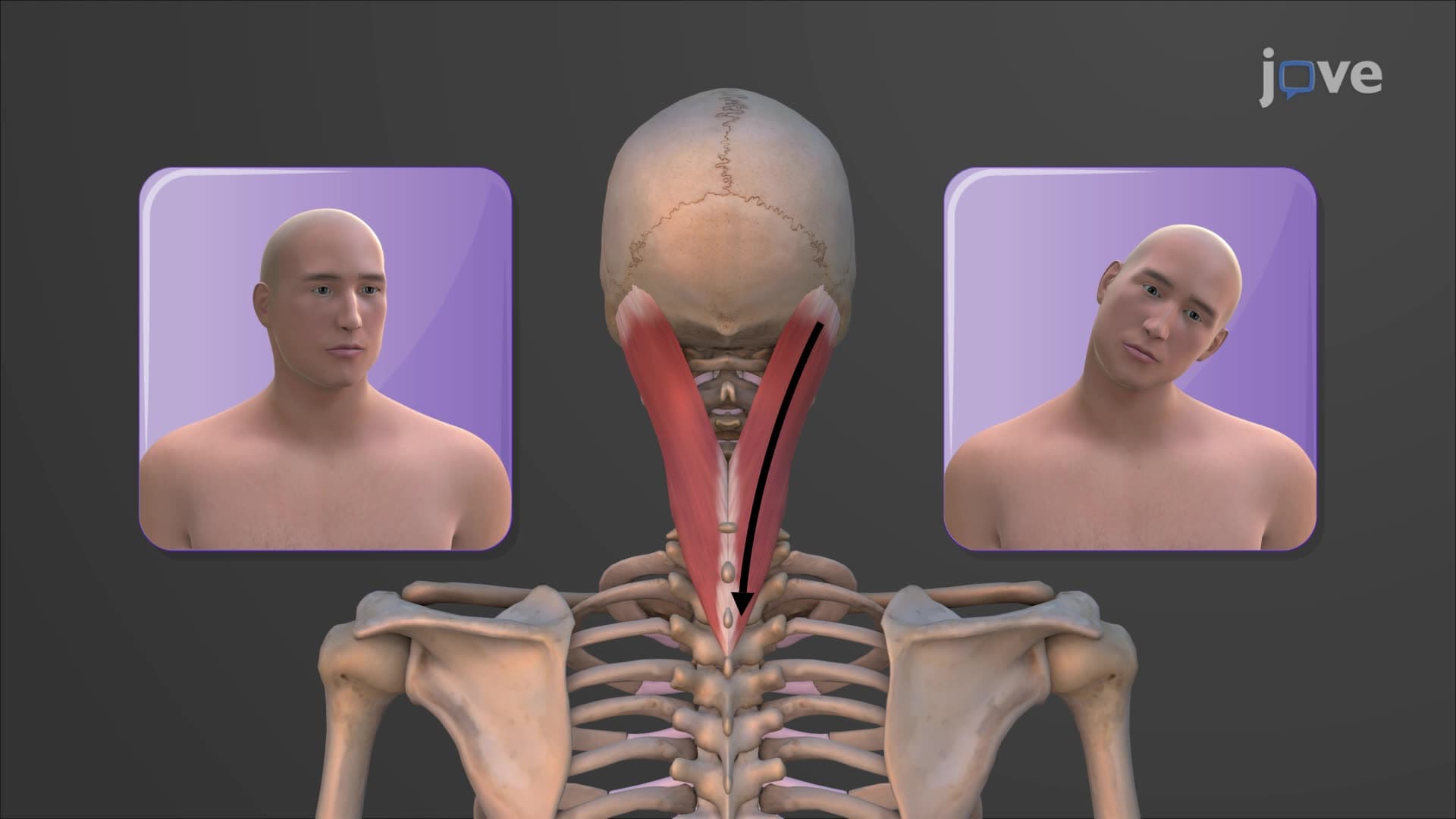
The trapezius shoulder girdle connection represents one of anatomy's most versatile muscle-joint relationships. This large triangular muscle's three distinct fiber regions (upper, middle, lower) enable elevation, retraction, and rotation of the scapula while simultaneously providing neck extension capabilities. Physical therapists often focus on trapezius strengthening for patients recovering from shoulder injuries or postural dysfunction.
The levator scapulae and rhomboid muscles work as a functional unit, providing scapular elevation and medial rotation. These muscles are particularly important for maintaining proper shoulder blade positioning during desk work-a growing concern as more American students spend extended hours studying and using computers.
Understanding these muscle interactions proves essential for success in anatomy courses, MCAT preparation, and health science programs where clinical correlation questions frequently test knowledge of functional movement patterns.
Related Micro-courses