Loading subject page…


68,318 views

Video Summary: What Is the Muscular System
Ever wonder how your heart beats over 100,000 times daily without you thinking about it? The muscular system overview anatomy reveals three distinct muscle types working in perfect harmony. From the voluntary contractions that help NBA players like LeBron James jump 40 inches high to the involuntary smooth muscles moving food through your digestive tract, what is the muscular system in human anatomy becomes clear through understanding skeletal, cardiac, and smooth muscle coordination. Watch the full video on JoVE Coach to master this concept with expert-led visuals and step-by-step explanations.
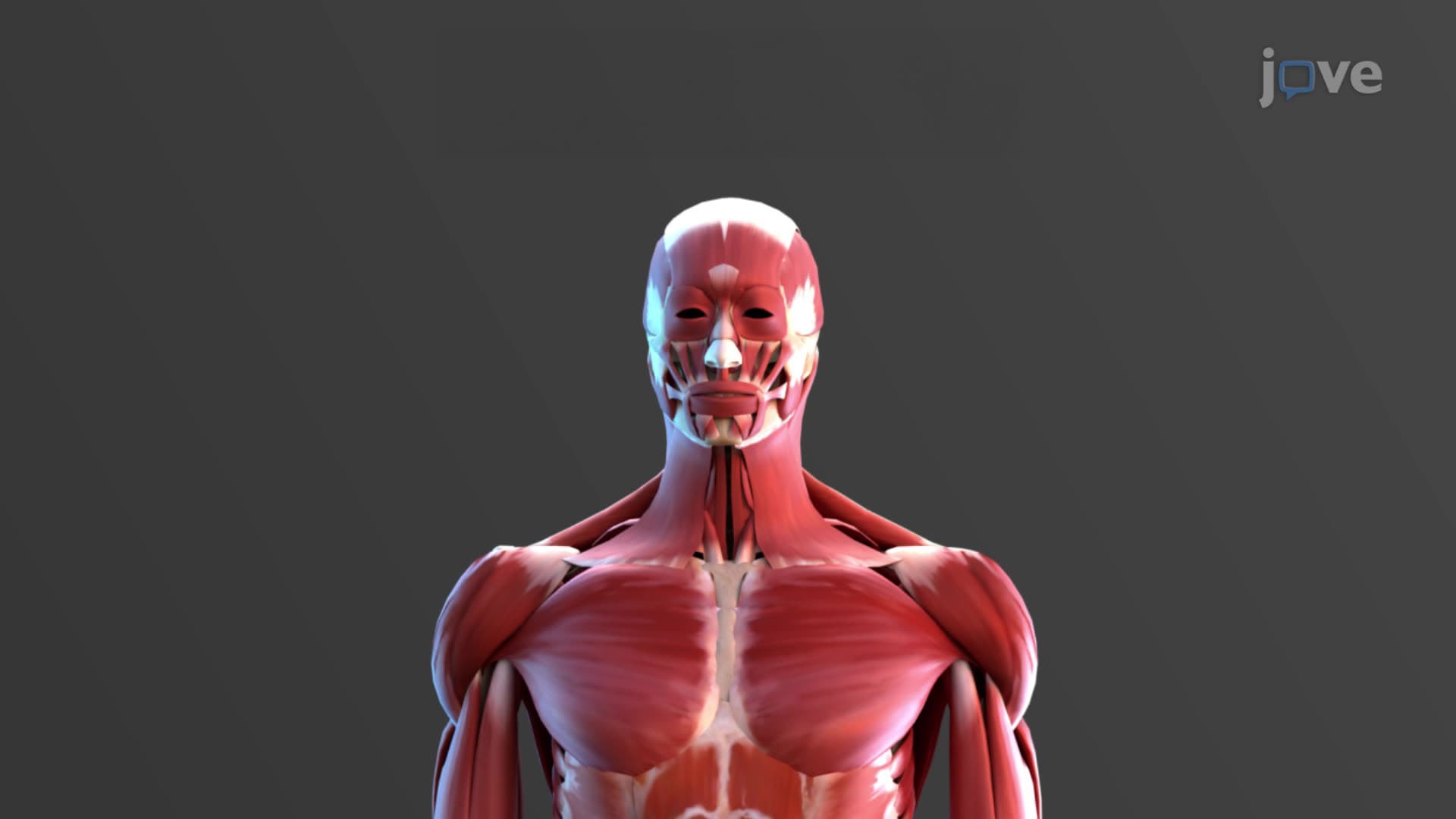
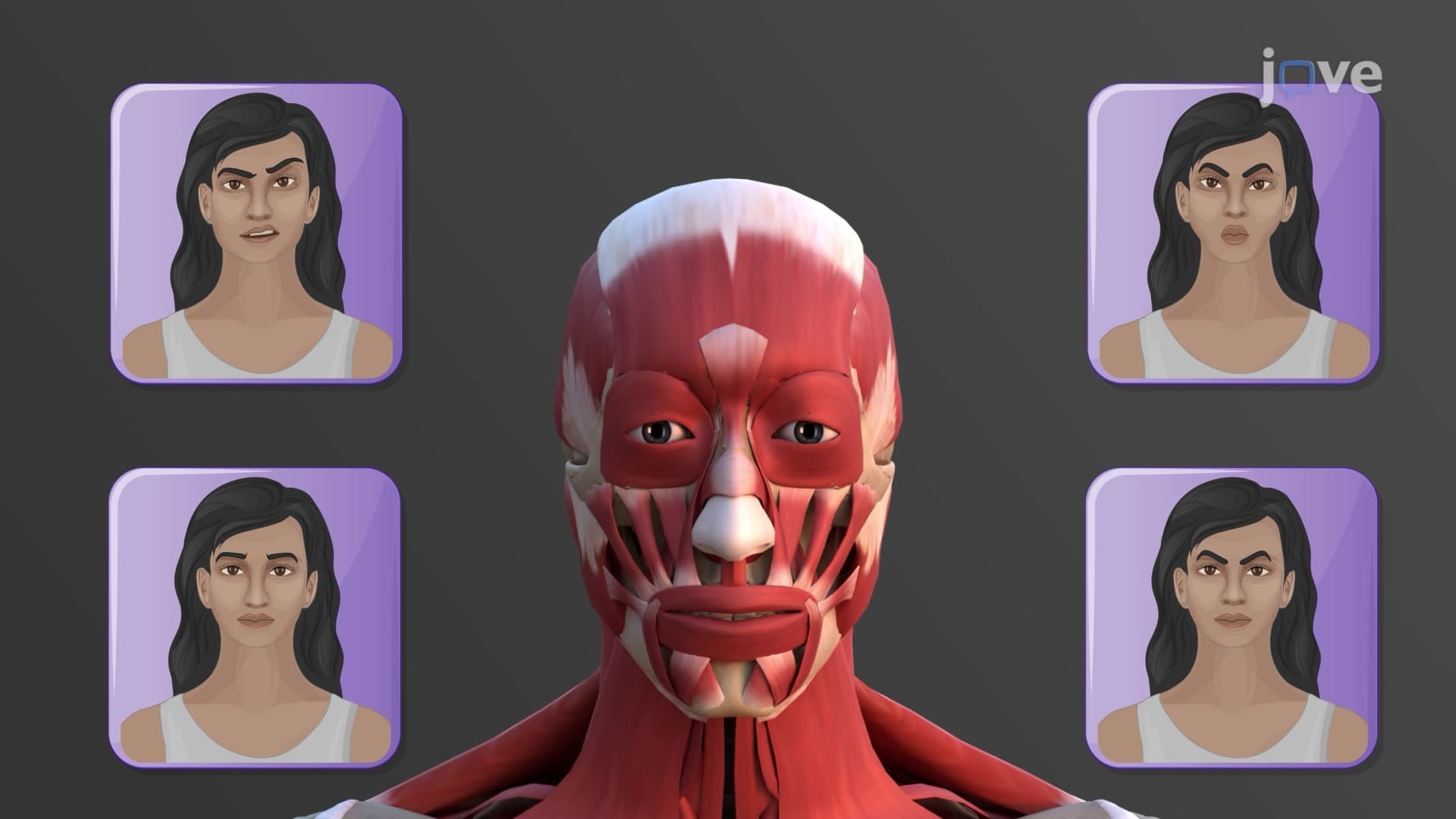
The muscular system overview anatomy encompasses far more than simple movement-it represents one of the body's most sophisticated mechanical systems. This intricate network of over 600 muscles works continuously to maintain life through three specialized muscle types, each perfectly adapted for specific functions that keep us alive and mobile.
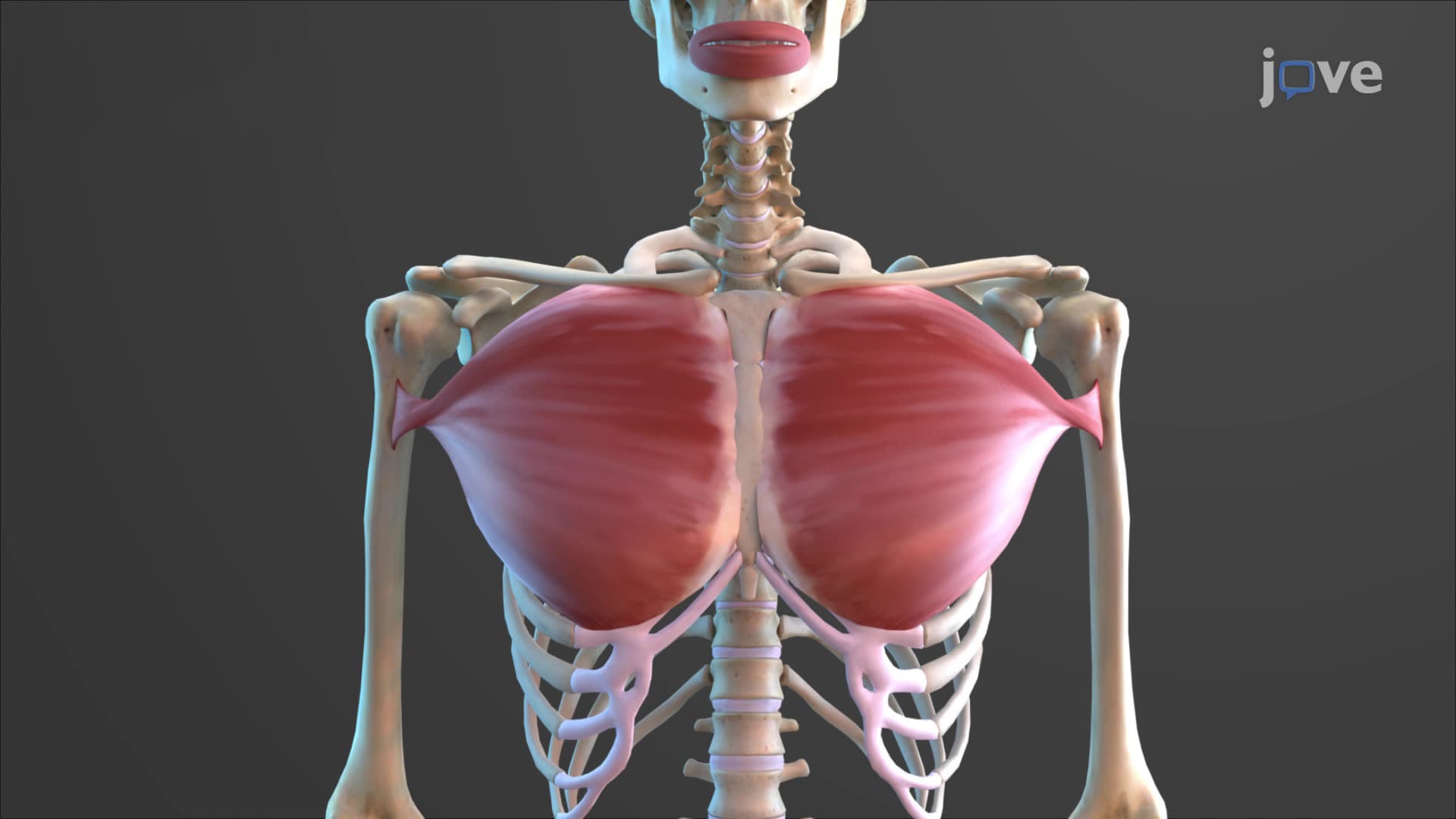
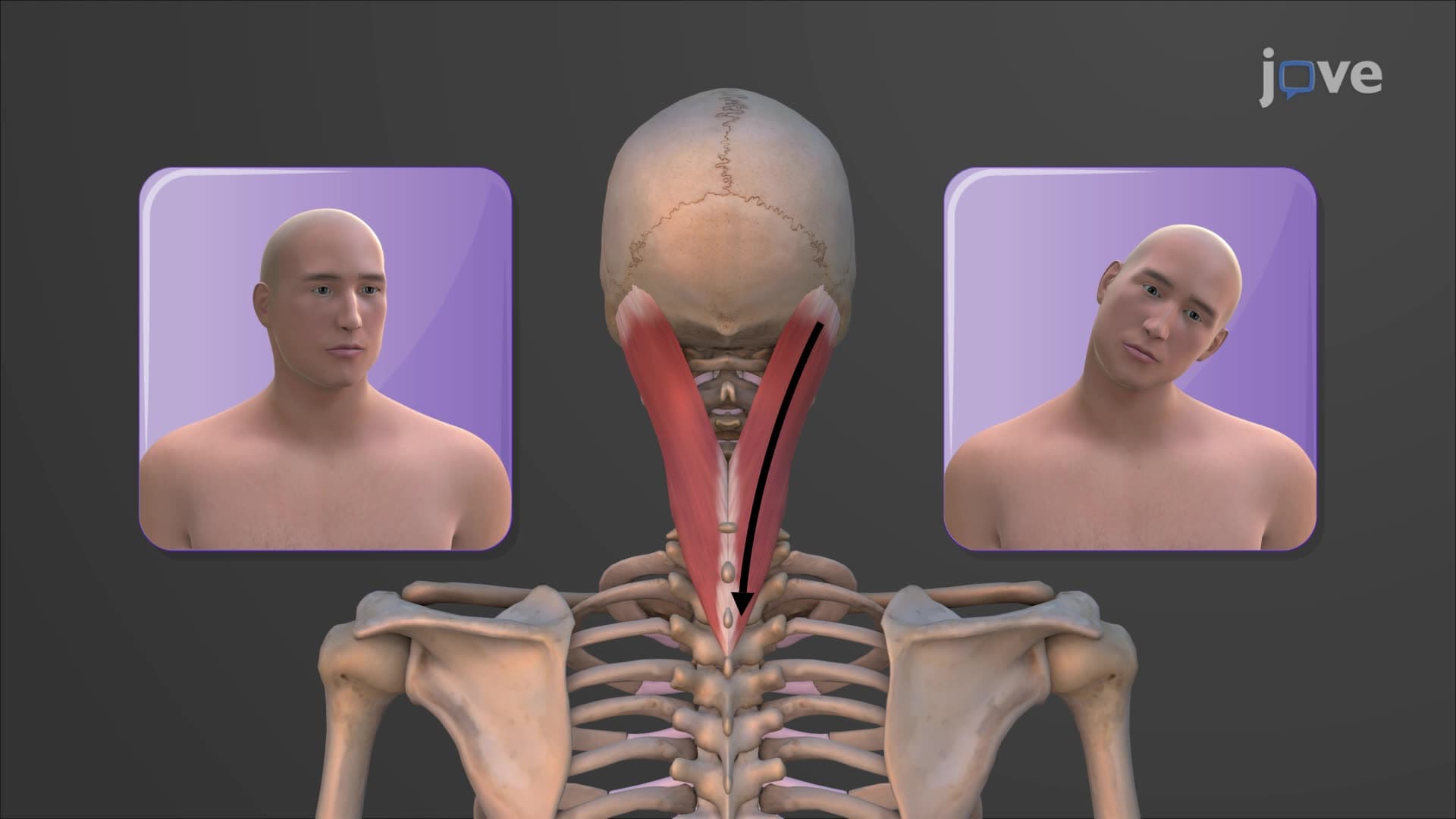
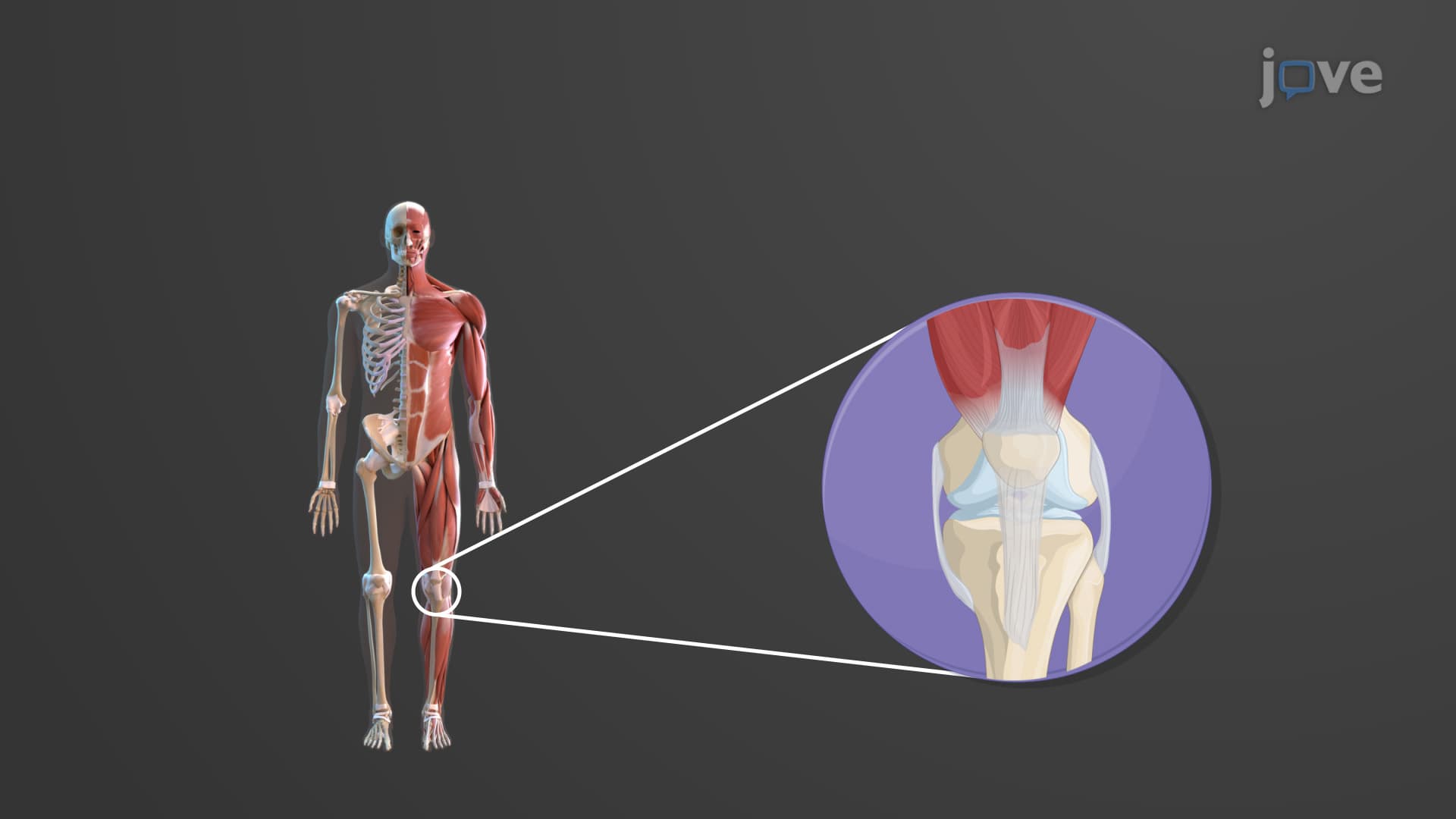
Skeletal muscle body system components dominate our muscular architecture, comprising roughly 40% of total body weight in healthy adults. These striated muscles attach to bones via tendons, creating the lever systems that enable everything from a pitcher's 100-mph fastball to a surgeon's precise incisions. The muscle system anatomy of skeletal muscles follows a consistent pattern: origins anchor to relatively stationary bones, while insertions attach to movable bones, with the muscle belly containing the contractile machinery between these points.
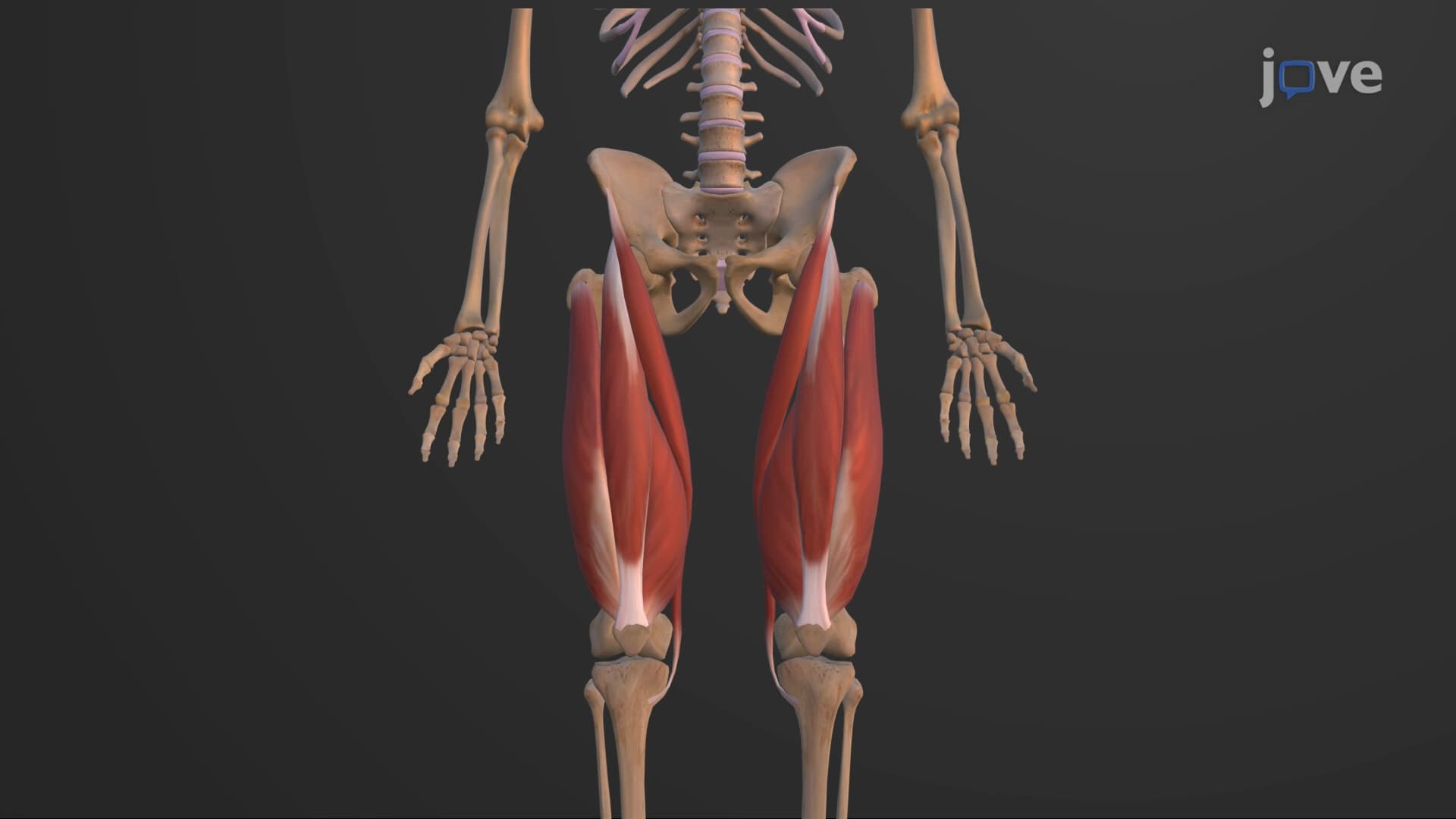
Consider how Olympic sprinters like Sydney McLaughlin-Levrone generate explosive power. Her quadriceps muscles originate from the femur and pelvis, inserting on the tibia to extend the knee with tremendous force. This origin-insertion relationship, multiplied across hundreds of muscles, creates the coordinated movement patterns essential for athletic performance and daily activities.
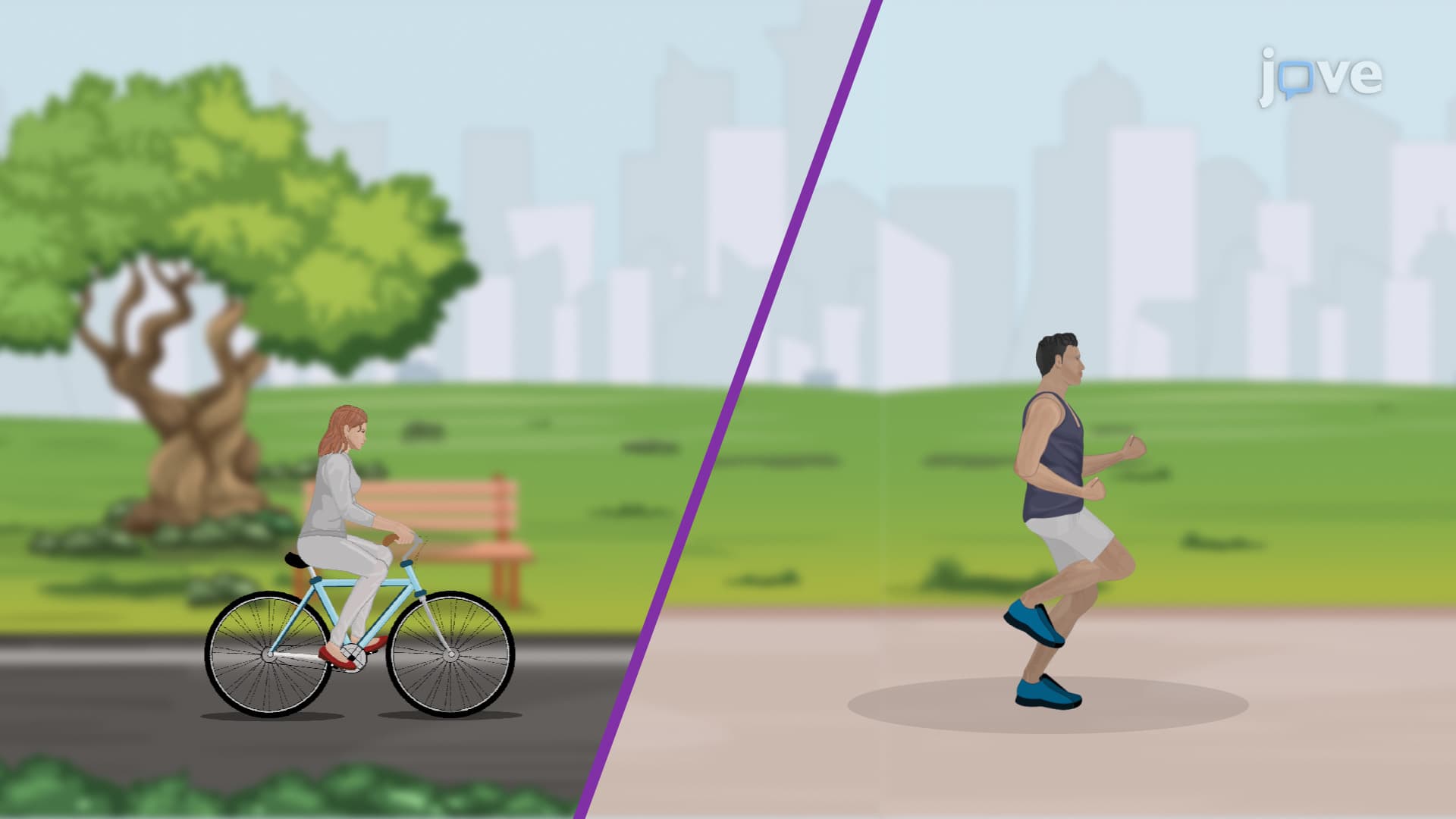
While skeletal muscles capture attention, smooth and cardiac muscles perform life-sustaining work without conscious control. Muscular system function overview must include these involuntary muscles that regulate blood pressure, move food through the digestive tract, and maintain the 70-beats-per-minute rhythm that keeps us alive. Cardiac muscle, found exclusively in the heart, contracts approximately 100,000 times daily, pumping 2,000 gallons of blood through 60,000 miles of blood vessels.
Understanding human muscular system explained concepts proves essential for pre-med students tackling MCAT questions about muscle physiology. AP Biology students encounter muscular system topics when studying animal structure and function, while college anatomy courses require detailed knowledge of muscle origins, insertions, and actions. Physical therapy programs emphasize how body movement muscular system principles guide rehabilitation protocols for athletes recovering from injuries.
Healthcare professionals regularly apply this knowledge-emergency room physicians assess muscle strength to diagnose stroke symptoms, while orthopedic surgeons plan procedures based on detailed understanding of muscle-bone relationships that create human movement.
Related Micro-courses