Loading subject page…

- Biology
- Macromolecules
- What are Carbohydrates?
Micro-course: Macromolecules
1,469,620 views
Learn key concepts and earn your certificate.

What are Carbohydrates?


00:00
01:44
Video Summary: What are Carbohydrates Structure Types and Biological Functions
Did you know that the apple you ate for lunch and the wooden desk you're sitting at share the same basic molecular building blocks? Carbohydrate structure types functions reveal how these versatile molecules power everything from your brain cells to the cotton fibers in your jeans. From simple glucose molecules fueling athletic performance at Stanford University to complex cellulose forming tree trunks in California's redwood forests, what are carbohydrates structure types and biological functions demonstrates nature's most abundant organic compounds at work. Watch the full video on JoVE Coach to master this concept with expert-led visuals and step-by-step explanations.
- Understand what are carbohydrates structure types and biological functions by analyzing their molecular composition of carbon, hydrogen, and oxygen in specific ratios
- Identify the three main categories of carbohydrates: monosaccharides (simple sugars), disaccharides (two-sugar units), and polysaccharides (complex sugar chains)
- Analyze how structural differences between aldoses and ketoses affect carbohydrate properties and biological roles
- Compare energy storage functions of starch versus structural roles of cellulose in plant and animal systems
- Evaluate the relationship between carbon number classification (pentose vs. hexose) and sugar molecule functionality
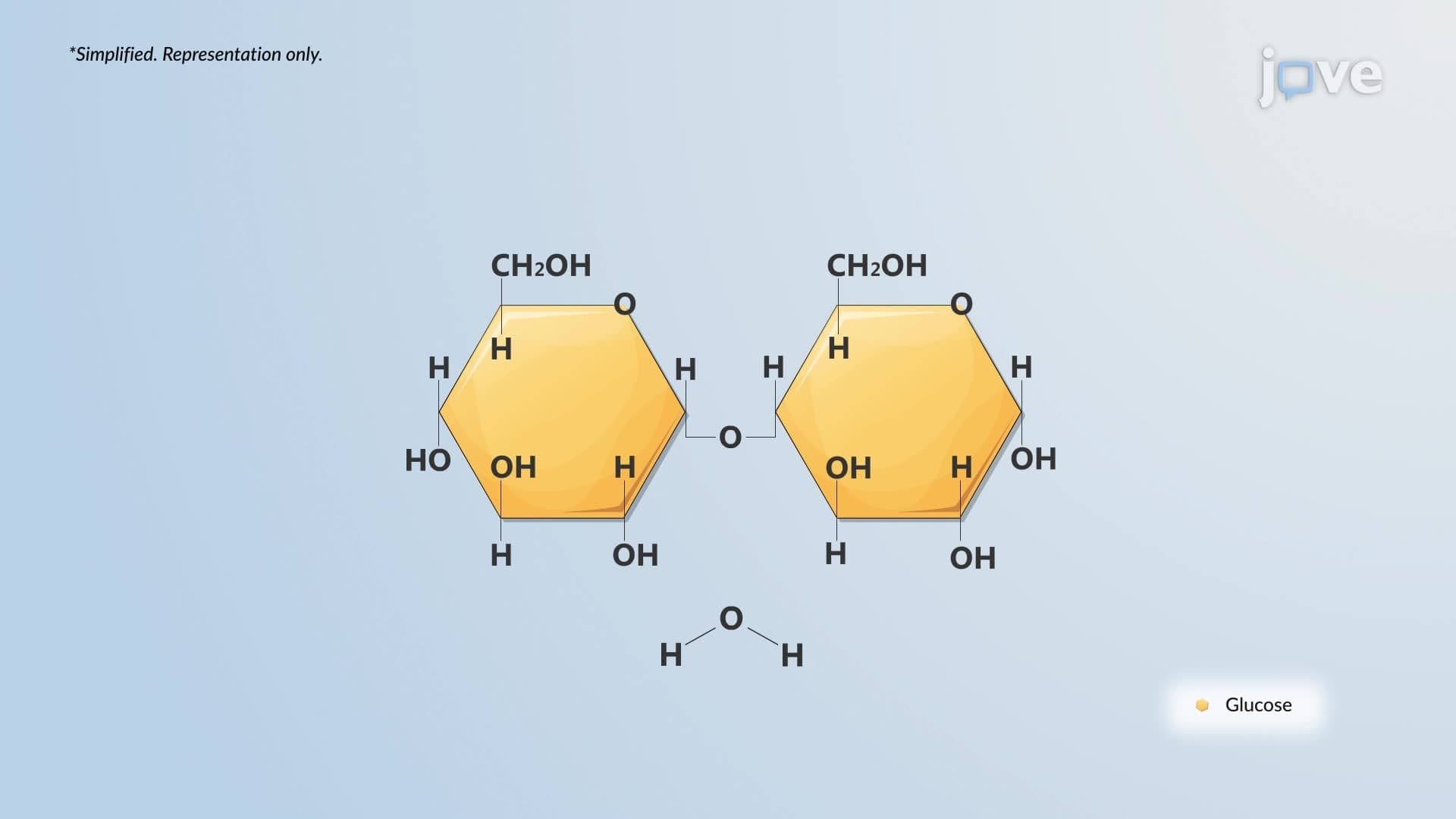
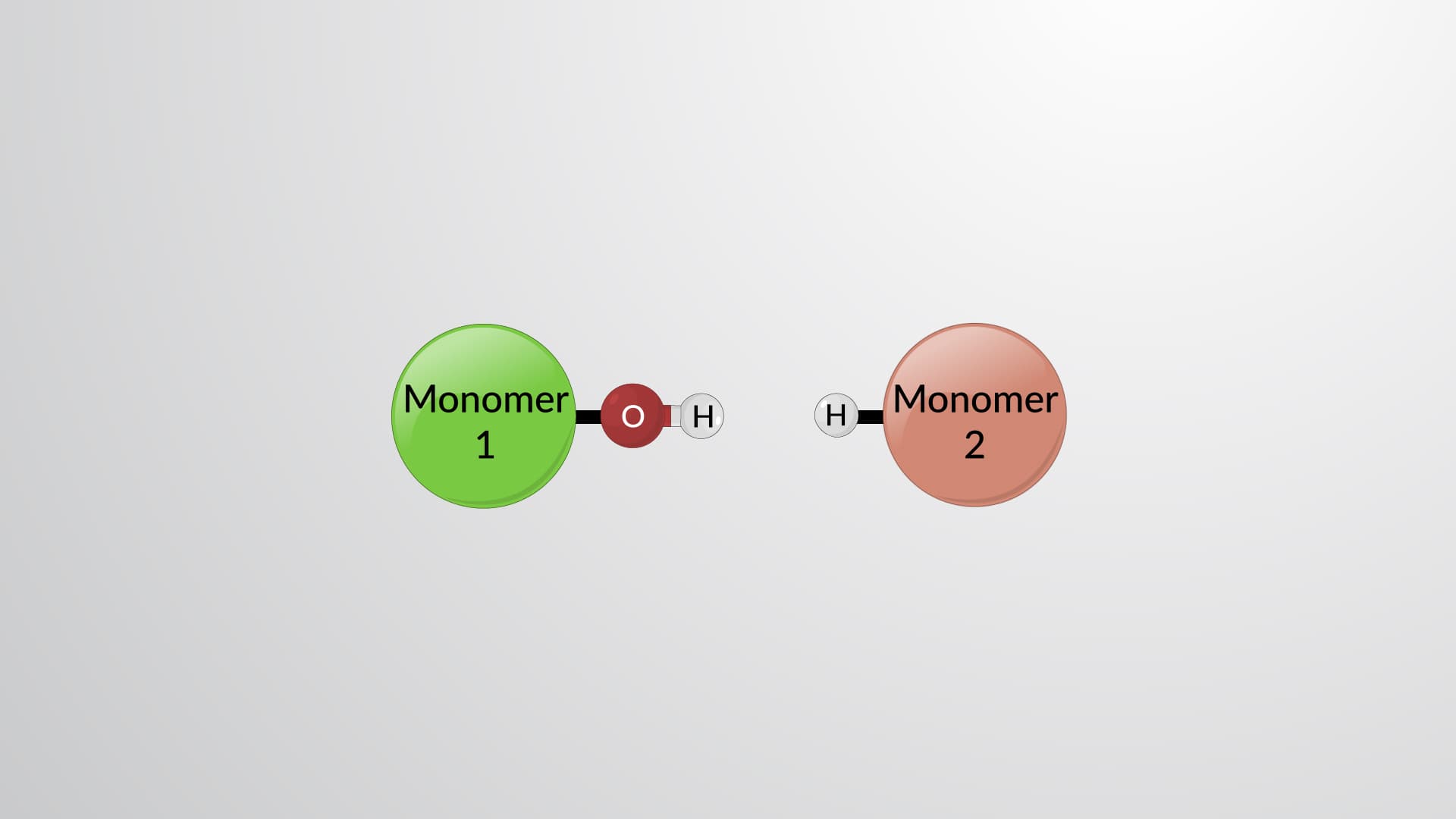
- Apply knowledge of dehydration synthesis to explain how monosaccharides combine into larger carbohydrate structures
- Recognize common monosaccharides like glucose, fructose, and galactose in biological and dietary contexts
- Explore how carbohydrate molecular structure determines whether they serve as quick energy sources or long-term structural components
Understanding Carbohydrate Structure Types Functions
Carbohydrate structure types functions form the foundation of biological energy systems and cellular architecture. These organic molecules consist of carbon atoms bonded to hydrogen and oxygen in the same ratio found in water (H2O), typically following the general formula CnH2nOn. This fundamental arrangement creates the diverse family of carbohydrates that power life processes from cellular respiration to structural support in plant cell walls.
Monosaccharide Classification and Structural Diversity
The simplest carbohydrates, monosaccharides, demonstrate remarkable structural variety despite their basic composition. Glucose, the primary energy currency in human metabolism, exemplifies a hexose sugar with six carbons (C6H12O6). In contrast, ribose-a crucial component of RNA molecules-represents a pentose sugar with five carbons. This carbon-based classification system helps students understand how molecular size affects biological function.
The positioning of carbonyl groups further distinguishes monosaccharides into aldoses and ketoses. Galactose, an aldose found in dairy products, contains its carbonyl group at the terminal carbon, while fructose, the ketose responsible for fruit sweetness, positions this group internally. These structural differences explain why fructose tastes sweeter than glucose despite having identical molecular formulas-a concept frequently tested on AP Biology exams and college biochemistry courses.
Disaccharides and Polysaccharides: Building Complexity Through Bonds
When monosaccharides undergo dehydration synthesis, they form glycosidic bonds that create larger carbohydrate structures. Sucrose, common table sugar derived from sugar beets in states like Minnesota and Colorado, results from glucose and fructose joining together. This disaccharide formation process demonstrates how cells build complex molecules from simpler components-a fundamental principle in organic chemistry courses.
Polysaccharides represent the ultimate expression of carbohydrate complexity. Starch, composed of glucose chains, serves as the primary energy storage mechanism in plants like corn and potatoes grown across the American Midwest. Cellulose, also made from glucose but with different bonding patterns, provides structural integrity to everything from cotton plants in Texas to pine trees in Oregon. Understanding these distinctions helps students grasp why humans can digest starch but not cellulose, despite both being glucose polymers.
Biological Functions and Real-World Applications
The relationship between carbohydrate structure and function becomes evident in everyday American contexts. Athletes consume sports drinks containing simple sugars for rapid energy absorption, while nutritionists recommend complex carbohydrates from whole grains for sustained energy release. In medical settings, glucose solutions administered intravenously provide immediate cellular fuel, while dietary fiber (primarily cellulose) supports digestive health without contributing calories. These examples reinforce how molecular structure directly determines biological utility-a core concept in MCAT preparation and undergraduate biochemistry studies.
Frequently Asked Questions
Carbohydrates are organic molecules made of carbon, hydrogen, and oxygen that serve as energy sources and structural components in living organisms. They include simple sugars like glucose for quick energy, complex starches for energy storage, and cellulose for plant structure. The three main types are monosaccharides (single sugars), disaccharides (two linked sugars), and polysaccharides (many linked sugars).
MCAT questions often test carbohydrate metabolism pathways, structural differences between starch and cellulose, and glycosidic bond formation. AP Biology exams frequently ask students to compare monosaccharide structures, explain dehydration synthesis reactions, and analyze how carbohydrate structure relates to function. Both exams may include data interpretation involving carbohydrate digestion or cellular respiration processes.
High school biology focuses on basic classification, structure identification, and general functions like energy storage versus structure. College biochemistry delves deeper into reaction mechanisms, stereochemistry, metabolic pathways like glycolysis, and enzyme-substrate interactions. University courses also cover advanced topics like carbohydrate modifications and signaling functions not typically addressed at the high school level.
Nutritionists use carbohydrate knowledge to design meal plans for clients managing diabetes or athletic performance. Food scientists at companies like General Mills develop products with specific carbohydrate profiles. Medical professionals monitor blood glucose levels and understand how different carbohydrates affect patient metabolism. Agricultural researchers improve crop starch content to enhance food security and biofuel production.
Basic understanding of atomic structure, chemical bonding, and molecular formulas provides sufficient foundation for learning carbohydrates. While organic chemistry knowledge helps with stereochemistry and reaction mechanisms, introductory biology and chemistry courses cover all necessary concepts. Students can successfully master carbohydrate basics with high school-level science background and careful attention to structural patterns.
Focus on understanding patterns rather than memorizing individual structures. Learn the difference between aldoses and ketoses, practice drawing glucose in both linear and ring forms, and understand how dehydration synthesis connects monosaccharides. Create comparison charts showing monosaccharide versus disaccharide versus polysaccharide examples, and use flashcards for common sugars like glucose, fructose, and galactose with their specific functions.
Advanced topics include carbohydrate metabolism (glycolysis, gluconeogenesis), enzyme kinetics involving carbohydrate-processing enzymes, and carbohydrate modifications in cell recognition and signaling. Students planning medical careers should explore carbohydrate chemistry in disease states, while those interested in nutrition science might study glycemic index concepts and fiber physiology.
Carbohydrates integrate with cellular respiration (glucose as fuel), photosynthesis (glucose as product), cell structure (cellulose in plant walls), and molecular biology (ribose in RNA). Understanding carbohydrate structure helps explain enzyme specificity, membrane transport, and metabolic regulation. These connections make carbohydrates central to comprehending energy flow and structural organization in biological systems.
Related Micro-courses

16 Concepts
16 Concepts
14 Concepts