Loading subject page…

- Biology
- Macromolecules
- Phosphodiester Linkages
Micro-course: Macromolecules
1,469,620 views
Learn key concepts and earn your certificate.

Phosphodiester Linkages

00:00
01:01
Video Summary: What Is Phosphodiester Linkages
Ever wondered how your DNA holds together despite containing over 3 billion base pairs? Phosphodiester linkages biology reveals the secret: these crucial bonds form the "backbone" of DNA and RNA molecules that store genetic information in every cell of your body. In humans, these linkages connect nucleotides to create the stable nucleic acid backbone that allows genetic information to be passed from parents to children during reproduction. Watch the full video on JoVE Coach to master this concept with expert-led visuals and step-by-step explanations.
- Understand what phosphodiester linkages are and how they form the structural foundation of DNA and RNA molecules
- Identify the specific chemical components involved in phosphodiester bond formation, including the 3' and 5' carbon positions on pentose sugars
- Analyze the condensation reaction mechanism that creates these covalent bonds between adjacent nucleotides
- Compare the roles of the first and second ester bonds in establishing the complete phosphodiester linkage
- Evaluate why the sugar-phosphate backbone provides structural stability to nucleic acids under cellular conditions
- Apply knowledge of phosphodiester bond directionality to understand DNA replication and transcription processes
- Recognize how phosphodiester bridges contribute to the antiparallel nature of DNA double helix structure
- Explore the energy requirements and enzymatic processes needed to break and form these bonds during cellular processes
Understanding Phosphodiester Linkages: The Molecular Glue of Life
Phosphodiester linkages represent one of the most fundamental chemical bonds in biology, serving as the structural foundation that holds together the genetic material in every living organism. These specialized covalent bonds create the continuous backbone of DNA and RNA molecules, enabling the storage and transmission of hereditary information that defines everything from eye color to disease susceptibility in humans.
The Chemistry Behind Nucleotide Connection
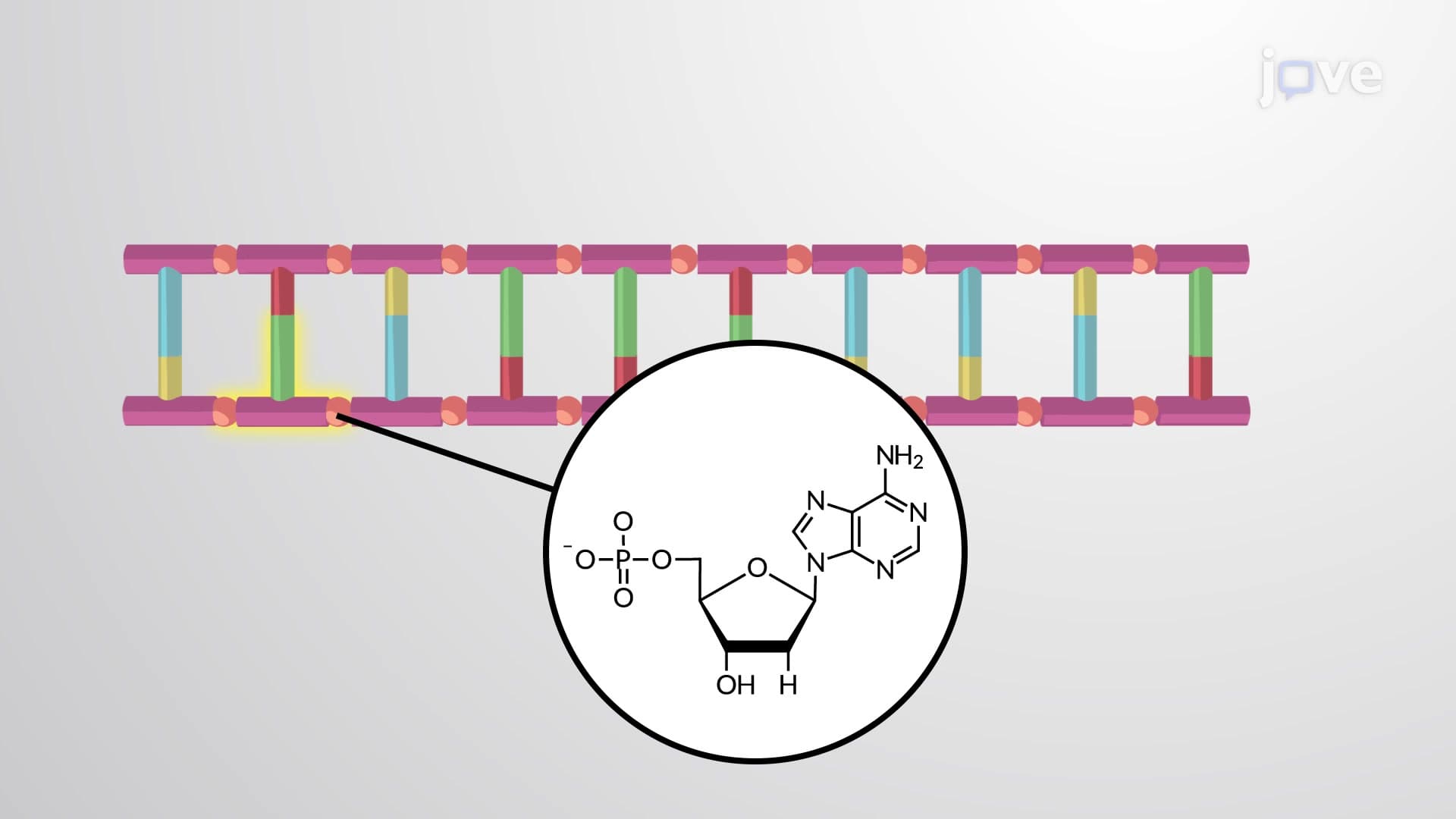
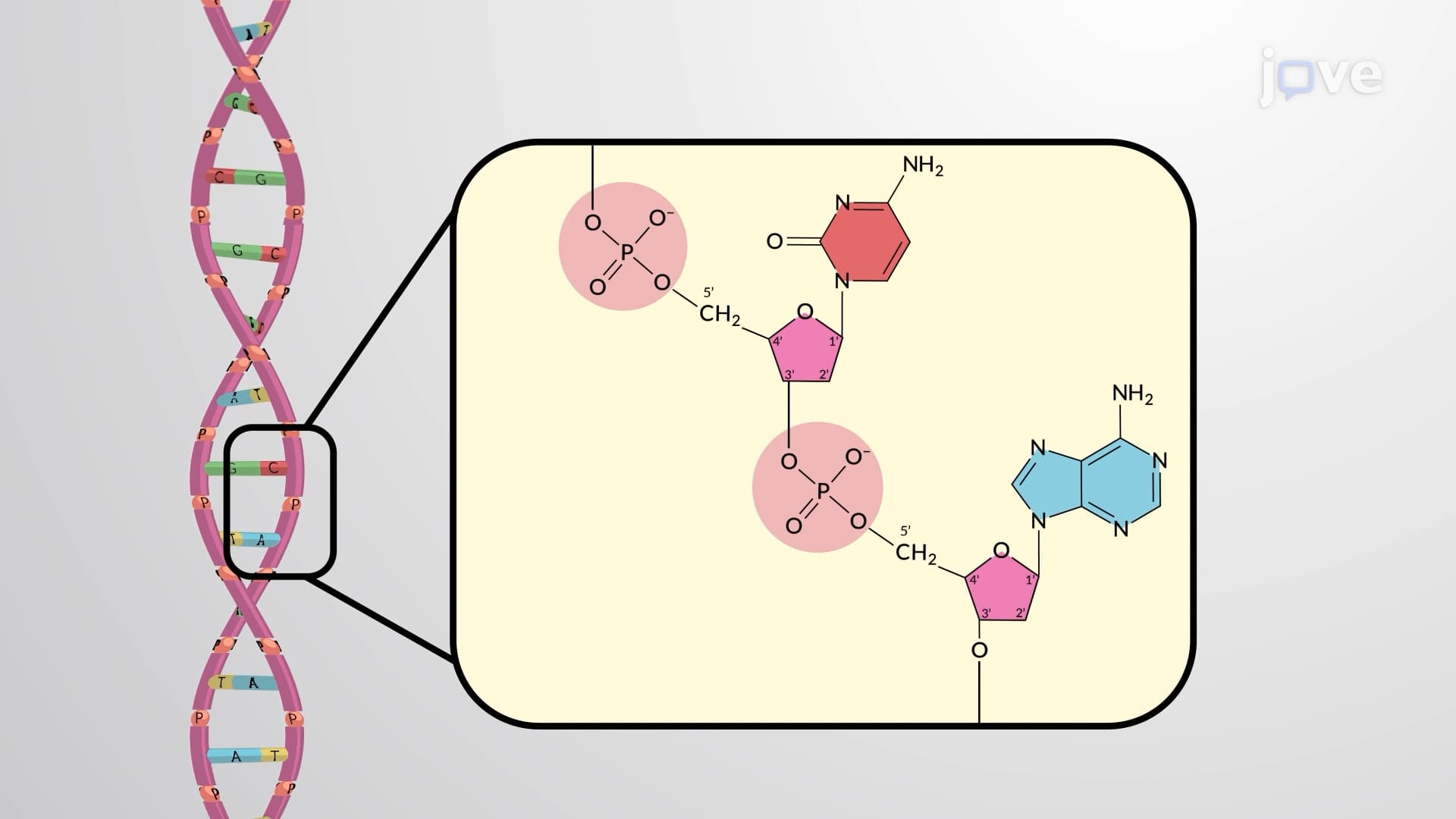
The formation of phosphodiester linkages involves a precise chemical dance between three key molecular components. Each nucleotide contains a nitrogenous base (adenine, guanine, cytosine, or thymine in DNA), a five-carbon pentose sugar (deoxyribose in DNA, ribose in RNA), and a phosphate group. The magic happens when the phosphate group of one nucleotide forms two distinct ester bonds: one connecting it to the 5' carbon of its own sugar molecule, and another linking to the 3' hydroxyl group of the adjacent nucleotide's sugar.
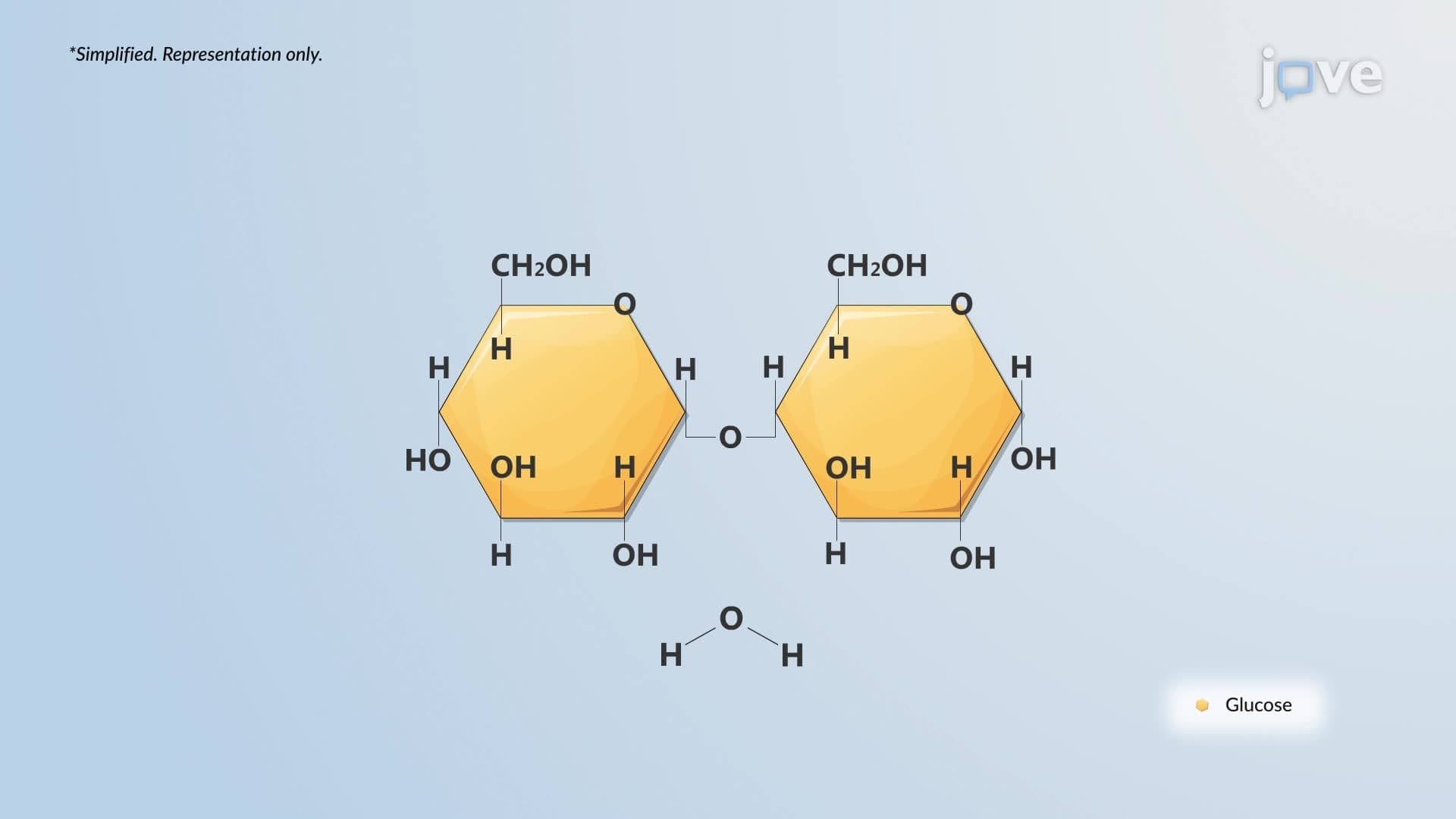
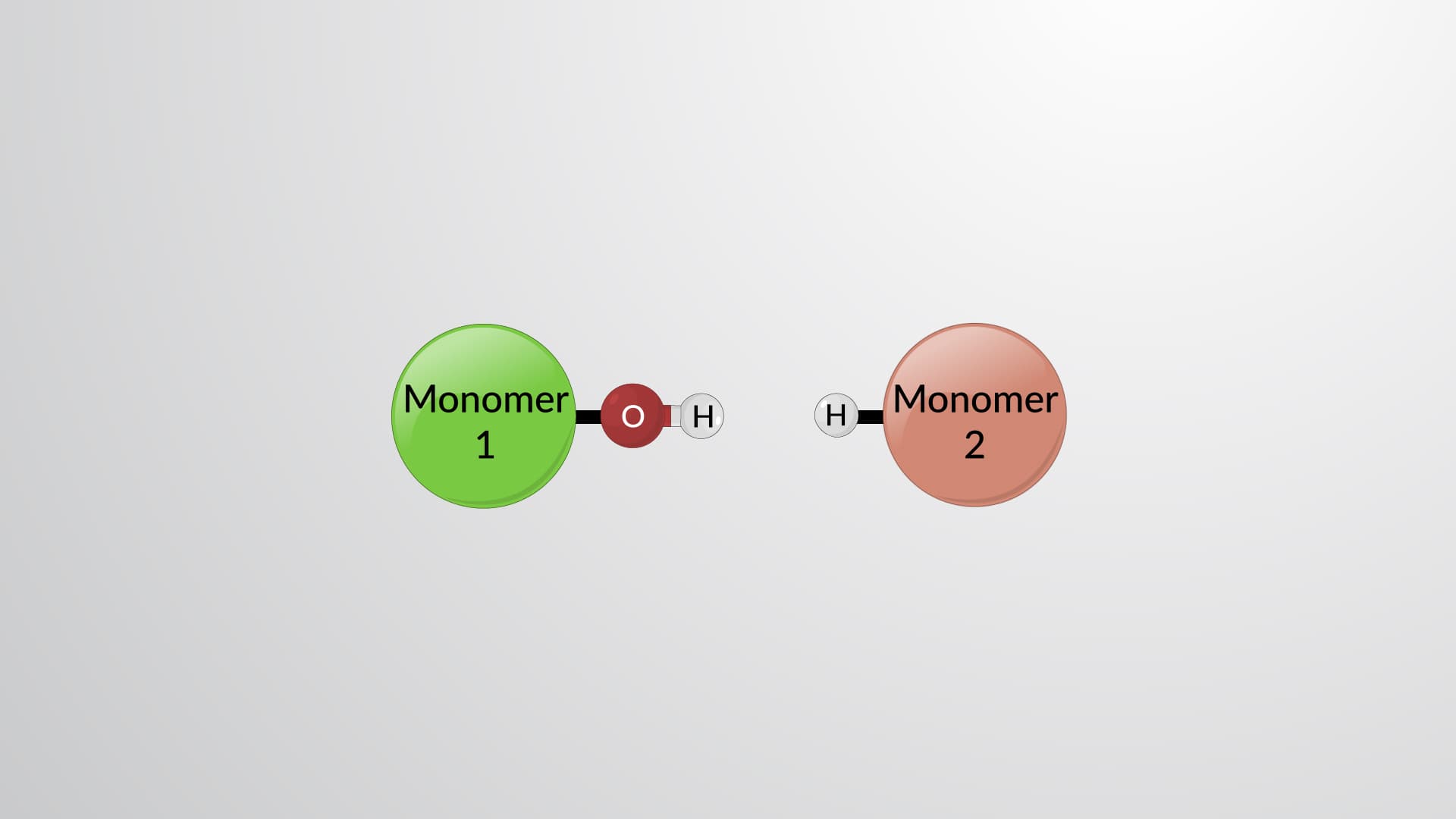
This dual-bond system creates what biochemists call the "3' to 5' phosphodiester bridge," establishing directionality that proves crucial for DNA replication and RNA synthesis. During each bond formation, a water molecule is eliminated through dehydration synthesis, making this an energy-requiring process that cells must carefully regulate.
Real-World Applications and Clinical Significance
Understanding phosphodiester linkages proves essential for students preparing for advanced coursework and standardized exams. On the MCAT, questions frequently test knowledge of nucleic acid structure and the energy requirements for bond formation and breaking. AP Biology students encounter these concepts when studying molecular genetics, particularly in units covering DNA replication and protein synthesis.
In clinical settings across the United States, knowledge of phosphodiester bonds helps medical professionals understand how certain medications work. For example, some cancer chemotherapy drugs specifically target the enzymes responsible for forming or breaking these linkages, disrupting cancer cell DNA replication. Additionally, genetic counselors use this foundational knowledge when explaining inherited disorders caused by mutations in DNA repair mechanisms.
The Sugar-Phosphate Backbone: Stability Meets Function
The continuous chain of phosphodiester linkages creates the famous sugar-phosphate backbone that gives DNA its remarkable stability. This backbone can withstand the constant molecular motion within cells while remaining flexible enough to allow the double helix to unwind during replication and transcription. The negative charges on the phosphate groups also contribute to DNA's overall negative charge, influencing how it interacts with proteins and other cellular components.
For college biochemistry students, understanding this balance between stability and flexibility helps explain why DNA can serve as long-term information storage while RNA functions as a more temporary messenger molecule with different structural properties.
Frequently Asked Questions
Phosphodiester linkages are chemical bonds that connect individual nucleotides together to form DNA and RNA chains. Think of them as the "links" in a chain bracelet - each nucleotide is a bead, and the phosphodiester bond is the connection that holds adjacent beads together. These bonds specifically connect the phosphate group of one nucleotide to the sugar of the next nucleotide, creating the backbone structure of genetic material.
MCAT questions often focus on the energy requirements for forming and breaking these bonds, as well as their role in DNA replication directionality. AP Biology typically tests understanding of the 3' to 5' orientation and how these bonds contribute to the antiparallel structure of DNA. You might see diagrams asking you to identify where phosphodiester bonds form or questions about what happens during DNA synthesis when these bonds are created.
The 3' and 5' positions determine the direction of DNA and RNA synthesis, which is crucial for understanding replication, transcription, and translation. In college-level courses and standardized tests, you'll encounter questions about DNA polymerase activity, primer requirements, and reading frame orientation - all of which depend on understanding phosphodiester bond directionality. This knowledge also appears frequently in genetics problem-solving.
DNA damage from radiation exposure, certain chemicals, or genetic disorders can break phosphodiester bonds, leading to strand breaks that cells must repair. In U.S. hospitals, oncologists use this principle when administering chemotherapy drugs that intentionally disrupt these bonds in rapidly dividing cancer cells. Some antibiotics also work by interfering with bacterial DNA or RNA phosphodiester bond formation.
While the terminology might seem intimidating initially, phosphodiester linkages follow a logical pattern that becomes clear with practice. Most students successfully master this concept by focusing on the "connect-the-dots" nature of how nucleotides link together, rather than memorizing complex chemical formulas. The key is understanding the basic principle before diving into detailed mechanisms.
Create visual diagrams showing how nucleotides connect, practice identifying 3' and 5' ends on DNA strands, and work through DNA replication problems that require understanding bond directionality. For standardized tests, focus on energy requirements (ATP usage) and the relationship between phosphodiester bonds and DNA stability. Practice questions from previous MCAT or AP exams provide excellent preparation.
Build on this foundation by exploring DNA replication mechanisms, particularly the roles of DNA polymerase and ligase enzymes that form these bonds. RNA processing, including splicing and modification, also relies heavily on understanding phosphodiester chemistry. For pre-med students, studying nucleotide metabolism and DNA repair pathways represents natural next steps in biochemistry coursework.
Related Micro-courses

16 Concepts
16 Concepts
14 Concepts