Loading subject page…

- Chemistry
- Chemical Equilibrium
- Homogeneous Equilibria for Gaseous Reactions
Micro-course: Chemical Equilibrium
457,403 views
Learn key concepts and earn your certificate.

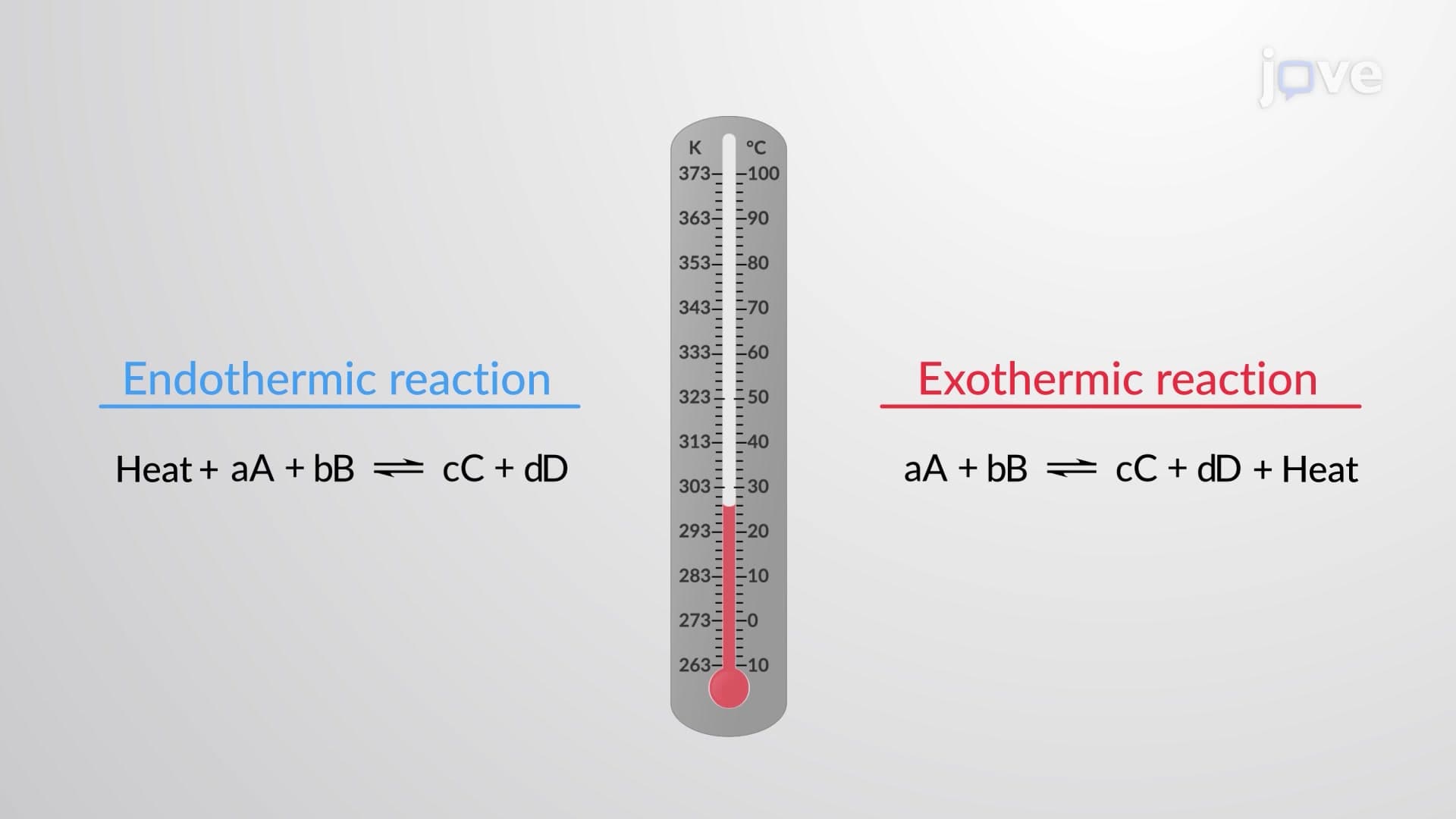
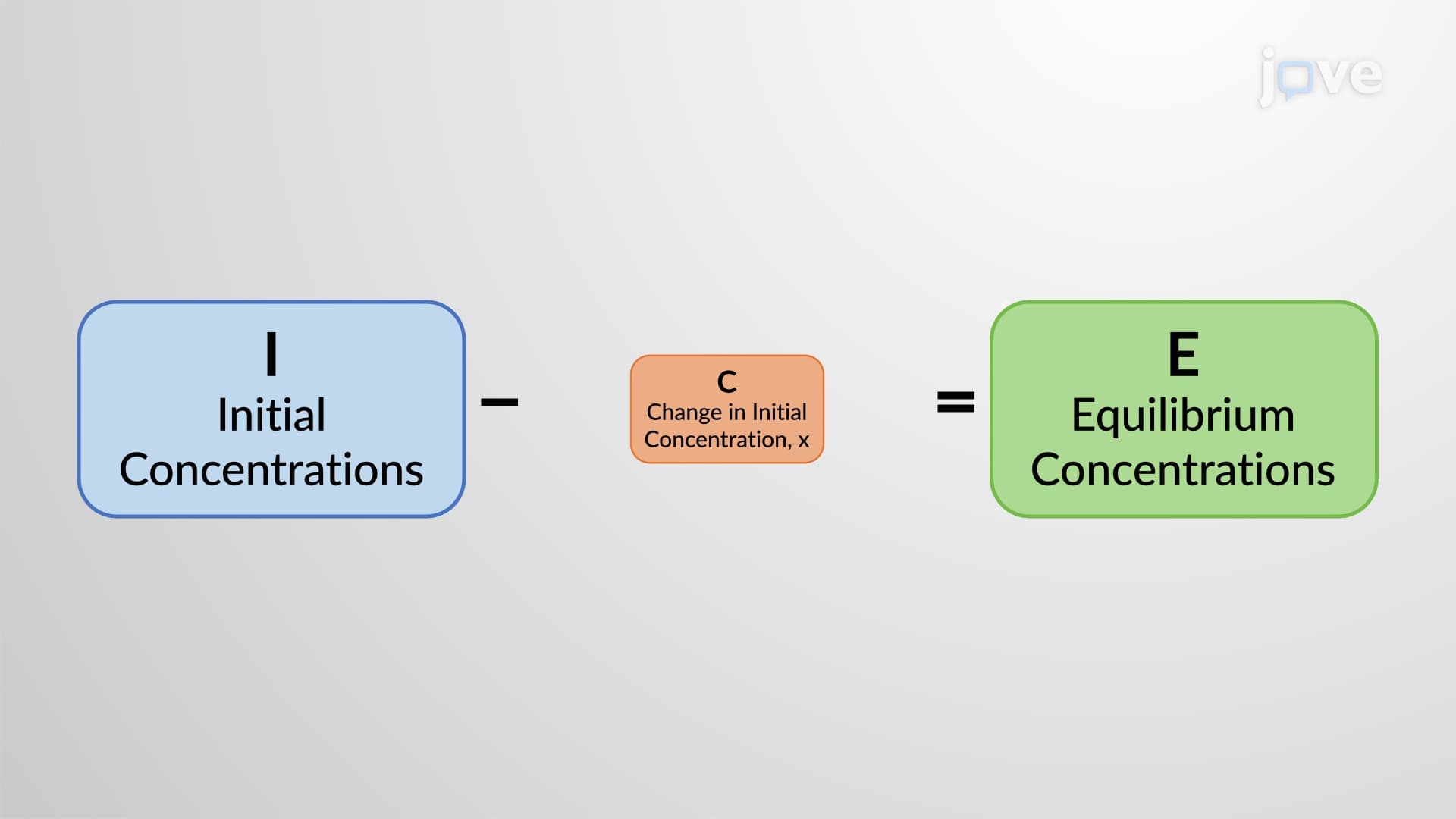
Homogeneous Equilibria for Gaseous Reactions

00:00
02:15
Video Summary: Homogeneous Equilibria for Gaseous Reactions Explained
Did you know that the air pressure inside a car tire changes as the temperature fluctuates, following the same principles that govern homogeneous equilibria for gaseous reactions? When all reactants and products exist as gases in a chemical reaction, we can express equilibrium using partial pressures instead of concentrations. Consider how nitrogen dioxide pollution from vehicle exhaust reaches equilibrium in the atmosphere through gas-phase reactions. Homogeneous Equilibria For Gaseous Reactions Explained reveals the relationship between pressure-based (Kp) and concentration-based (Kc) equilibrium constants. Watch the full video on JoVE Coach to master this concept with expert-led visuals and step-by-step explanations.
- Understand the fundamental principles of Homogeneous Equilibria For Gaseous Reactions Explained and distinguish between Kp and Kc equilibrium expressions
- Identify when to use partial pressures versus molar concentrations in equilibrium calculations for gas-phase reactions
- Apply the ideal gas law to derive the mathematical relationship between Kp and Kc constants
- Analyze how stoichiometric coefficients affect the relationship between pressure and concentration equilibrium constants
- Compare equilibrium expressions using partial pressures for various gaseous reaction systems
- Evaluate the significance of the Δn term in the Kp = Kc(RT)^Δn equation
- Recognize real-world applications of gaseous equilibria in industrial processes and atmospheric chemistry
- Explore problem-solving strategies for calculating equilibrium constants in homogeneous gas-phase systems
Understanding Homogeneous Equilibria For Gaseous Reactions
When studying chemical equilibrium, students often encounter situations where all reactants and products exist in the same phase-specifically as gases. This scenario, known as homogeneous equilibrium, allows chemists to express equilibrium conditions using either molar concentrations or partial pressures. The flexibility to choose between these approaches proves invaluable in industrial applications and atmospheric chemistry studies.
The Distinction Between Kc and Kp Constants
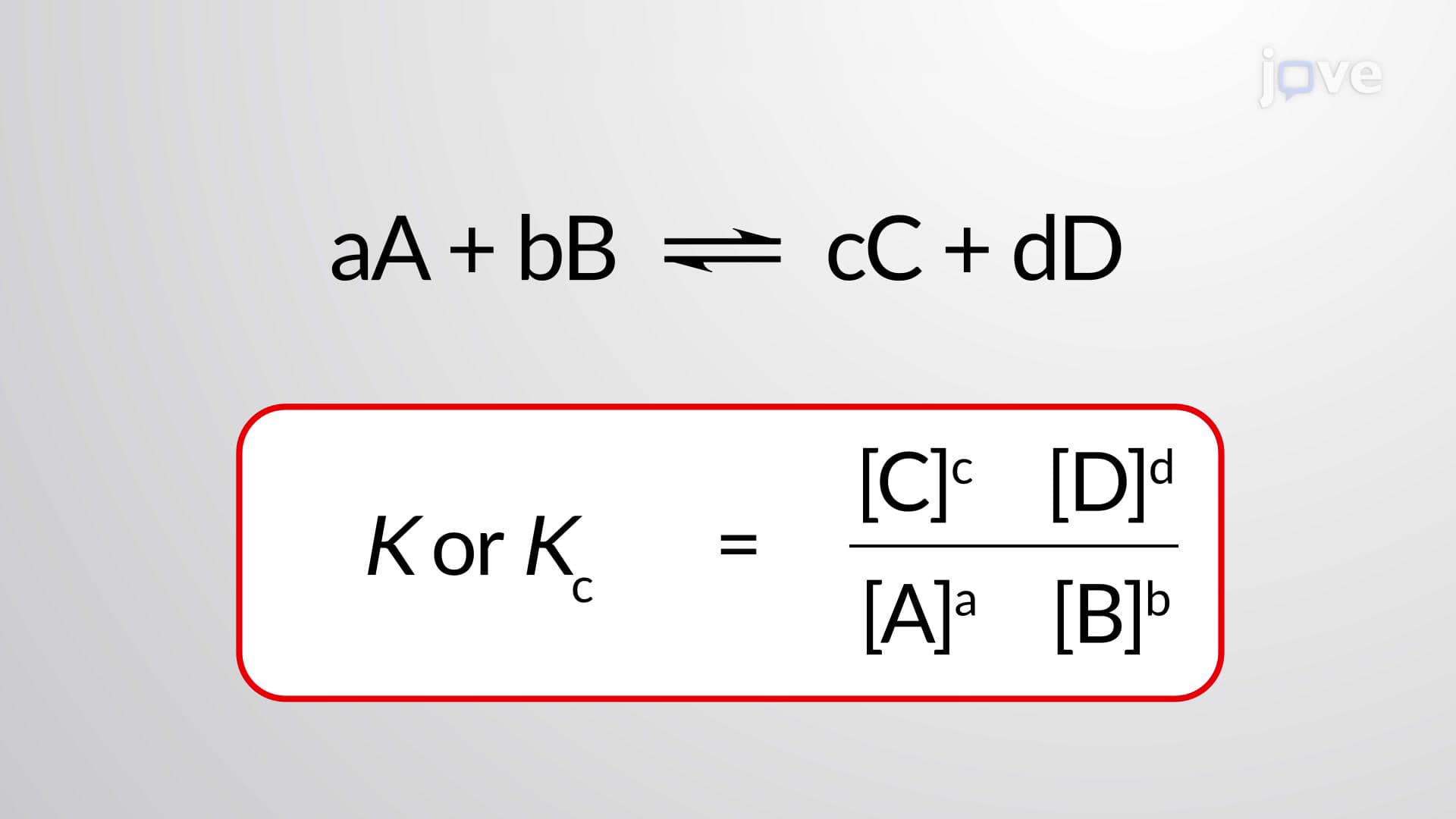
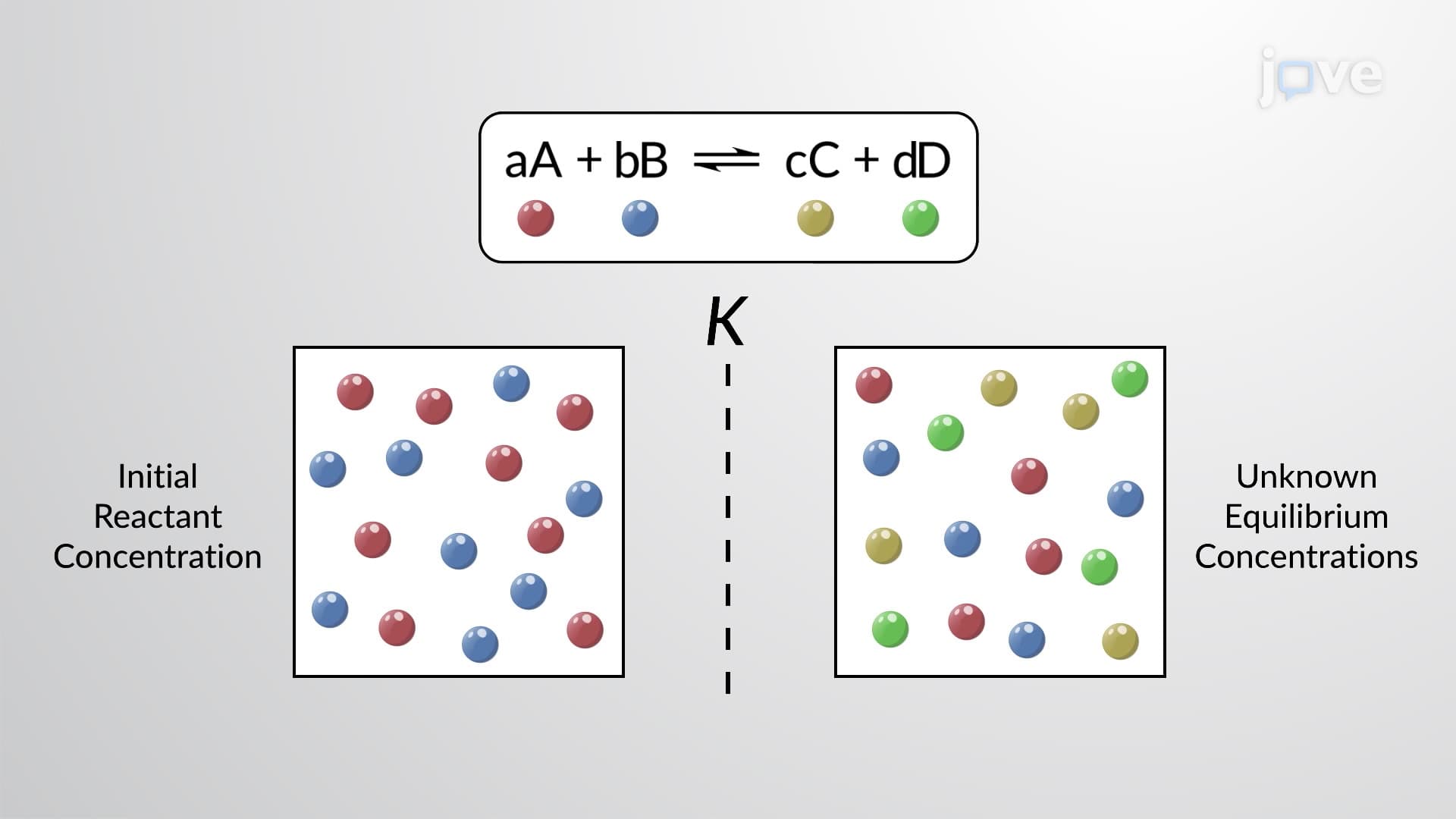
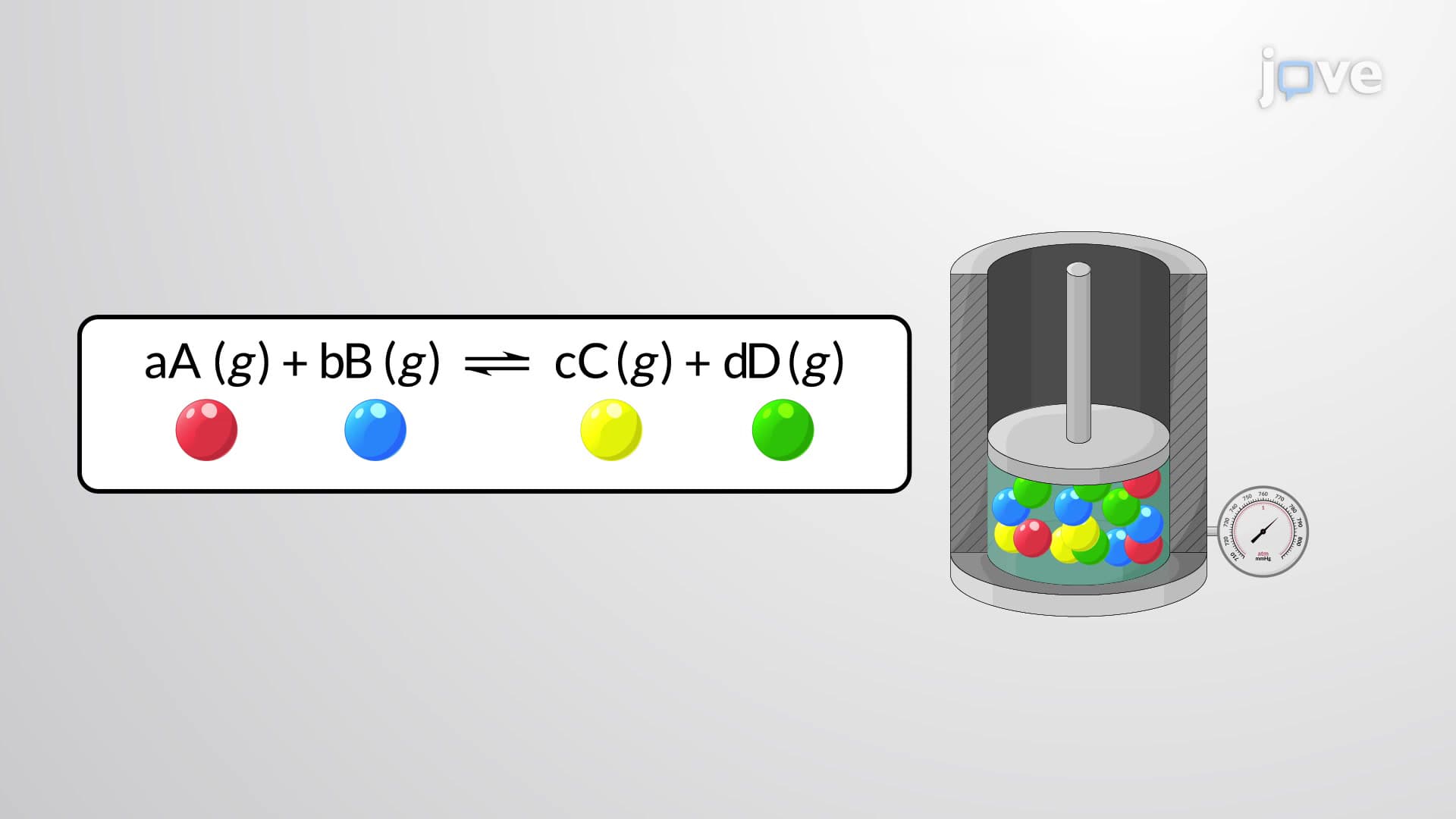
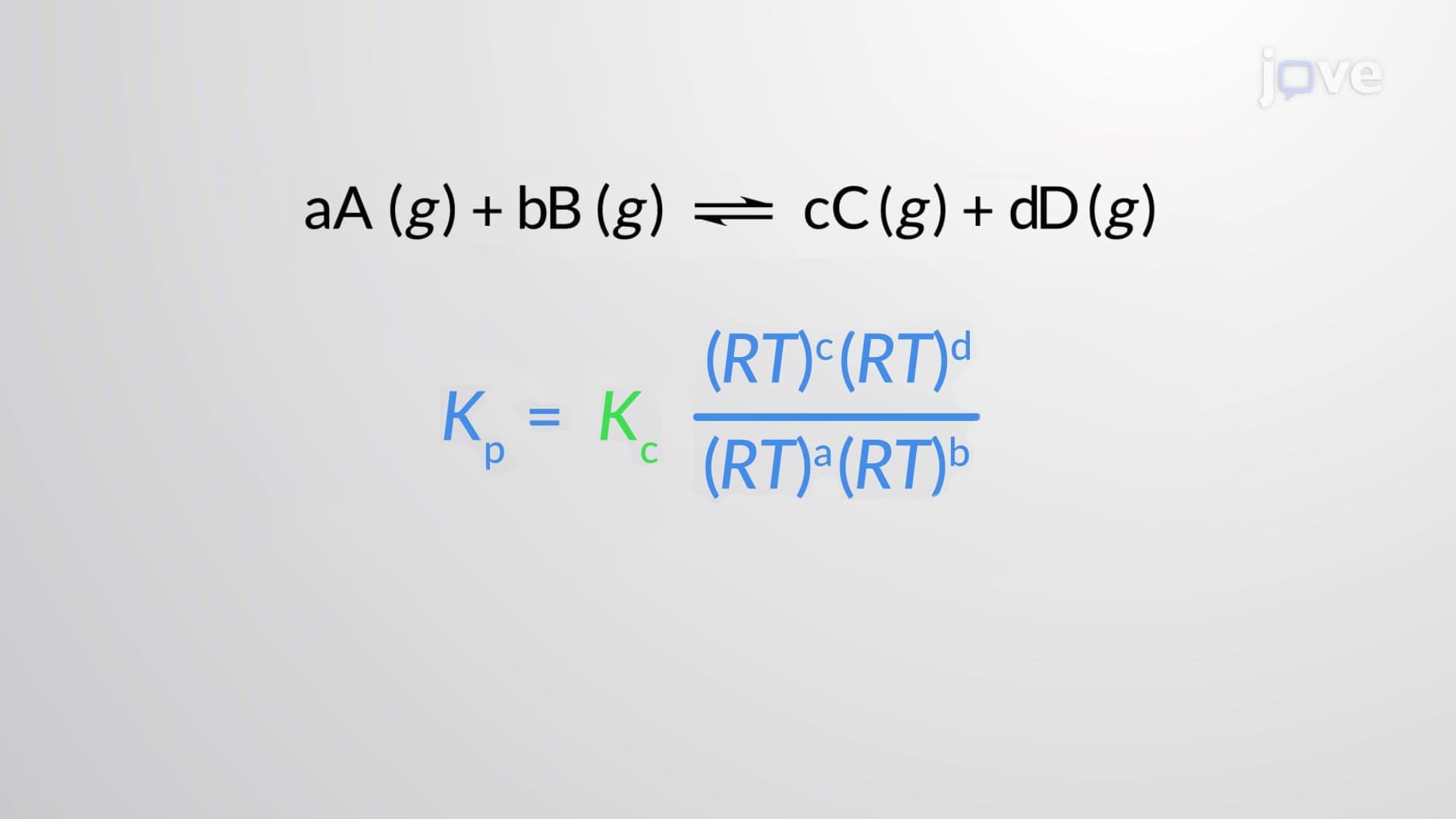
The equilibrium constant Kc uses molar concentrations (mol/L), while Kp employs partial pressures (typically in atm or Pa). For a general reaction aA(g) + bB(g) ⇌ cC(g) + dD(g), these constants are expressed as:
Kc = [C]^c[D]^d / [A]^a[B]^b Kp = (PC)^c(PD)^d / (PA)^a(PB)^b
This distinction becomes crucial when analyzing reactions like the Haber process for ammonia synthesis, where industrial chemists must account for pressure changes affecting equilibrium positions.
Deriving the Kp-Kc Relationship
The mathematical bridge between these constants emerges through the ideal gas law: PV = nRT. Rearranging to P = (n/V)RT shows that pressure equals molarity times RT. Substituting this relationship into the Kp expression and simplifying yields: Kp = Kc(RT)^Δn, where Δn represents the change in moles of gas (products minus reactants).
Practical Applications in US Academic Settings
This concept frequently appears on AP Chemistry exams, MCAT questions, and college-level physical chemistry courses. Students studying environmental science encounter these principles when analyzing ozone depletion reactions in the stratosphere or nitrogen oxide equilibria in urban smog formation. The Environmental Protection Agency (EPA) relies on these calculations when modeling air quality and establishing emission standards for industrial facilities across the United States.
Frequently Asked Questions
Homogeneous equilibria for gaseous reactions occurs when all reactants and products exist as gases in the same phase. Unlike heterogeneous equilibrium involving solids or liquids, this system allows equilibrium expression using partial pressures. The uniform gas phase eliminates surface area effects and concentration gradients that complicate heterogeneous systems.
AP Chemistry frequently tests the Kp = Kc(RT)^Δn relationship through calculation problems and conceptual questions. Students must identify when Δn equals zero (making Kp = Kc) and solve multi-step problems involving pressure changes. College exams often combine this with Le Chatelier's principle and thermodynamics concepts.
Yes, MCAT general chemistry sections regularly include gaseous equilibrium problems, especially in passages about respiratory physiology or atmospheric chemistry. Focus on quickly identifying Δn values and understanding how temperature affects equilibrium constants. Practice converting between pressure units (atm, torr, Pa) commonly used in MCAT questions.
The catalytic converters in American automobiles rely on gaseous equilibrium principles to reduce harmful emissions. The conversion of carbon monoxide and nitrogen oxides to less harmful products occurs through gas-phase equilibrium reactions at high temperatures, directly impacting air quality in cities like Los Angeles and Houston.
Not at all-this builds naturally on ideal gas law knowledge from earlier chemistry courses. If you understand PV = nRT and basic equilibrium expressions, you have the foundation needed. Start with simple examples where Δn = 0, then progress to more complex calculations.
Create a systematic approach: first identify all gaseous species, write both Kc and Kp expressions, calculate Δn, then apply the conversion formula. Practice with past AP Chemistry free-response questions and focus on unit conversions. Many students find success by making flashcards for common Δn patterns.
Explore reaction quotient (Qp) calculations, Le Chatelier's principle with pressure changes, and thermodynamic relationships between ΔG° and equilibrium constants. Advanced students should investigate how real gas behavior deviates from ideal conditions at high pressures, particularly relevant for industrial applications.
Related Micro-courses