Loading subject page…

- Chemistry
- Chemical Equilibrium
- Reaction Quotient
Micro-course: Chemical Equilibrium
457,403 views
Learn key concepts and earn your certificate.

Reaction Quotient

00:00
02:35
Video Summary: What Is Reaction Quotient
Why does a fizzing Alka-Seltzer tablet eventually stop bubbling? The reaction quotient predicts exactly when chemical reactions reach their stopping point. This mathematical expression, identical in form to the equilibrium constant but calculated at any moment during a reaction, reveals whether a system like the sodium bicarbonate reaction in antacids will continue producing CO₂ gas or reach equilibrium. Watch the full video on JoVE Coach to master this concept with expert-led visuals and step-by-step explanations.
- Understand What is Reaction Quotient and how it differs from the equilibrium constant in chemical systems
- Identify the mathematical relationship between Q, K, and reaction direction using concentration or pressure values
- Analyze reaction quotient calculations to predict whether reactions proceed forward, reverse, or remain at equilibrium
- Compare Qc (concentration-based) and Qp (pressure-based) expressions for different types of chemical reactions
- Evaluate real-time reaction progress by calculating Q values at various stages of chemical processes
- Apply reaction quotient principles to solve equilibrium problems commonly found on AP Chemistry and college exams
- Recognize how Q changes continuously during reactions while K remains constant at fixed temperatures
- Explore practical applications of reaction quotient in industrial processes and pharmaceutical manufacturing
Understanding What is Reaction Quotient Fundamentally
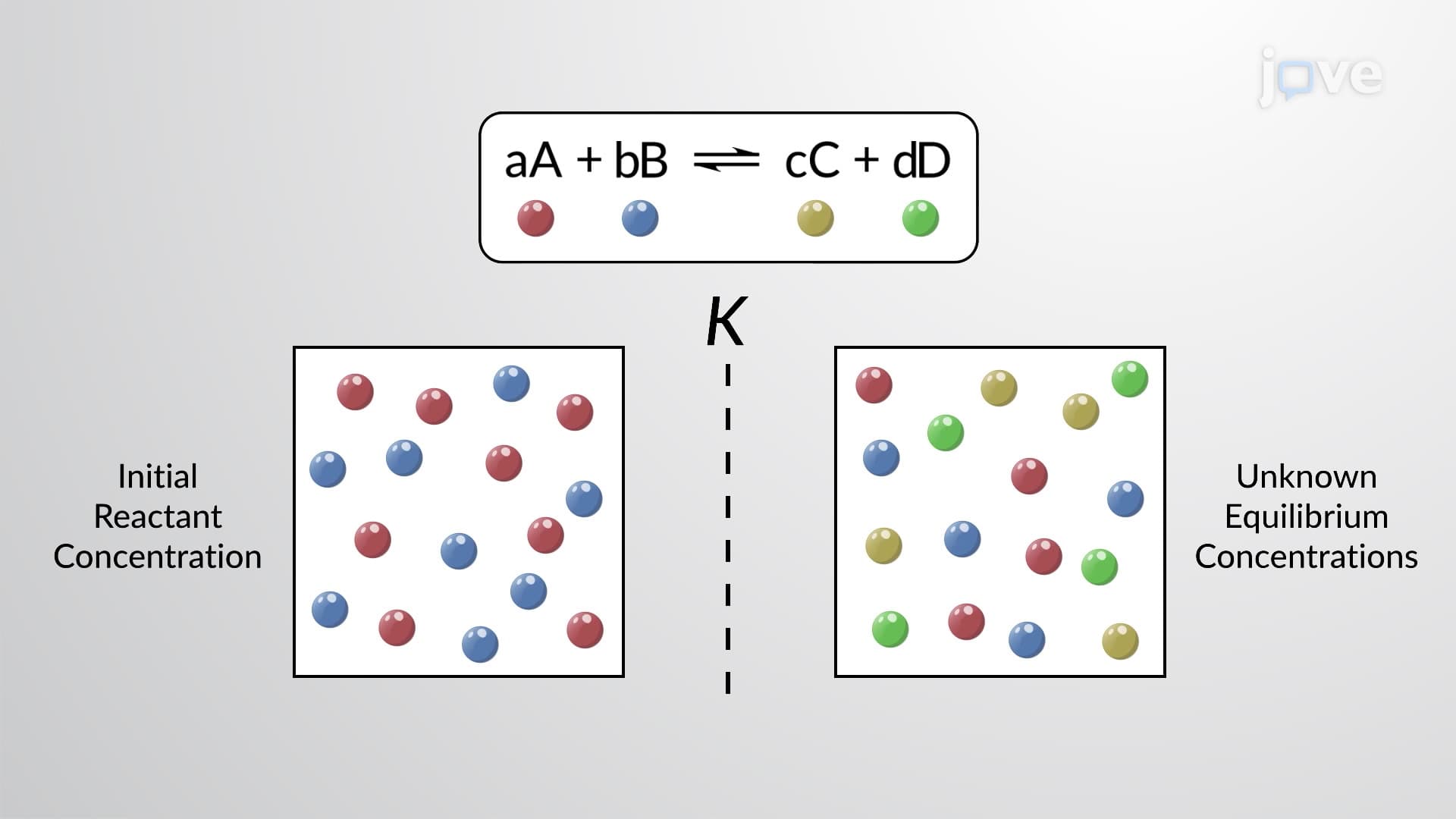
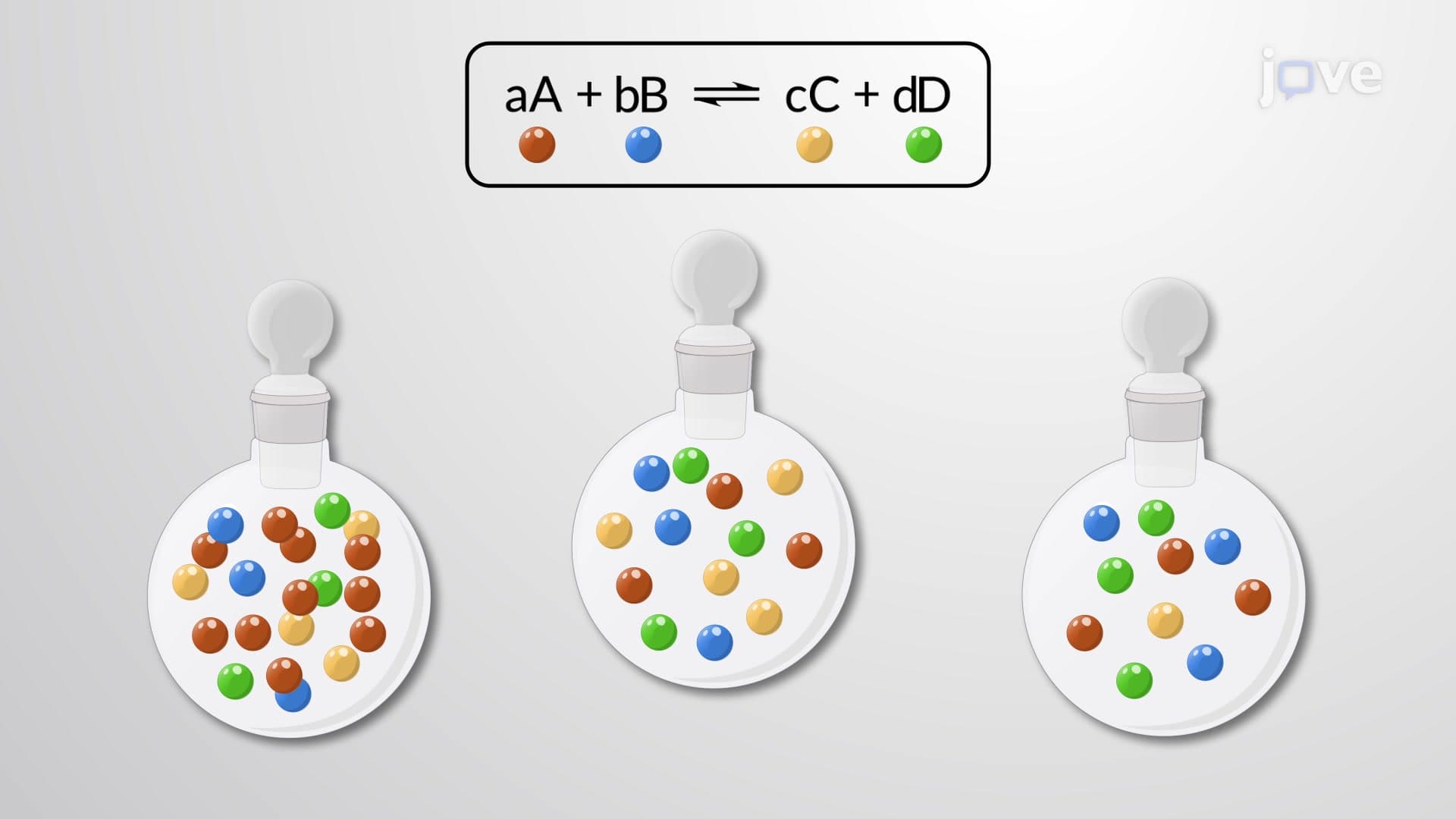
The reaction quotient serves as chemistry's GPS system, telling us exactly where a reaction stands on its journey toward equilibrium. Unlike the equilibrium constant (K), which represents the final destination, Q captures a snapshot of the reaction at any given moment. This distinction proves crucial for students tackling AP Chemistry problems or college-level physical chemistry courses.
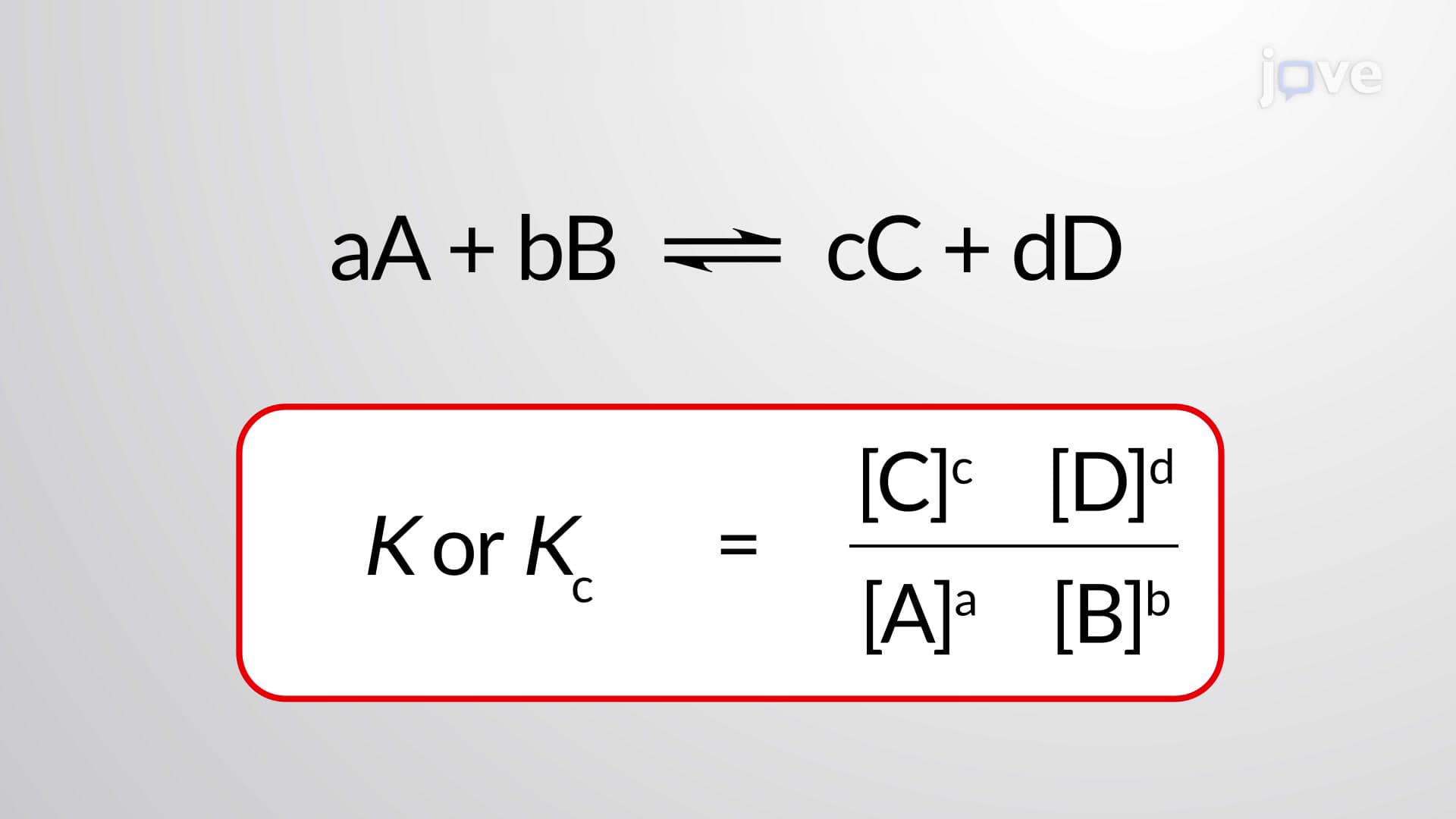
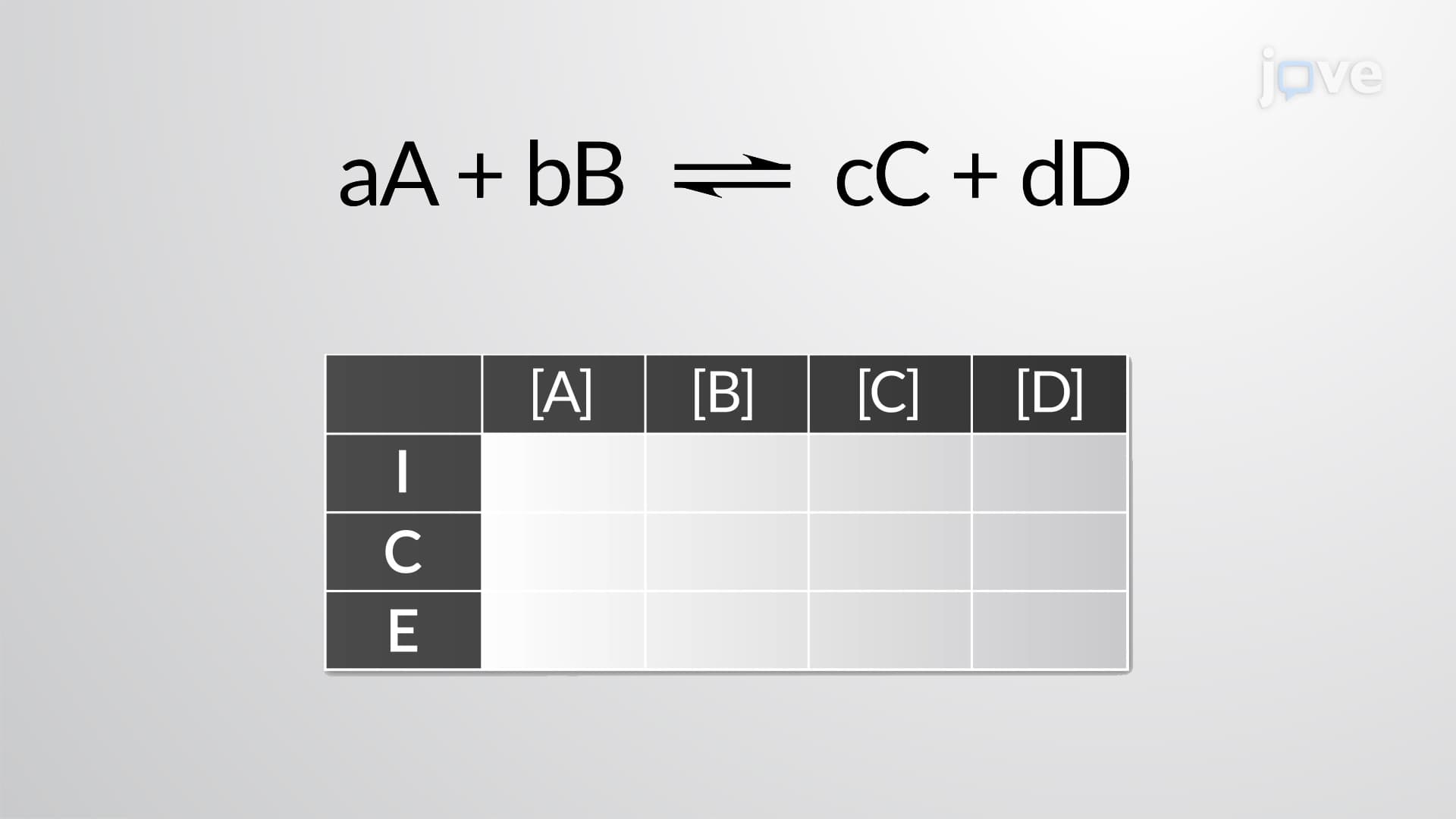
For the general reaction aA + bB ⇌ cC + dD, the reaction quotient takes the form: Q = [C]^c[D]^d / [A]^a[B]^b
This expression mirrors the equilibrium constant formula but uses current concentrations rather than equilibrium values. The beauty lies in its predictive power-Q acts as a chemical fortune teller, revealing the reaction's future behavior.
Reaction Quotient Types and Applications
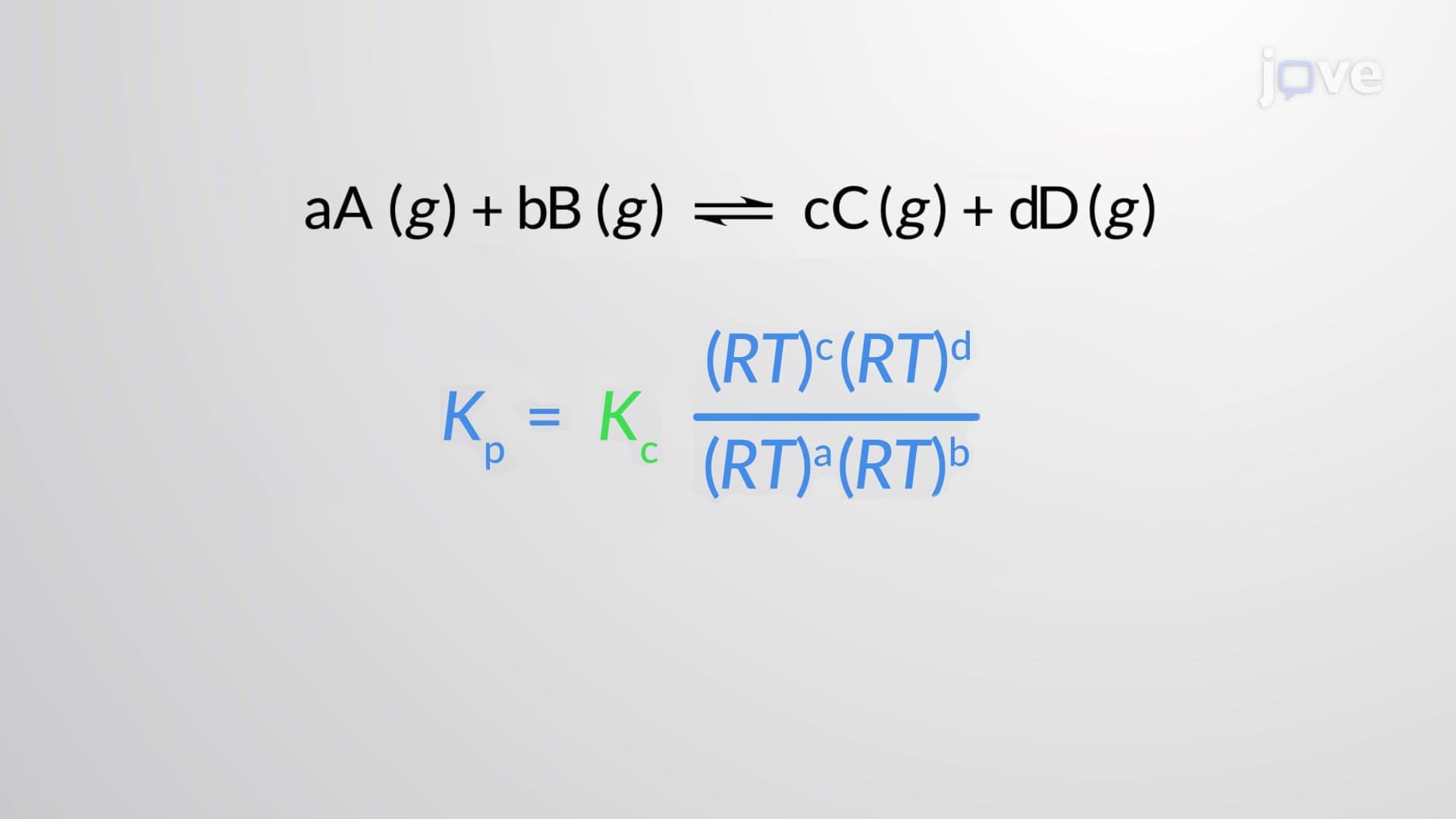
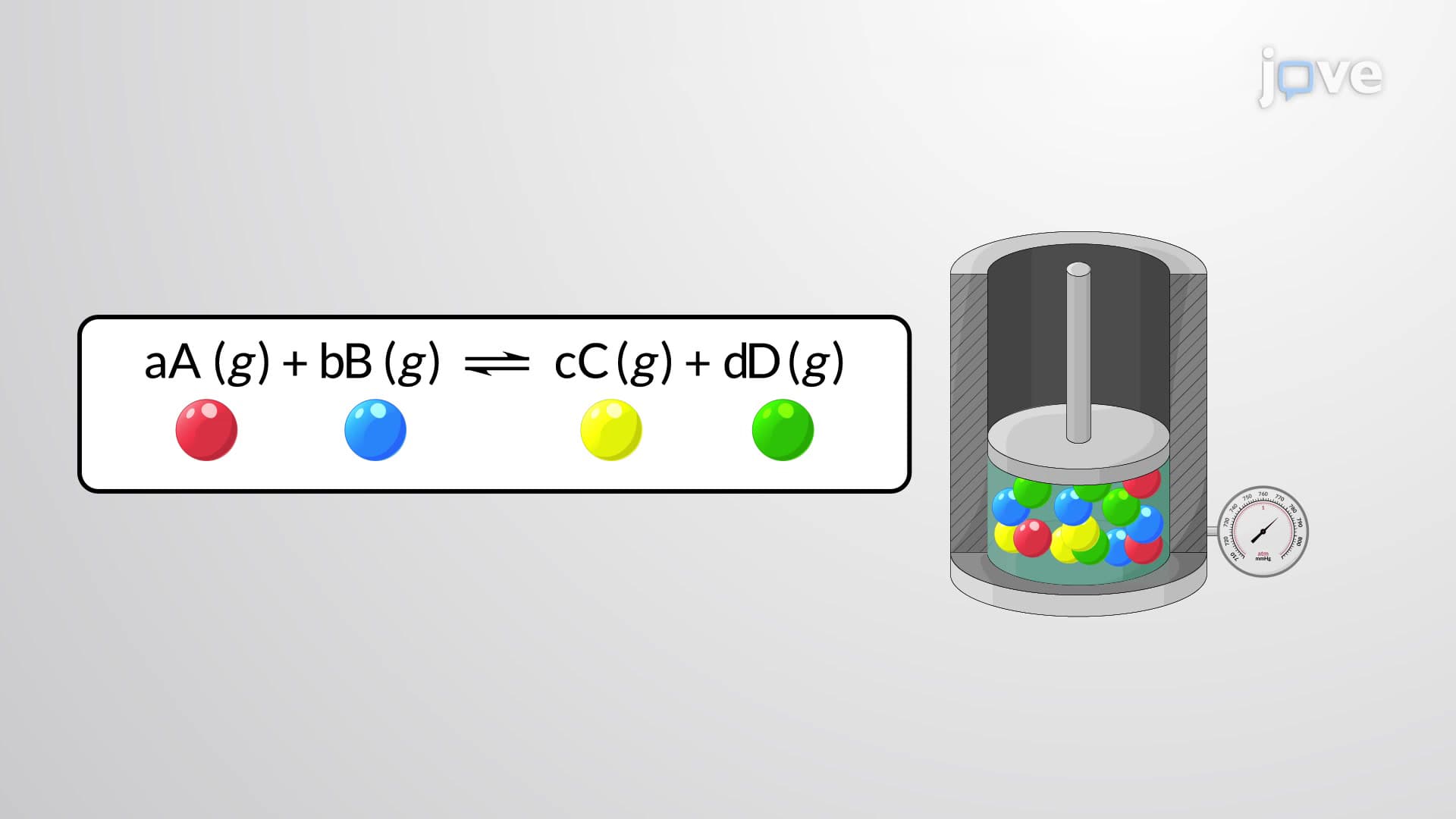
Two primary forms of reaction quotient exist: Qc (using molar concentrations) and Qp (using partial pressures for gaseous reactions). For gas-phase reactions like the industrial Haber process (N₂ + 3H₂ ⇌ 2NH₃), Qp proves more practical since pressure measurements are often easier to obtain in manufacturing settings.
Consider a real-world example from pharmaceutical manufacturing. When synthesizing aspirin (acetylsalicylic acid) from salicylic acid and acetic anhydride, chemical engineers monitor Q values to optimize reaction conditions. If Q < K, they know more product formation will occur; if Q > K, they might adjust conditions to prevent unwanted side reactions.
Predicting Reaction Direction Through Q vs K Comparisons
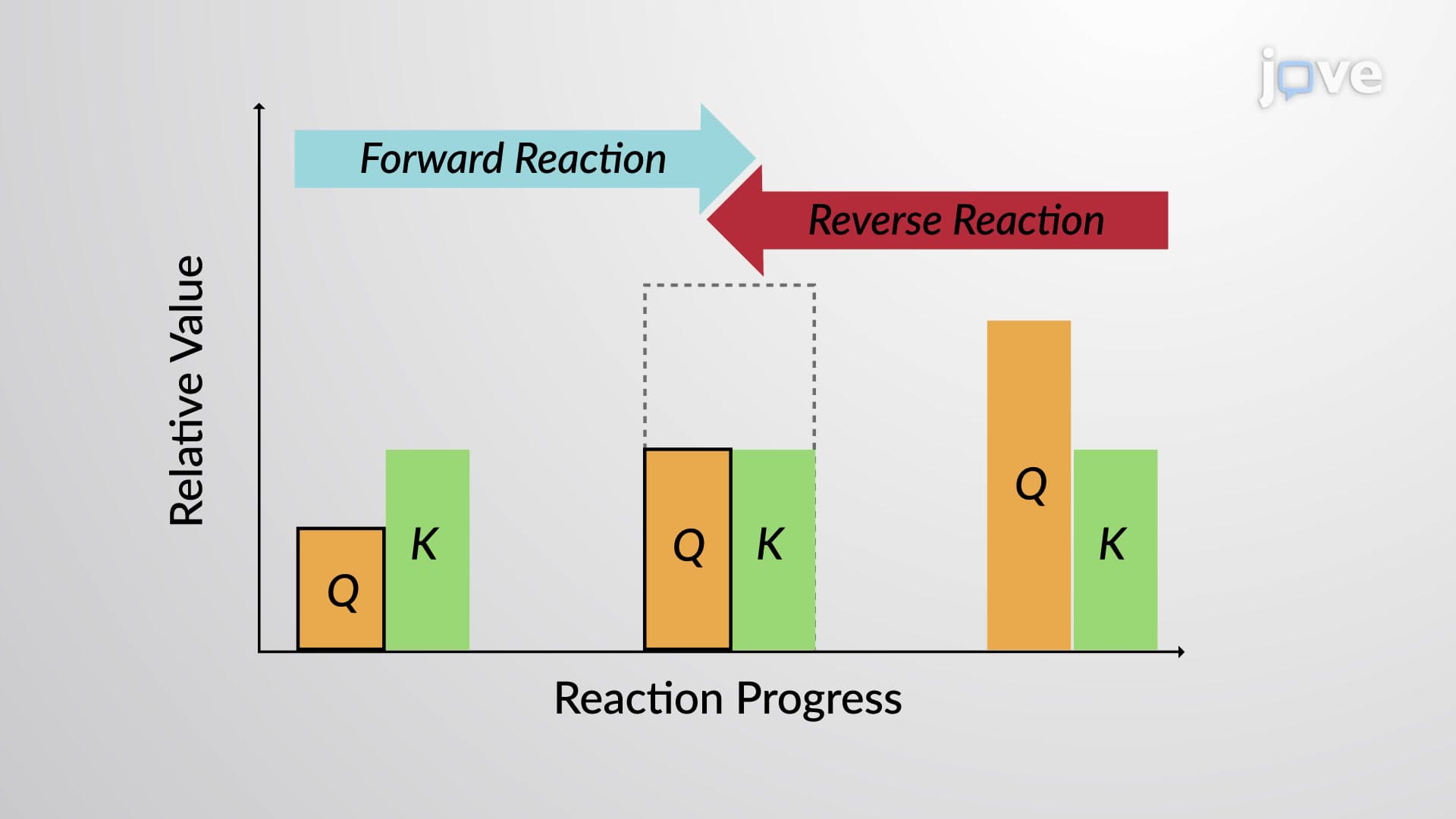
The relationship between Q and K provides the roadmap for reaction behavior:
- Q < K: Reaction proceeds forward (toward products)
- Q > K: Reaction proceeds reverse (toward reactants)
- Q = K: System at equilibrium (no net change)
This principle appears frequently on MCAT passages and college chemistry midterms. Students often encounter problems where they must calculate Q and compare it to a given K value to predict reaction direction.
Practical Problem-Solving Strategies
When solving reaction quotient problems, follow this systematic approach: First, write the balanced chemical equation. Second, construct the Q expression using the proper stoichiometric coefficients. Third, substitute given concentration or pressure values. Finally, compare the calculated Q value to the provided K value.
For the hydrogen iodide formation reaction (H₂ + I₂ ⇌ 2HI), if given concentrations yield Q = 72 and K = 50, the reaction shifts left toward reactants since Q > K. This type of calculation appears routinely on standardized tests and serves as a foundation for more advanced equilibrium concepts in undergraduate chemistry courses.
Frequently Asked Questions
The reaction quotient (Q) uses current concentrations in the same mathematical expression as the equilibrium constant (K), but Q changes throughout the reaction while K remains fixed at constant temperature. Q predicts reaction direction by comparing its value to K, making it a dynamic tool for understanding chemical systems in progress.
Write the balanced equation, construct the Q expression with products over reactants raised to stoichiometric coefficients, then substitute given concentrations or pressures. Compare your calculated Q to the provided K value to determine reaction direction. Practice with past MCAT chemistry passages and AP free-response questions for mastery.
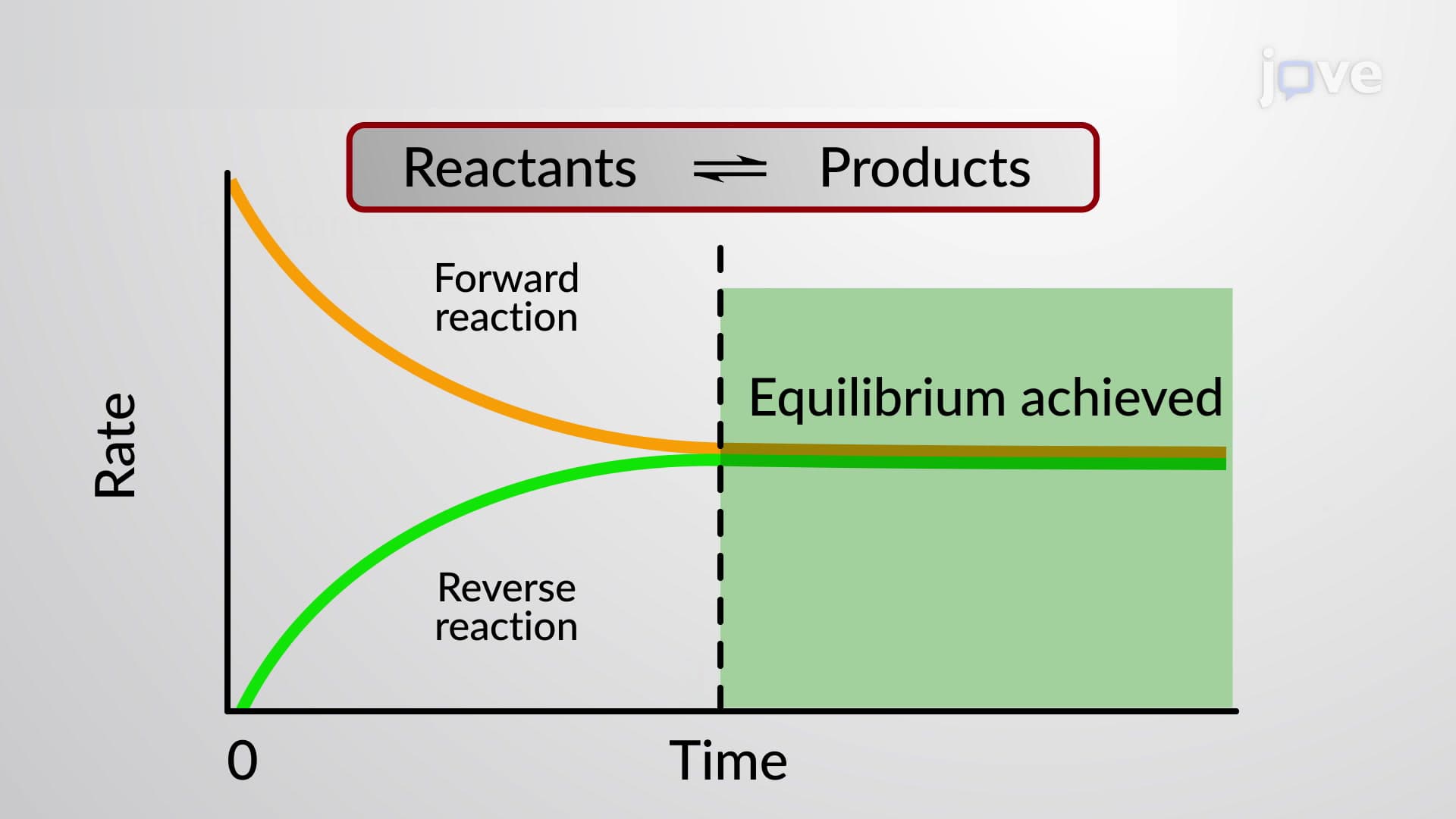
When Q = K, the system has reached equilibrium with no net change in concentrations over time. Forward and reverse reaction rates are equal, making this the target condition for industrial processes. This concept frequently appears on college chemistry midterms and standardized test multiple-choice questions.
Absolutely-pharmaceutical companies use Q calculations to monitor aspirin synthesis, while chemical plants track Q values in ammonia production for fertilizers. Environmental engineers apply Q concepts when studying acid-rain neutralization reactions in lakes and streams, demonstrating its practical importance beyond academic settings.
Reaction quotient builds directly on basic concentration calculations and algebra skills from earlier chemistry courses. Students who understand molarity and chemical equations can master Q calculations with focused practice. The concept becomes intuitive when viewed as a "progress meter" for chemical reactions.
Focus on pattern recognition-practice identifying when Q < K (forward reaction) versus Q > K (reverse reaction) scenarios. Create flashcards linking Q/K relationships to reaction direction, and work through varied numerical problems from AP Chemistry review books and college textbooks.
Le Chatelier's principle, acid-base equilibria, and solubility equilibrium calculations all rely on Q fundamentals. Understanding reaction quotient prepares students for advanced topics like biochemical equilibria in metabolic pathways and electrochemical cell potentials in physical chemistry courses.
Q reflects real-time concentration changes as reactions proceed, while K depends only on temperature and represents the final concentration ratio at equilibrium. Think of Q as a speedometer showing current status and K as the speed limit-Q varies with conditions, but K remains constant unless temperature changes.
Related Micro-courses