Loading subject page…

- Chemistry
- Chemical Kinetics
- Rate-Determining Steps
Micro-course: Chemical Kinetics
561,000 views
Learn key concepts and earn your certificate.



Rate-Determining Steps

00:00
03:08
Video Summary: What Is Rate Determining Steps
Ever wonder why some medications take hours to work while others act instantly? The answer lies in rate determining steps, the slowest step in a multi-step chemical reaction that controls the overall reaction speed. Just like traffic flow depends on the slowest-moving vehicle, chemical reactions depend on their rate-limiting step. Consider how aspirin metabolism in your liver involves multiple enzymatic steps, with one particular enzyme reaction controlling how quickly the drug is processed. Understanding this concept helps predict reaction speeds and design better pharmaceuticals. Watch the full video on JoVE Coach to master this concept with expert-led visuals and step-by-step explanations.
- Understand what is rate determining steps and how they control overall reaction kinetics in multi-step mechanisms
- Identify the rate-limiting step in a reaction sequence by comparing rate constants and activation energies
- Analyze experimental rate laws to determine which elementary step governs the overall reaction rate
- Compare proposed reaction mechanisms with experimentally observed kinetic data to validate hypotheses
- Evaluate how fast pre-equilibrium steps affect the derivation of rate laws for complex mechanisms
- Apply the steady-state approximation to determine intermediate concentrations in rate-determining step calculations
- Recognize the relationship between molecular-level elementary steps and macroscopic reaction rates
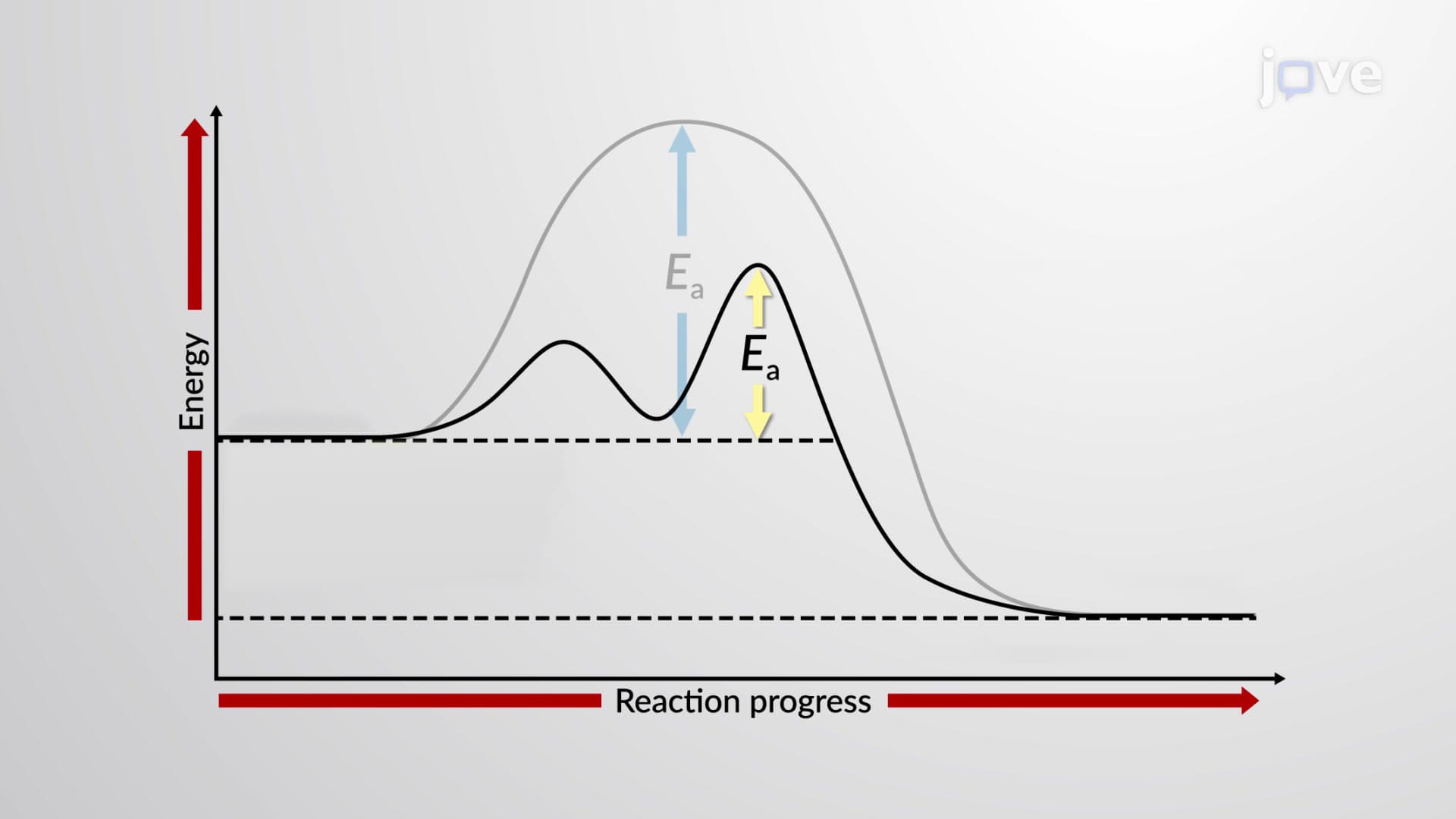
- Explore how activation energy barriers determine which step becomes rate-limiting in a reaction pathway
Understanding What is Rate Determining Steps in Chemical Kinetics
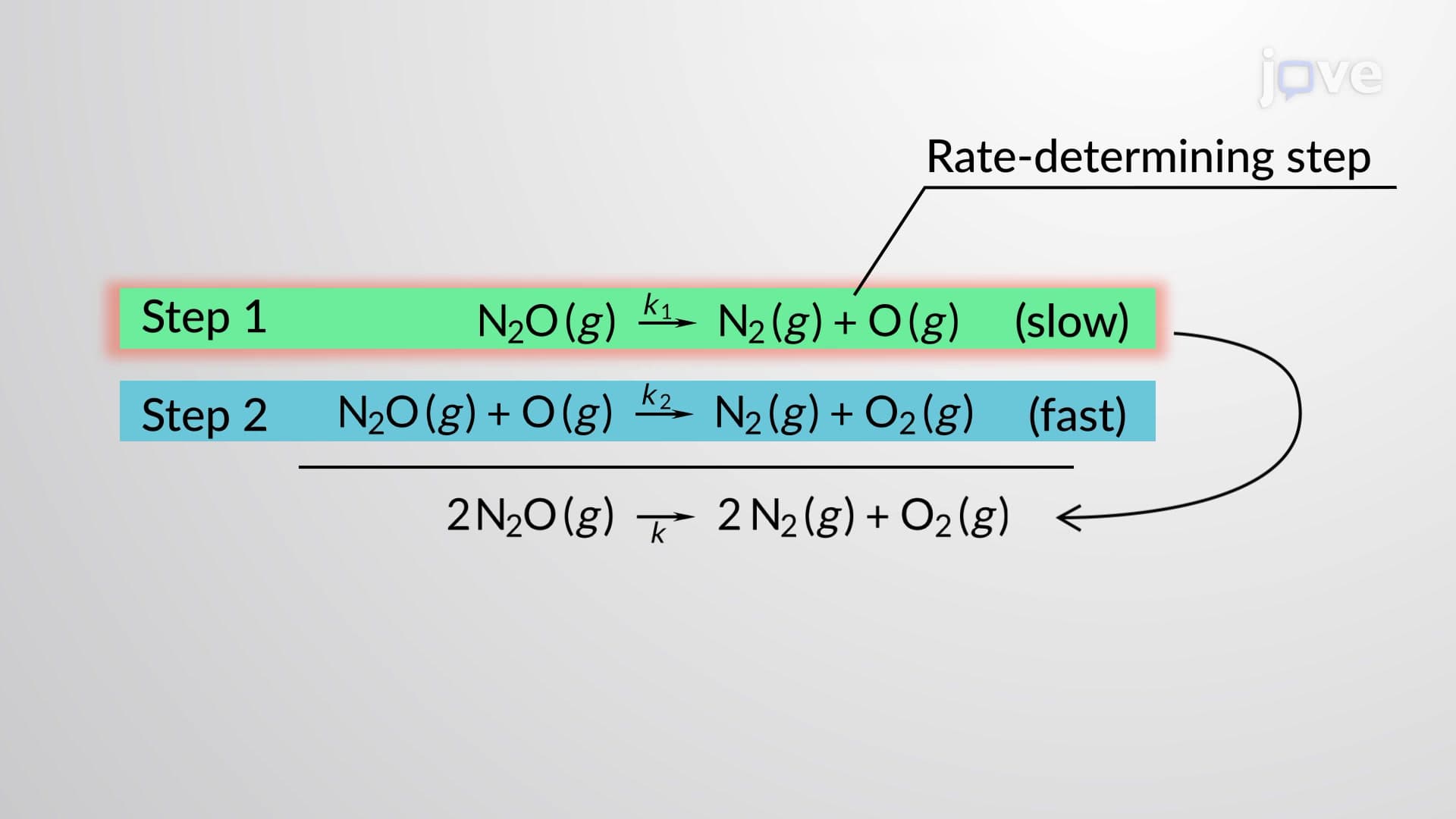
Rate determining steps represent the fundamental bottleneck concept in chemical kinetics. In any multi-step reaction mechanism, the elementary step with the highest activation energy barrier typically becomes the rate-limiting step, controlling the overall reaction velocity. This concept parallels everyday situations, just as the narrowest section of a highway determines traffic flow, the slowest elementary reaction determines the overall rate.
Identifying Rate-Limiting Steps Through Experimental Analysis
The rate determining steps definition extends beyond simple identification. Chemists determine rate-limiting steps by comparing experimental rate laws with theoretical predictions from proposed mechanisms. For instance, in the decomposition of hydrogen peroxide catalyzed by iodide ions (a common AP Chemistry example), the mechanism involves multiple steps, but the rate law depends only on the concentrations appearing in the slowest step.
When analyzing pharmaceutical development at companies like Pfizer or Merck, understanding rate-determining steps helps optimize drug synthesis. If one synthetic step takes days while others complete in hours, that slow step becomes the production bottleneck requiring process optimization.
Pre-Equilibrium Approximation in Complex Mechanisms
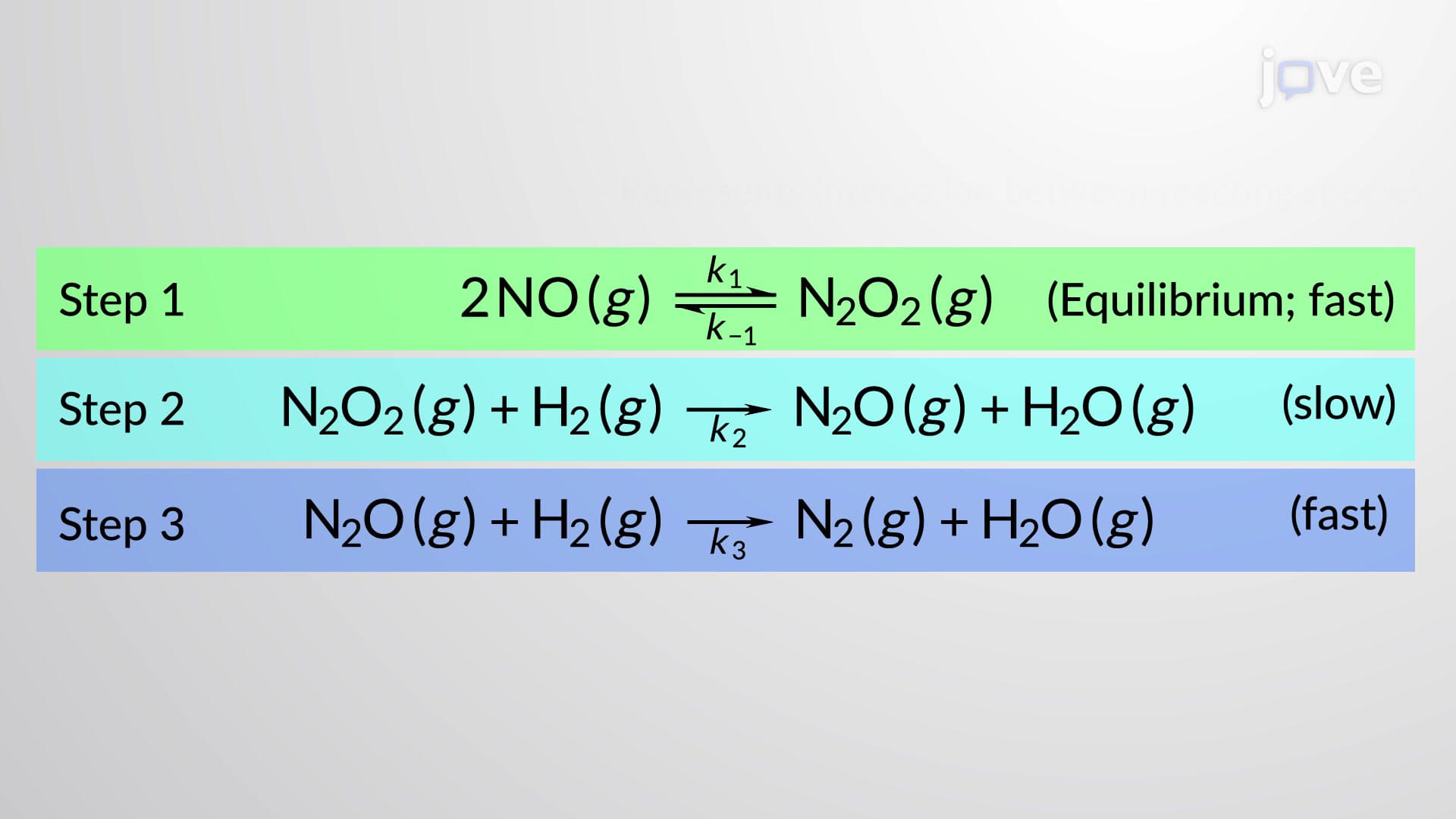
What is rate determining steps in detail often involves scenarios where fast equilibrium steps precede the rate-limiting step. The nitrosyl bromide formation mechanism exemplifies this complexity. When rapid pre-equilibrium exists, chemists use the equilibrium constant expression to eliminate intermediate concentrations from rate law derivations.
This mathematical approach frequently appears on MCAT passages and college physical chemistry exams. Students must recognize when to apply the pre-equilibrium approximation versus the steady-state approximation, depending on the relative speeds of elementary steps.
Practical Applications in Industry and Medicine
Rate-determining steps govern everything from industrial catalysis to biological processes. In petroleum refining at ExxonMobil or Chevron, cracking reactions involve multiple steps where identifying the rate-limiting step optimizes catalyst design and operating conditions. Similarly, enzyme kinetics in drug metabolism follows Michaelis-Menten mechanisms where the rate-determining step often involves product release rather than substrate binding.
Understanding these concepts prepares students for advanced coursework in chemical engineering, biochemistry, and pharmaceutical sciences, where rate-determining step analysis becomes crucial for process design and optimization.
Frequently Asked Questions
Rate determining steps are the slowest elementary reactions in a multi-step chemical process that control the overall reaction speed. Think of it like the slowest worker on an assembly line, they determine how fast the entire production process can operate. These steps have the highest activation energy barriers and therefore proceed most slowly.
Both exams test your ability to identify rate-limiting steps from given mechanisms and derive rate laws accordingly. AP Chemistry focuses on comparing experimental vs. theoretical rate laws, while MCAT passages often involve enzyme kinetics or drug metabolism mechanisms. You'll need to recognize pre-equilibrium conditions and apply appropriate mathematical approximations.
Rate-determining step analysis forms the foundation for understanding reaction mechanisms, catalyst design, and kinetic control versus thermodynamic control. These concepts appear throughout physical chemistry, biochemistry, and chemical engineering courses. Mastering this topic early prevents struggles in advanced coursework where these principles become more complex.
Drug companies like Johnson & Johnson analyze rate-limiting steps to optimize manufacturing processes and predict drug metabolism rates. If synthesis involves ten steps but one takes 12 hours while others complete in minutes, that slow step determines production capacity and cost. Understanding metabolism rate-limiting steps also helps predict drug clearance times.
You need solid understanding of chemical kinetics basics, rate laws, and activation energy concepts from general chemistry. Familiarity with elementary reaction mechanisms and equilibrium constants helps significantly. Most high school chemistry or Chemistry I college courses provide sufficient background for grasping these concepts.
Practice identifying the slowest step from given rate constants, derive rate laws from proposed mechanisms, and work through pre-equilibrium approximation problems. Focus on connecting experimental observations (like reaction intermediates) to mechanistic proposals. Create concept maps linking activation energy, rate constants, and overall reaction rates.
Explore catalysis mechanisms, enzyme kinetics (Michaelis-Menten), and steady-state approximations for complex reaction networks. These concepts build directly on rate-determining step analysis and appear frequently in biochemistry, materials science, and chemical engineering applications.
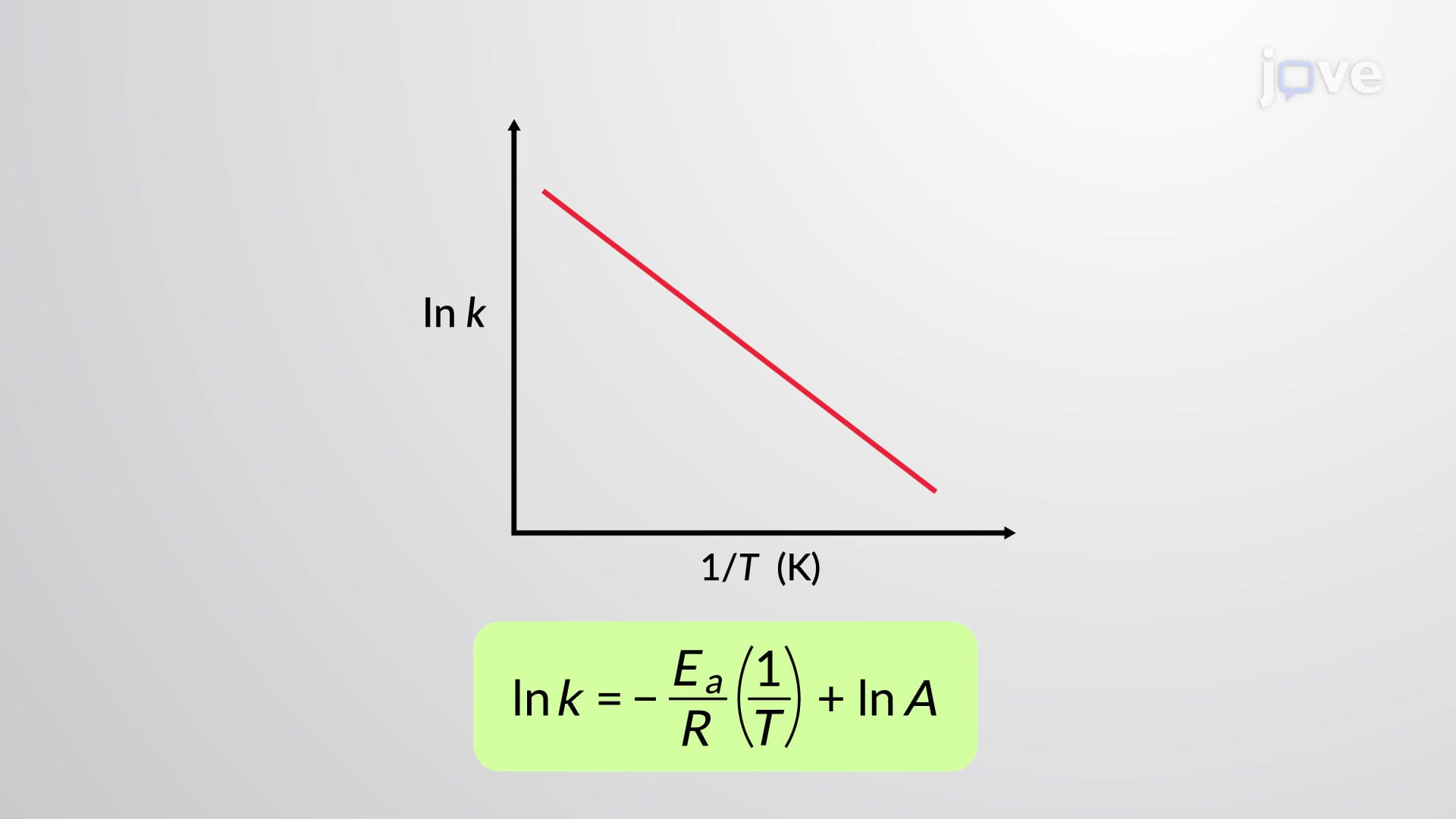
Temperature increases affect all elementary steps, but the rate-limiting step typically shows the most dramatic change due to its high activation energy. According to the Arrhenius equation, steps with higher activation barriers become more temperature-sensitive, sometimes causing the rate-determining step to shift at different temperatures.
Related Micro-courses

10 Concepts
14 Concepts

15 Concepts