Loading subject page…


251,100 views

Video Summary: Effects of Temperature on Free Energy Explained
Ever wonder why ice cream melts on a hot day but forms perfectly in your freezer? The effects of temperature on free energy determine whether chemical and physical processes occur spontaneously. Temperature changes can make the same reaction shift from spontaneous to non-spontaneous, like how sodium hydroxide dissolving in water releases heat differently at various temperatures in laboratory experiments across US high schools. Watch the full video on JoVE Coach to master this concept with expert-led visuals and step-by-step explanations.
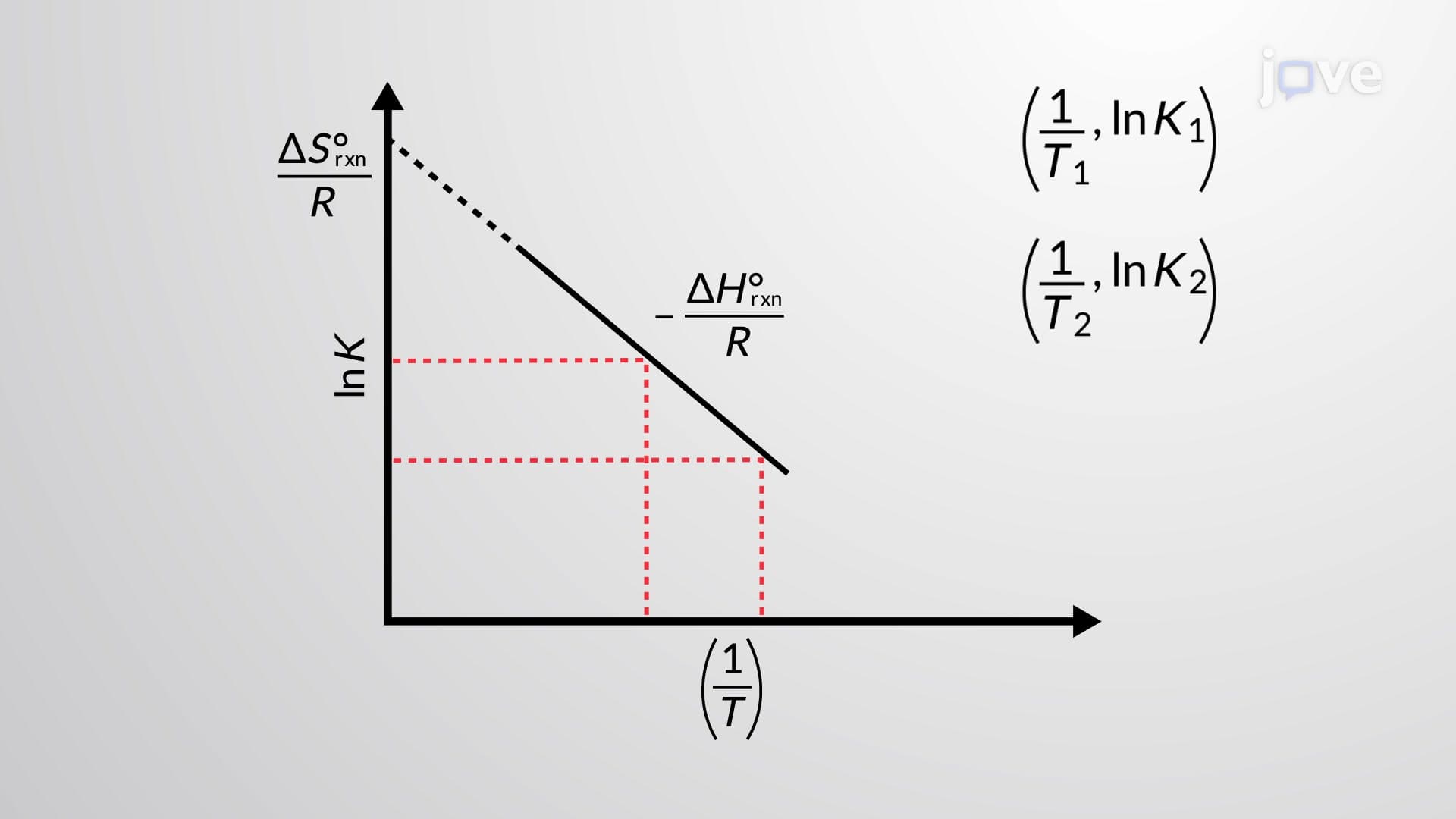
The effects of temperature on free energy govern whether chemical reactions and physical processes occur spontaneously in nature. Gibbs free energy (ΔG) serves as the ultimate predictor of spontaneity, with the fundamental equation ΔG = ΔH - TΔS revealing how temperature (T) influences the balance between enthalpy (ΔH) and entropy (ΔS) changes.
Temperature effects create four distinct thermodynamic situations. When both ΔH is negative (exothermic) and ΔS is positive (increasing disorder), reactions are spontaneous at all temperatures-like combustion reactions powering cars across American highways. Conversely, when ΔH is positive (endothermic) and ΔS is negative (decreasing disorder), reactions remain non-spontaneous at any temperature.
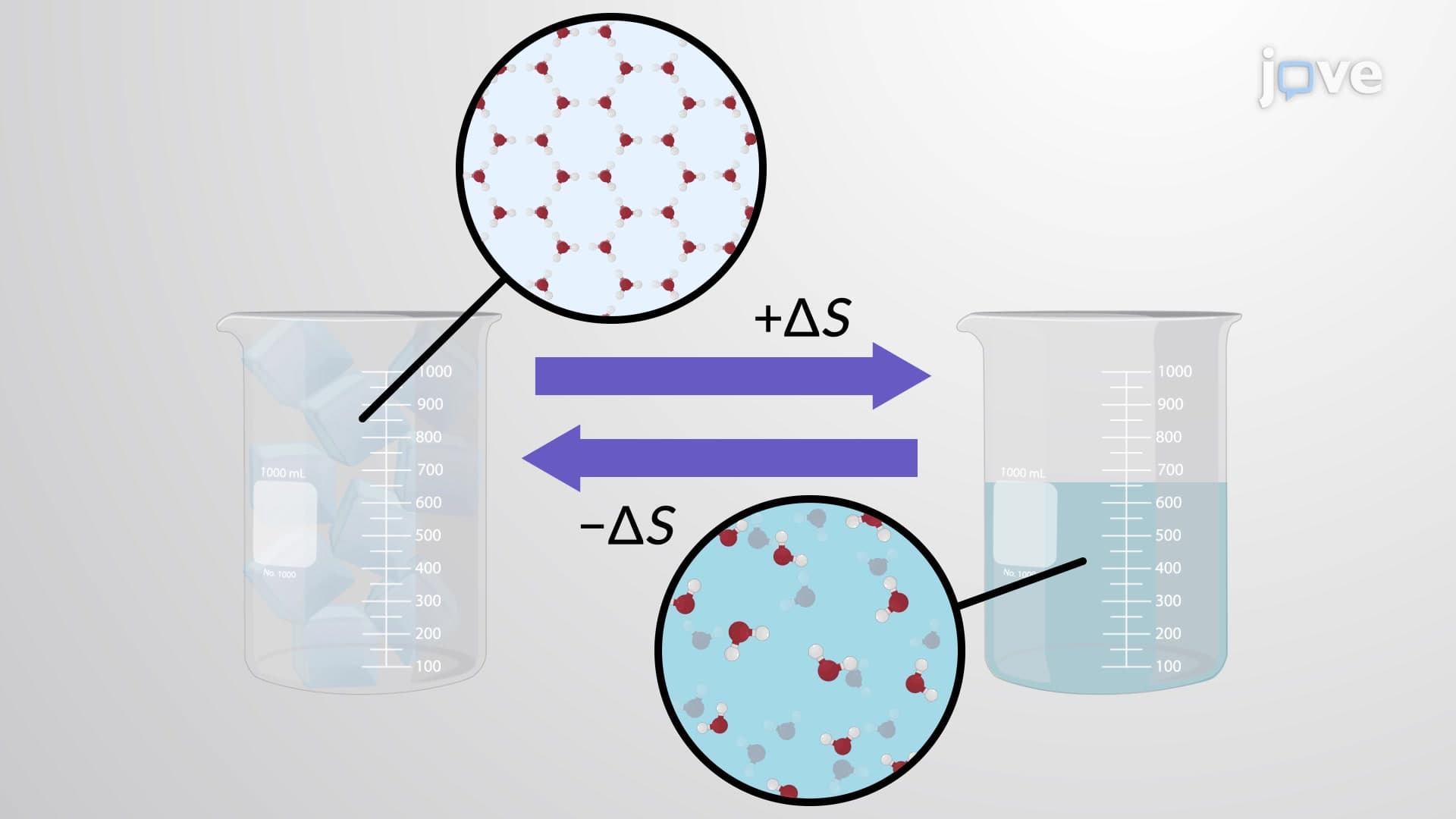
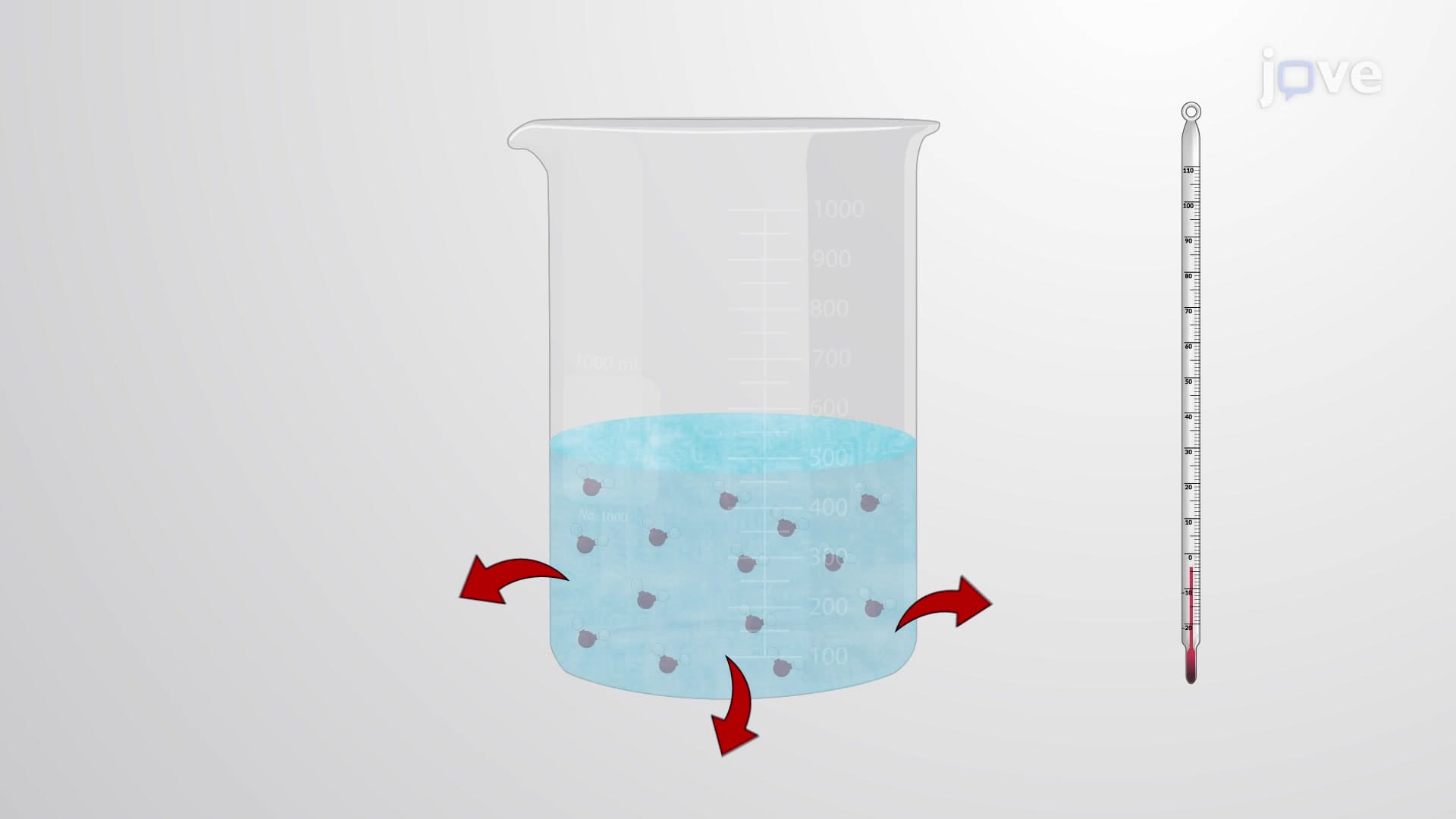
The most interesting cases involve temperature dependence. Exothermic reactions with decreasing entropy (ΔH < 0, ΔS < 0) become spontaneous only at low temperatures, exemplified by water freezing in Minnesota winters. At high temperatures, the TΔS term dominates, making ΔG positive and preventing ice formation.
Endothermic reactions with increasing entropy (ΔH > 0, ΔS > 0) demonstrate opposite behavior, becoming spontaneous only at high temperatures. Chemical cold packs used by athletic trainers at US colleges illustrate this perfectly-ammonium nitrate dissolution absorbs heat but increases disorder significantly. At room temperature, the entropy term (TΔS) outweighs the positive enthalpy, making ΔG negative and the process spontaneous.
These principles appear frequently on AP Chemistry exams and MCAT questions, where students must predict reaction behavior across temperature ranges. Understanding crossover temperatures-where reactions switch spontaneity-proves crucial for solving thermodynamics problems in undergraduate physical chemistry courses at institutions like MIT and Stanford. Industrial applications include optimizing reaction conditions in pharmaceutical manufacturing and predicting phase behavior in materials science research conducted at US universities.
Related Micro-courses