Loading subject page…


251,100 views

Video Summary: What Is Second Law of Thermodynamics
Why does your morning coffee always cool down but never spontaneously reheat itself? The second law of thermodynamics explains this universal tendency toward energy dispersal and disorder. This fundamental principle governs everything from melting ice cubes in your drink to the efficiency limits of power plants across America. Understanding what the Second Law of Thermodynamics means reveals why certain processes are irreversible and how entropy drives the direction of natural phenomena. Watch the full video on JoVE Coach to master this concept with expert-led visuals and step-by-step explanations.
The Second Law of Thermodynamics represents one of the most profound principles governing our universe's behavior. While the First Law establishes energy conservation, the Second Law determines the *direction* of energy flow and explains why certain processes occur spontaneously while others do not. This law states that the total entropy of the universe always increases for any spontaneous process, making it a powerful tool for predicting natural phenomena.
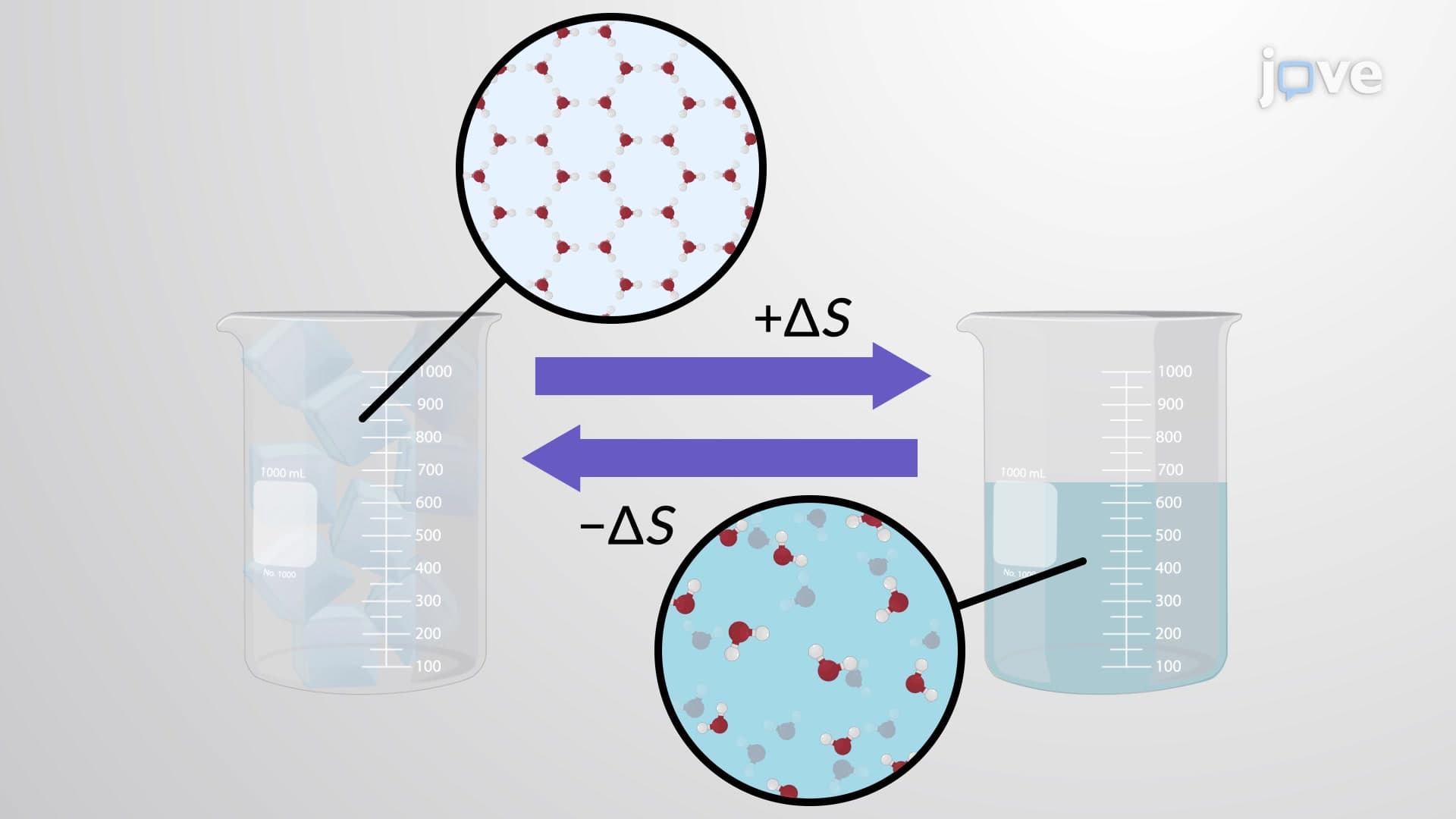
Entropy measures the degree of energy dispersal or molecular disorder in a system. When ice melts in your soda, the organized crystal structure breaks down into randomly moving liquid molecules, increasing the system's entropy. However, the Second Law requires us to consider the *total* entropy change-both system and surroundings combined. This holistic view explains seemingly counterintuitive processes like water freezing, which decreases system entropy but releases heat that increases surroundings entropy even more.
For AP Chemistry and college-level thermodynamics courses, students must master calculating these entropy changes. The relationship ΔS(surroundings) = -q(system)/T becomes crucial for determining process spontaneity. Notice how temperature appears in the denominator-this explains why the same heat transfer creates larger entropy changes at lower temperatures, making winter freezing more thermodynamically favorable than summer freezing.
The Second Law profoundly impacts American energy infrastructure and technology. Power plants across the United States face fundamental efficiency limitations because converting heat to work always generates waste heat, increasing universal entropy. The Carnot efficiency formula, derived from the Second Law, sets theoretical limits that no heat engine can exceed-explaining why even the most advanced gas turbines in Texas power plants achieve only 60% efficiency.
Refrigeration systems in American households operate by decreasing entropy locally (inside your fridge) while increasing it globally through heat rejection to your kitchen. This apparent violation of the Second Law resolves when considering the electrical energy input, which ultimately increases total entropy. Understanding this principle helps students tackle MCAT physical sciences problems and engineering thermodynamics courses.
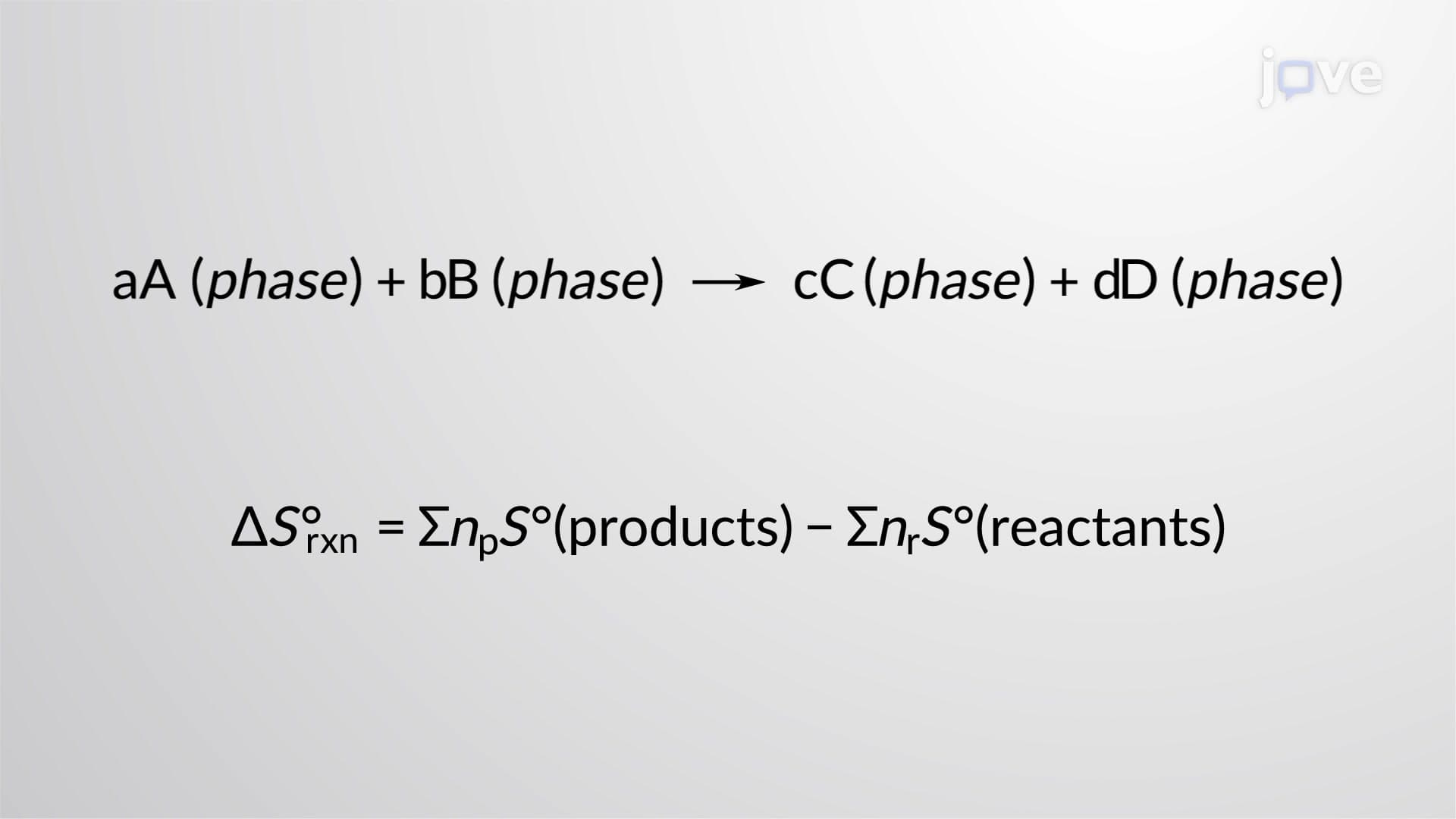
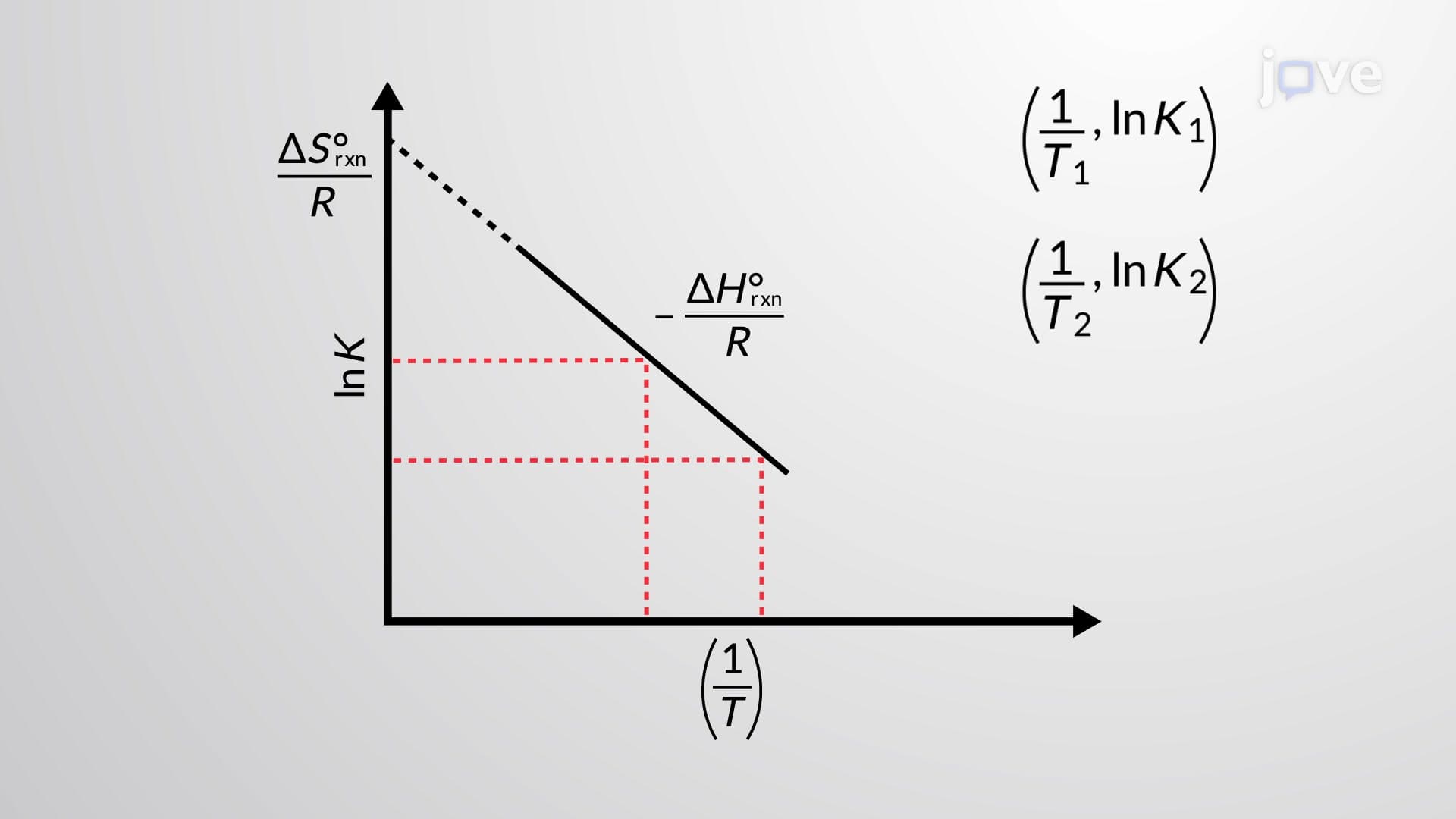
For quantitative analysis, the Second Law provides specific criteria: ΔS(universe) > 0 for spontaneous processes. Students preparing for standardized tests should memorize that ΔS(universe) = ΔS(system) + ΔS(surroundings). When solving problems, always calculate both components separately, remembering that ΔS(surroundings) = -ΔH(system)/T for constant pressure processes. This approach proves invaluable for AP Chemistry free-response questions and college physical chemistry exams, where thermodynamic spontaneity frequently appears.
Related Micro-courses