Loading subject page…


251,100 views

Video Summary: What Is Third Law of Thermodynamics
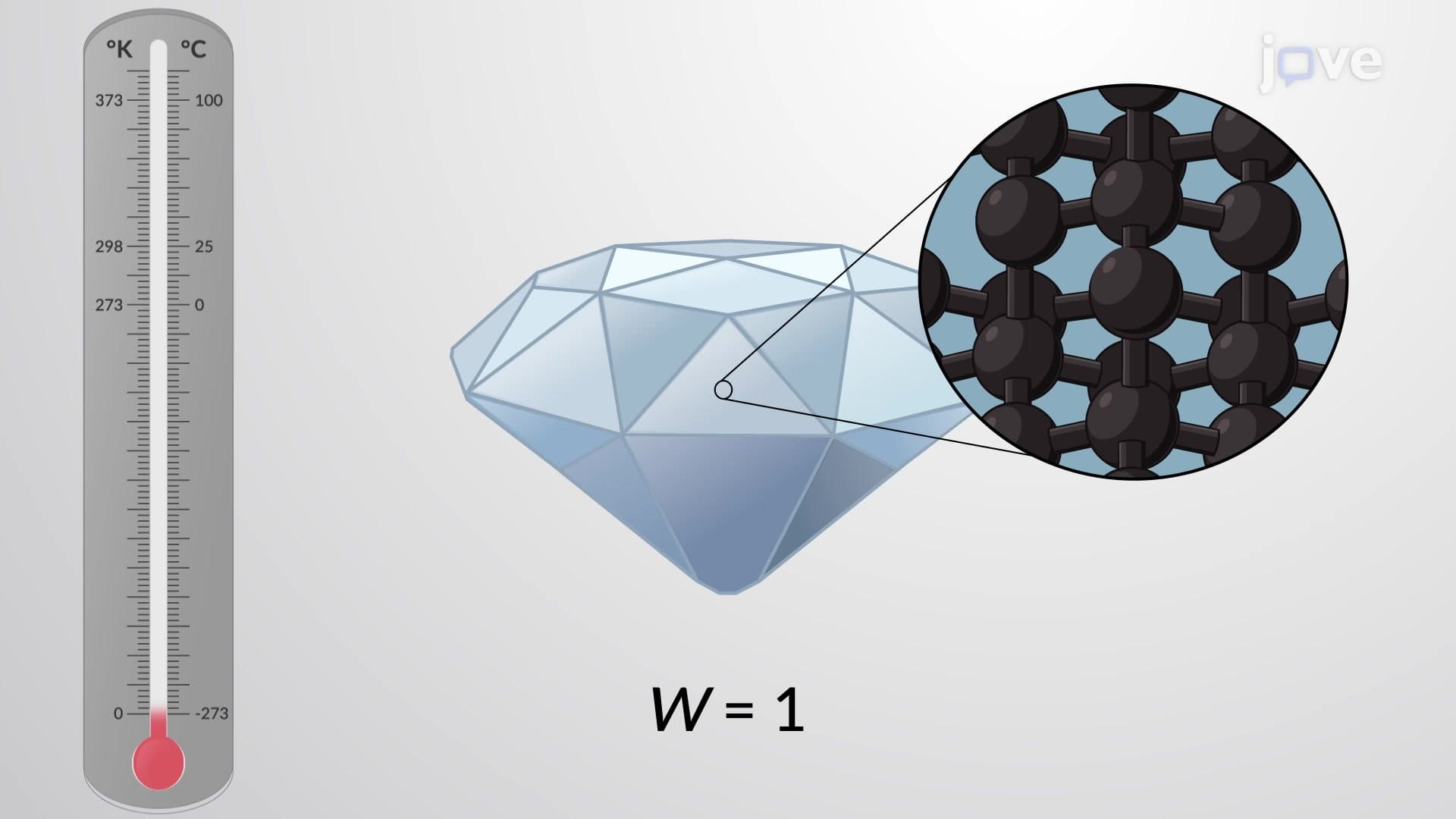
Did you know that at absolute zero temperature, even the diamond in an engagement ring would have perfectly ordered atoms with zero entropy? The third law of thermodynamics defines this fundamental boundary where molecular motion ceases entirely. This principle explains why liquid nitrogen used in food preservation at restaurants like The Cheesecake Factory creates dramatic fog effects-the extreme cold approaches conditions where entropy approaches zero. What is third law of thermodynamics becomes crucial for understanding how energy and disorder relate at the molecular level. Watch the full video on JoVE Coach to master this concept with expert-led visuals and step-by-step explanations.
The third law of thermodynamics establishes a fundamental principle that governs molecular behavior at the extreme limit of temperature. Unlike the first two laws that deal with energy conservation and spontaneous processes, this law defines an absolute reference point for measuring entropy. At absolute zero (-273.15°C or 0 Kelvin), a perfect crystal reaches its minimum possible entropy state-exactly zero.
This concept becomes essential for students taking AP Chemistry or preparing for the MCAT, where understanding entropy calculations forms the foundation for more complex thermodynamic problems. The law explains why achieving absolute zero temperature remains impossible in practice, as it would require removing all kinetic energy from atoms.
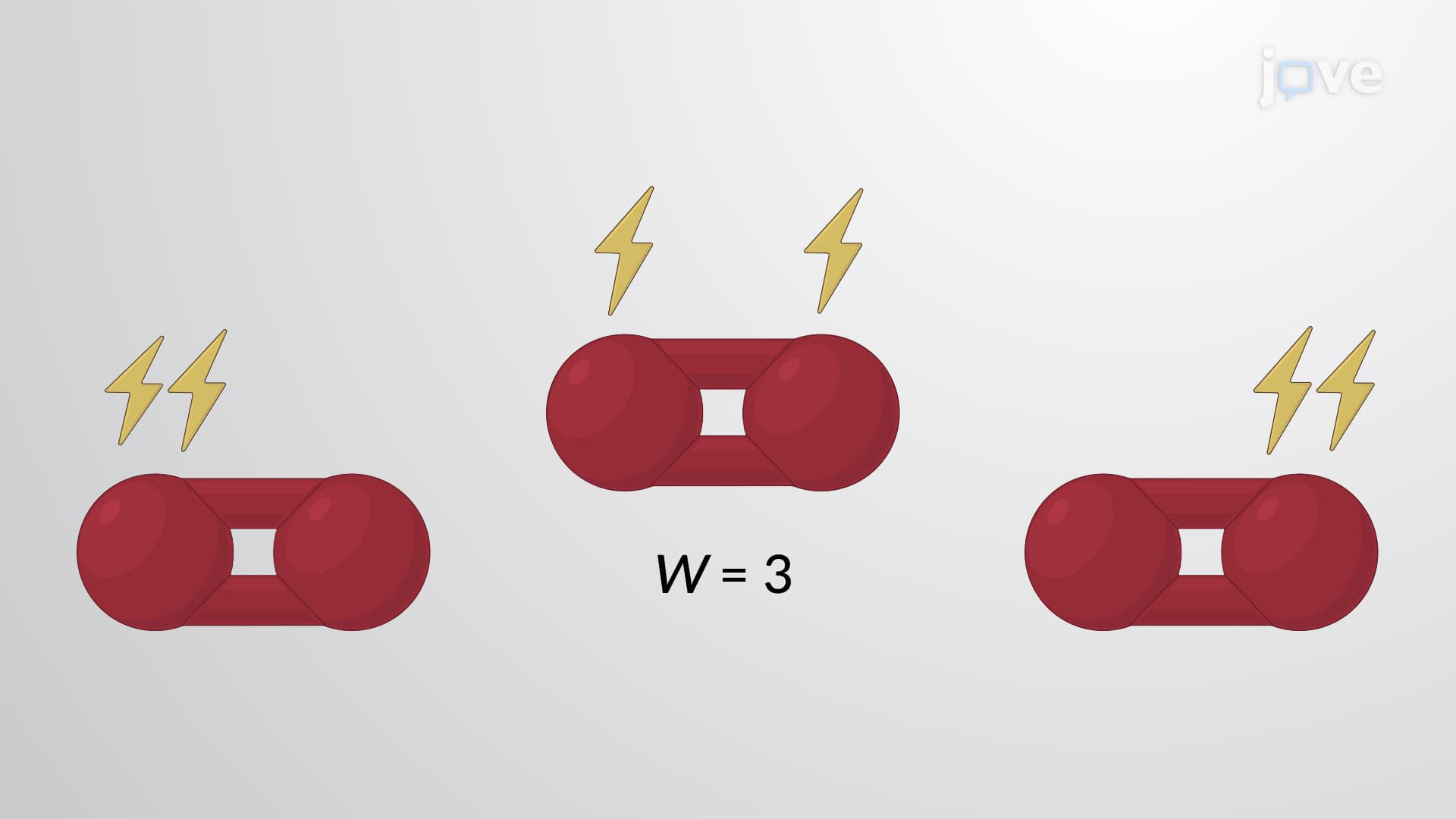
Temperature directly correlates with molecular kinetic energy, which manifests as translational, rotational, and vibrational motion. As temperature increases, molecules gain more ways to distribute their energy-creating more possible microstates. Think of microstates as different arrangements of molecular energy, similar to how students can arrange themselves in different seats in a classroom.
When applying Boltzmann's equation (S = k ln W), where S represents entropy, k is Boltzmann's constant, and W equals the number of microstates, the mathematics becomes clear. At absolute zero, W = 1 (only one possible arrangement), making ln(1) = 0, thus S = 0. This mathematical relationship appears frequently in physical chemistry courses and standardized exams.
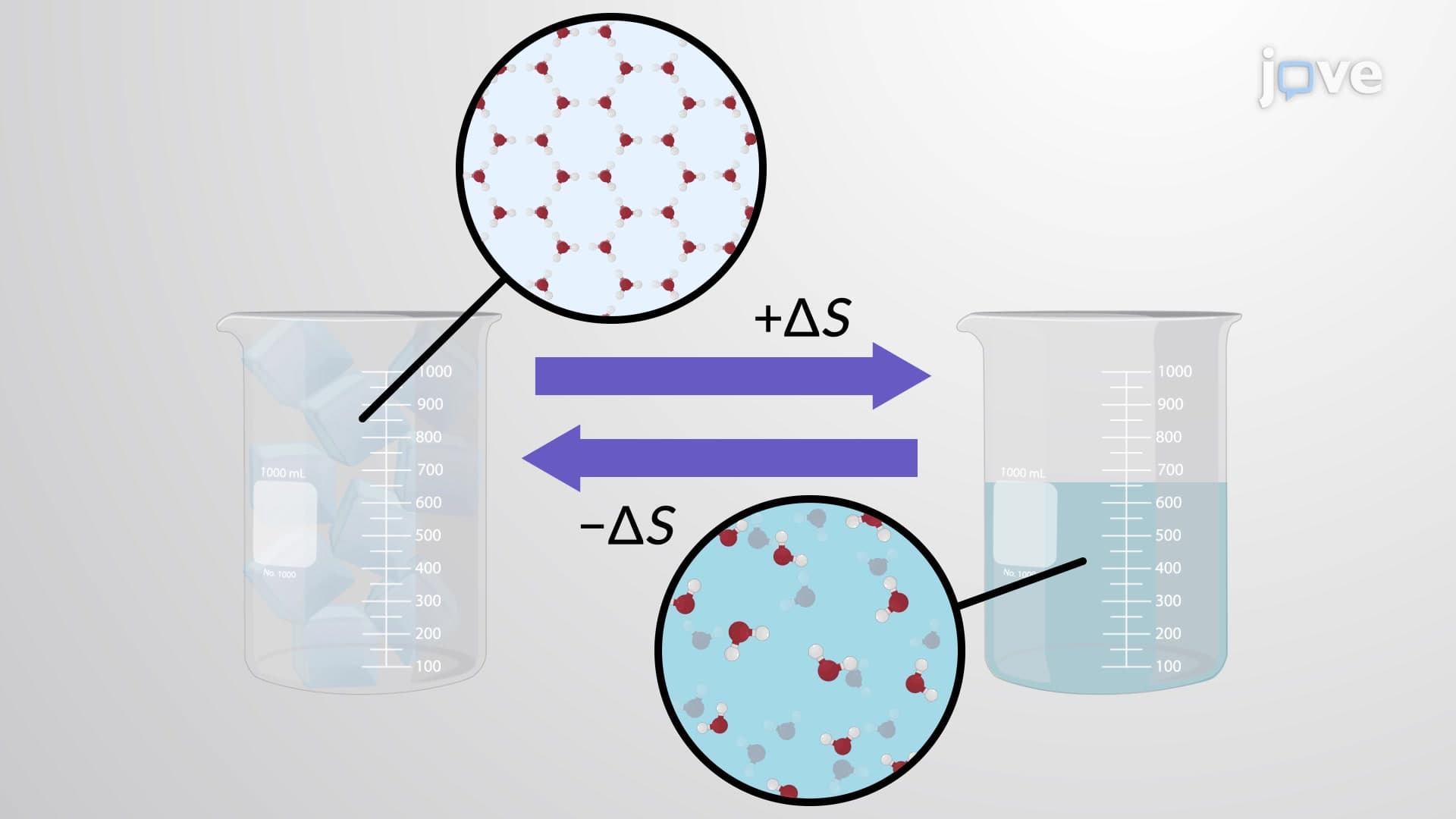
The third law of thermodynamics helps explain why entropy increases dramatically during phase transitions. Consider water's behavior: ice crystals have relatively fixed molecular positions, liquid water molecules move more freely, and water vapor exhibits maximum molecular freedom. Each phase transition represents an exponential increase in possible microstates.
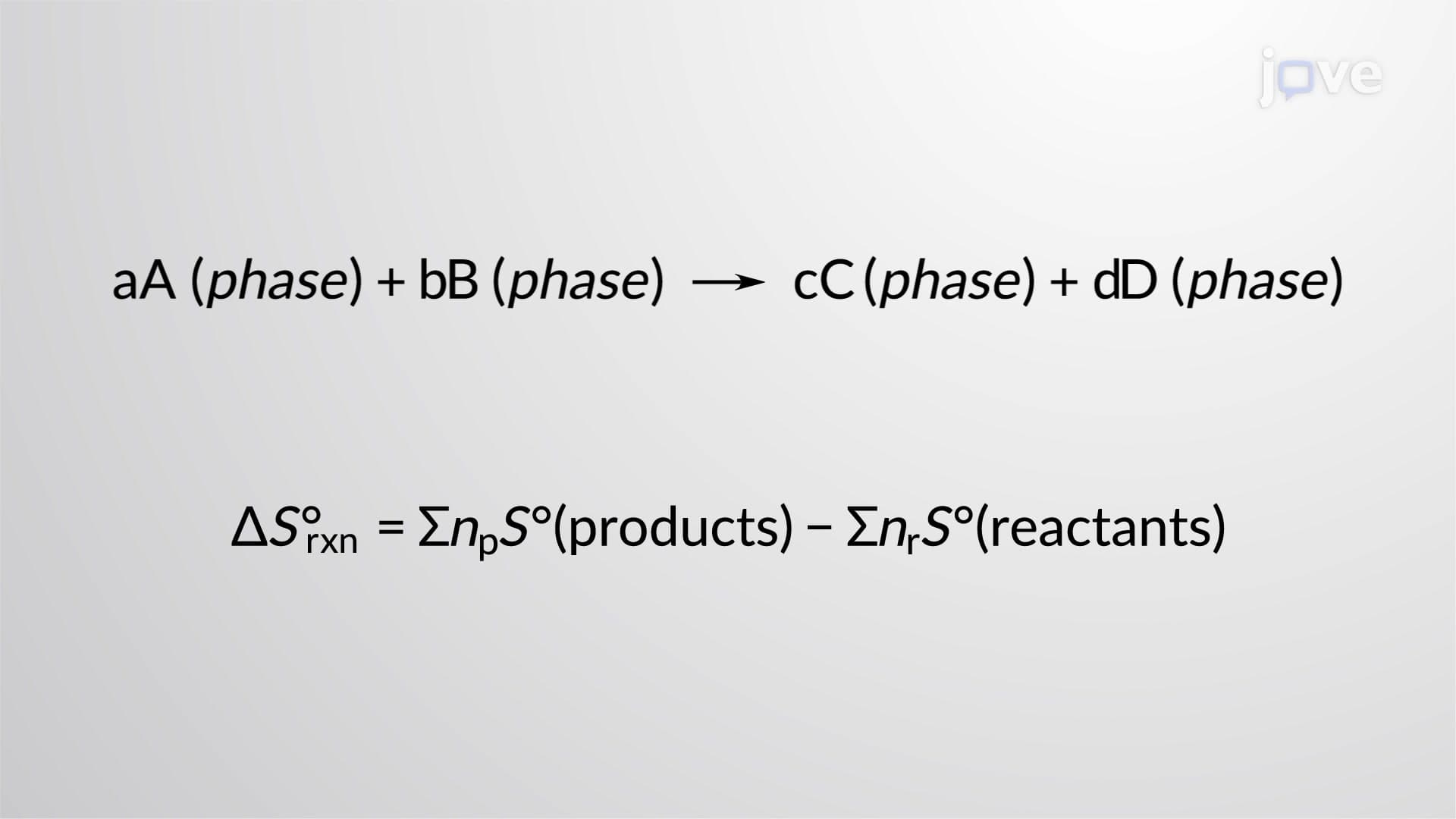
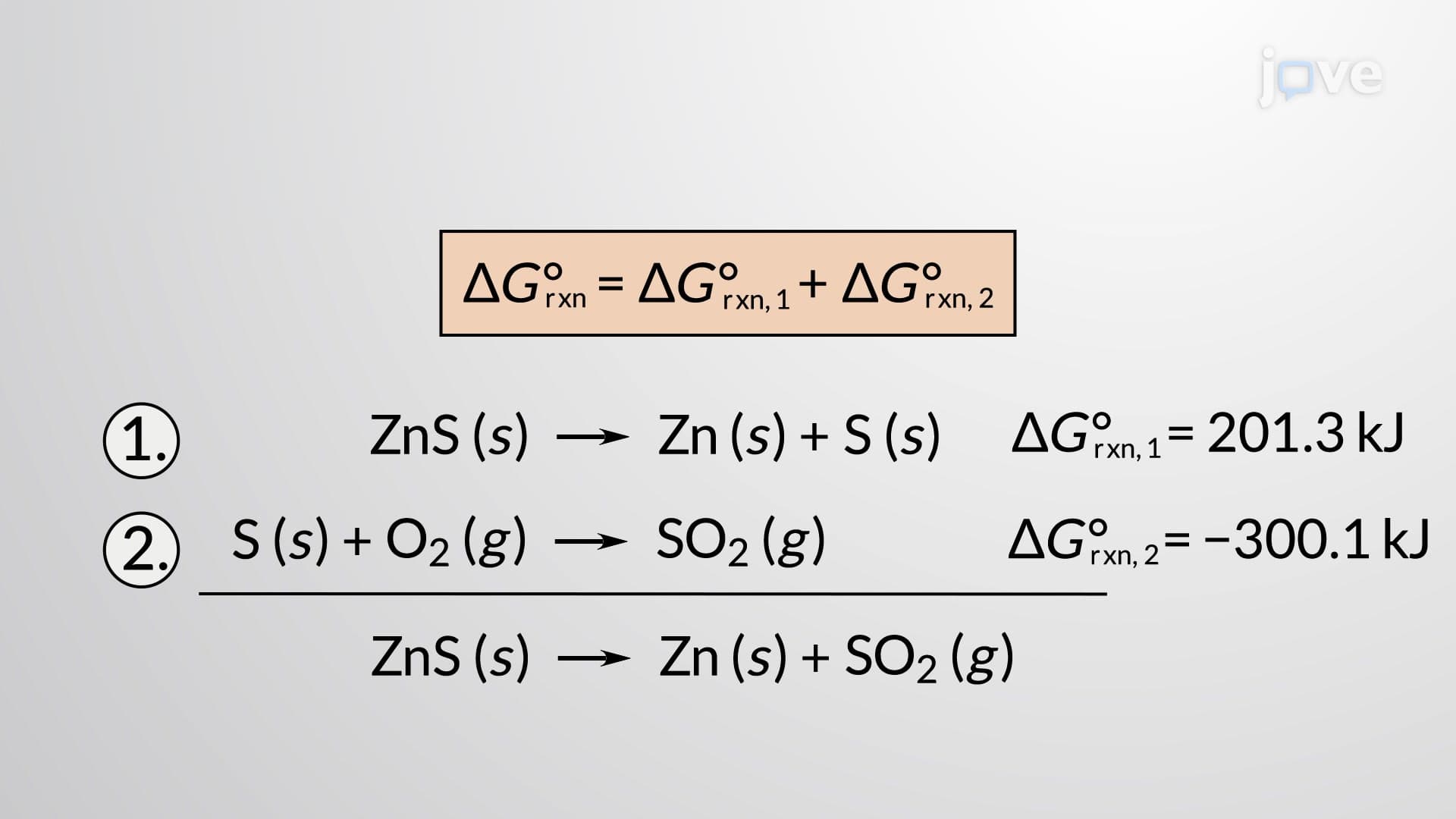
For college students studying thermodynamics, understanding these relationships proves crucial for predicting spontaneous reactions and calculating Gibbs free energy changes. Standard molar entropy values, measured in J/mol·K, provide reference data for these calculations.
Carbon allotropes demonstrate the third law of thermodynamics principles perfectly. Diamond's rigid tetrahedral crystal structure restricts atomic movement, resulting in lower entropy compared to graphite's layered structure where carbon atoms can slide past each other. This difference explains why graphite conducts electricity while diamond acts as an insulator-the molecular mobility directly impacts material properties.
These concepts appear regularly in materials science courses and engineering programs, where understanding entropy helps predict material behavior under different temperature conditions.
Related Micro-courses