Loading…
Loading video…

1,932 views
Did you know that manipulation and analysis of spatial data helped NASA track Hurricane Katrina's path in 2005, potentially saving thousands of lives? The manipulation and analysis definition encompasses the core processes within Geographic Information Systems, where specialized software transforms raw geographic data into actionable insights. From the U.S. Geological Survey's earthquake monitoring to urban planning in cities like San Francisco, understanding what is manipulation and analysis in detail reveals how GIS Software Hardware And Sources Explained forms the backbone of modern spatial decision-making. Watch the full video on JoVE Coach to master this concept with expert-led visuals and step-by-step explanations.
The manipulation and analysis of spatial data represents one of the most powerful applications of modern computing technology. At its core, the manipulation and analysis definition encompasses the systematic processing of geographic information to extract meaningful patterns, relationships, and insights. This process relies on sophisticated Geographic Information Systems that integrate hardware, software, and data sources into cohesive analytical frameworks.
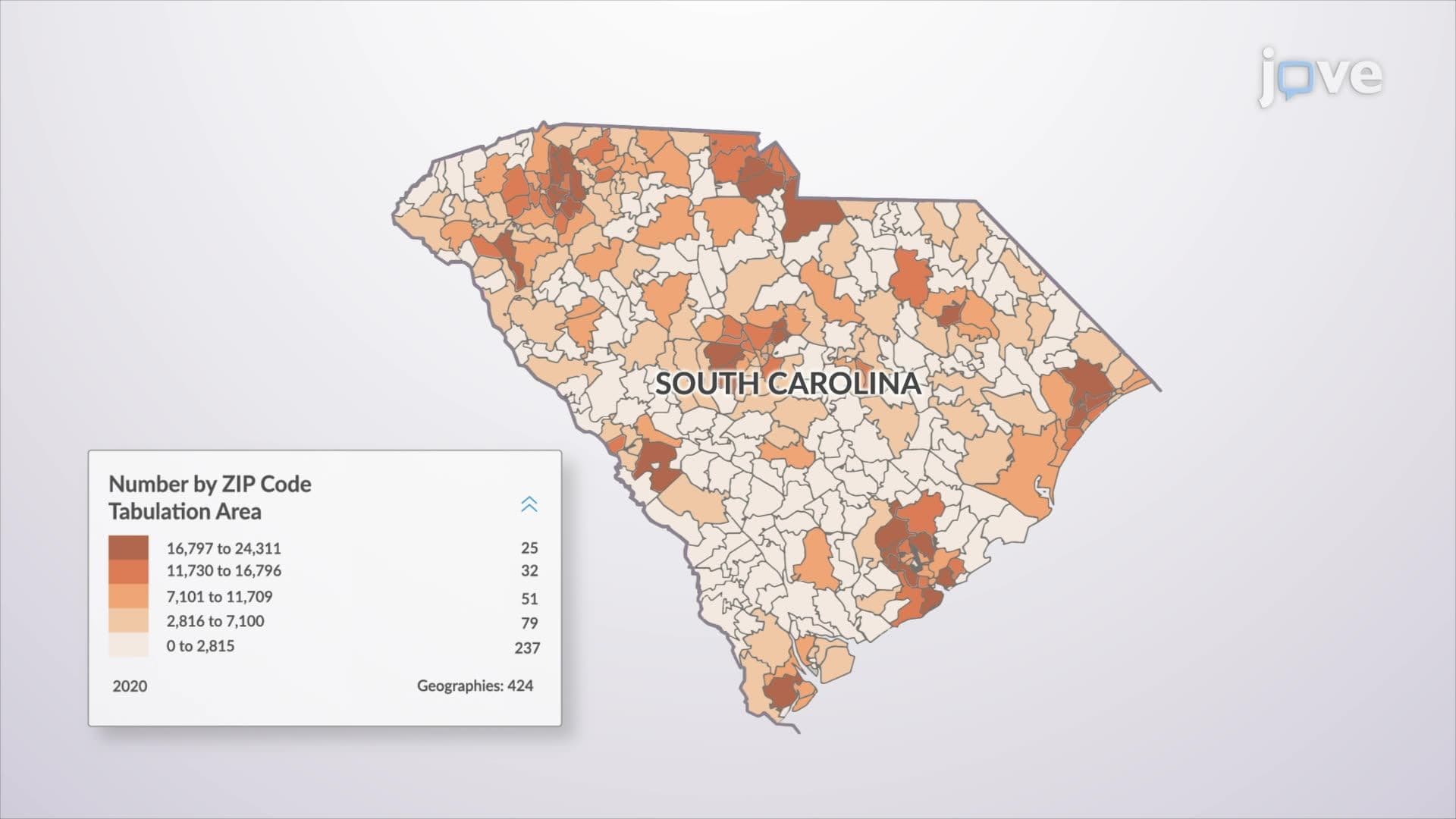
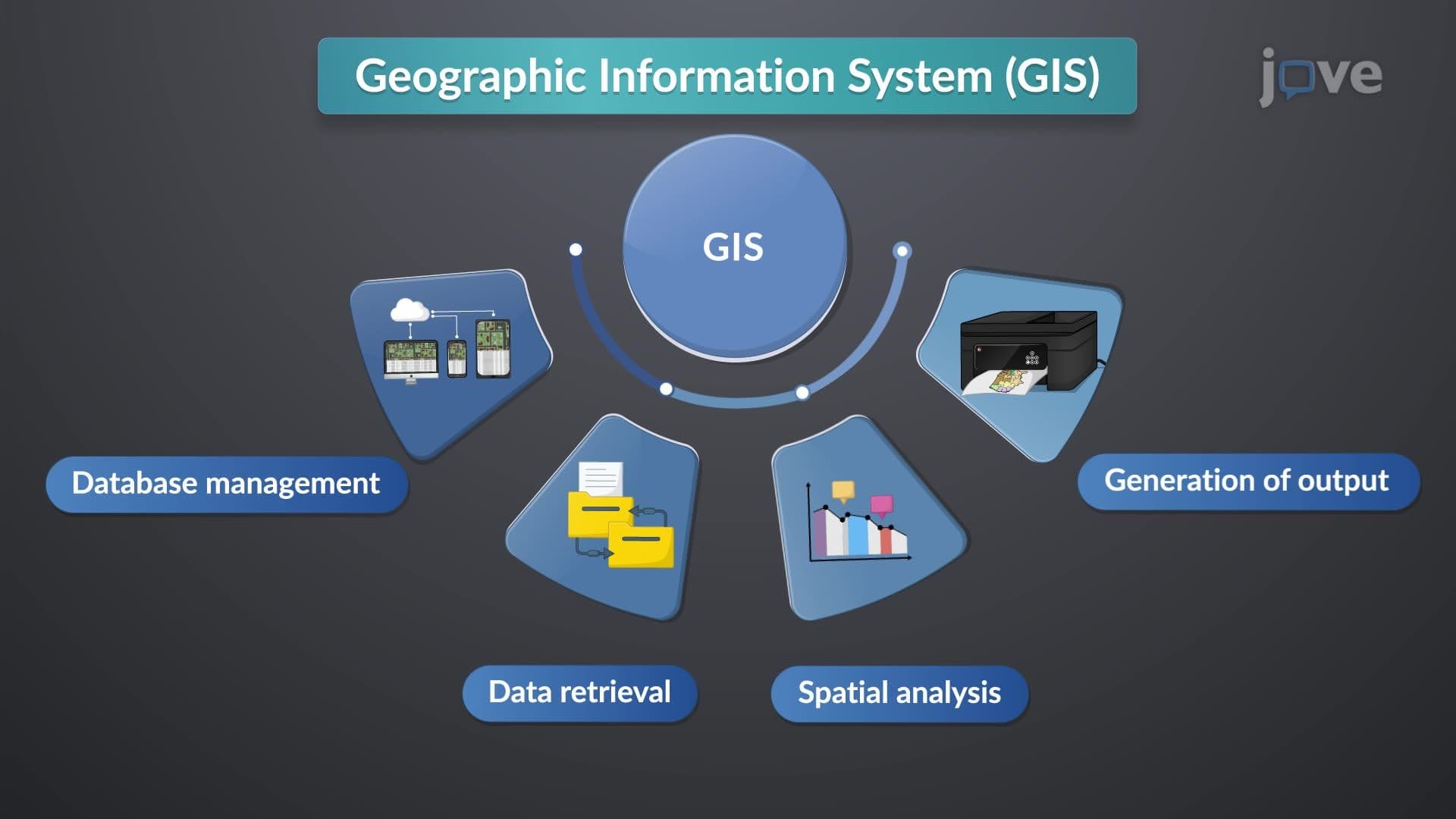
When exploring what is manipulation and analysis in detail, we must examine the four fundamental functions that define GIS operations. Database management forms the foundation, organizing vast datasets from sources like the U.S. Census Bureau's demographic information or the National Weather Service's meteorological records. Data retrieval mechanisms allow users to access specific information subsets, while spatial analysis functions perform complex calculations to identify patterns, measure distances, and model geographic phenomena.
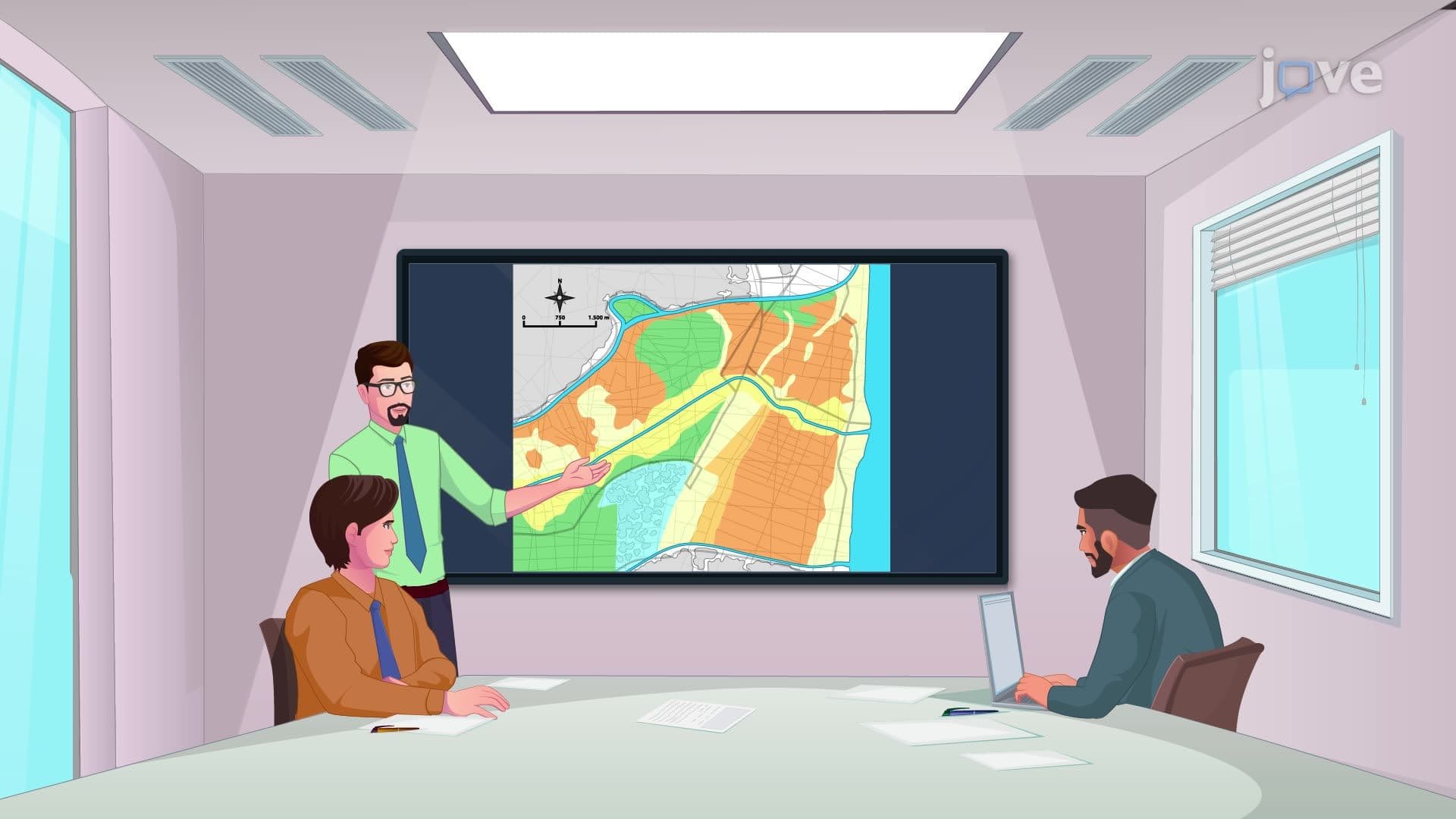
The manipulation and analysis overview reveals how these systems transform raw data into decision-making tools. For instance, the Federal Emergency Management Agency (FEMA) uses GIS manipulation and analysis to assess flood risks across American communities, combining topographic data from USGS with historical weather patterns from NOAA. This integration demonstrates the manipulation and analysis basics in action, where multiple data layers merge to create comprehensive risk assessments.
The manipulation and analysis concept extends beyond software to encompass specialized hardware components. Modern GIS systems rely on high-performance computers capable of processing massive datasets, while digitizers and scanners convert traditional paper maps into digital formats. GPS-integrated handheld devices enable real-time field data collection, essential for projects like the U.S. Forest Service's wildfire monitoring programs.
Output hardware plays an equally critical role in the manipulation and analysis study guide framework. Large-format plotters produce detailed maps for agencies like the Bureau of Land Management, while high-resolution printers create reports for environmental impact assessments required by the Environmental Protection Agency.
Understanding manipulation and analysis requires recognizing the diverse origins of spatial data. Government agencies provide foundational datasets: USGS supplies topographic maps and geological surveys, while NOAA contributes weather patterns and oceanographic information. The U.S. Department of Agriculture's National Agricultural Statistics Service offers crop yield data essential for farming applications.
When existing data proves insufficient, field collection becomes necessary. Surveying teams use total stations and GPS equipment to establish precise control points, particularly important for infrastructure projects like the Interstate Highway System expansions. Satellite imagery and orthophotos from commercial providers enhance these datasets, ensuring accuracy standards required for applications ranging from AP Environmental Science coursework to professional civil engineering examinations.
This comprehensive approach to spatial data manipulation and analysis prepares students for advanced study in geography, environmental science, and urban planning programs at institutions like UC Berkeley's Department of Geography or MIT's Department of Urban Studies and Planning.
Frequently Asked Questions
GIS Software Hardware And Sources Explained refers to the integrated system of technology components that enable spatial data processing. It encompasses specialized software for database management and spatial analysis, hardware like digitizers and GPS devices for data collection, and diverse data sources from agencies like USGS and NOAA. These elements work together to perform manipulation and analysis of geographic information, transforming raw spatial data into actionable insights for decision-making.
Manipulation and analysis concepts frequently appear in AP Environmental Science questions about geographic patterns, resource management, and environmental monitoring. Students encounter problems involving spatial data interpretation, such as analyzing deforestation patterns or tracking pollution sources. Understanding GIS fundamentals helps answer questions about data collection methods, spatial relationships, and evidence-based environmental decision-making that comprise approximately 15% of the AP Environmental Science exam content.
The MCAT includes data interpretation questions that require manipulation and analysis of spatial and temporal datasets, particularly in the Chemical and Physical Foundations section. Test-takers encounter problems involving geographic health data, environmental factors affecting disease patterns, and research methodology questions about data collection and analysis. These skills demonstrate scientific reasoning abilities essential for medical school success, especially in epidemiology and public health contexts.
The Centers for Disease Control and Prevention uses GIS manipulation and analysis to track disease outbreaks across American communities. During the COVID-19 pandemic, CDC epidemiologists processed spatial data from county health departments, hospital systems, and testing facilities to identify transmission patterns and allocate resources. This analysis combined demographic data from the U.S. Census with real-time health reporting to create interactive maps that guided public health policy decisions at federal, state, and local levels.
Manipulation and analysis concepts are highly accessible to high school students with basic algebra and computer skills. The fundamentals build upon familiar concepts like reading maps and interpreting graphs, skills developed in middle school social studies and science classes. Most students successfully grasp these concepts through hands-on activities using free GIS software like ArcGIS Online for Schools, which provides educational licenses to U.S. high schools and makes spatial analysis engaging through interactive projects.
Focus on connecting theoretical concepts to practical applications through case studies from U.S. agencies and organizations. Practice interpreting different data types including satellite imagery, demographic maps, and environmental monitoring datasets. Create concept maps linking hardware components to their functions, and work through sample problems involving spatial calculations and data integration. Regular practice with GIS software, even basic web-based tools, reinforces understanding of manipulation and analysis principles essential for exams.
Advanced students should explore remote sensing principles, spatial statistics, and programming languages like Python for automated GIS workflows. Consider studying cartographic design principles, database management systems, and web-based GIS applications. These topics prepare students for college coursework in geography, environmental science, or urban planning programs, and provide foundation knowledge for careers in fields like environmental consulting, urban planning, or geospatial intelligence analysis.
College geography programs extensively use manipulation and analysis concepts in courses like Introduction to GIS, Spatial Analysis, and Quantitative Geography. Students apply these skills to research projects involving urban growth patterns, climate change impacts, and demographic transitions. Understanding these fundamentals prepares students for advanced coursework in geographic information science programs at universities like Penn State, UC Santa Barbara, or the University of Washington, which offer leading GIS degree programs.
Related Micro-courses
Related Subjects
 Electrical Engineering 33 micro-courses›Mechanical Engineering 28 micro-courses›