Loading…
Loading video…

1,932 views
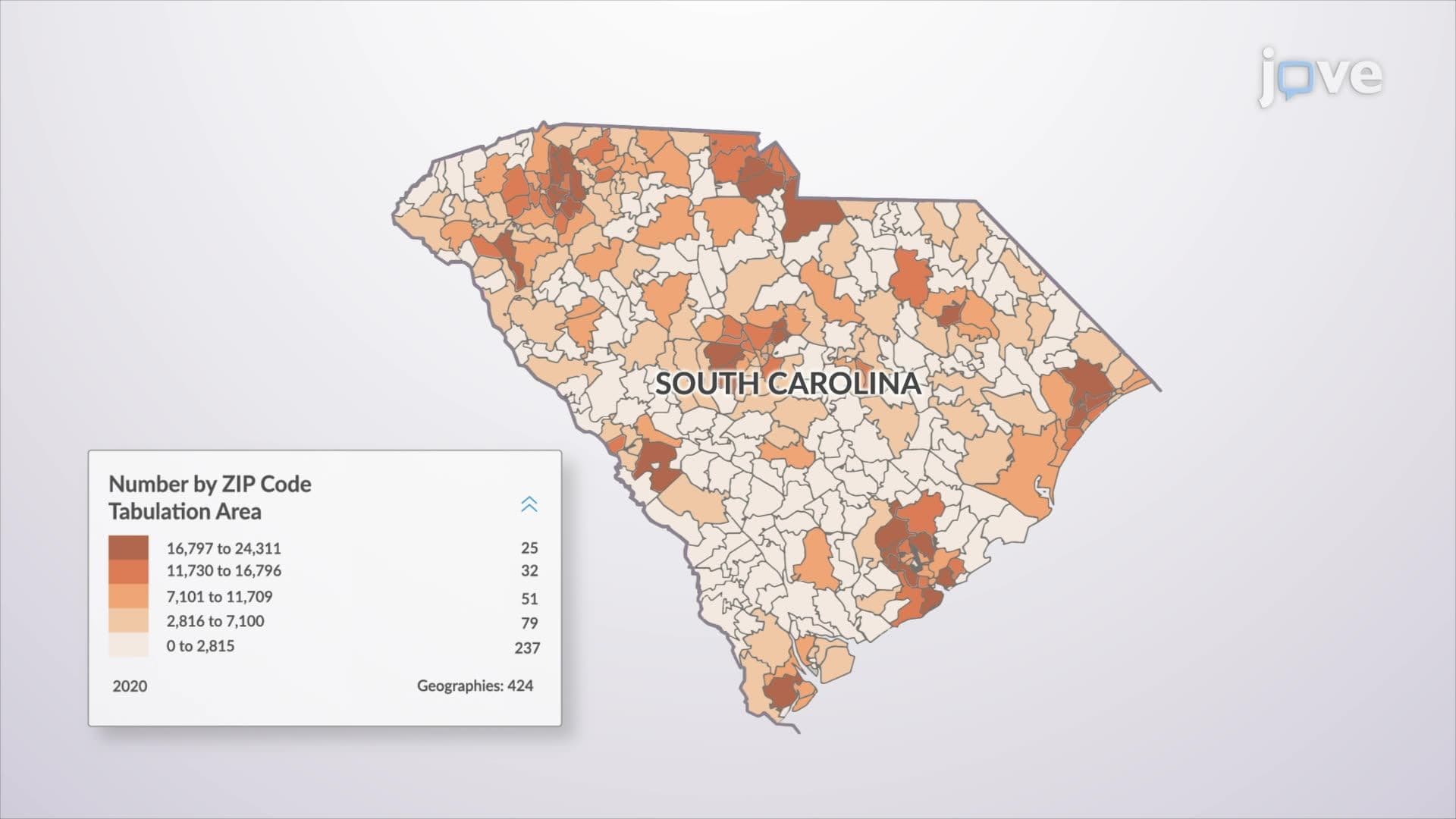
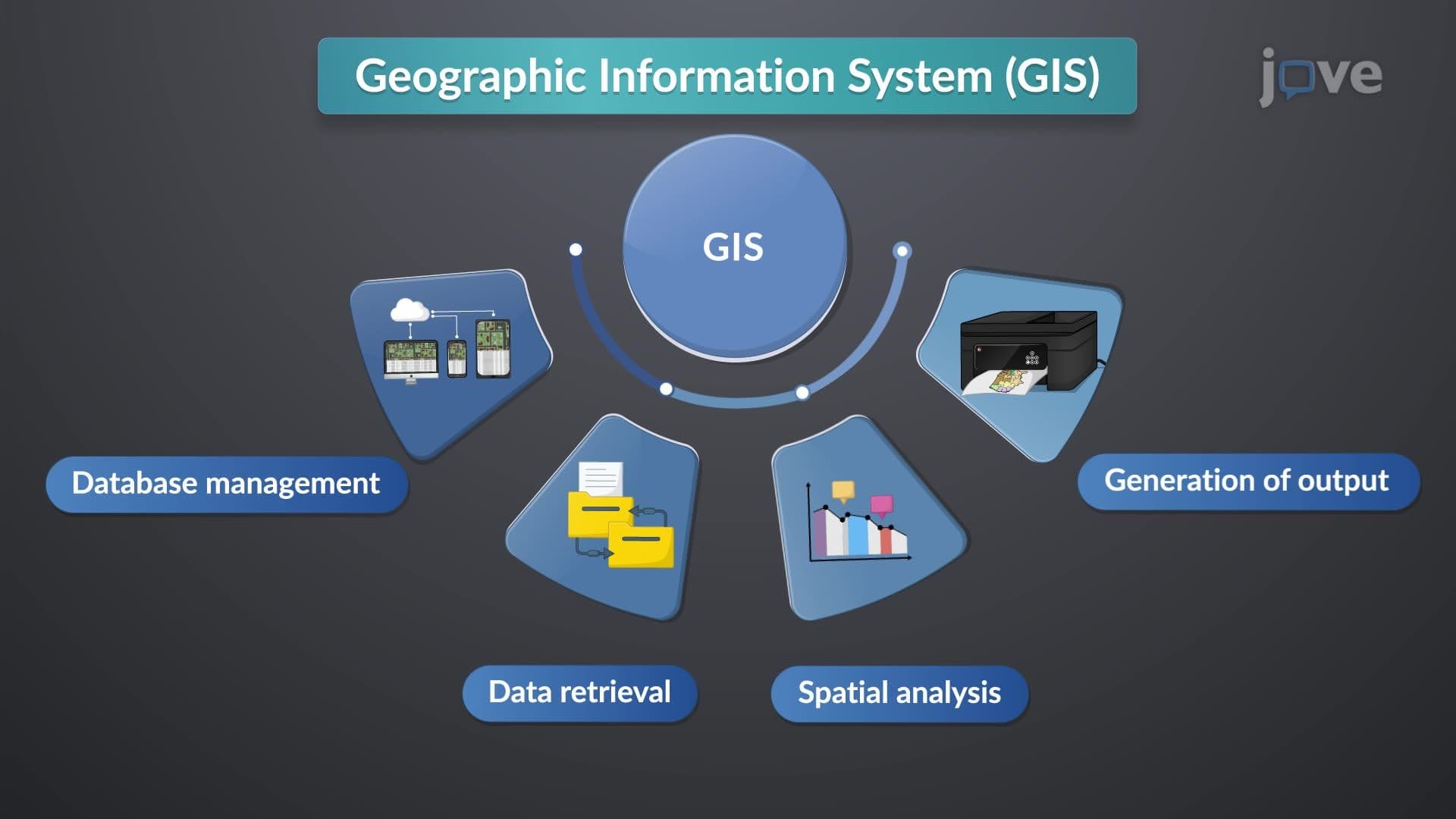
Ever wondered how emergency services instantly locate your exact position during a 911 call? GIS software hardware and sources make this life-saving technology possible by combining spatial coordinates with descriptive information about locations. The US Census Bureau uses this Selected Data About Geographic Locations Guide approach to map everything from population density to voting districts across all 50 states. Watch the full video on JoVE Coach to master this concept with expert-led visuals and step-by-step explanations.
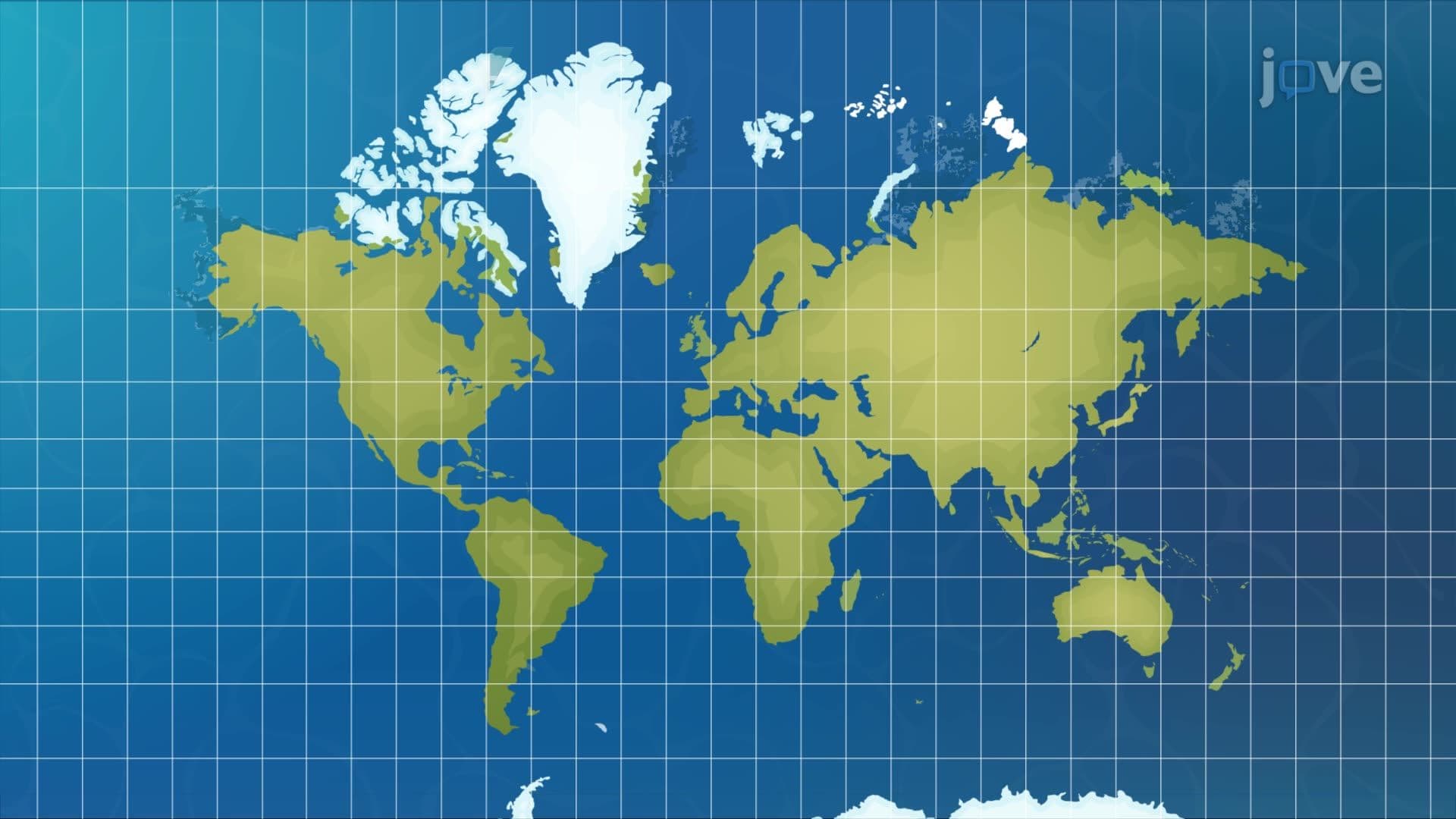
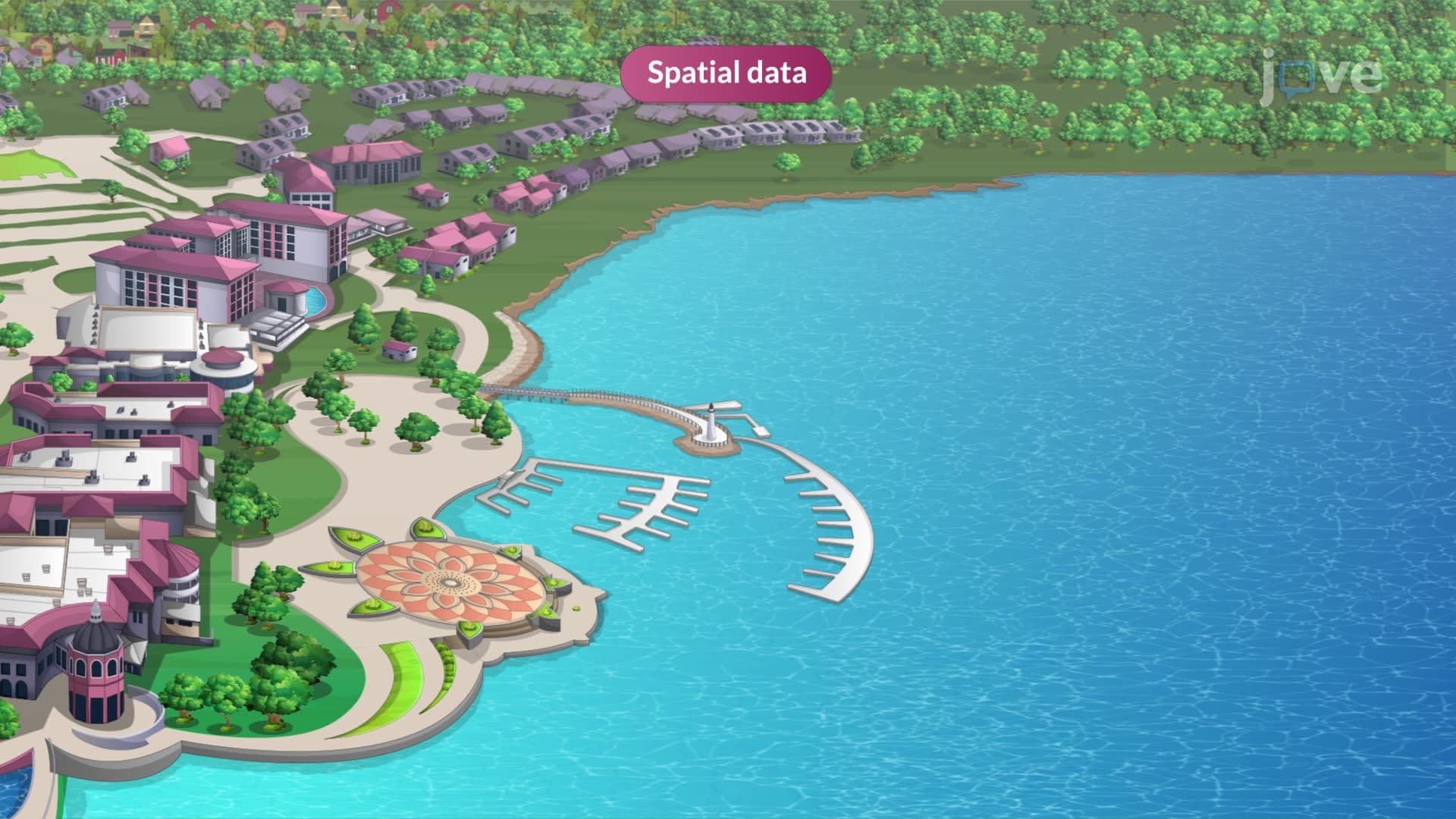
Geographic Information Systems represent a revolutionary approach to understanding our world through data. The Selected Data About Geographic Locations Guide concept centers on two fundamental data types that work in harmony. Spatial data provides the "where" – precise coordinate information that pinpoints locations on Earth's surface using systems like the Universal Transverse Mercator (UTM) or standard latitude/longitude coordinates. Attribute data supplies the "what" – descriptive characteristics that give meaning to those locations.
Spatial data forms the geometric backbone of any GIS analysis. When the Federal Emergency Management Agency (FEMA) maps flood zones across Louisiana, they rely on precise coordinate systems to define boundaries. These coordinates typically use decimal degrees (like 29.9511° N, 90.0715° W for New Orleans) or state plane coordinates for local accuracy. Students preparing for AP Human Geography or college-level GIS courses should understand that spatial accuracy directly impacts analytical results – a principle tested frequently on standardized exams.
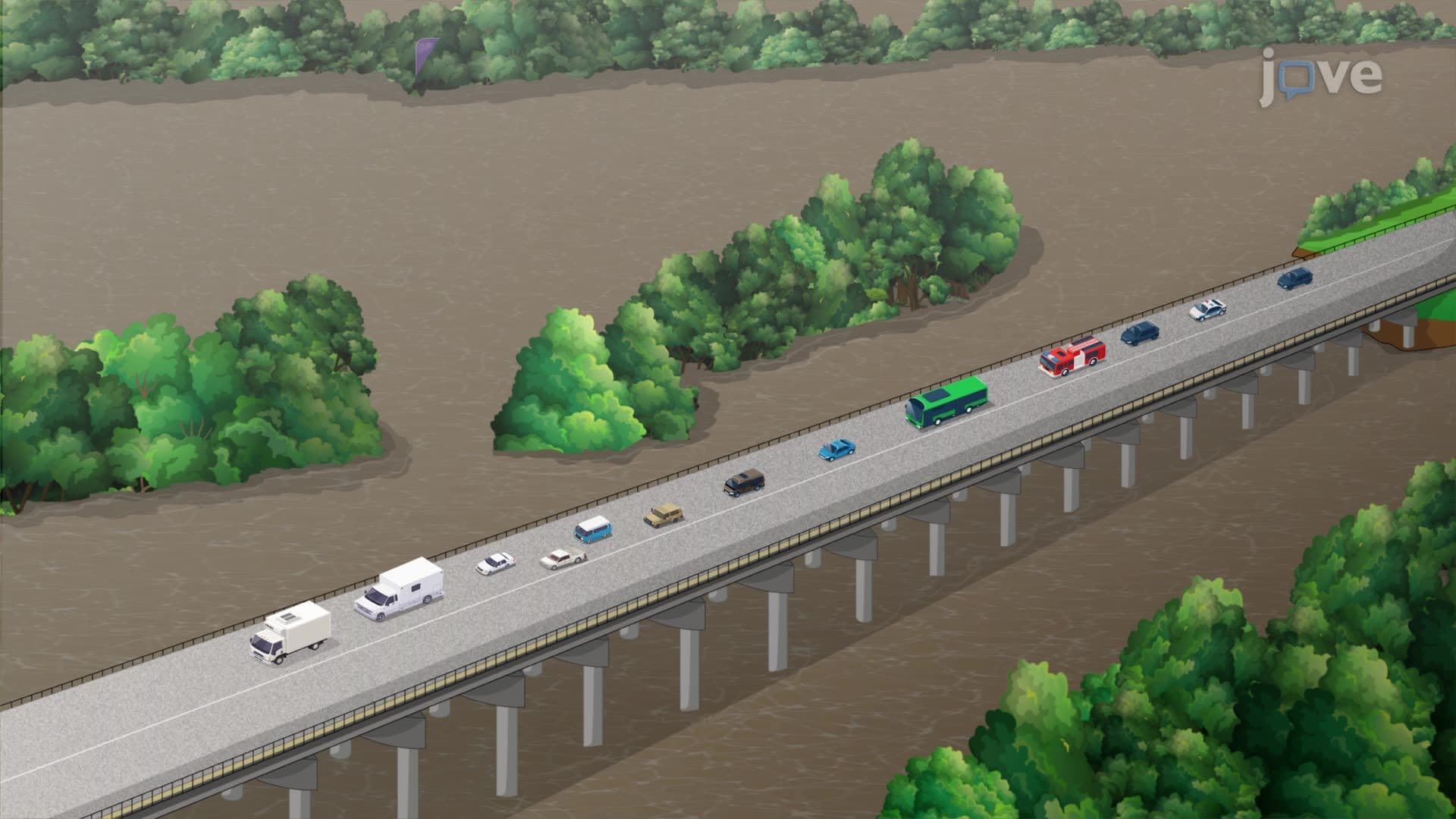
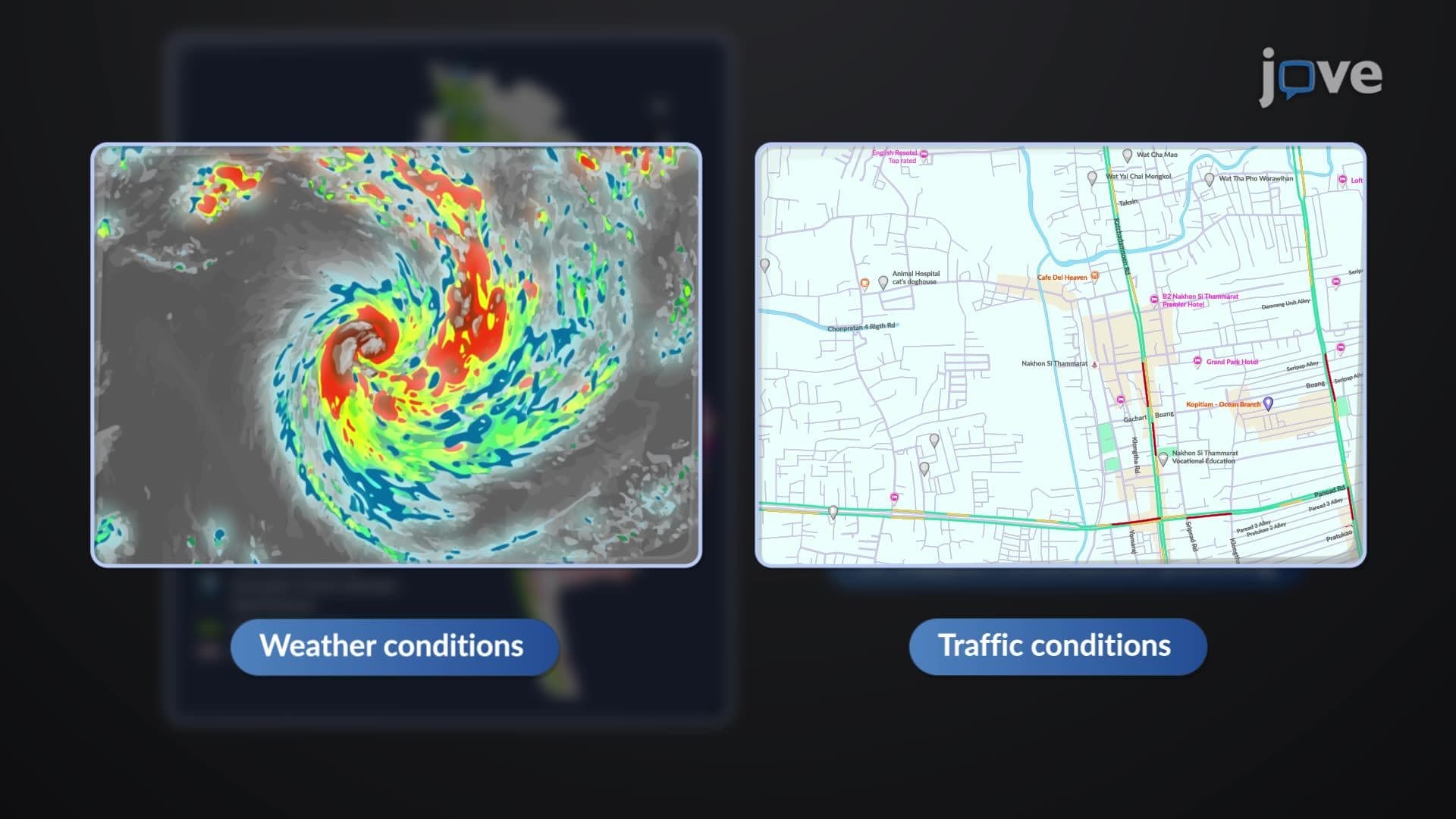
Attribute data transforms simple coordinates into actionable intelligence. The US Department of Transportation maintains massive databases linking highway coordinates to traffic volume, accident rates, construction status, and maintenance schedules. For a single interstate segment, attribute data might include speed limits, surface materials, construction dates, and average daily traffic counts. This information enables evidence-based decision-making for infrastructure investments and safety improvements.
The raster model divides geographic space into uniform grid cells, similar to pixels in a digital photograph. NASA's Landsat satellite imagery uses raster data to monitor deforestation in national forests, with each 30-meter cell containing spectral information about ground cover. The National Weather Service employs raster models for precipitation forecasting, creating detailed maps where each cell represents rainfall intensity.
Vector models use mathematical geometry – points, lines, and polygons – to represent features precisely. The US Geological Survey's topographic maps utilize vector data to show exact boundaries of lakes (polygons), river networks (lines), and mountain peaks (points). Vector models excel at representing discrete features with sharp boundaries, making them ideal for legal property boundaries and infrastructure planning.
Students tackling SAT Subject Tests or college midterms should remember that model selection depends on the analytical purpose: raster for continuous phenomena like temperature or elevation, vector for discrete features like buildings or political boundaries.
Frequently Asked Questions
The Selected Data About Geographic Locations Guide refers to the systematic approach of combining spatial coordinates with descriptive attribute information to create comprehensive geographic databases. It works by linking precise location data (like GPS coordinates) with relevant characteristics (population, land use, ownership) to enable complex spatial analysis and decision-making.
AP Human Geography frequently tests spatial data concepts through map analysis questions and free-response essays about urban planning or demographic patterns. Students must demonstrate understanding of how coordinate systems, scale, and attribute data influence geographic analysis. Practice identifying raster versus vector applications and explaining how GIS supports evidence-based geographic conclusions.
College exams typically cover coordinate system transformations, spatial data quality assessment, and model selection criteria. Students should master the differences between projected and geographic coordinate systems, understand resolution limitations in raster data, and explain topology rules in vector datasets. Many professors include hands-on GIS software exercises testing these concepts.
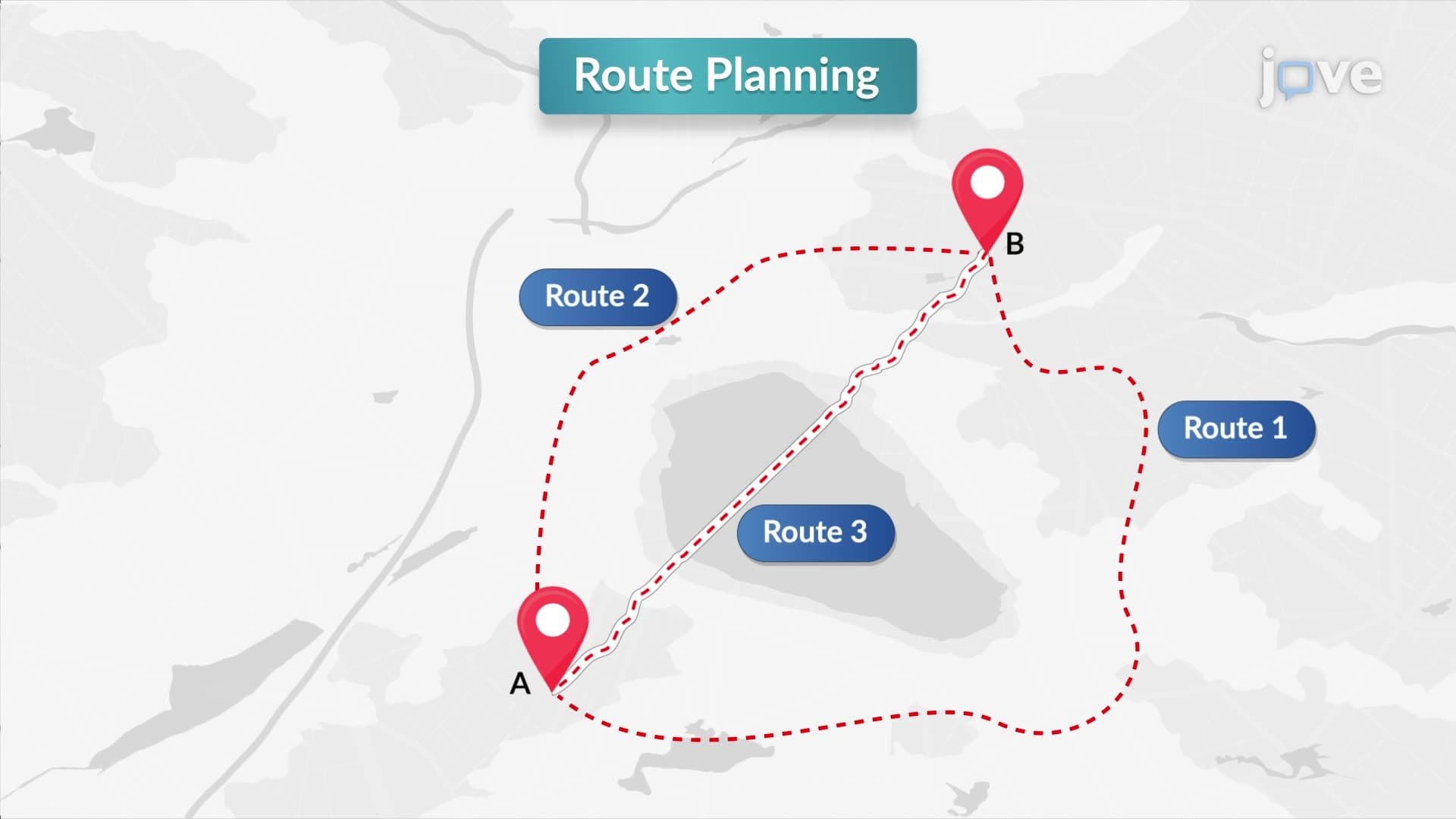
When you call 911, Enhanced 911 (E911) systems instantly access GIS databases linking your phone's coordinates to street addresses, nearby hospitals, and emergency service boundaries. Dispatchers use this integrated spatial and attribute data to route the closest available ambulance, fire truck, or police unit while providing responders with building layouts and hazard information.
Not at all – GIS concepts build naturally on familiar mapping skills you already use with smartphone navigation apps. The key is understanding that digital maps combine location coordinates with descriptive information, just like Google Maps shows restaurant locations (spatial) plus ratings and hours (attributes). Start with basic coordinate concepts and gradually explore more complex applications.
Create visual comparison charts showing raster versus vector examples, practice converting between coordinate systems, and work through real-world scenarios like urban planning or environmental monitoring. Use free online GIS tools like ArcGIS Online to explore actual datasets from US government agencies, reinforcing theoretical concepts with hands-on experience.
Advanced students should investigate spatial analysis techniques like buffer operations, overlay analysis, and network modeling. Explore specialized applications in fields like epidemiology (disease mapping), criminology (hot spot analysis), or environmental science (habitat modeling). Consider pursuing GIS certification programs or undergraduate research opportunities with local government agencies.
Related Micro-courses
Related Subjects
 Electrical Engineering 33 micro-courses›Mechanical Engineering 28 micro-courses›