Loading subject page…


2,457 views

Video Summary: What Is Distance Measurements by Taping
Ever wonder how engineers precisely measure distances when building America's interstate highways or designing new subdivisions? Taping over different ground profiles requires specialized techniques and equipment to ensure accuracy across varied terrain. From the Golden Gate Bridge construction to modern residential developments, surveyors rely on steel tapes, range poles, and leveling instruments to measure distances with millimeter precision. Understanding what distance measurements by taping entails is fundamental for anyone pursuing civil engineering or surveying careers. Watch the full video on JoVE Coach to master this concept with expert-led visuals and step-by-step explanations.
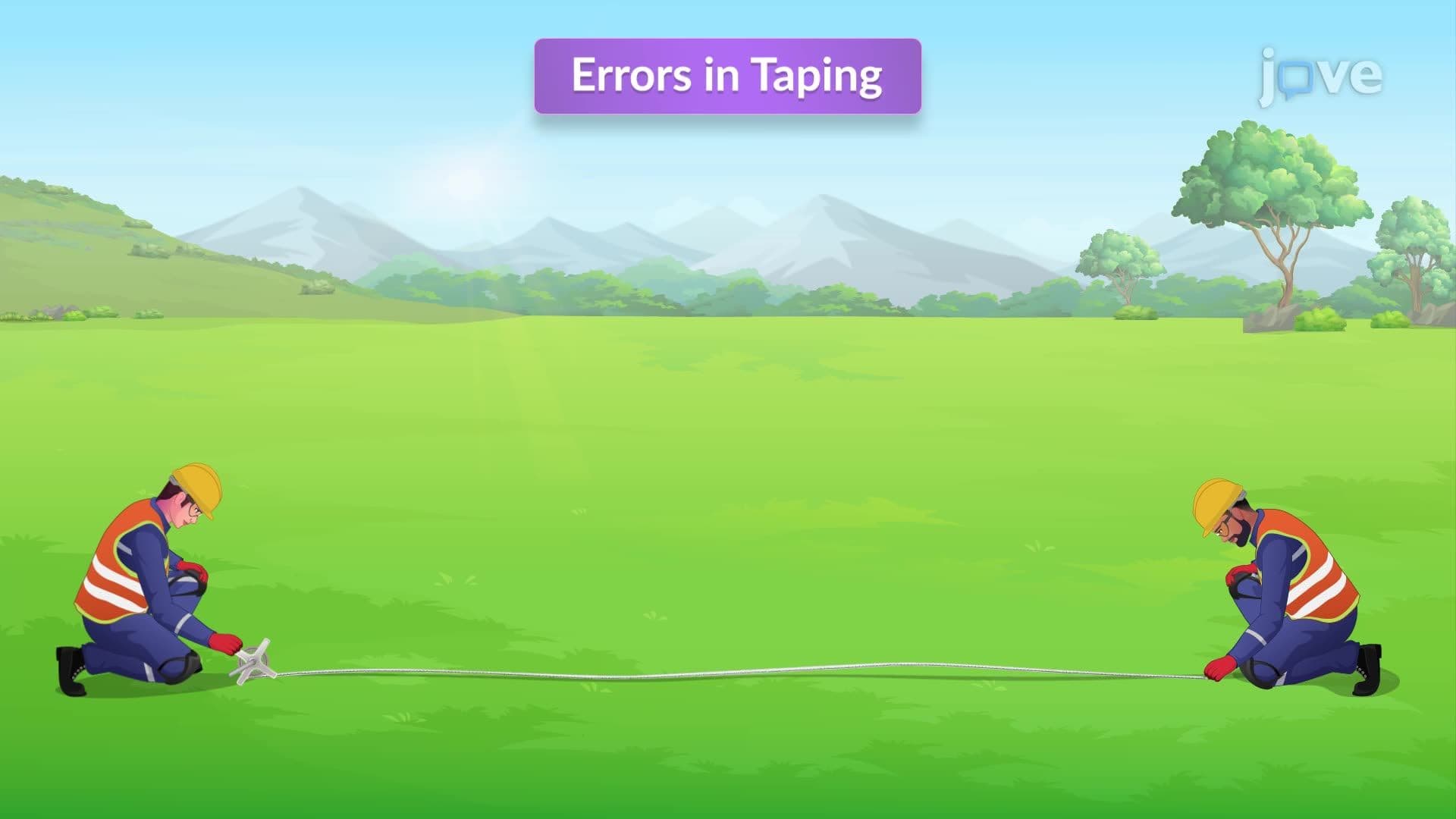
Distance measurements by taping represents one of the most fundamental and widely-used techniques in surveying and civil engineering. This method involves using calibrated tapes to measure horizontal distances between points with high precision. Unlike electronic distance measurement devices, taping provides direct physical contact with the terrain, making it invaluable for construction layout, property boundary surveys, and topographic mapping projects across the United States.
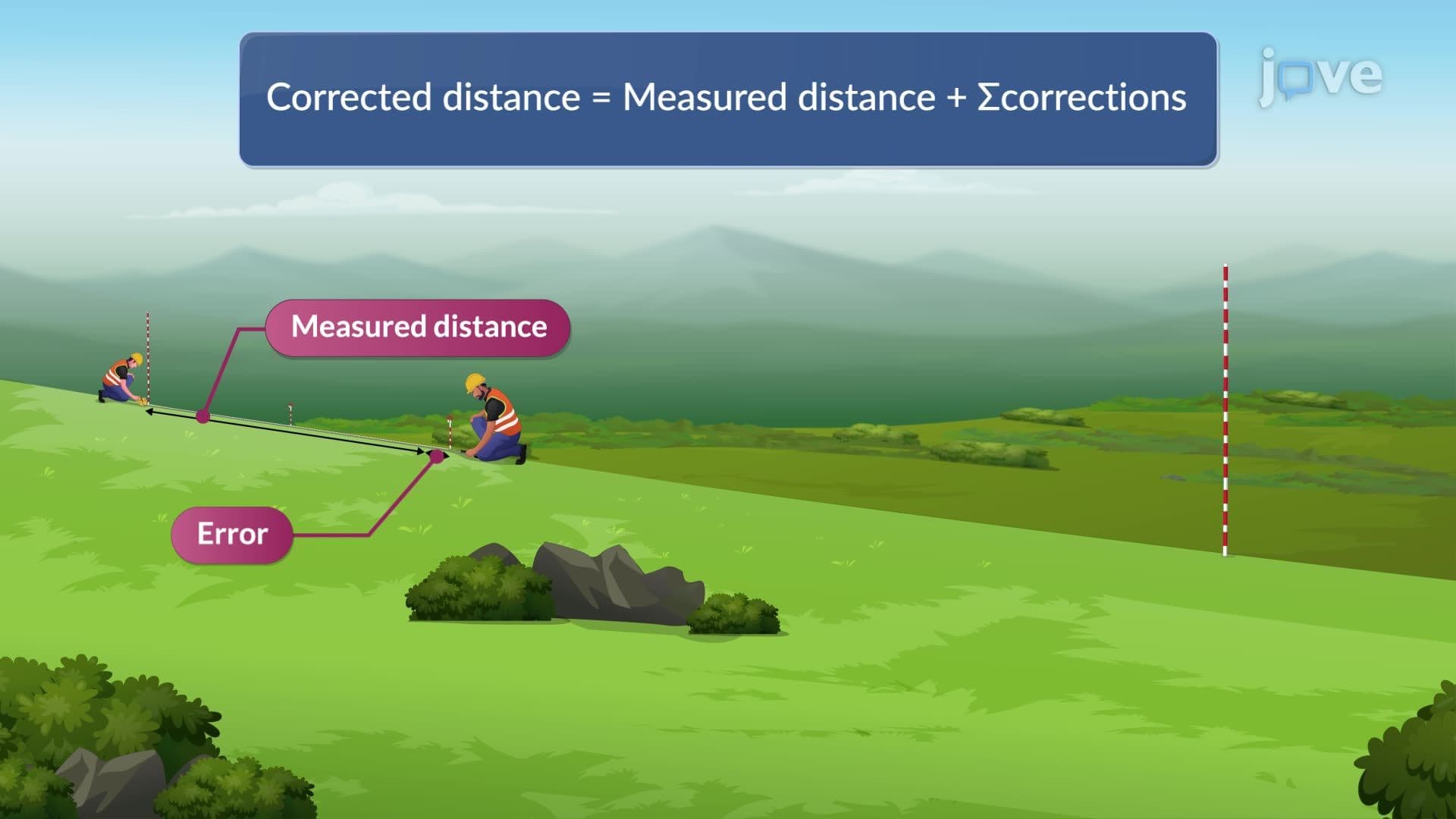
The technique becomes particularly challenging when working over different ground profiles, requiring surveyors to maintain accuracy despite elevation changes, obstacles, and varying terrain conditions. Professional surveyors working on projects like the Interstate Highway System or residential subdivisions must master these skills to ensure legal compliance and construction safety.
Steel tapes form the backbone of precision surveying operations. Standard 100-foot steel tapes, marked in feet, inches, and decimal subdivisions, provide the accuracy required for most construction and boundary surveys. Heavy-duty drag tapes, often 300 feet or longer, enable efficient measurement over extended distances typical in highway and railway projects. These tapes feature reinforced construction to withstand the tension and wear associated with dragging across rough terrain.
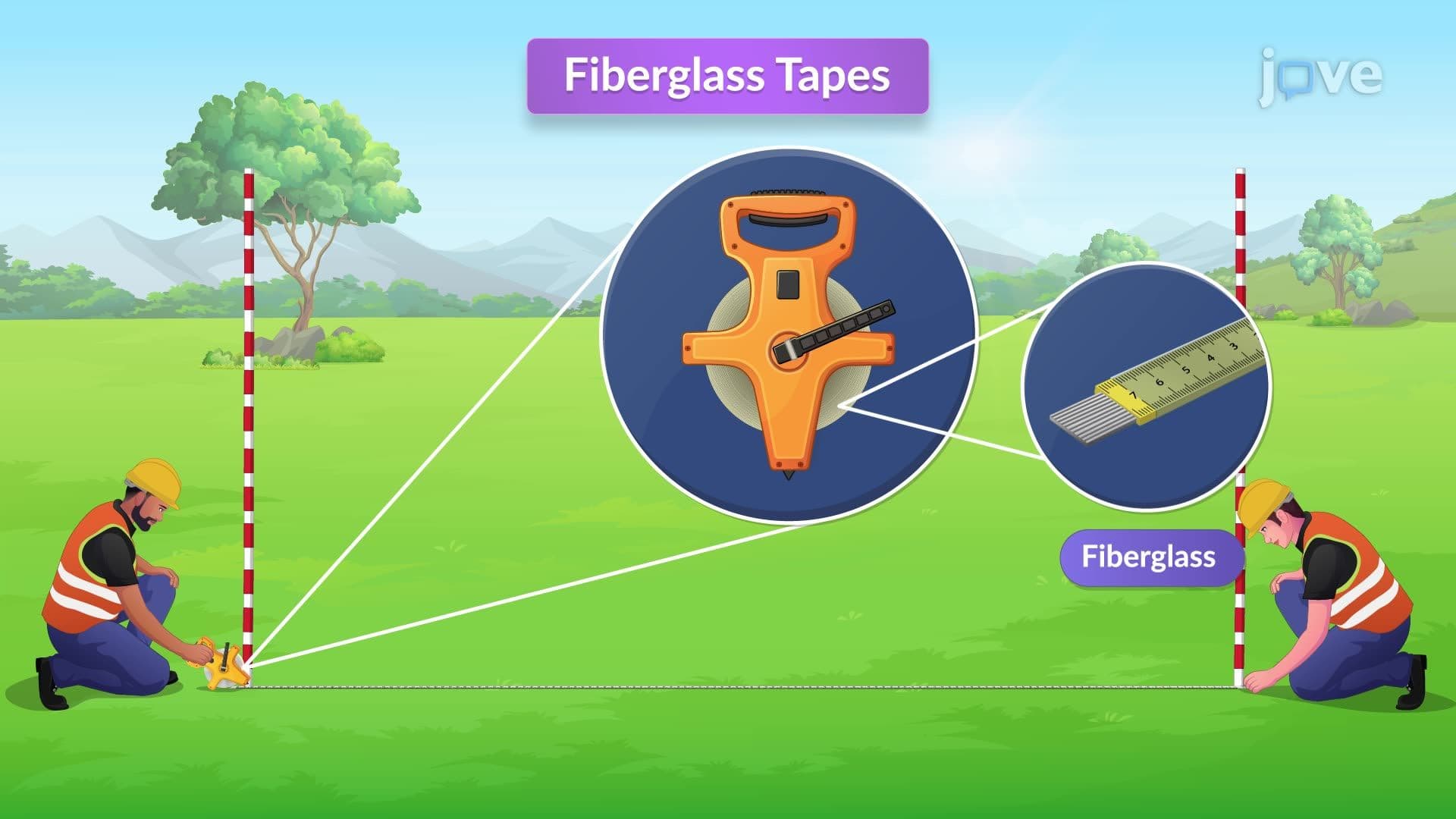
Fiberglass tapes offer distinct advantages in specific applications. Constructed from thousands of glass fibers and coated with polyvinyl chloride, these tapes resist stretching and provide excellent durability in wet conditions. They're particularly valuable for utility surveys where contact with electrical sources poses safety concerns, as fiberglass provides electrical insulation that steel tapes cannot offer.
Range poles serve multiple critical functions in taping operations. These lightweight, telescoping poles enable surveyors to maintain proper sight lines and ensure tape alignment across irregular terrain. When measuring over different ground profiles, range poles become essential for maintaining direction and enabling clear communication between survey team members positioned at distant points.
Taping pins mark intermediate measurement points and tape endpoints. Traditionally painted in alternating red and white bands for maximum visibility, these pins must remain clearly identifiable throughout the survey process. Hand levels help maintain horizontal tape positioning, crucial for accurate distance measurement when working across slopes or uneven ground.
Professional surveying firms across America rely on taping techniques for numerous applications. Construction site layout requires precise measurements for building foundations, utility installations, and roadway construction. Property boundary surveys depend on accurate taping to establish legal property lines and resolve boundary disputes. Topographic surveys use taping in conjunction with elevation measurements to create detailed site maps for engineering design.
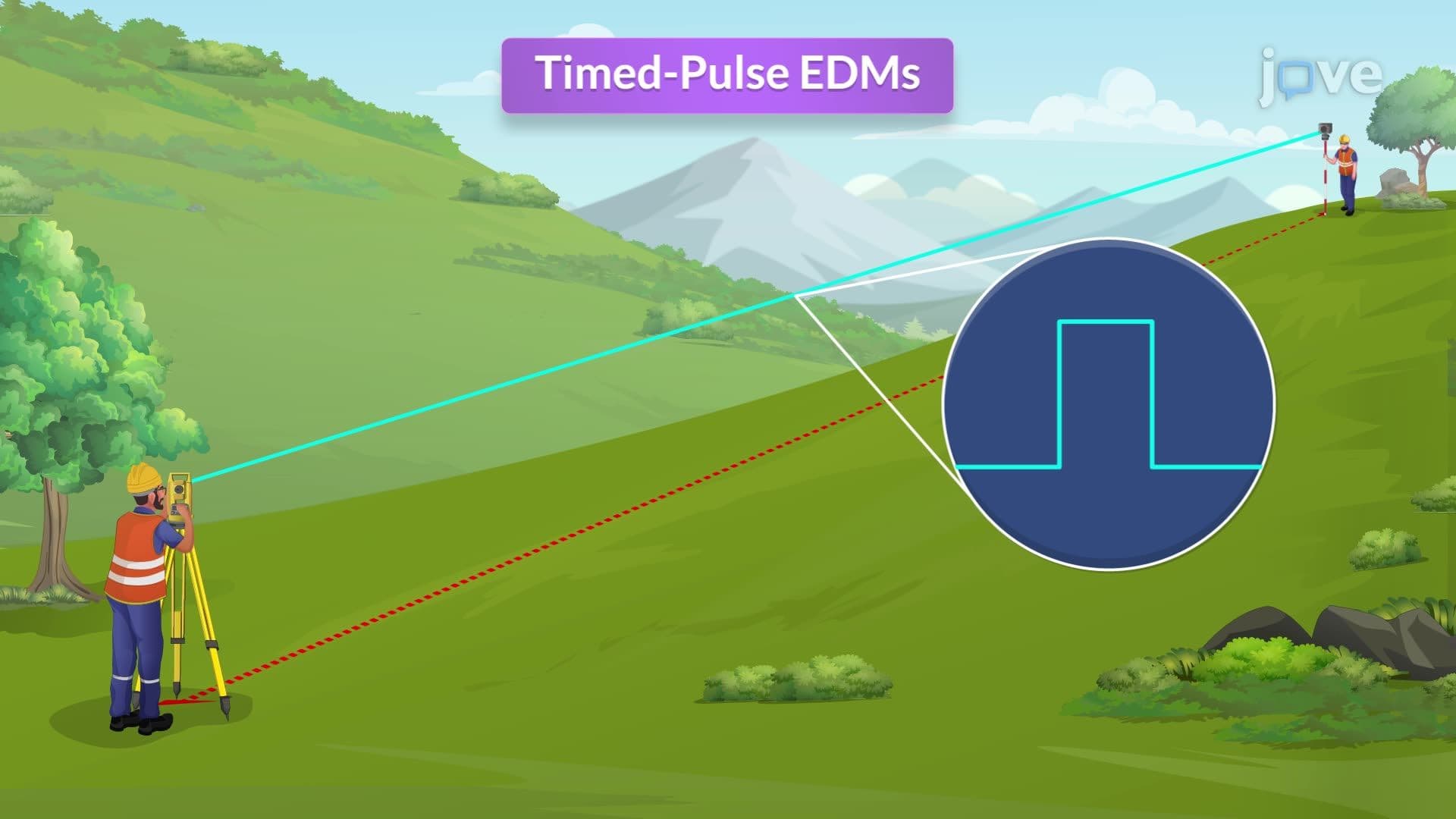
Students preparing for the AP Environmental Science exam or college-level surveying courses should understand how taping integrates with modern GPS and electronic measurement systems. While technology has advanced significantly, taping remains essential for verification, short-distance measurements, and situations where electronic equipment may be impractical or unavailable.
Related Micro-courses