Loading subject page…


2,457 views

Video Summary: What Is Survey Safety
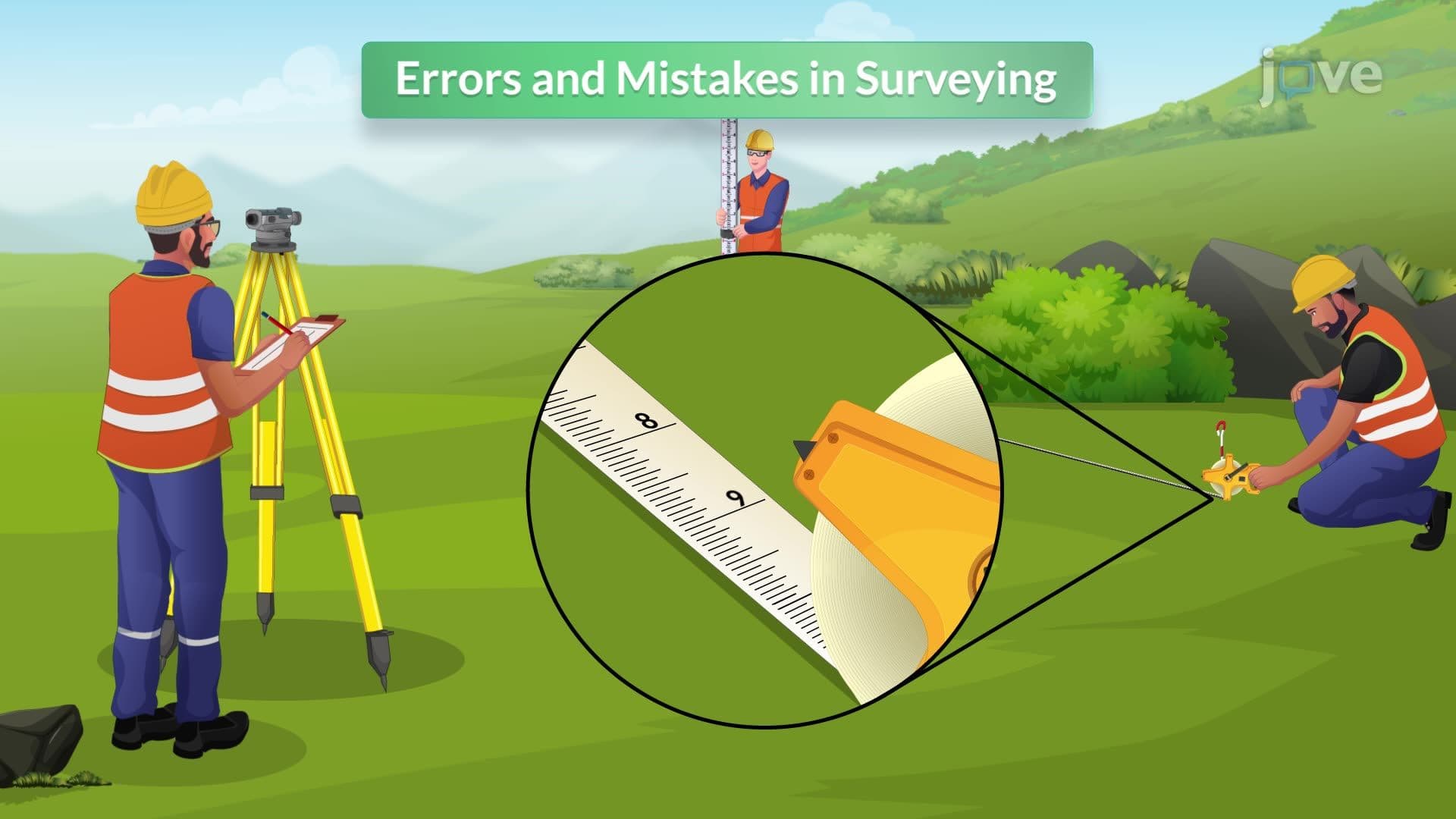
Every year, surveying accidents near highways and construction sites result in serious injuries that could have been prevented. Understanding errors and mistakes in safety protocols is crucial for protecting surveyors working in hazardous environments. For instance, the California Department of Transportation requires specific safety measures after multiple surveyor fatalities on busy interstates. What is survey safety, and why do even experienced professionals make critical safety oversights? Watch the full video on JoVE Coach to master this concept with expert-led visuals and step-by-step explanations.
What is survey safety encompasses the comprehensive set of protocols, equipment, and practices designed to protect surveying professionals from workplace hazards. This critical field combines risk assessment, proper equipment usage, and situational awareness to prevent the errors and mistakes that lead to accidents. The Bureau of Labor Statistics reports that surveying ranks among the top 25 most dangerous occupations in the United States, with fatality rates significantly higher than the national average.
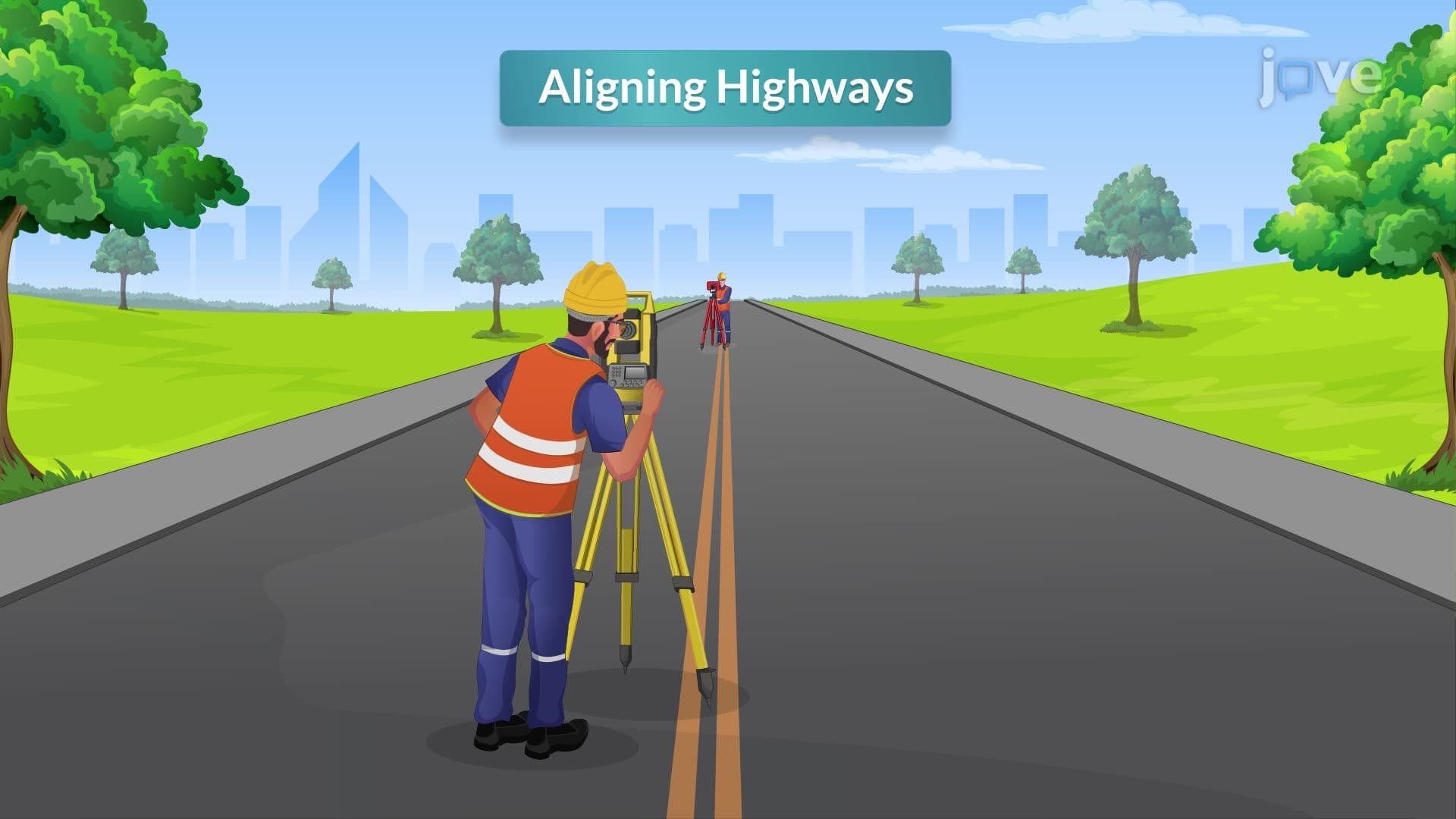
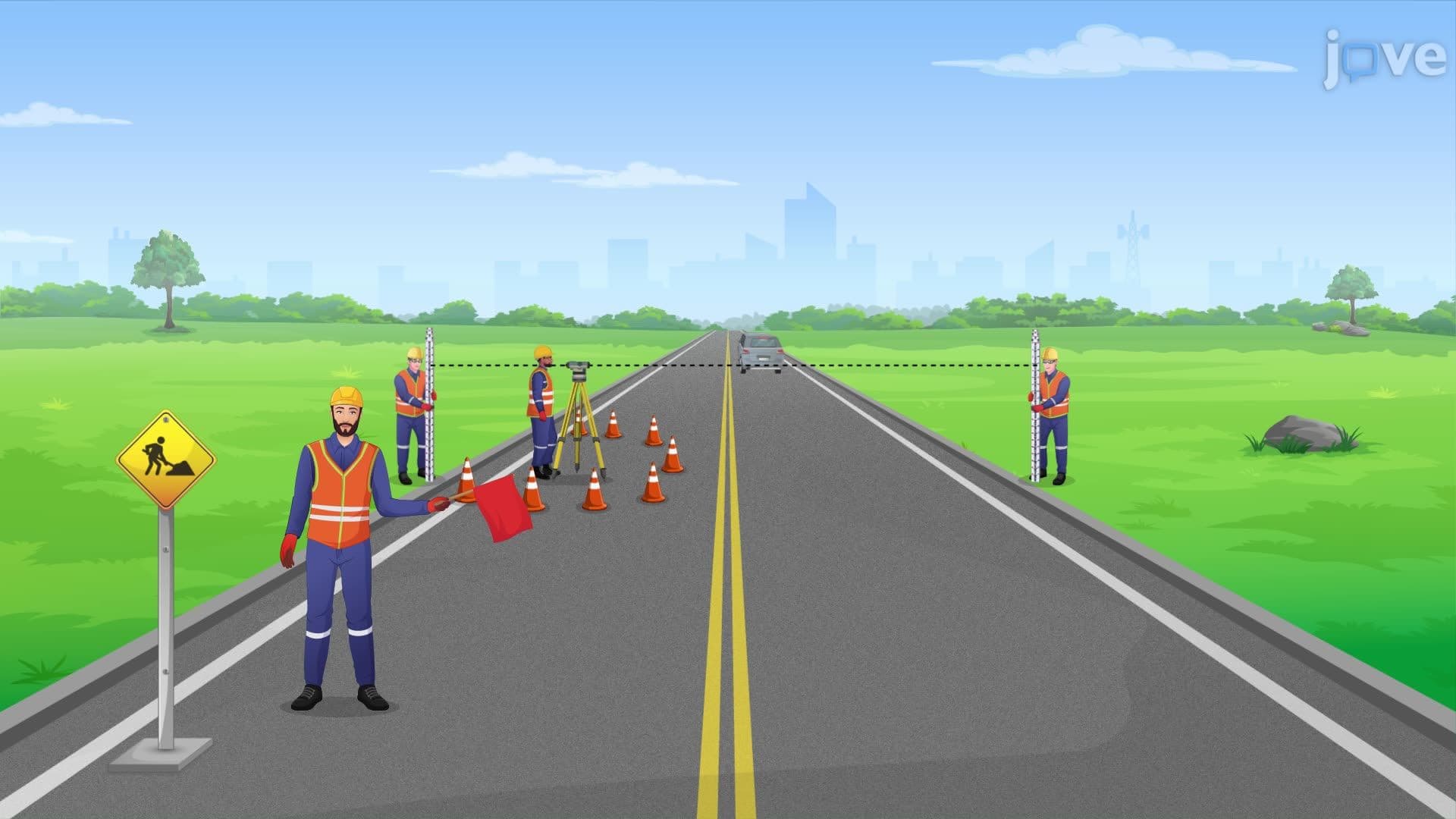
Working near roadways presents the greatest risk to surveyors, accounting for approximately 60% of surveying-related fatalities. The Manual on Uniform Traffic Control Devices (MUTCD) establishes federal standards for work zone safety that all surveyors must follow. Types of errors and mistakes in traffic safety include inadequate signage placement, improper flagging procedures, and failure to maintain adequate buffer zones. Professional surveyors must coordinate with state departments of transportation, use certified flaggers, and implement offset measurements whenever possible to avoid direct road work.
The American Land Title Association emphasizes that offset surveying techniques can eliminate up to 80% of highway exposure risks. When direct measurements are unavoidable, surveyors must wear ANSI-compliant high-visibility clothing, establish proper work zones, and maintain constant communication with traffic control personnel.
Understanding what are errors and mistakes overview in PPE selection helps prevent injuries from environmental hazards. Hard hats meeting OSHA standards are mandatory in construction zones, while steel-toed boots provide essential foot protection. In areas with venomous snakes like Texas, Arizona, and Florida, surveyors require snake-proof boots and leggings rated for local species.
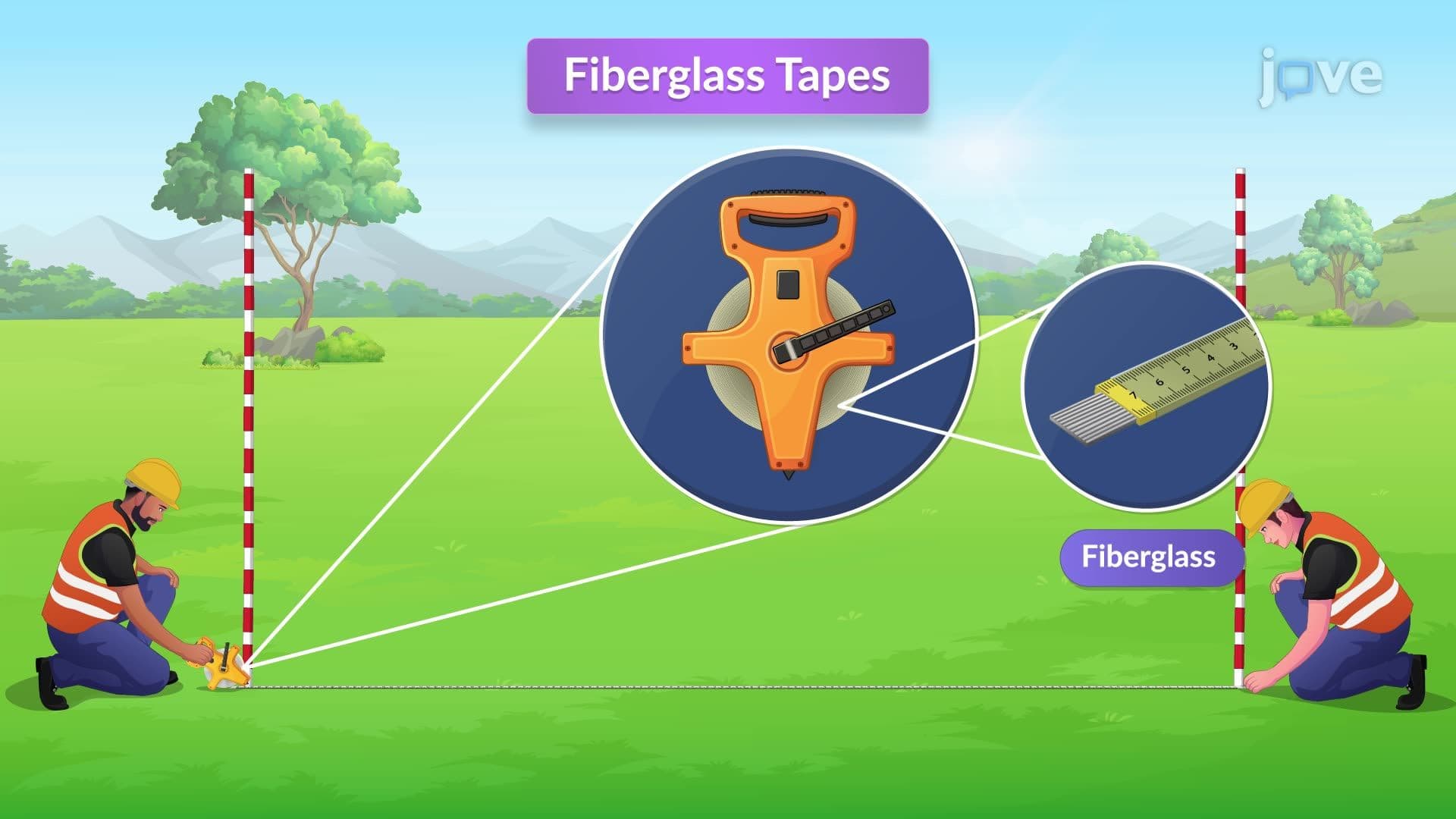
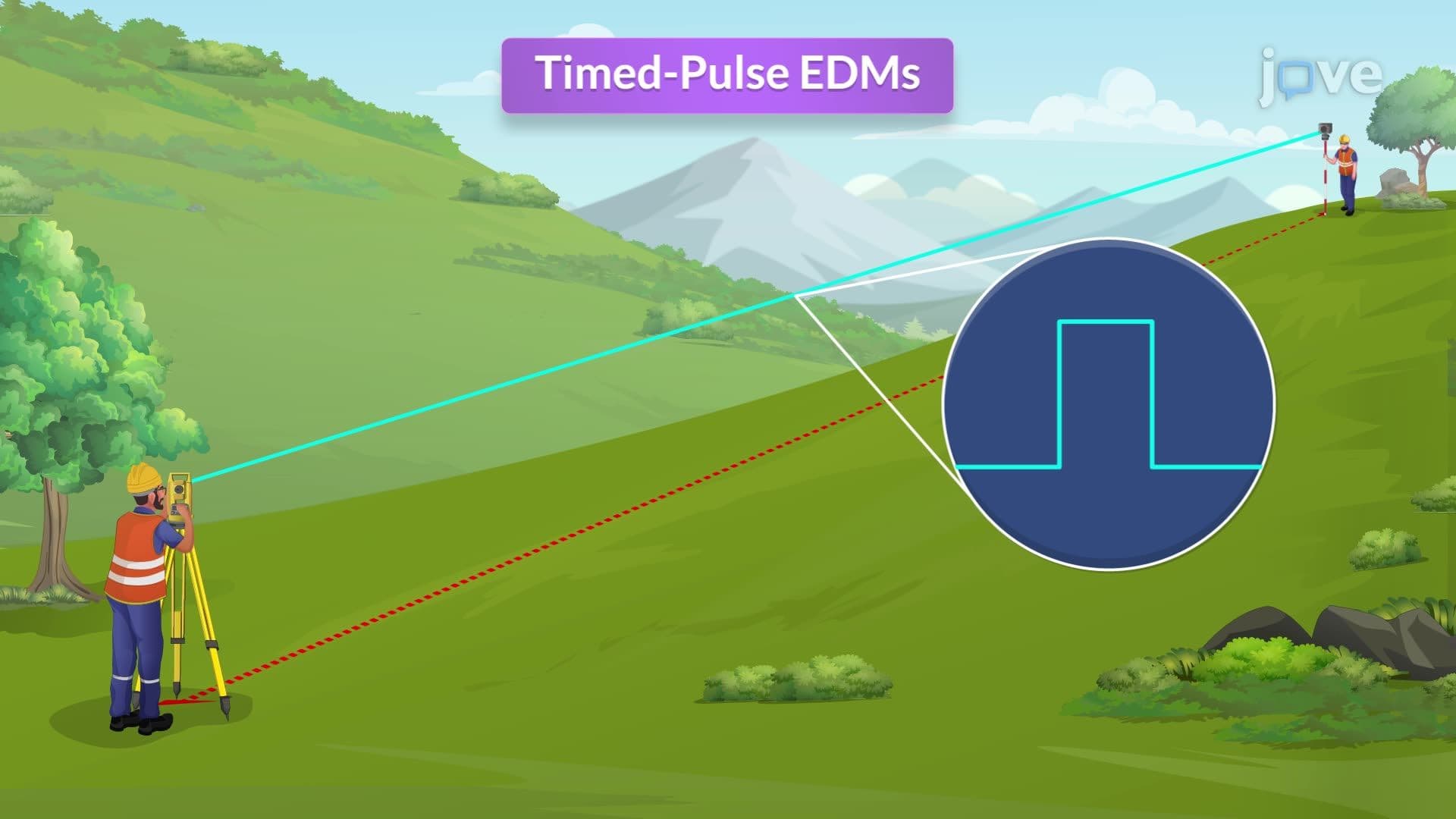
Electrical hazards pose unique challenges, particularly when using steel measuring tapes near power lines. The National Institute for Occupational Safety and Health (NIOSH) documents numerous electrocution cases involving surveyors who failed to maintain proper clearance distances. Modern electronic distance measurement (EDM) equipment reduces these risks but requires proper training and calibration.
Comprehensive risk assessment forms the foundation of effective survey safety programs. This includes identifying potential hazards, evaluating exposure levels, and implementing appropriate controls. Errors and mistakes overview training helps surveyors recognize dangerous situations before accidents occur. Emergency preparedness includes first-aid certification, communication protocols, and evacuation procedures specific to remote surveying locations.
Students preparing for AP Environmental Science or college-level surveying courses should understand how these safety principles connect to broader occupational health concepts. The Occupational Safety and Health Administration (OSHA) Construction Standards (29 CFR 1926) provide the regulatory framework that governs surveying safety practices across all states.
Related Micro-courses