Loading subject page…

- Electrical Engineering
- Dc Circuit Analysis
- Nodal Analysis with Voltage Sources
Micro-course: DC Circuit Analysis
21,492 views
Learn key concepts and earn your certificate.

Nodal Analysis with Voltage Sources

00:00
01:11
Video Summary: Nodal Analysis with Independent and Dependent Voltage Sources
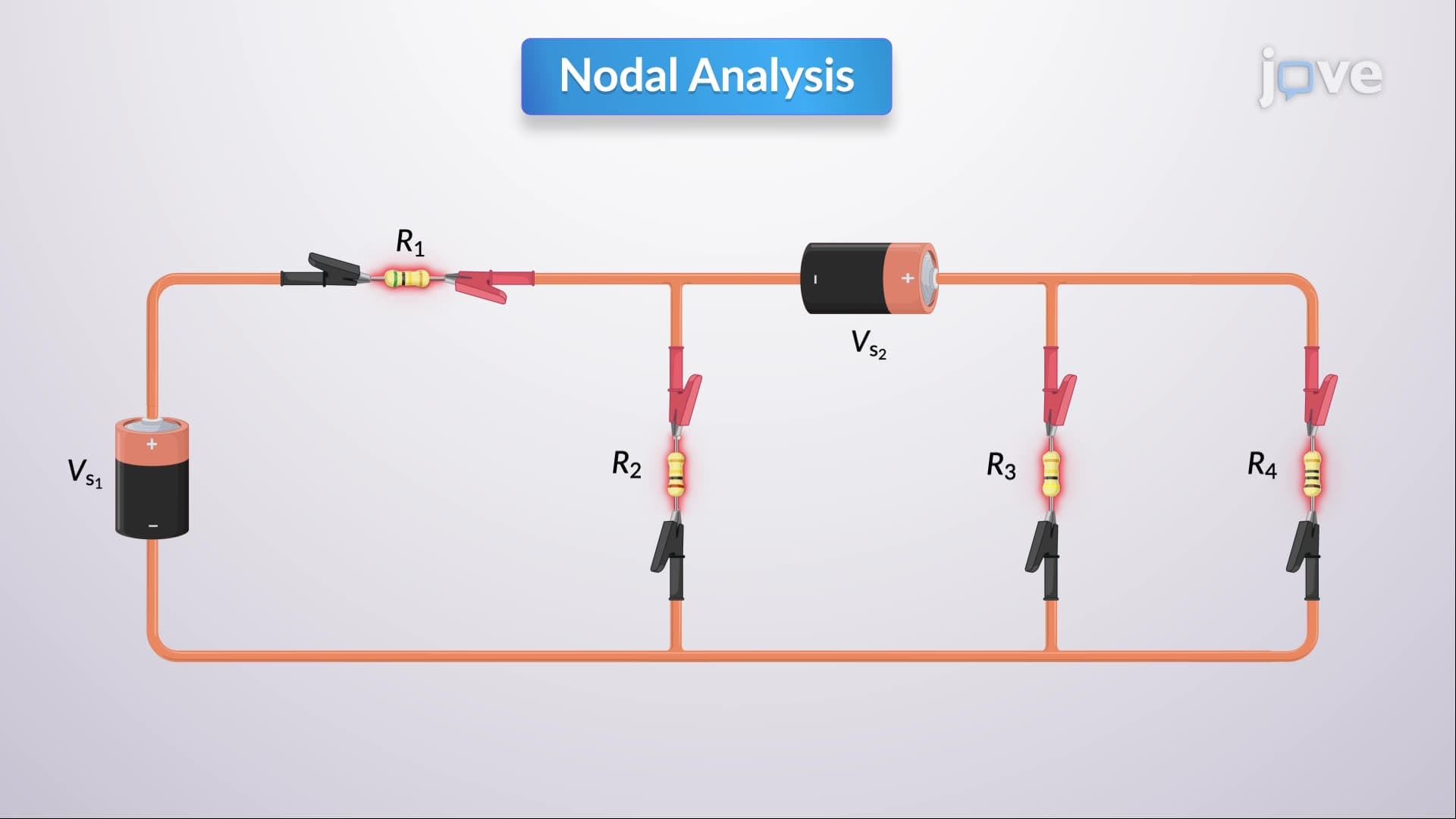
Ever wonder how electrical engineers analyze the complex power grids that keep hospitals like Johns Hopkins running during emergencies? The mesh analysis method for dc electrical circuits provides the mathematical foundation, but nodal analysis with independent and dependent voltage sources offers a complementary approach that's often more efficient. This technique uses supernodes-special combinations of circuit nodes-to simplify calculations when voltage sources connect between non-reference points. Watch the full video on JoVE Coach to master this concept with expert-led visuals and step-by-step explanations.
- Understand how nodal analysis with independent and dependent voltage sources differs from basic nodal analysis techniques
- Identify when to create supernodes in circuits containing voltage sources between non-reference nodes
- Analyze circuits using both Kirchhoff's current law (KCL) and Kirchhoff's voltage law (KVL) applied to supernodes
- Apply systematic approaches to write constraint equations for voltage sources in nodal analysis
- Recognize the advantages of nodal analysis over mesh analysis in circuits with many parallel branches
- Evaluate when nodal analysis becomes more efficient than other circuit analysis methods
- Compare solutions obtained through nodal analysis with those from mesh analysis for verification
- Explore real-world applications in power distribution systems and electronic circuit design
Understanding Nodal Analysis with Independent and Dependent Voltage Sources
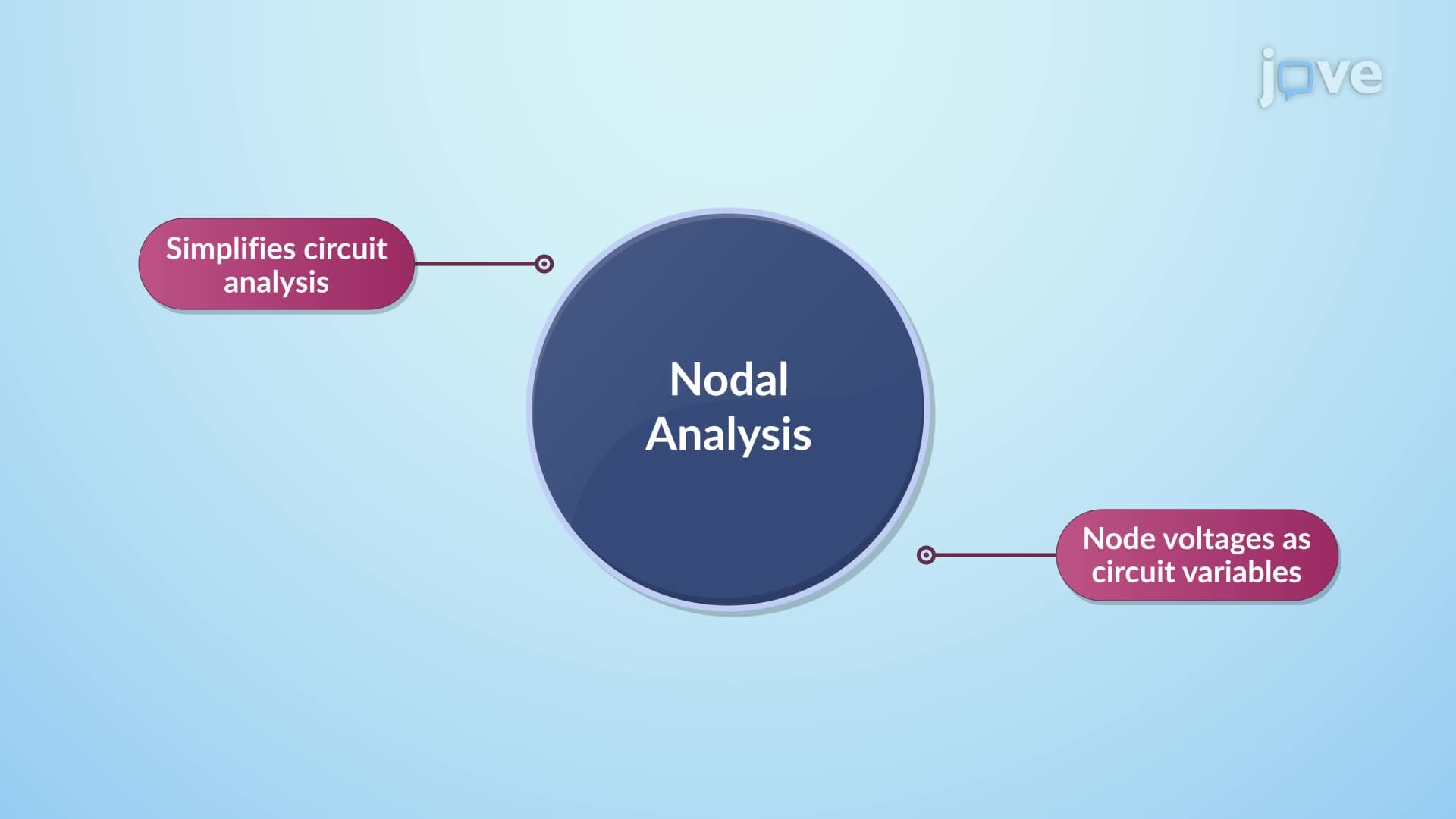
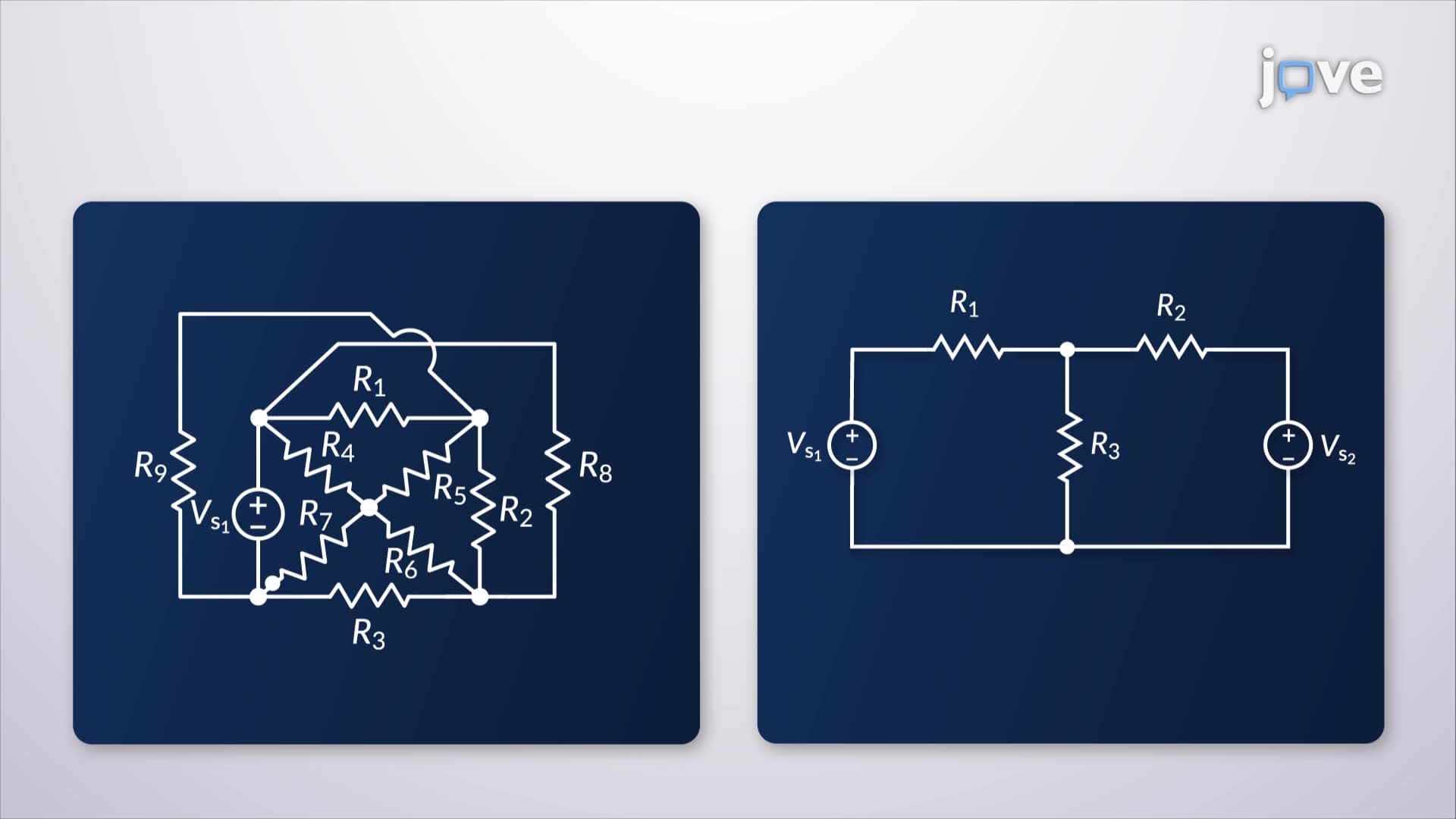
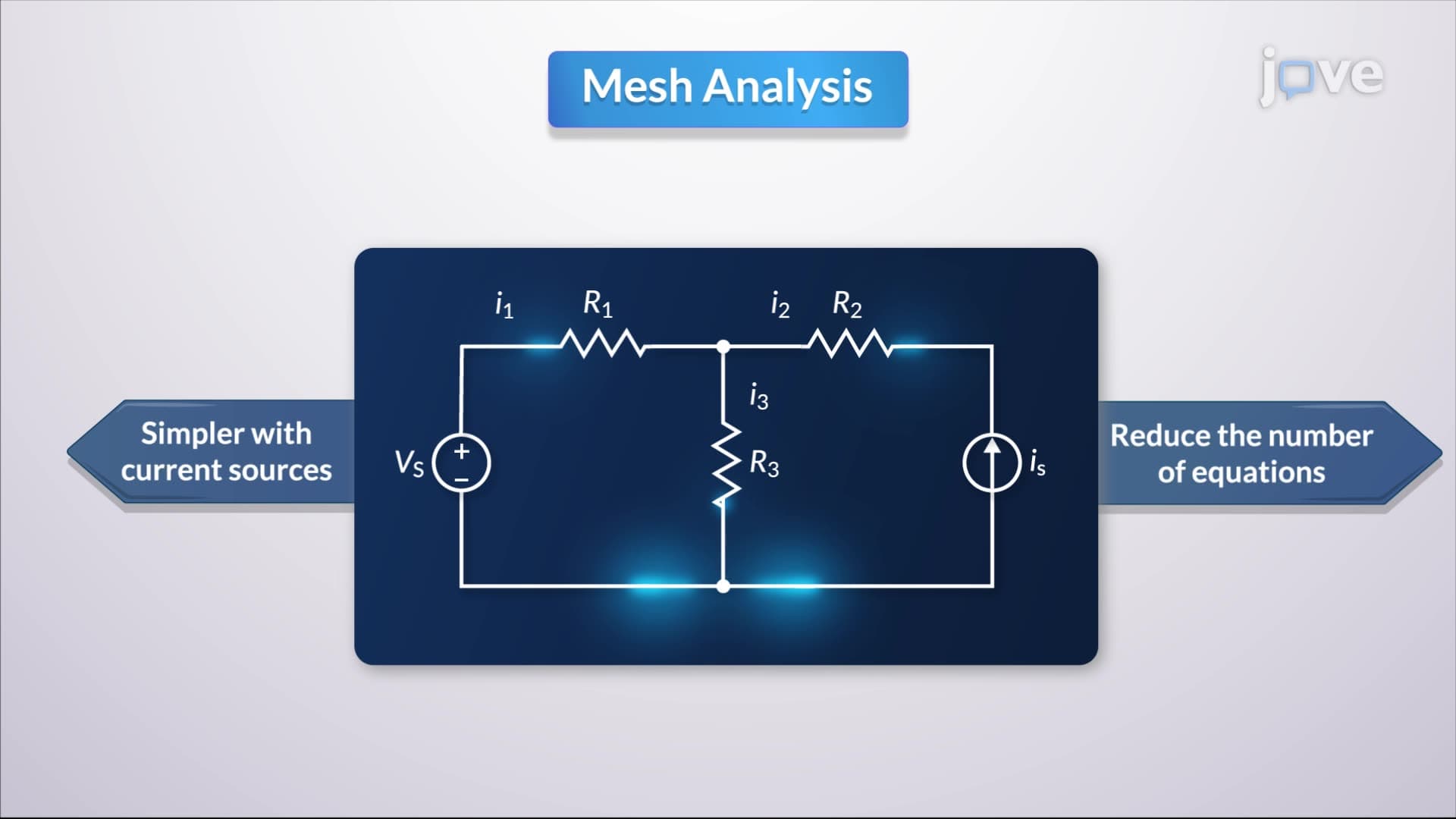
Nodal analysis represents one of the most powerful systematic methods for analyzing electrical circuits, particularly when dealing with complex networks containing multiple voltage sources. Unlike the mesh analysis method for dc electrical circuits, which focuses on loop currents, nodal analysis centers on determining voltages at specific points (nodes) throughout the circuit. This approach proves especially valuable when circuits contain numerous parallel branches or when voltage information is more critical than current data.
The Supernode Concept and Its Applications
When voltage sources appear between two non-reference nodes, traditional nodal analysis requires modification. This situation creates what engineers call a "supernode"-essentially treating two or more nodes as a single entity for analysis purposes. Consider the power distribution system at a major hospital like Massachusetts General Hospital, where multiple backup generators (voltage sources) must coordinate to maintain critical systems. Each generator connection point creates potential supernodes that require careful analysis to ensure stable power delivery.
The supernode approach combines the affected nodes mathematically while maintaining the physical relationships between components. This technique appears frequently on AP Physics C exams and college-level electrical engineering courses, where students must demonstrate mastery of both Kirchhoff's laws within complex circuit configurations.
Systematic Solution Methodology
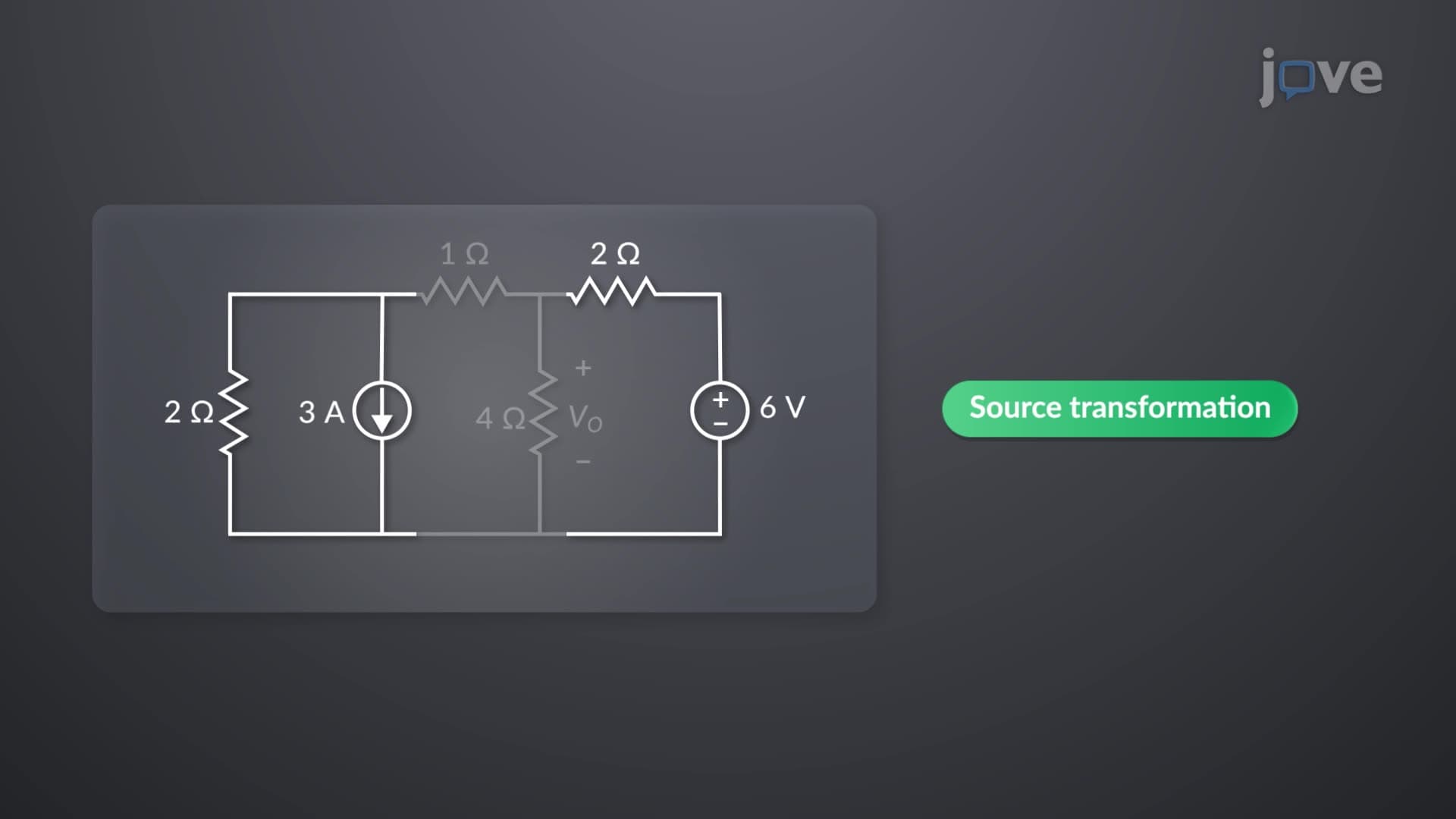
Successful nodal analysis with voltage sources requires a methodical approach. First, identify all nodes and select an appropriate reference node (typically ground). Next, determine which nodes form supernodes due to voltage source connections. Apply Kirchhoff's current law to each independent node and supernode, expressing all currents in terms of node voltages using Ohm's law.
For circuits with dependent sources-common in amplifier designs used by companies like Texas Instruments-additional constraint equations become necessary. These equations relate the dependent source values to other circuit variables, creating a complete system of equations that can be solved simultaneously.
Practical Applications and Exam Relevance
This analysis method appears extensively in MCAT physics sections, particularly in passages involving biomedical devices like pacemakers or EKG machines. Students preparing for electrical engineering programs at institutions like MIT or Stanford encounter these concepts in introductory circuit analysis courses, where proficiency in both nodal and mesh analysis methods becomes essential for advanced coursework in power systems and electronics design.
Frequently Asked Questions
Nodal analysis with voltage sources extends basic nodal analysis to handle circuits where voltage sources connect between circuit nodes, requiring special techniques like supernodes. Unlike basic nodal analysis that only deals with current sources and resistors, this method must account for the constraint equations that voltage sources impose. The technique combines Kirchhoff's current law with voltage relationships to solve for all node voltages systematically.
Both methods solve the same circuits but use different approaches-nodal analysis focuses on node voltages while mesh analysis uses loop currents. For AP Physics C, nodal analysis often proves easier when circuits have many parallel branches or when the problem asks for specific node voltages. Mesh analysis typically works better for circuits with many series loops or when current values are the primary concern.
College midterms typically feature multi-node circuits with both independent and dependent sources, requiring supernode formation and constraint equation development. Students must demonstrate systematic problem-solving approaches, proper application of Kirchhoff's laws, and accurate mathematical manipulation. Problems often involve op-amp circuits, transistor biasing networks, or power distribution systems found in real engineering applications.
Medical devices like defibrillators, pacemakers, and patient monitoring systems rely on precise voltage control circuits analyzed using nodal methods. For MCAT preparation, understanding how these circuits maintain stable voltages for sensitive biological measurements helps answer physics passages involving biomedical instrumentation. Hospitals use similar analysis techniques to design backup power systems for life-support equipment.
The mathematical requirements involve only algebra and basic equation solving-no calculus needed at the introductory level. High school students comfortable with simultaneous equations can master this technique with practice. The key lies in systematic organization and consistent application of Kirchhoff's laws rather than advanced mathematical manipulation.
Focus on pattern recognition by practicing diverse circuit configurations, starting with simple two-node problems before advancing to complex supernodes. Create a systematic checklist for problem-solving steps, and always verify answers using alternative methods like mesh analysis. Many successful students at schools like Purdue and Georgia Tech recommend working through progressively challenging problems while timing themselves to build exam confidence.
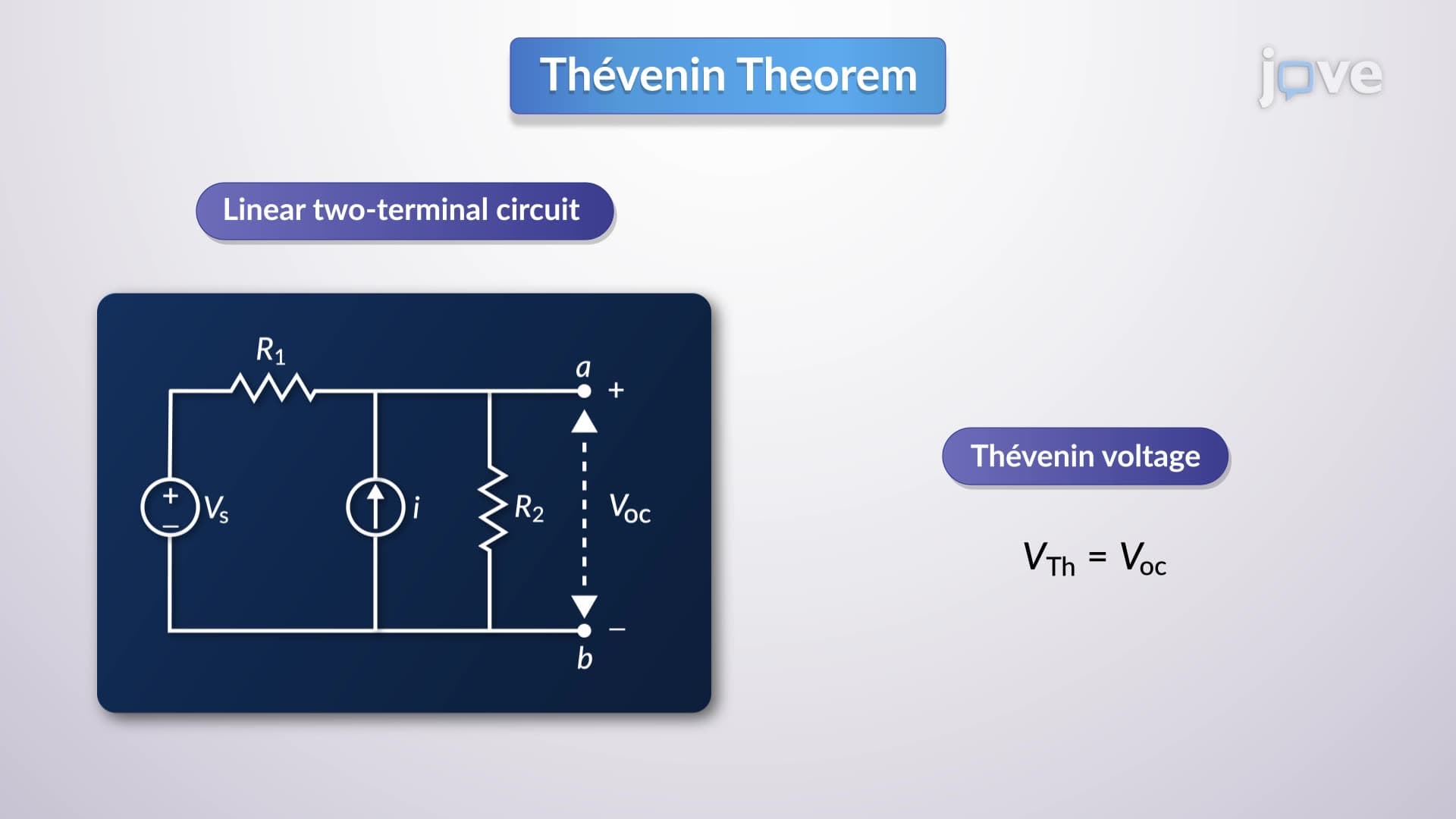
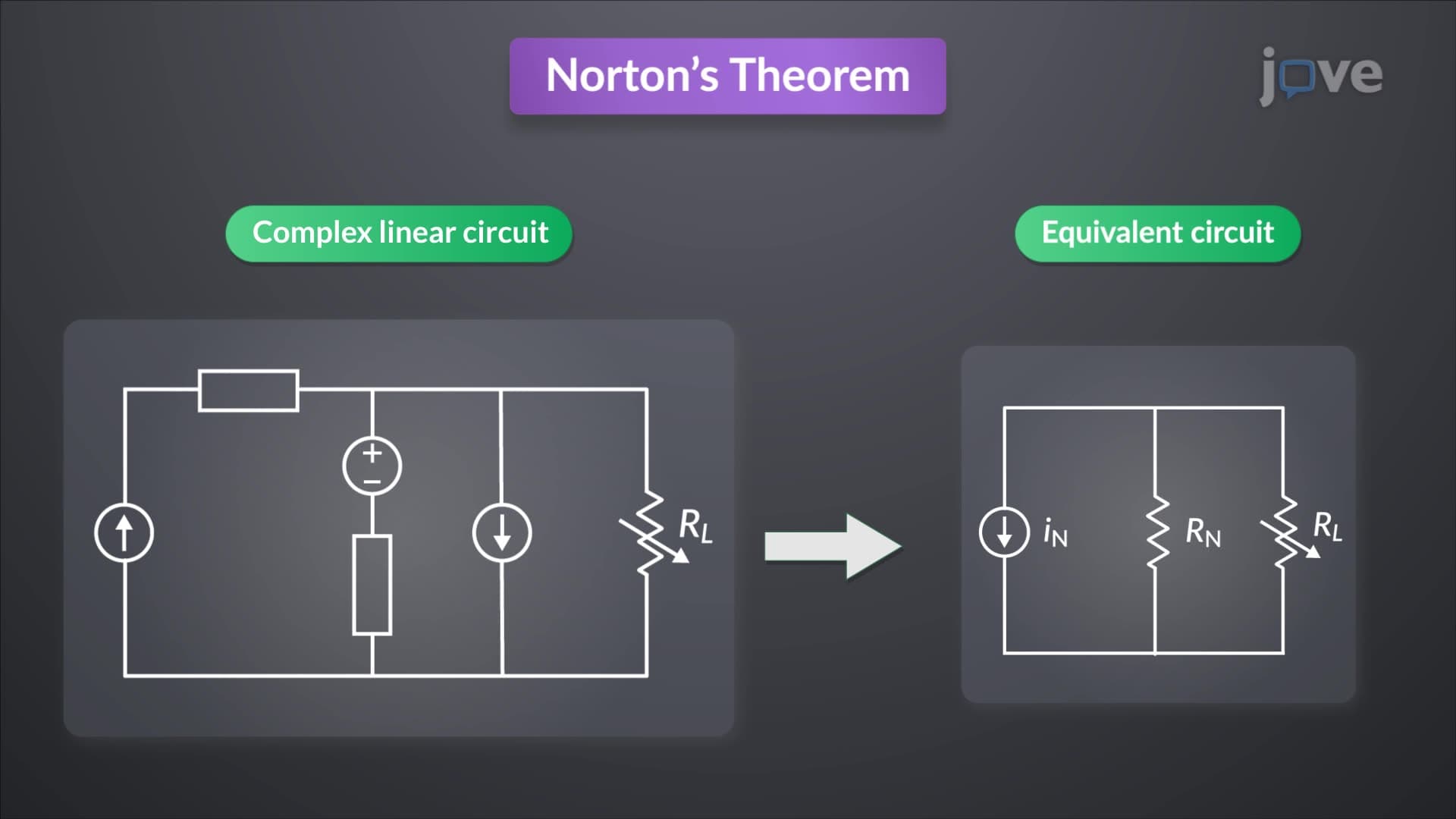
Advanced students should explore AC circuit analysis using phasors, which extends nodal analysis to frequency-domain problems involving capacitors and inductors. Topics like network theorems (Thevenin and Norton equivalents) and operational amplifier circuits build directly on nodal analysis foundations. These concepts appear in upper-level courses and professional engineering licensing exams.
Related Micro-courses
9 Concepts

8 Concepts

13 Concepts