Loading video…


 11 Concepts
 21.5K views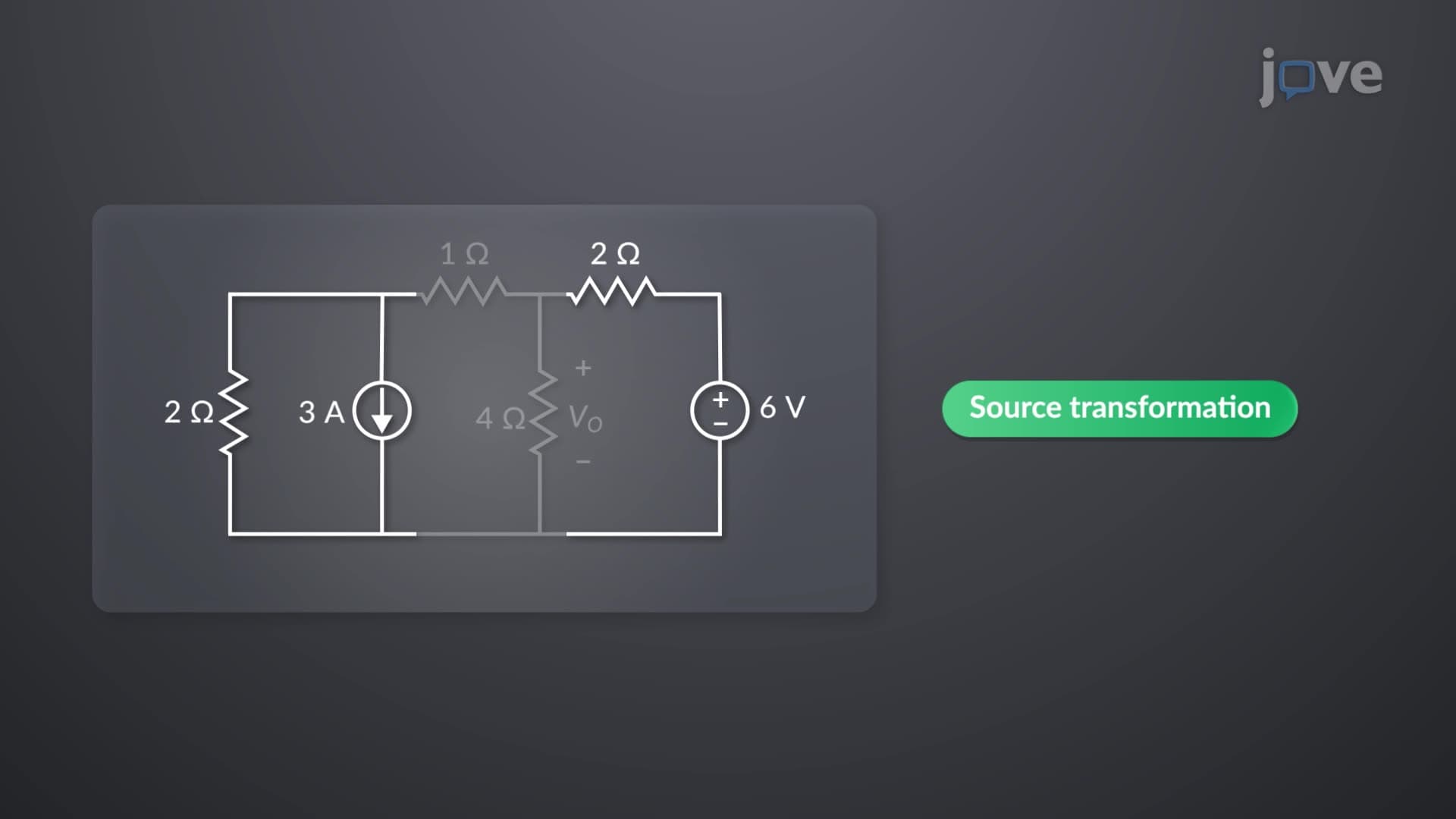

Video Summary: What Is Source Transformation
Ever wondered how electrical engineers simplify complex circuits in power grids across the United States? Linear circuits can be dramatically simplified using source transformation, a powerful technique that converts voltage sources with series resistors into equivalent current sources with parallel resistors. This method is essential for analyzing circuits in everything from smartphone chargers to electric vehicle charging stations. Understanding what is source transformation helps students master circuit analysis fundamentals. Watch the full video on JoVE Coach to master this concept with expert-led visuals and step-by-step explanations.
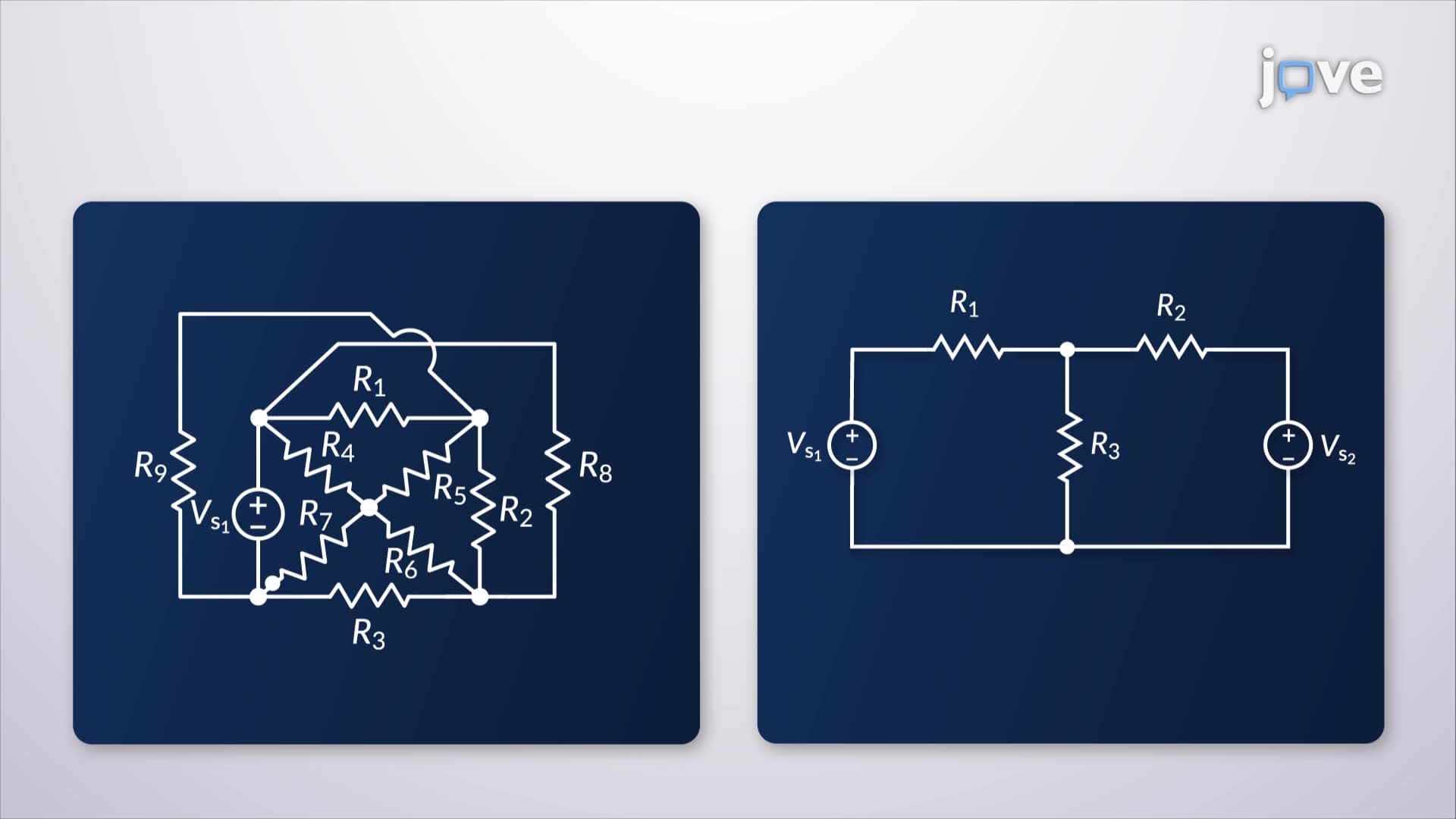
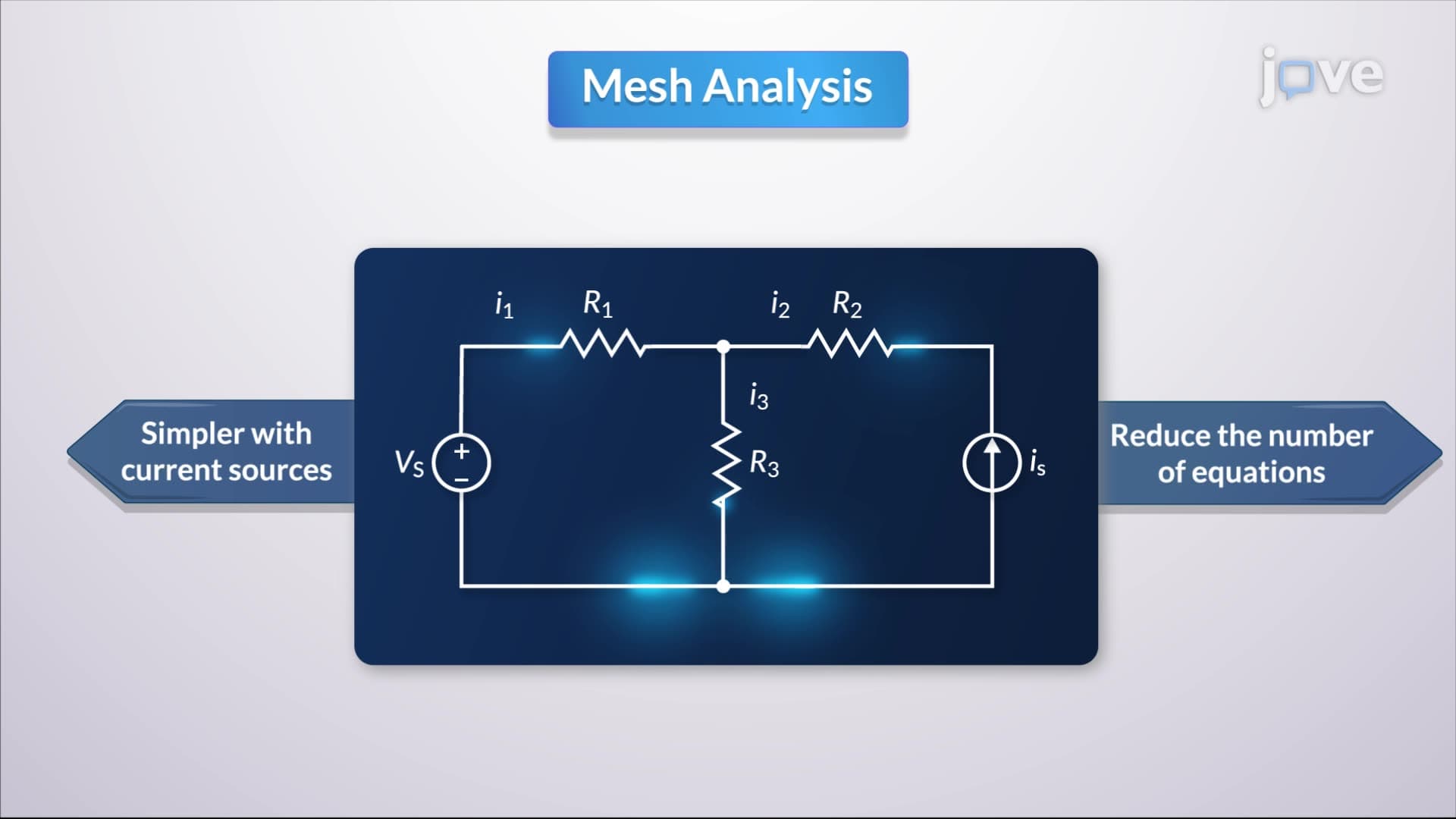
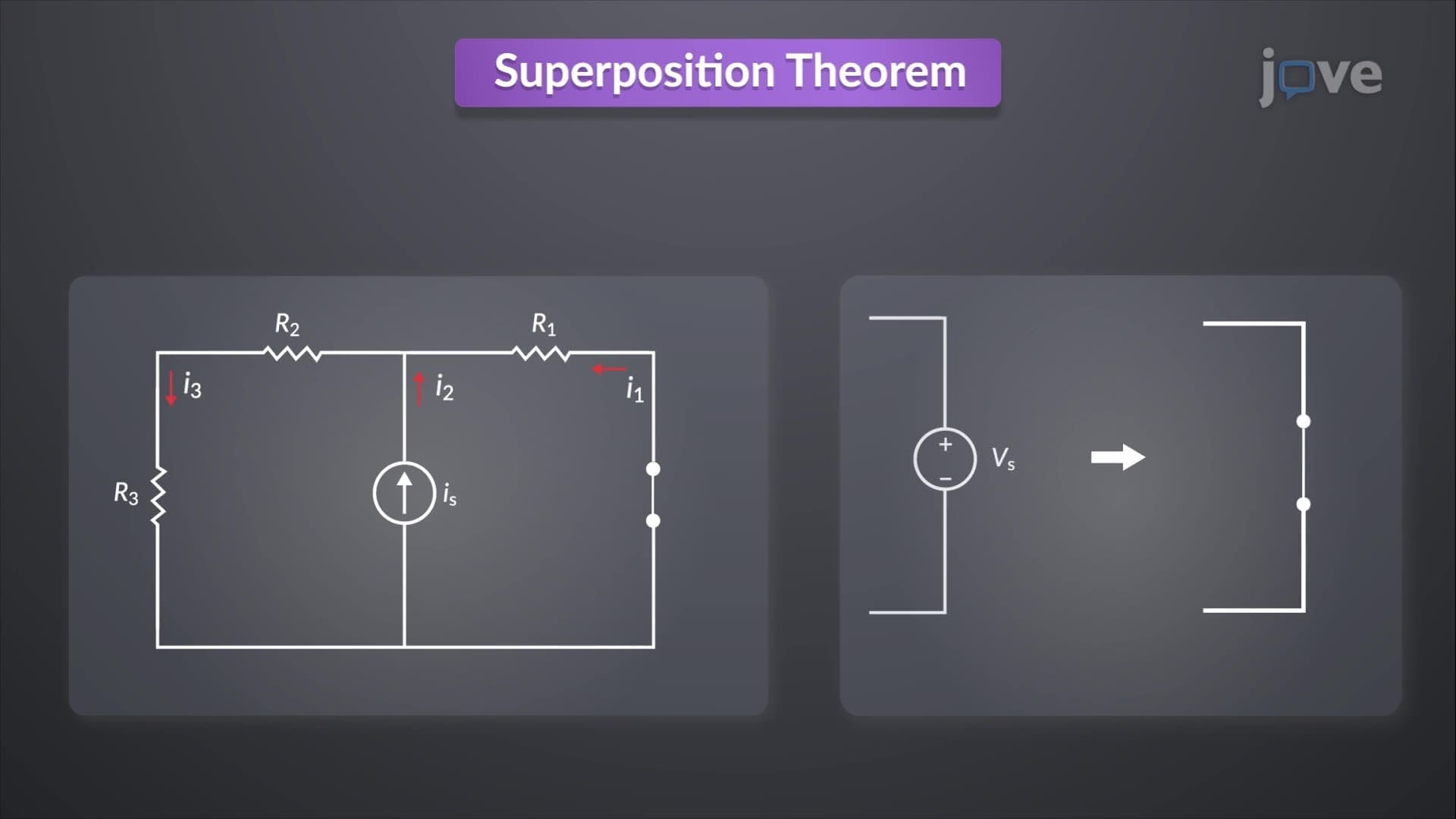
What is source transformation represents a cornerstone technique in linear circuits analysis that electrical engineering students encounter throughout their academic journey. This method allows engineers to convert between two equivalent circuit representations: a voltage source connected in series with a resistor, and a current source connected in parallel with the same resistor. The beauty of this technique lies in its ability to maintain circuit equivalency while simplifying complex analysis problems commonly found on AP Physics exams and college-level electrical engineering courses.
The mathematical relationship governing source transformation directly stems from Ohm's law, where V = IR. When converting a voltage source (Vs) in series with resistance (R) to a current source, the equivalent current equals Is = Vs/R, with the same resistance value placed in parallel. This relationship proves essential for students preparing for standardized tests like the SAT Subject Test in Physics or college midterm examinations. Understanding linear circuits overview requires mastering these fundamental conversions that appear frequently in circuit analysis problems.
Source transformation finds extensive application in analyzing real-world linear circuits encountered in American infrastructure. Consider the electrical distribution systems used by utilities like Pacific Gas & Electric or ConEd in New York-engineers routinely employ source transformation to simplify complex power delivery networks. Similarly, when designing circuits for consumer electronics manufactured by companies like Apple or Tesla, engineers use this technique to optimize power supply designs and battery management systems.
While source transformation proves invaluable for types of linear circuits, students must understand its limitations. The technique cannot be applied to ideal voltage or current sources due to their theoretical zero and infinite internal resistances, respectively. This concept becomes crucial when students advance to courses like Circuits and Systems or prepare for graduate-level examinations. Additionally, understanding linear circuits concept includes recognizing when practical sources exhibit non-linear characteristics that require alternative analysis methods.
Related Micro-courses