Loading video…


 11 Concepts
 21.5K views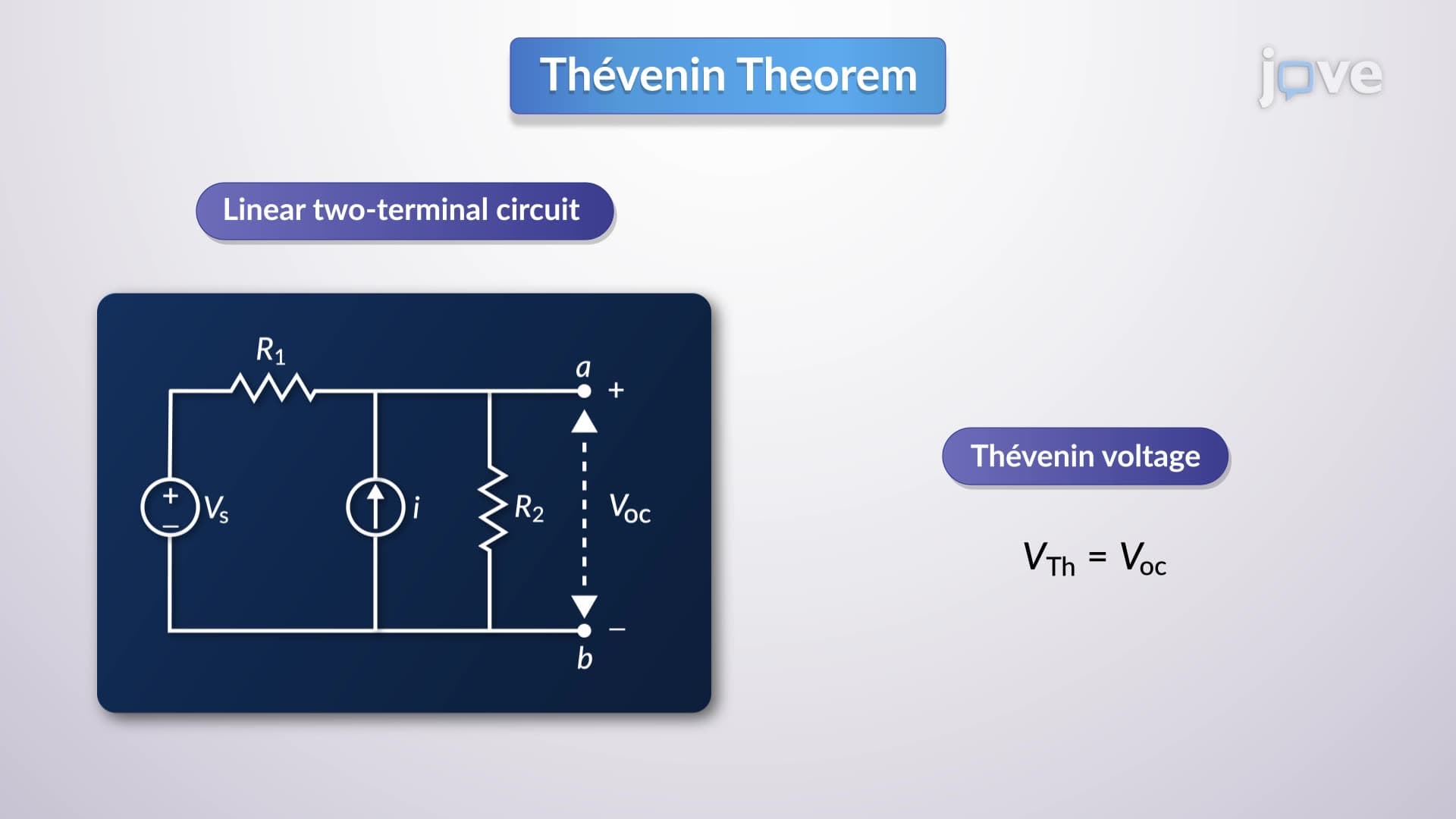

Video Summary: What Is Thevinins Theorem
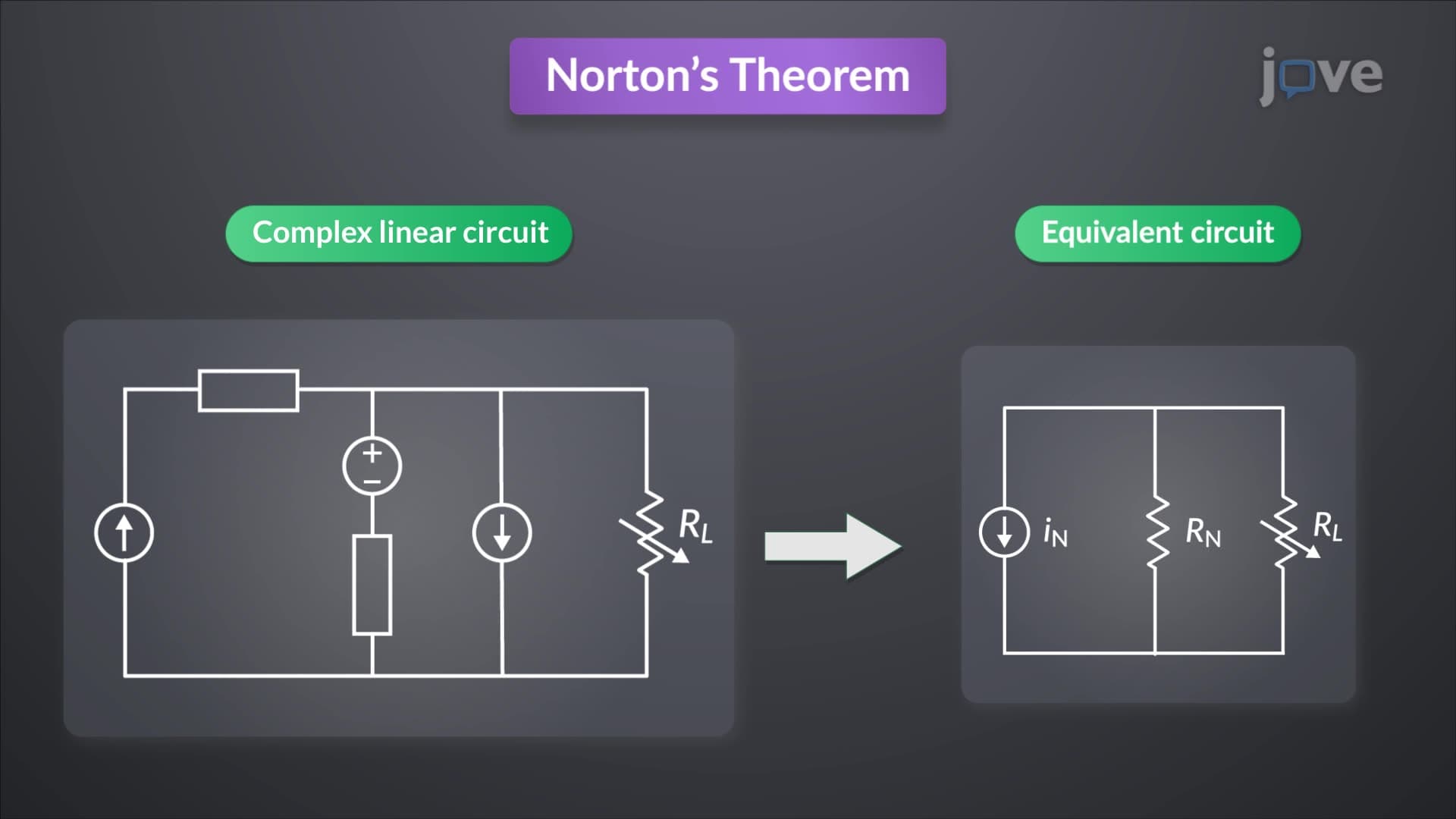
Ever wonder how engineers simplify complex electrical circuits in smartphones or Tesla batteries? Norton's theorem and its companion Thevenin's theorem are the secret weapons that transform complicated networks into simple equivalent circuits. While Thevenin's theorem uses a voltage source with series resistance, Norton's theorem takes the opposite approach-using a current source with parallel resistance. Both methods help electrical engineers at companies like Apple design more efficient circuits by reducing complex analysis to basic calculations. Watch the full video on JoVE Coach to master this concept with expert-led visuals and step-by-step explanations.
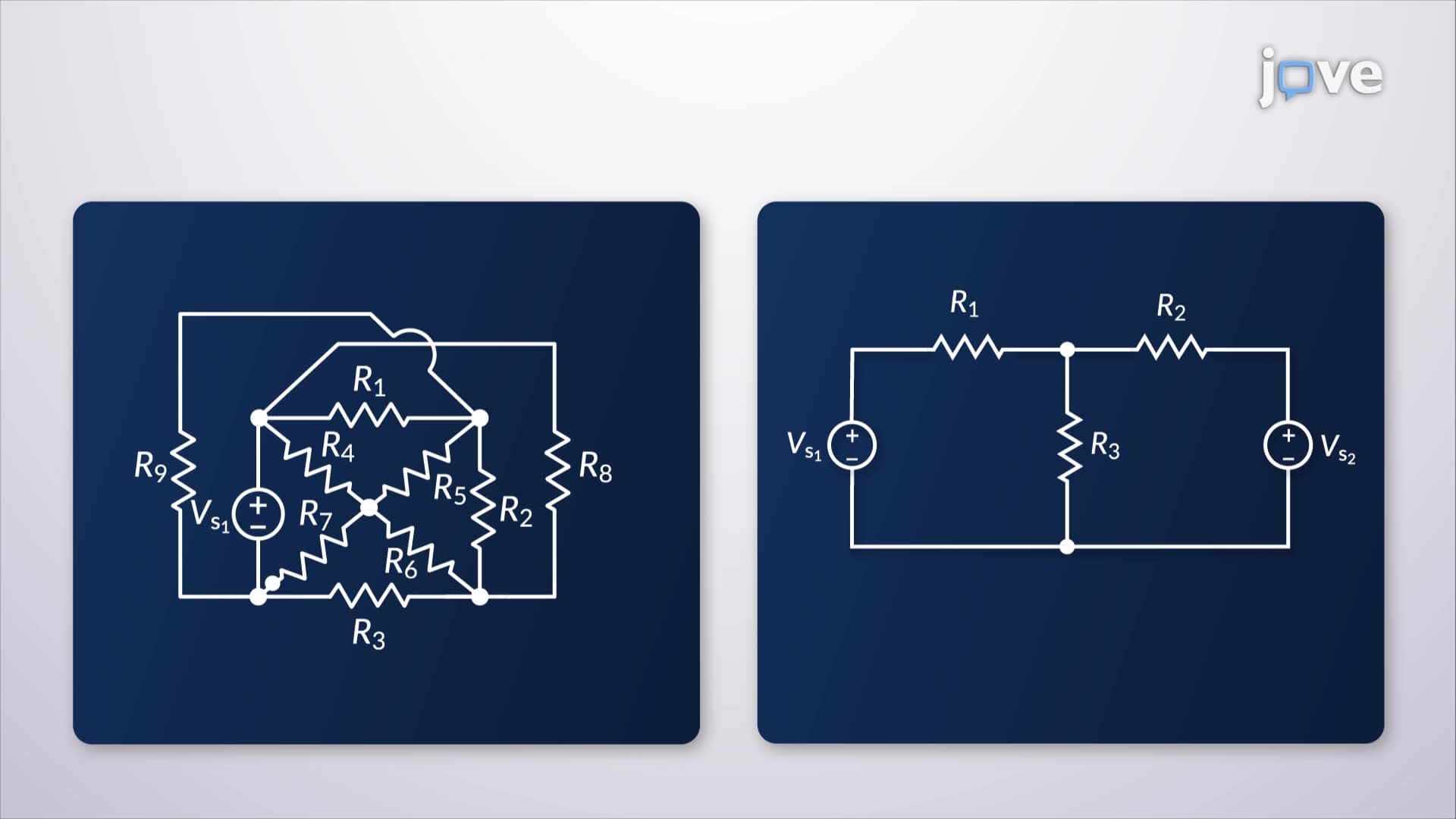
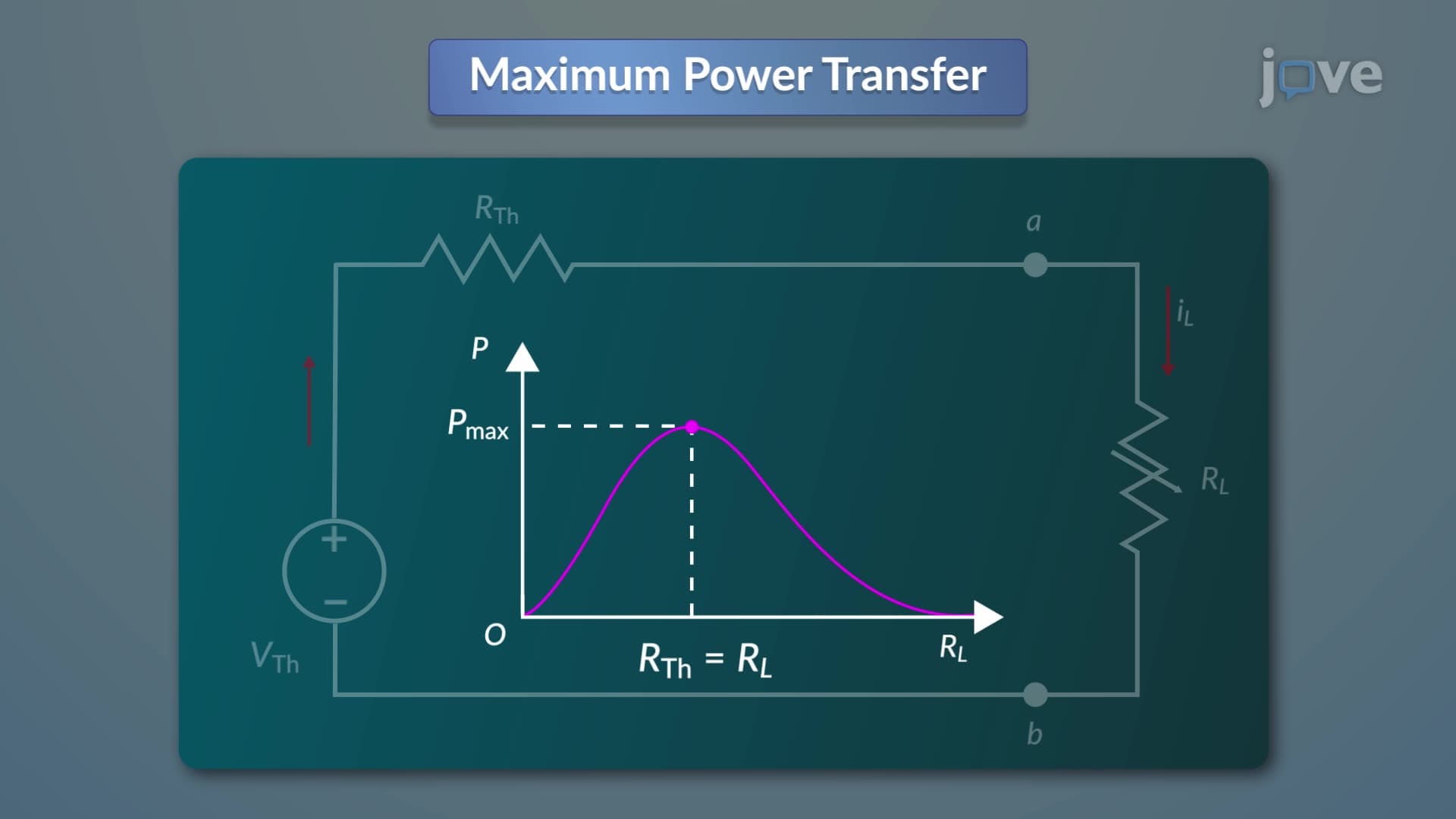
What is Thevenin's theorem fundamentally changes how we approach complex electrical circuits. This powerful theorem states that any linear two-terminal network can be replaced by a single voltage source (Thevenin voltage) in series with a single resistor (Thevenin resistance). This simplification is invaluable for students preparing for AP Physics C exams or introductory electrical engineering courses.
The norton's theorem definition provides the dual approach to Thevenin's method. While Thevenin uses a voltage source model, Norton's theorem states that any linear two-terminal circuit can be represented by a current source in parallel with a resistor. Understanding both theorems is crucial for college-level circuit analysis courses and provides students with flexibility in solving complex problems.
What is norton's theorem in detail becomes clearer when examining real-world applications. Consider smartphone battery circuits-engineers use these equivalent circuit models to predict how batteries will perform under different usage conditions. The Norton equivalent helps analyze how current flows when multiple apps draw power simultaneously, while the Thevenin equivalent predicts voltage drops during high-demand operations like gaming or GPS navigation.
A comprehensive norton's theorem overview reveals its importance in various engineering applications. From power grid analysis at utility companies like Pacific Gas & Electric to integrated circuit design at Intel, these theorems simplify complex calculations. Students studying for the MCAT's physics section or preparing for electrical engineering coursework will find these concepts essential for understanding biomedical devices, from pacemakers to MRI machines. The norton's theorem concept extends beyond basic circuit analysis-it's fundamental to understanding how electrical systems behave in everything from automotive electronics to renewable energy systems.
Related Micro-courses