Loading video…


 11 Concepts
 21.5K views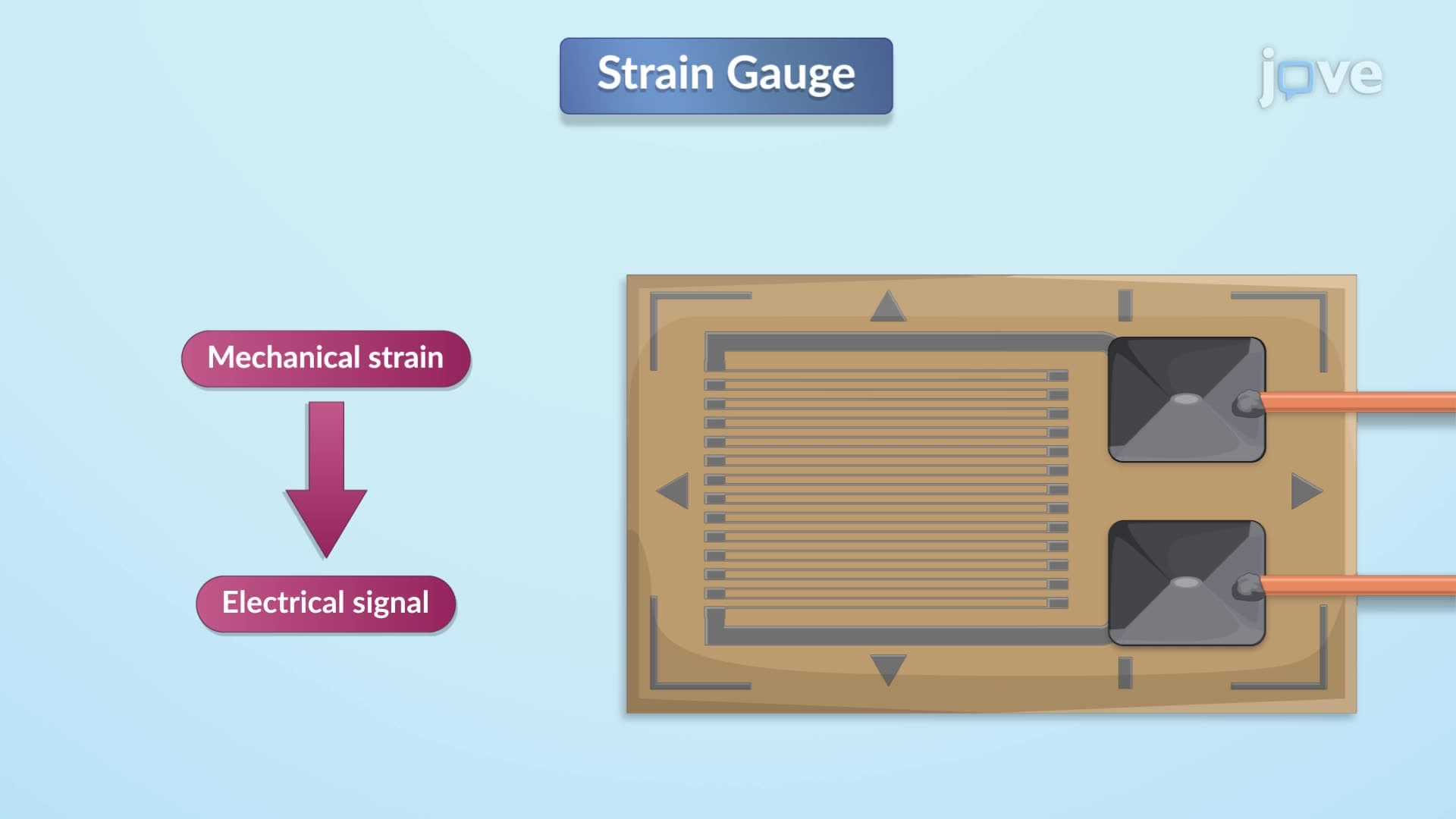

Video Summary: Design Example Strain Gauge Bridge Explained
Operational amplifiers power everything from smartphone sensors to NASA's Mars rovers-but how do engineers design circuits that amplify microscopic electrical signals into usable data? The Design Example Strain Gauge Bridge Explained demonstrates how operational amplifiers work with Wheatstone bridge circuits to convert mechanical strain into measurable voltage outputs. Boeing engineers use similar strain gauge systems to monitor aircraft wing stress during flight testing. Watch the full video on JoVE Coach to master this concept with expert-led visuals and step-by-step explanations.
Operational amplifiers serve as the crucial interface between physical sensors and digital measurement systems. The Design Example Strain Gauge Bridge Explained illustrates a fundamental engineering challenge: converting tiny mechanical deformations into amplified electrical signals suitable for data acquisition systems.
Strain gauges operate on the principle that electrical resistance changes proportionally with mechanical deformation. In a properly designed Wheatstone bridge, four strain gauges are arranged so that mechanical stress increases resistance in two gauges while decreasing it in the others. This configuration creates a differential output voltage that's directly proportional to the applied force.
Engineers at companies like Honeywell and Texas Instruments use similar bridge configurations in pressure sensors, load cells, and accelerometers. The bridge output typically produces millivolt signals that require significant amplification-often 100 to 1000 times-to reach the 0-5V or 0-10V ranges expected by analog-to-digital converters.
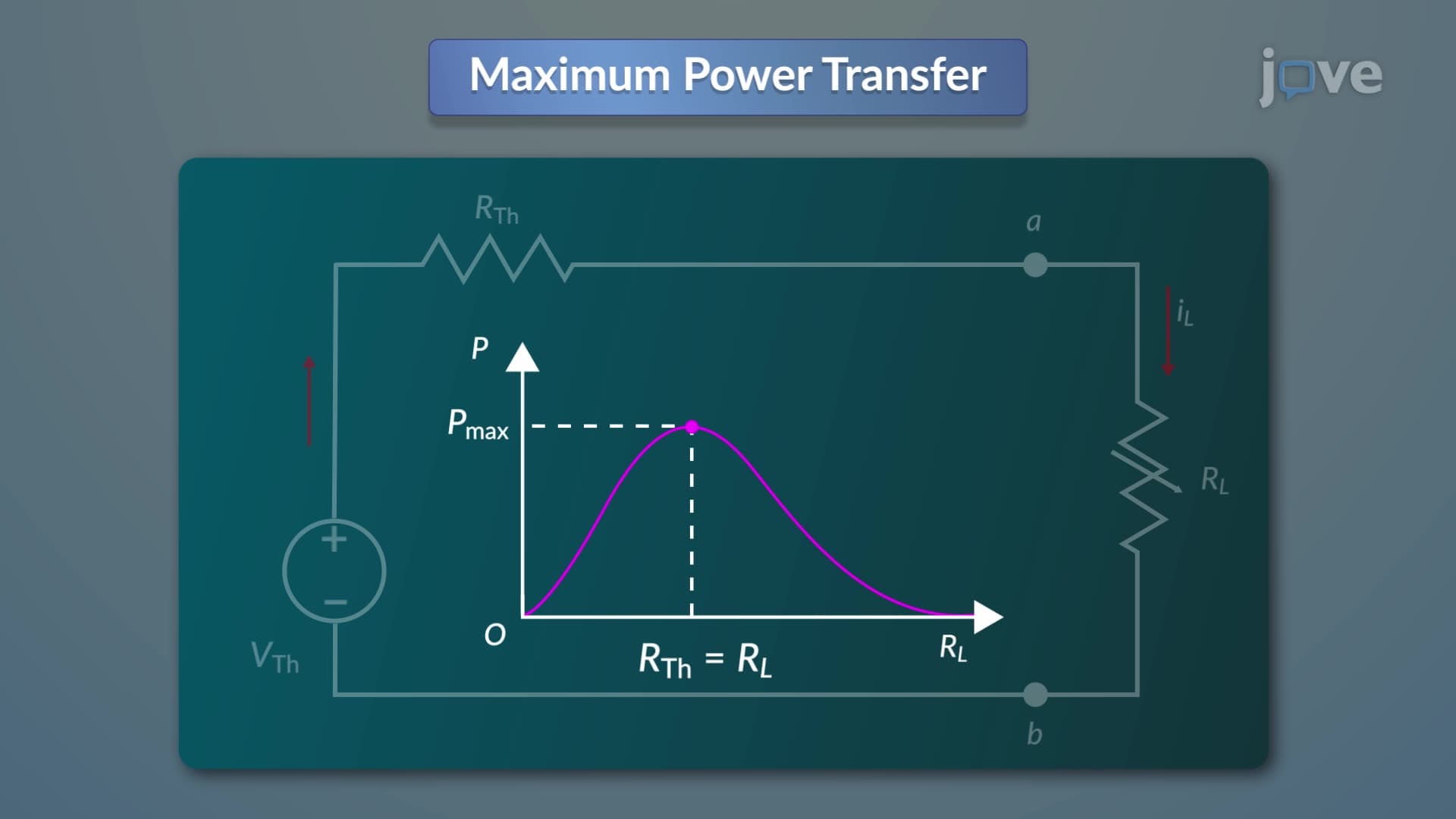
The operational amplifiers overview reveals why Thevenin's theorem becomes essential in bridge circuit design. By calculating the Thevenin equivalent voltage and resistance, engineers can determine the exact amplification needed without complex circuit analysis. This simplified approach allows rapid prototyping and ensures the operational amplifier doesn't load the bridge circuit, which would introduce measurement errors.
Modern types of operational amplifiers like the AD620 instrumentation amplifier or the INA114 are specifically designed for bridge applications. These specialized operational amplifiers provide high input impedance, low noise, and precise gain control-critical specifications for strain gauge systems used in everything from bathroom scales to earthquake monitoring equipment in California's seismic networks.
When designing operational amplifier circuits for strain gauge bridges, engineers must consider several factors beyond basic gain calculations. Temperature compensation prevents measurement drift, while proper shielding reduces electromagnetic interference. The Federal Aviation Administration requires strain gauge monitoring systems in aircraft structures, where operational amplifiers must function reliably across extreme temperature and vibration conditions.
Students preparing for AP Physics or introductory electrical engineering courses encounter these concepts in laboratory experiments measuring cantilever beam deflection or spring constants. Understanding operational amplifiers basics through strain gauge applications provides practical context for abstract circuit theory, making concepts more memorable for exams like the Fundamentals of Engineering (FE) exam.
Related Micro-courses