Loading video…


 11 Concepts
 21.5K views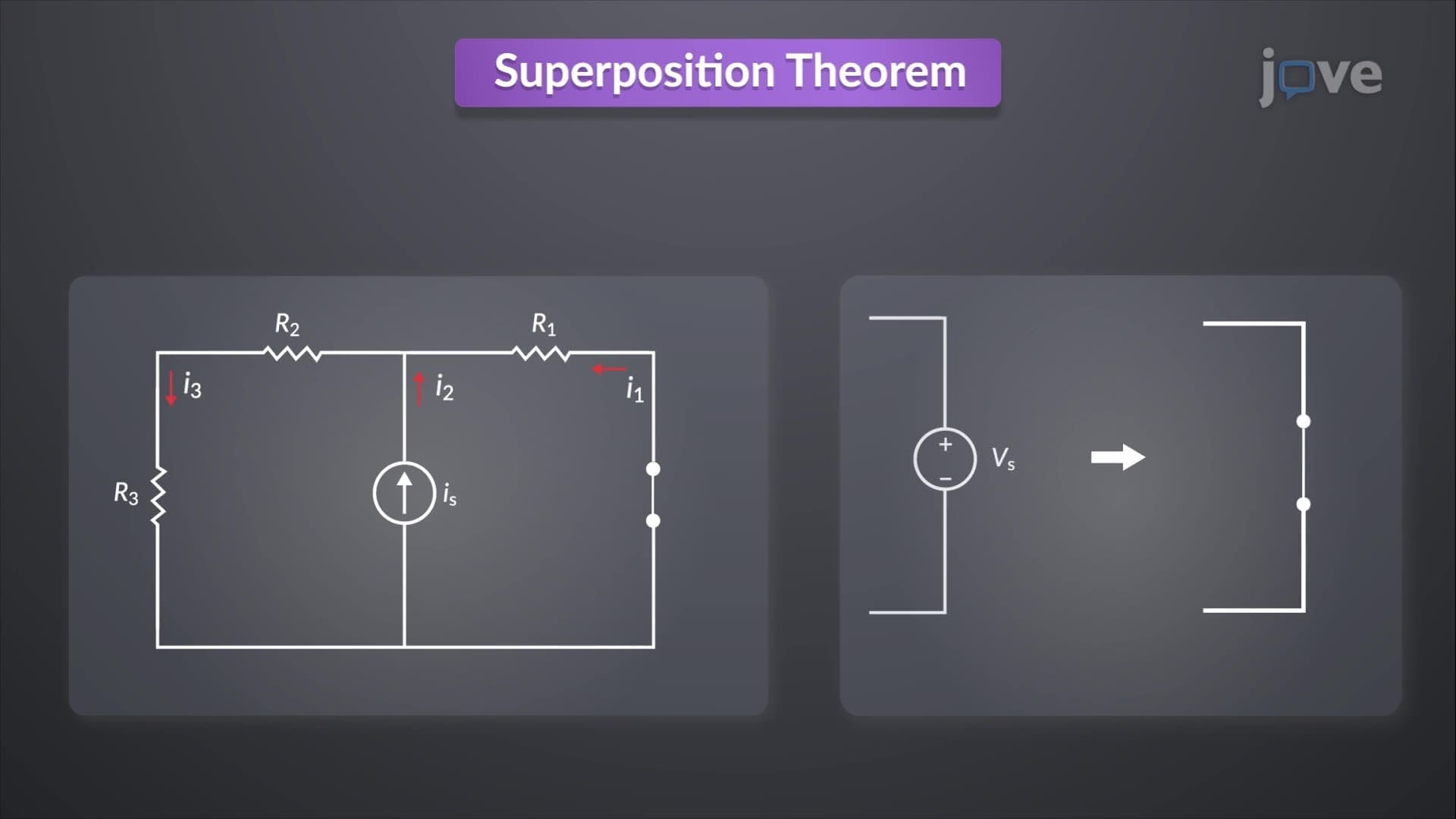

Video Summary: What Is Superposition Theorem
Did you know that analyzing complex electrical circuits in your smartphone involves the same principle used to design power grids across Texas? Thevenin's theorem and the superposition theorem work together to simplify circuits with multiple sources, making seemingly impossible calculations manageable. For instance, engineers at Intel use these principles when designing microprocessors that power millions of American computers daily. What is Superposition Theorem becomes clear when you learn to isolate each independent source and combine their individual effects algebraically. Watch the full video on JoVE Coach to master this concept with expert-led visuals and step-by-step explanations.
What is Superposition Theorem? It's a fundamental principle in electrical engineering that states the response in any linear circuit element is the algebraic sum of responses caused by each independent source acting alone. This theorem applies exclusively to linear circuits, where the relationship between voltage and current follows Ohm's law proportionally.
The theorem's power lies in its ability to transform complex multi-source problems into manageable single-source calculations. Students preparing for AP Physics or college-level electrical engineering courses frequently encounter this concept as a gateway to advanced circuit analysis techniques.
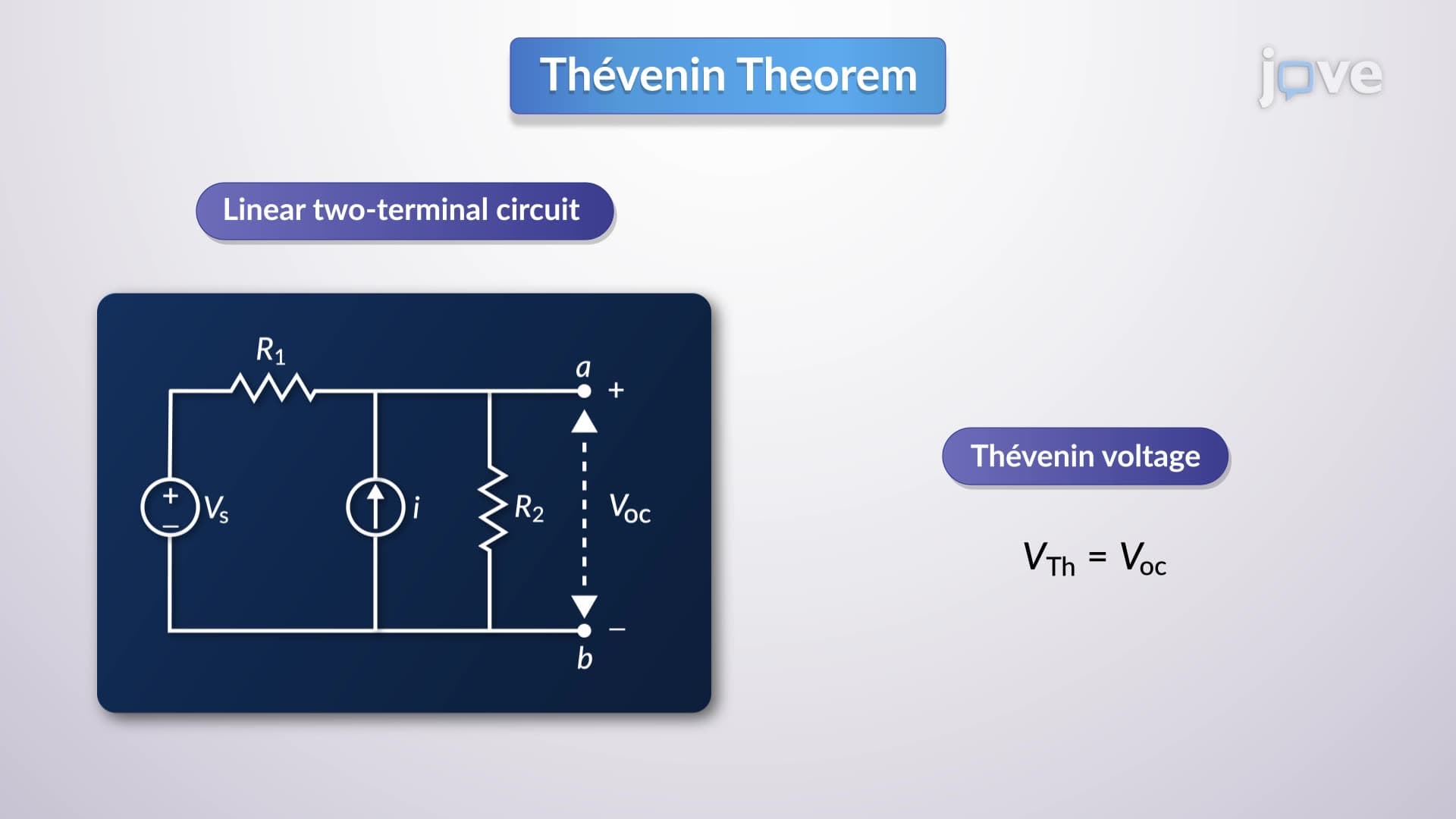
While studying thevenin's theorem definition, students discover how superposition theorem creates the foundation for more advanced techniques. Thevenin's theorem actually relies on superposition principles to reduce complex networks to simple equivalent circuits. Understanding what is thevenin's theorem in detail requires mastery of superposition concepts first.
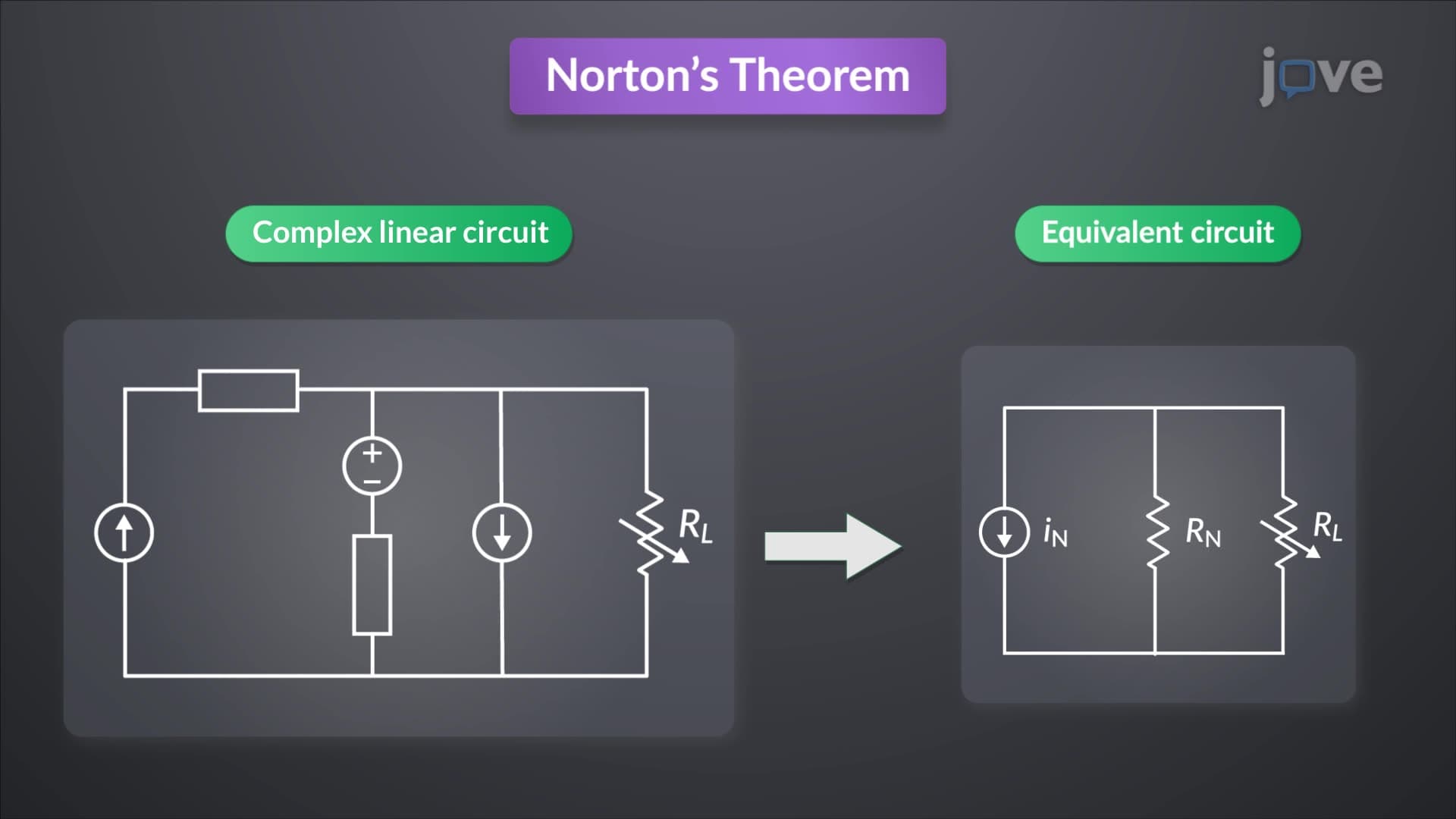
The thevenin's theorem overview shows how both theorems work synergistically: superposition handles multiple sources, while Thevenin's reduces circuit complexity. This thevenin's theorem concept appears regularly in engineering programs at universities like MIT, Stanford, and UC Berkeley.
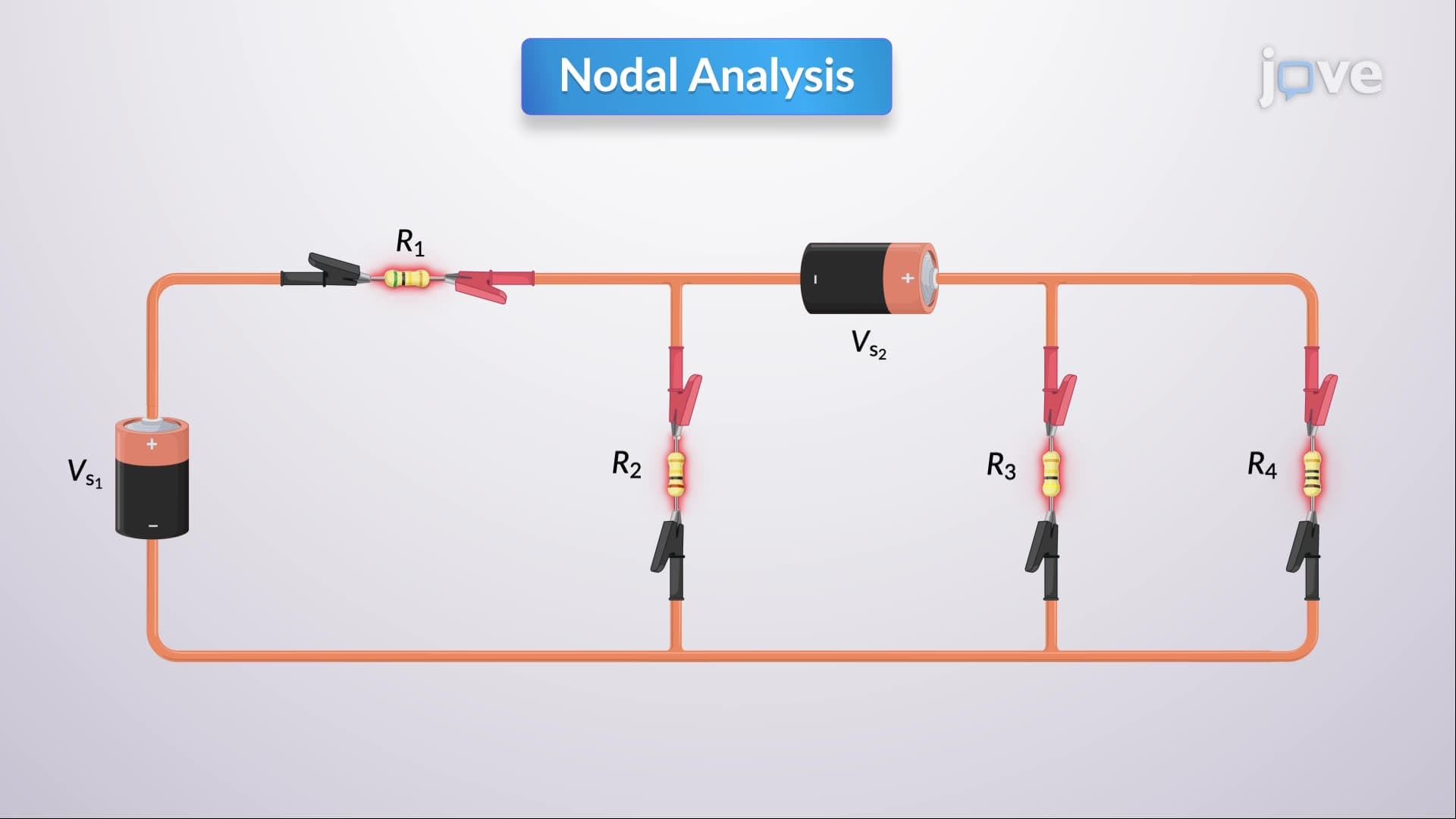
The superposition procedure follows a systematic approach that students can master through practice. First, identify all independent sources in the circuit. Next, select one active source while deactivating others-replace voltage sources with short circuits (zero resistance) and current sources with open circuits (infinite resistance).
Calculate the circuit response for the active source using standard techniques like Kirchhoff's laws, Ohm's law, and current/voltage division rules. Repeat this process for each independent source individually. Finally, algebraically sum all individual contributions to find the total response.
Engineers at companies like Texas Instruments and Analog Devices use superposition principles daily when designing integrated circuits. Power grid operators across the United States apply these concepts when analyzing load distribution from multiple generating stations.
For students, this thevenin's theorem study guide material appears on MCAT physics sections, AP Physics C exams, and undergraduate electrical engineering midterms. Understanding thevenin's theorem through superposition basics provides the analytical foundation needed for advanced topics like AC analysis and filter design in junior-level courses.
Related Micro-courses